

Savannah’s cobblestone streets and moss-draped squares tell countless stories. Yet, some of the most powerful narratives belong to the African American community that has shaped this coastal Georgia city for over two centuries. From hidden Underground Railroad stops to modern civil rights landmarks, these historic sites reveal a legacy of resilience, faith, and determination. The city’s African-American heritage spans from colonial times through the present day — weaving together tales of struggle and triumph that continue to inspire visitors from around the world.
Here is a list of 13 essential African-American history sites that showcase Savannah’s rich cultural tapestry and the enduring spirit of its Black community.
First African Baptist Church

Constituted in December 1777 by Reverend George Leile, the First African Baptist Church stands as the oldest continually active African American congregation in North America. The current building, completed in 1859, was constructed entirely by enslaved members who worked on surrounding plantations by day and labored on their sacred space by night.
During the Civil War, the church served as a crucial stop on the Underground Railroad — with runaway enslaved people hidden beneath the sanctuary floor through ventilation openings arranged in the pattern of an African prayer symbol.
Second African Baptist Church

This historic congregation gained national significance when General Rufus Saxton publicly addressed former enslaved people here about Sherman’s Special Field Order #15, better known as the famous “forty acres and a mule” proclamation.
Years later, Dr. Martin Luther King Jr. delivered an early version of his “I Have a Dream” sermon within these same walls, which he later repeated during the March on Washington in 1963. The church continues to serve as a spiritual cornerstone for Savannah’s African-American community.
Like Travel Pug’s content? Follow us on MSN.
Ralph Mark Gilbert Civil Rights Museum

Named for the former president of the Savannah NAACP chapter and pastor at First African Baptist Church, this museum chronicles Georgia’s role in the fight for equal rights from slavery to the present day.
Three floors of interactive exhibits, photographs, and artifacts tell the compelling story of Savannah’s Civil Rights Movement. The building itself holds historical significance — originally serving as the Wage Earners Savings Bank, which was founded by Black citizens in the early 1900s and funded many Black-owned Savannah businesses.
Beach Institute African-American Cultural Center

Established in 1867 as a school for newly freed enslaved people, the Beach Institute is Georgia’s oldest still-standing school for African Americans. Today, it serves as Savannah’s flagship museum for African American arts, history, and cultural preservation.
Visitors can explore permanent and rotating exhibits featuring Black artists, including remarkable works by local sculptor Ulysses Davis, who taught himself to whittle and created busts of every U.S. president up to George H.W. Bush.
Pin Point Heritage Museum

Located in the old A.S. Varn & Son Oyster and Crab Factory, this museum offers visitors a chance to experience Gullah Geechee culture firsthand in the community where workers made their living for nearly 60 years. The museum sits along Savannah’s Moon River — yes, the same waterway that inspired songwriter Johnny Mercer’s famous tune.
Guided tours provide hands-on demonstrations of how crabs were caught and processed, bringing the coastal community’s maritime heritage to life.
Like Travel Pug’s content? Follow us on MSN.
King-Tisdell Cottage Museum

Built in 1896, this Victorian-style cottage was home to Sarah King and Robert Tisdell, members of Savannah’s vibrant African-American entrepreneurial class. The museum was founded in 1981 by renowned Civil Rights leader W.W. Law and showcases various aspects of Savannah’s African-American commercial history and culture.
Visitors can explore artifacts, exhibits, and maps of Savannah’s historic Black communities from the late 1800s and early 20th century.
Laurel Grove Cemetery South

Once colloquially known as the “Negro Ground” burial site, this section of Laurel Grove Cemetery served as the designated final resting place for both enslaved and free people of color. At over 90 acres in size, it’s one of the largest African-American burial grounds in the Southeast.
It contains the graves of many noted members of Savannah’s African-American community, including pastors and Civil Rights leaders. The manicured property’s tombstones quietly tell abbreviated stories of lives that shaped the city’s history.
African American Monument

Standing prominently on River Street, this solemn monument features a family of four in a close embrace, with broken shackles around their feet symbolizing emancipation from slavery.
Erected in 2002 behind the Hyatt Hotel, the monument was designed and installed by a SCAD professor-student duo, with its stone base inscribed with an inspiring passage from the late Maya Angelou. The figures are positioned to face both the Savannah River and the west coast of Africa, representing a new beginning in the Americas.
Like Travel Pug’s content? Follow us on MSN.
Haitian Monument

Built to honor the 750 Haitian volunteer infantrymen — the largest unit of men of African descent who fought in the attempt to recapture Savannah from the British during the 1779 Revolutionary War siege.
The monument depicts six members of the Chasseurs-Volontaires de Saint-Domingue, including drummer boy Henri Christophe, who later became the first leader of independent Haiti. Located in Franklin Square, this bronze tribute recognizes a largely forgotten chapter of American independence.
Owens-Thomas House Slave Quarters Museum

Visitors are guided through one of the finest examples of Regency architecture in America, as well as the original slave quarters designed to house the enslaved men, women, and children who served the household.
The house exemplifies the stark juxtaposition between European excess and Black oppression so commonplace during the 19th-century South. The preserved quarters offer a sobering glimpse into the daily realities of enslaved life in urban Savannah.
Like Travel Pug’s content? Follow us on MSN.
Green-Meldrim House

Though not specifically interpreted as an African-American heritage site, this elegant mansion was the location of General Sherman’s historic meeting with several of Savannah’s Black leaders, where they worked out the details of Special Field Orders, No. 15.
The order promised “forty acres and a mule” to formerly enslaved people, though this promise would largely go unfulfilled. The house now serves as a parish house and museum, with tours highlighting its role in this pivotal moment of American history.
Savannah African Art Museum

The museum holds a collection of over 1,000 objects from West and Central Africa, representing 22 countries and over 130 cultures and ethnic groups. The collection showcases a range of unique ceremonial and spiritual objects from the 19th and 20th centuries made from ceramics, metal, and wood.
This cultural treasure trove provides visitors with a deeper understanding of the African heritage that enslaved people carried with them to the Americas.
Like Travel Pug’s content? Follow us on MSN.
Lasting echoes of courage
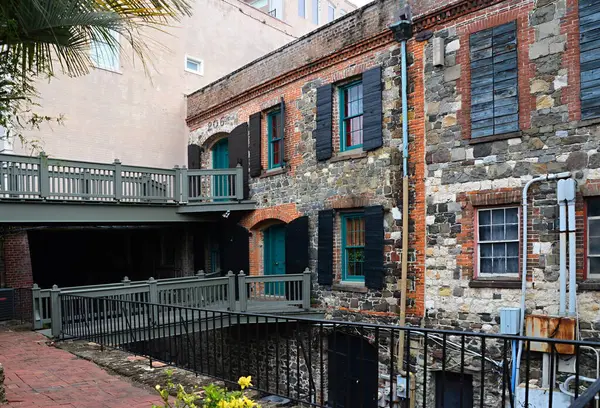
These fifteen sites represent far more than historical curiosities — they’re living testimonies to the courage, creativity, and perseverance of African Americans who helped build Savannah from its earliest days. Through understanding and acknowledging this history, visitors can gain a deeper appreciation for the struggles, achievements, and resilience of those who paved the way. Whether exploring the Underground Railroad connections at First African Baptist Church or contemplating the broken chains at the African American Monument, each location offers profound insights into America’s complex past.
The stories preserved within these walls and spaces continue to inspire new generations while honoring those who fought for freedom, dignity, and equality. Today’s Savannah stands as a testament to their enduring legacy — a city where the echoes of its courage still resonate through Spanish moss and Georgia sunshine.
More from Travel Pug

- 20 Best Beach Towns in the Carolinas
- 13 Destinations Where Tourists Regularly Regret Their Trip
- 20 Things You Actually Get in First Class
- 20 Small Airports With Aviation Museums
- 20 Places in the U.S. That Are Perfect for a Reset Trip
Like Travel Pug’s content? Follow us on MSN.