

The aviation industry alone pumps out nearly one billion tons of CO2 annually—roughly equivalent to the entire carbon footprint of Germany. Yet wanderlust isn’t going anywhere, and neither should it have to. Here’s a list of fifteen practical approaches that let travelers explore the planet while treading more lightly on it, from overnight train journeys that replace short flights to conservation programs where tourists actually help protect the places they visit.
Take overnight trains instead of short-haul flights

Europe’s night train network has quietly expanded over the past five years, connecting cities like Vienna to Amsterdam, Stockholm to Berlin, and Paris to Venice. These journeys slash carbon emissions by up to 90% compared to flying the same routes. Wake up in a new city center. No airport hassles, no 5 a.m. shuttle rides. The gentle rocking motion helps some people sleep better than they do at home—though admittedly, others find themselves wide awake, counting passing streetlights through thin curtains that never quite close properly.
Choose direct flights for unavoidable air travel

When flying becomes necessary, booking nonstop routes cuts emissions by up to 25% per journey. Each takeoff and landing burns massive amounts of fuel. Simple math. Airlines have started highlighting their most fuel-efficient routes, and newer aircraft like the A350 and 787 Dreamliner use roughly 20% less fuel than older models on the same routes.
Stay in locally-owned accommodations

Small guesthouses and family-run hotels typically use 40% less energy per guest than international chain hotels, sourcing breakfast ingredients from nearby farms rather than industrial suppliers, keeping money flowing directly into local communities instead of corporate headquarters in another country entirely. These places often know which hiking trails tourists haven’t discovered yet. Which restaurants serve actual regional food? The owner’s cat might wander into your room uninvited. Still beats another identical business hotel.
Pack light to reduce fuel consumption

Every kilogram matters on planes, trains, and buses. A fully loaded aircraft burns approximately 0.03 liters of extra fuel per kilogram of weight over a typical flight. Multiply that by millions of overpacked suitcases annually, and the numbers become staggering.
Traveling with just carry-on luggage forces thoughtful choices about what actually matters. Nobody needs seventeen pairs of shoes for a week-long trip.
Use public transportation at destinations

Metros, trams, and buses move millions of people daily using a fraction of the energy required for rental cars or taxis. Cities like Copenhagen, Singapore, and Tokyo have turned public transit into an art form—trains arrive within seconds of scheduled times, stations sparkle with cleanliness, and somehow everyone knows exactly where to stand. Tourist passes often cost less than a single taxi ride from the airport. Even so, downloading local transit apps before arrival saves considerable frustration when trying to decode foreign ticket machines at midnight.
Select destinations accessible by land
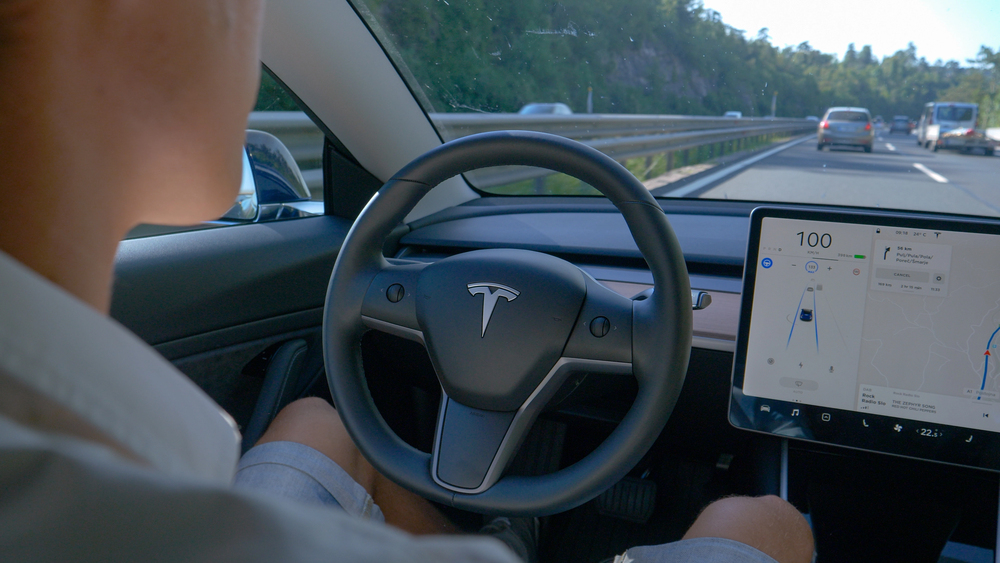
Choosing vacation spots reachable by train, bus, or electric vehicle eliminates aviation emissions entirely. The entire Mediterranean coastline connects via rail. National parks often cluster within driving distance of each other. Road trips create their own rhythm. Unexpected roadside attractions, terrible gas station coffee, arguments over music choices, and those conversations that only happen when you’re trapped in a car together for hours.
Support carbon offset programs that actually work

Not all offset schemes are created equal. Gold Standard-certified projects and verified reforestation programs deliver measurable results. Some airlines now offer integrated offset options during booking, though independent verification matters more than convenience. The best programs: • Focus on renewable energy projects in developing nations • Provide transparent tracking of funds • Undergo third-party auditing • Create local employment opportunities.
The worst ones plant trees in areas that will be logged within five years. Complete waste.
Travel during shoulder seasons
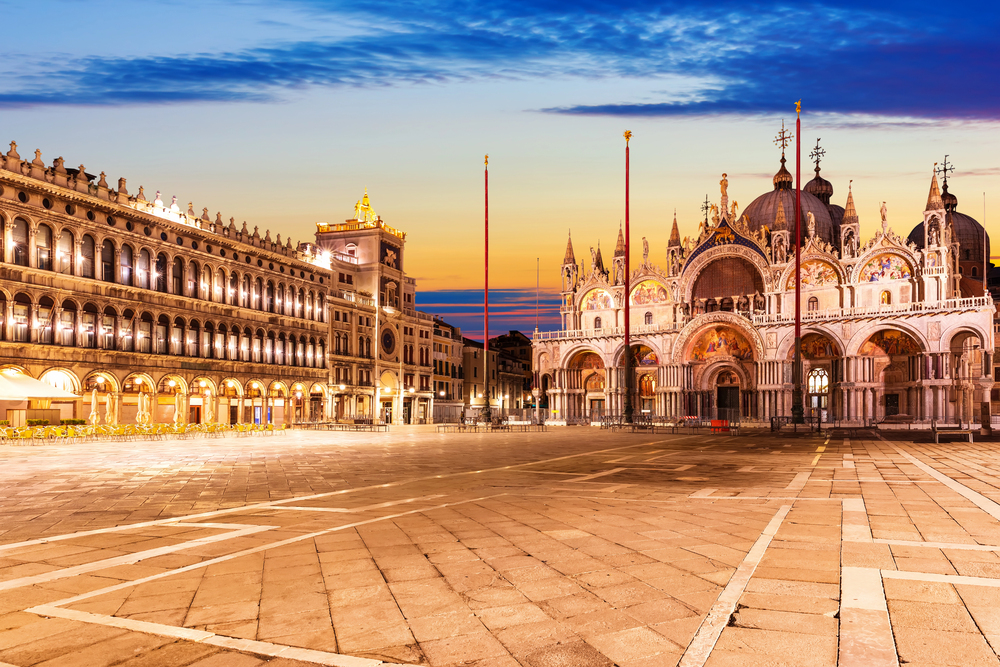
Off-peak travel reduces strain on overwhelmed destinations while often providing better experiences. Venice in November has 80% fewer tourists than in July. Hotels drop prices. Restaurants serve locals instead of cruise ship crowds. The weather might be unpredictable, but rain in Paris beats suffocating crowds at the Louvre any day. Plus, locals actually have time to chat when their city isn’t drowning in visitors.
Book eco-certified hotels

LEED certification, Green Key awards, and EarthCheck validation mean something concrete—reduced water usage, renewable energy sources, and waste reduction programs that work. These properties install solar panels, harvest rainwater, and compost food waste. Some have eliminated single-use plastics entirely.
The good ones make sustainability invisible to guests. The annoying ones? Passive-aggressive notes about reusing towels in every corner.
Choose slow travel over destination hopping

Staying two weeks in one place instead of racing through seven cities cuts transportation emissions by up to 70%. Longer stays reveal neighborhood rhythms invisible to three-day visitors. Local coffee shop baristas start remembering orders. The elderly couple next door might invite travelers for dinner. Not exciting enough for Instagram, perhaps, but these are the moments you remember twenty years later when you’ve forgotten which museum was which.
Participate in conservation tourism

Rangers in Kenya’s conservancies teach visitors about anti-poaching efforts while tracking rhinos on foot. Marine biologists in the Maldives involve tourists in coral restoration projects. These experiences fund critical conservation work directly. Participants learn skills they’ll never use again—like identifying leopard scat or transplanting coral fragments—but the money keeps these programs alive. And honestly, how many people can say they’ve helped save a reef?
Eat local and seasonal food

Food transported across continents generates surprising amounts of emissions. Local markets offer whatever grows nearby this week. Seasonal eating means strawberries in June taste like actual strawberries, not the cardboard versions flown in from another hemisphere in December. Street food uses less energy than hotel restaurants. Plus, food poisoning builds character. (Kidding. Mostly.)
Walk or cycle for short distances

Cities reveal themselves differently at walking pace—hidden courtyards, graffiti art down alleyways, the smell of bread from a bakery you’d never notice from a taxi window. Bike-share systems have proliferated globally, making two-wheeled exploration accessible even for nervous cyclists. Amsterdam’s cycling infrastructure remains unmatched, but cities from Montreal to Taipei have built impressive networks. Walking twenty thousand steps daily justifies eating that second gelato. Or third.
Join beach and trail cleanup initiatives
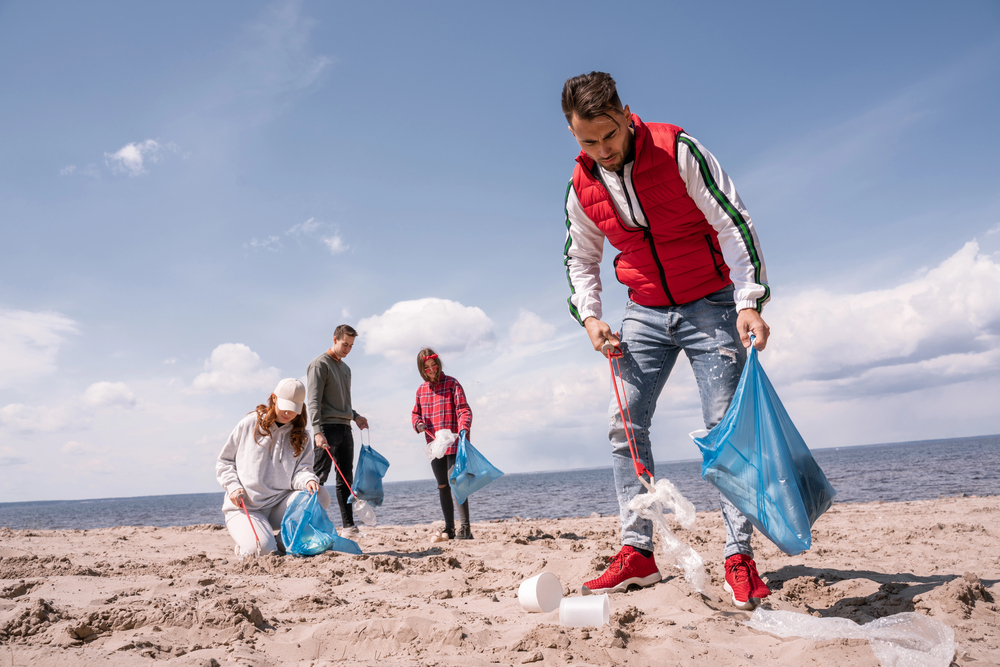
Two hours collecting plastic on a Thai beach or clearing invasive plants from hiking trails contribute more than most vacation activities. Organizations like Ocean Conservancy and Leave No Trace coordinate efforts worldwide.
Volunteers often discover hidden coves or trails during these activities. The work is unglamorous. Sometimes tedious. Still, beaches stay beautiful because someone bothered to pick up the trash.
Rent electric or hybrid vehicles

EV charging infrastructure has expanded dramatically across Europe, North America, and parts of Asia. Rental companies now offer electric options in most major cities. The silence at highway speeds takes adjustment—no engine noise to mask questionable song choices or off-key singing. Range anxiety remains real, but planning charging stops adds structure to meandering road trips. Forces you to explore towns you’d otherwise speed past.
The journey becomes the destination

Sustainable travel doesn’t require perfection or constant sacrifice. Small shifts in how people move through the world accumulate into substantial change when millions adopt them. So maybe skip that weekend flight to Ibiza. Try the train instead. The planet needs travelers who think before they book, choose thoughtfully, and occasionally accept that the best adventures might be closer to home than they imagined.
More from Travel Pug

- 20 Best Beach Towns in the Carolinas
- 13 Destinations Where Tourists Regularly Regret Their Trip
- 20 Things You Actually Get in First Class
- 20 Small Airports With Aviation Museums
- 20 Places in the U.S. That Are Perfect for a Reset Trip
Like Travel Pug’s content? Follow us on MSN.