

Every year, millions of travelers flock to Europe’s most famous landmarks, armed with expectations shaped by glossy brochures and Instagram feeds. The reality often tells a different story entirely. Here’s a list of 15 European destinations that frequently leave visitors wondering what all the fuss was about.
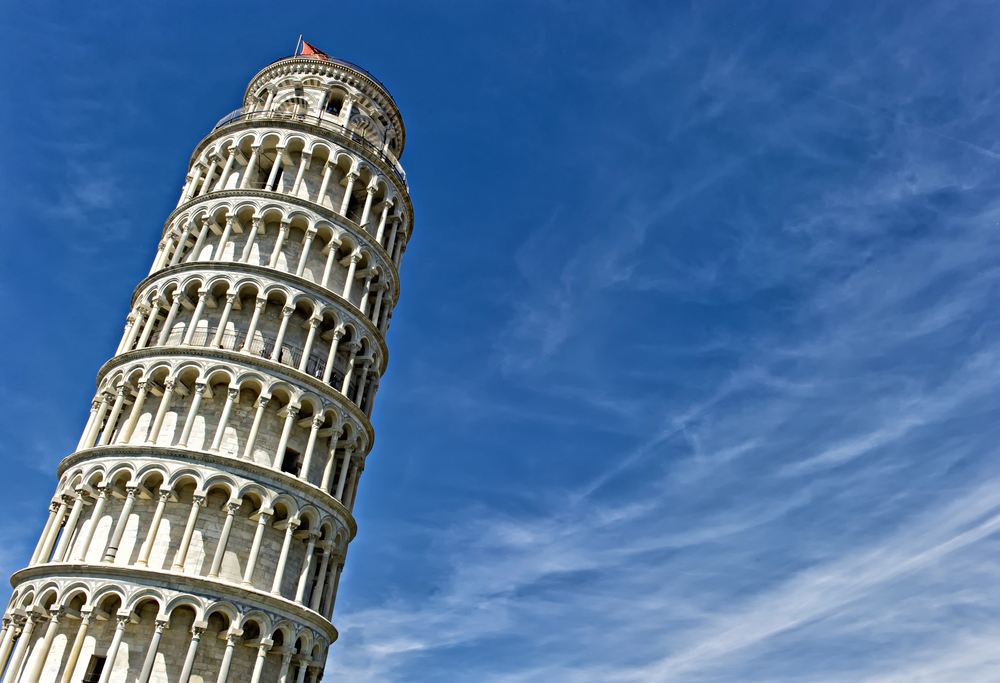
Leaning Tower of Pisa
— Photo by urmoments
Standing next to the iconic tower reveals just how tiny it actually is. At 56 meters tall, it gets dwarfed by most modern buildings while crowds of people strike the same “holding up the tower” pose. Vendors hawk cheap souvenirs nearby, and the whole experience takes about 20 minutes unless you pay to climb inside. Not quite the architectural marvel most expect.
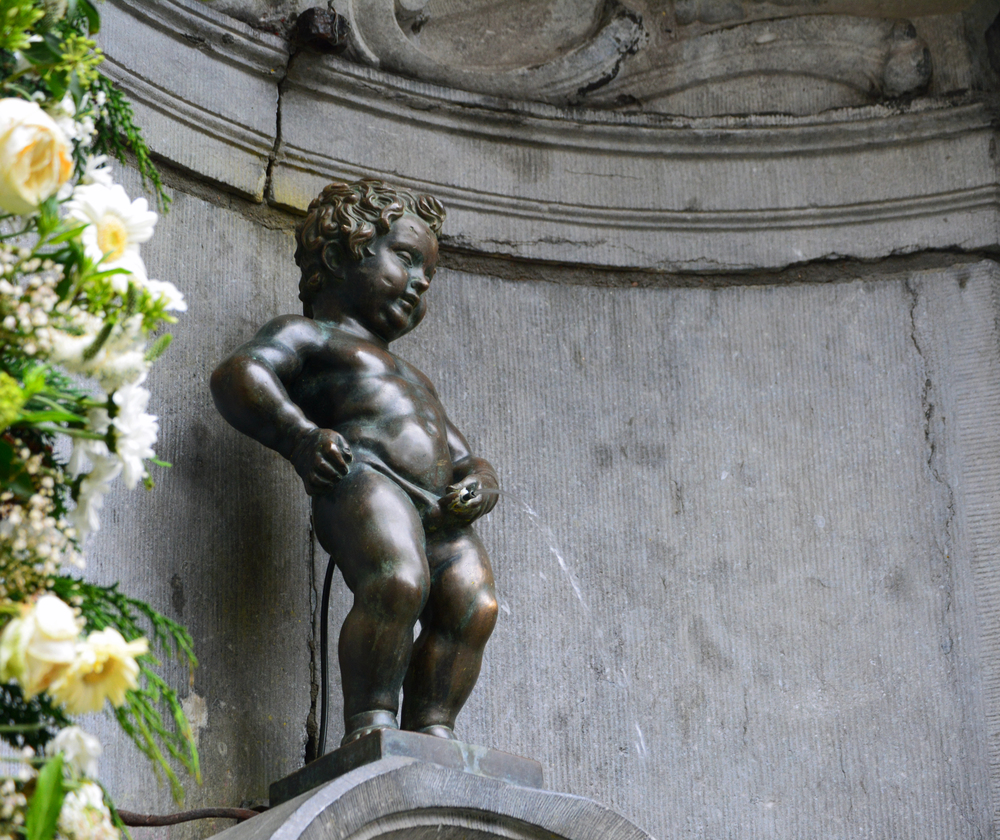
Manneken Pis
— Photo by BLC-James
Brussels’ famous peeing boy statue stands barely two feet tall on a random street corner. Most tourists walk past it twice before realizing they’ve found what they came to see.
The bronze figure is often dressed in costumes that make it look more like a doll than an artistic masterpiece, and the surrounding area offers little beyond overpriced waffle stands selling the same tourist trinkets you’ll find everywhere else in the city.
Spanish Steps
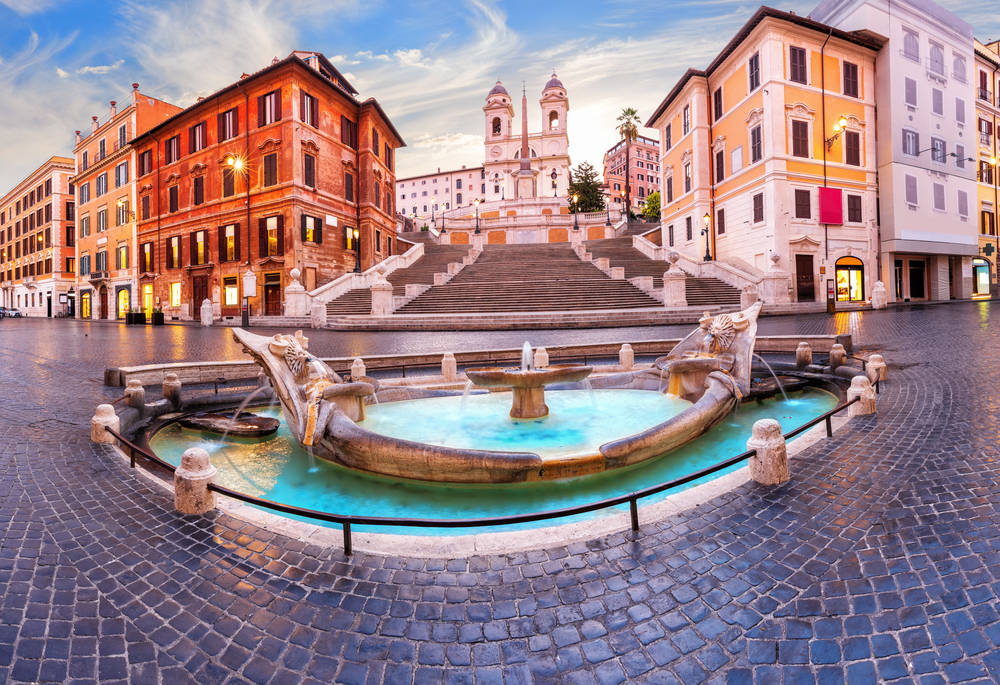
Rome’s Spanish Steps attract massive crowds who come to recreate scenes from old movies, but sitting on them is now prohibited. The area swarms with aggressive street vendors and pickpockets while the 135 steps themselves are just regular stone stairs leading to a church that’s often closed. Nothing magical about limestone and crowds.
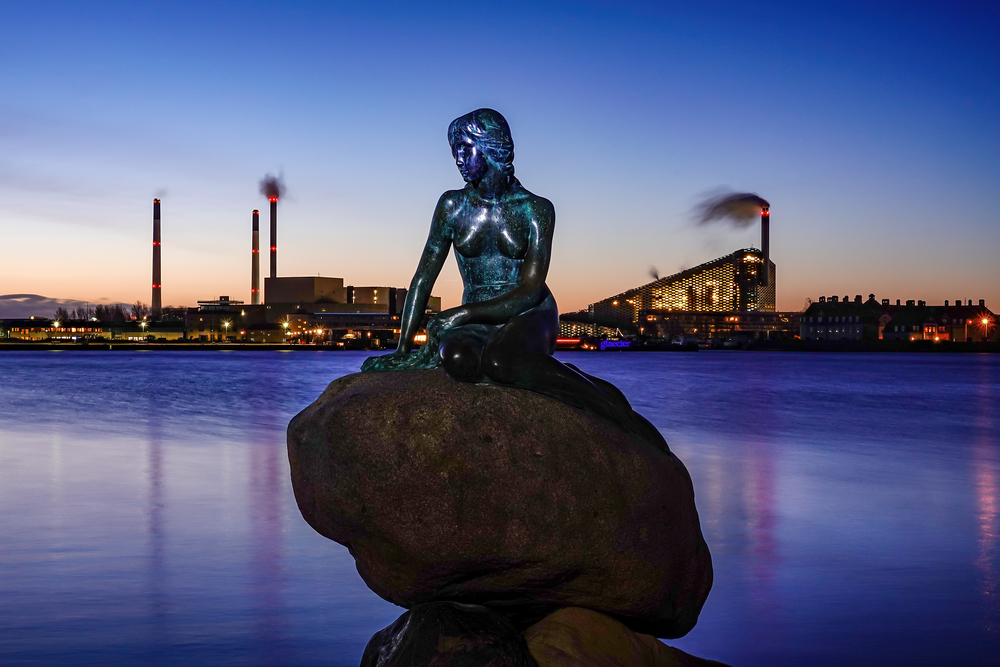
Little Mermaid statue
— Photo by Alexander2323
Copenhagen’s most famous resident sits on a small rock by the harbor, looking perpetually underwhelmed by her visitors and measuring just 1.25 meters tall while facing away from most viewing angles. The smell of seaweed doesn’t help the romantic atmosphere either.
Still, tourists spend more time trying to get the perfect selfie angle than actually appreciating the sculpture itself.
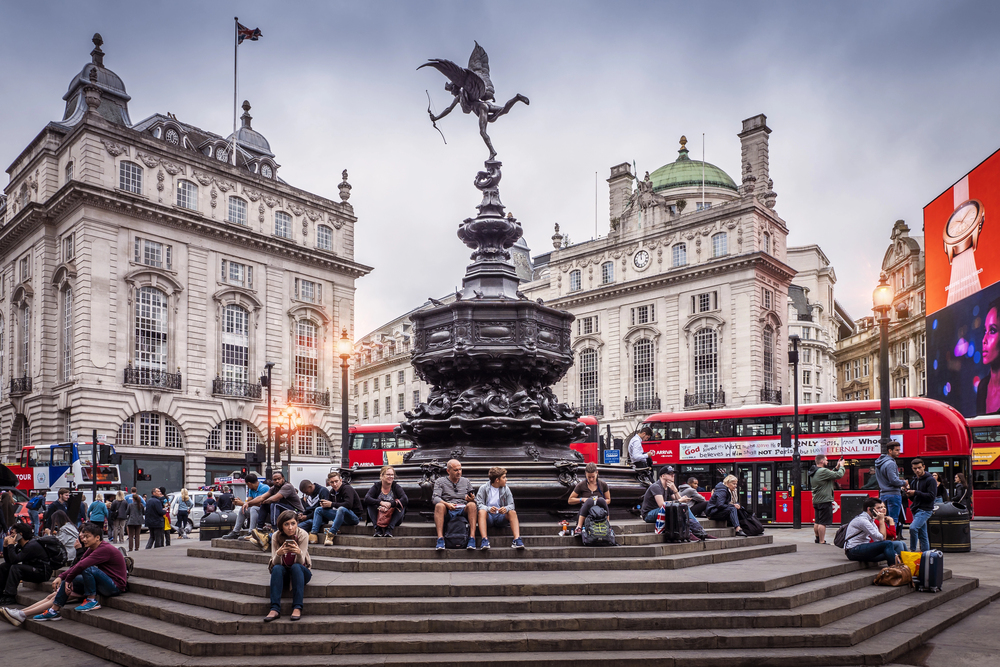
Times Square of Europe – Piccadilly Circus
— Photo by mbastos
London’s Piccadilly Circus promises to be Britain’s answer to Times Square but delivers mostly chain restaurants and souvenir shops. The famous electronic billboards pale in comparison to their New York counterparts, and traffic dominates the experience while the actual “circus” part is just a busy intersection where everyone looks vaguely lost.
Stonehenge
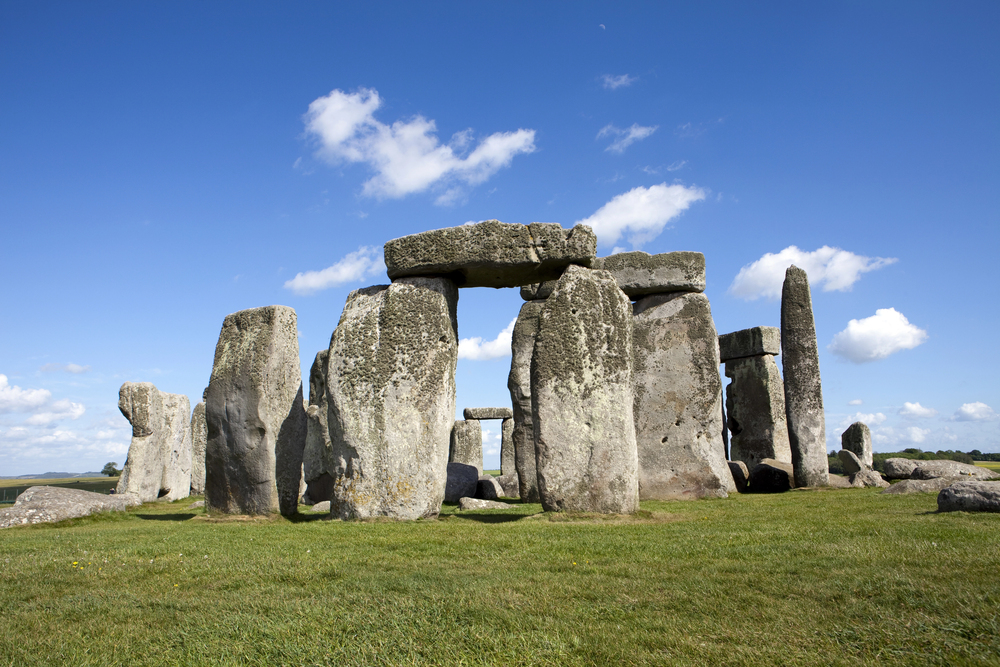
The ancient stone circle sits behind a rope barrier that keeps visitors at a disappointing distance. What looks mysterious and accessible in documentaries reveals itself as a small arrangement of rocks in the middle of a field while the audio guide tries to compensate for the lack of up-close access.
Even so, many leave feeling they could have gotten the same experience from a good photograph and saved the admission fee.
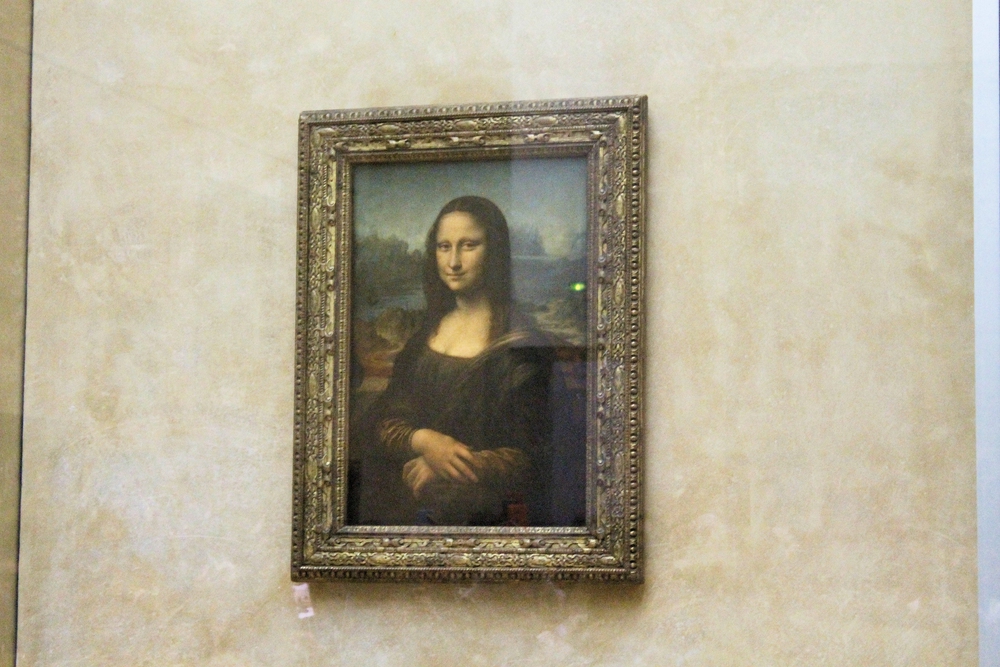
Mona Lisa at the Louvre
— Photo by marcobir
Standing in front of the world’s most famous painting means joining a crowd three rows deep behind a velvet rope, while the painting itself measures just 77 by 53 centimeters and sits behind bulletproof glass that creates annoying reflections. Most visitors spend more time photographing themselves with the painting than actually looking at it.
The room buzzes with disappointed murmurs in a dozen languages. You can almost hear the collective “that’s it?”
Pont des Arts love locks aftermath
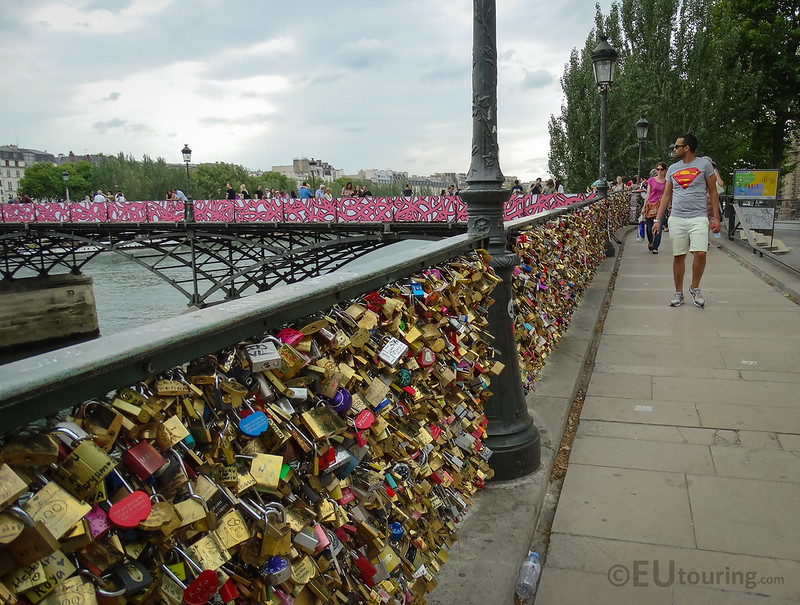
Paris removed the famous love locks from Pont des Arts in 2015, yet tourists still arrive expecting to see the romantic metal display. Instead, they find glass panels and a bridge that looks like every other bridge in the city.
The surrounding area still attracts couples, but the magic that made this spot special is long gone.
Checkpoint Charlie
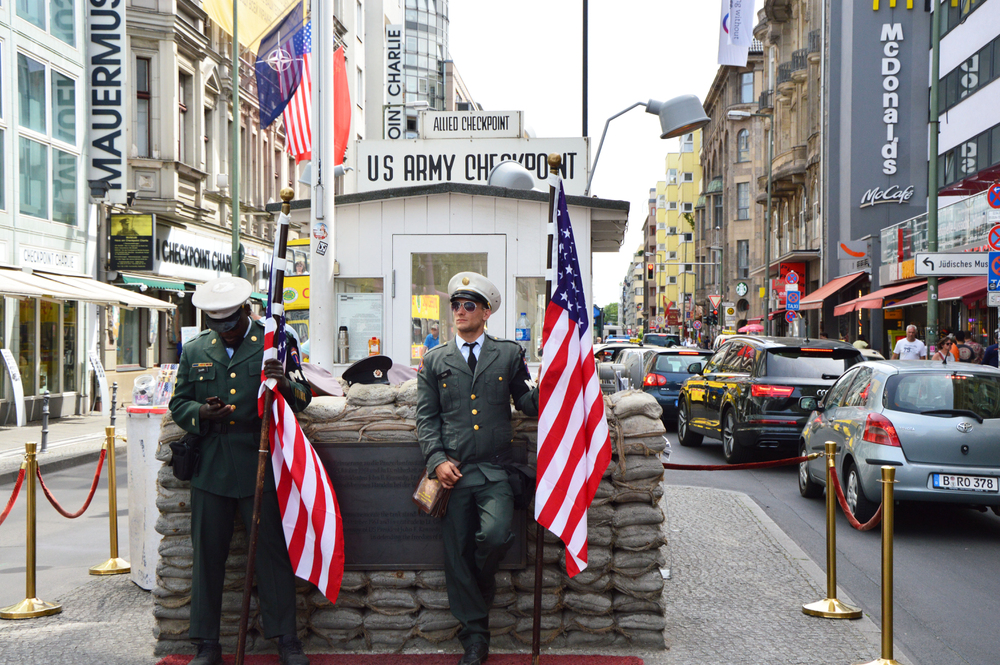
— Photo by sergio_pulp
Berlin’s famous Cold War crossing point is now a tourist attraction surrounded by fast food chains and souvenir shops selling fake military memorabilia, while actors in American military uniforms pose for photos with tourists, and the historical significance gets lost in commercial noise. The actual checkpoint consists of a small hut that’s been moved from its original location anyway.
Platform 9¾ at King’s Cross
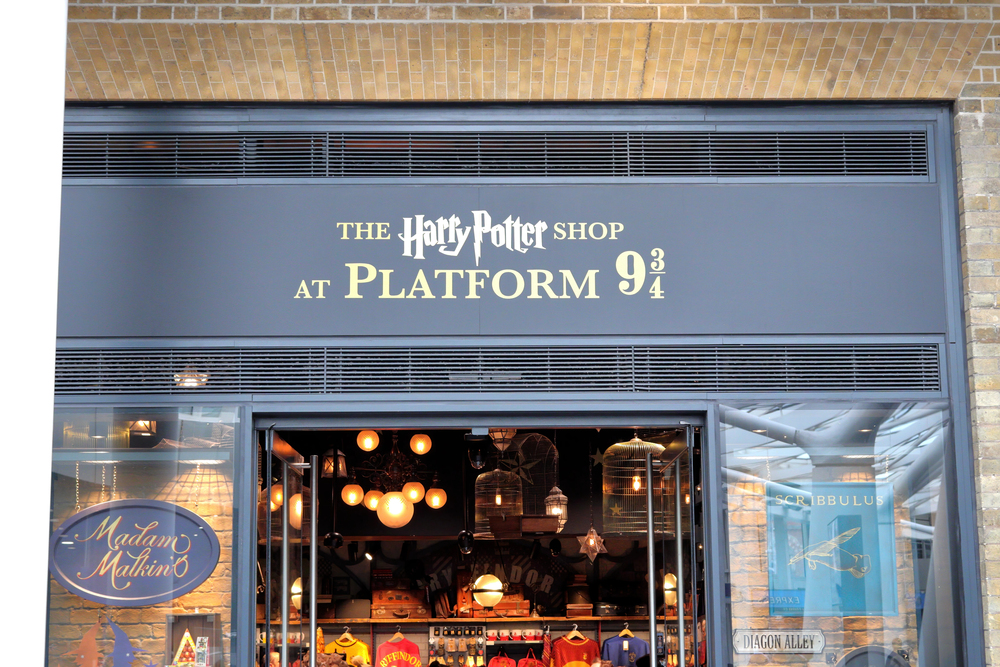
— Photo by DevisM
Harry Potter fans line up for hours to take photos with a shopping trolley disappearing into a wall. The “magical” spot sits in a busy train station corridor next to a Harry Potter gift shop while staff members wave scarves to create the illusion of motion for photos.
The whole setup feels more commercial than magical, and the queue moves slowly while real commuters navigate around the tourist spectacle with barely concealed irritation.
Casa Batlló rooftop
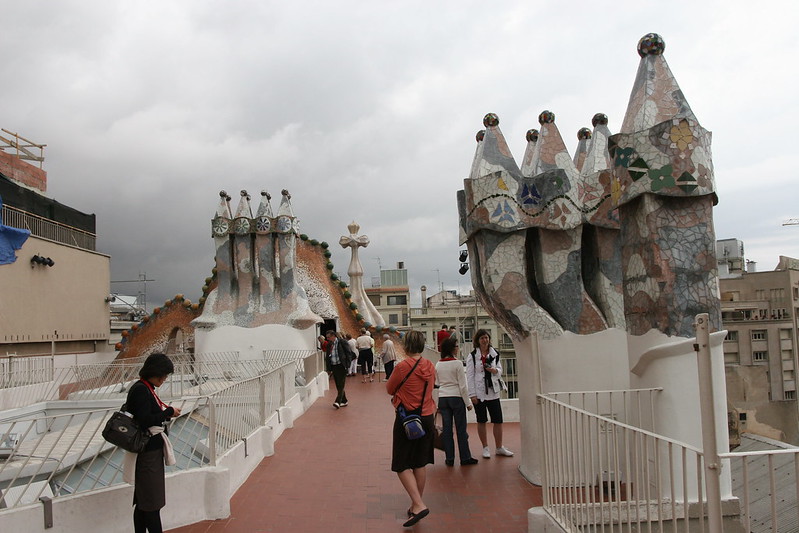
Barcelona’s famous Gaudí house draws crowds who pay premium prices to see colorful mosaics and curved architecture, but the experience feels rushed as tour groups shuffle through narrow spaces while audio guides compete with background noise. The rooftop offers nice city views, though similar perspectives are available for free from other locations around Barcelona. At least the gift shop air conditioning works.
Neuschwanstein Castle exterior only
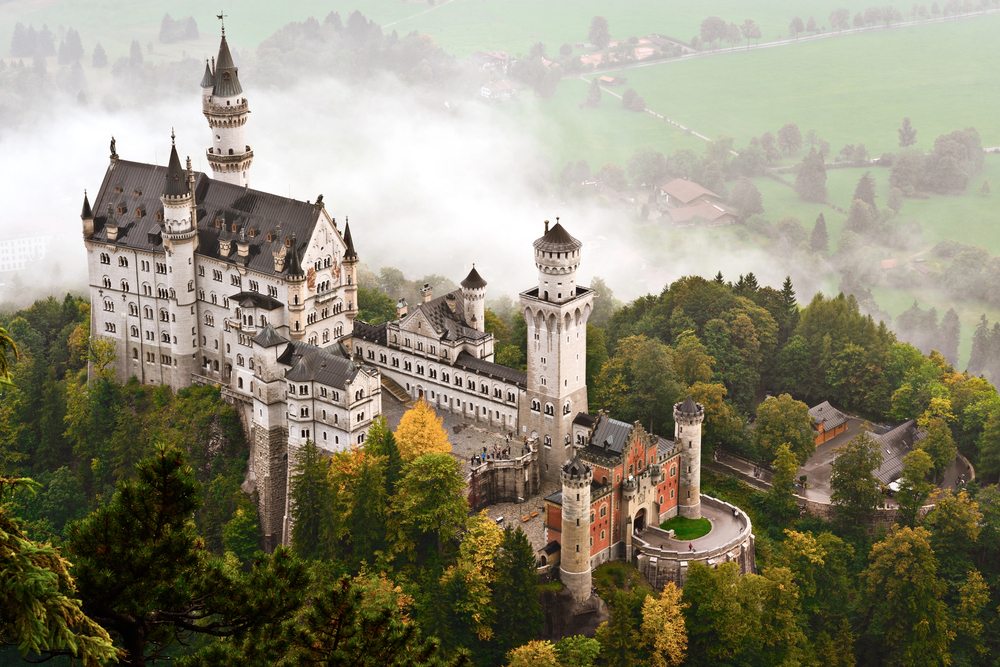
— Photo by sepavone
Bavaria’s fairy-tale castle inspired Disney’s logo, yet visitors can’t actually tour the interior without advance reservations that book up months ahead. Most people settle for exterior photos from the viewing platform, which requires a steep uphill walk that leaves many questioning their fitness levels.
The castle often disappears behind scaffolding during frequent maintenance periods, while the weather in the mountains changes quickly, and fog can eliminate views entirely.
Anne Frank House cramped quarters
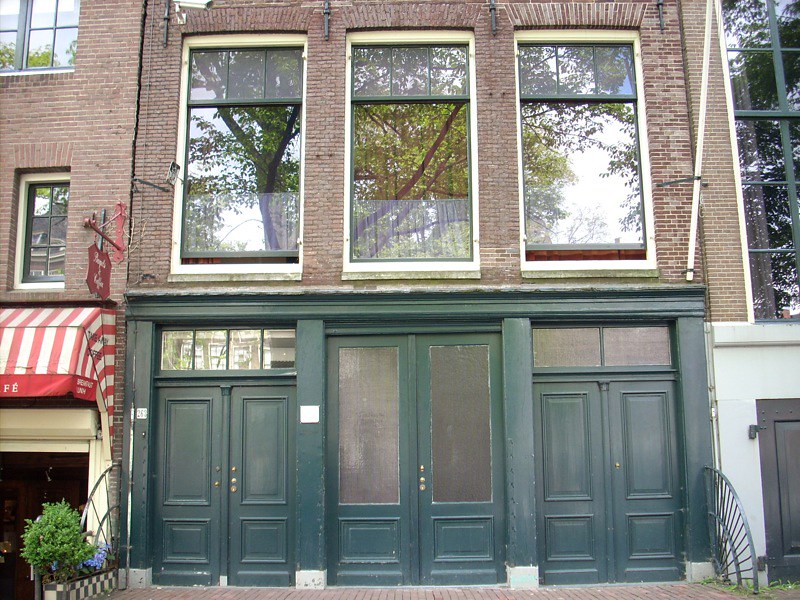
Amsterdam’s most moving museum packs visitors into the small rooms where the Frank family hid during World War II, while narrow staircases create bottlenecks, and the emotional weight of the experience gets interrupted by crowd management. Advanced booking is essential, yet even then, the rushed atmosphere makes it difficult to properly absorb the historical significance of what happened in these tiny spaces.
Brandenburg Gate surrounded by construction
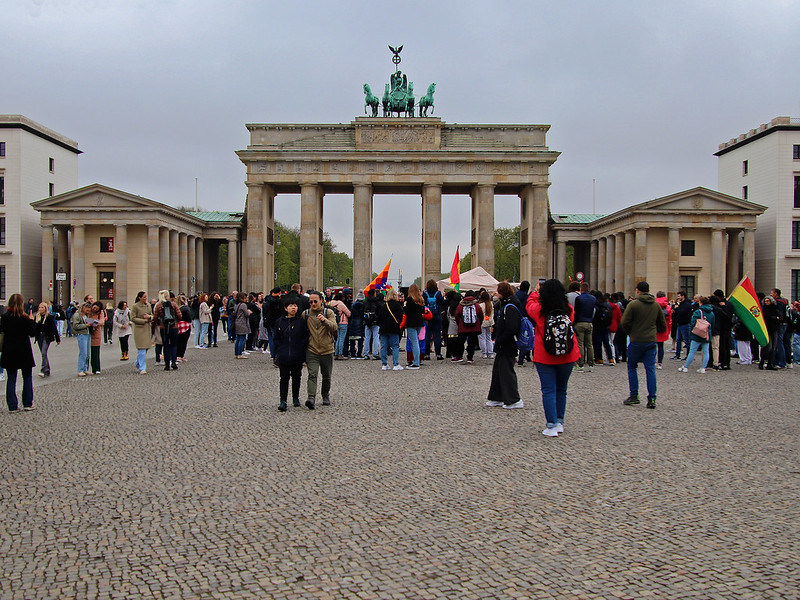
Frequently, scaffolding, construction barriers, or significant events obstruct access to Berlin’s symbol of reunification. When it is visible, the gate is not in the stately location that many people anticipate, but rather in a bustling plaza that is crowded with tour groups and street entertainers.
Therefore, the area around the Brandenburg Gate offers little more than tourist eateries and souvenir shops selling the same T-shirts and keychains.
Cliffs of Moher safety barriers
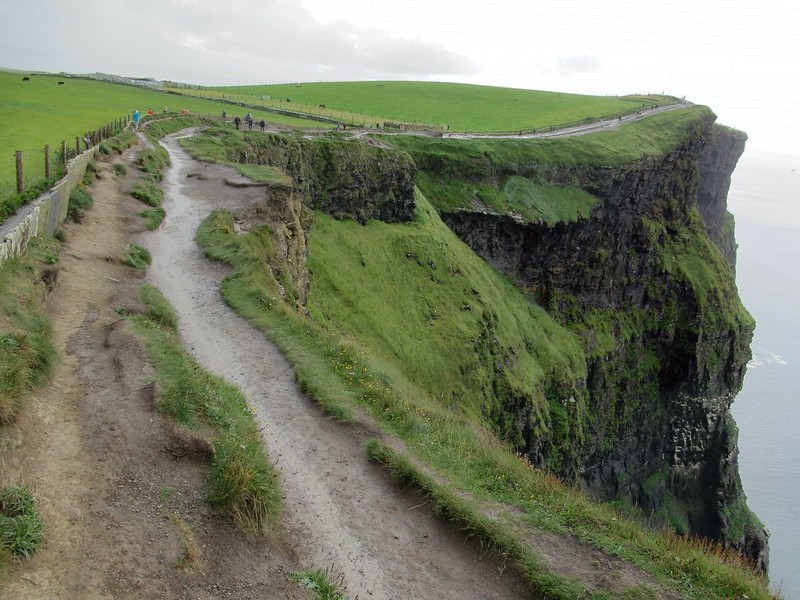
While the visitor center charges admission fees and the clifftop experience feels controlled and commercialized, Ireland’s dramatic coastal cliffs are surrounded by extensive safety barriers that limit the views and photo opportunities visitors hope for. Partial closures are frequently required due to strong winds and erratic weather.
In any case, the well-known puffins only show up during particular seasons.
The reality behind the postcards
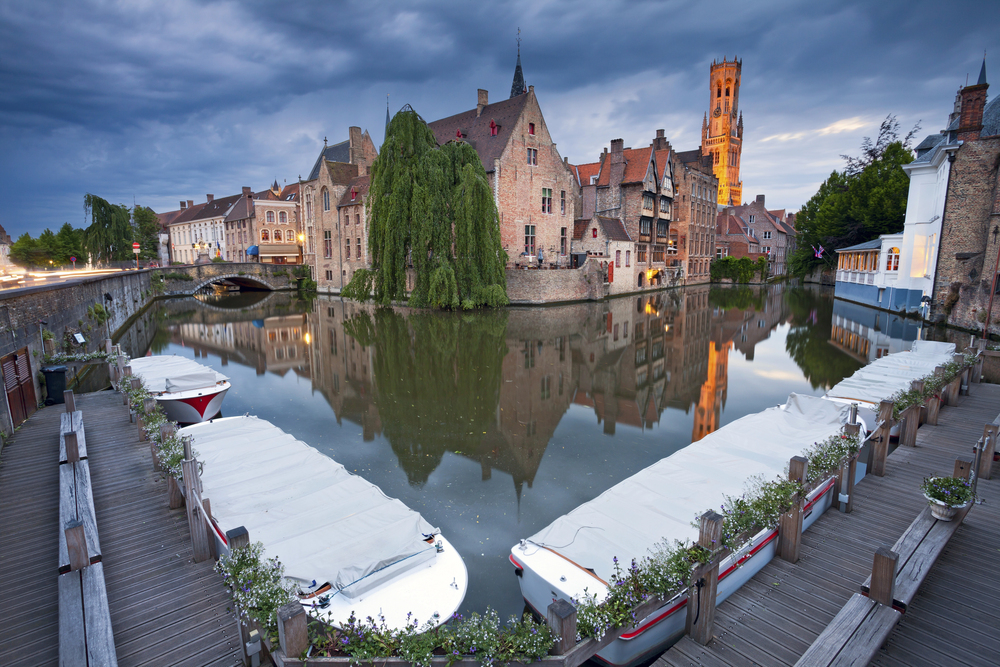
Europe’s most photographed destinations rarely account for crowds, weather, construction, or the simple passage of time in their promotional materials. Sometimes the best travel experiences come from wandering off the beaten path entirely.
More from Travel Pug

- Underrated Italian Towns That Beat the Tourist Crowds
- Las Vegas Tourist Traps to Skip
- Prettiest Towns in Every US State
- 18 passport-free countries for Americans
- Signs Your Cruise Is Not Worth The Cost
Like Travel Pug’s content? Follow us on MSN.