

The tourism industry is a leading source of worldwide greenhouse gas emissions, but tourists are largely unaware of how they are affecting the planet. From fuel consumption on airlines to electricity usage in hotels, every aspect of travel carries a measurable carbon footprint. With this information, tourists can make more informed choices while traveling.
Below is a list of 15 astonishing facts that show the real environmental price of travel today. These facts could flip your next vacation on its head.
First class passengers hurt the environment

Premium cabin passengers generate three to nine times more emissions than economy travelers on the same flight. Business and first-class seats take up significantly more space, which means fewer people share the plane’s total carbon output.
The extra weight from larger seats and increased luggage allowances also requires more fuel to transport.
Cruise ships are floating cities
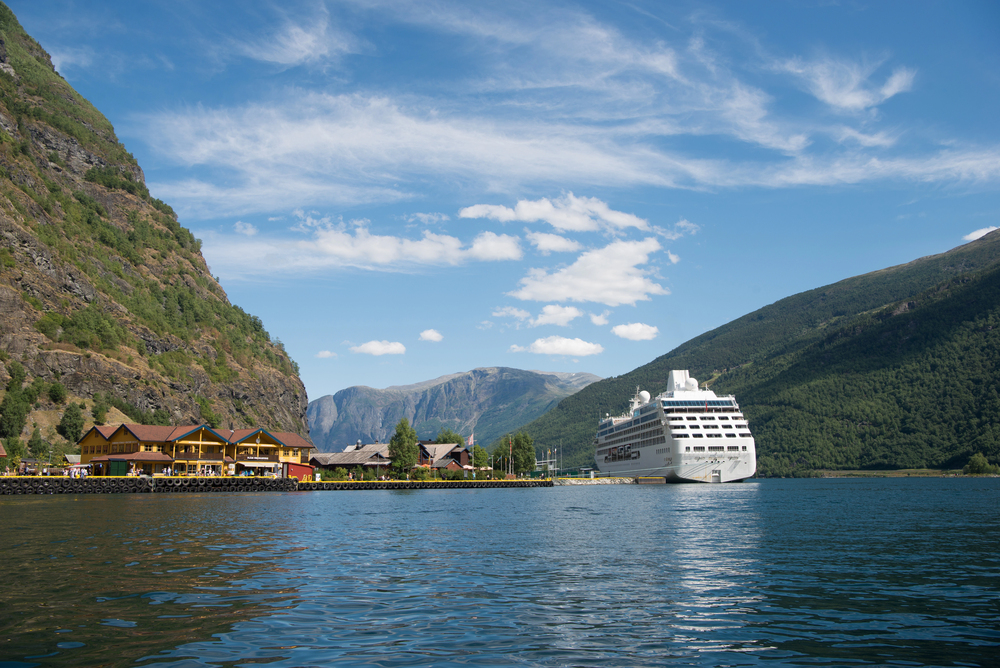
Modern cruise vessels burn through 250 tons of fuel daily while carrying thousands of passengers and crew. These floating resorts generate emissions equivalent to millions of car miles, and they also release wastewater directly into ocean ecosystems.
A week-long cruise can produce more emissions than most people generate from home energy use in an entire year.
Like Travel Pug’s content? Follow us on MSN.
Hotels consume enormous amounts of energy

The hotel industry contributes approximately 1% of worldwide emissions through heating, cooling, lighting, and amenities in hotels across the globe. Huge resort hotels use as much electricity as small towns, especially those situated in extreme climates where constant air conditioning is needed.
24-hour facilities and daily housekeeping — they all contribute to this high level of energy usage.
Car rentals add hidden emissions

While most rental car emissions come from actual driving, the industry creates additional environmental impacts through fleet management. Rental companies tend to stock larger SUVs and trucks that tourists prefer — these vehicles typically consume more fuel than compact cars locals might drive.
Though relocation and maintenance logistics add some emissions, the bigger issue is that rental fleets cater to travelers who want roomier, less efficient vehicles.
Tourism infrastructure leaves lasting impacts

Building airports, hotels, and tourist attractions requires massive amounts of concrete, steel, and other materials that are carbon-intensive. Mountain ski resorts often require clearing forests and using energy-hungry snowmaking equipment throughout winter seasons — whereas these permanent changes continue producing emissions long after construction finishes.
Like Travel Pug’s content? Follow us on MSN.
Food miles matter for travelers

Food production methods typically matter more than transport distance for carbon footprints, though air-freighted specialty items do create significant emissions. Resort dining often features ingredients flown in from around the world, particularly delicate fruits and vegetables that can’t survive slower shipping methods.
Yet choosing plant-based meals over meat — that typically reduces emissions far more than selecting local ingredients.
Luggage weight affects fuel consumption

Every extra pound in aircraft cargo holds requires additional fuel to lift and transport across continents. Airlines have reduced baggage allowances partly for environmental reasons, though a fully loaded wide-body aircraft can still carry over 100 tons of passenger luggage.
Travelers who pack light contribute measurably less to their flight’s total emissions.
Seasonal travel creates emission spikes

Small island destinations and remote locations experience dramatic carbon footprint increases during peak seasons when visitor numbers dwarf local populations. Places like the Maldives or rural mountain towns can see tourism-related emissions multiply several times over during high season.
This concentration effect means that traveling during shoulder seasons spreads environmental impact more evenly throughout the year, though larger destinations see less dramatic seasonal variations.
Like Travel Pug’s content? Follow us on MSN.
Private jets are emission monsters

Corporate and leisure private aviation generates 5–14 times more emissions per passenger than commercial flights. These aircraft often fly empty on positioning flights to pick up passengers at convenient locations.
Even so, a four-hour private jet flight can produce more emissions than many people generate through all activities in an entire year.
Airport operations consume massive amounts of energy
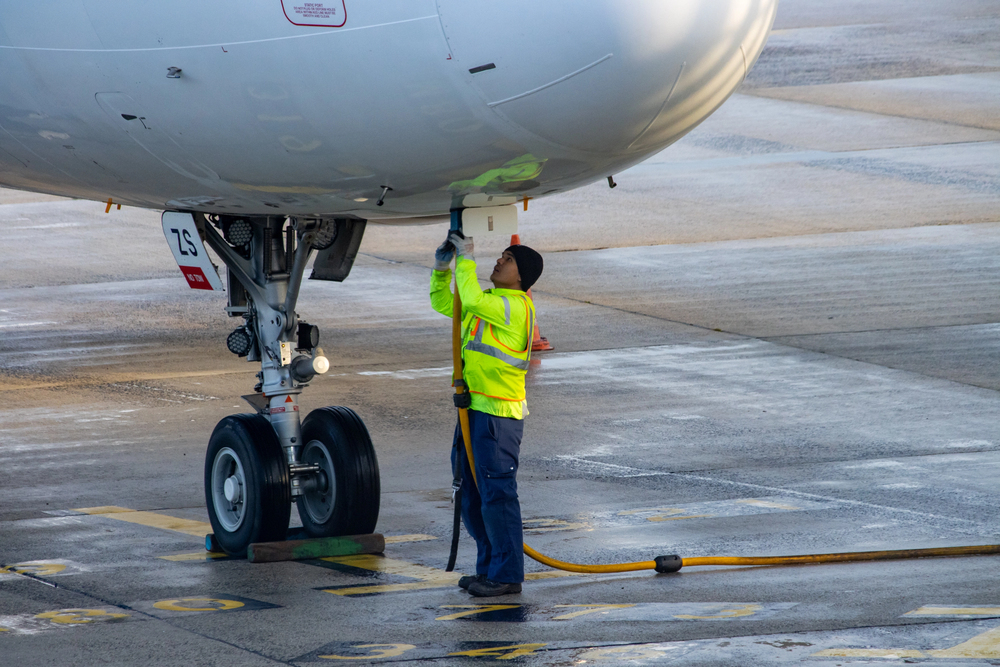
Major international airports function like small cities, requiring enormous amounts of electricity for terminals, runways, baggage systems, and ground support equipment. Air conditioning massive terminal buildings and lighting runways around the clock contribute to aviation’s total carbon footprint.
Some airports now generate their own renewable energy, though most still rely heavily on fossil fuels.
Ground transportation adds up quickly
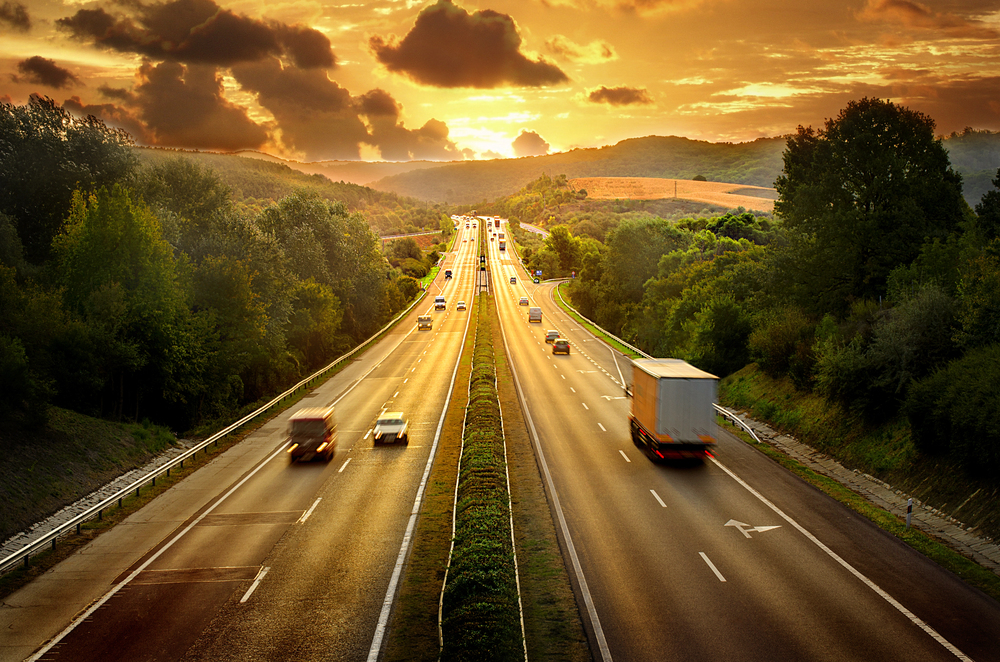
Taxis, ride-sharing services, and shuttle buses ferrying tourists between airports, hotels, and attractions create substantial emissions in popular destinations. Cities like Las Vegas and Orlando see millions of these short trips annually, often in larger vehicles carrying just one or two passengers.
The convenience of door-to-door service comes with a significant environmental cost that travelers rarely consider.
Like Travel Pug’s content? Follow us on MSN.
Carbon offsets show mixed results

Carbon offset quality varies widely, with many programs struggling to deliver promised emission reductions due to poor project management or questionable accounting practices. Tree-planting initiatives take decades to sequester meaningful amounts of carbon and face risks from fires, diseases, or land-use changes.
Higher-quality offsets typically involve renewable energy or methane capture projects, though these cost significantly more and increasingly face questions about whether they fund projects that wouldn’t happen otherwise.
Staycations dramatically reduce footprints

Domestic travel within driving distance produces 75-90% fewer emissions than international flights, depending on destination and duration. Road trips allow travelers to pack efficiently and choose fuel-efficient vehicles while avoiding aviation’s high-altitude emission impacts.
Even luxury domestic travel typically generates less environmental impact than budget international trips, which often require long-haul flights.
Travel frequency matters more than distance

Taking multiple short trips throughout the year often creates larger carbon footprints than single longer journeys to distant destinations. Each trip involves unavoidable, emission-heavy activities, such as airport transfers and hotel operations, regardless of duration.
Travelers who take one two-week international vacation typically generate fewer emissions than those who take four separate weekend getaways, each requiring flights.
Like Travel Pug’s content? Follow us on MSN.
Future aviation technology shows promise

Electric aircraft for short regional flights could enter commercial service within the decade, potentially revolutionizing emissions from trips under 300 miles. Sustainable aviation fuels made from waste materials or captured carbon could reduce lifecycle emissions by 80% compared to conventional jet fuel.
However, these technologies remain expensive and limited in availability for now.
Looking toward greener horizons

The travel industry recognizes its environmental challenges and increasingly invests in cleaner technologies, though meaningful change requires both innovation and traveler behavior shifts. Airlines experiment with more efficient aircraft designs while hotels adopt renewable energy and waste reduction programs.
Yet the most impactful changes happen when travelers choose fewer, longer trips and select lower-emission transportation options when possible. Consumer demand for sustainable travel options continues to drive industry improvements; however, achieving significant reductions in emissions will still require fundamental changes in how we think about mobility and leisure.
More from Travel Pug

- 20 Best Beach Towns in the Carolinas
- 13 Destinations Where Tourists Regularly Regret Their Trip
- 20 Things You Actually Get in First Class
- 20 Small Airports With Aviation Museums
- 20 Places in the U.S. That Are Perfect for a Reset Trip
Like Travel Pug’s content? Follow us on MSN.