

Summer travel dreams can quickly turn into sweaty nightmares. Summer is consistently the worst time of year for air travel in the United States, with July and August seeing some of the highest rates of delays and cancellations annually, while record-breaking heat waves make once-pleasant destinations nearly unbearable.
Here’s a list of American destinations that consistently leave summer travelers wishing they’d stayed home or planned their trips for literally any other season.
Death Valley, California
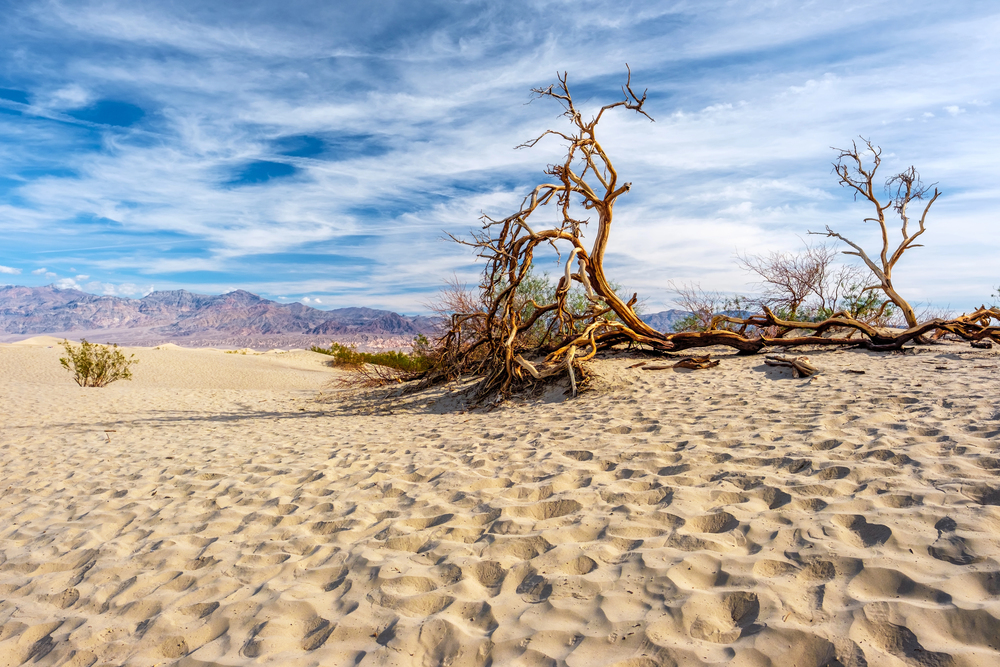
Death Valley holds the record for being the hottest place on the planet. During summer months, temperatures routinely exceed 120°F, making outdoor activities not just uncomfortable but genuinely dangerous.
The park’s visitor centers become packed refuges where tourists huddle around air conditioning units. Even short walks to viewpoints can result in heat exhaustion. Rangers constantly warn visitors about the risks, but many still underestimate the brutal conditions.
Phoenix, Arizona
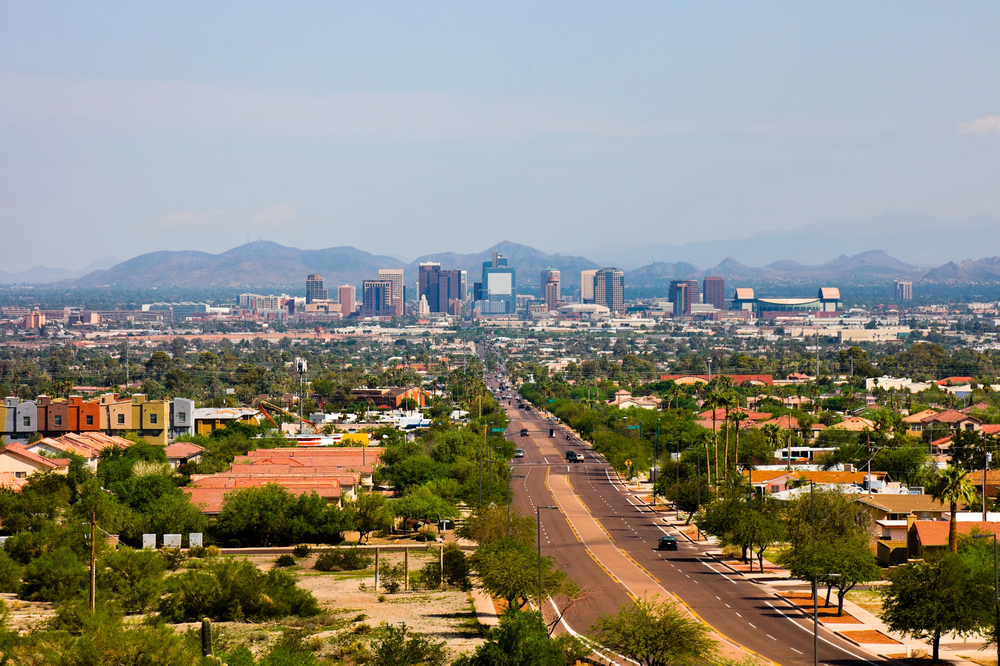
Cities like Phoenix typically see average summer temperatures well over 90°F (32°C) and many days even over 100°F (38°C), making it a hotspot for extreme heat. The desert metropolis becomes a concrete furnace where touching a car door handle can burn skin.
Pool decks become too hot to walk on barefoot. Golf courses shut down during midday hours. Even the cacti look wilted.
Las Vegas, Nevada
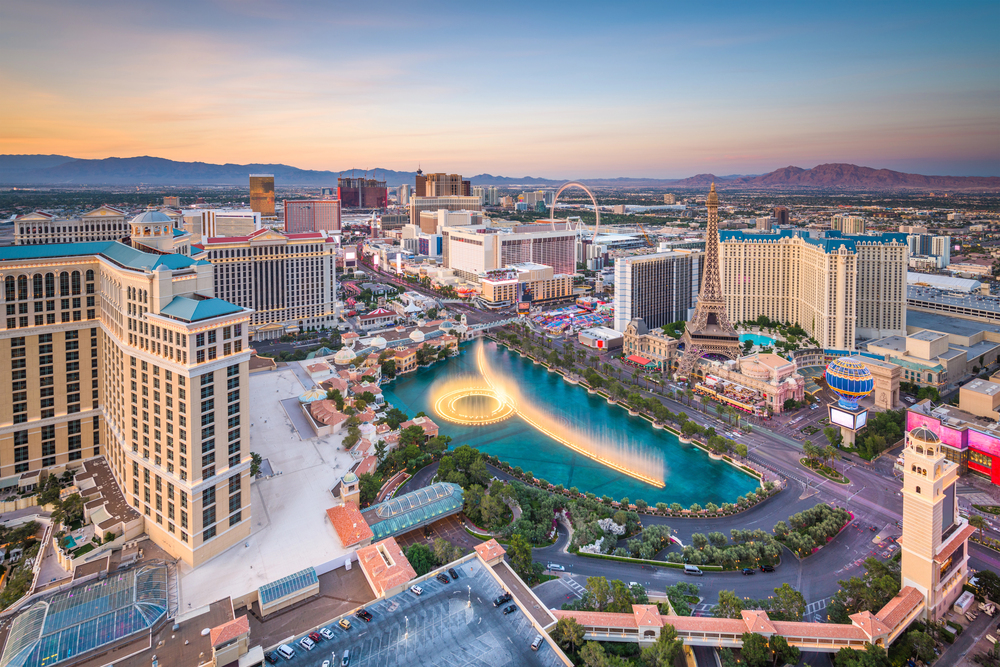
— Photo by sepavone
The Las Vegas Strip sees its heaviest traffic in June, July, and August. These sweltering months make it a challenge to be outside, so you’ll find the thickest crowds close to the A/C. The famous Strip transforms into a claustrophobic tunnel of humanity seeking shade.
Hotel pools reach uncomfortable temperatures resembling hot tubs. And those outdoor wedding chapels? Pure torture for anyone in formal wear. The city’s infrastructure strains under the dual burden of extreme heat and peak tourist numbers.
Disney World, Florida
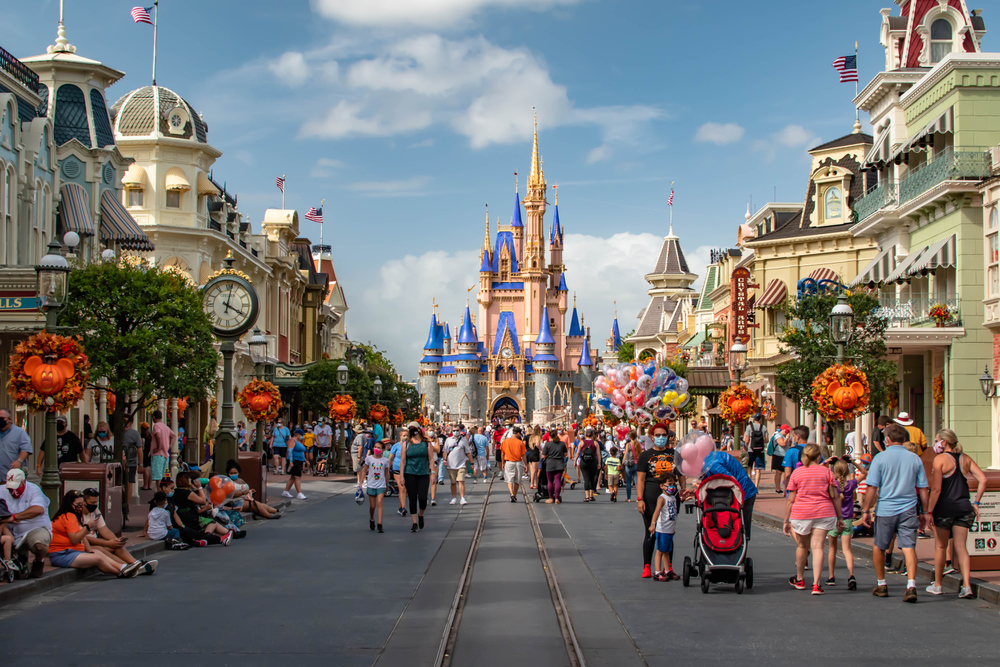
— Photo by VIAVAL
Orlando’s theme park empire becomes a test of endurance during summer. Long lines stretch under merciless sun while humidity levels make breathing feel like work. Children melt down faster than ice cream cones.
The parks implement cooling stations, but they’re often overcrowded. Lightning-fast afternoon thunderstorms provide brief relief but create massive crowds seeking shelter. Still, families continue flocking here, driven by school vacation schedules.
Grand Canyon, Arizona
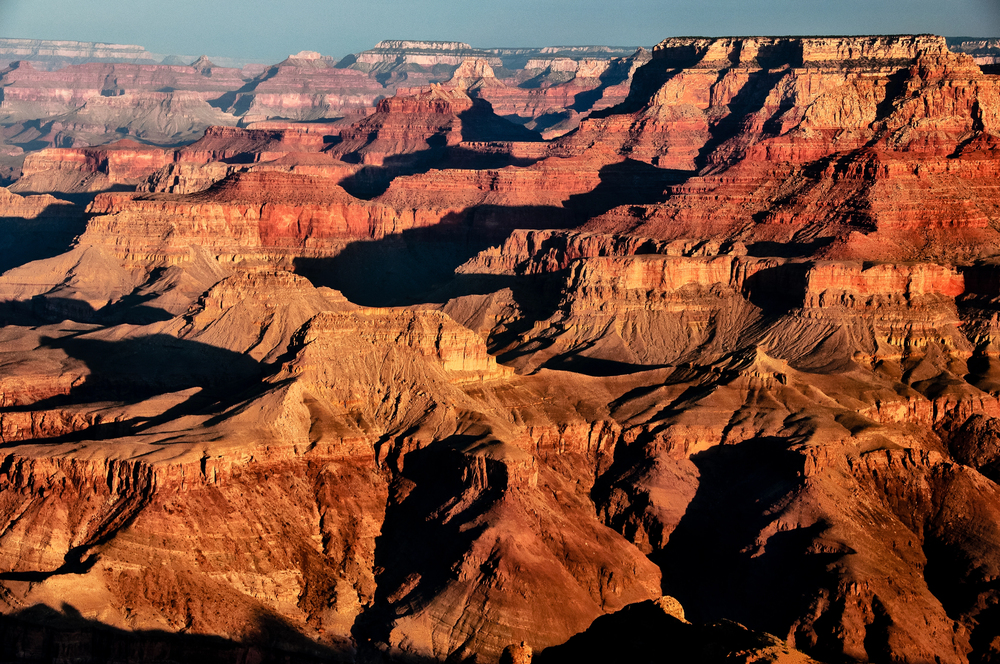
This natural wonder becomes dangerously deceptive in summer heat. Many of these places are throughout the Southwest region, which is incredibly hot during the summer months, and the scorching temperatures make doing outdoor activities difficult or even dangerous.
Rangers rescue dozens of overheated hikers each summer from the canyon’s depths. The rim trails offer little shade, and descending into the canyon means climbing back up in temperatures that can exceed 100°F. Water sources become precious commodities as dehydration strikes quickly.
Miami Beach, Florida
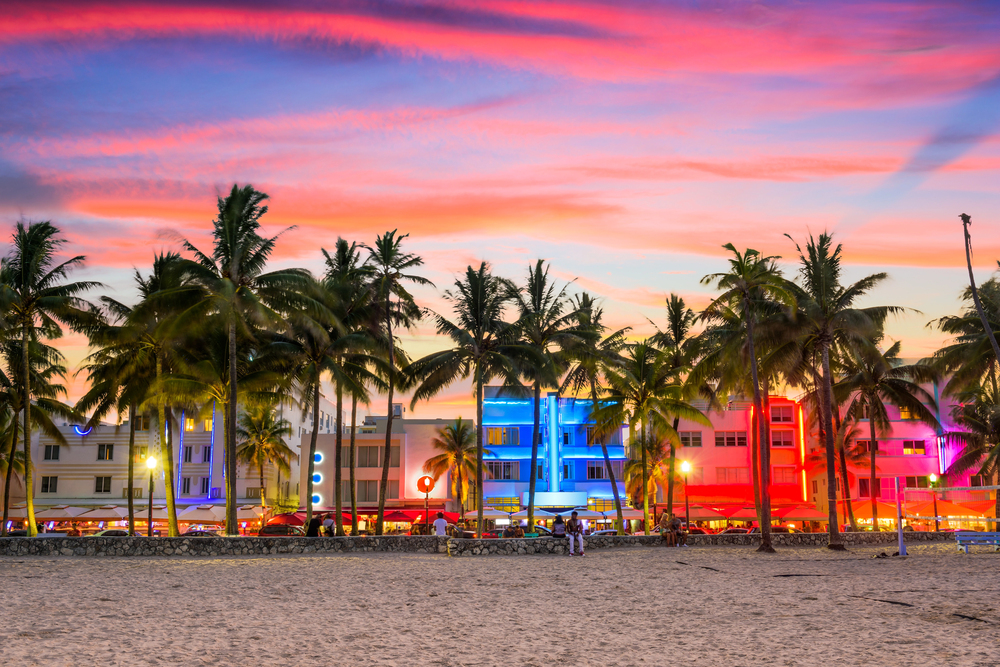
More than 13 million people flock to Miami Beach every year, with summer bringing the worst combination of crowds and oppressive humidity. The famous Art Deco district becomes a sweltering maze of tourists seeking air-conditioned restaurants.
Beach real estate turns competitive as umbrella space becomes premium territory. The ocean provides minimal relief since water temperatures can reach the high 80s. Hotel prices soar while comfort levels plummet. That ocean breeze everyone talks about? More like a warm hair dryer.
Yellowstone National Park, Wyoming
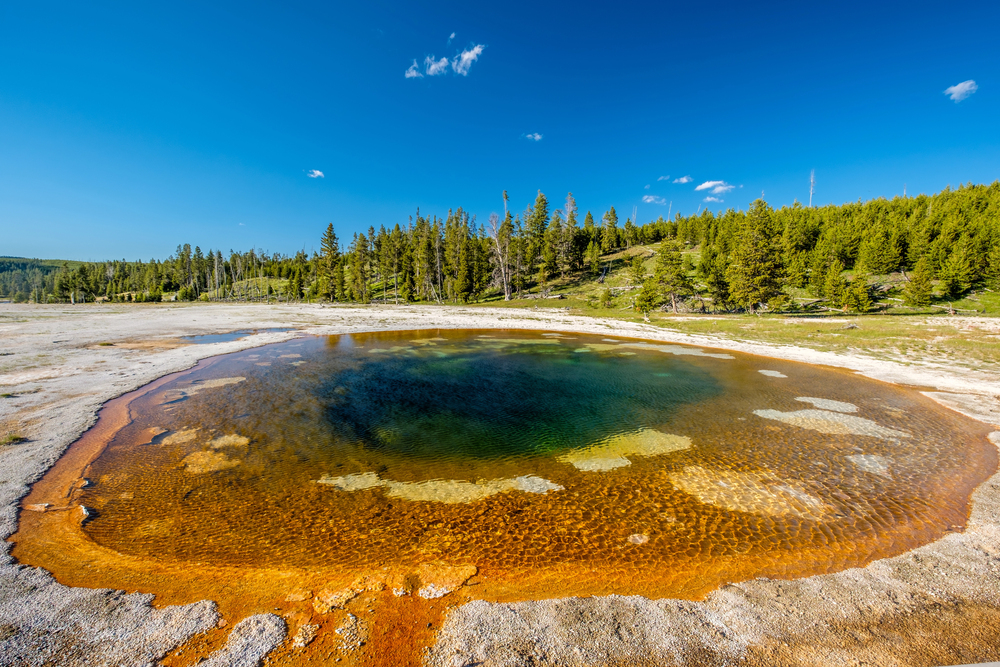
Even America’s first national park struggles with summer crowds. Traffic jams stretch for miles as tourists inch toward Old Faithful in bumper-to-bumper caravans. Parking lots fill by 8 AM, leaving visitors circling endlessly.
Campground reservations become more competitive than concert tickets. Wildlife viewing turns into safari-style traffic stops with hundreds of cars lined up to photograph a single bison. The park’s natural wonders remain spectacular, but accessing them requires military-level planning and infinite patience.
New York City, New York
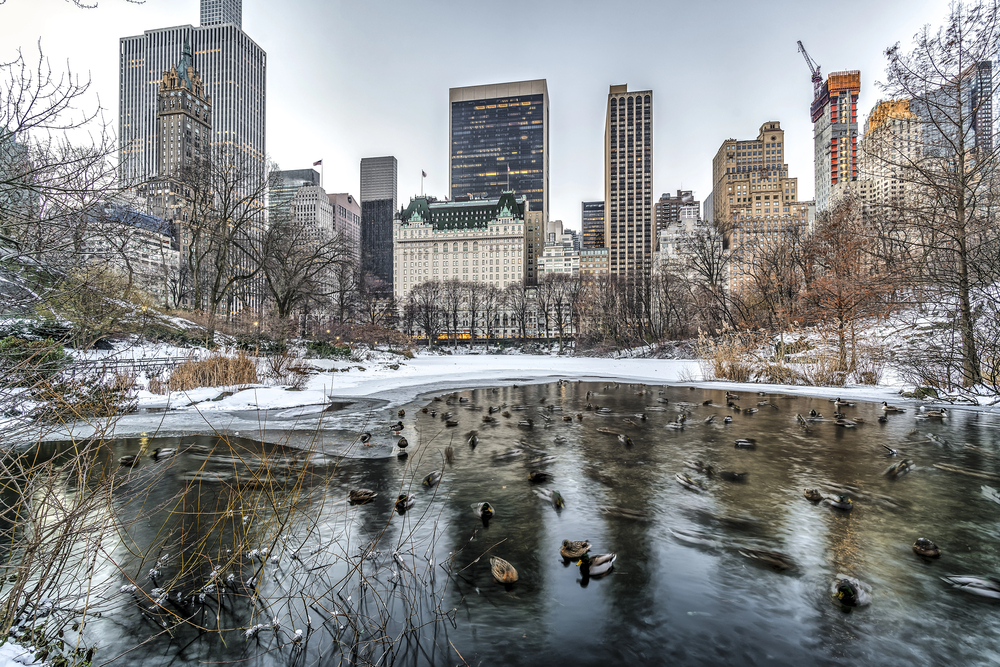
The concrete jungle becomes literally steamy during the summer months. The city hosts throngs of history buffs and sightseers throughout the year. On any given day, the metro and city streets can fill up fast – and that applies doubly to NYC.
Subway platforms turn into underground saunas where waiting for trains becomes an endurance test. Street festivals and outdoor concerts sound appealing until heat radiates off the pavement in visible waves. Central Park offers some relief, but finding shade becomes a competitive sport among wilting tourists.
Jacksonville, Florida
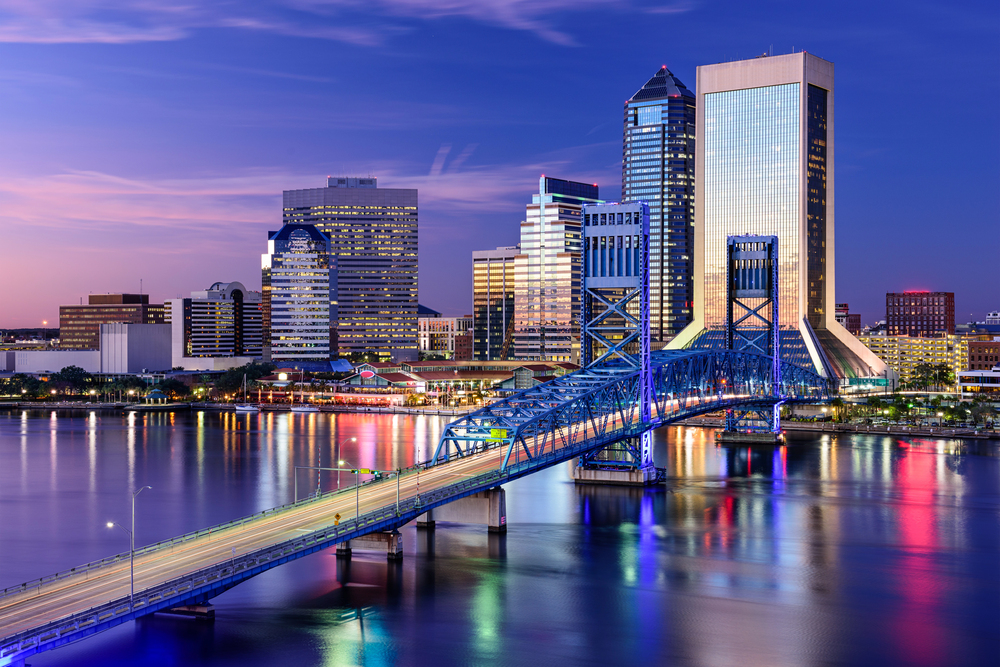
Forbes, a financial advice and consumer website, ranked Jacksonville, Florida, as the worst vacation spot for summer travel. The group found that River City had poor walkability, a lack of public transportation, a high crime rate, and air temperatures that were rather uncomfortable during the summer months.
The city’s sprawling layout forces tourists into cars with broken air conditioning or expensive ride-shares. According to NOAA historical data, most of the summer season is spent in the low to mid-90s, but the heat index is commonly above 100 degrees. Limited public transportation means no escape from the sweltering heat.
Colorado Springs, Colorado
— Photo by sepavone
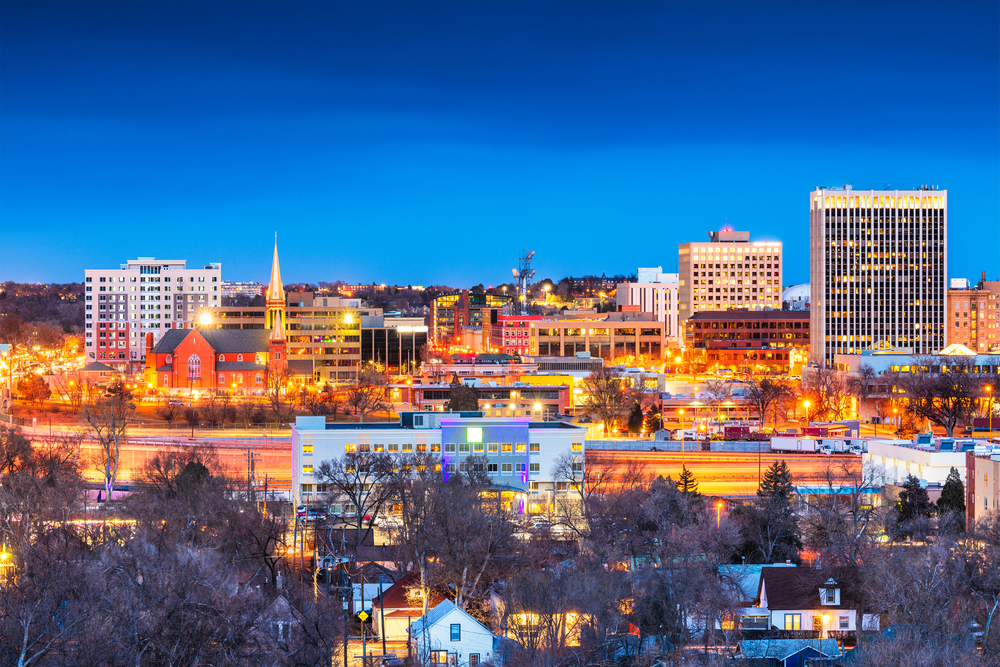
Rounding out the top list of least desirable cities were: Colorado Springs, Colorado, according to Forbes’ summer travel rankings. Despite its mountain setting, summer brings afternoon thunderstorms and overcrowded attractions.
Colorado Springs has high costs for lodging and activities—and its low walk score means visitors will also likely have to shell out for a rental car during their trip. Tourist traps multiply while authentic experiences become harder to find. The altitude affects many visitors with headaches and fatigue.
Yosemite National Park, California
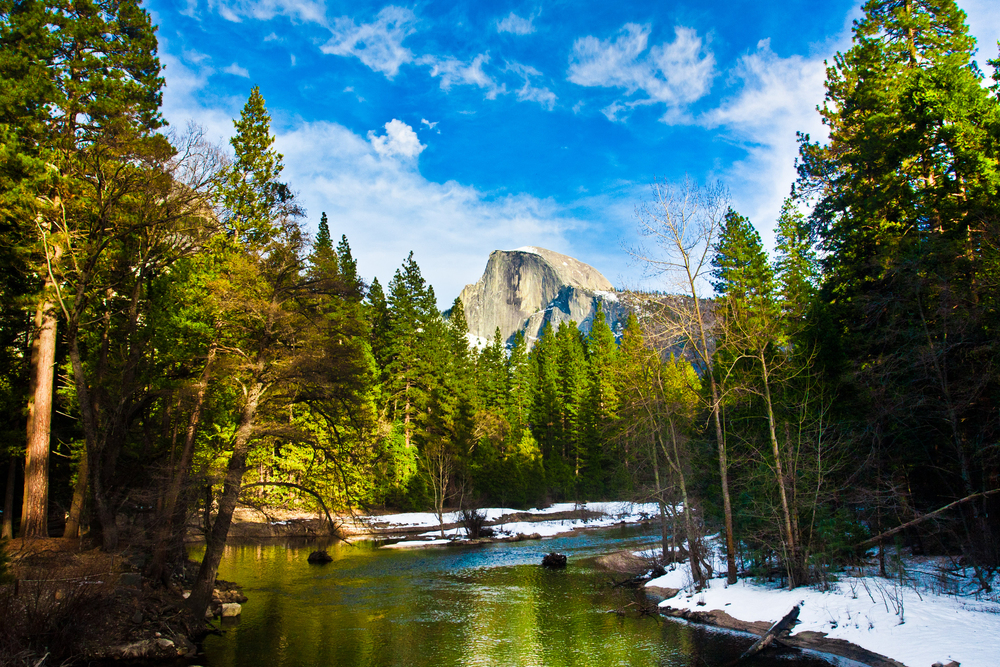
California’s crown jewel becomes a victim of its own success during the summer months. Entrance lines can stretch for hours as day-use reservations sell out within minutes of release. Valley floor temperatures soar while popular waterfalls reduce to trickles.
Campgrounds book up nearly a year in advance. Hiking trails become congested highways of humanity. The park’s shuttle system strains under demand while parking becomes a rare commodity. Even seasoned park rangers admit summer visits require advanced degrees in logistics.
Zion National Park, Utah
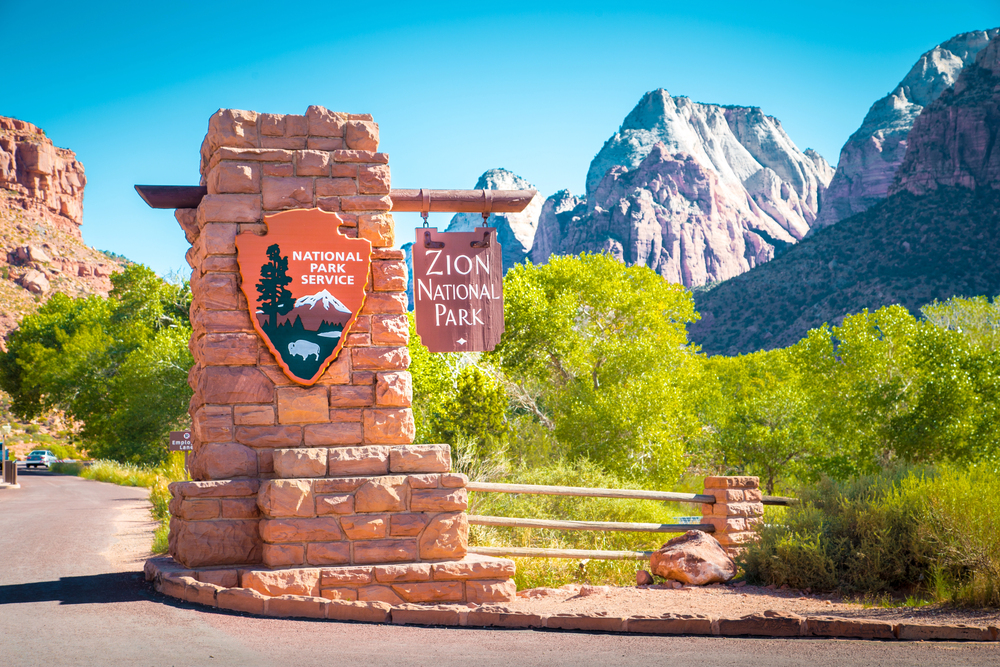
Travelers often think of iconic destinations like Los Angeles, Zion National Park, and the Grand Canyon. However, many of these places are throughout the Southwest region, which is incredibly hot during the summer months. The park’s narrow canyons become natural ovens.
The famous Narrows hike requires walking through water that provides minimal cooling relief. Shuttle waits extend beyond an hour during peak times. Angels Landing permits disappear instantly, leaving frustrated hikers with limited alternatives. Heat warnings become daily occurrences as temperatures climb well above 100°F.
Washington, D.C.
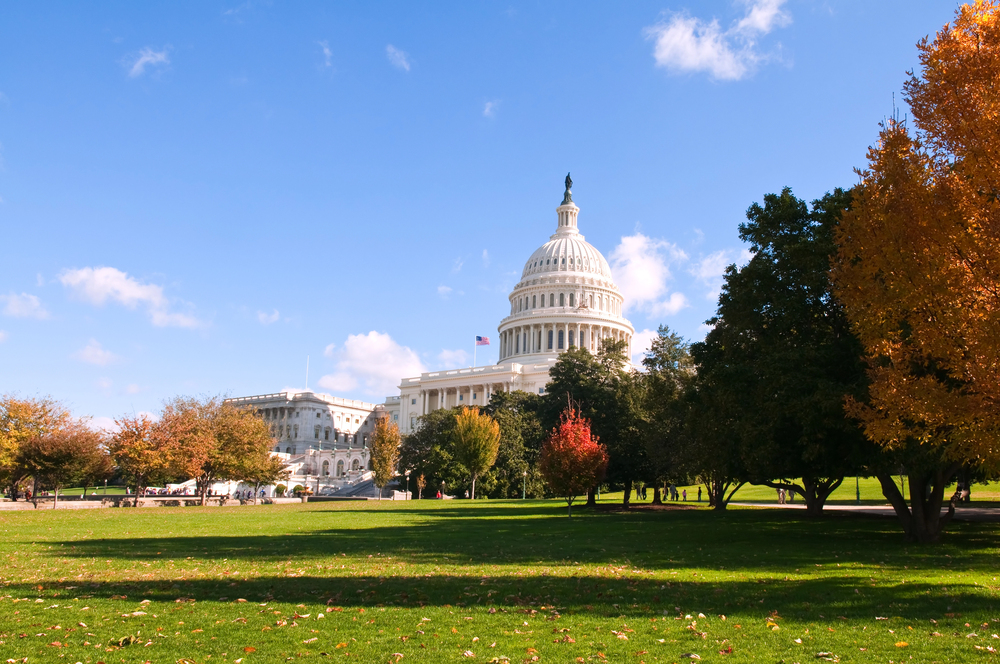
The nation’s capital hosts throngs of history buffs and sightseers throughout the year, but summer brings the worst combination of political heat and actual heat. The National Mall becomes an endurance test as tourists trudge between museums.
Metro stations turn into underground furnaces where delays feel eternal. Security lines at monuments stretch under blazing sun. Tourist-heavy areas like Georgetown become pedestrian parking lots. The city’s humidity makes every outdoor activity feel like swimming through thick air.
Myrtle Beach, South Carolina
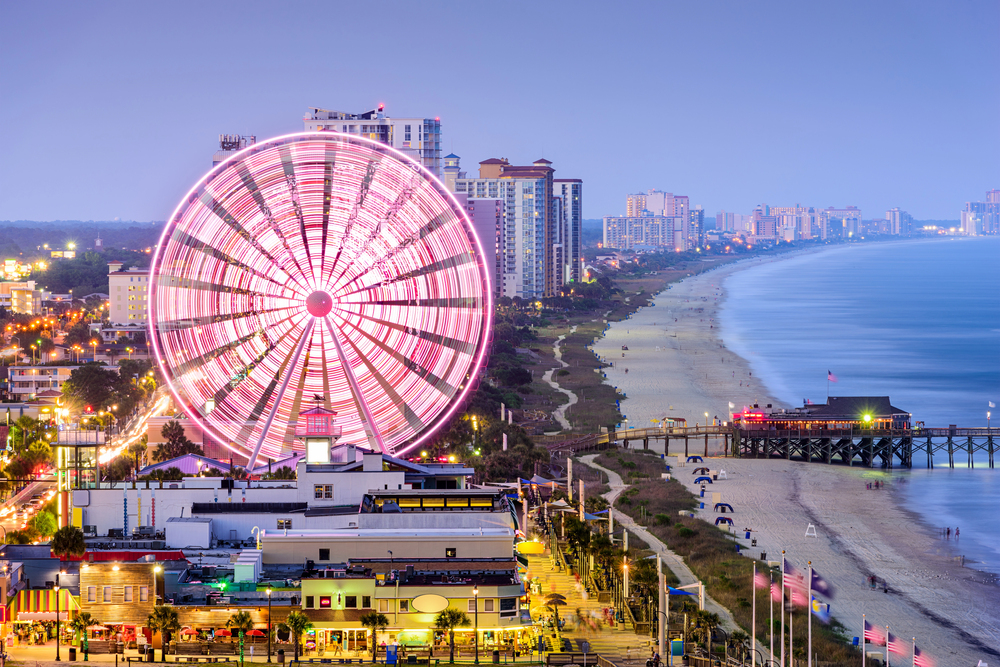
The Grand Strand attracts massive crowds seeking affordable beach vacations, but summer transforms this destination into a chaotic mess. Traffic on Highway 17 moves at glacial pace while hotel prices soar.
The beach becomes so crowded that finding space for a towel requires strategic planning. Afternoon thunderstorms send thousands of people running for indoor shelter simultaneously. Water quality issues occasionally force beach closures. And those charming beachfront restaurants? Expect hour-long waits for mediocre food.
Memphis, Tennessee
— Photo by Mliss
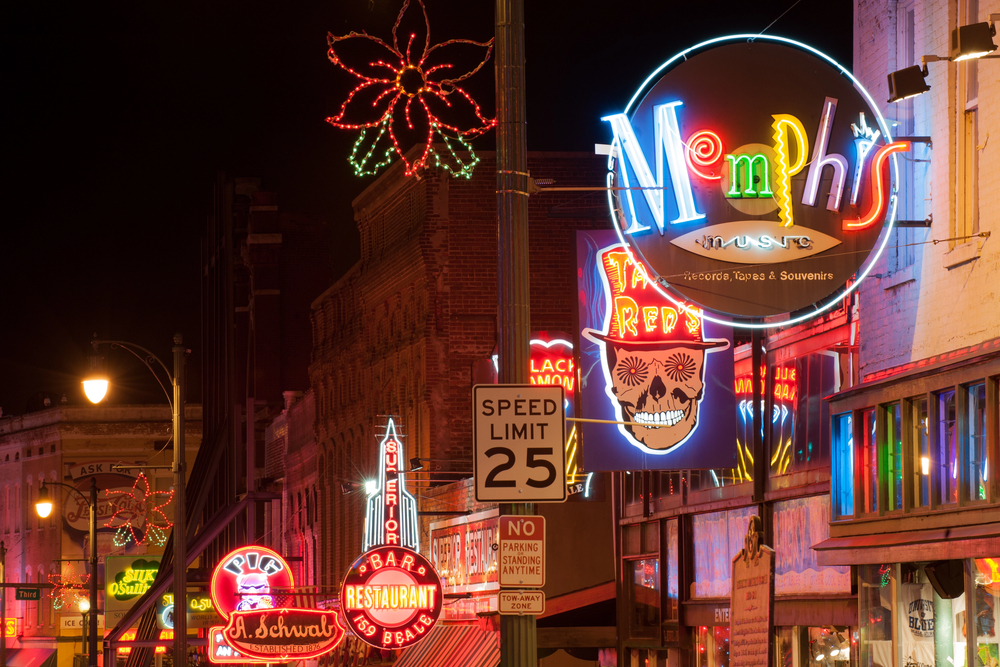
Memphis, Tennessee rounds out the worst summer destinations according to Forbes. Memphis has the highest crime rate and highest number of fatal car crashes during the summer, potentially making the city a risky destination for travelers.
The city’s humidity makes the heat feel even more oppressive than actual temperatures suggest. Outdoor attractions like Beale Street become uncomfortable for extended periods. Limited public transportation forces reliance on vehicles in parking lots that feel like solar ovens.
Better late than never
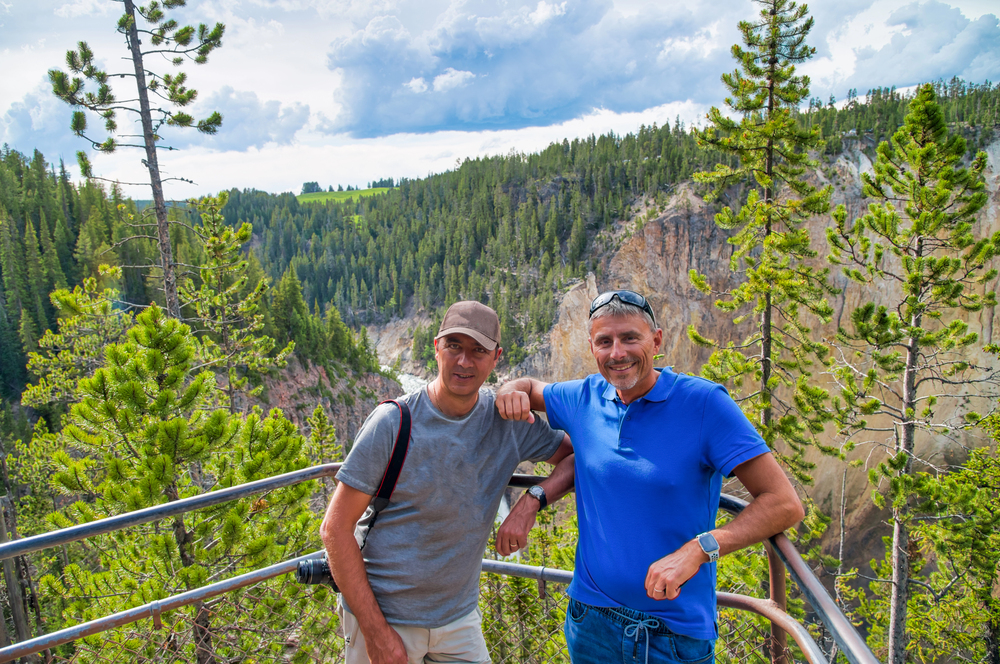
Summer travel doesn’t have to mean suffering through crowds, extreme heat, and inflated prices. As the impending summer forecast shows scorching heat, it’s the perfect time to think about slipping away to a destination with milder temperatures, fresh mountain air and reasonable prices. Sometimes the best vacation decision is knowing when not to go.
More from Travel Pug

- Underrated Italian Towns That Beat the Tourist Crowds
- Las Vegas Tourist Traps to Skip
- Prettiest Towns in Every US State
- 18 passport-free countries for Americans
- Signs Your Cruise Is Not Worth The Cost
Like Travel Pug’s content? Follow us on MSN.