

Scotland holds more whisky distilleries than any other country, with over 140 active producers scattered across five distinct regions. Each trail offers its own character, from island malts kissed by salt air to highland drams shaped by mountain streams.
Here’s a list of fifteen exceptional whisky trails that showcase the full spectrum of Scottish whisky making, from world-famous routes to hidden gems waiting to be discovered.
Speyside Malt Whisky Trail
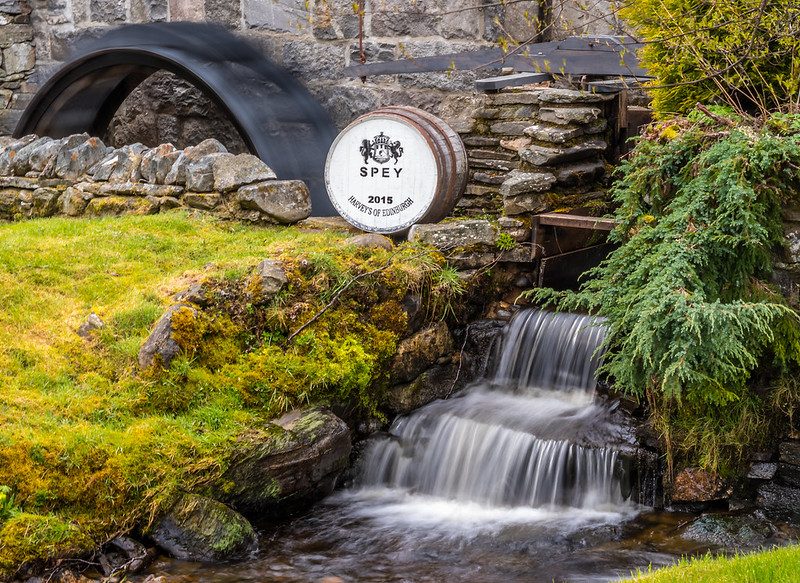
The world’s only official whisky trail takes visitors through nine must-visit sites in the heart of malt whisky country. Seven working distilleries line this route, including Glenfiddich, Glenlivet, and Cardhu, alongside the historic Dallas Dhu distillery and Speyside Cooperage. The trail follows the River Spey from sea to source through Moray Speyside, home to more than half of Scotland’s malt whisky distilleries.
The fertile farmlands produce exceptional barley, while soft mountain water creates some of Scotland’s most beloved drams. You’ll taste fruity, sweet, and spicy notes with hints of vanilla throughout this region.
Three Distilleries Pathway, Islay
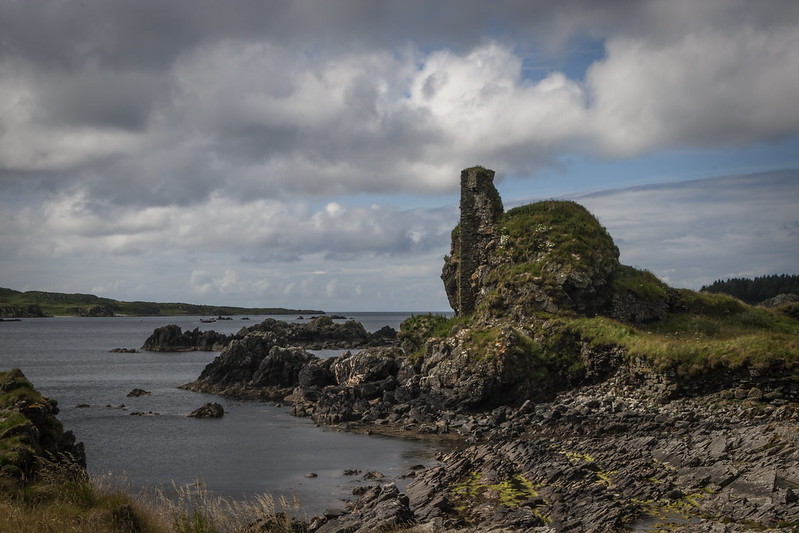
A waymarked coastal route connects three iconic waterside distilleries — Ardbeg, Lagavulin and Laphroaig — in a single walk. This 6-mile path starts in Port Ellen and follows a dedicated walkway separate from the road.
All three distilleries maintain the traditional white-painted buildings with black details, harking back to the days when barrels were collected by boat.The path runs approximately 3.5 miles from Port Ellen to Ardbeg, offering stunning coastal views throughout the journey.
And you can catch a bus back rather than walking both ways. Perfect after sampling some of the world’s smokiest whiskies.
Hebridean Whisky Trail

Seven remarkable distilleries spread across five stunning Hebridean islands create this uniquely wild and beautiful experience. The trail spans Skye, Raasay, Harris, Benbecula and Tiree, connecting distilleries by land and sea journeys.
Elements of ocean and mountain, Norse and Gaelic culture are distilled into whiskies of special character.Each island offers its own distinct flavors shaped by Atlantic winds and island geology.
The trail includes Talisker on Skye, housed in buildings dating back to 1830, and newer additions like the distillery on Harris.
Skye and Raasay Whisky Trail
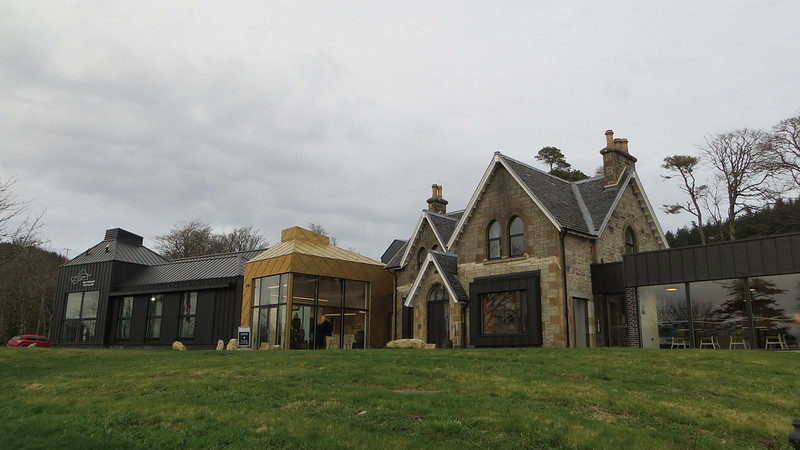
Three distilleries within a 50-mile radius create what’s known as the world’s most scenic whisky trail. Talisker and Torabhaig on Skye combine with Raasay distillery to form this compact island route. Scottish drunk-driving laws are very strict and driving on busy single-track roads can be stressful, making guided tours especially valuable here.
Talisker sits on the shores of Loch Harport with the stunning Cuillin Hills as backdrop, while Torabhaig occupies a restored farm steading on the Sleat Peninsula. The route offers dramatic Highland scenery between each stop.
Lowlands discovery trail
The gentle rolling countryside of southern Scotland hosts distilleries producing lighter, more approachable whiskies. Lowland distilleries sit picturesquely among the lush countryside of southern Scotland. This trail connects historic producers like Glenkinchie near Edinburgh with newer arrivals.
Known as the ‘King of the Lowlands’, Rosebank Distillery reopened its doors in summer 2024 and has recently won a major architectural award.
Still, many visitors overlook this region. Their loss.
Highland Heritage Circuit
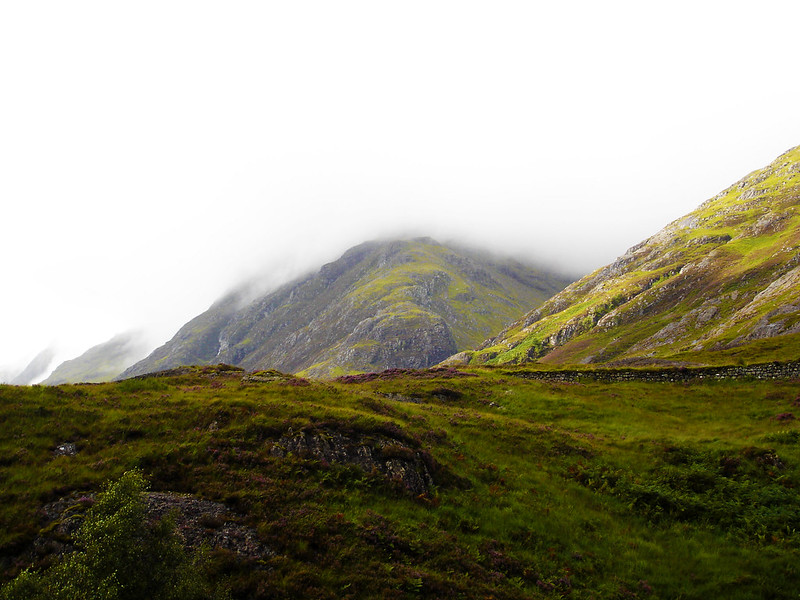
The largest of Scotland’s whisky regions, the Highlands do not disappoint, featuring a vast range of changing landscapes and whiskies with many aromas, both strong and gentle. This trail covers distilleries from the far north down to the edge of the Lowlands, taking in coastal and mountain locations.
Highland distilleries produce incredibly diverse flavor profiles:
- Light and floral malts near the coast
- Rich, sherried expressions from traditional producers
- Peated Highland malts with earthy complexity
- Smooth, honeyed drams from sheltered glens
Campbeltown Heritage Walk
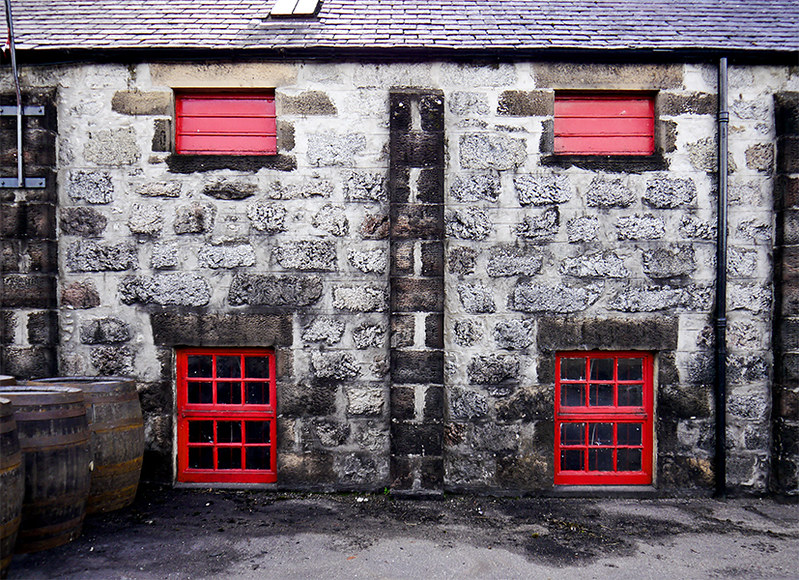
Once home to over 30 distilleries, Campbeltown now hosts just three active producers on this compact peninsula. The town bills itself as the whisky capital of the world, though that’s debatable.
Campbeltown is one of Scotland’s five official whisky regions, producing distinctive maritime-influenced malts.Springbank, Glengyle, and Glen Scotia represent the survivors of this former whisky boom town.
Each offers tours showcasing traditional production methods unchanged for generations.
Central belt explorer route
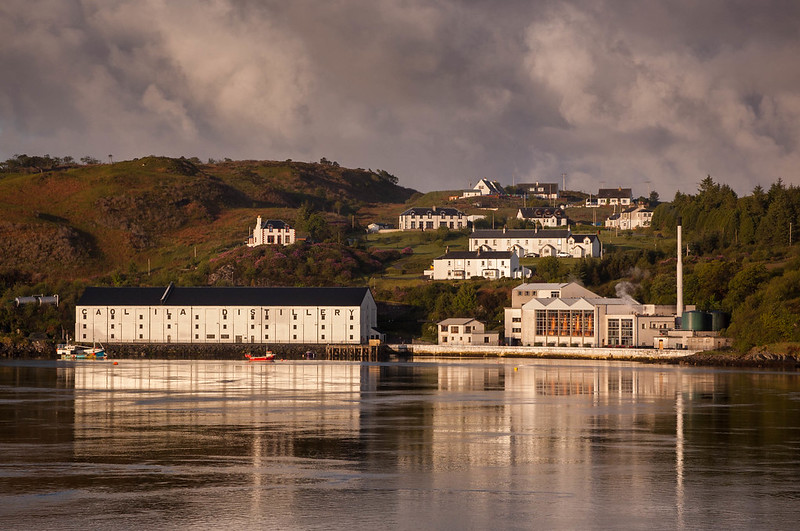
Connect distilleries within easy reach of Edinburgh and Glasgow on this accessible trail. Glengoyne sits perfectly positioned between the Highlands and Lowlands, while Auchentoshan represents the classic Lowland style with its triple distillation.
Distilleries in the Scottish Central Belt include Auchentoshan, Glengoyne, Deanston, and Tullibardine, offering various experiences across different whisky styles. Deanston and Tullibardine add Highland character to round out this diverse route.
Northern Highlands Coastal Trail
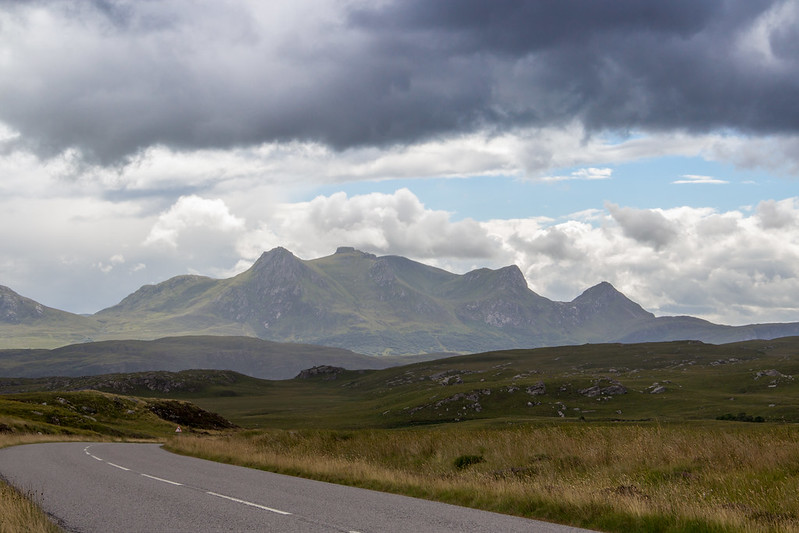
Remote distilleries along Scotland’s rugged northern coastline reward the journey with dramatic settings and distinctive malts. Pulteney in Wick claims to be the most northerly mainland distillery, while others dot the coast westward.
These distilleries capture the essence of their harsh environment in bottles that taste of sea spray and highland storms. The drive between distilleries offers some of Scotland’s most spectacular coastal scenery.
Isle of Arran Circuit
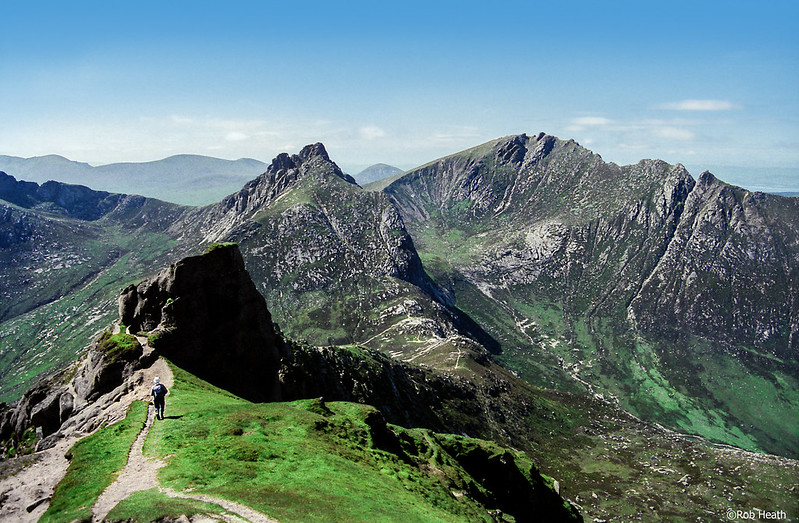
The islands of the Inner Hebrides host distilleries like Lochranza on Arran, offering island character distinct from mainland producers. Arran’s two distilleries, Lochranza and Lagg, showcase different aspects of island whisky making on this compact route.
The circular island road makes visiting both distilleries straightforward. Lochranza produces lighter, more accessible malts while Lagg focuses on peated expressions. Both capture Arran’s unique terroir.
Whisky Coast Adventure
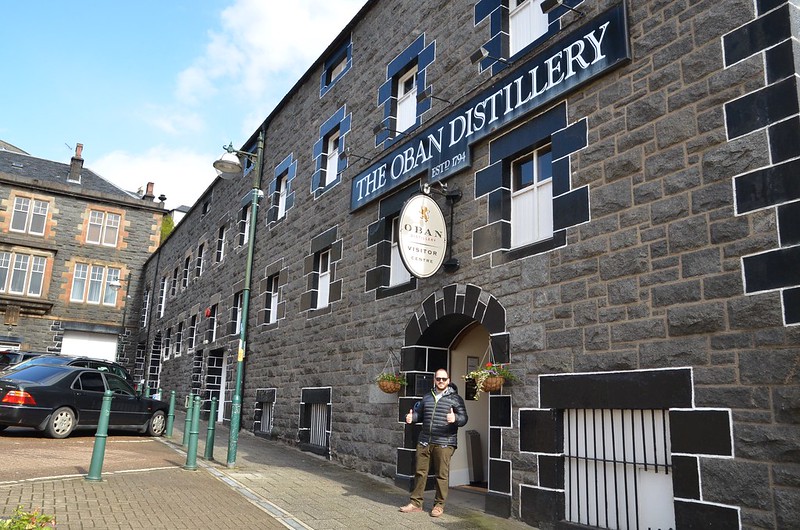
The Whisky Coast encompasses multiple distilleries along Scotland’s western seaboard, from Oban down to the islands. This extended trail connects mainland coastal distilleries with island producers via ferry connections.
Start at Oban, the gateway to the Isles, then island-hop to sample malts shaped by Atlantic influences. Each stop offers different perspectives on how sea air and island life influence whisky character.
Perthshire Highland Trail
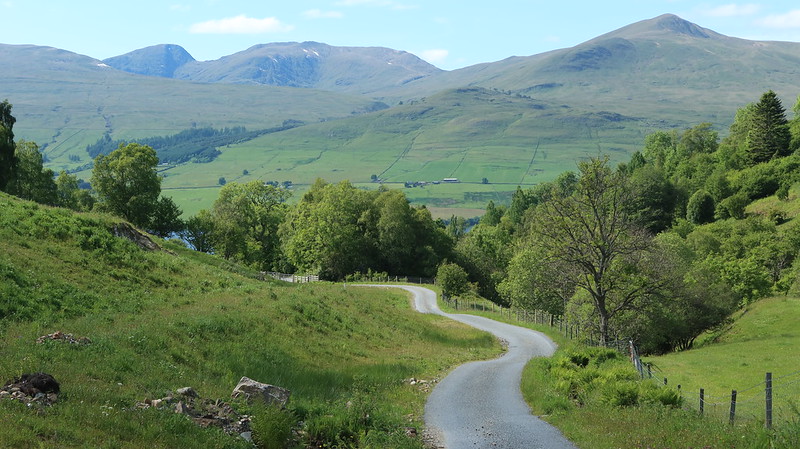
Smooth, approachable Highland malts characterize this trail through Scotland’s “Big County.” Distilleries like Aberfeldy, Dewar’s Aberfeldy, and Blair Athol nestle among the Perthshire hills.
The journey through Perthshire reveals forested hills and mountains, with distilleries utilizing the area’s excellent water sources. These whiskies typically offer honey, fruit, and gentle spice notes perfect for newcomers to single malts.
Fife Coastal Pathway
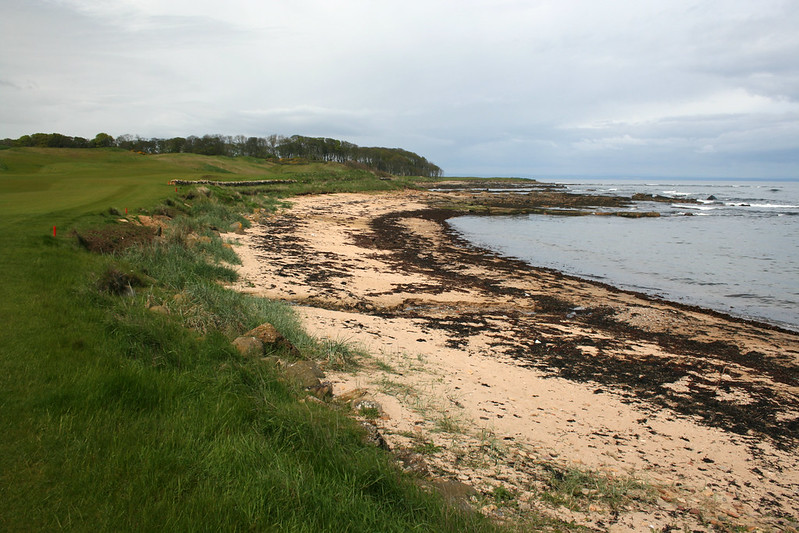
The Kingdom of Fife hosts several distilleries along its coastal route, including the relatively new Kingsbarns near St Andrews. This trail combines whisky with Scotland’s golfing heritage, visiting St Andrews and its famous links courses.
Eden Mill and other Fife producers showcase modern Scottish distilling while maintaining traditional values. The coastal setting provides dramatic backdrops for tasting sessions.
Scottish Borders Expedition
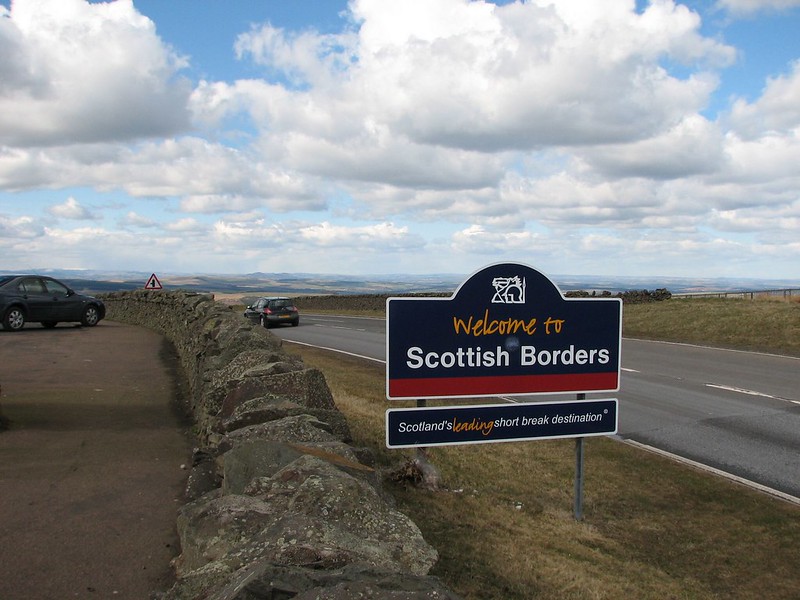
Lesser-known distilleries in the Scottish Borders offer intimate experiences away from crowded tourist routes. These southern producers create distinctive Lowland-style malts with their own regional character.
The trail connects with historic sites like Melrose Abbey, making it ideal for combining whisky appreciation with cultural exploration. Borders distilleries often offer more personal attention and detailed explanations of their craft.
Orkney Islands adventure
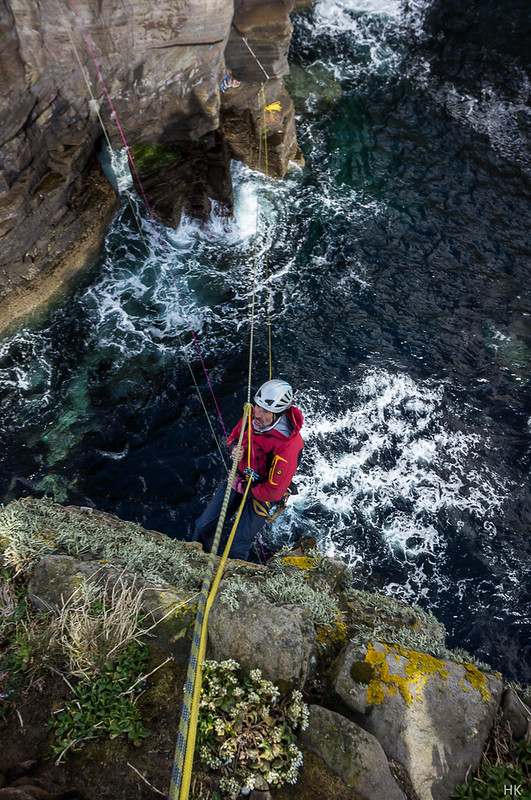
Scotland’s northernmost whisky trail takes visitors to the windswept Orkney Islands. Highland Park and Scapa represent the archipelago’s whisky heritage, producing malts influenced by the islands’ unique climate and culture.
Highland Park represents one of Scotland’s most northerly distilleries, offering distinctive island character shaped by Orkney’s Norse heritage. The journey itself becomes part of the experience, with ferry crossings and stunning island scenery between distillery visits.
A journey worth taking
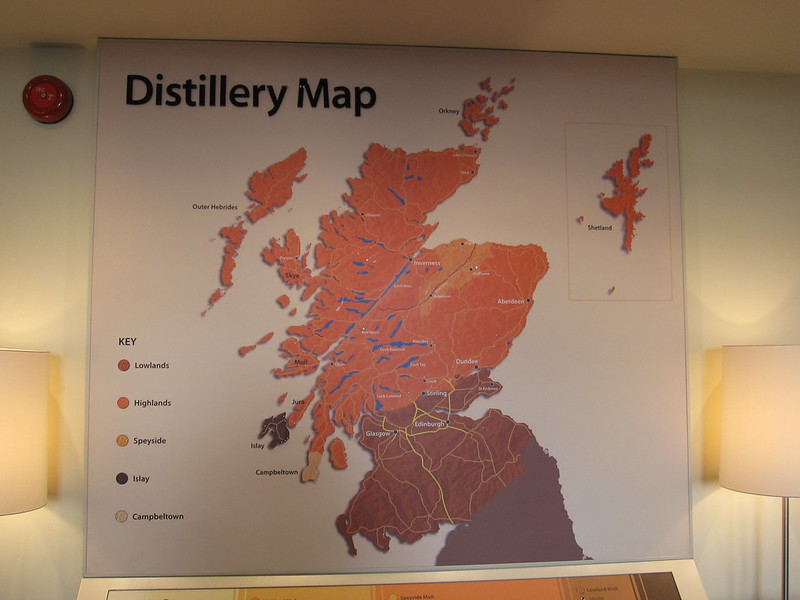
These trails represent more than simple distillery visits. They’re passages through Scottish history, geography, and culture, with each dram telling stories of the land and people who created it. Whether you choose the established routes or venture off the beaten path, Scotland’s whisky trails offer discoveries that last long after the final sip.
More from Travel Pug

- Underrated Italian Towns That Beat the Tourist Crowds
- Las Vegas Tourist Traps to Skip
- Prettiest Towns in Every US State
- 18 passport-free countries for Americans
- Signs Your Cruise Is Not Worth The Cost
Like Travel Pug’s content? Follow us on MSN.