

Travel influencers seem to capture impossibly perfect shots wherever they go — golden sunsets that glow just right, streets mysteriously empty of tourists, and candid moments that look anything but staged. Behind every scroll-stopping image lies a arsenal of clever techniques that transform ordinary vacation snapshots into social media gold. Here’s a list of insider tricks that professional travel influencers rely on to make their feeds look effortlessly stunning.
Wake up before everyone else
— Photo by Ratatos
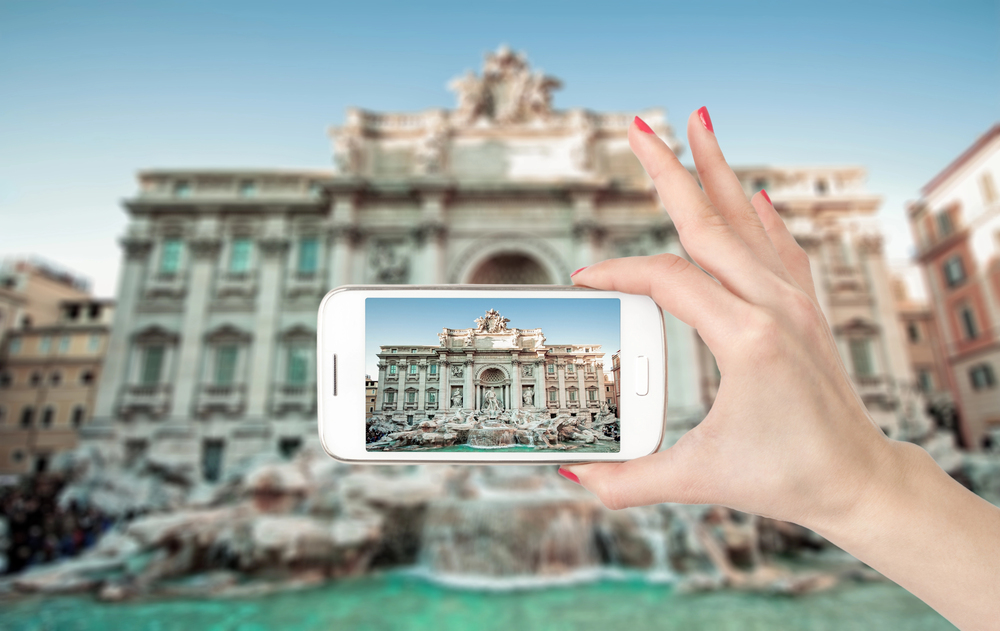
The secret to those empty landmark shots isn’t Photoshop. It’s an alarm clock set for 4:30 AM. Popular spots like the Trevi Fountain or Brooklyn Bridge become private photo studios when everyone else is still sleeping. The light hits different too. That soft morning glow photographers call “golden hour” makes skin look flawless and adds warmth to every frame. Plus, security guards tend to be more relaxed about tripods and equipment when there aren’t crowds to manage.
Use a portable stool as a tripod alternative
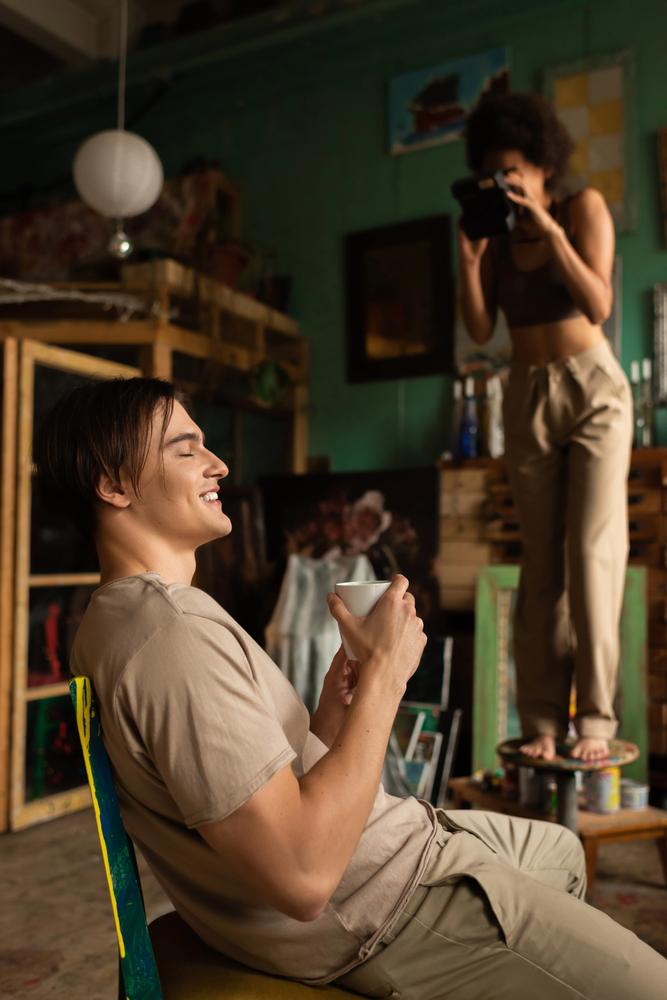
Lightweight camping stools serve double duty as elevated platforms and makeshift tripods. They’re easier to carry than traditional equipment and security rarely questions them at restricted locations. Stand on one for overhead crowd shots. Flip it upside down to stabilize cameras on uneven surfaces. The rubber feet grip better than most tripod legs on wet cobblestones.
Shoot through objects for instant depth

Hold anything translucent or semi-transparent close to the lens — a wine glass, sunglasses, even a plastic water bottle. The blur creates dreamy foreground elements that make flat images pop. Leaves work especially well. So do architectural elements like archways or window frames. This technique transforms basic shots into layered compositions that draw viewers deeper into the scene.
Master the timer function
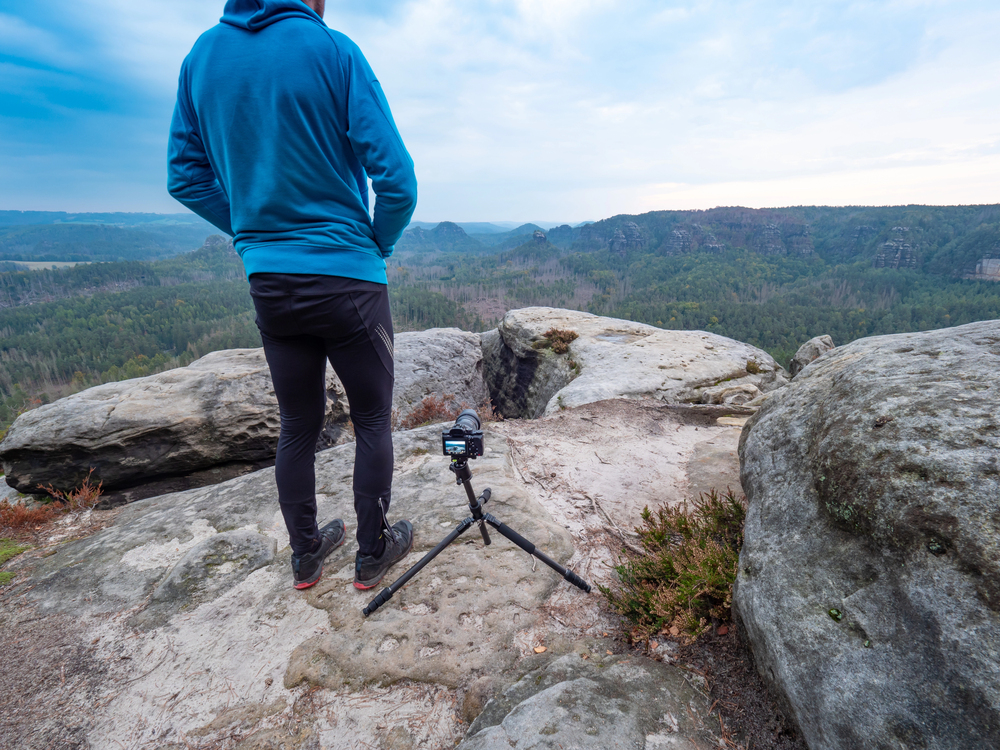
Forget asking strangers to take photos. The 10-second timer combined with burst mode captures dozens of options in one setup.
Here’s the typical workflow:
• Set a camera on any flat surface.
• Frame the shot wider than needed.
• Run into position before the timer ends.
• Repeat 3–4 times with different poses.
• Crop later for perfect composition.
Most phones now include interval timers that shoot continuously for even more variety.
Edit in airplane mode
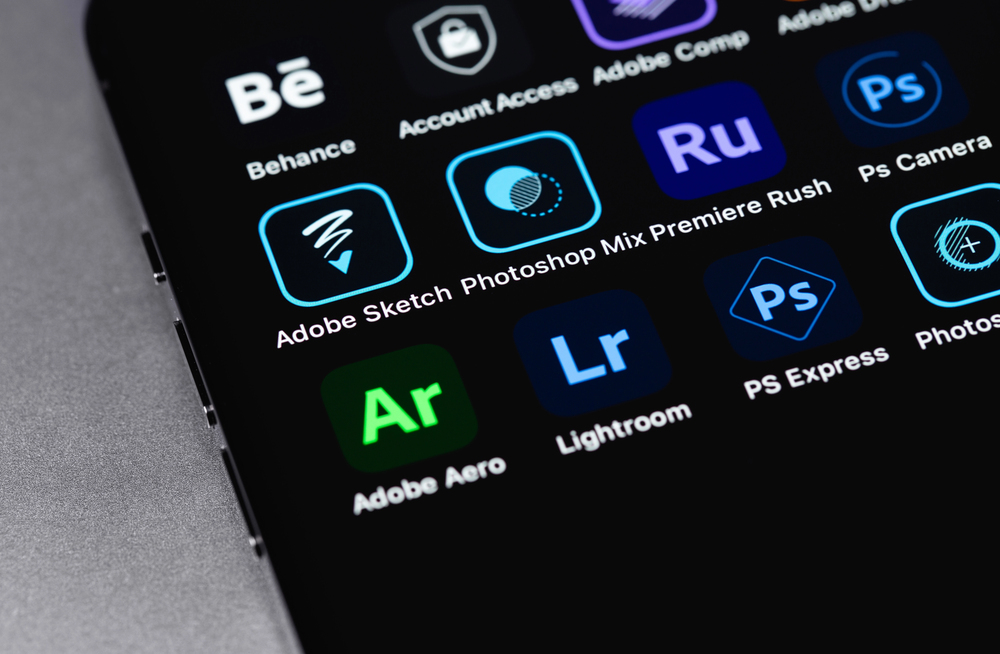
Those long flights aren’t dead time anymore. Download editing apps that work offline before takeoff. Process yesterday’s photos while flying to the next destination. The controlled lighting in plane cabins actually helps spot color issues better than editing in bright sunlight. Battery drains more slowly in airplane mode, too. By landing, the next batch of content is ready to post.
Pack outfits specifically for photos
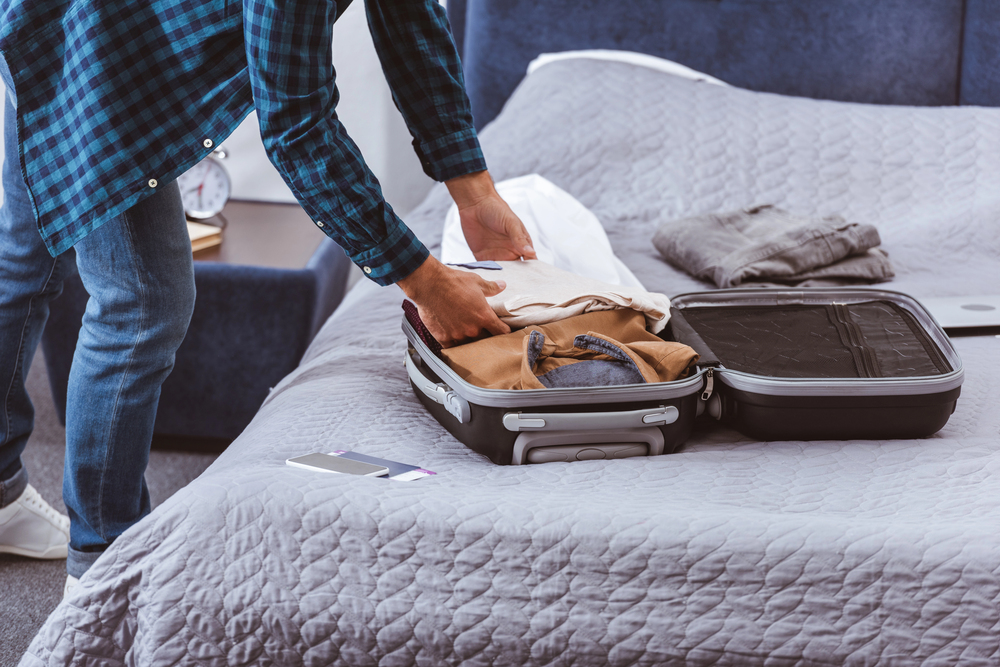
Solid colors photograph better than patterns. Flowing fabrics create movement in still images. But here’s what matters more — bringing multiples of the same style in different colors. Three similar dresses in red, white, and blue can create a cohesive feed aesthetic across different locations. Wrinkle-resistant fabrics save editing time later.
Learn the rule of thirds, then break it
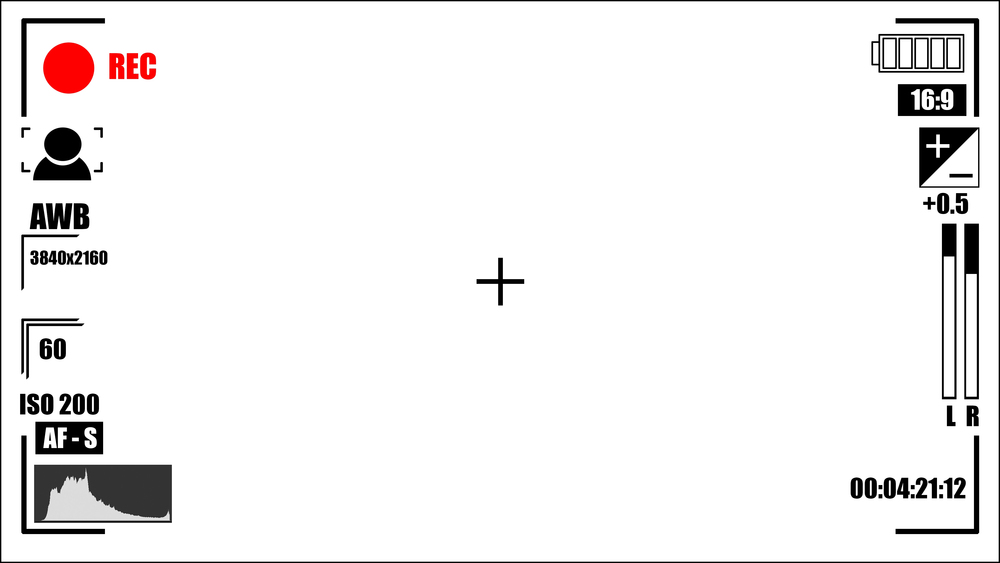
Grid lines on camera screens exist for a reason. Placing subjects along those intersection points creates naturally pleasing compositions. Mountains look better off-center. But centered symmetry works for architecture and reflections. The trick is knowing when to follow rules and when to ignore them completely. Sometimes the best shot breaks every guideline.
Hire local photographers for one hour
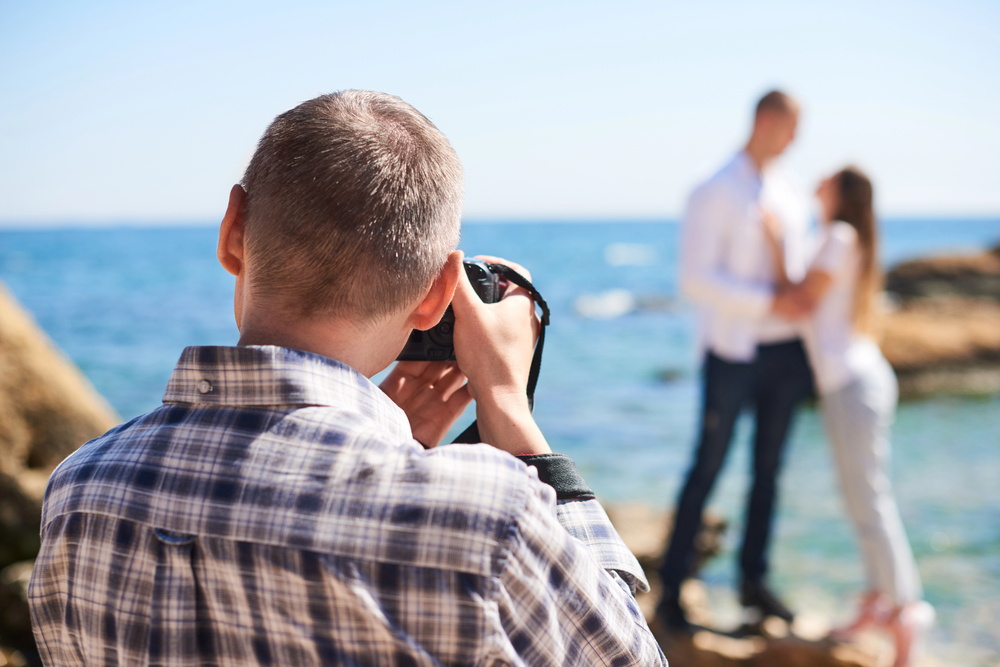
Instead of booking expensive all-day shoots, many influencers hire photographers for single sunrise or sunset sessions. Local photographers know hidden spots tourists miss. They understand when light hits certain landmarks perfectly. An hour costs less than most tourist activities but yields weeks of content. Some even include basic editing.
Create motion with simple tricks
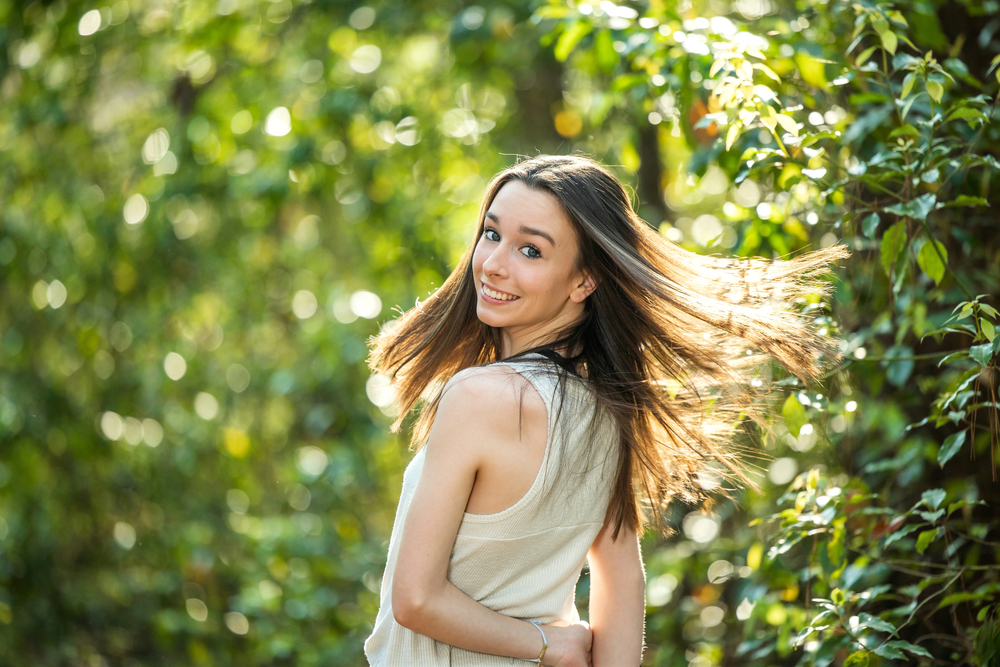
Static poses look dated now. Everyone wants movement. Throw a hat in the air. Twirl in place. Walk toward and away from the camera repeatedly. Hair flips work, but they’re overdone. Better options include pouring drinks, turning pages of books, or adjusting sunglasses. These small actions make photos feel alive. Still, don’t overdo it.
Use reflections from unexpected sources
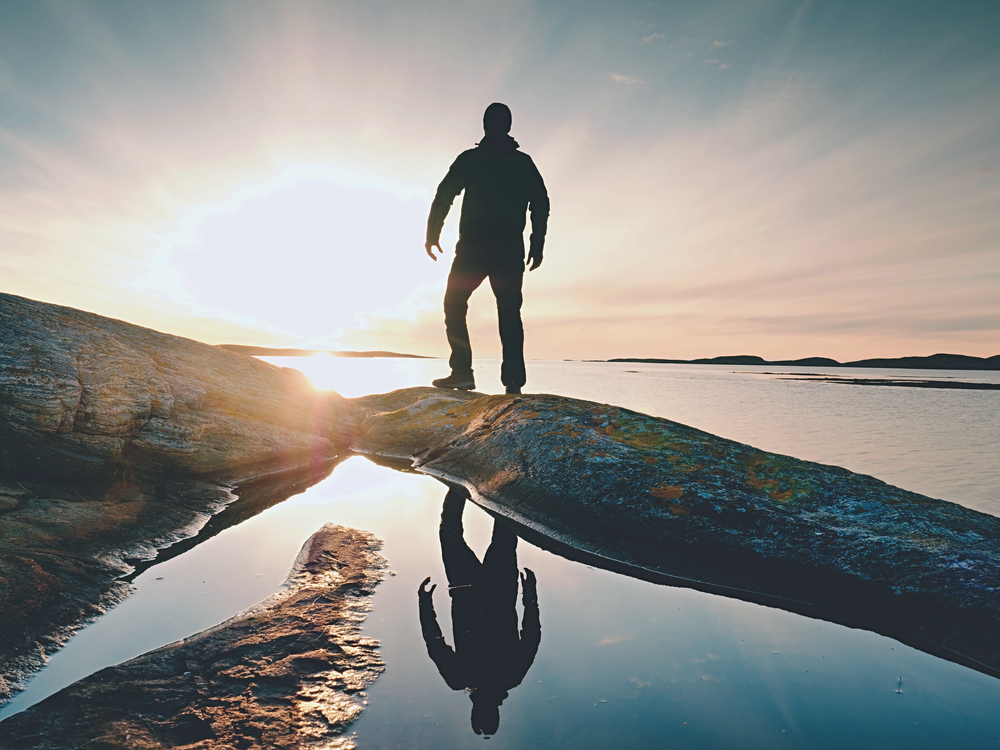
Puddles after rain create perfect mirror effects. But so do car hoods, store windows, and phone screens. Even sunglasses lying on tables work. The key is getting low — really low. Cameras positioned inches from reflective surfaces capture symmetry that looks professionally planned. Clean the surface first, though. Smudges ruin everything.
Shoot raw files when possible

JPEG files look fine on phones, but limit editing options later. Raw files contain more data for recovering blown-out skies or lifting shadows. They take up more storage space. Worth it though. The ability to completely transform lighting and colors in post-production separates amateur snapshots from influencer content. Most newer phones support raw capture now.
Scout locations virtually first

— Photo by seemantaduttaskv@gmail.com
Google Street View reveals angles and compositions before arriving. Instagram’s location tags show what’s been overdone and what hasn’t. Some influencers spend hours researching spots online before traveling. They arrive knowing exactly where to stand and when. No wasted time wandering around hoping for inspiration. The coffee’s usually better at the second choice café anyway.
Embrace bad weather
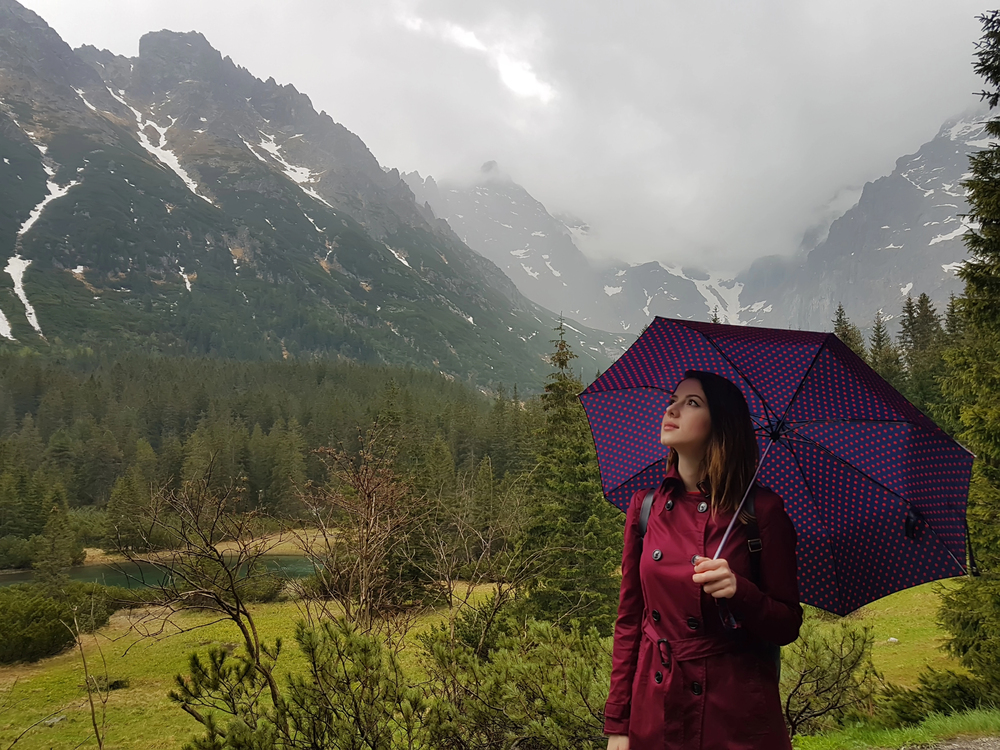
Rain creates reflections and mood. Fog adds mystery. Overcast skies work like giant softboxes, eliminating harsh shadows on faces. While tourists hide indoors, influencers grab umbrellas and waterproof cases. Storm clouds make more dramatic backgrounds than clear blue skies. Wet streets photograph better at night, too.
Use continuous autofocus for movement
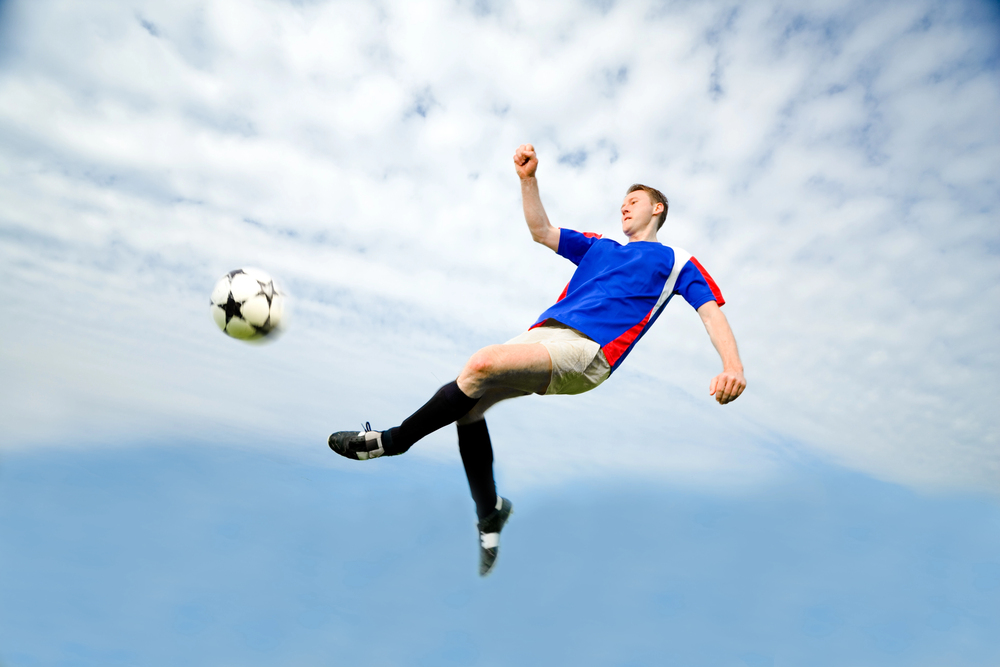
Most cameras default to single-point focus. Switching to continuous (AF-C or AI Servo) keeps moving subjects sharp. This matters for walking shots, jumping photos, or anything with motion. The camera tracks subjects automatically instead of locking focus on backgrounds. Game changer for solo travelers using tripods and timers.
Carry a white poster board
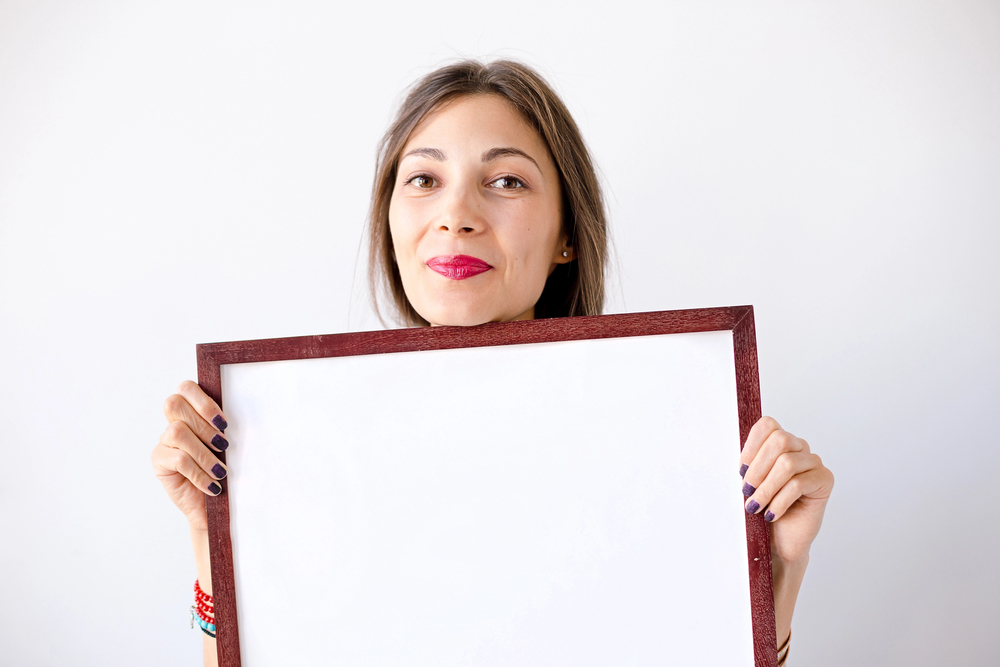
A folded piece of white cardboard becomes a portable reflector. Hold it opposite the sun to fill shadows on faces. Use it to bounce window light indoors. In a pinch, it blocks wind from ruining hair or works as a clean background for flat-lay shots. Takes no space in luggage but solves dozens of lighting problems.
Shoot everything three ways
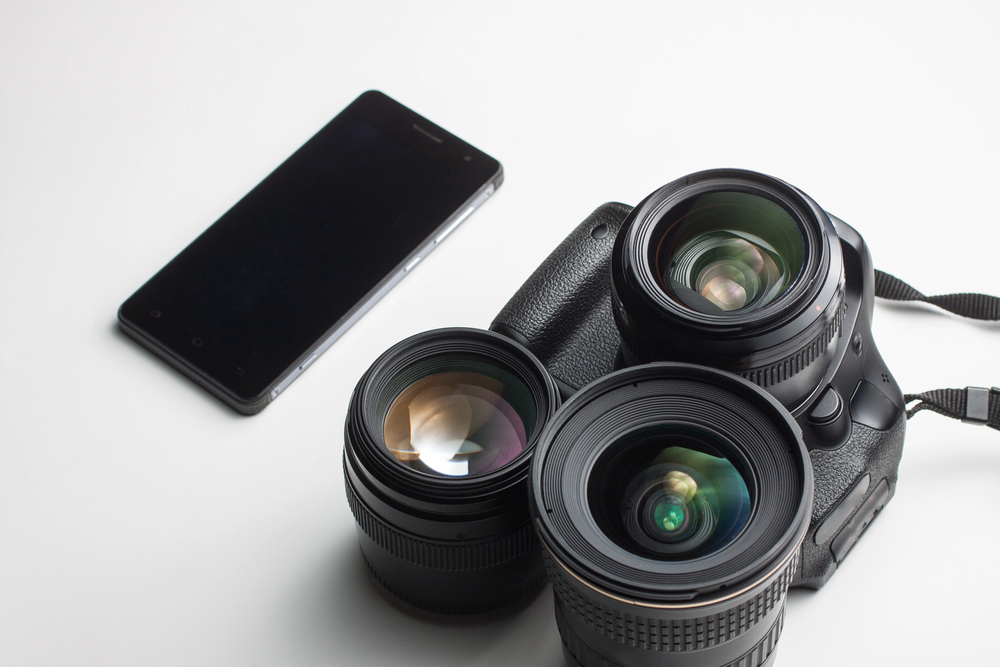
Wide establishing shots show context. Medium shots focus on subjects. Close-ups capture details. This trinity creates storytelling sequences from single moments. One location becomes three different posts. Or combine them in carousel posts for higher engagement. The variety keeps feeds visually interesting without needing more locations.
Delete ruthlessly
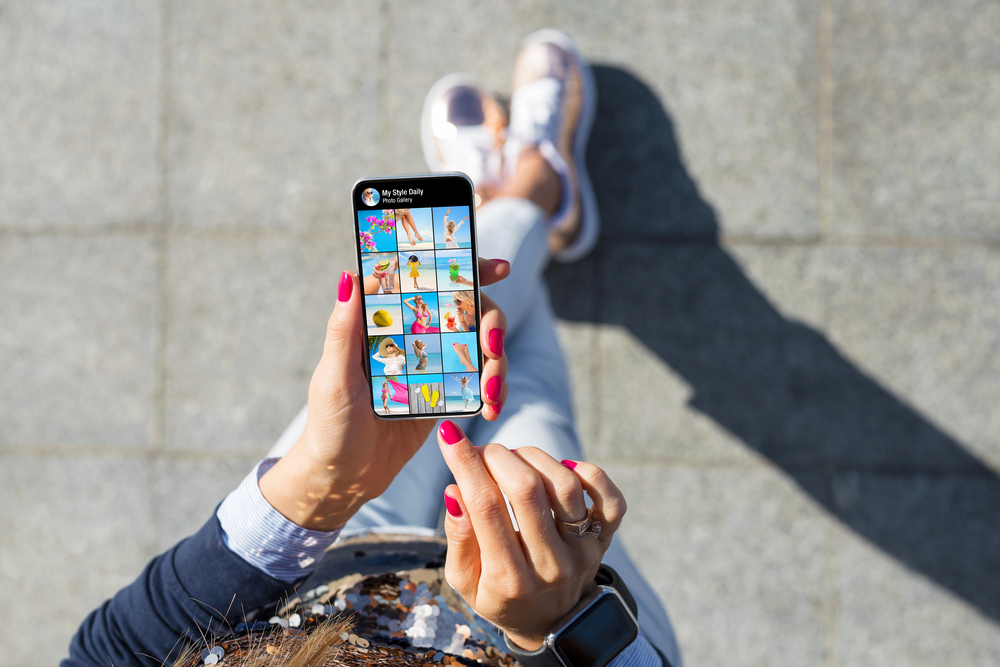
For every photo posted, influencers typically shoot 50 to 100 alternatives. The secret isn’t taking better photos — it’s choosing better. Delete obviously bad shots immediately. Review remaining options on larger screens later. Keep only the absolute best. Storage is cheap, but decision fatigue is real. Fewer choices lead to better choices.
The art of looking effortless
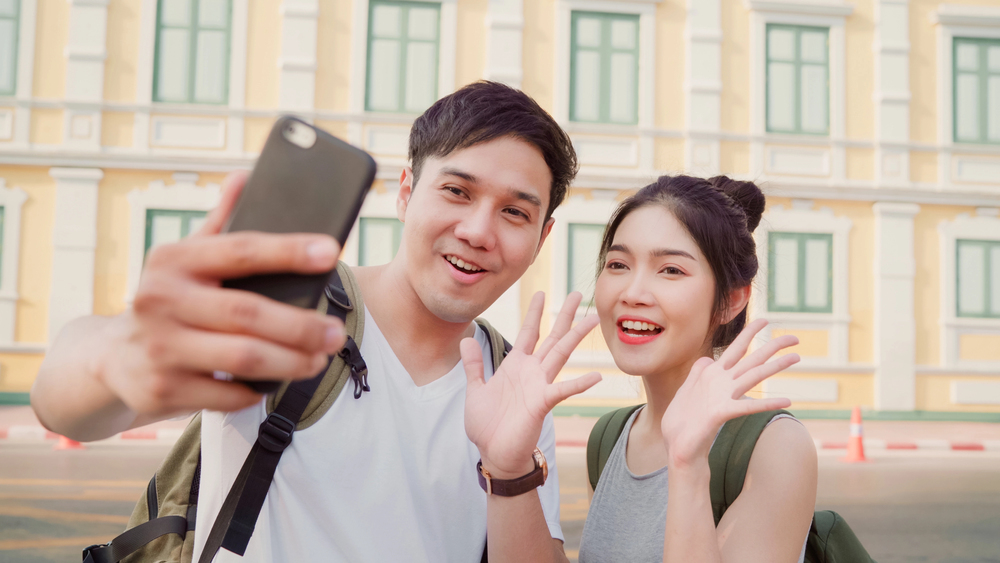
The most liked travel photos share one quality — they look spontaneous despite being carefully orchestrated. Every hack and technique serves this illusion. Because in the end, audiences don’t want to see the work. They want to feel the wanderlust, imagine themselves there, and believe that perfect moments simply happen to those brave enough to chase them.
More from Travel Pug

- 20 Best Beach Towns in the Carolinas
- 13 Destinations Where Tourists Regularly Regret Their Trip
- 20 Things You Actually Get in First Class
- 20 Small Airports With Aviation Museums
- 20 Places in the U.S. That Are Perfect for a Reset Trip
Like Travel Pug’s content? Follow us on MSN.