

There’s a particular kind of relief that comes with booking an all-inclusive vacation. No decision fatigue over dinner.
No mental math every time a drink shows up. Just a bracelet, a room key, and the promise that everything from here on out is already paid for.
Except it doesn’t, not always and not everywhere. The phrase “all-inclusive” has stretched so far over the years that it barely means what it used to.
Some resorts use it as a genuine promise. Others use it as a starting point for a much longer conversation involving resort fees, premium liquor upcharges, and excursions that were supposedly part of the package until they weren’t.
Before handing over a deposit, it helps to know which version of “unlimited” you’re actually walking into.
Sandals Resorts
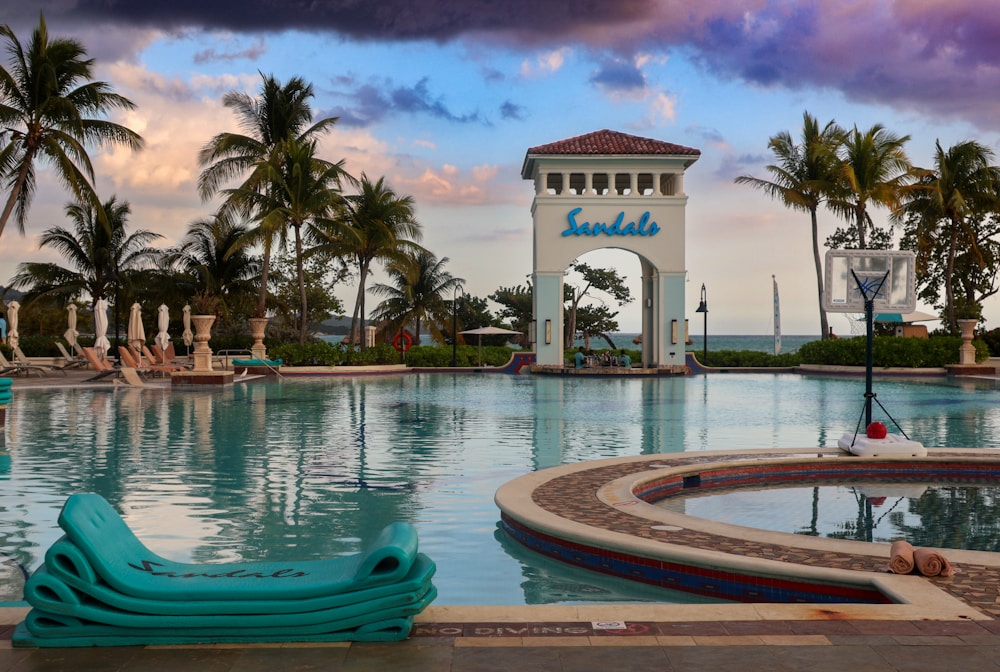
Sandals markets itself as luxury included, and to be fair, the base experience delivers. Some premium excursions, spa treatments, private dining experiences, and butler-level accommodations come at an additional cost.
The bracelet covers a lot. It just doesn’t cover everything you’ll want once you’re there.
Riu Hotels & Resorts

Riu properties do a solid job covering the basics: buffet meals, house-brand drinks, and a rotating list of activities that keep kids and adults occupied without extra charge. Step outside that framework, though, and the fine print gets specific fast.
Adults-only sections, swim-up bar upgrades, and off-site excursions all carry their own price tags, and the resort isn’t shy about pointing you toward the front desk to pay for them.
Iberostar Hotels & Resorts
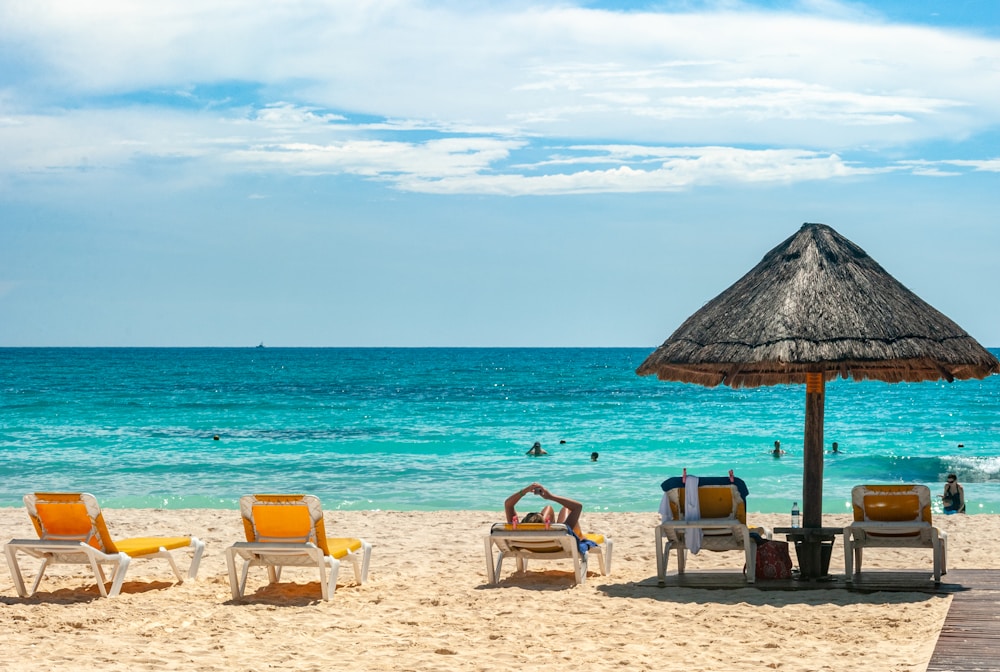
Iberostar built a reputation on genuinely generous inclusions — plenty of restaurants, a real wine list instead of the usual house pour, entertainment that doesn’t feel like an afterthought — and for the most part, that reputation holds up once you’re actually on the ground. But dig into the reservation system for those specialty restaurants (the ones the brochure photos always seem to feature) and you’ll find limits: one or two visits per stay, sometimes fewer, with the rest of the week pushed back toward the buffet whether you planned for that or not.
And certain suite categories unlock extra reservations, which is a polite way of saying the all-inclusive experience quietly scales with how much you paid to get in the door. So the base tier isn’t lying to you, exactly: it’s just not showing you the whole menu until you’re already unpacked.
Karisma Hotels & Resorts

Karisma leans hard on the “gourmet inclusive” label, and the food genuinely earns some of that praise. Alcohol tells a different story: top-shelf spirits, sommelier-selected wine pairings, and certain tequila flights all sit behind a menu marked with prices, right next to the ones that don’t.
Ask before you order, because the staff won’t always volunteer which glass costs extra.
Club Med

Club Med sells itself as the original all-inclusive. Ski passes are included at many Club Med ski resorts, though lessons, premium services, equipment upgrades, and certain excursions may cost extra.
Read the fine print for your specific resort, because Club Med isn’t one uniform experience — it’s dozens of them wearing the same name.
Secrets Resorts & Spas
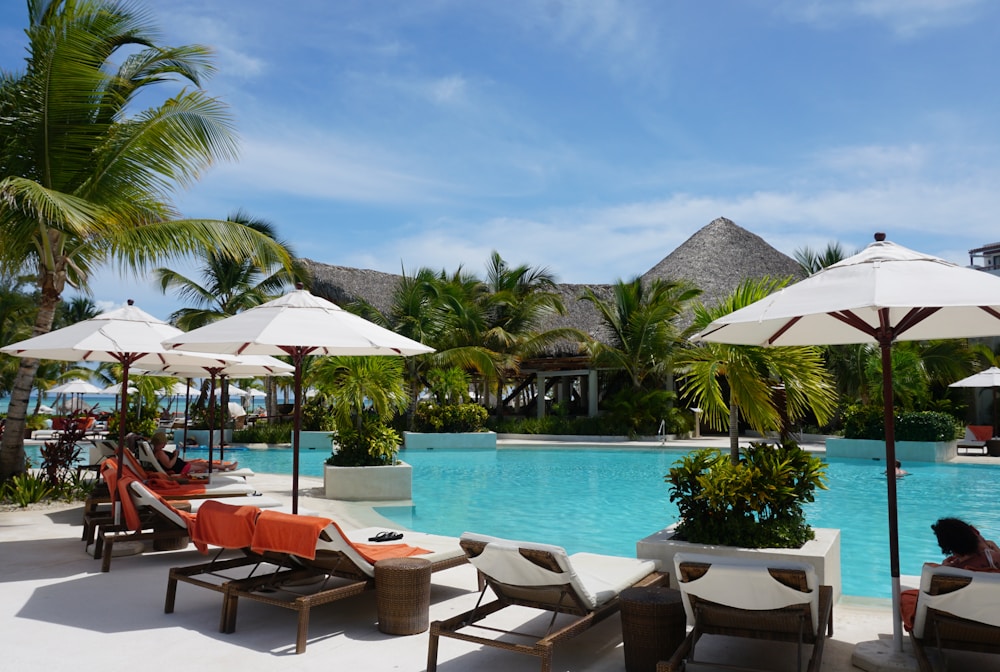
Secrets built its brand on the phrase “unlimited luxury,” which is the kind of promise that sounds like a dare once you actually read the asterisk. Some ultra-premium spirits and specialty experiences may carry an additional charge depending on the property.
But the spa operates like a separate country with its own currency: massages, facials, and couples treatments all carry price tags that never made it onto the welcome brochure. And the swim-up suites, the ones photographed for every ad, cost a premium that quietly turns “unlimited” into “unlimited, for a price.”
Excellence Collection
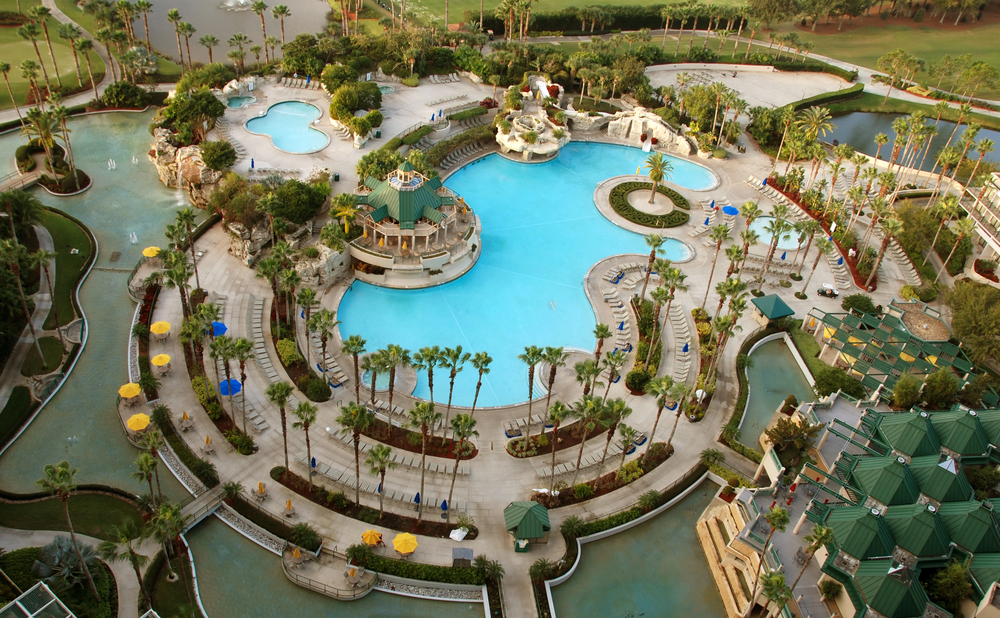
Excellence Resorts sell an atmosphere as much as a package: infinity pools, candlelit dinners, a version of “adults-only” that feels genuinely upscale rather than just a marketing label slapped on a family resort. The base plan covers a rotating list of restaurants, top-shelf drinks at most bars, and enough activities to fill a week without once opening a wallet.
Private cabanas, though, and certain swim-up suite categories, sit on a separate price sheet, one that only surfaces once you’re comparing room types at check-in. So the “excellence” part holds up.
It’s the extras layered on top that quietly remind you this is still a business, not a favor.
Meliá Hotels International

Meliá keeps The Level as a separate universe inside its own resorts. Pay for it and you get private check-in, elevated liquor, and a lounge nobody else can enter.
Skip it and the regular all-inclusive package is still solid, just noticeably less shiny. The gap between the two tiers is the whole business model.
Dreams Resorts & Spas

Dreams Resorts & Spas promises “Unlimited-Luxury,” a phrase that sounds like it was workshopped by a committee determined to make “all-inclusive” sound fancier — and to be fair, greens fees at partner golf courses do come bundled in at some properties, which is more than most brands offer. But the fine print splits guests into “Preferred Club” tiers so specific (butler service, private pool access, a separate check-in desk tucked behind a velvet rope) that the base experience starts feeling like the coach section of a plane where everyone insists they’re flying the same flight.
And then there’s the excursion desk, where day trips to nearby ruins or snorkeling reefs get pitched with glossy brochures that never once mention the word “included,” because they aren’t. So the “unlimited” part is real, technically: it just doesn’t apply evenly to everyone wearing the same wristband.
Royalton Resorts
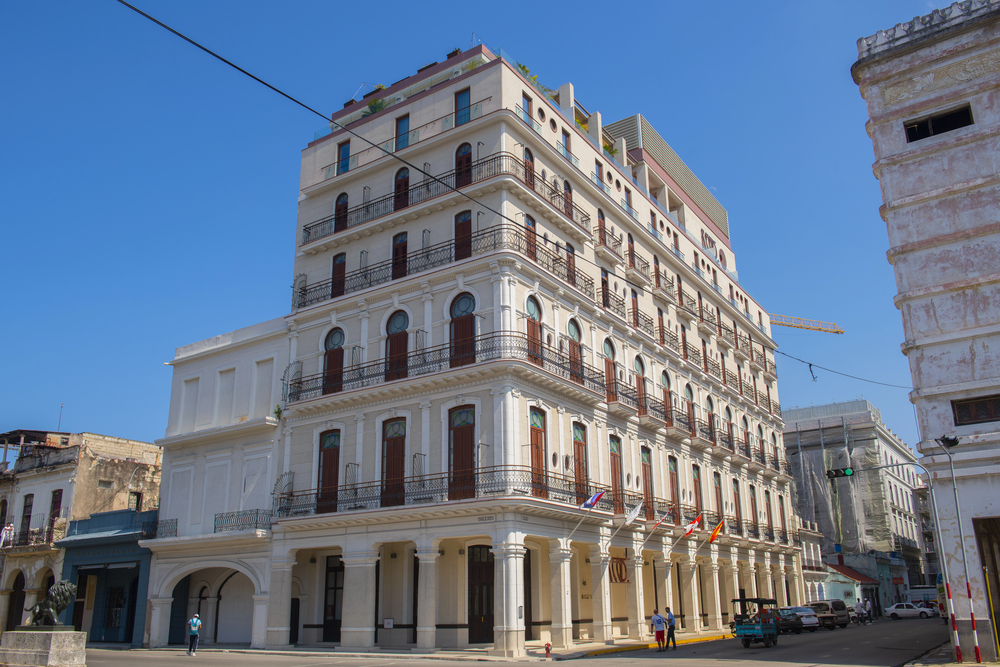
Royalton runs its Diamond Club tier the way a hotel runs a private elevator: same building, same lobby, but somehow the air feels different once you’re inside. The regular all-inclusive guests get a wide, well-stocked buffet of experiences — beach access, a rotating cast of restaurants, drinks that never stop arriving — and none of it feels thin or grudging.
But the Diamond Club wing sits behind its own reception desk, its own pool, its own quieter stretch of sand, and the separation is engineered rather than accidental, a velvet rope dressed up as a room category. Ask a Diamond Club guest what changed and the answer is rarely dramatic: just fewer people, a shorter wait, and the particular calm that comes from knowing you paid to skip the line everyone else is standing in.
Palace Resorts

Palace Resorts sells the word “unlimited” like it’s a personality trait, and for a chain built entirely on the all-inclusive promise, it mostly earns the label. Book into one of the adults-only Le Blanc properties and the food, the drinks, even the airport transfers arrive without a second charge, which is more than plenty of competitors manage.
Order a top-shelf tequila at the swim-up bar, though, and the price tag shows up fast, no exceptions made for the wristband on your arm. “Luxury included” turns out to have limits — they’re just pricier limits than most.
Hard Rock Hotels & Casinos
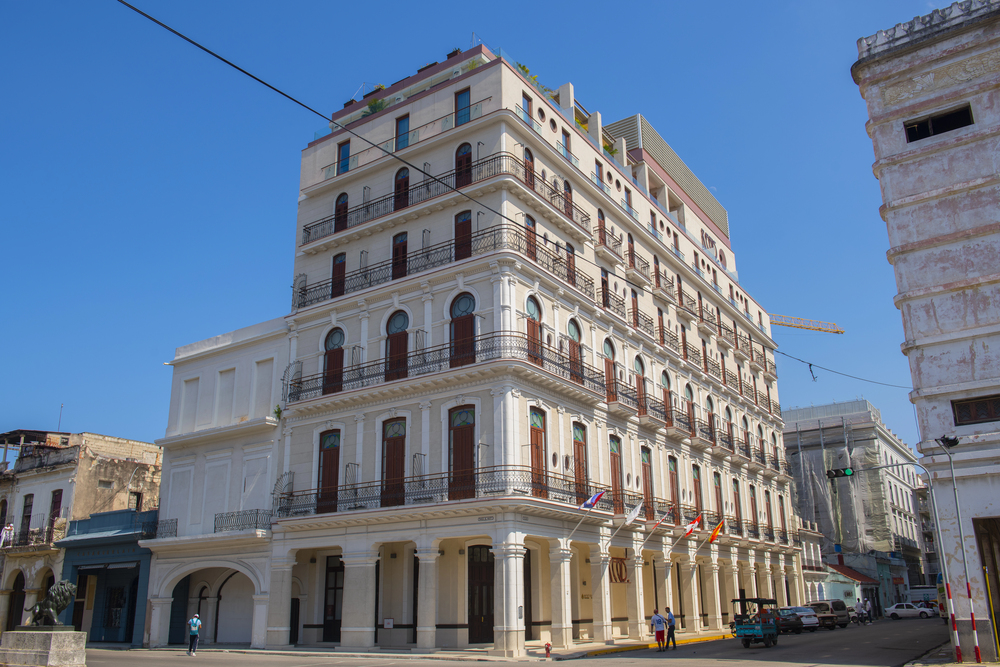
Hard Rock sells the all-inclusive dream with a rock star theme slapped on top. Premium spirits cost extra.
Cabana rentals cost extra. The wristband gets you far, just not as far as the marketing photos suggest.
Spa treatments, golf outings, and many off-property experiences also remain outside the standard package, despite the all-inclusive branding.
Barceló Hotel Group
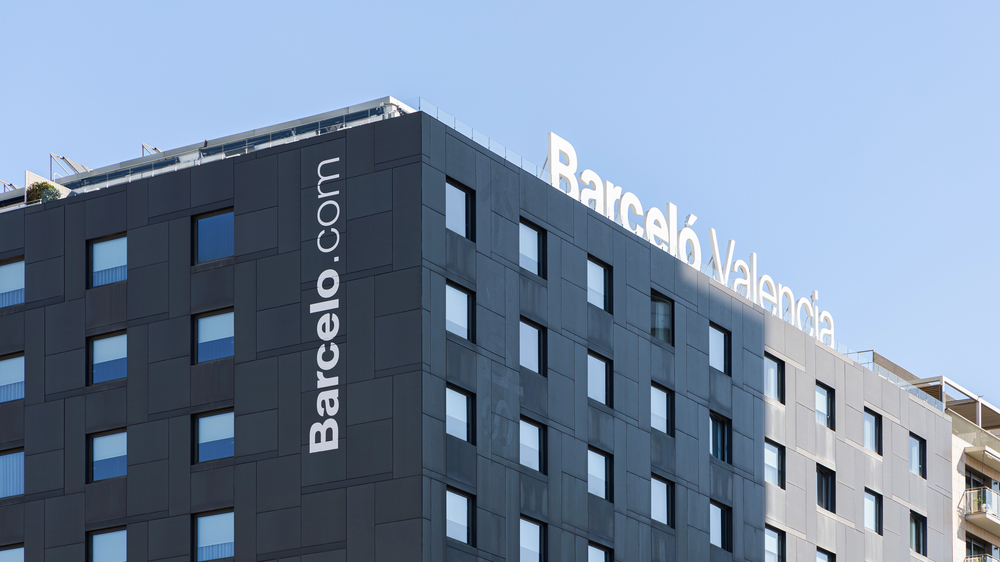
Barceló markets its all-inclusive stays as a straightforward promise, and for the most part the basics hold: buffet spreads, house liquor, a pool that never seems to close before the bar does. But dig into the resort’s premium dining options (the ones tucked behind reservation systems that fill up within the first hour of check-in) and a pattern shows up fast — guests staying in standard rooms get bumped to the back of the line while suite categories walk straight in, no wait, no explanation offered at the desk.
So the wristband works, technically, right up until it doesn’t: excursions to nearby cenotes or fishing charters carry a separate invoice, and nobody mentions that part until you’re already asking how to book one. It’s not a bait and switch, exactly.
It’s more like the fine print decided to take a vacation of its own.
Now Resorts & Spas

Now Resorts feels like the budget-conscious cousin at the AMResorts family reunion, the one who still shows up with a full plate but skips the caviar. The bones of the package are honest: buffet lines that rotate enough to keep from feeling like Groundhog Day, drinks that flow steadily rather than sparingly, a beach chair with your name on it by nine most mornings.
But wander toward the à la carte restaurants and the reservation book turns stingy fast, doling out one visit per specialty spot like a strict librarian rationing due dates. The all-inclusive promise holds together here, mostly — it just holds together a little tighter at the seams than its pricier siblings.
Breathless Resorts & Spas

Breathless built its whole identity around the idea that all-inclusive doesn’t have to mean sleepy, and on that front, it delivers — the pool parties are loud, the drinks come fast, and nobody’s rushing you back to your room by nine. The catch is the Xhale Club, a tier that quietly siphons off the best perks (better liquor, a private check-in, a rooftop that regular guests only see in photos) and sells them back as an upgrade.
Standard guests still eat well and drink plenty, to be fair, but the resort makes sure you know exactly what you’re missing every time you walk past that separate entrance. Unlimited fun, it turns out, still has a velvet rope.
Sunscape Resorts & Spas
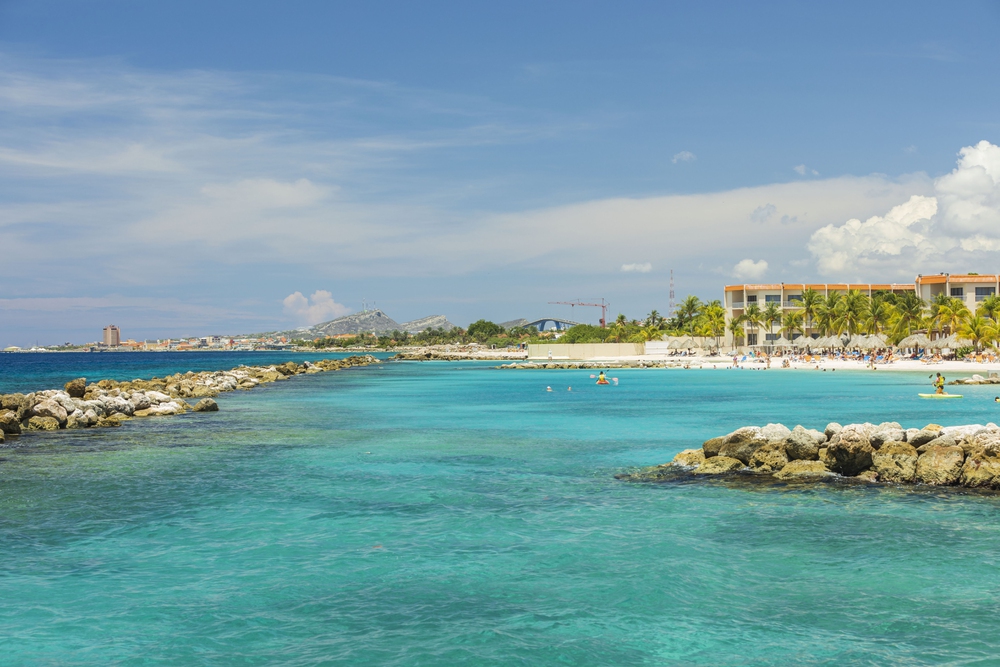
Sunscape sits at the budget end of the all-inclusive spectrum, and it doesn’t pretend otherwise. Motorized water sports cost extra.
So does anything involving a scuba tank. The wristband covers plenty of fun — just not the kind that requires a permit.
Grand Palladium Hotels & Resorts
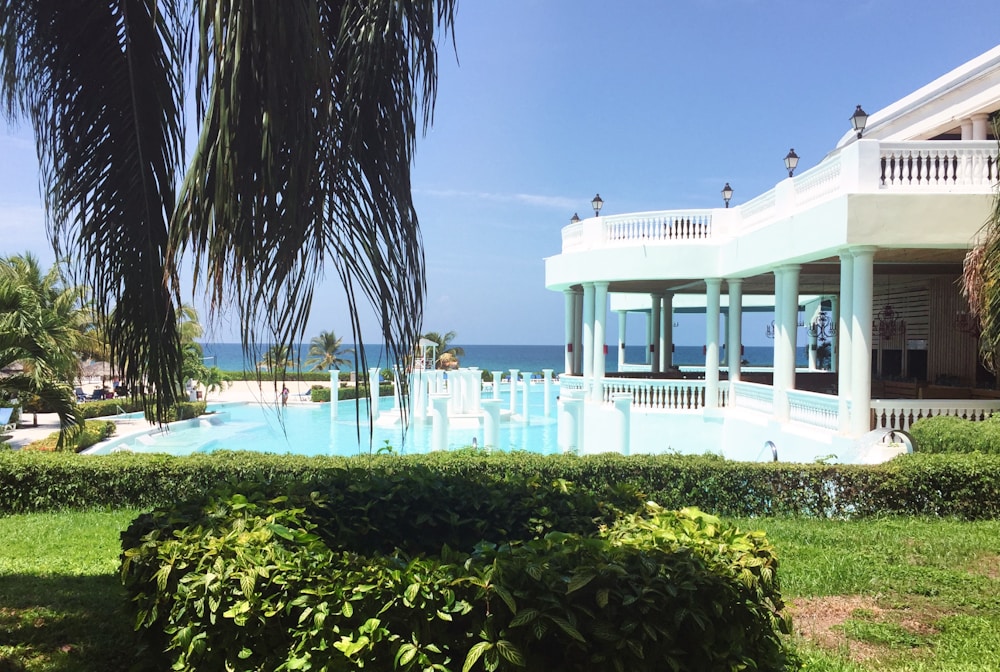
Grand Palladium builds resorts the size of small towns, with a dozen restaurants and pools stacked one after another until you lose count — literally, guests routinely wander into the wrong building looking for their own room. But cross into the Royal Suites Turquesa section — the private enclave with its own beach, its own bar, and a gate regular guests never get a key to — and the difference shows fast: better liquor, thinner crowds, no explanation for why one wristband apparently outranks another.
Two resorts, one name. So the standard plan is fair, it just isn’t the same vacation happening a few hundred yards down the sand.
Bahia Principe Hotels & Resorts

Bahia Principe scatters its properties across the Caribbean like a chain of islands pretending to be one continuous shoreline, when in reality each resort quietly answers to its own set of rules. The “Luxury” branded properties sit a notch above the standard Bahia Principe resorts, close enough in name that guests booking online sometimes miss the distinction until they arrive and notice the neighboring beach club they can’t enter.
Specialty restaurant reservations work like a lottery with better odds for return guests and suite holders, leaving first-timers circling the concierge desk hoping a table opens up before their week runs out. The wristband promises a shoreline of unlimited everything, but somewhere behind the palm trees, there’s a fence you don’t see until you’re already walking toward it.
Occidental Hotels & Resorts

Occidental keeps things straightforward. Buffets, house liquor, and non-motorized water sports come standard, no surprises at checkout.
Motorized rides, deep-sea fishing charters, and the spa menu all carry separate price tags, full stop. The brand doesn’t dress that fact up as anything else, which counts for something in a category full of fine print.
Majestic Resorts

Majestic Resorts operates like a well-rehearsed play where everyone knows their lines, except for the one supporting character who keeps getting better costumes without anyone explaining why. The base Majestic Colonial and Majestic Mirage packages hand over a real spread: buffet variety, drinks that keep coming, a beach that doesn’t feel rationed.
But the Elegance Club section sits apart like a stage within the stage, complete with its own adults-only pool and a dining reservation system that never seems to run out of tables the way the standard side’s does. So the wristband tells the truth about what’s included — it just doesn’t mention there’s a better version of the same truth being sold a few buildings over.
The Wristband Never Tells the Whole Story

Every one of these resorts sells the same basic idea: pay once, worry never. And mostly, that promise holds up better than the skeptics give it credit for — the food is real, the drinks keep coming, the beach chairs get filled without a fight most mornings.
But the gap between “included” and “included for some” is where these brands quietly make their money, tucked into butler service, private lounges, and reservation systems that favor whoever booked first or paid most. None of that makes the all-inclusive model a scam, exactly.
It just means the word “unlimited” was never really about you — it was about which version of you showed up at check-in.
More from Travel Pug

- Underrated Italian Towns That Beat the Tourist Crowds
- Las Vegas Tourist Traps to Skip
- Prettiest Towns in Every US State
- 18 passport-free countries for Americans
- Signs Your Cruise Is Not Worth The Cost
Like Travel Pug’s content? Follow us on MSN.