

First-time cruisers often worry about hidden costs and unexpected expenses, carefully budgeting for every potential extra charge. The truth is, while cruise lines do charge for plenty of extras, they also offer a surprising number of freebies that many passengers never discover.
These complimentary perks range from practical services to entertainment options that could easily cost extra elsewhere. Knowing about them ahead of time means you can take full advantage of what you’ve already paid for in your cruise fare.
Room Service

Room service comes free on most cruise lines. No delivery fees, and tips are optional beyond what you choose to give.
Order a burger at 2 AM or coffee before the buffet opens — it’s already included in your fare.
Ice Cream and Soft Serve

The soft-serve machines run all day, and nobody’s counting how many cones you grab (though the sugar crash from testing every flavor might make you wish they were). Most ships stock multiple flavors, and some rotate seasonal options throughout longer cruises.
You’ll find these machines near the pool deck, sometimes in the buffet, occasionally tucked into corners where only the truly dedicated ice cream hunters discover them.
Tea and Coffee

Complimentary coffee is available from multiple locations — buffet stations, room service, sometimes dedicated coffee bars that don’t charge for basic brews. Tea service often includes a surprising variety of bags and loose-leaf options.
Some ships even offer specialty coffee drinks at certain times without the usual café surcharge, though this varies by cruise line and you’ll need to ask.
Educational Lectures and Classes

Ships hire historians, naturalists, and experts who give talks about destinations, wildlife, or cultural topics. These aren’t thrown-together presentations either — many speakers are genuinely knowledgeable professionals who normally charge serious money for their expertise.
The lectures often cover subjects you’d pay museum admission to learn about on land.
Fitness Classes

Group fitness happens multiple times daily in ships’ gyms and sometimes on deck. Aerobics, stretching, and some yoga or dance classes — the variety depends on your ship size, but most offer several options throughout the week.
The instructors are usually certified professionals, and the classes often incorporate ocean views that landlubbers pay premium studio rates to imagine.
Library Access

Ship libraries contain actual books (remember those?) along with magazines, newspapers, and sometimes computers for internet access.
The book selection tends toward popular fiction and travel guides, but it’s a quiet space that many passengers overlook entirely. Some libraries also loan out board games, puzzles, and occasionally e-readers loaded with digital collections.
Pool Towels

Towels appear whenever you need them around pool areas and sometimes on beaches. The crew handles the logistics — you use them, drop them in designated bins, grab fresh ones as needed.
On many ships, no deposits are required, and no awkward conversations about whether that stain was already there.
Basketball and Sports Courts

Ships with sports decks usually include equipment — sports equipment, ping-pong paddles, sometimes volleyball nets. The courts themselves range from basic to surprisingly well-designed, and playing basketball in the middle of the ocean turns out to be oddly satisfying (the ship’s movement adds an unintentional challenge that keeps things interesting).
Equipment quality varies, but it’s functional and costs nothing beyond your dignity when you miss an easy shot.
Art Auctions and Gallery Browsing

Art auctions happen on most cruises, and browsing the galleries costs nothing even if you’re not buying. The pieces range from decent to questionable, but some auctions may offer complimentary sparkling wine or refreshments, and watching other people bid on art while slightly tipsy provides its own entertainment value.
Some galleries also rotate exhibitions throughout longer cruises.
Movie Screenings

Theaters show current and recent movies throughout the day, often including recent releases and popular films. The seating tends to be comfortable, the screens large, and the popcorn sometimes free depending on the showing time.
Late-night screenings occasionally feature older classics that create unexpectedly fun group viewing experiences.
Trivia and Game Shows

Daily trivia covers everything from general knowledge to ship-specific questions, and the format usually encourages team participation even if you’re traveling solo. Game shows happen several times per week, ranging from family-friendly to adults-only versions that can get surprisingly competitive.
The prizes are typically small cruise line merchandise, but the entertainment value exceeds the reward.
Live Music and Entertainment

Beyond the big production shows, ships feature smaller musical acts throughout the day — piano bars, acoustic sets, sometimes full bands playing pool-side. The quality varies wildly (some musicians are genuinely talented, others are enthusiastic), but it’s live music in the middle of the ocean, which beats most people’s commute entertainment options.
Laundromat Access

Self-service laundromats exist on most ships, though the machines themselves usually cost a few dollars. Some ships provide ironing facilities or laundry amenities, though policies vary.
Doing laundry at sea feels strangely therapeutic — there’s something about the ship’s gentle movement that makes folding clothes almost meditative.
Medical Center Consultations

Medical centers are available onboard, though consultations and treatments usually incur charges. The medical centers are staffed with actual doctors and nurses, not just first-aid volunteers.
For simple issues like seasickness advice or minor concerns, the initial consultation frequently costs nothing, though serious medical needs will generate charges.
Photography Services

Professional photographers roam ships constantly, taking pictures at meals, events, and scenic locations. Having your photo taken costs nothing — they only charge if you decide to buy prints later.
This creates opportunities for professional-quality photos in settings you couldn’t arrange yourself, especially during formal nights or at scenic deck locations during sunset.
Kids’ Clubs and Activities

Children’s programming runs throughout the day with trained counselors supervising age-appropriate activities. The clubs often include craft supplies, games, educational programs, and sometimes special events like treasure hunts or science experiments.
Parents get free time, kids get structured fun, and the activities often surpass what many families arrange at home.
Teen Centers and Programs
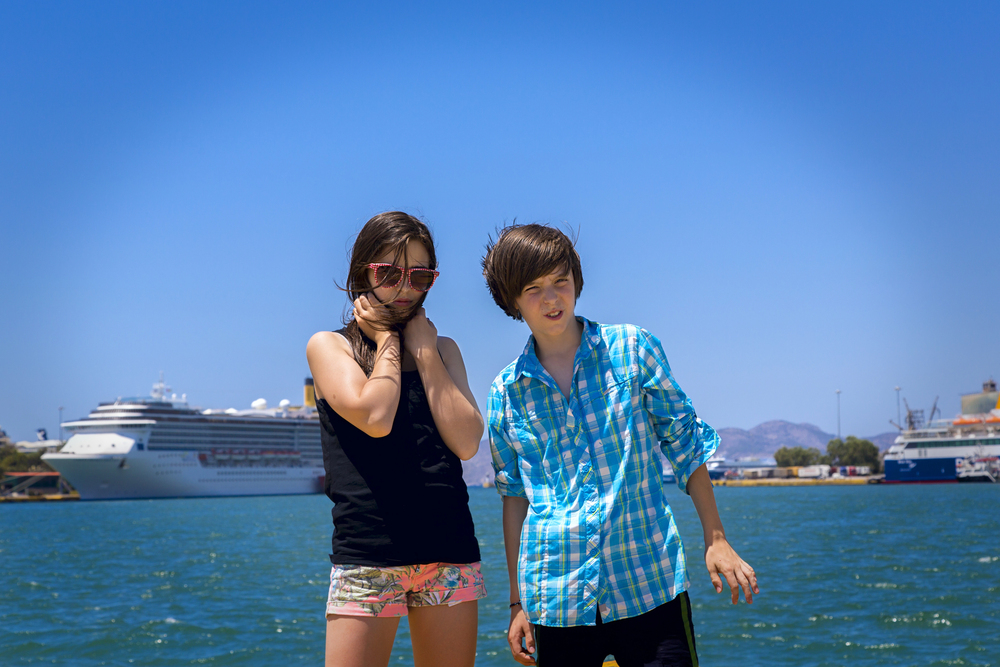
Teenagers get dedicated spaces and programming separate from younger children, usually including video games, social activities, and sometimes teen-only parties or movie nights. The programs acknowledge that teenagers want independence while providing supervised environments that parents can feel good about.
Some teen centers also include current gaming systems and social spaces designed specifically for that age group.
Religious Services

Most ships hold interdenominational services on Sundays, and larger ships sometimes accommodate specific religious needs throughout the week. Services typically happen in theaters or dedicated quiet spaces, and some ships arrange for clergy to be present during longer cruises.
The approach tends toward inclusive rather than denomination-specific.
Dancing and Dance Lessons

Dance instructors teach everything from ballroom basics to line dancing, usually multiple times throughout a cruise. The lessons start with absolute beginner levels and progress based on group interest and ability.
Evening dance parties often follow the lessons, creating opportunities to practice new steps with other passengers in a supportive, slightly chaotic environment.
Cooking Demonstrations

Chefs demonstrate cooking techniques, often featuring dishes served in the ship’s restaurants or foods specific to cruise destinations. These demonstrations usually include tastings and sometimes recipe cards to take home.
The chefs are typically happy to answer questions about techniques, ingredients, or modifications for home cooking.
Language Classes

Basic language instruction for destination countries happens on many international cruises. Classes cover practical phrases for shopping, dining, and basic courtesy rather than comprehensive language learning.
The instruction is usually conversational and interactive, acknowledging that most participants want functional communication rather than fluency.
Shore Excursion Information Sessions

Detailed presentations about ports and excursion options provide valuable planning information even if you don’t book ship-sponsored tours. Port agents or cruise staff explain logistics, highlight major attractions, and answer questions about independent exploration options.
These sessions often include maps, timing advice, and practical tips that help whether you’re booking through the ship or planning your own adventures.
Deck Games and Equipment

Traditional cruise games like shuffleboard come with equipment provided, and deck areas often include other games like giant chess sets, ring toss, or putting greens. The equipment tends to be well-maintained since it’s part of the ship’s standard recreation offerings.
Some ships also provide equipment for more unusual games that work well in ocean settings.
Wine and Food Tastings

Small sample tastings happen throughout cruises, usually promoting the ship’s specialty restaurants or wine programs. While full wine flights or extensive tastings cost extra, basic samples and educational sessions about wine regions, brewing techniques, or specialty ingredients often happen free.
These tastings provide opportunities to try things you might not order otherwise.
Spa Facility Access

Access to basic spa facilities like saunas, steam rooms, and relaxation areas typically comes free, though treatments cost extra. Some ships include fitness areas, hot tubs, or quiet spaces for meditation within their spa complexes.
The facilities themselves often provide relaxation benefits without requiring expensive treatments, especially during sea days when you have time to truly unwind.
Making the Most of Every Dollar

The best cruise experiences come from knowing what’s already included in your fare and taking advantage of those offerings before spending extra money elsewhere. These freebies exist because cruise lines want passengers to stay busy and happy onboard, but they don’t always advertise them prominently.
Smart cruisers ask questions, explore the ship thoroughly, and remember that many services they’d pay for on land come included at sea.
More from Travel Pug

- Underrated Italian Towns That Beat the Tourist Crowds
- Las Vegas Tourist Traps to Skip
- Prettiest Towns in Every US State
- 18 passport-free countries for Americans
- Signs Your Cruise Is Not Worth The Cost
Like Travel Pug’s content? Follow us on MSN.