

Historic districts attract tourism because of their cultural and architectural significance, but the value of historic real estate can also encourage commercial development that changes how these neighborhoods function. In some places, tourism-focused businesses have gradually replaced everyday services, traditional trades, or long-term residents, leaving preserved facades with increasingly commerce-focused interiors.
French Quarter, New Orleans
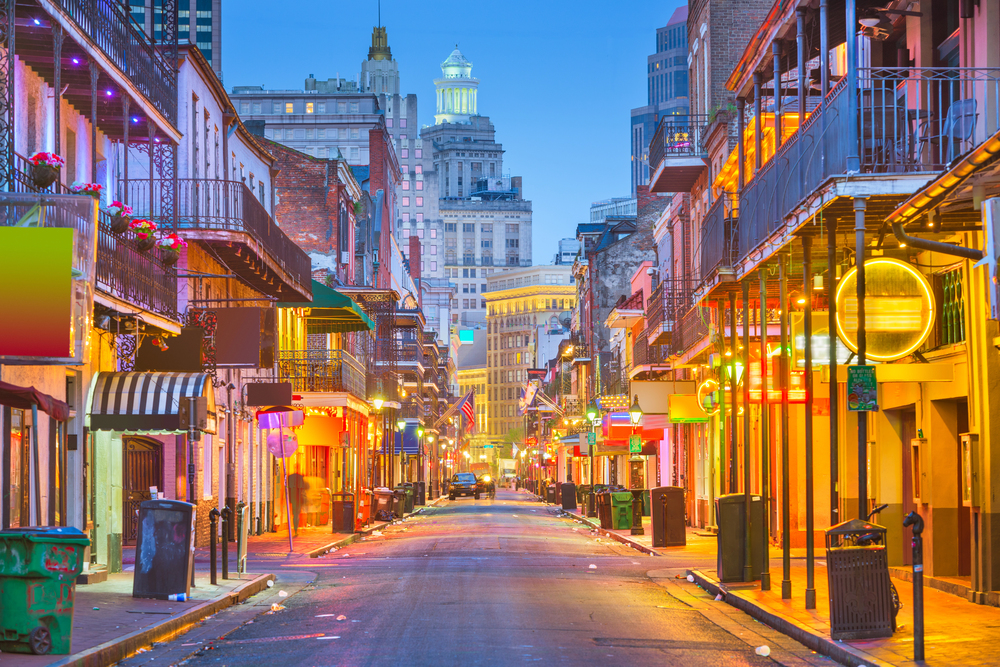
The French Quarter’s Creole and colonial architecture remains, but many of its most visible streets are now dominated by bars, souvenir shops, T-shirt stores, and restaurants catering to visitors. The neighborhood remains residential in parts, though tourism has significantly reshaped its commercial character.
Plaka District, Athens
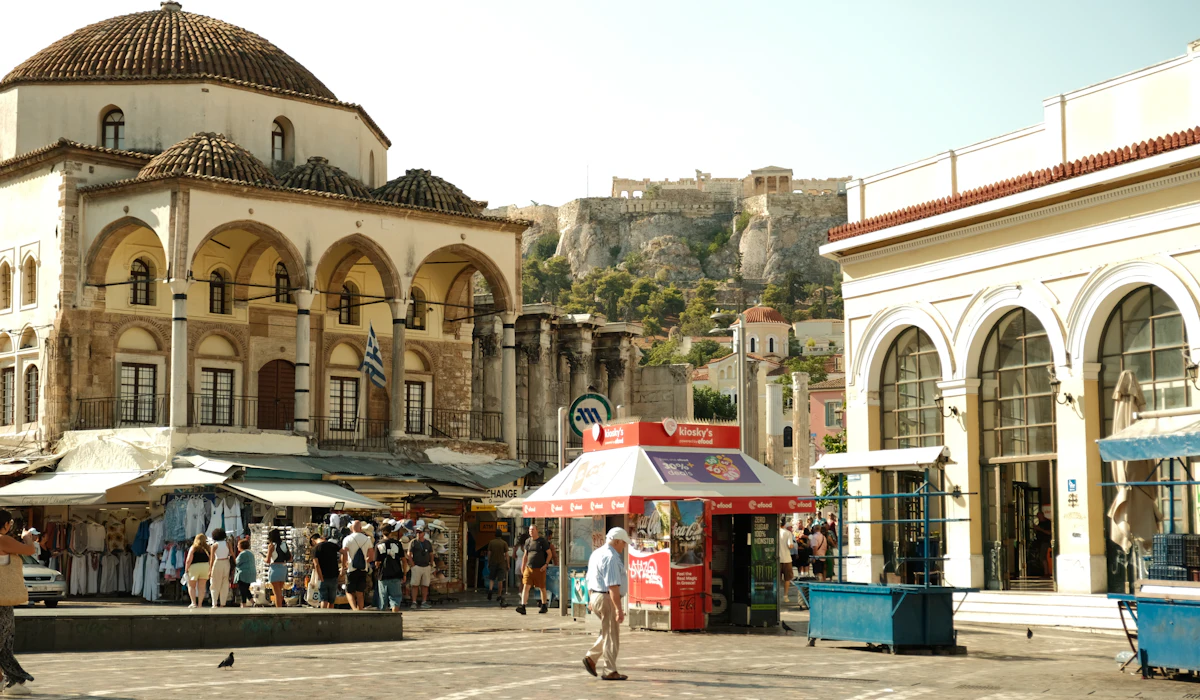
The historic streets and architecture of Plaka remain a major part of Athens’ appeal, but many ground-floor businesses cater heavily to visitors through souvenir shops, restaurants, and tour services. Tourism has become a defining part of the district’s economy.
Royal Mile, Edinburgh
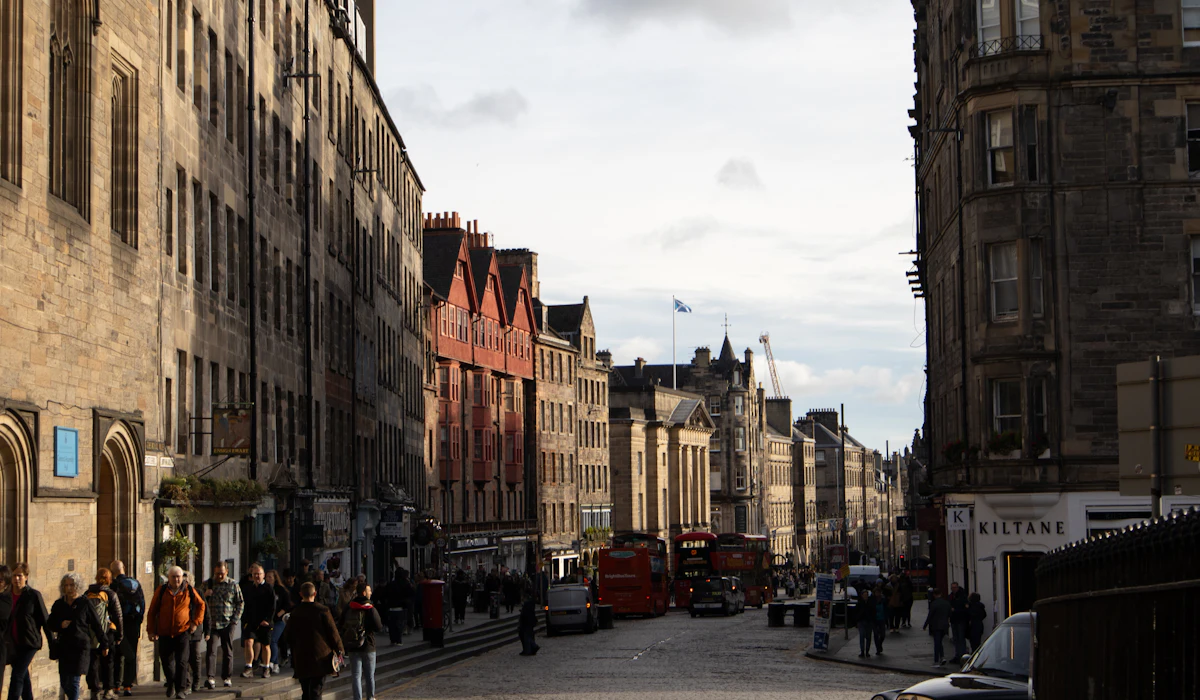
The Royal Mile retains its medieval layout and historic buildings, but many storefronts now house souvenir shops, kilt retailers, whisky stores, and other visitor-oriented businesses. The street’s historic role has increasingly been supplemented by tourism.
Old Town, Prague
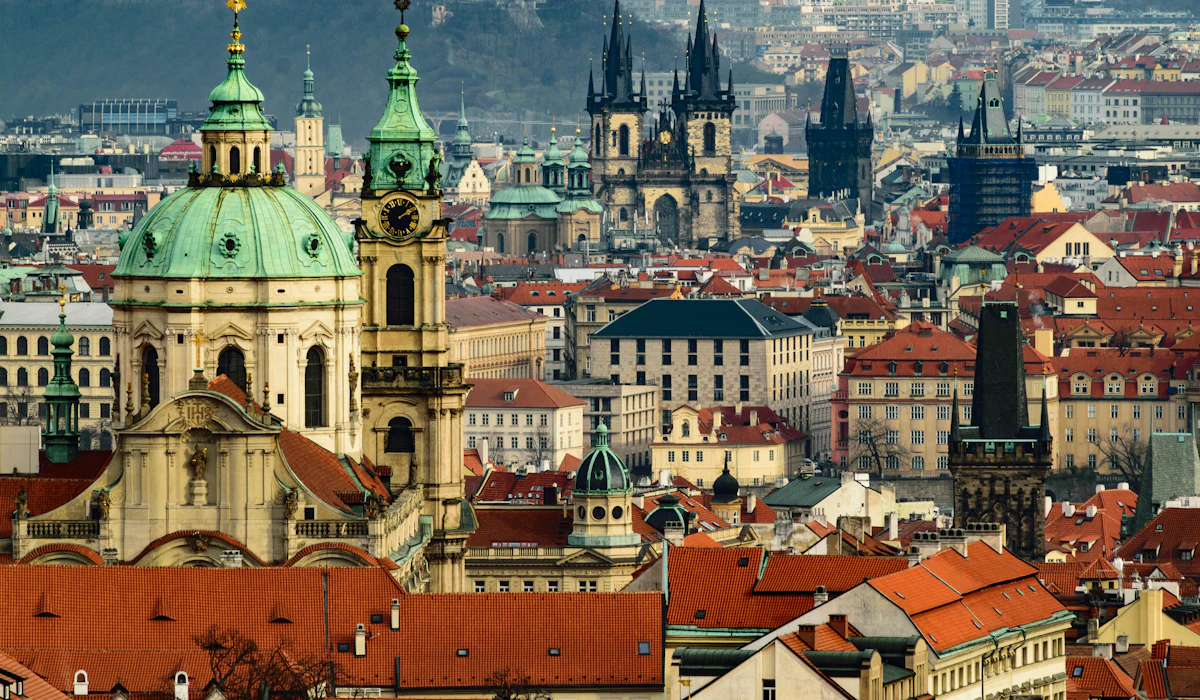
Prague’s Old Town retains major historic landmarks and architecture, but the areas surrounding Old Town Square contain numerous souvenir shops, crystal stores, and tourist-oriented restaurants. The neighborhood remains a living part of the city, though its most heavily visited streets are strongly shaped by tourism.
La Boca, Buenos Aires
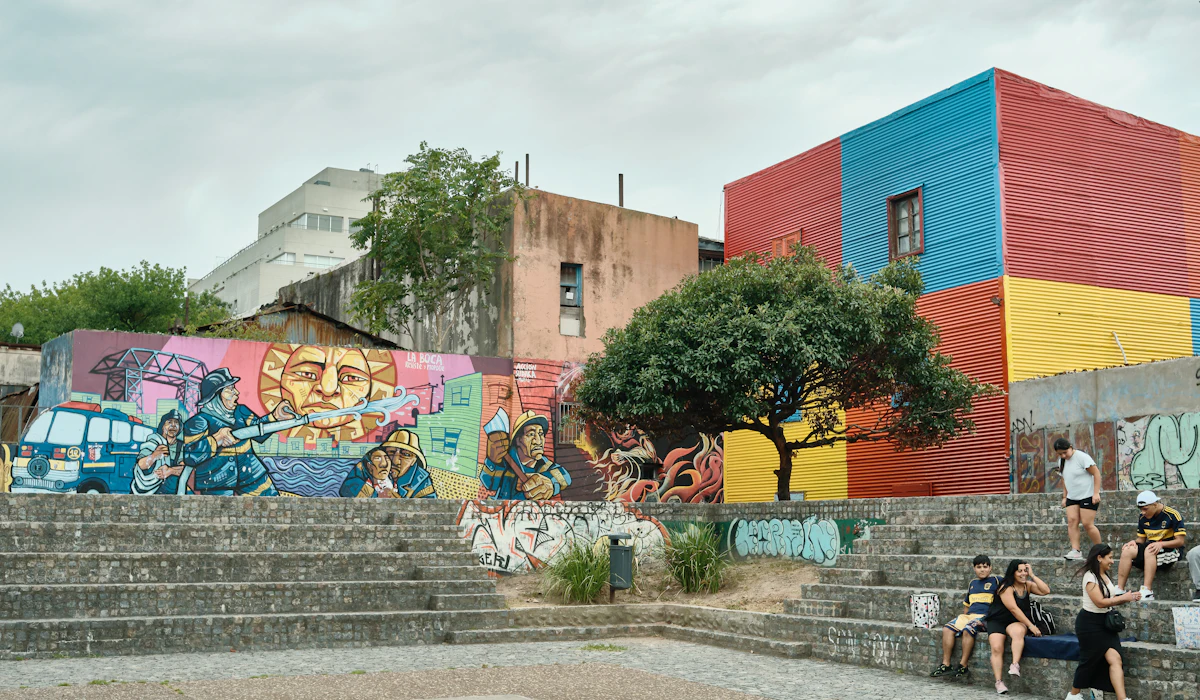
The colorful buildings of Caminito attract photographers and visitors, and the street is heavily focused on tourist-oriented shops, restaurants, and artists. The surrounding La Boca neighborhood remains a working-class residential area, creating a distinction between Caminito’s visitor experience and the wider district.
Ronda Old Town, Spain
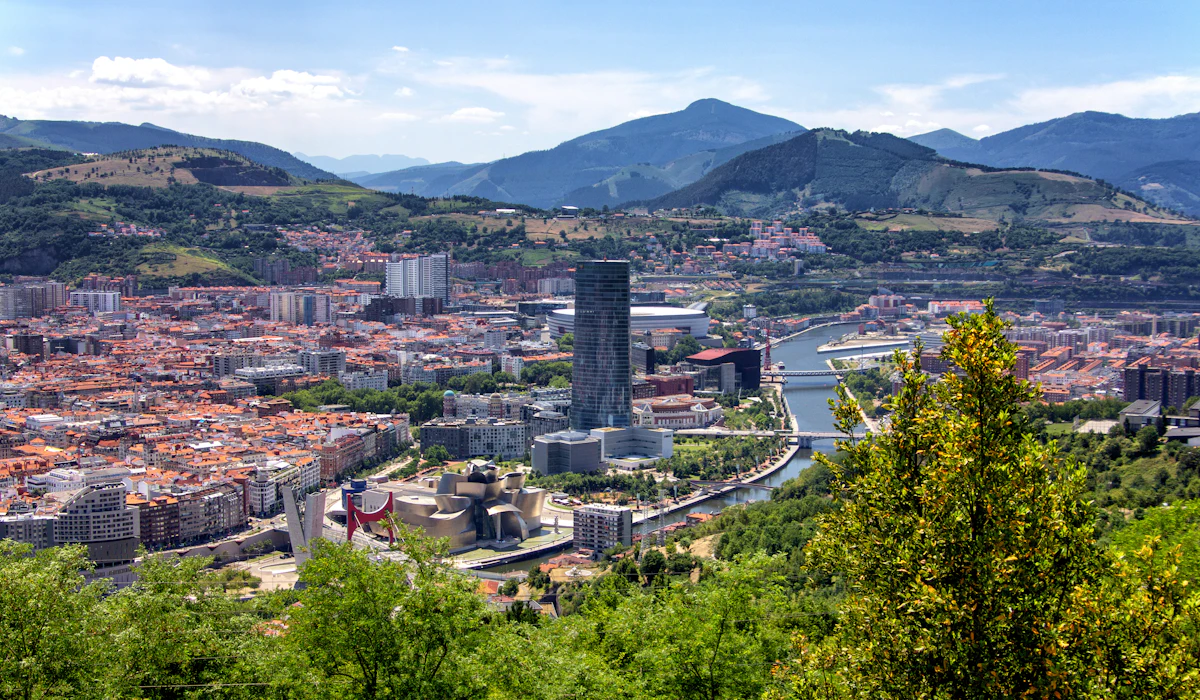
Ronda’s historic center retains its dramatic location, historic streets, and major landmarks, while many businesses in the busiest areas cater to visitors. Souvenir shops and tourist cafés are especially concentrated around the town’s principal attractions.
Montmartre, Paris
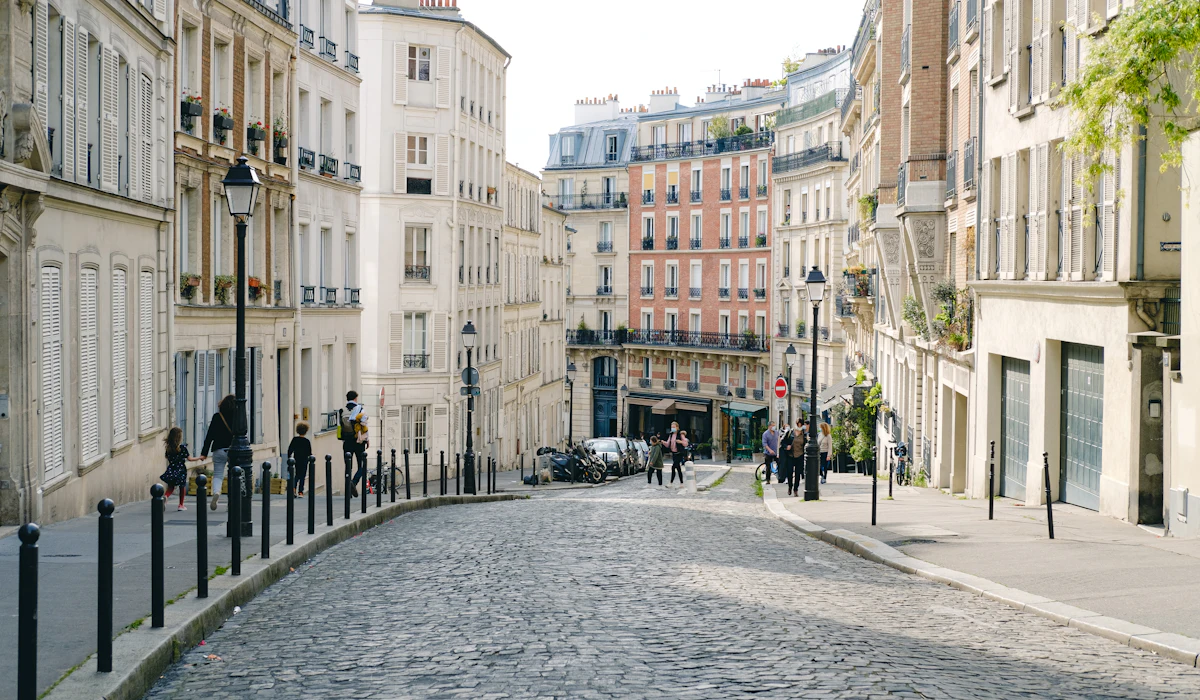
Montmartre remains a residential neighborhood with a strong artistic identity, but its most famous streets and squares are heavily commercialized. Portrait artists, souvenir shops, and tourist-oriented restaurants dominate some of the area’s busiest sections.
Medina, Marrakech
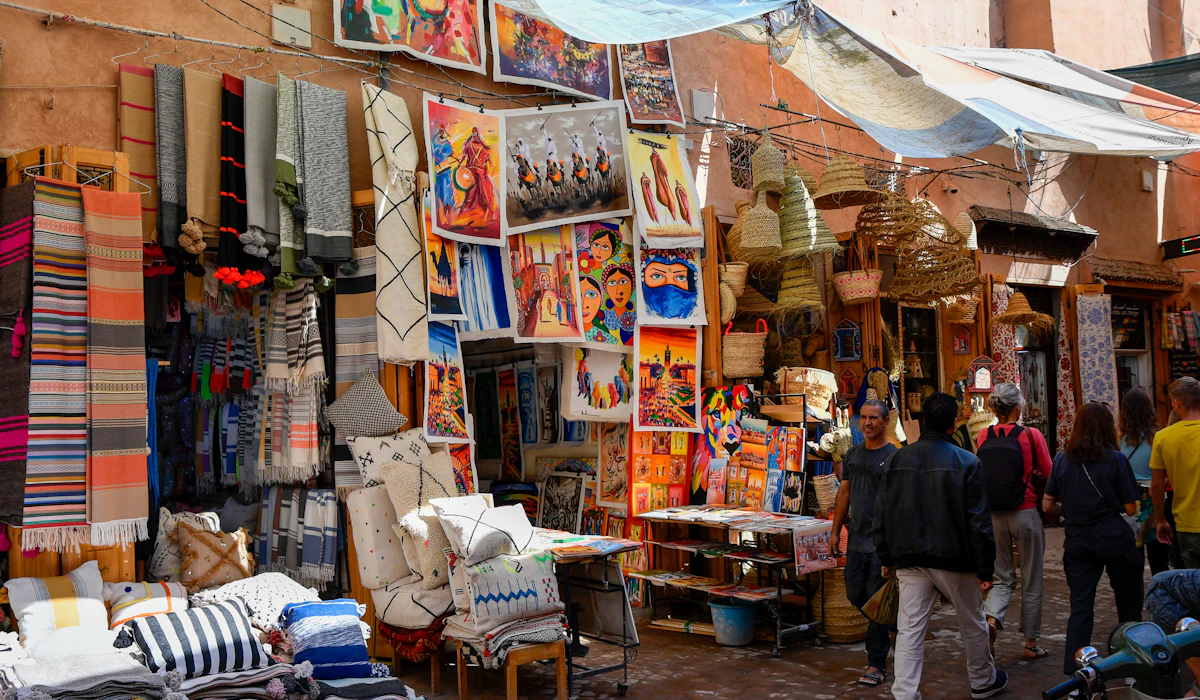
Marrakech’s medina remains a major commercial and residential center, with traditional markets, crafts, and everyday businesses existing alongside a substantial tourism economy. Visitor demand has nevertheless reshaped parts of the souks, particularly around major attractions and heavily visited streets.
Old Tallinn, Estonia
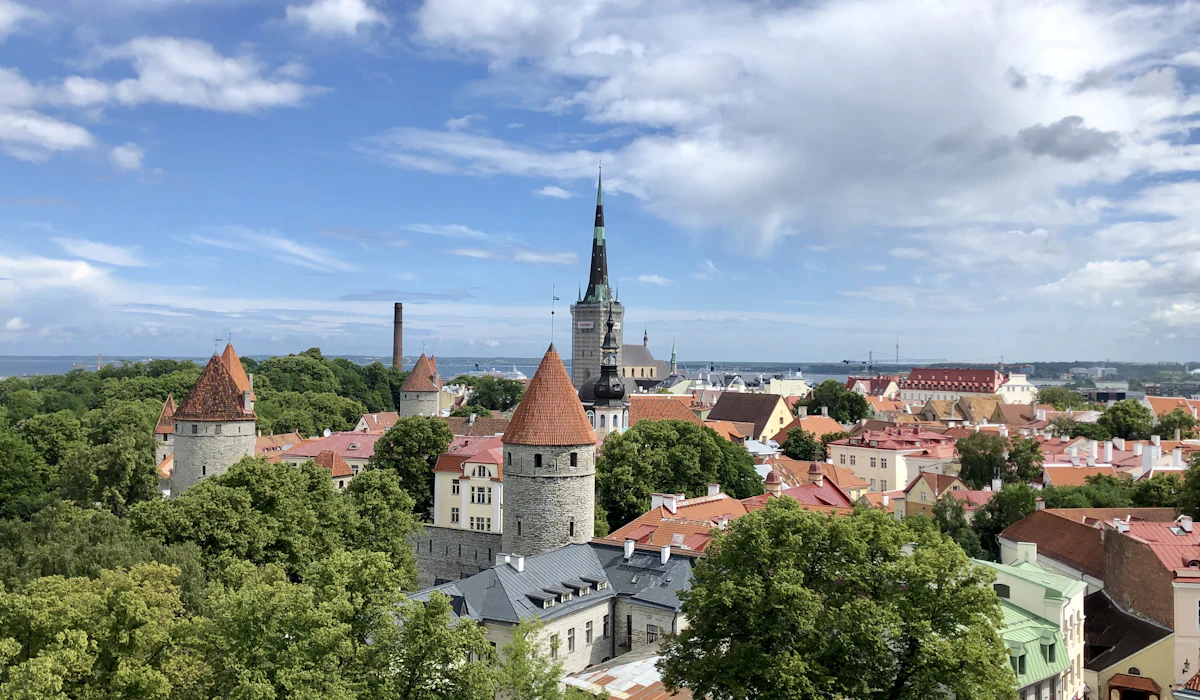
Tallinn’s Old Town preserves its medieval street layout and architecture, while tourism supports many restaurants, hotels, souvenir shops, and visitor services. Although people still live and work within the district, its commercial center is strongly oriented toward visitors.
Civita di Bagnoregio, Italy
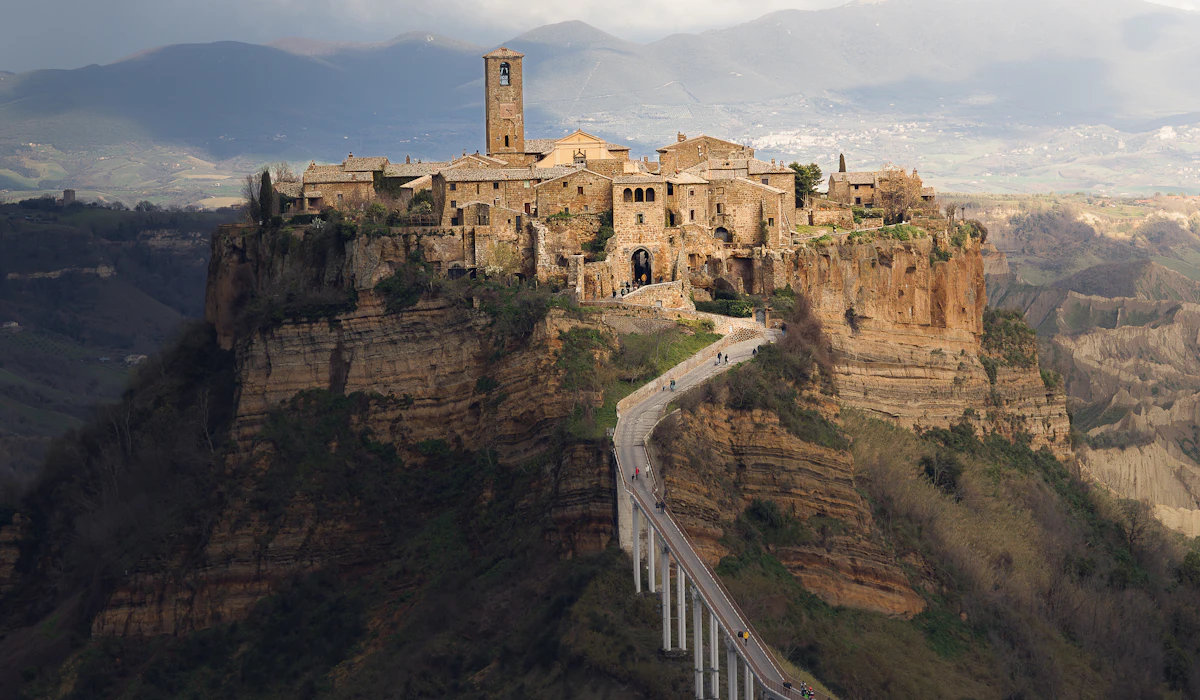
The isolated hilltop village has a very small permanent population compared with the number of day-trippers who visit. Tourism is now essential to its economy, and the historic settlement’s shops and services largely reflect its role as a visitor destination.
Les Marais, Paris
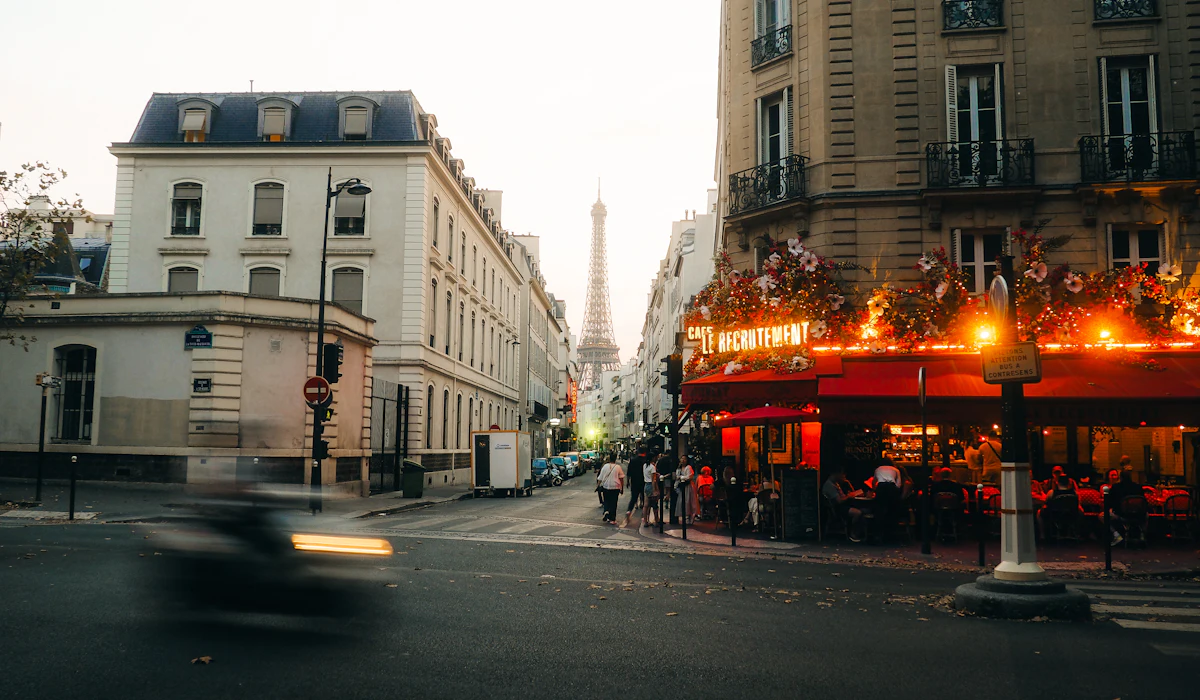
Les Marais retains important layers of Jewish, aristocratic, and broader Parisian history, but gentrification and tourism have brought upscale boutiques, galleries, restaurants, and luxury retail. The neighborhood remains residential and culturally active, though its commercial character has changed considerably.
Malá Strana, Prague
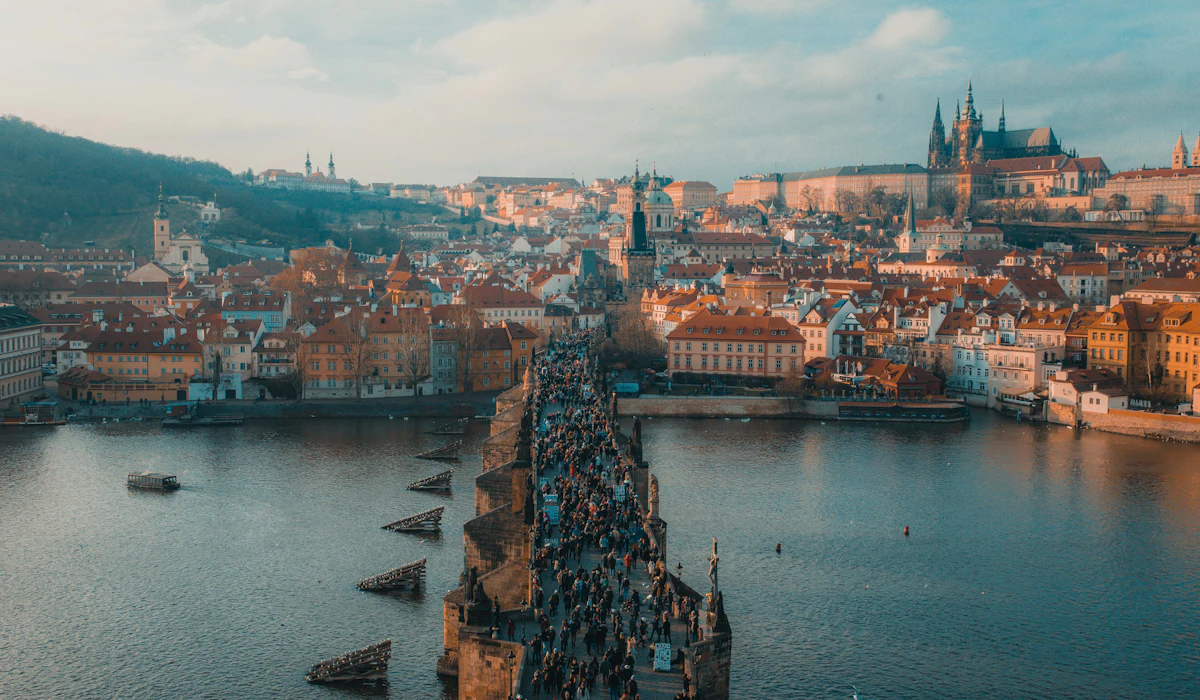
Malá Strana retains its baroque architecture and historic streets beneath Prague Castle, but hotels, restaurants, gift shops, and tourism services are prominent throughout the district. Residential life remains, though visitor-oriented businesses shape many of its busiest areas.
Sultanahmet District, Istanbul
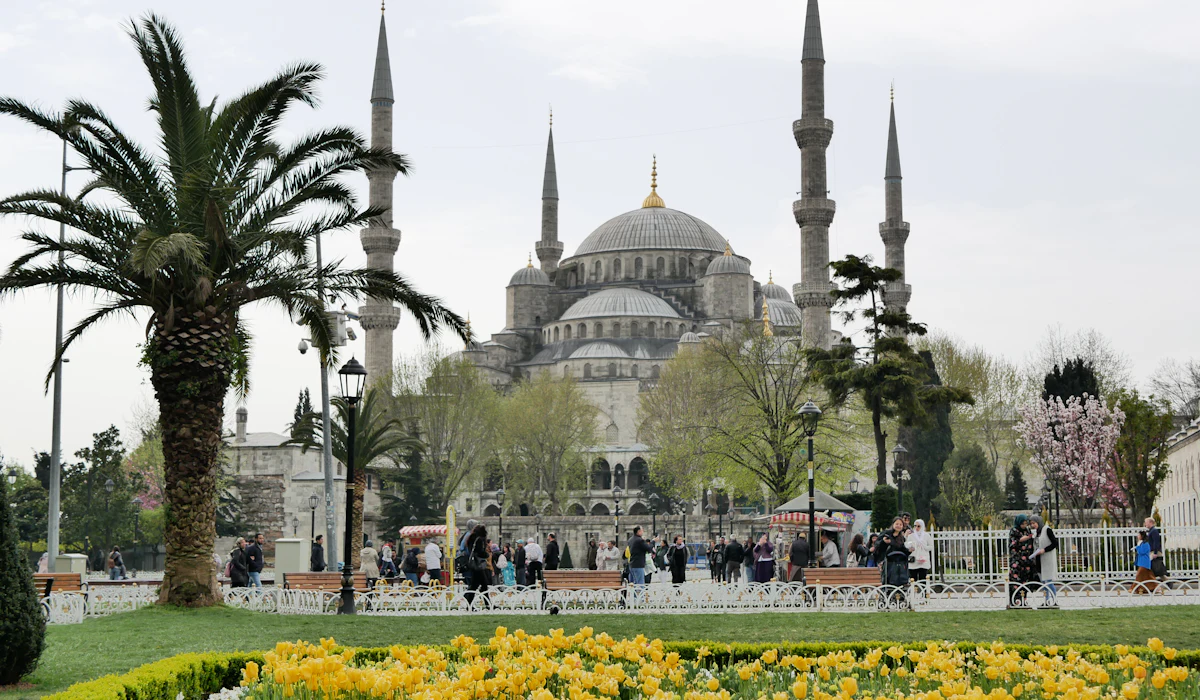
Sultanahmet contains some of Istanbul’s most important Byzantine and Ottoman landmarks, making it heavily dependent on tourism. Restaurants, carpet shops, hotels, and tour operators are concentrated around its major attractions, giving much of the central district a strongly visitor-focused character.
Quartier des Spectacles and the Former Market Area, Montreal
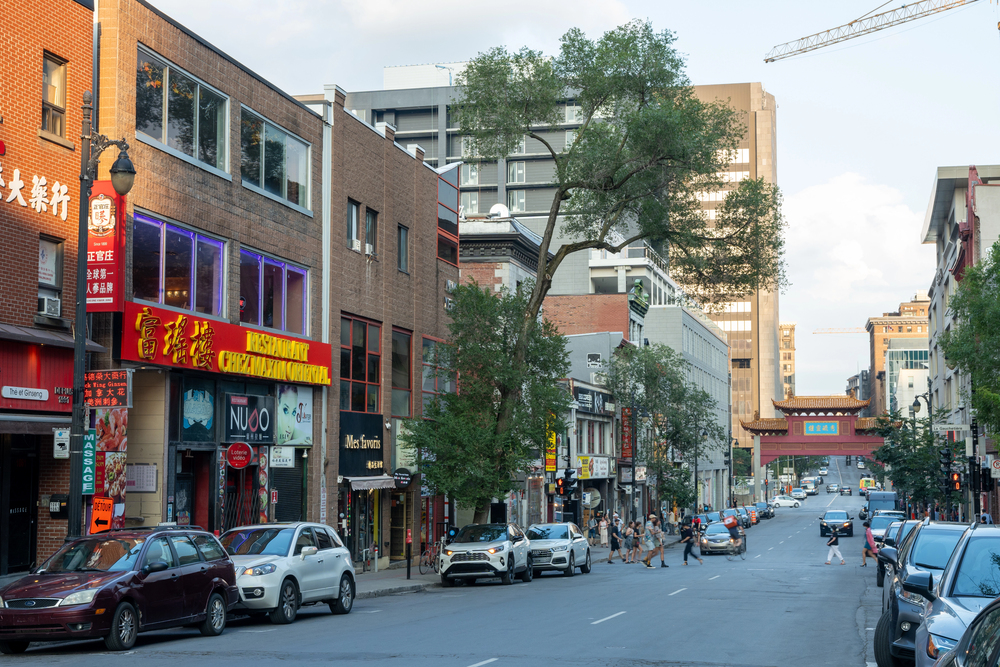
Montreal’s former central market and surrounding downtown districts have undergone extensive redevelopment, with entertainment venues, restaurants, shopping, and cultural institutions replacing earlier commercial functions. The historic market economy no longer defines the area.
San Telmo, Buenos Aires
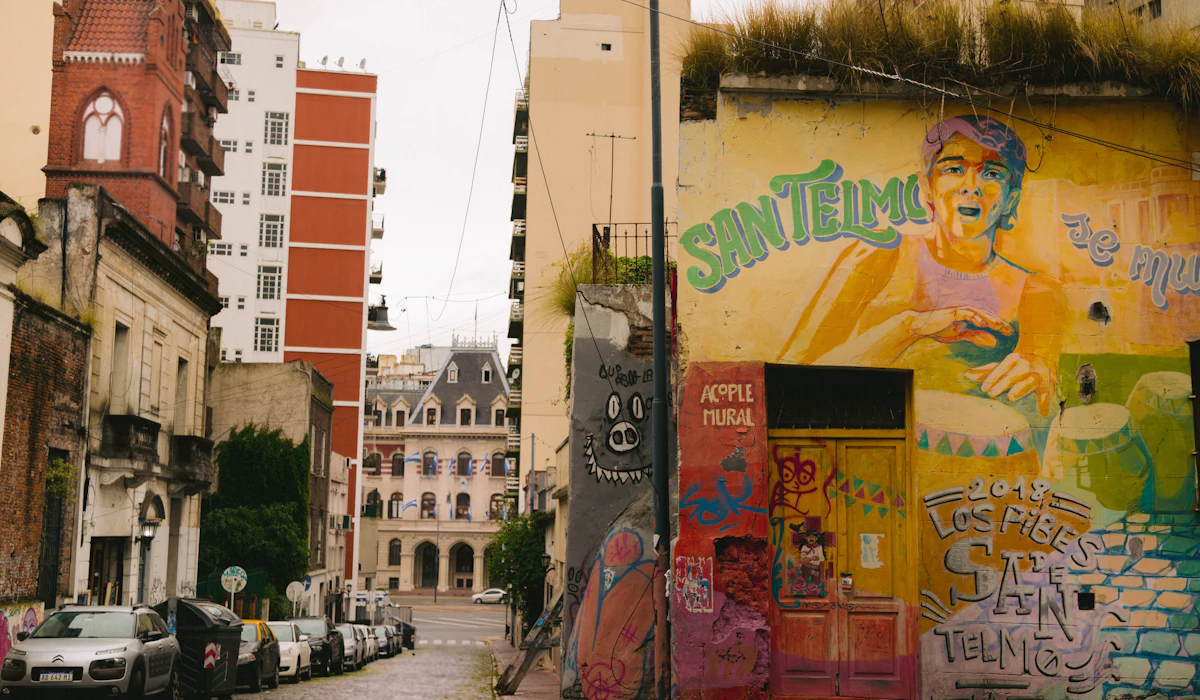
San Telmo retains its reputation for tango, antiques, historic architecture, and street markets, but tourism and gentrification have brought more upscale restaurants, souvenir businesses, and visitor-oriented commerce. The neighborhood nevertheless remains residential and commercially diverse.
Jewish Quarter, Venice
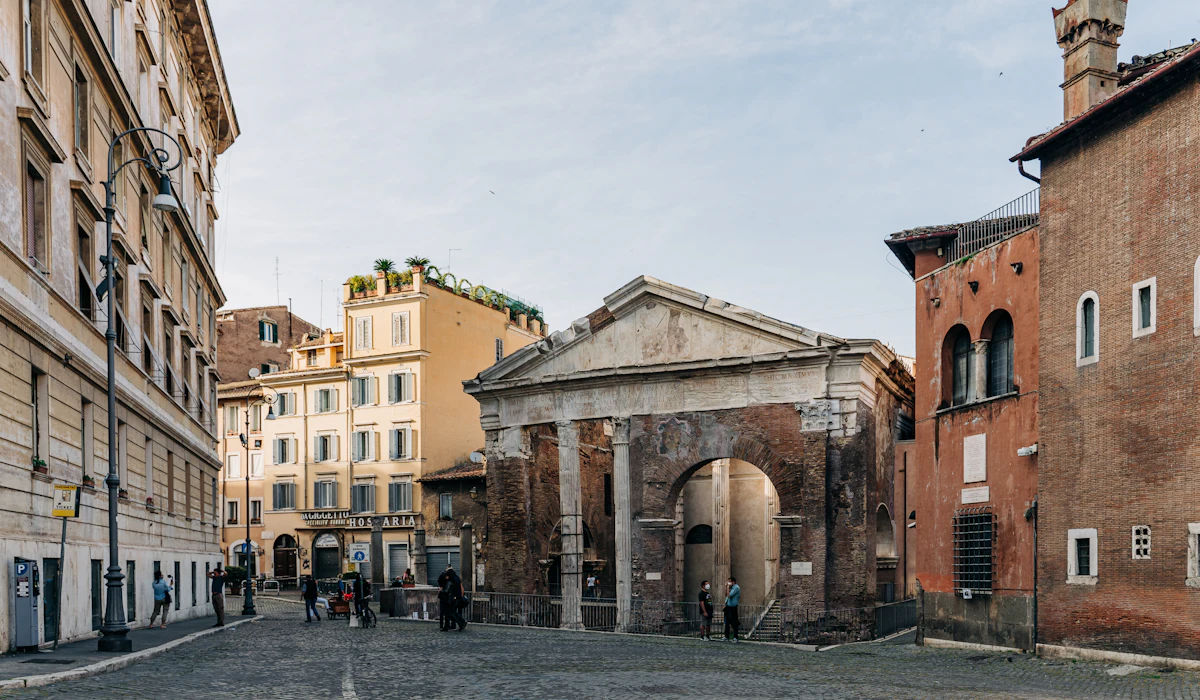
Venice’s historic Jewish Ghetto retains major religious and cultural landmarks, while tourism has become an important part of the local economy. Shops, restaurants, and visitor services now operate alongside the small but continuing Jewish community.
Gothic Quarter, Barcelona
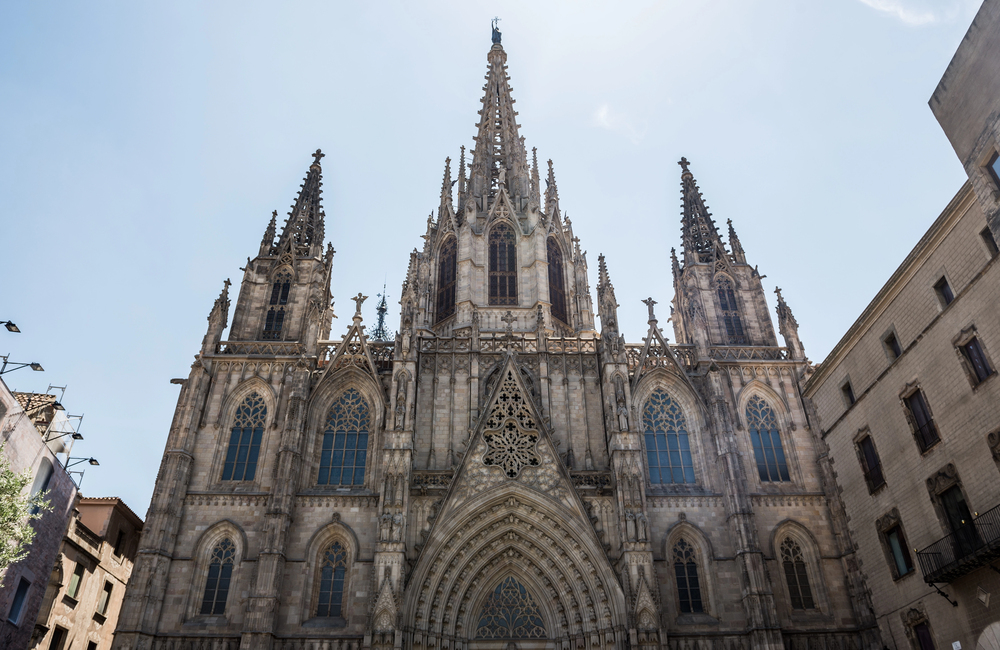
Barcelona’s Gothic Quarter retains its medieval streets and architecture, but its busiest areas contain large numbers of tourist-oriented restaurants, gift shops, hotels, and short-term accommodations. Residents and everyday businesses remain, although tourism has significantly altered the commercial landscape.
Karakol Old Town, Kyrgyzstan
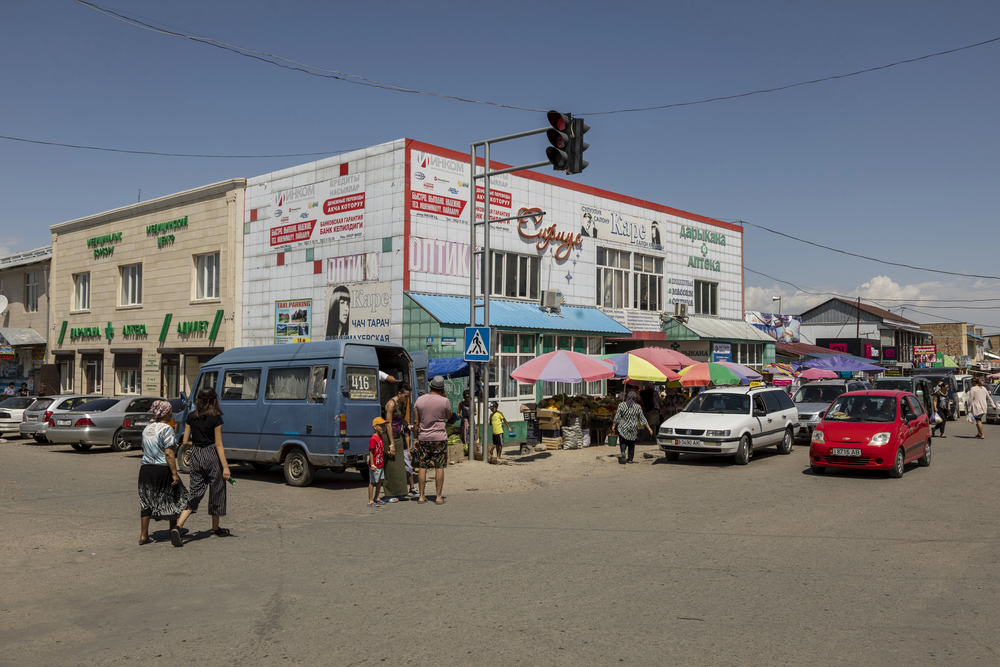
Karakol retains examples of Russian-era architecture and remains a functioning regional city with markets and everyday commerce. Tourism is growing, but the district has not been transformed into a souvenir-focused destination to the same extent as many other locations on this list.
Medina, Fez
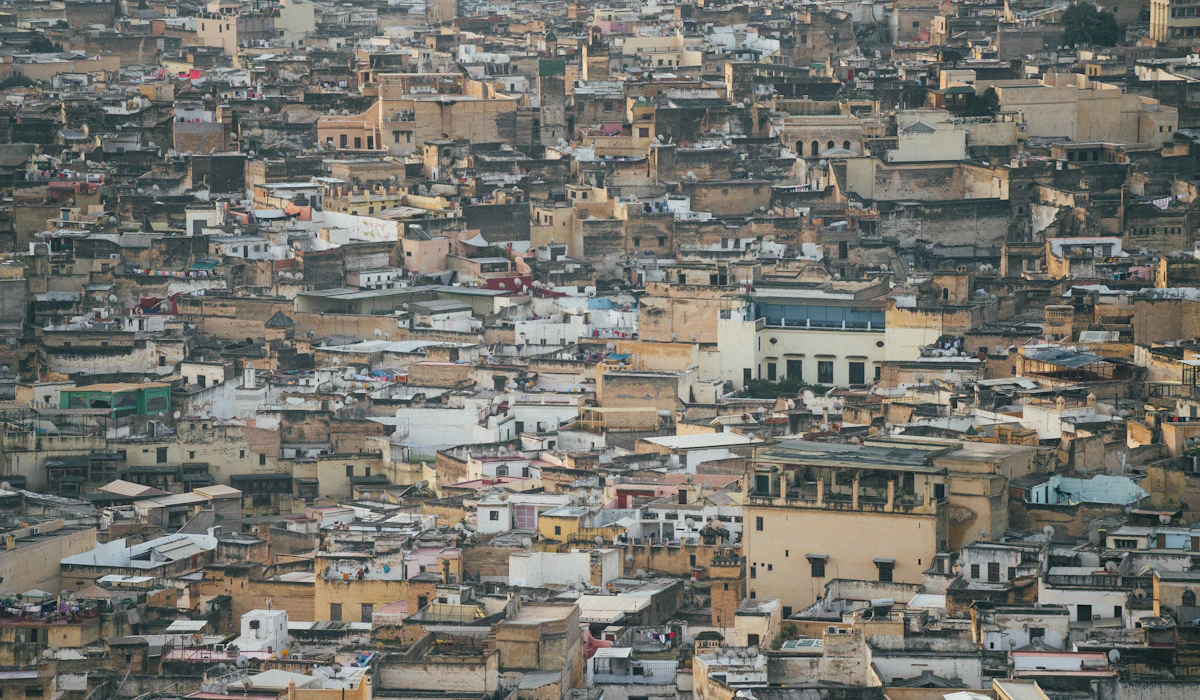
Fez’s medina remains a living urban environment with traditional crafts, markets, residences, and religious institutions. Tourism supports many businesses, particularly around major landmarks, but the souks still serve local customers alongside visitors.
Speicherstadt, Hamburg
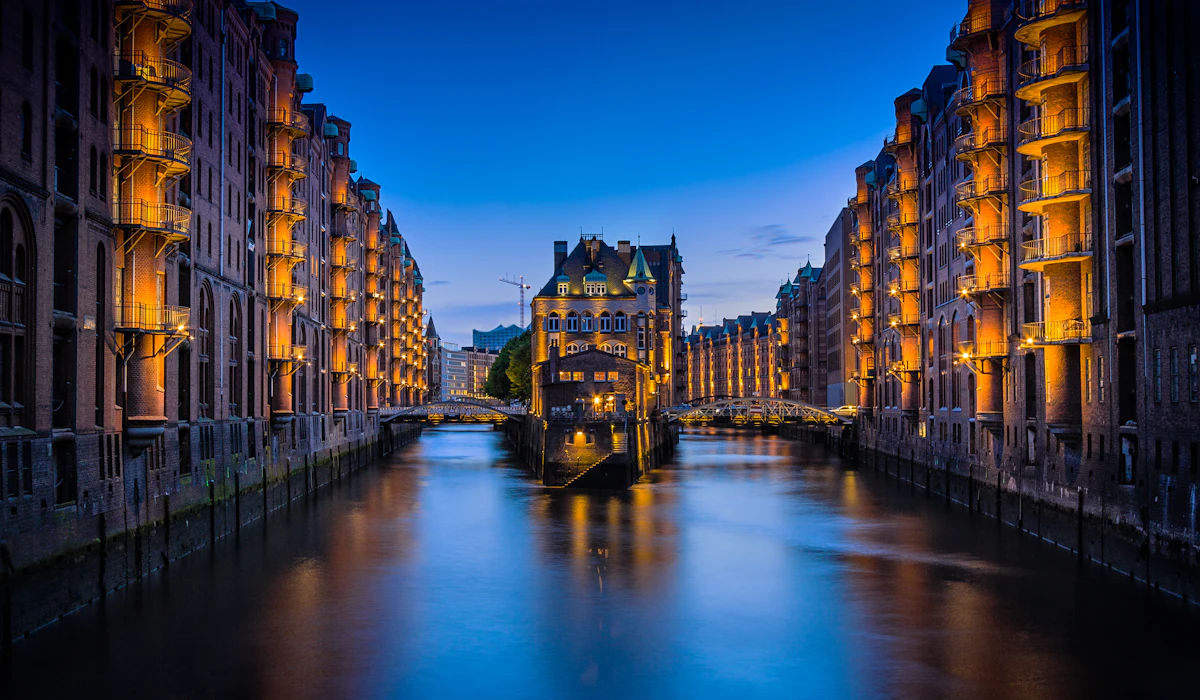
Hamburg’s historic warehouse district has been preserved and repurposed as a UNESCO-listed area containing museums, cultural attractions, offices, and restaurants. Its original large-scale warehouse functions have largely disappeared, while its historic architecture has been adapted to new uses.
Pearl District, Portland
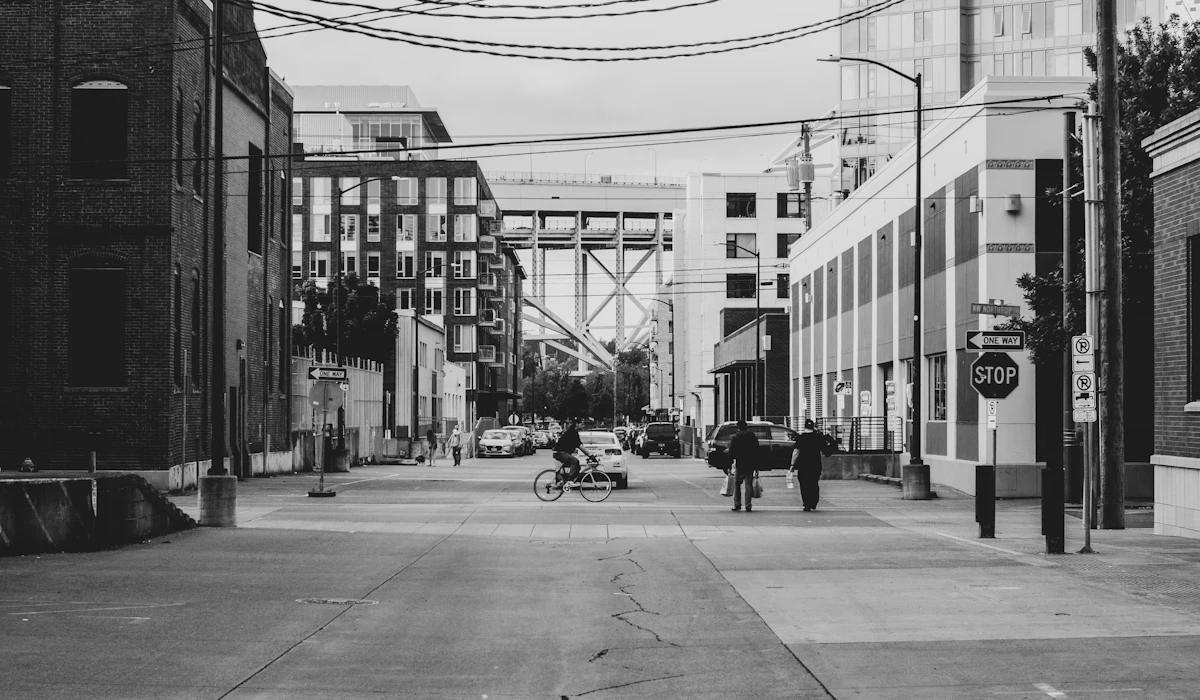
Portland’s former warehouse and industrial district has been transformed into an upscale neighborhood of boutiques, galleries, restaurants, apartments, and cultural spaces. The area’s industrial buildings remain, but their original functions have largely been replaced.
Abbot Kinney Boulevard, Venice
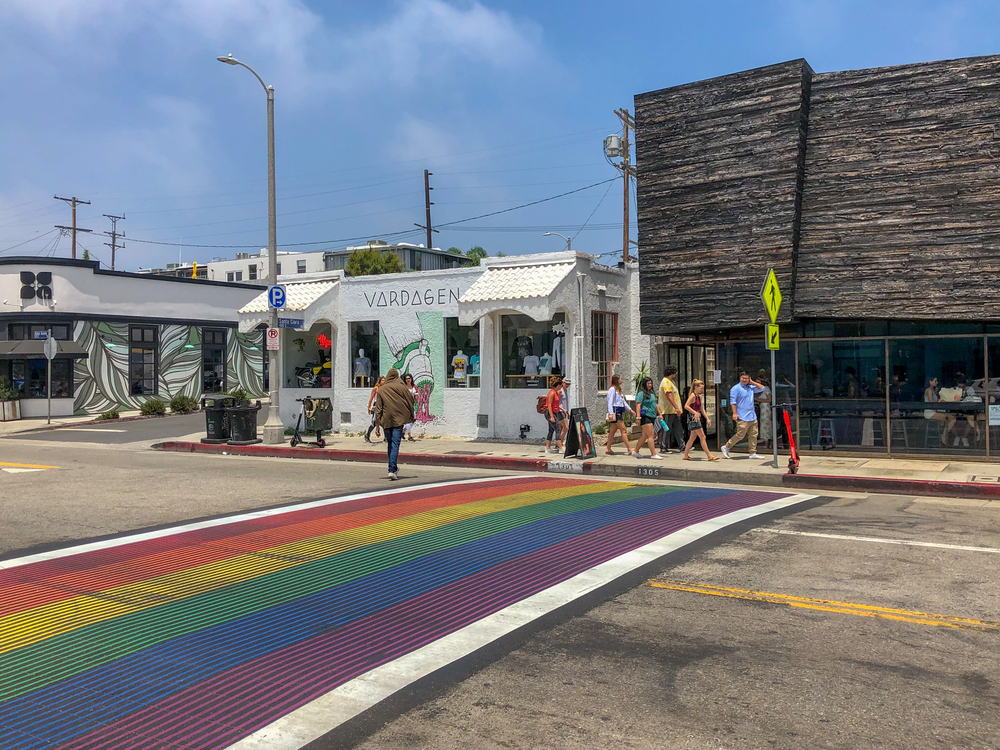
Abbot Kinney Boulevard retains its bohemian reputation but has become increasingly associated with upscale retail, restaurants, and high-end development. Rising property values have contributed to major changes in the surrounding community.
South Beach Historic District, Miami
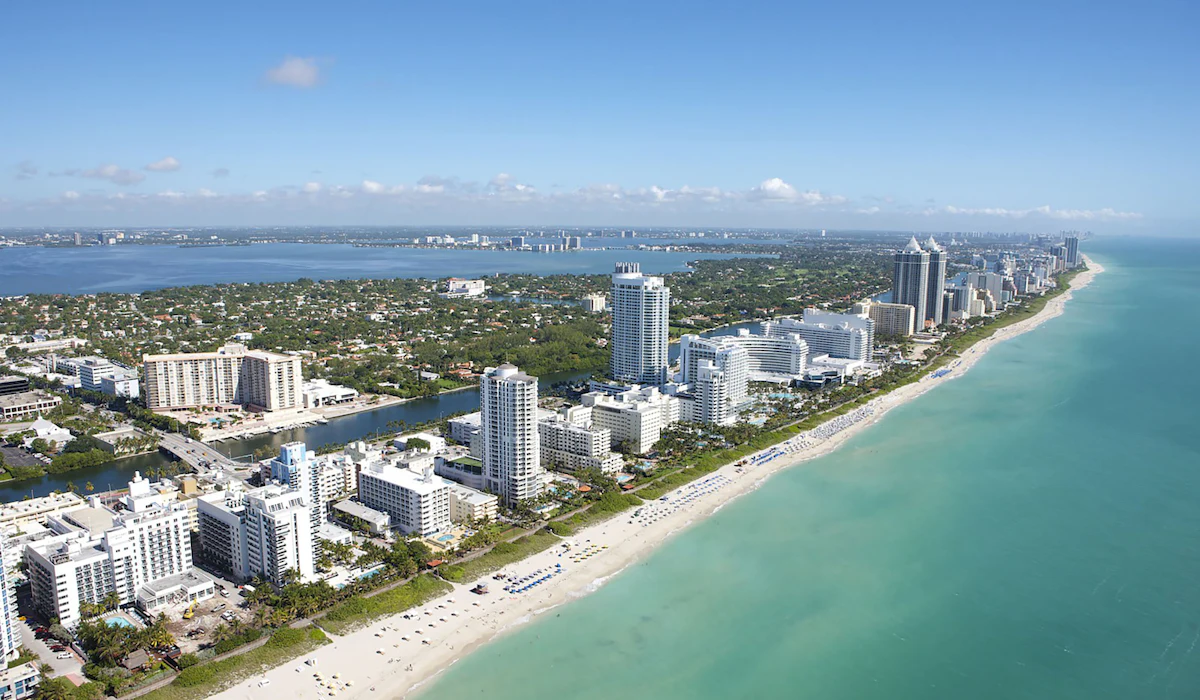
South Beach’s Art Deco architecture remains highly recognizable, while Ocean Drive and nearby streets are heavily oriented toward hotels, restaurants, nightlife, and tourism. The district retains residential areas, but its most famous commercial corridors are built around visitors.
Gunkanjima (Battleship Island), Japan
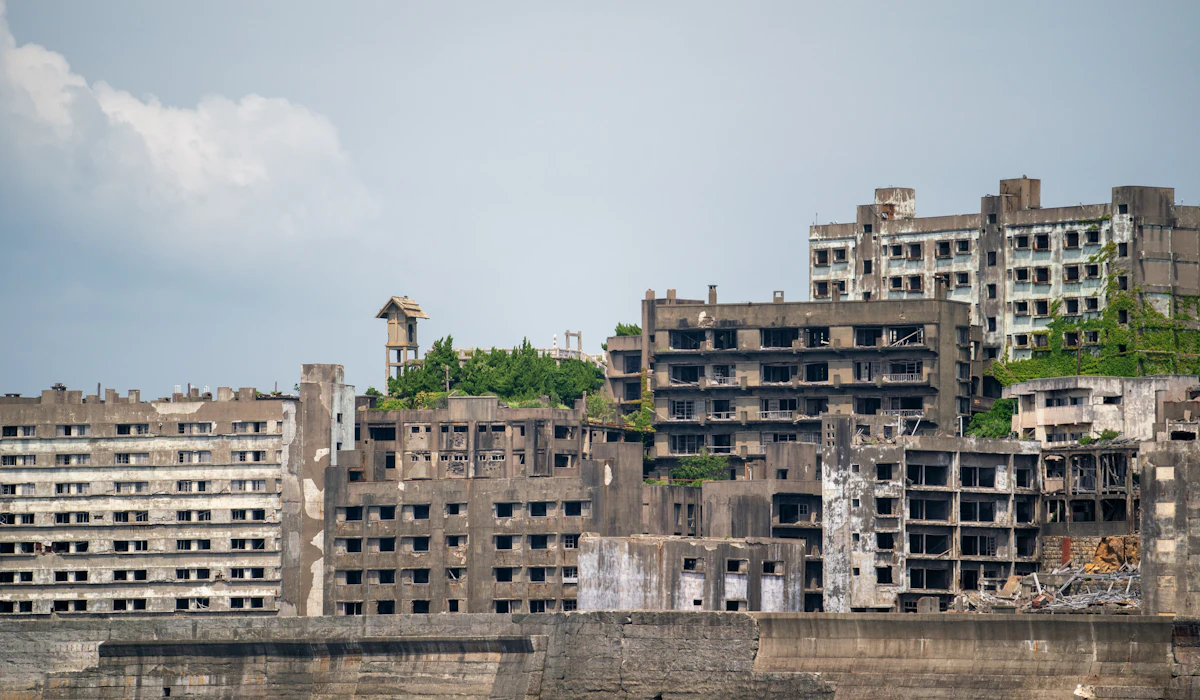
The abandoned former coal-mining island is now visited through controlled tourism, with guided tours allowing visitors to view parts of the industrial ruins. Its transformation is less about souvenir retail than about the preservation and interpretation of a completely abandoned community.
Spice Bazaar, Istanbul
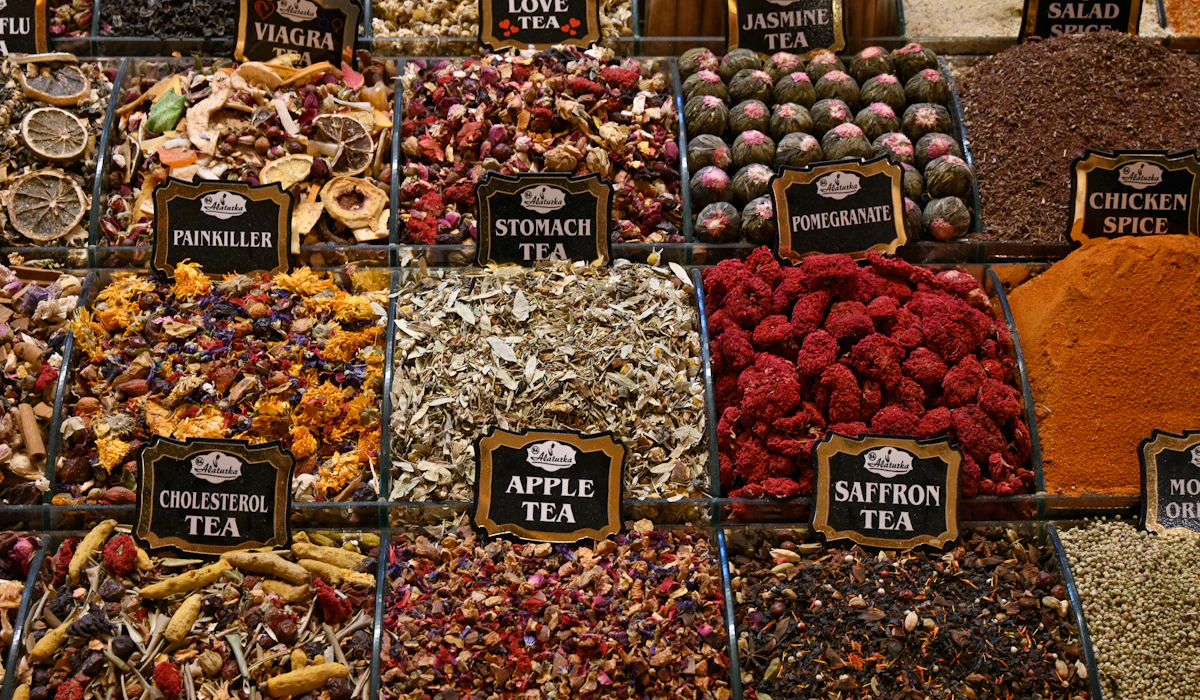
The historic Spice Bazaar remains an active market, selling spices, tea, sweets, and other products to both residents and visitors. Tourism is important to many vendors, but the market continues to function as a commercial space rather than solely as a visitor attraction.
Georgetown, Washington, D.C.
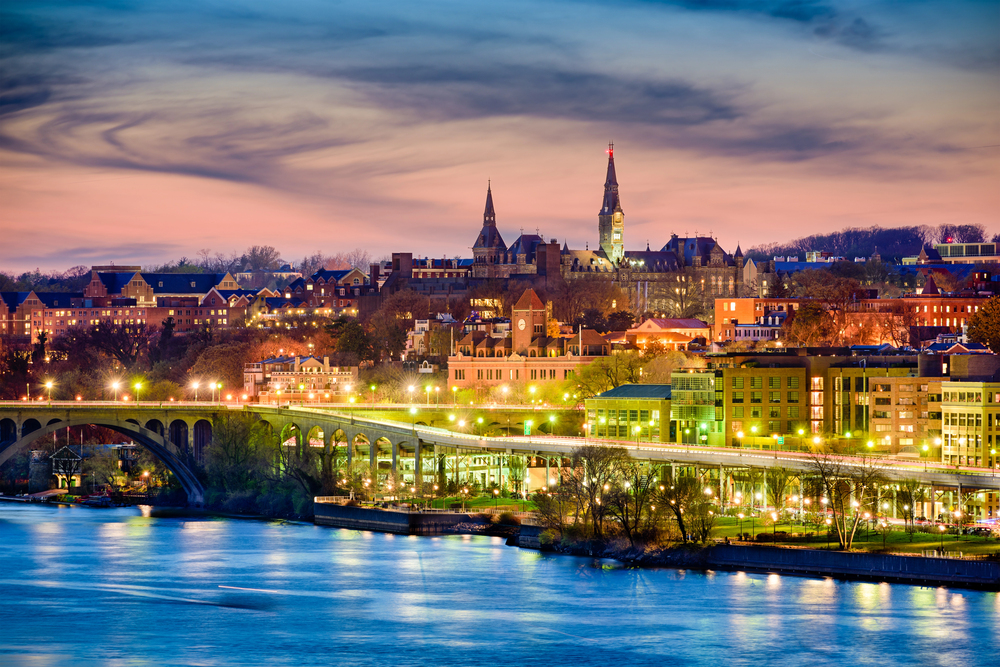
Georgetown’s historic architecture now houses upscale boutiques, restaurants, offices, and other commercial businesses, while parts of the neighborhood remain residential. Gentrification and redevelopment have significantly changed its demographics and commercial identity over time.
Little Italy Districts in Multiple Cities
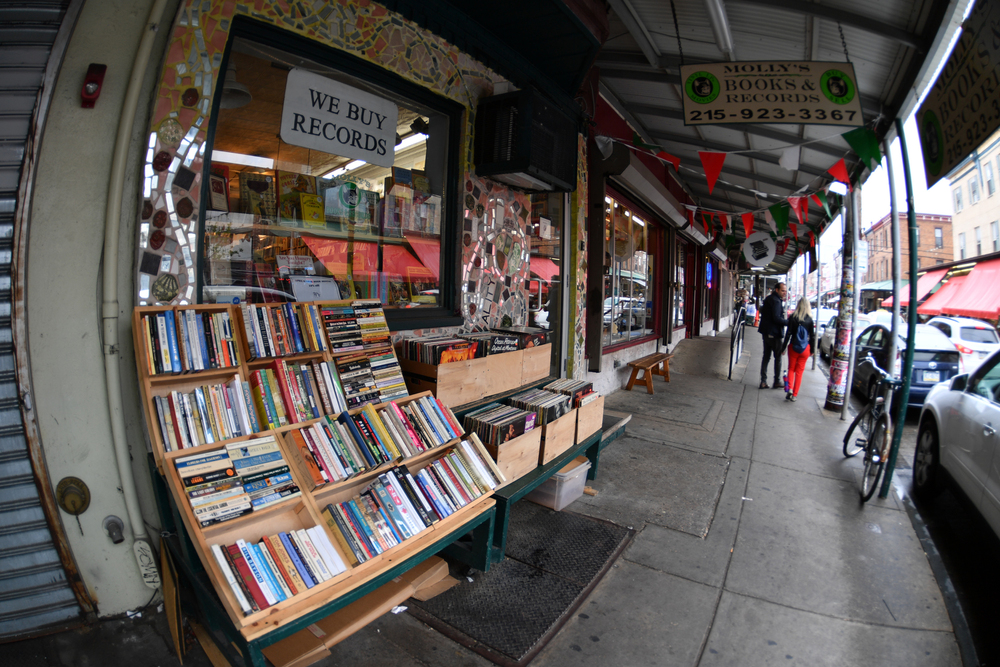
Several North American neighborhoods once associated with large Italian immigrant communities have evolved into restaurant and tourism districts as demographics changed. In some cities, Italian heritage remains an important cultural identity even when the original immigrant population has declined or dispersed.
When Preservation Becomes Commercialization

Historic preservation can protect architecture while allowing the social and economic character of a neighborhood to change. In heavily visited districts, tourism may bring restaurants, souvenir shops, hotels, and other businesses that gradually replace traditional trades and everyday services.
The result is not always the disappearance of local life, but the balance can shift dramatically toward visitors. These districts can still be historically significant and worth visiting, yet the experience of walking through them may reveal as much about modern tourism and commercial development as about the communities that originally created them.
More from Travel Pug

- Underrated Italian Towns That Beat the Tourist Crowds
- Las Vegas Tourist Traps to Skip
- Prettiest Towns in Every US State
- 18 passport-free countries for Americans
- Signs Your Cruise Is Not Worth The Cost
Like Travel Pug’s content? Follow us on MSN.