

The Instagram age has transformed travel into a hunt for photograph-worthy locations. Thousands of travelers arrive at “Instagram-famous” spots expecting the images they saw online—filtered, cropped and captured at optimal lighting by professional photographers.
What they find is often a crowded logistical nightmare marked by construction, crowds or mundane reality invisible in the curated images. Many photo spots have become victims of their own viral success, overwhelmed by the volume of people trying to recreate the images they saw.
The Swing in Bali
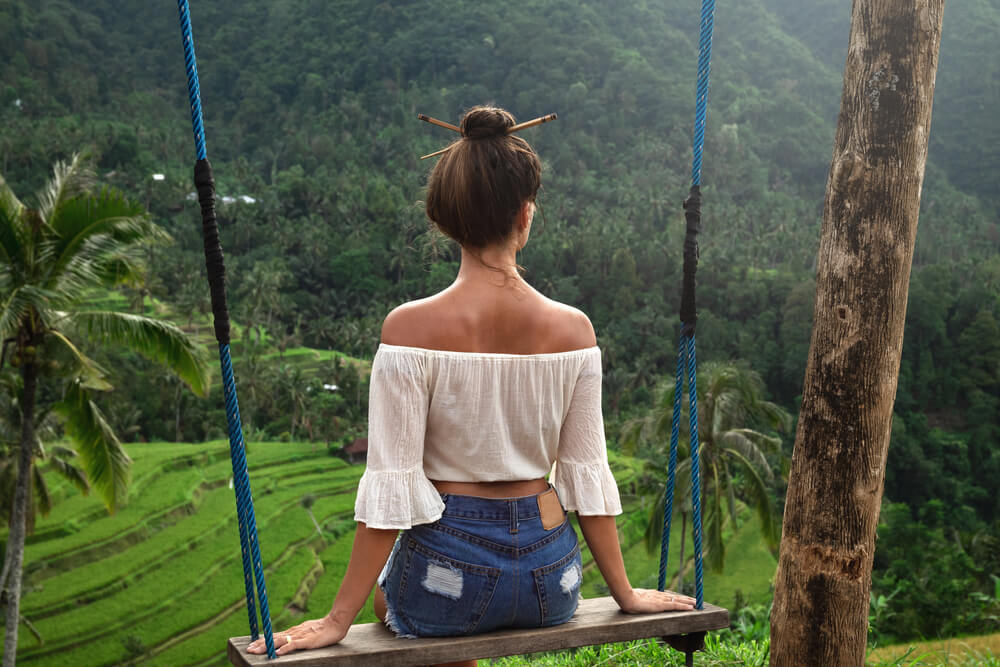
The famous “swing over the jungle” at Bali resorts is one of the most-photographed Instagram experiences. Reality: many swings are located in relatively small commercial areas surrounded by other attractions, structures and visitors rather than pristine jungle.
Popular locations can involve long waits for a brief photo opportunity. The famous images are carefully framed to exclude queues, buildings and other tourists, creating an impression of isolation that may not exist on the ground.
Trolltunga, Norway
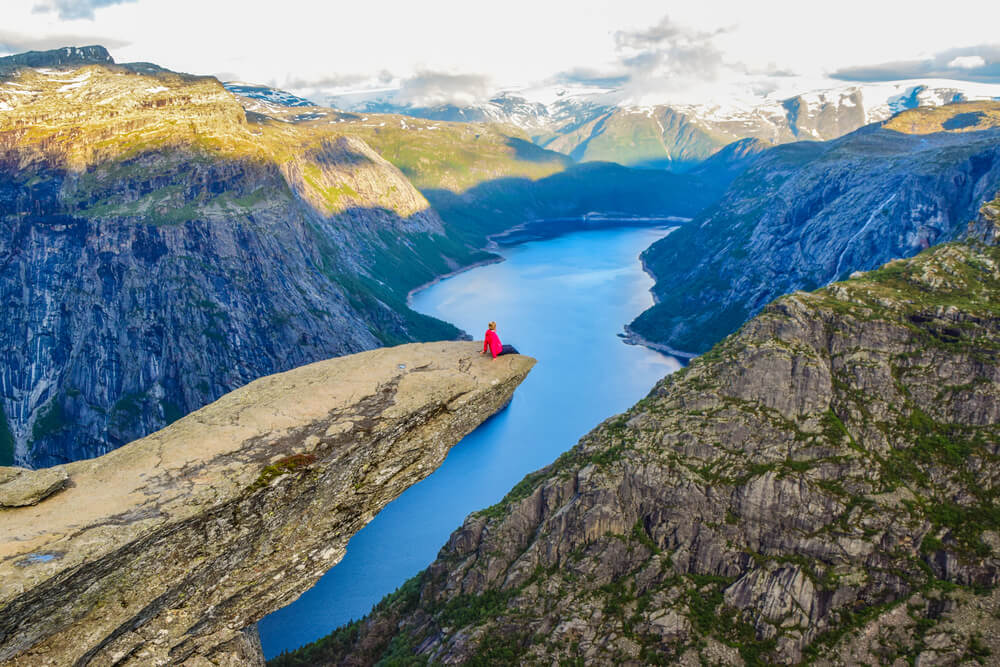
The cliff-edge rock formation extends roughly 700 meters above Ringedalsvatnet and is famous for dramatic panoramic photographs. Reality: the hike is demanding, conditions can change quickly, and the trail can become very busy during peak season.
Visitors may wait their turn at the famous viewpoint while other hikers gather nearby. The tiny area shown in the iconic photographs can therefore feel considerably less isolated than the images suggest.
Table Mountain, Cape Town
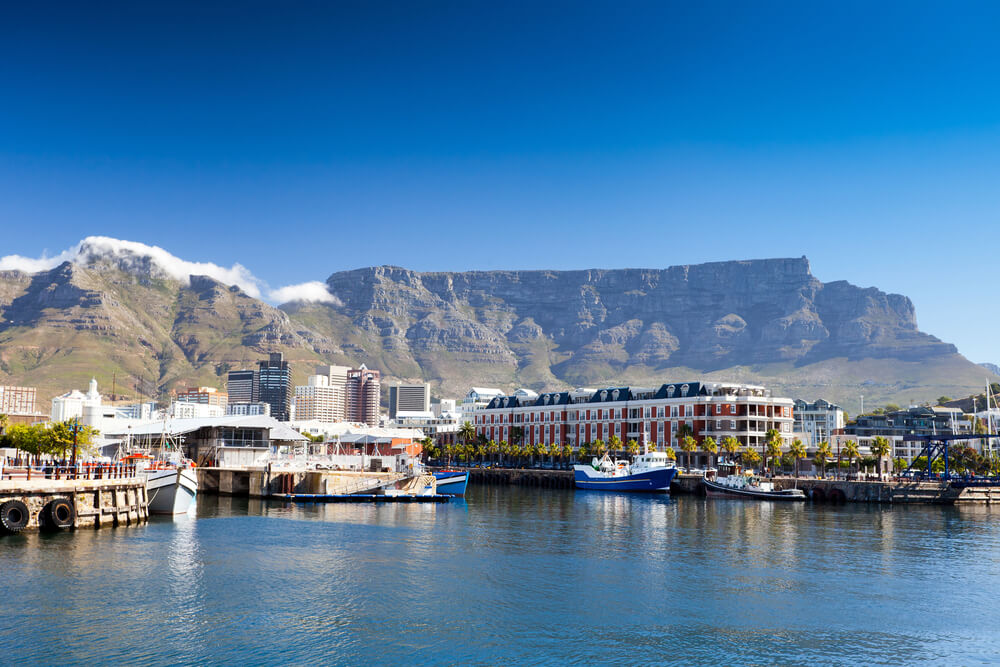
Table Mountain photographs show the flat-topped mountain floating above clouds with Cape Town spread below. Reality: the summit is frequently affected by cloud cover, a phenomenon locals call the “tablecloth.”
Visitors can reach the top only to find their views obscured by fog. Crowds around the summit and cableway can also make the experience feel less serene than carefully composed photographs suggest.
Machu Picchu, Peru
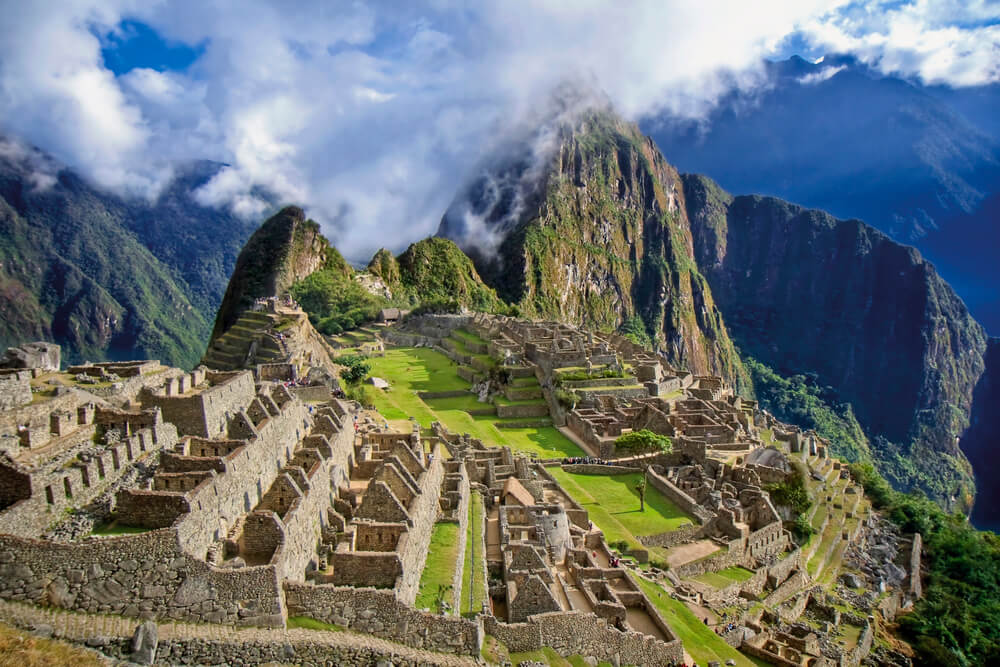
Iconic photographs show the ruins against towering peaks with mist swirling below. Reality: the site receives thousands of visitors daily under a controlled timed-entry system, and visitors must follow designated circuits.
You’re navigating crowds rather than freely wandering through the ruins. Mist can create atmospheric photographs, but it can also obscure the surrounding mountains.
The famous wide-angle images rarely capture the number of people moving through the site.
Colca Canyon, Peru
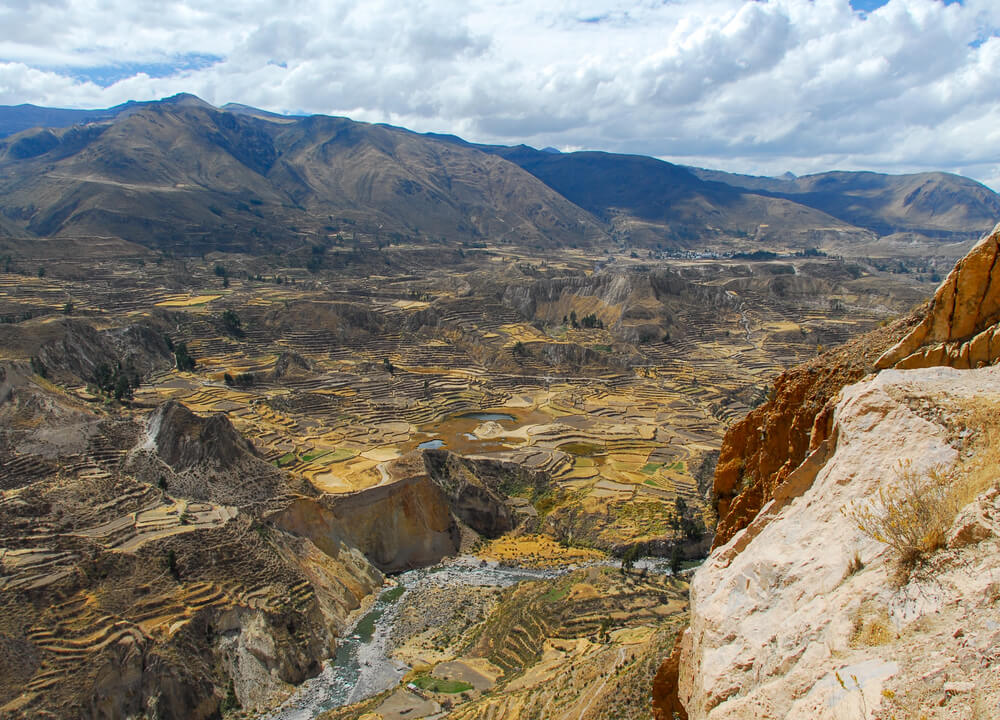
Famous for its depth and Andean condor viewing, photographs show dramatic geological formations with birds soaring overhead. Reality: condor sightings are not guaranteed, and visitors may spend considerable time waiting at viewpoints.
Tours can also involve long periods of driving between stops. The expected condor-and-canyon photograph depends heavily on timing, weather and animal behavior.
Blue Lagoon, Iceland
Photos show luminous turquoise water against volcanic surroundings with only a few bathers visible. Reality: the Blue Lagoon is a heavily visited commercial geothermal spa rather than an untouched natural pool.
Crowds can make the experience considerably less secluded than photographs suggest. High admission prices and busy facilities can further contrast with the serene imagery used in travel marketing.
The famous photographs are carefully framed to minimize the number of other visitors.
Santorini Sunset Viewing Points
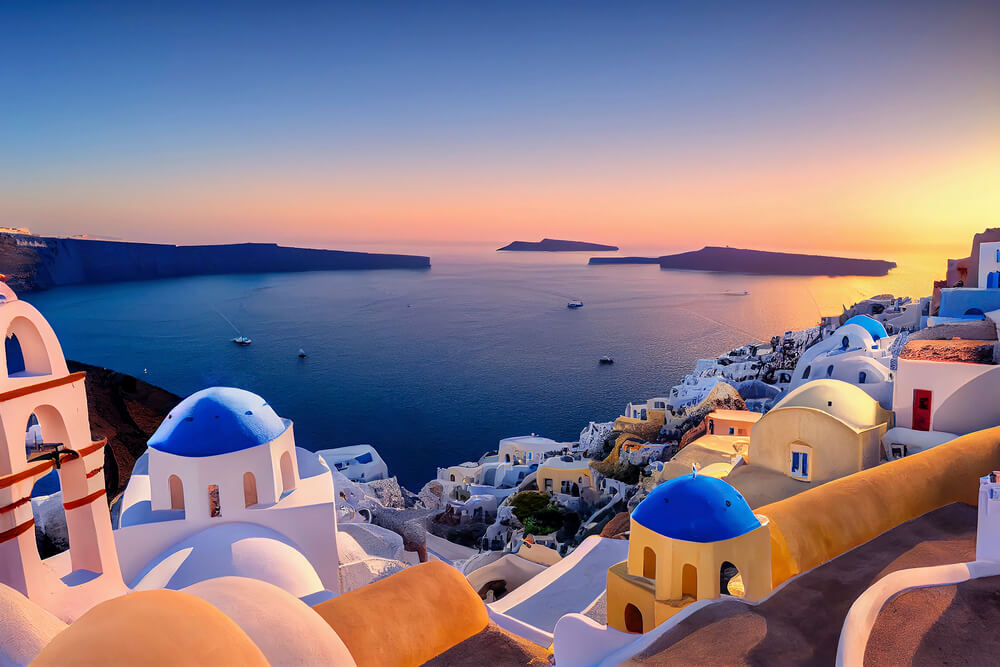
Famous photographs show the Caldera sunset with oranges and pinks over the Aegean framed by whitewashed buildings. Reality: popular viewpoints can become extremely crowded well before sunset.
Visitors may stand shoulder-to-shoulder while trying to secure an unobstructed view. The post-sunset exodus can create additional congestion.
The famous photographs typically isolate a small section of the scenery rather than showing the crowds surrounding it.
Havasu Falls, Arizona
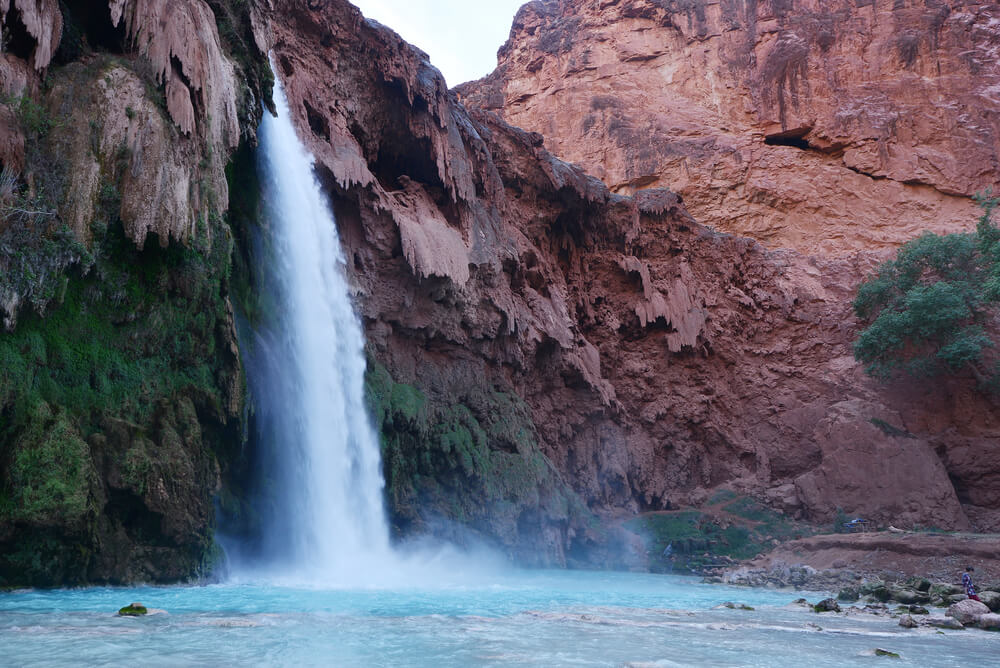
Instagram photos show turquoise water falling into a pool surrounded by vivid red canyon walls. Reality: reaching Havasu Falls requires a strenuous hike of roughly 10 miles each way, and access is controlled by the Havasupai Tribe through a permit system.
Heat, rugged terrain and changing conditions can make the journey physically demanding. The falls themselves can also become busy during permitted visiting periods, making the secluded appearance of photographs difficult to replicate.
Venice Canal Reflections
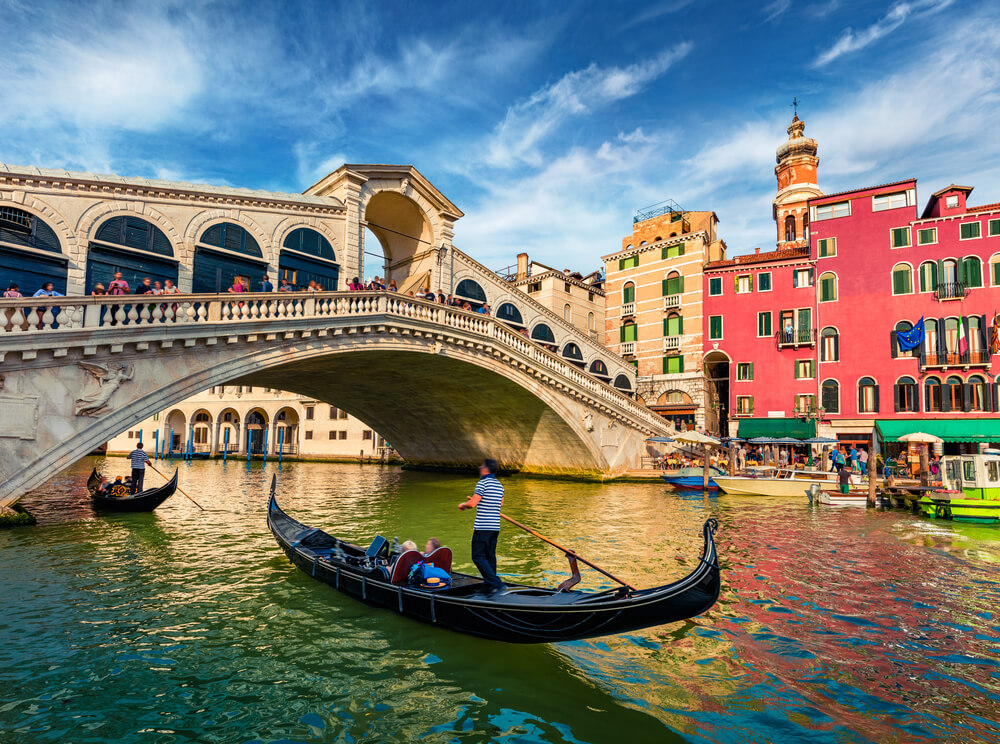
Famous photographs show colorful buildings mirrored in still canal water at dawn. Reality: Venice’s canals are active transportation routes, with gondolas, water buses and other boats constantly disturbing the water.
Perfect reflections depend on calm conditions and precise timing. Popular bridges and waterfront viewpoints can also be crowded with visitors taking nearly identical photographs.
The carefully composed image rarely represents the everyday scene.
Moraine Lake, Canada
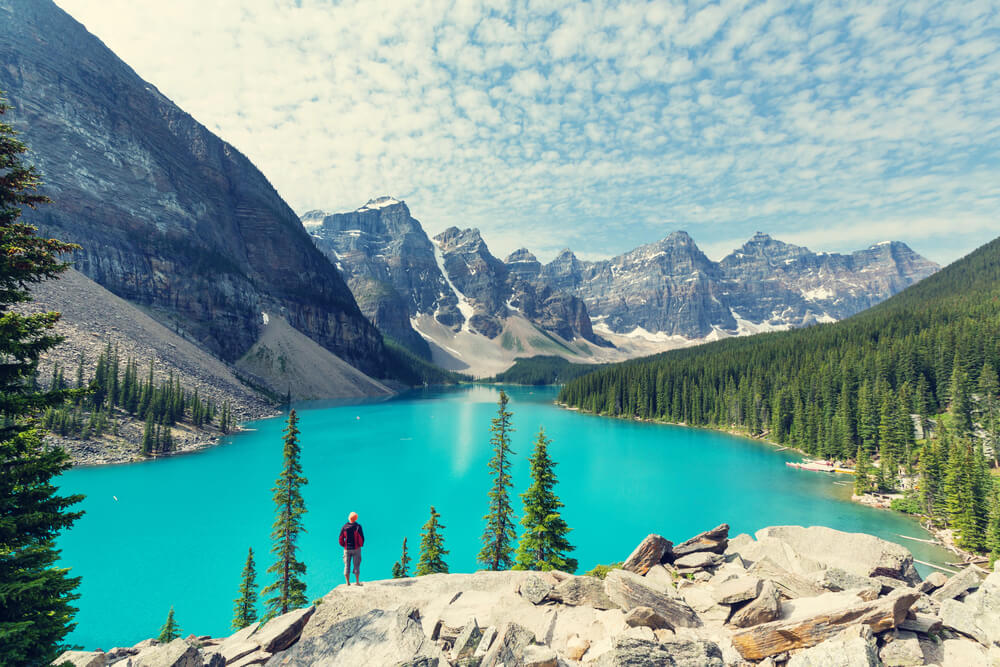
Photos show turquoise Alpine water surrounded by dramatic mountain peaks. Reality: access to Moraine Lake is highly regulated during the busy season, and the shoreline can become crowded.
The famous turquoise color varies with glacial conditions, weather and light. Boats, visitors and changing conditions can make the scene look considerably different from carefully composed photographs.
The iconic image is usually captured from a specific elevated viewpoint rather than from the crowded lakeshore.
Shibuya Crossing, Tokyo
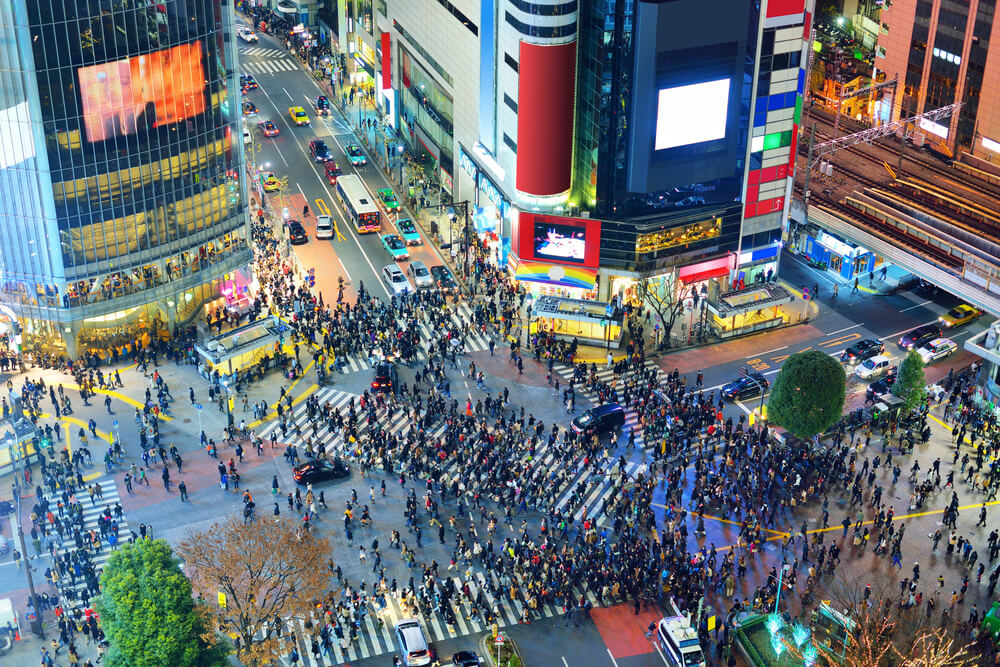
Photos show the iconic pedestrian crossing packed with people in dynamic motion. Reality: standing inside the crossing does not provide the dramatic perspective seen in photographs.
The famous overhead views require access to elevated buildings or observation points. At street level, the experience is primarily navigating a busy intersection.
The scale becomes apparent only from a distance or from above.
Positano, Italy
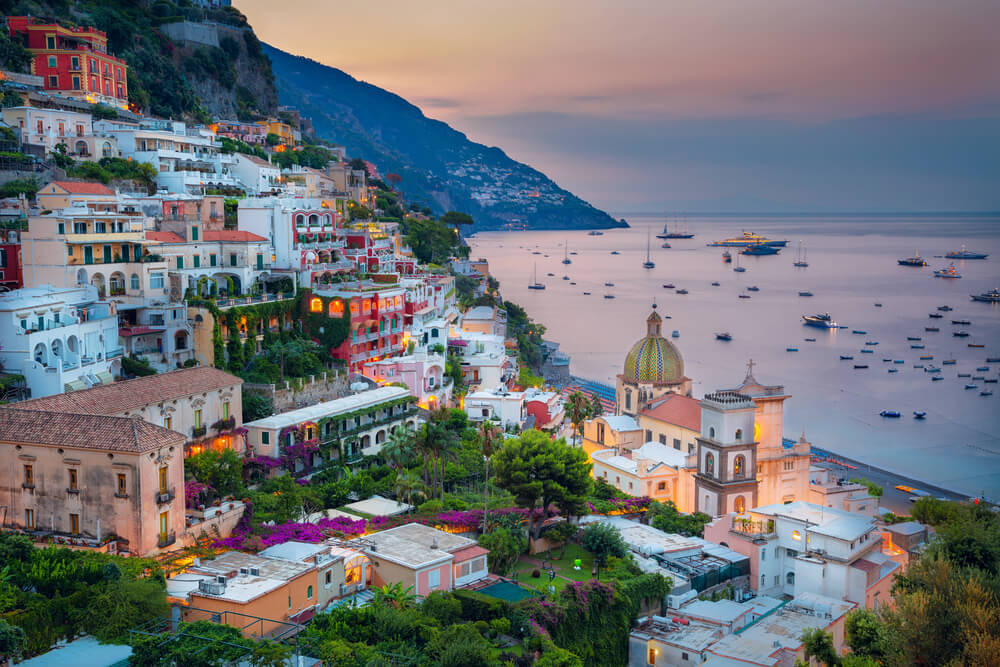
Photos show colorful buildings cascading down a cliff toward the Mediterranean. Reality: Positano can be extremely crowded during the high season, making unobstructed photography difficult.
The beach is relatively small, while narrow streets and steep terrain funnel large numbers of visitors into limited spaces. Traffic, buses and scooters also contribute to the everyday atmosphere that carefully framed photographs omit.
Many of the most dramatic images are taken from the water rather than from the town itself.
Hallstatt Village, Austria
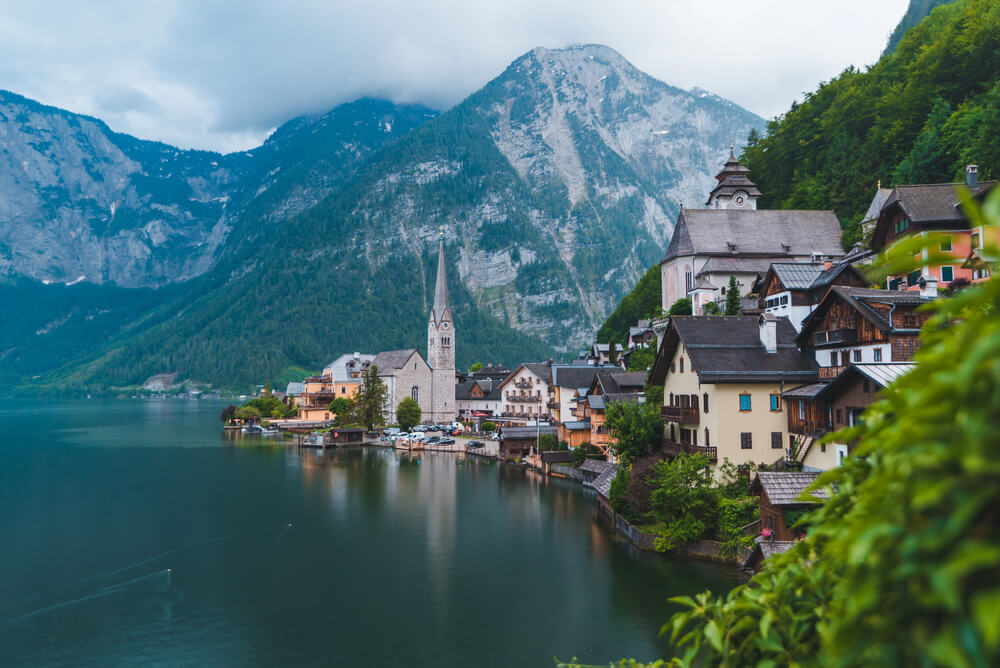
Photos show the lakeside village reflected in still water with mountains rising behind. Reality: Hallstatt is a small community that attracts substantial visitor numbers, particularly during peak periods.
Popular photo points can become congested, and tour groups regularly pass through the narrow streets. The famous reflection depends on particular weather, water and lighting conditions.
Photographs generally isolate the village from the crowds surrounding it.
Namib Desert Sand Dunes, Namibia
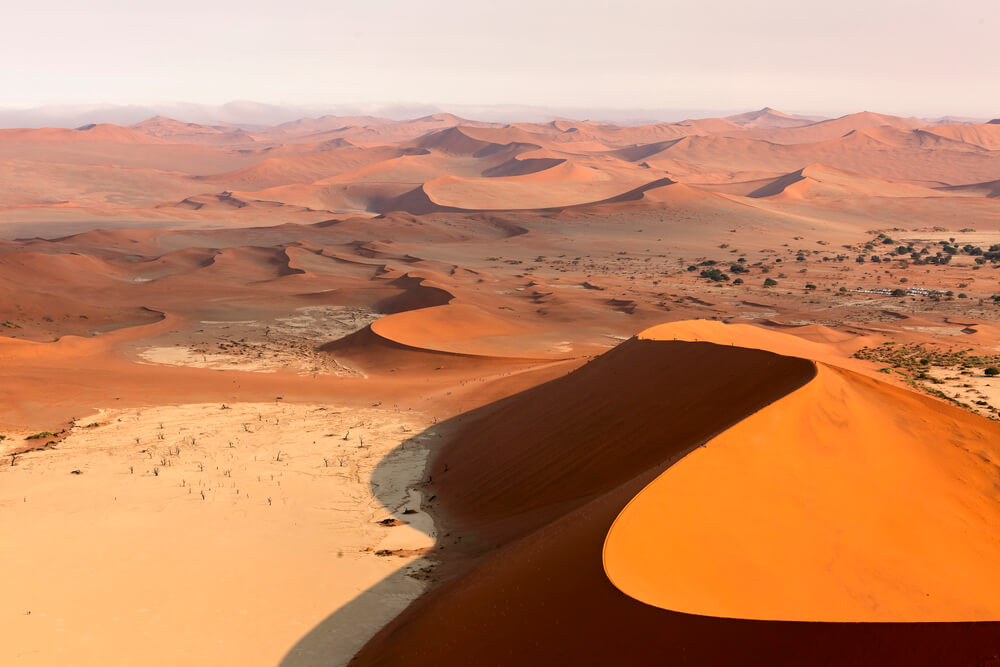
Photos show undulating sand mountains in seemingly perfect desert isolation. Reality: many visitors experience the dunes through organized excursions with designated routes and viewpoints.
Tour groups can converge on the same photographic locations, eliminating the sense of complete isolation shown online. Heat, wind and difficult terrain also limit how long visitors can comfortably explore.
The minimalist photographs often hide vehicles, people and infrastructure outside the frame.
Lake Tahoe Mirror Reflection
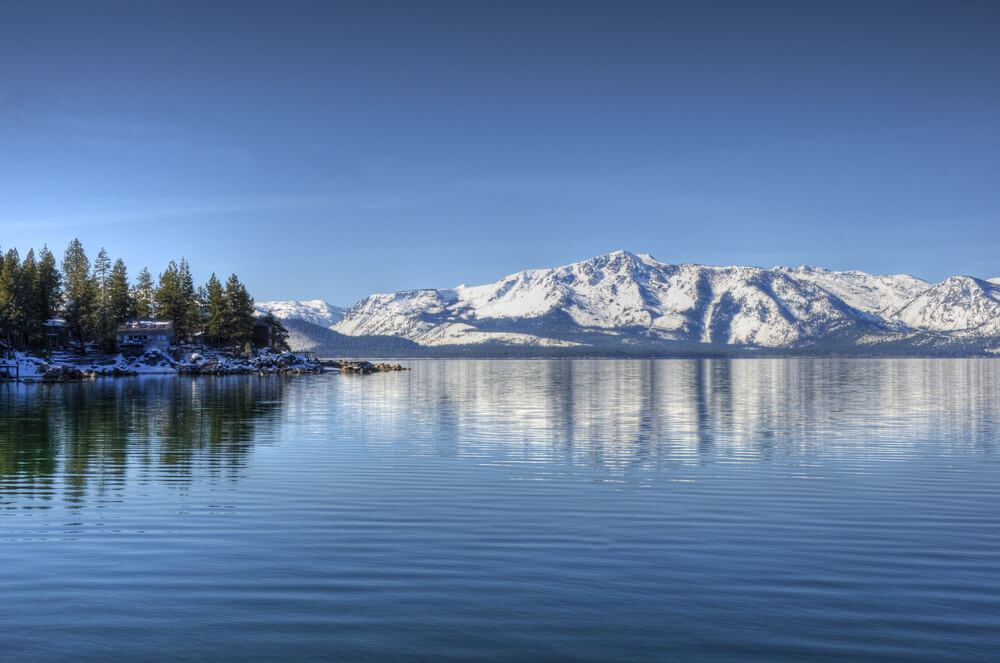
Photos show mirror-still water perfectly reflecting Alpine peaks. Reality: wind and boat activity frequently disturb the lake surface, making perfect reflections relatively uncommon.
Summer brings swimmers and watercraft, while changing weather can obscure mountain views. The famous reflection photographs depend on unusually calm conditions, precise positioning and favorable light.
Aït Benhaddou, Morocco
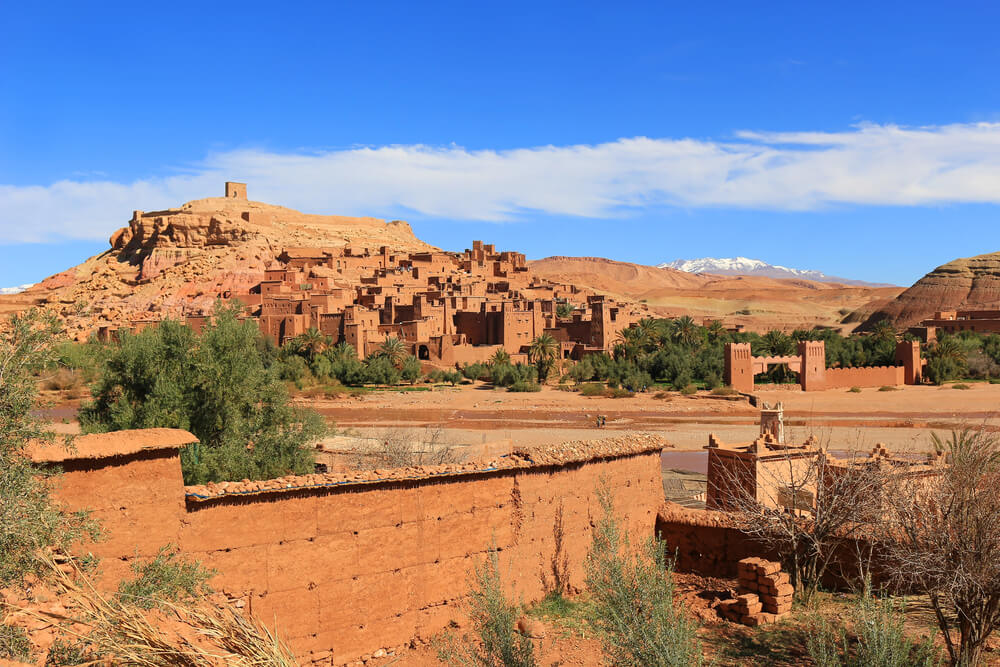
Photographs of the UNESCO-listed ksar show dramatic clay-colored buildings glowing against a desert landscape. Reality: the site has been adapted to tourism, with shops, guides and visitor traffic occupying parts of the settlement.
Some structures have been restored or modified over time. Crowds can also make the narrow passageways feel considerably less isolated than photographs suggest.
The most dramatic images usually avoid the commercial areas and visitors.
Zhangjiajie Avatar Mountains, China
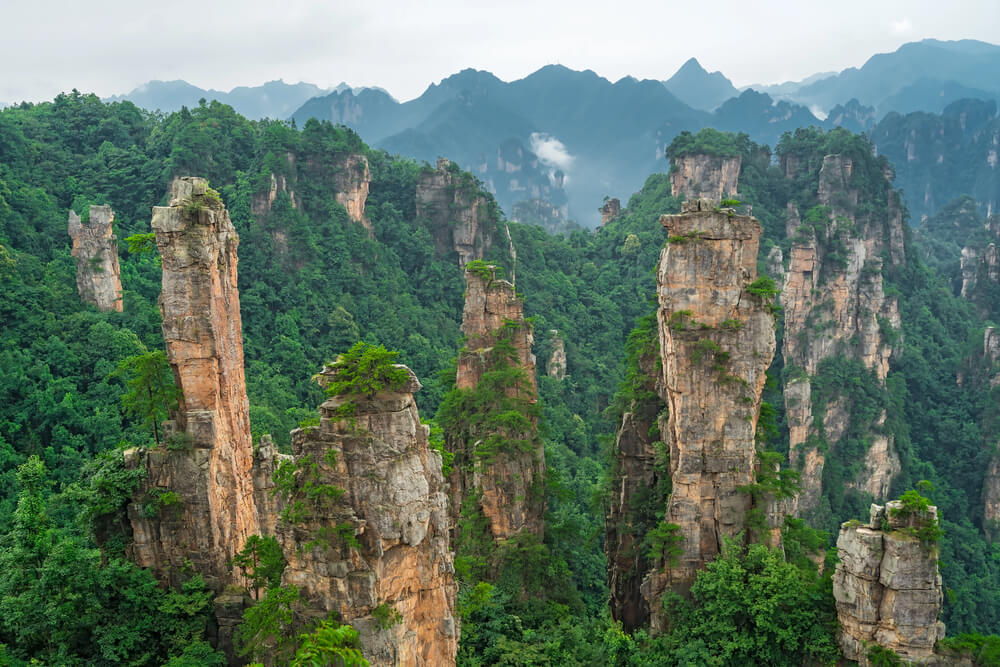
Famous for their resemblance to the landscapes associated with Avatar, the sandstone pillars appear in photographs rising dramatically through mist. Reality: the national park contains extensive visitor infrastructure, including stairs, railings, viewing platforms and transport systems.
Popular viewpoints can become extremely crowded. Weather and haze also have a major effect on visibility, meaning the dramatic mist-covered landscape shown in photographs is far from guaranteed.
Abu Simbel, Egypt
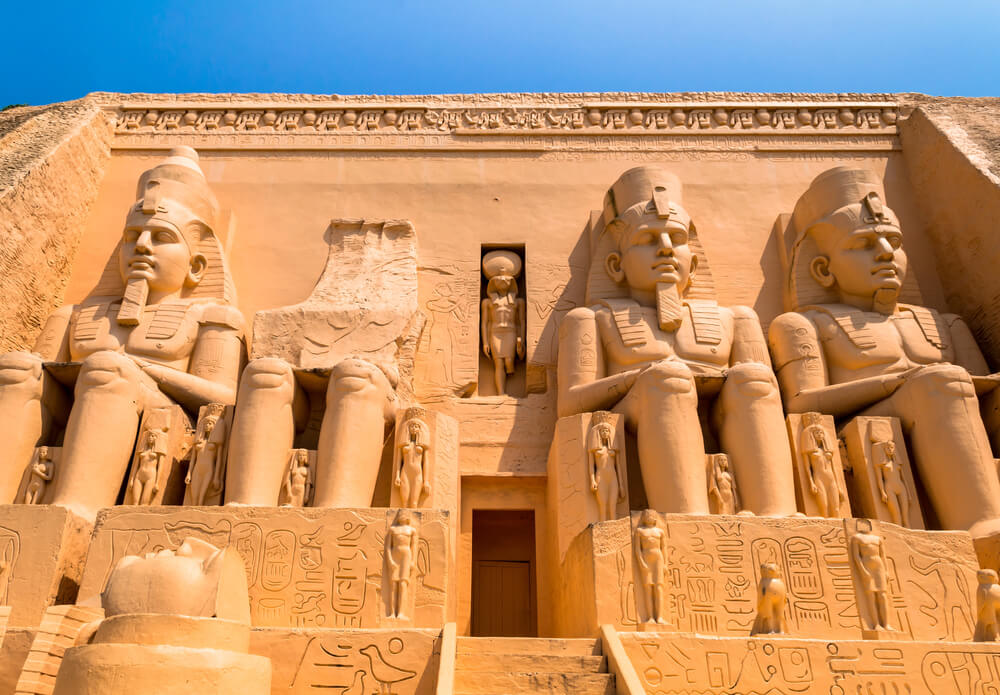
Photos show the massive carved temple facade rising dramatically from the desert. Reality: the temples are popular tourist attractions, and visitors often arrive in groups with limited time.
The temples were relocated in the 1960s and 1970s as part of a major preservation project, so the present setting is not the original landscape. The monumental facade is genuinely impressive, but photographs can make the surrounding site appear more isolated and expansive than it feels during busy visiting periods.
Phi Phi Islands, Thailand
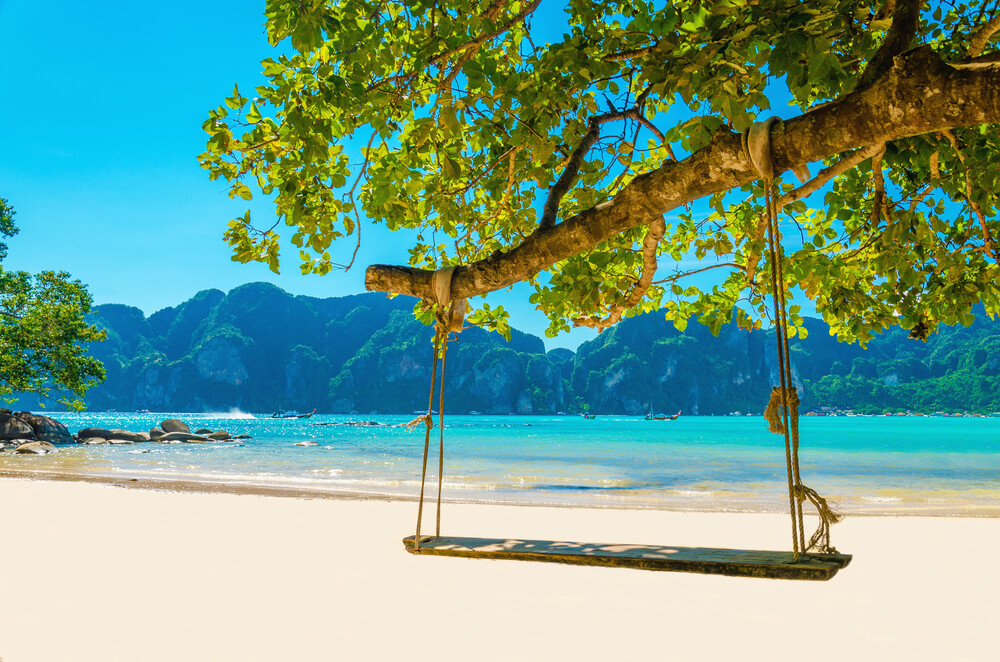
Photos show limestone cliffs towering over turquoise water and seemingly pristine beaches. Reality: popular areas of the Phi Phi Islands can receive large numbers of day visitors, particularly during peak periods.
Boats, crowds and tourism infrastructure can dramatically change the appearance of beaches. Environmental pressures have also led authorities to impose restrictions and temporary closures in sensitive areas.
The empty-beach photographs represent specific moments rather than the typical peak-season experience.
Plitvice Lakes Boardwalks, Croatia
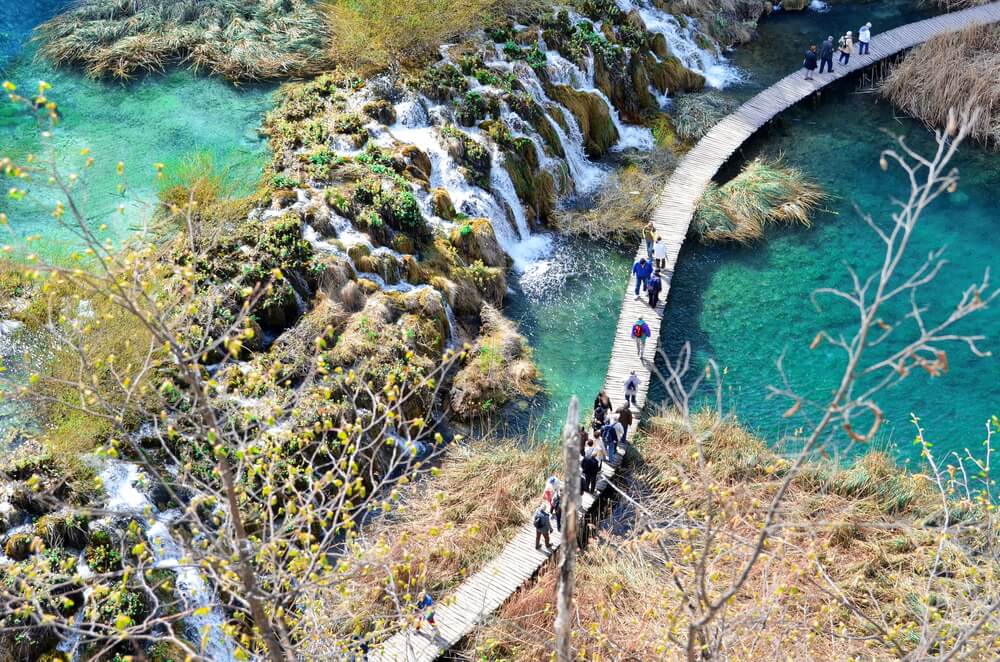
Photos show wooden pathways winding through crystal-clear turquoise water surrounded by forest. Reality: during peak season, the boardwalks can become congested enough to resemble slow-moving queues.
Visitors frequently stop for photographs, creating bottlenecks on narrow sections. Water color and clarity also vary with weather, season and natural conditions.
The peaceful forest scene shown online can therefore feel considerably more crowded in person.
Angkor Wat, Cambodia
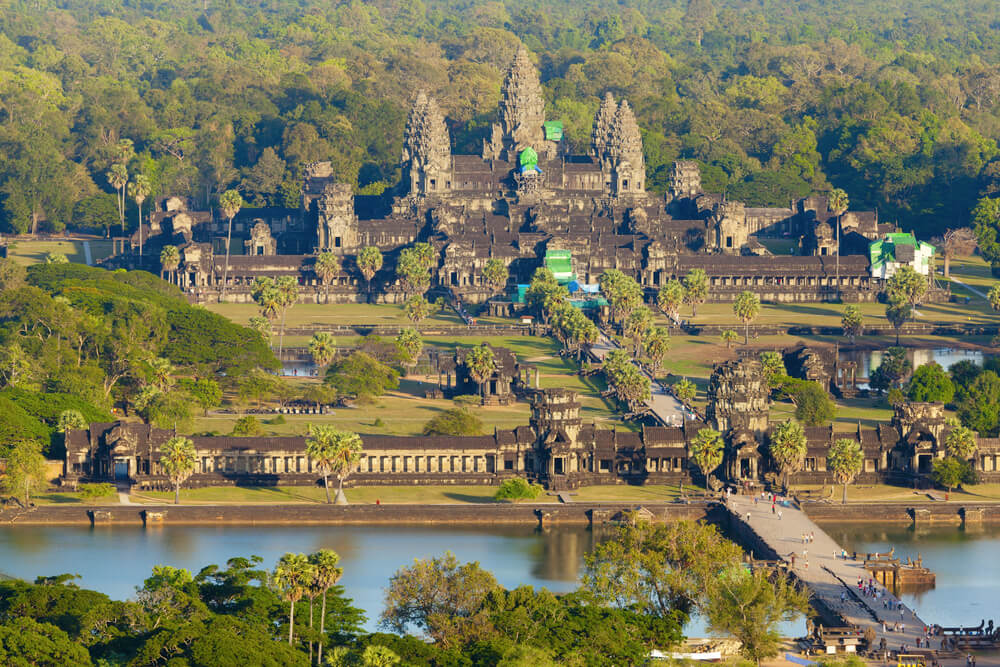
Famous sunrise photos show the temple silhouetted against a rosy sky with reflections in the foreground pools. Reality: visitors often arrive hours before sunrise to secure favorable positions, and large crowds can gather around the reflecting pools.
Weather can completely alter the sunrise, meaning hours of waiting may produce an ordinary sky. The temple complex itself is extensive, and the crowds continue after sunrise as visitors move through the site’s major attractions.
Notting Hill, London
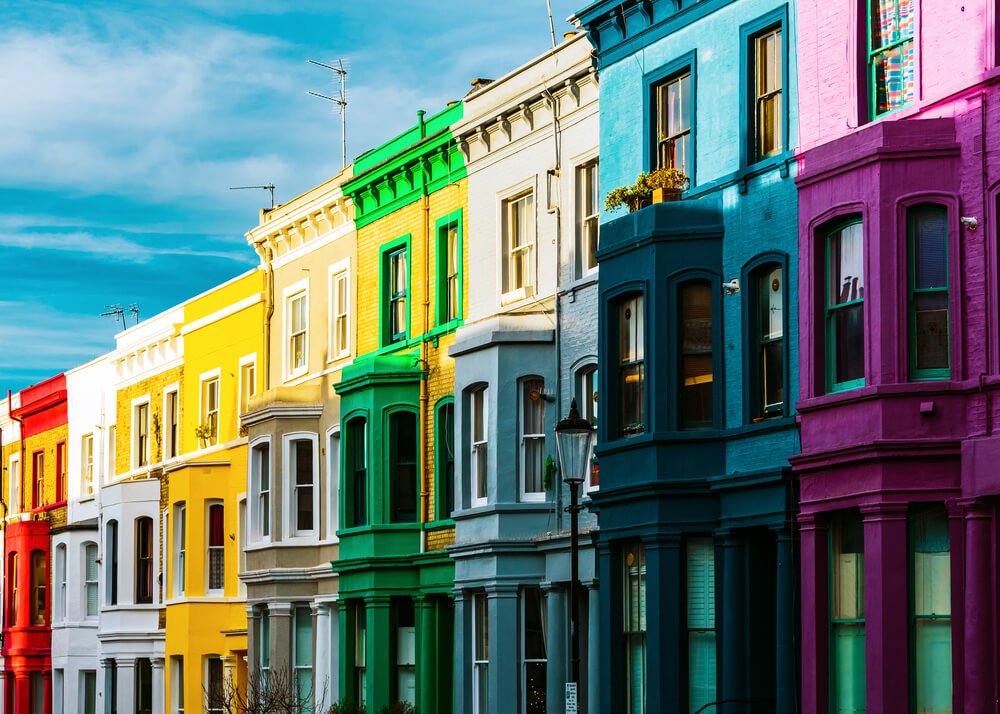
Photos show colorful Victorian townhouses with climbing ivy arranged in an Instagram-friendly composition. Reality: the neighborhood is residential, and popular streets can attract photographers and tour groups who stop in front of private homes.
Not every house is brightly colored or covered in ivy, and lighting can dramatically change the appearance of the streets. The famous photographs typically isolate a few particularly photogenic buildings rather than representing the neighborhood as a whole.
Fitz Roy, Argentina
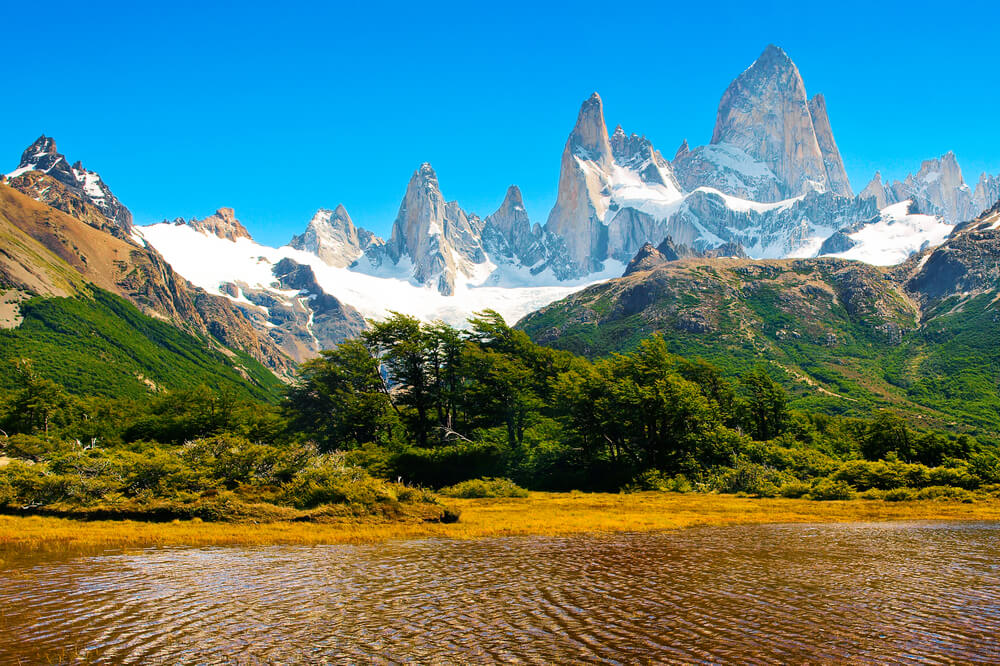
Photos show the dramatic granite peak towering above lakes and forests under perfectly clear skies. Reality: cloud cover can obscure Fitz Roy for much of the time, and clear conditions are never guaranteed.
Hiking to the major viewpoints can be strenuous and muddy depending on conditions. Crowds may also gather at the most famous overlooks during peak periods.
Many visitors make the hike without ever getting the unobstructed mountain view shown in photographs.
Bled Island, Slovenia
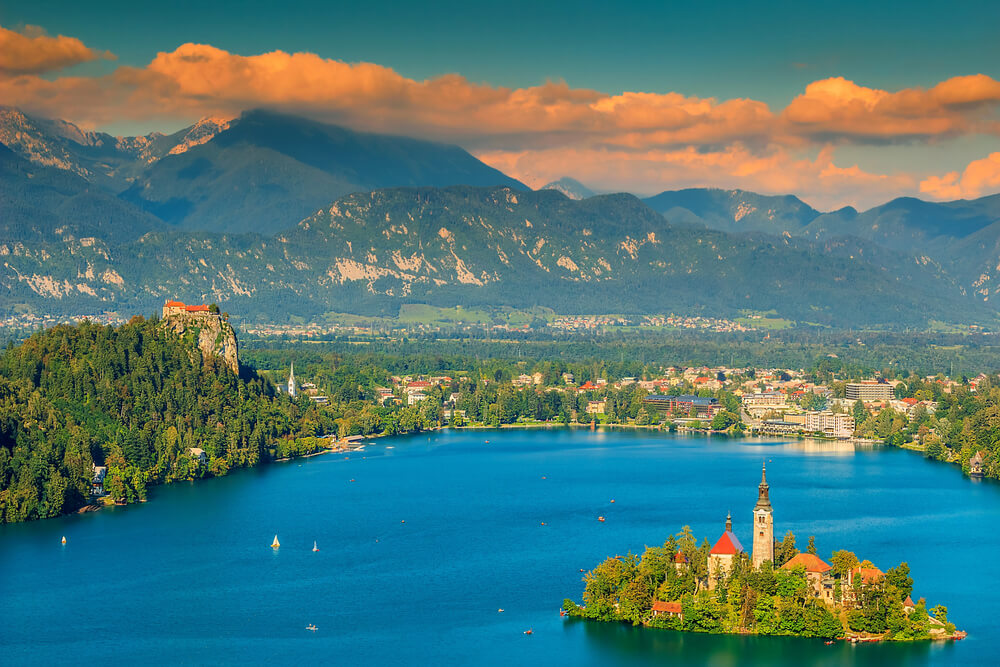
Photos show the tiny island church perfectly reflected in calm lake water surrounded by mountains. Reality: wind, boats and visitor activity frequently disturb the surface.
The perfect reflection requires unusually calm conditions and favorable light. The lakeshore can also become busy during peak tourist periods, making the serene composition shown online difficult to reproduce.
Faroe Islands Cliffs
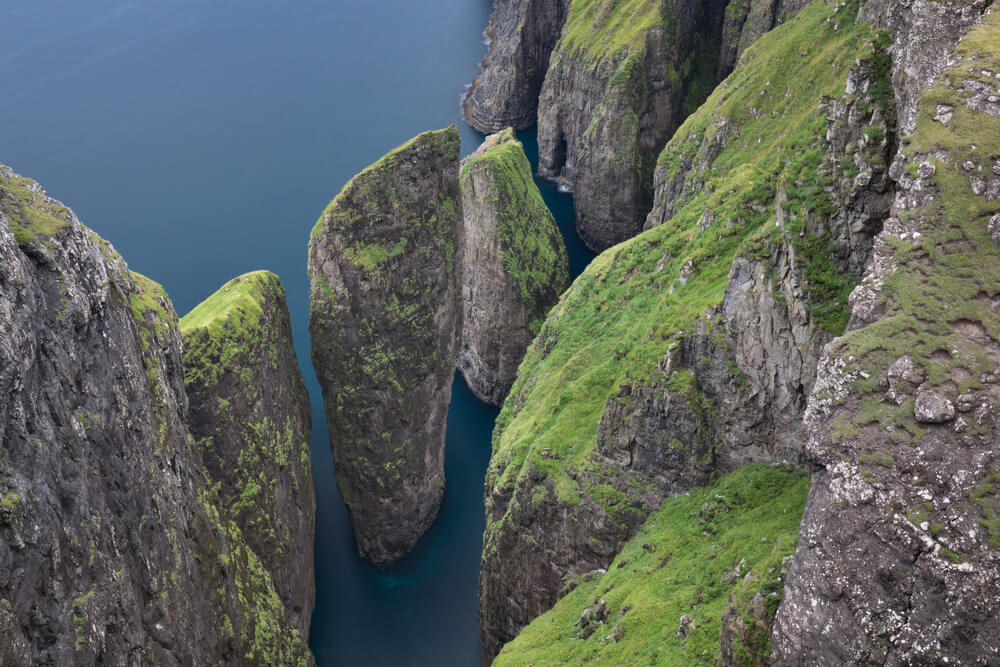
Photos show dramatic grass-covered cliffs rising above stormy seas beneath striking skies. Reality: the Faroe Islands’ weather is famously changeable, and fog, rain and heavy clouds can obscure the dramatic vistas shown in photographs.
Strong winds can make exposed viewpoints uncomfortable or dangerous. Some famous viewpoints also involve access restrictions or challenging terrain.
The spectacular image is often the result of catching a brief window of favorable weather.
Tunnel of Trees, Belgium
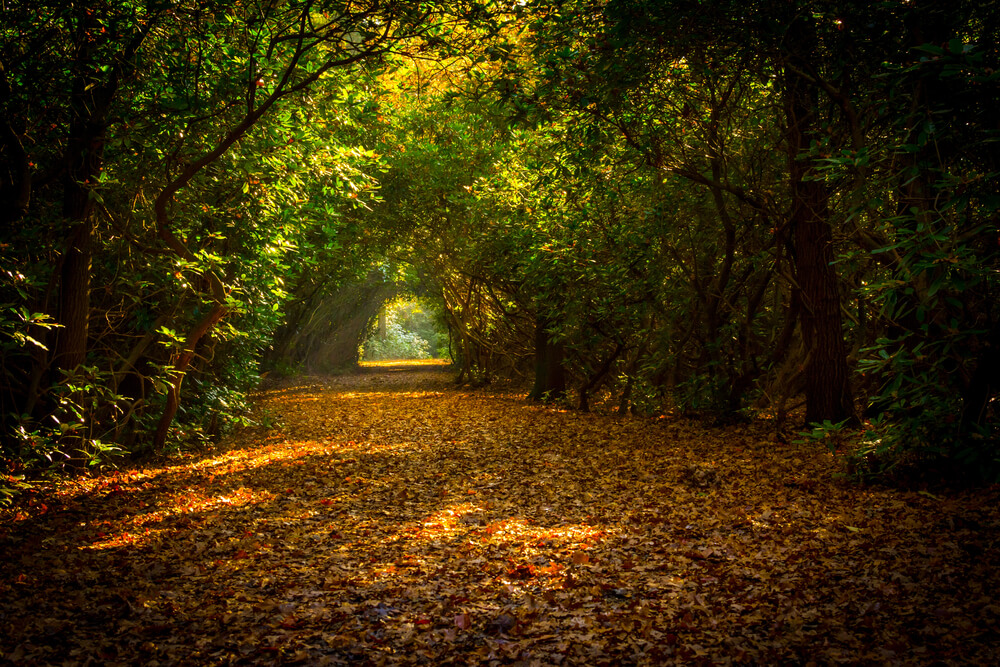
Photos show a road disappearing beneath a perfect canopy of intertwined branches and dappled sunlight. Reality: the tunnel effect varies substantially by season and foliage conditions.
The road remains an active traffic route, making it difficult or unsafe to stop for photographs. The strongest visual effect may also depend on a particular camera position and lens perspective.
The carefully framed image can therefore make the tunnel appear much longer and more enclosed than it looks from an ordinary driving position.
Trollstigen Mountain Road, Norway
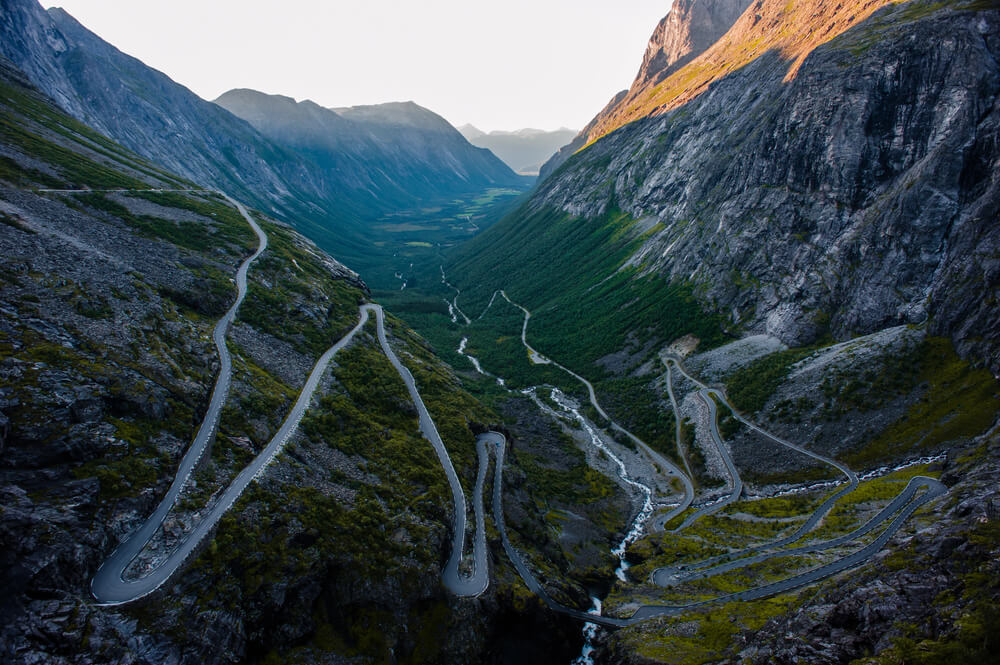
Photos show a dramatic serpentine road winding through towering mountains beneath clear skies. Reality: weather can quickly reduce visibility, while fog and rain are common in the region.
The road’s 11 hairpin turns require drivers to concentrate on navigating rather than sightseeing. Tourist traffic can also create bottlenecks during busy periods.
The dramatic vistas shown in photographs depend heavily on favorable weather and an unobstructed viewpoint.
Red Rocks Amphitheatre, Colorado
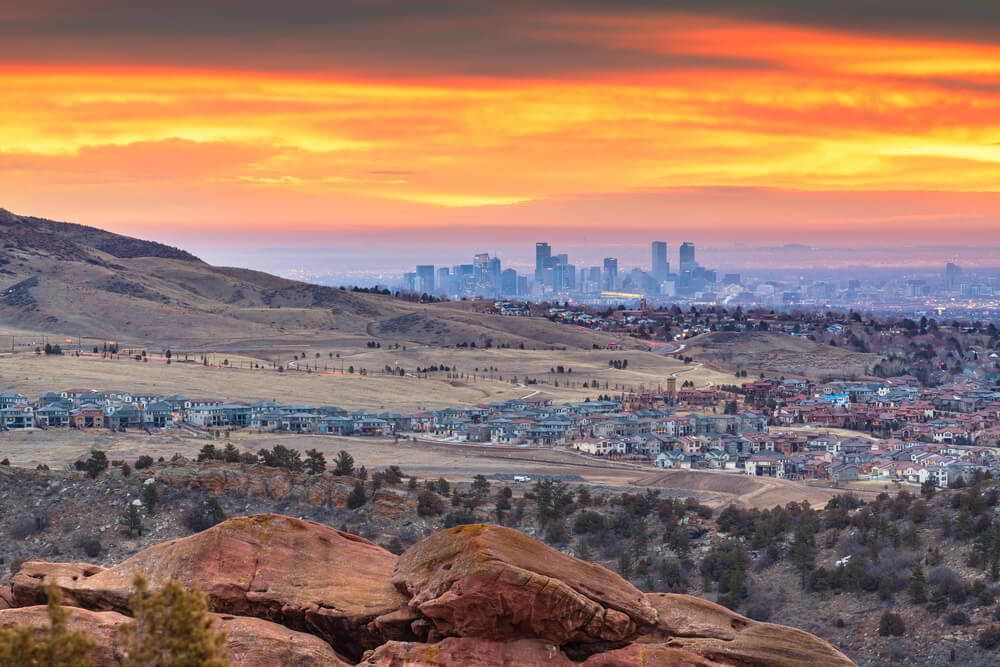
Photos show dramatic red sandstone formations glowing beneath spectacular skies. Reality: the scale and appearance of the formations can vary significantly depending on perspective and light.
Crowds, event preparation and concert traffic can complicate visits, particularly around performances. The rocks can also appear less intensely red under overcast or flat lighting than they do in carefully timed photographs.
Carrera Marble Caves, Chile
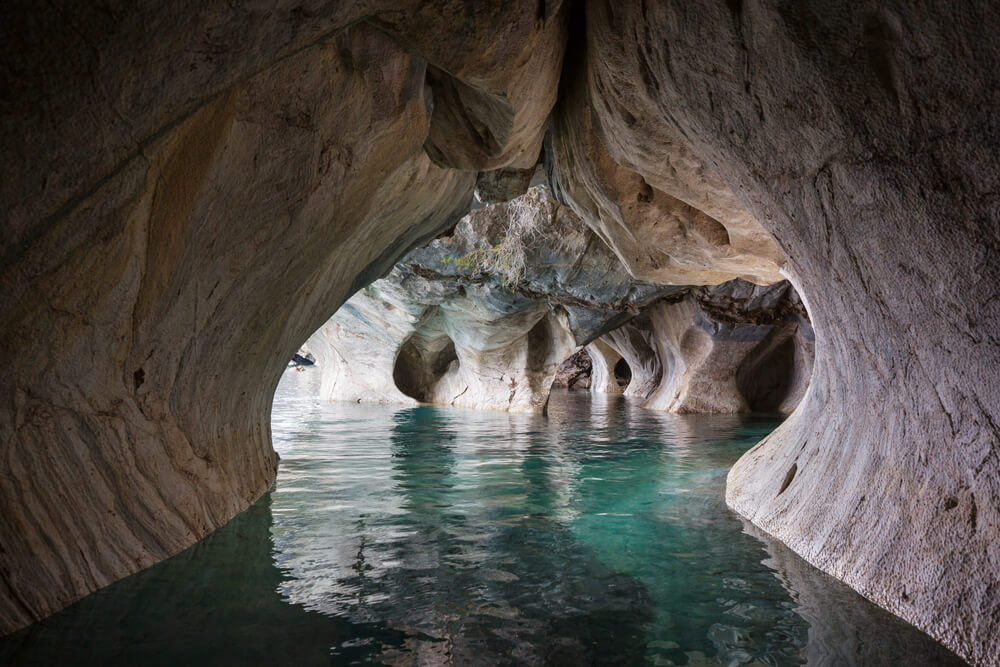
Photos show luminous turquoise water flowing through smooth marble formations. Reality: the caves are reached by boat, and access depends heavily on weather and water conditions.
The interiors are more compact than some photographs imply, while changing light and boat positioning can significantly alter the colors and reflections. Other tour boats can also enter the same areas, making unobstructed photography difficult.
Milford Sound, New Zealand
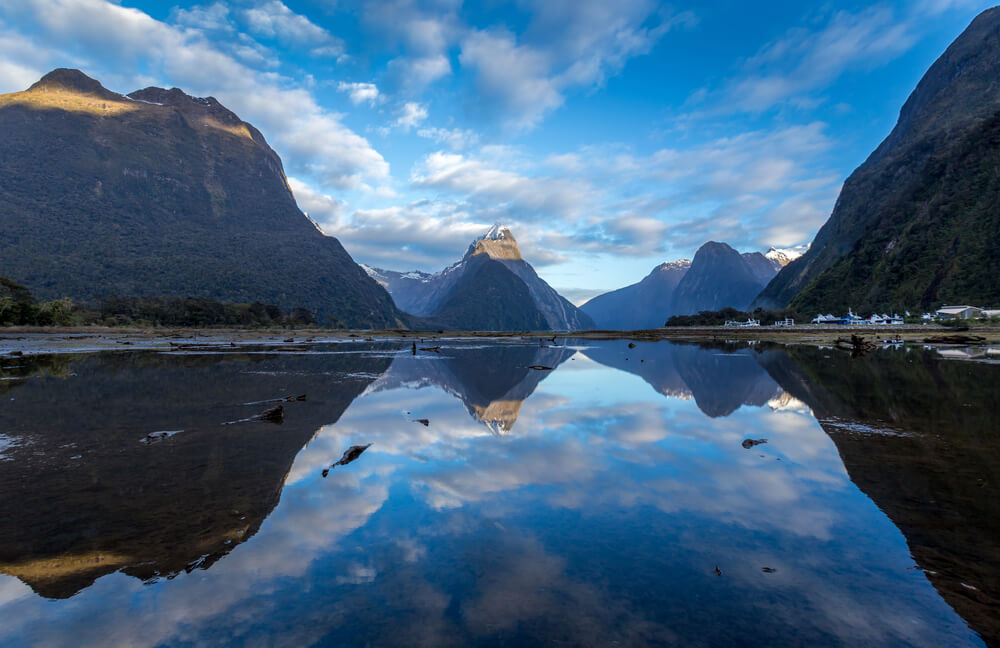
Photos show towering fjord walls, cascading waterfalls and mirror-still water. Reality: the area is a major tourism destination, with cruise boats and sightseeing vessels operating regularly.
Calm water is not guaranteed, and weather can dramatically alter visibility. Waterfalls are particularly dependent on recent rainfall, meaning a dry period may produce a very different scene.
The fjord remains spectacular, but the isolated appearance of many photographs does not reflect the typical visitor environment.
When Expectations Collide with Reality
Instagram-famous photo spots have become victims of their own viral success. The images that generate travel interest are often created by professional photographers using careful timing, specialized equipment, favorable weather and extensive editing.
Lighting conditions, crowds, accessibility and surrounding infrastructure are largely invisible in the finished image. The result is a mismatch between the photograph travelers expect and the experience they actually encounter.
The best strategy is to treat famous travel photographs as possibilities rather than promises. Visit the destination itself, expect changing conditions and crowds, and recognize that the perfect image may require patience, luck or circumstances that cannot be replicated on demand.
More from Travel Pug

- Underrated Italian Towns That Beat the Tourist Crowds
- Las Vegas Tourist Traps to Skip
- Prettiest Towns in Every US State
- 18 passport-free countries for Americans
- Signs Your Cruise Is Not Worth The Cost
Like Travel Pug’s content? Follow us on MSN.