

South America defies easy categorization—it’s a continent where Amazonian jungles meet Patagonian glaciers, where ancient civilizations left mountaintop ruins, and where modern cities pulse with energy that rivals anywhere globally. The diversity spans climates, cultures, and landscapes that would take years to fully explore.
These destinations showcase why South America captivates travelers who venture beyond resort beaches. Here’s a list of 15 best places to visit across the continent.
Patagonia, Argentina and Chile
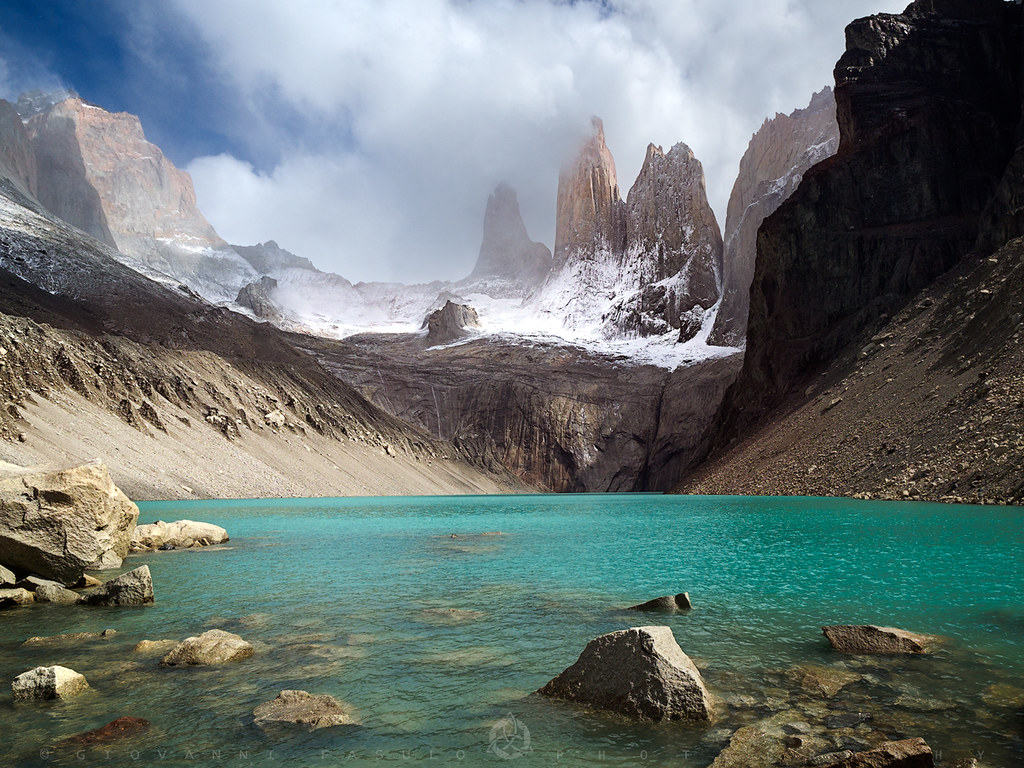
The southern extreme delivers glaciers, granite spires, and windswept plains where guanacos outnumber humans by ridiculous margins. Torres del Paine in Chile and Los Glaciares National Park in Argentina offer trekking routes that rank among Earth’s most spectacular.
Perito Moreno glacier actively calves icebergs while tourists watch from viewing platforms close enough to feel the impact.
Cartagena, Colombia
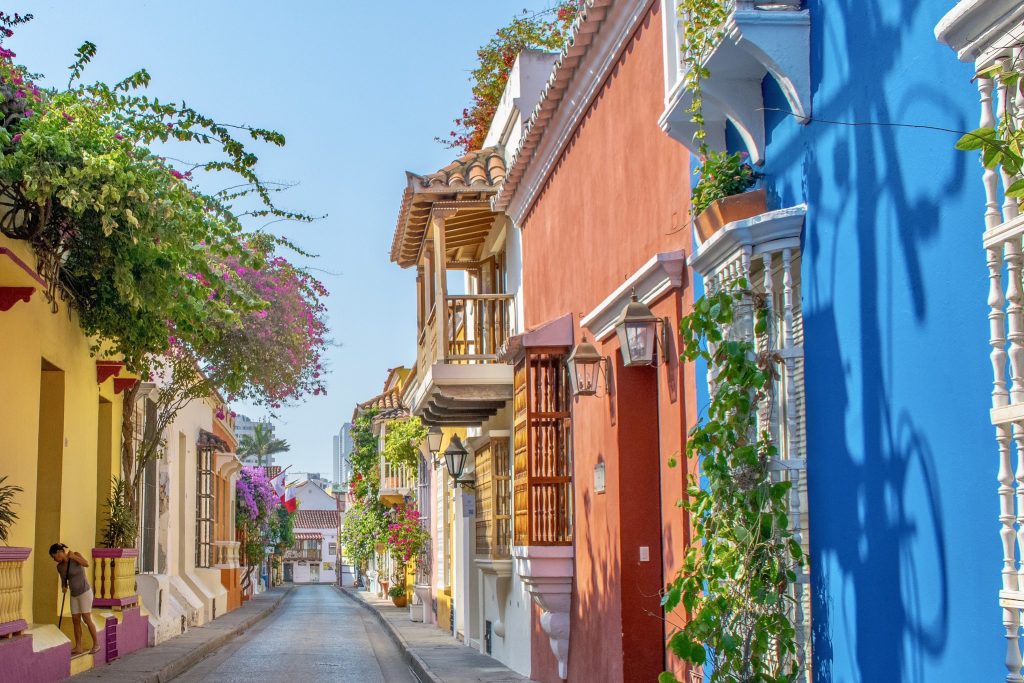
This Caribbean colonial gem wraps colorful buildings and bougainvillea-draped balconies inside well-preserved fortress walls. The old city becomes magical after dark when restaurants spill into plazas and street musicians perform for crowds mixing locals and tourists.
Nearby islands offer beach escapes, though the city itself provides enough atmosphere to justify never leaving.
Galápagos Islands, Ecuador

Darwin’s living laboratory sits 600 miles off Ecuador’s coast, where animals show zero fear of humans because they evolved without land predators. Blue-footed boobies, marine iguanas, and giant tortoises create wildlife encounters that feel prehistoric.
Snorkeling with sea lions and penguins at the equator defies expectations about where these animals should exist.
Cusco and Sacred Valley, Peru
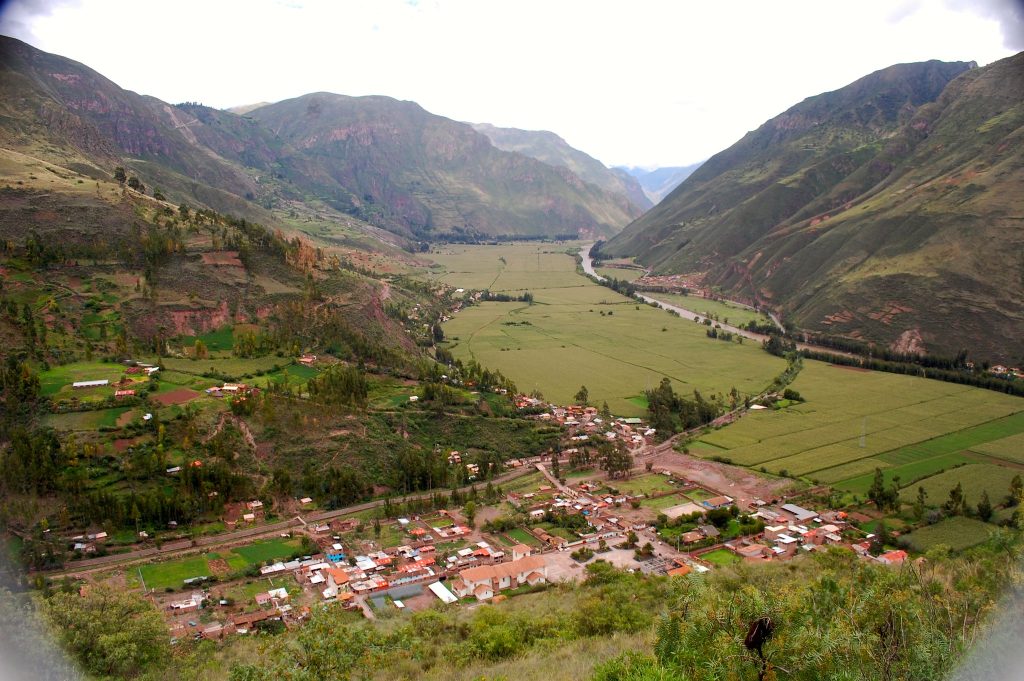
The former Inca capital sits at 11,000 feet, where Spanish colonial churches occupy foundations of indigenous temples. The Sacred Valley spreads below with terraced mountainsides, salt pans, and ruins that served as testing grounds for Incan agricultural innovation.
Machu Picchu gets all the fame, but the journey through the valley reveals equally fascinating sites with a fraction of the crowds.
Buenos Aires, Argentina

European architecture meets Latin passion in this cosmopolitan capital where tango dancers perform in San Telmo’s streets and parrillas serve steaks that justify Argentina’s beef reputation. Each neighborhood has a distinct personality—Palermo’s hipster cafés contrast with La Boca’s colorful tin houses and Recoleta’s elegant boulevards.
The nightlife starts impossibly late and continues until dawn.
Atacama Desert, Chile
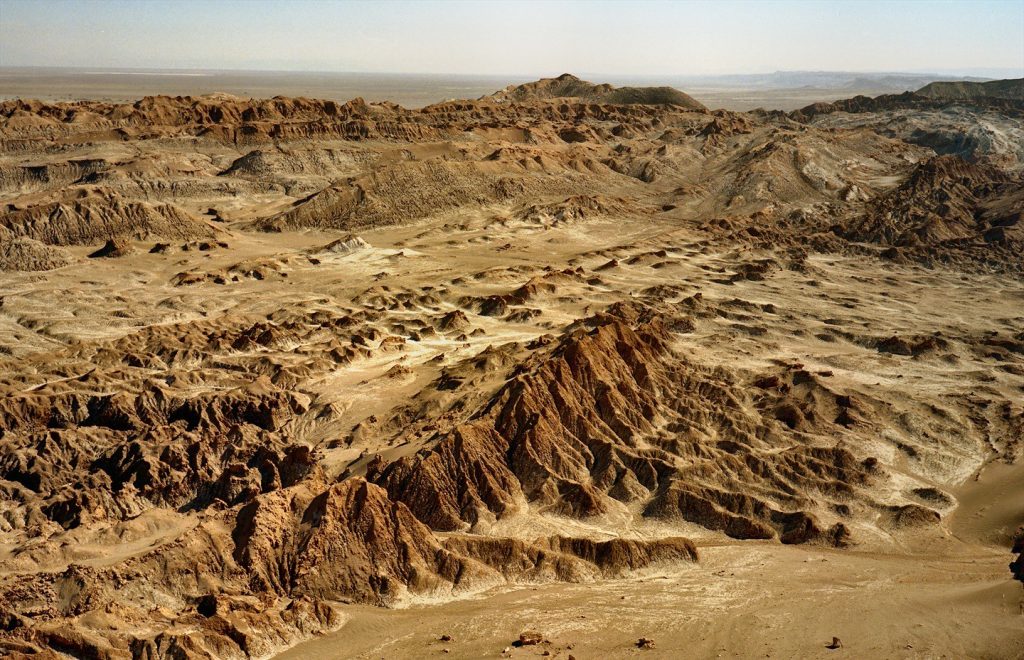
The driest desert on Earth creates surreal landscapes where salt flats, geysers, and flamingo-filled lagoons appear against backdrops of snow-capped volcanoes. San Pedro de Atacama serves as a base camp for exploring otherworldly terrain that NASA uses to test Mars rovers.
Night skies here reveal the Milky Way so clearly that you understand why international observatories cluster in these mountains.
Amazon Rainforest, Brazil/Peru/Ecuador
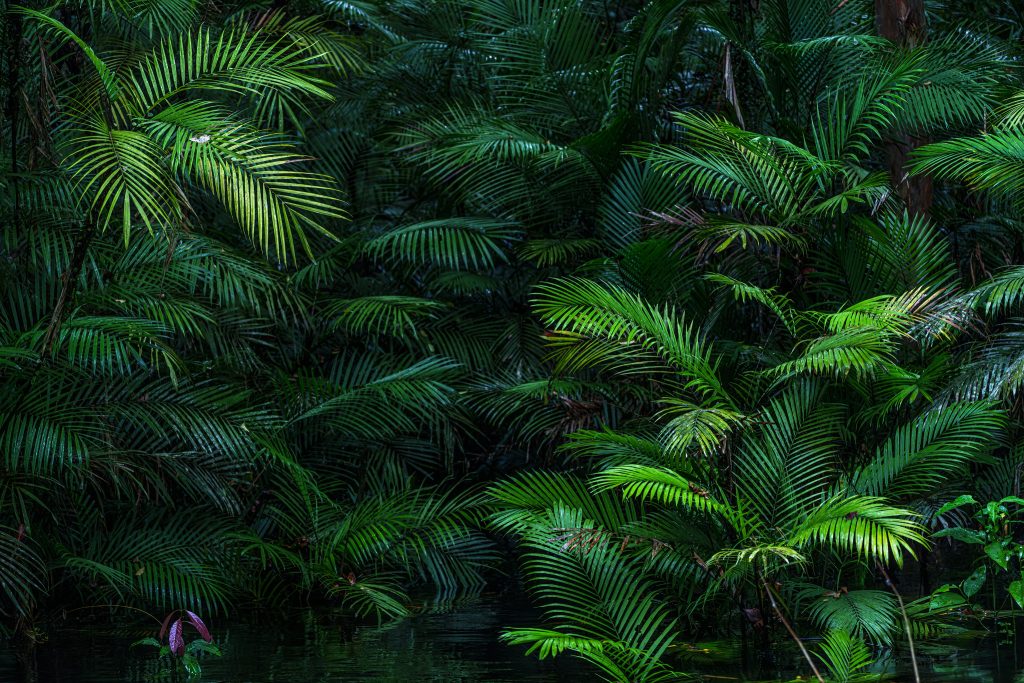
The world’s largest rainforest sprawls across multiple countries, accessible via river lodges that range from basic to luxurious. Pink river dolphins, howler monkeys, and countless bird species make themselves known through the dense canopy.
Iquitos in Peru and Manaus in Brazil serve as primary gateways to experiences that redefine your understanding of biodiversity.
Rio de Janeiro, Brazil
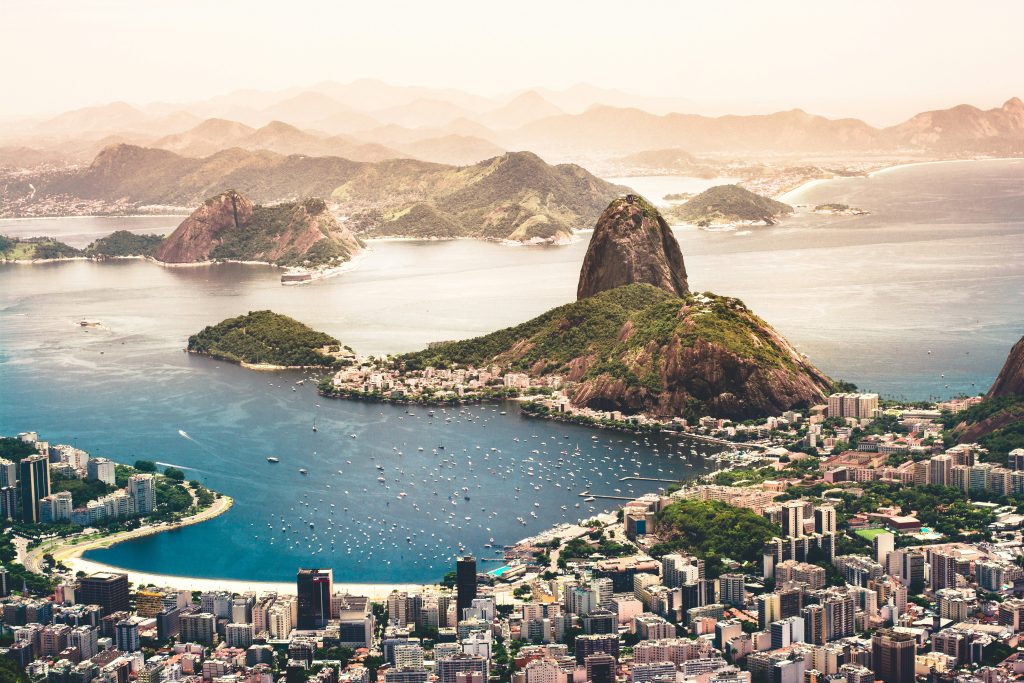
Sugarloaf Mountain and Christ the Redeemer provide iconic views, but the beach culture at Copacabana and Ipanema defines the city’s soul. Samba rhythms pulse through streets where favelas climb hillsides and modern architecture curves along the coast.
Carnival obviously draws massive crowds, but the city maintains its energy year-round.
Mendoza, Argentina
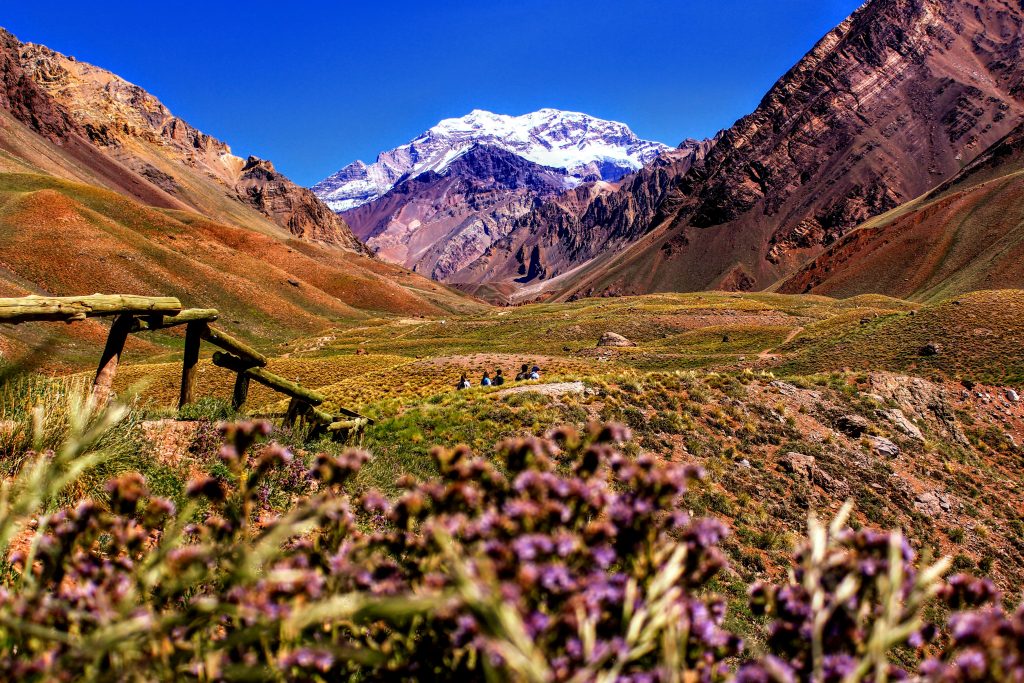
Malbec wine country spreads across this Andean foothills region where vineyard tours and tastings come with mountain backdrops. The city itself provides tree-lined streets and restaurant scenes focused on pairing steaks with local wines.
Aconcagua, the Western Hemisphere’s highest peak, looms nearby for trekkers seeking altitude challenges.
Quito, Ecuador
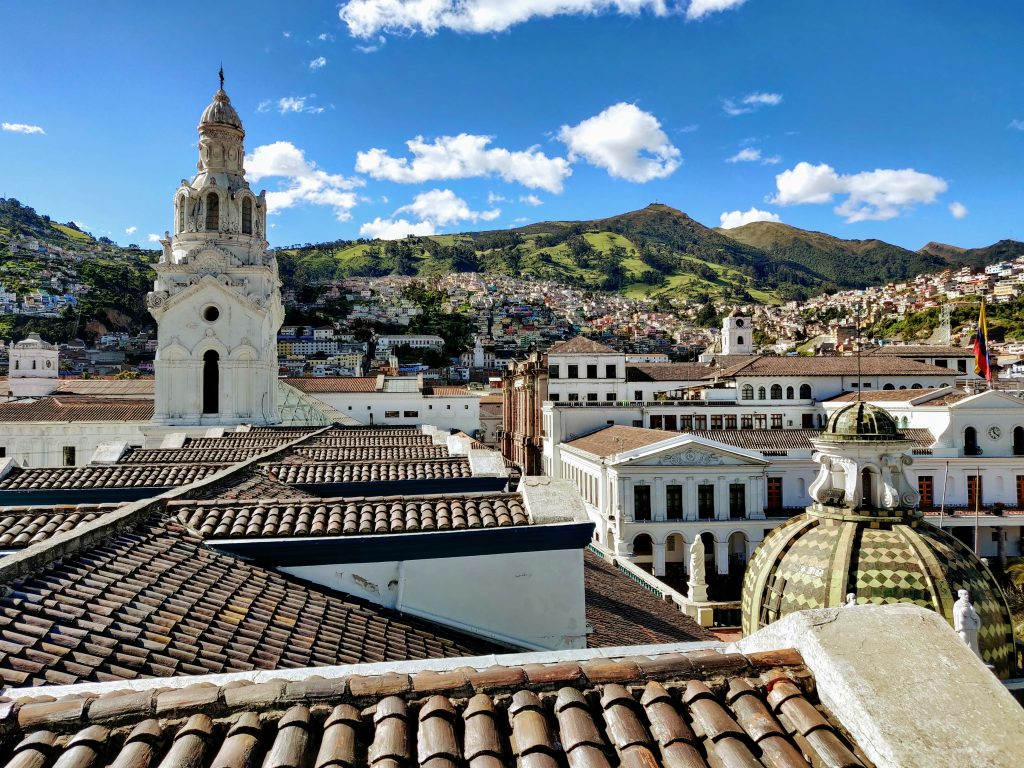
This high-altitude capital preserves colonial architecture in a historic center that UNESCO recognized decades ago. The equator line tourist trap sits just north, but the city’s real appeal comes from its dramatic mountain setting and accessible culture.
Cable cars climb to viewpoints where you can see multiple volcanoes on clear days.
Iguazu Falls, Argentina and Brazil
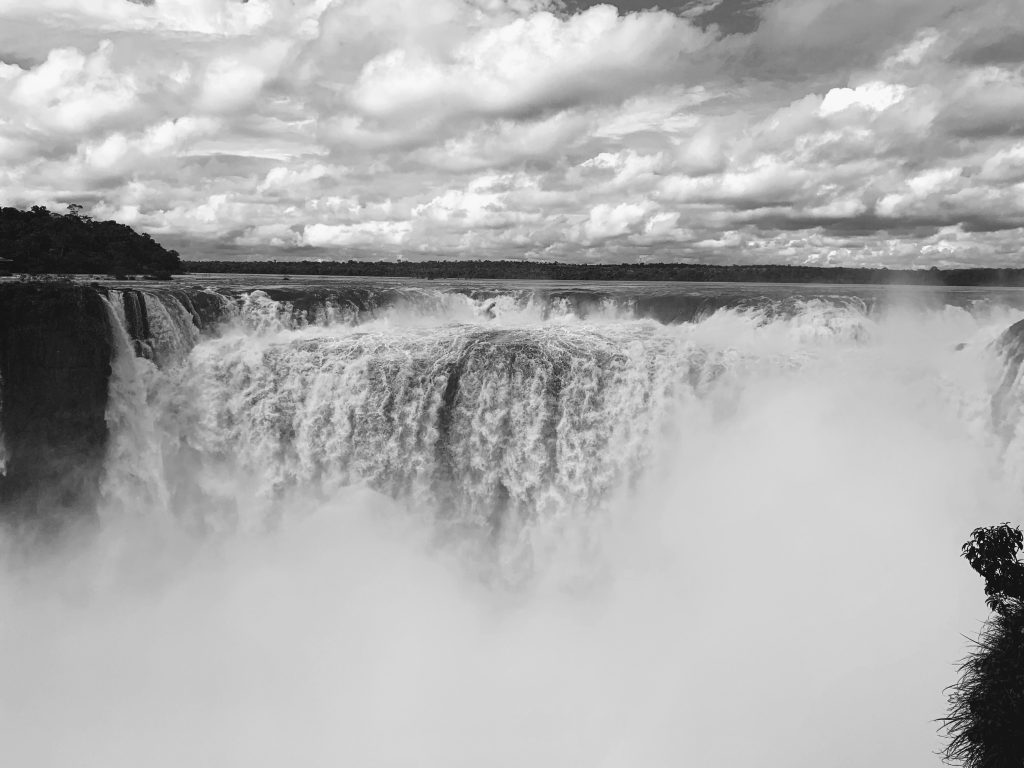
These massive waterfalls dwarf Niagara in scale and power—275 individual cascades spread across nearly two miles. The Argentine side offers intimate trail access to individual falls, while the Brazilian side provides sweeping panoramic views.
Rainbows form constantly in the mist, and the roar drowns out conversations even hundreds of feet away.
Salar de Uyuni, Bolivia
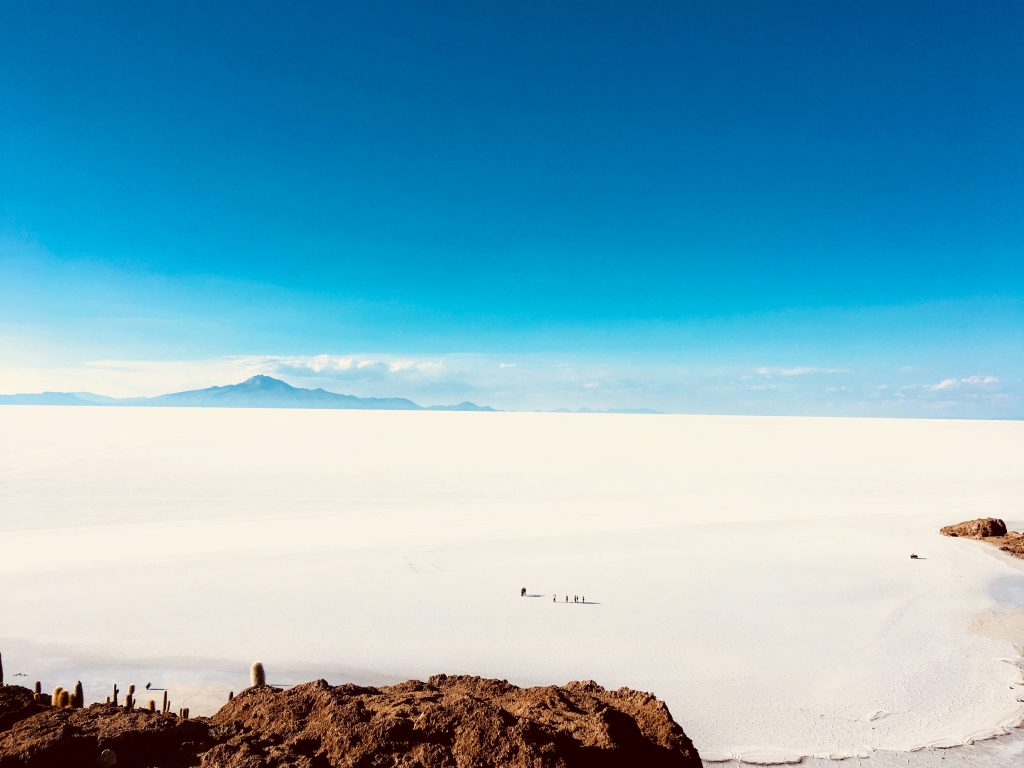
The world’s largest salt flat creates a blinding white expanse that becomes a perfect mirror during the rainy season. Tours cross the surreal landscape to reach Isla Incahuasi with its giant cacti, then continue to colored lagoons where flamingos feed at 14,000 feet.
The isolation and stark beauty make it feel genuinely alien.
Colonia del Sacramento, Uruguay

This Portuguese colonial town across the river from Buenos Aires preserves cobblestone streets and historic buildings that transport visitors back three centuries. Sycamore trees shade plazas where locals still live among the architecture rather than just performing for tourists.
It works perfectly as a day trip from Buenos Aires or as a peaceful base for exploring Uruguay.
Bariloche, Argentina
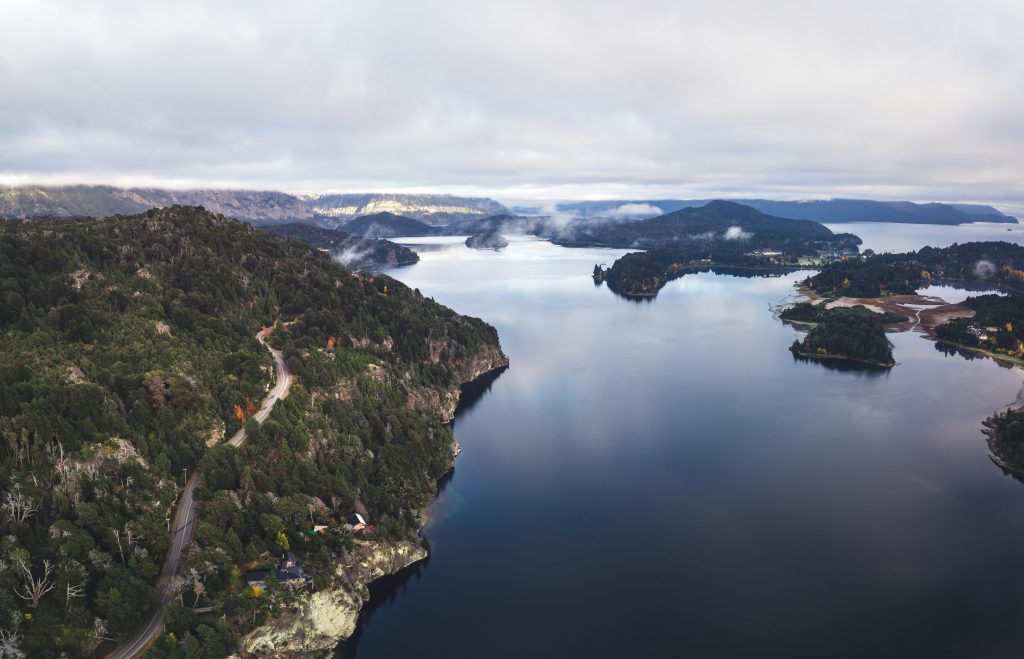
Argentina’s Lake District delivers Swiss Alps scenery with empanadas instead of fondue. Nahuel Huapi Lake stretches between mountains where summer hiking gives way to winter skiing.
The town itself produces exceptional chocolate and craft beer, while the Circuito Chico scenic drive reveals why wealthy Argentines built vacation homes here.
Salvador, Brazil
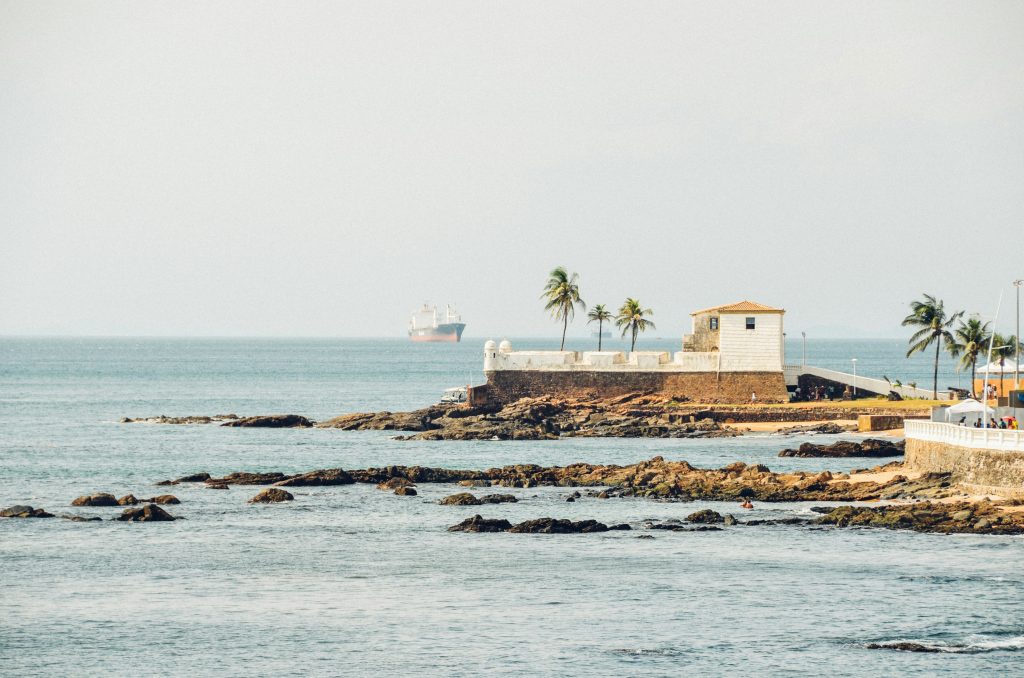
Afro-Brazilian culture reaches its peak in this coastal city where capoeira, candomblé, and percussion-heavy music define the atmosphere. The Pelourinho historic district’s pastel buildings create vibrant backdrops for street performers and restaurants serving moqueca stew.
The city pulses with an energy that feels distinctly different from Rio or São Paulo.
A continent of contrasts

South America is a continent that rewards visitors who are willing to accept its complexity rather than try to get it to match North American or European standards of predictability. The key to having great experiences is being willing to work with bus systems that operate on a time-table that’s more suggestion than set plan, being game for eating at 10 PM because that’s when dinner is served, and being willing to work within cultures that play by a different set of rules.
South America is a big enough continent that you’re going to barely graze its surface after an initial visit, and this is exactly what will give you plenty of reasons to go back.
More from Travel Pug

- Underrated Italian Towns That Beat the Tourist Crowds
- Las Vegas Tourist Traps to Skip
- Prettiest Towns in Every US State
- 18 passport-free countries for Americans
- Signs Your Cruise Is Not Worth The Cost
Like Travel Pug’s content? Follow us on MSN.