

Portugal has become the darling of the remote work world, and it’s not hard to see why. The country offers a winning combination of affordable living, reliable internet, year-round sunshine, and a welcoming attitude toward foreigners.
Add in excellent coffee, fresh seafood, and a laid-back vibe, and you’ve got yourself a pretty compelling case for packing up your laptop and heading west. Whether you’re chasing Atlantic waves, cobblestone charm, or a bustling expat scene, Portugal delivers.
Here’s a list of 15 towns that have become magnets for digital nomads looking to trade their home office for something a bit more inspiring.
Lisbon
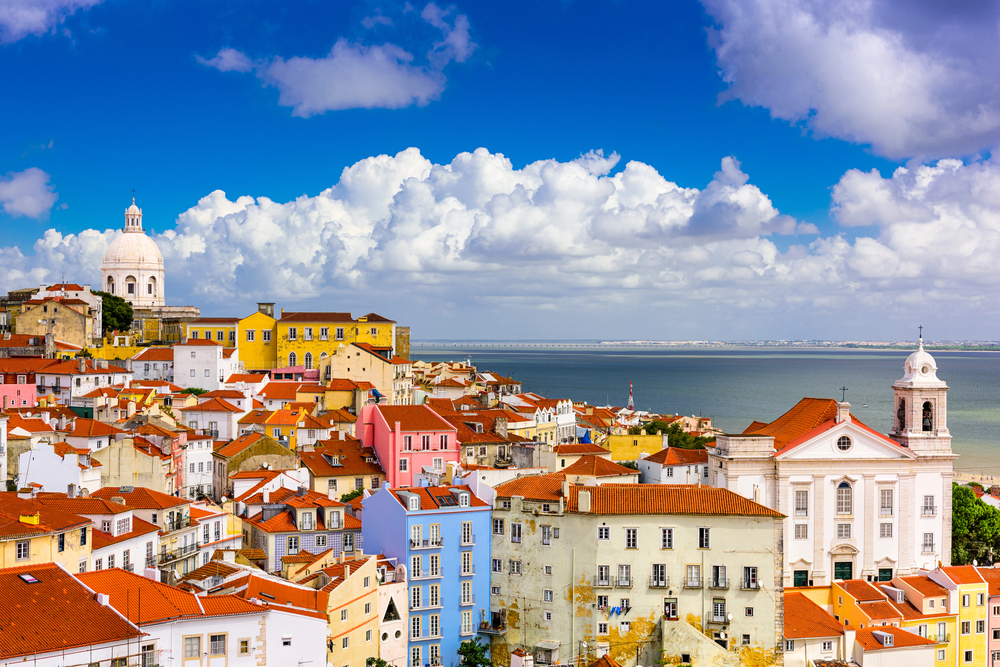
The capital city remains the heavyweight champion of Portugal’s digital nomad scene. Lisbon’s got everything you’d expect from a major European city—dozens of coworking spaces, lightning-fast internet, and an international community that makes networking feel effortless.
The neighborhoods of Príncipe Real and Santos are particularly popular with remote workers who want character without the tourist chaos. Yes, it’s pricier than it used to be, but you’re getting world-class museums, incredible food markets, and those iconic yellow trams in return.
The city’s hilly streets keep things interesting, even if your calves might protest after a few weeks.
Porto
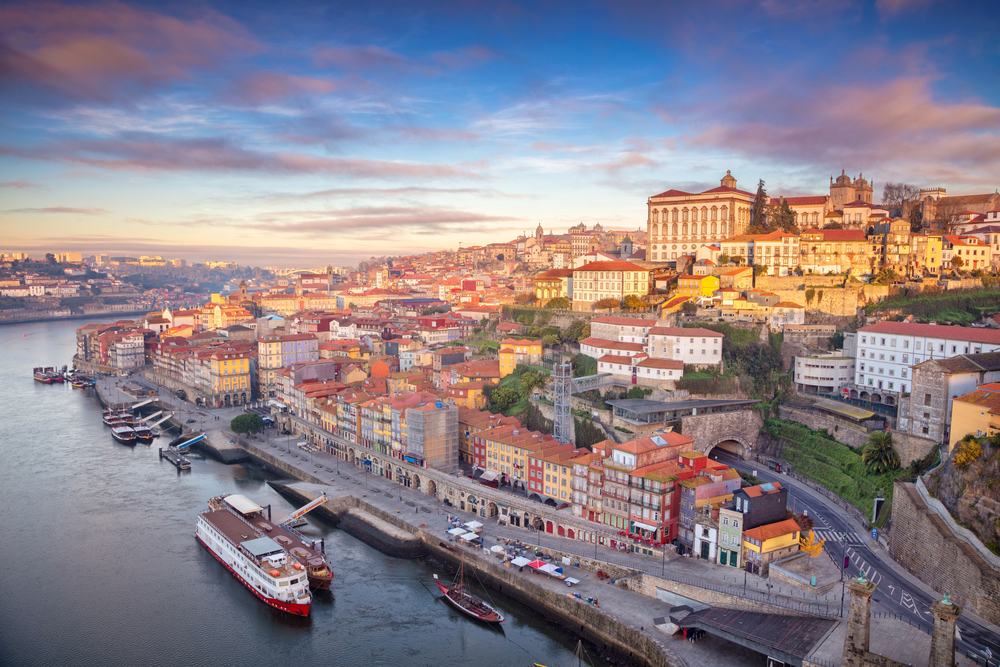
Up north, Porto offers Lisbon’s sophistication with a slightly grittier edge and lower price tags. The city’s historic Ribeira district along the Douro River is postcard-perfect, though most nomads actually settle in neighborhoods like Cedofeita or Bonfim where rents stay reasonable.
Porto’s coworking scene has exploded in recent years, with spaces like Selina and LOWORK drawing remote workers from across the globe. The weather’s a touch rainier than down south, but that just means more cozy afternoons in cafes perfecting your pastéis de nata habit.
The city’s compact size means you can walk most places, and the nearby beaches are just a quick metro ride away.
Lagos
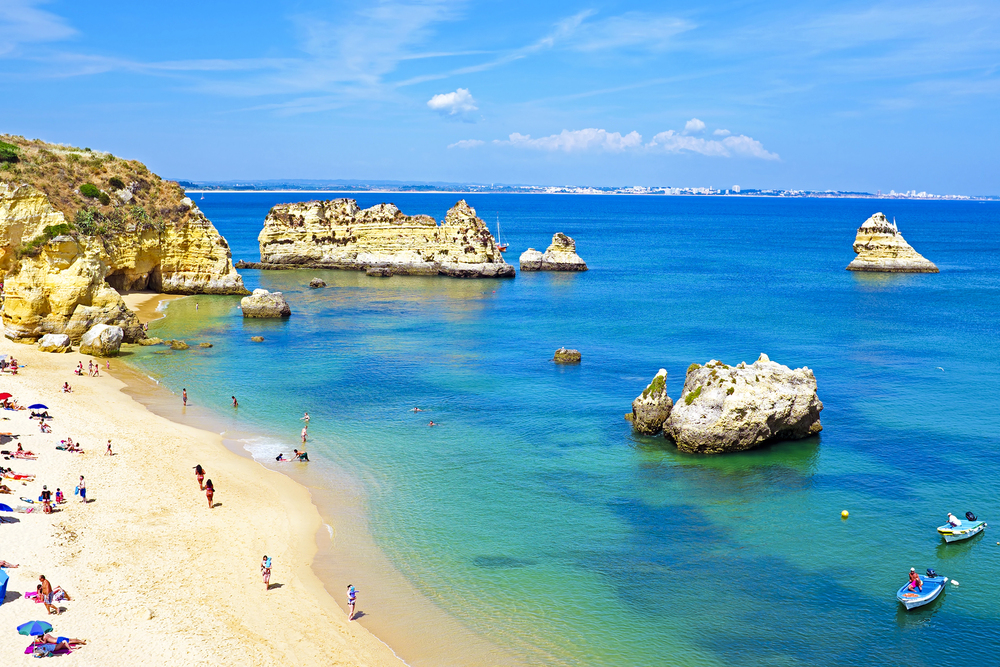
This Algarve gem has built its reputation on consistent sunshine, stunning cliff-backed beaches, and a social scene that makes it ridiculously easy to make friends. Lagos attracts a younger crowd of digital nomads who want their work-life balance tilted heavily toward the ‘life’ part.
The town’s got solid internet and several coworking options, including Second Home Lagos with its tropical garden vibes. Summers get packed with tourists, but shoulder seasons offer the sweet spot of warm weather without the crowds.
The cost of living sits somewhere in the middle range for Portugal—not dirt cheap, but reasonable given what you’re getting in return.
Ericeira

About 30 miles northwest of Lisbon, Ericeira is where surf culture meets remote work culture. This World Surfing Reserve draws wave riders from around the planet, and plenty of them bring laptops along for the ride.
The town maintains an authentic Portuguese feel despite its international following, with local fishermen still hauling in the day’s catch each morning. Coworking spaces like Undertow cater specifically to the surf-and-work crowd, and the community vibe is strong enough that you’ll probably know half the town within a month.
It’s smaller and quieter than Lagos, which suits nomads looking for focus time between surf sessions.
Braga

Portugal’s third-largest city flies under the radar compared to Lisbon and Porto, which is exactly why some nomads prefer it. Braga serves up authentic Portuguese city life without the expat bubble or inflated prices.
The historic center is gorgeous, filled with baroque churches and traditional cafes where locals still outnumber tourists. The university presence keeps things youthful and ensures decent internet infrastructure throughout the city.
Coworking spaces are fewer but growing, and the cost of living is noticeably lower than the big two cities. You’re also positioned perfectly for weekend trips to Porto or the northern mountains.
Cascais
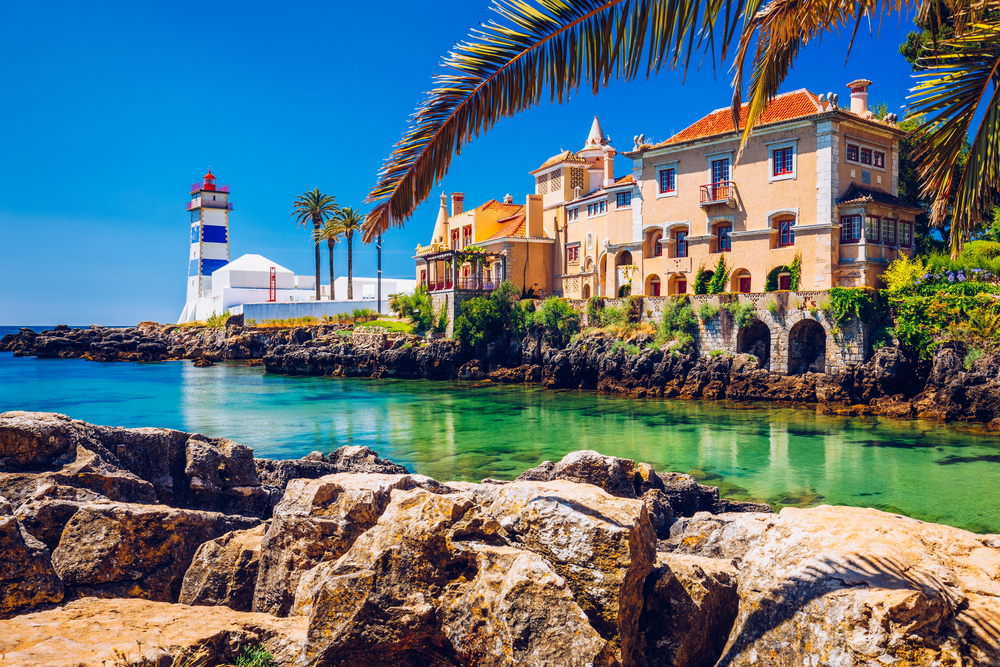
This coastal town just west of Lisbon has long been the retreat of choice for Lisbon’s wealthy, and now digital nomads have figured out its appeal too. Cascais offers a polished, slightly upscale vibe with excellent infrastructure and several beaches within walking distance of the center.
The town’s packed with cafes that welcome laptop workers, and coworking spaces like SIOSLIFE provide professional setups with ocean views. It’s pricier than most Portuguese towns, but you’re paying for reliability, safety, and that easy train connection back to Lisbon when you need big-city amenities.
The expat community here is well-established, making it simple to plug into social networks.
Aveiro
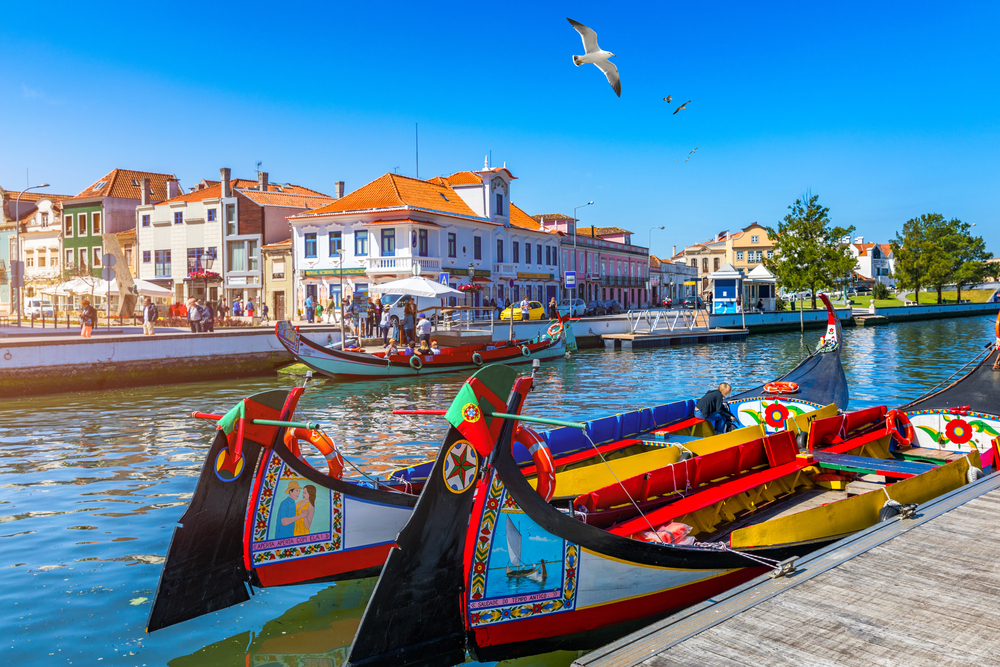
Known as the ‘Venice of Portugal’ for its network of canals and colorful moliceiro boats, Aveiro offers something different from the typical coastal nomad towns. This mid-sized city about 40 miles south of Porto combines university-town energy with beach access at nearby Costa Nova.
The cost of living is refreshingly low, and the local community hasn’t been overrun by foreigners, giving you a more authentic Portuguese experience. Internet speeds are solid thanks to the university’s presence, and several coworking spaces have popped up to serve the growing remote worker population.
The town’s famous for its ovos moles—sweet egg yolk treats that’ll become your afternoon sugar fix.
Coimbra
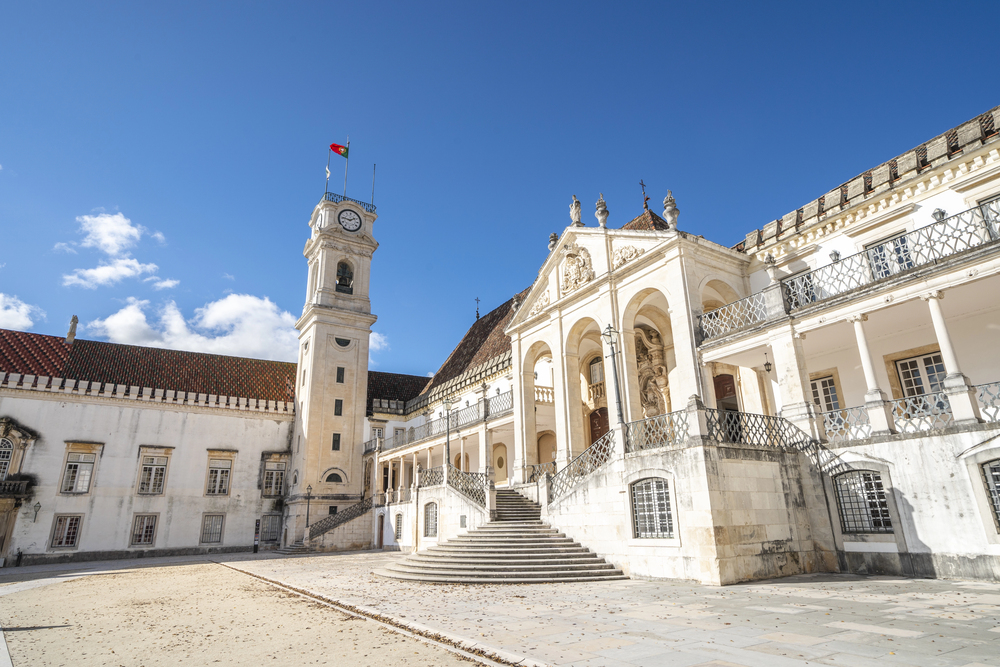
Portugal’s former capital is steeped in academic tradition, home to one of Europe’s oldest universities dating back to 1290. That scholarly atmosphere translates to excellent infrastructure, affordable living, and a young, energetic vibe despite the historic surroundings.
Coimbra sits right in the center of Portugal, making it a strategic base for exploring both north and south. The digital nomad scene here is smaller and more low-key than in coastal hotspots, attracting remote workers who prioritize culture and authenticity over beach access.
Coworking spaces like Duecitânia offer professional setups, and the riverside cafes provide plenty of alternative work spots when you need a change of scenery.
Peniche
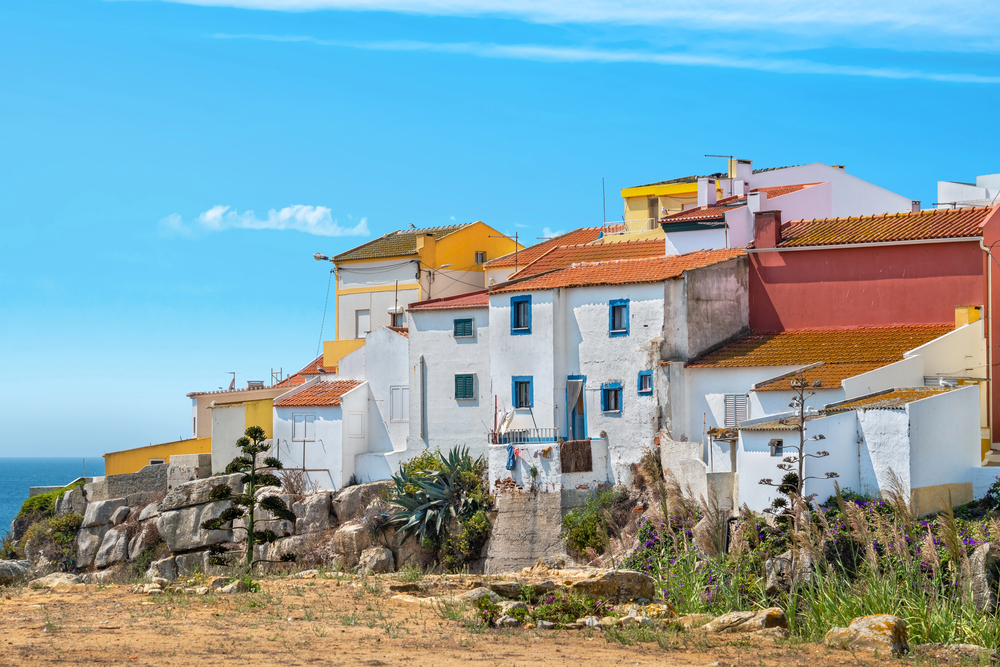
This working fishing port about 60 miles north of Lisbon appeals to nomads who want coastal living without the resort-town polish. Peniche keeps things real—you’ll see fishing boats unloading their catch, locals going about their daily business, and prices that reflect actual Portuguese economics rather than expat inflation.
The surrounding coastline is spectacular, with some of Portugal’s best surfing at nearby Supertubos beach. The town’s coworking scene is modest but growing, and the internet holds up well for video calls and uploads.
It’s less social than places like Lagos or Ericeira, which suits introverts or people on deadline who need fewer distractions.
Funchal
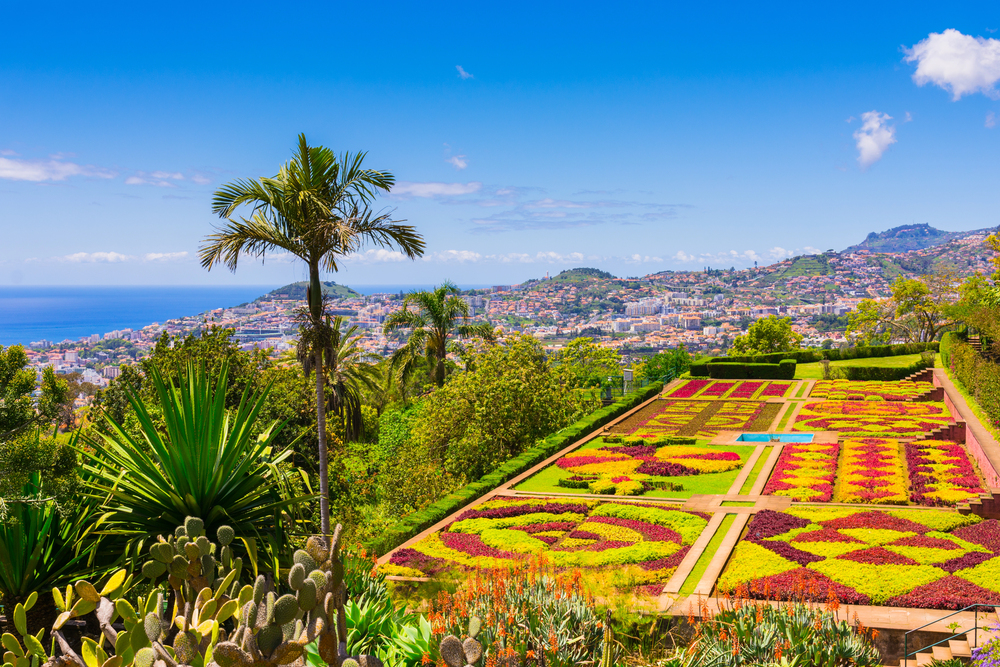
Madeira’s capital sits about 600 miles off the coast of Morocco, offering year-round spring-like weather and dramatic volcanic landscapes. Funchal has positioned itself as a digital nomad hub through initiatives like Digital Nomad Village and Cowork Funchal, creating infrastructure specifically for remote workers.
The island’s isolation means flights to mainland Europe aren’t cheap, but the tradeoff is living somewhere that feels like perpetual vacation. The cost of living is moderate, and the food scene showcases fresh tropical fruits you won’t find on the mainland.
The community here is tight-knit since everyone’s literally on an island together, making it easy to build connections.
Tavira
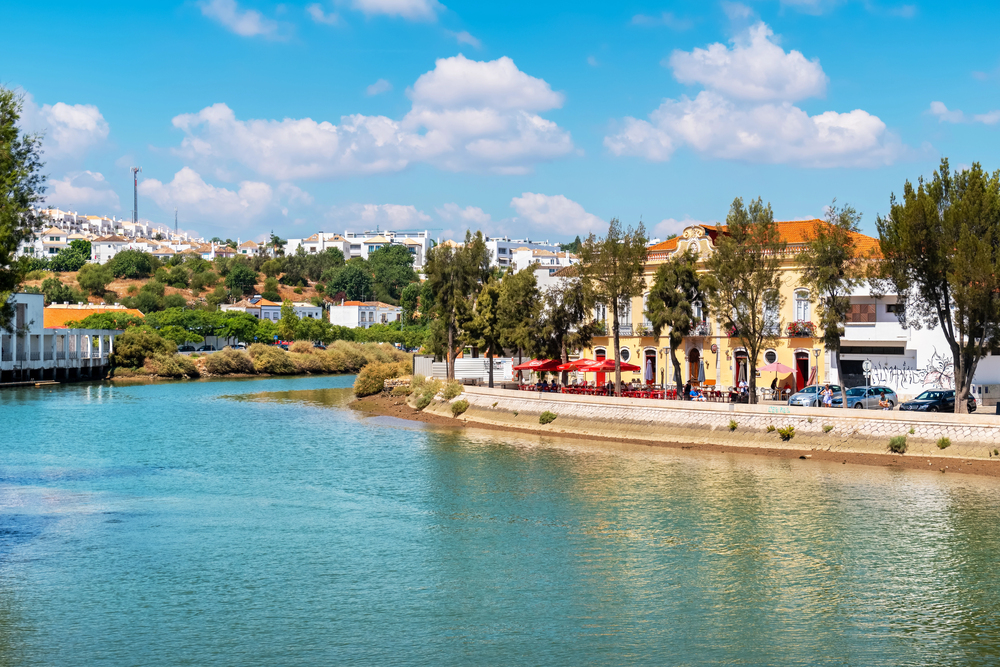
Over in the eastern Algarve, Tavira maintains a quieter, more traditional vibe than its western neighbors. This riverside town is all whitewashed buildings, Roman bridges, and a pace of life that refuses to be hurried.
The beach at Ilha de Tavira requires a short ferry ride, which keeps day-trippers at bay and preserves a local feel. Coworking options are limited but adequate, and most cafes welcome laptop workers during off-peak hours.
Tavira attracts nomads who’ve already done the party scene elsewhere and now want somewhere peaceful to actually get work done. The cost of living is lower than Lagos or Albufeira, and the authenticity factor is off the charts.
Ponta Delgada
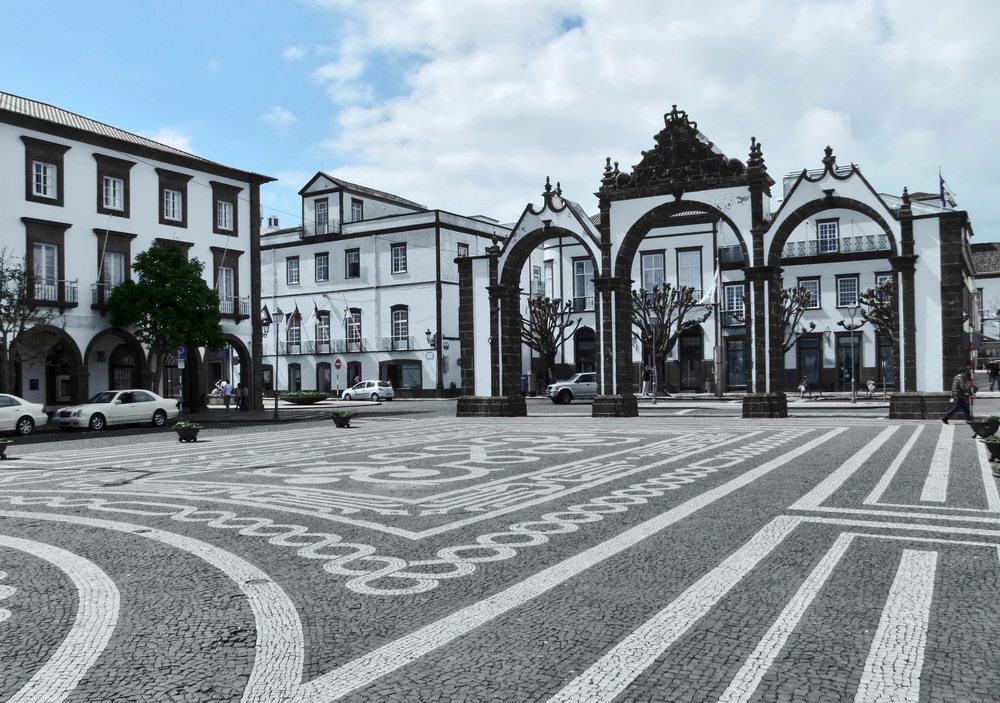
The main city on São Miguel island in the Azores offers a completely different Portuguese experience. Ponta Delgada sits surrounded by volcanic landscapes, hot springs, and some of the Atlantic’s best whale watching.
The digital nomad infrastructure has improved dramatically in recent years, with several coworking spaces and reliable internet throughout the city. Like Madeira, the Azores require flights to reach, but the tradeoff is living somewhere stunningly unique.
The weather is mild year-round though rainier than the mainland, and the cost of living is reasonable. The community is smaller and more adventurous, attracting nomads who prioritize nature and outdoor activities.
Évora

This inland Alentejo city delivers history in spades—we’re talking Roman temples, medieval walls, and a chapel decorated with human bones. Évora sits about 80 miles east of Lisbon on the plains, where summers get properly hot and winters stay mild.
The university town status ensures decent internet and a youthful energy, though the digital nomad scene remains underdeveloped compared to coastal cities. That’s actually the draw for some people—you can live affordably in a UNESCO World Heritage site without tripping over other laptop workers.
The surrounding region is wine country, making weekend exploration especially rewarding. It’s best suited for nomads who want cultural immersion over beach access.
Faro

The Algarve’s capital often gets overlooked as people rush through the airport heading to beach towns, but that’s their loss. Faro offers a genuine Portuguese city experience with university energy, historic old town charm, and easy access to both beaches and the Ria Formosa nature reserve.
The cost of living is lower than tourist-heavy Algarve towns, and the year-round mild climate means you can actually enjoy outdoor work sessions in January. Coworking spaces and cafe culture support remote work, though the scene is more low-key than Lagos or Albufeira.
The airport makes international travel convenient, and the city’s position at the eastern end of the Algarve puts you close to Spain for easy border-hopping.
Nazaré
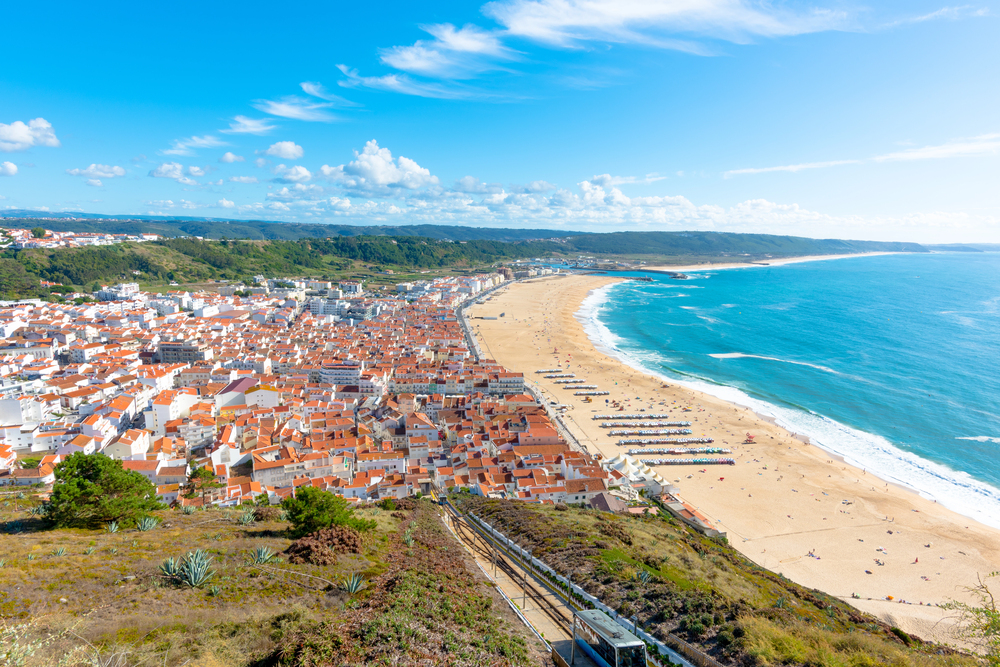
Away from Lisbon, a coastal settlement draws global attention when towering swells arrive each winter – waves among the largest ever ridden by surfers. What stands apart is how daily life continues unchanged, where meals center on seafood cooked over open flames near sand, and clothes flutter between ceramic-trimmed railings above cobbled lanes.
Remote work finds modest support through gradual upgrades in connectivity and minimal shared office spaces. Few outside influences shape the rhythm here; instead, local customs hold steady, keeping prices grounded while offering unfiltered encounters with regional ways.
Those drawn to places shaped by residents, not visitors, may find value in quieter evenings and sparse gatherings.
Why Portugal Keeps Winning
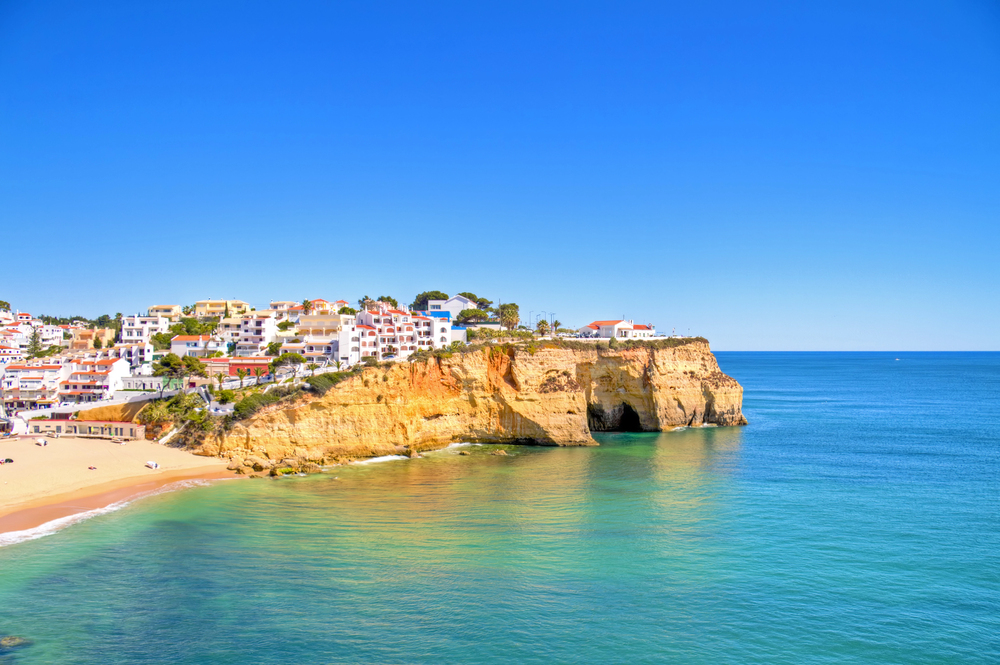
Weather and low-cost wine do not fully explain why digital nomads choose Portugal, yet both remain factors. Remote professionals are welcomed by official residency pathways, upgraded public systems, along with a local mindset favoring integration over temporary stays.
Whether on coastal archipelagos or ancient towns far inland, individuals locate settings suited to personal rhythms without losing access to essentials required for productive online work. Growth in popularity has occurred alongside efforts to maintain genuine character – an uncommon balance amid modern trends shaped heavily by social media imagery.
More from Travel Pug

- Underrated Italian Towns That Beat the Tourist Crowds
- Las Vegas Tourist Traps to Skip
- Prettiest Towns in Every US State
- 18 passport-free countries for Americans
- Signs Your Cruise Is Not Worth The Cost
Like Travel Pug’s content? Follow us on MSN.