

Cities have their own ways to communicate and interact with people through several layers of complexity and, oftentimes, urban developments. Think of streets that do not run straight, neighborhoods that overlap, and minor attractions all silently inviting one to explore the city. The urban areas are packed with adventures waiting for those who step through them slowly and with open eyes to notice them.
Tourists may not remember whole cities for just one major site, but rather for a gradual sense of discovery created by a person’s continuous presence in the city. The following list highlights 16 cities that appear to be made for the curious wanderers, where walking, observing, and following instinct most often lead to the most rewarding moments.
Lisbon

Lisbon feels built for wandering at an unhurried pace. Hills create changing viewpoints that reward effort with wide city and river views.
Trams, tiled buildings, and narrow streets invite detours rather than direct routes. Neighborhoods like Alfama reveal character slowly through sound, texture, and daily routines. The city feels comfortable with getting a little lost.
Kyoto

Kyoto offers layers of discovery that unfold quietly. Side streets often lead to shrines, gardens, or traditional homes without warning.
The balance between nature and architecture encourages slow observation. Even familiar areas change mood depending on light and season. Wandering here feels meditative rather than rushed.
Rome

Rome presents history as part of everyday life rather than something cordoned off. Ancient structures appear between shops and apartments without announcement.
Walking without a strict plan often leads to unexpected plazas and small churches. The city rewards attention to detail rather than speed. Curiosity feels natural here.
Istanbul

Istanbul feels like several cities overlapping at once. Markets, waterfronts, and residential streets flow into one another seamlessly.
Moving between neighborhoods reveals shifts in rhythm, sound, and architecture. The city encourages exploration through contrast. Wandering connects cultures without effort.
Barcelona

Barcelona combines structure with surprise in a way that supports exploration. Wide avenues suddenly give way to narrow historic streets.
Public spaces encourage lingering rather than constant movement. Art and daily life blend naturally. Curiosity here is met with visual variety at every turn.
Tokyo

Tokyo rewards those who explore beyond major hubs. Small streets hide cafes, workshops, and local spaces.
Neighborhoods feel distinct even when separated by only a short walk. Wandering reveals a quieter side beneath the city’s scale. Discovery comes through patience rather than spectacle.
Paris

Paris invites wandering through rhythm and repetition. Similar streets still manage to feel different block by block.
Cafes, bookshops, and parks appear regularly enough to encourage pauses. Walking becomes a way to read the city slowly. Curiosity blends easily with comfort.
Marrakech

Marrakech feels intentionally maze-like in its historic core. Movement here relies more on intuition than maps.
Sounds and scents guide direction as much as signs do. Wandering becomes immersive rather than visual alone. Discovery feels deeply sensory.
San Francisco
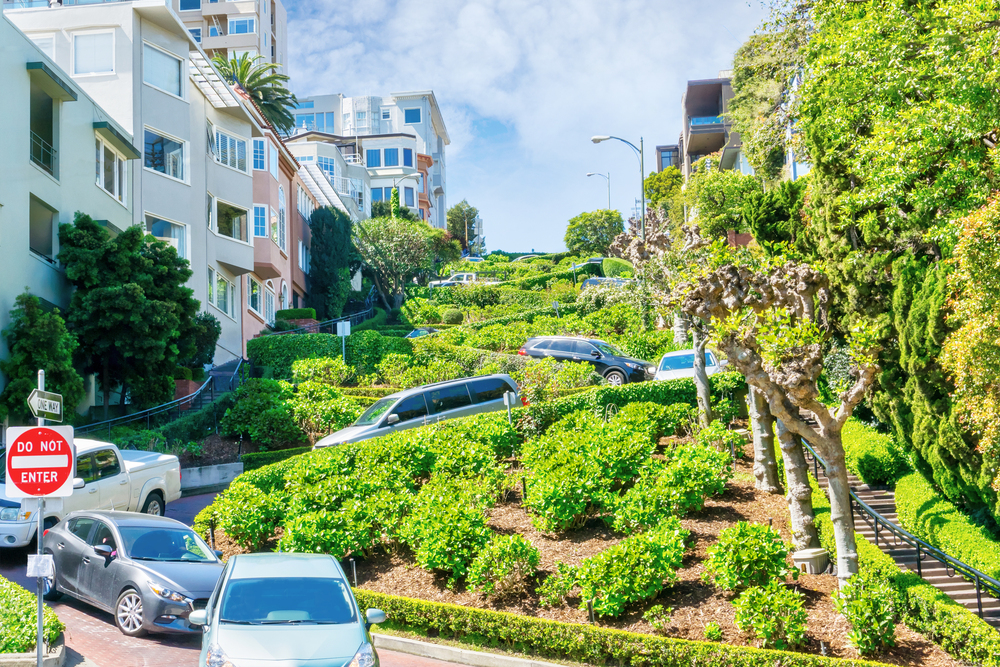
San Francisco’s terrain naturally shapes exploration. Hills create changing perspectives with minimal effort.
Neighborhoods shift personality quickly across short distances. Walking reveals unexpected views of water and skyline. Curiosity is rewarded with constant variation.
Mexico City

Mexico City supports wandering through its layered neighborhoods. Historic streets blend into modern areas without sharp breaks.
Public parks and plazas offer natural resting points. The city encourages long walks that gradually reveal its cultural depth. Exploration feels expansive but grounded.
Venice

Venice removes typical navigation cues, which encourages instinct-led movement. Streets curve and narrow without warning.
Landmarks appear suddenly rather than announcing themselves from afar. Wandering becomes the primary way to understand the city. Curiosity replaces direction.
Edinburgh

Edinburgh feels like a city built on vertical storytelling. Old and new areas exist side by side at different elevations.
Hidden stairways and closes reward those who explore on foot. Views shift dramatically within short distances. Wandering reveals history through layout.
Seoul
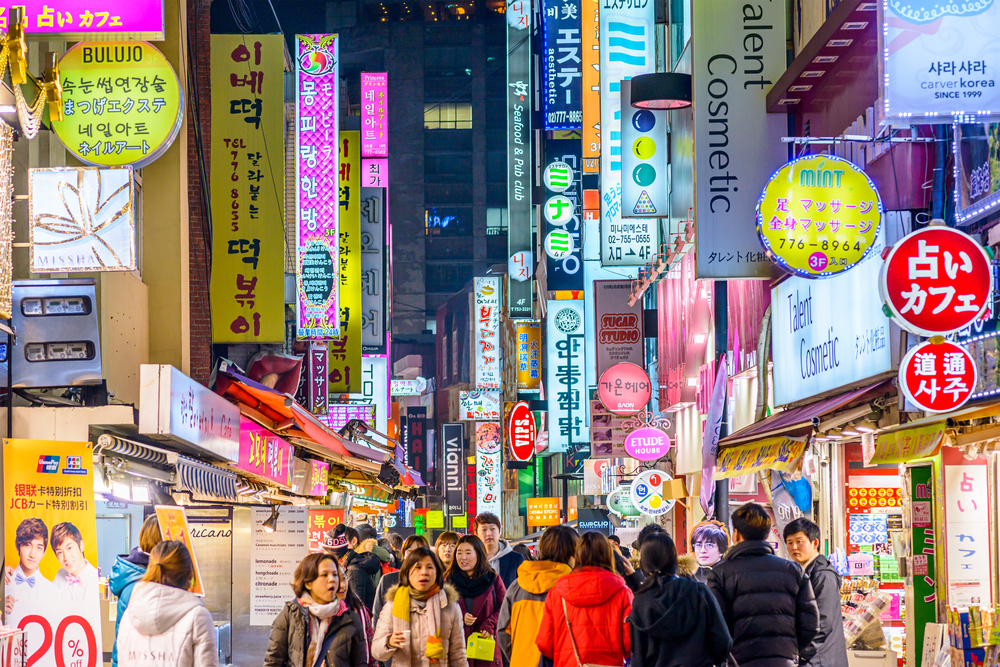
Seoul seamlessly blends modern density with traditional pockets. Neighborhoods feel self-contained yet connected.
Side streets often offer more insight than main roads. Movement through the city feels layered rather than linear. Curiosity is met with contrast and texture.
Havana

Havana encourages slow wandering through rhythm rather than design. Streets feel lived-in and expressive.
Architecture tells stories through wear and adaptation. Wandering here focuses on observation rather than destination. Curiosity connects directly to the atmosphere.
Prague

Prague feels compact and intricate at the same time. Streets curve around historic cores, encouraging circular exploration.
Visual details reward close attention. Wandering feels safe and continuous. Discovery comes easily through walking.
Amsterdam

Amsterdam supports wandering through human-scale design. Canals guide movement without forcing it.
Neighborhoods encourage walking and lingering. The city feels readable yet never boring. Curiosity flows naturally through space.
Where Curiosity Sets the Pace

The urban areas intended for the curious adventurers possess a certain calm assurance in their design and pace. Their attention is not drawn by magnificent shows but rather by their subtleties and easy transitions.
Gradually, these areas come to be known through walking around rather than through guides. Wandering is the very means of understanding culture that need not be expressed. Cities that prioritize exploration over navigation provide a long-lasting bond for the tourists. Space for curiosity transforms the traveling experience from just physical to one of significance.
More from Travel Pug

- Underrated Italian Towns That Beat the Tourist Crowds
- Las Vegas Tourist Traps to Skip
- Prettiest Towns in Every US State
- 18 passport-free countries for Americans
- Signs Your Cruise Is Not Worth The Cost
Like Travel Pug’s content? Follow us on MSN.