

Paris draws millions of visitors each year with its iconic landmarks, world-class museums, and charming neighborhoods. Unfortunately, this popularity also attracts scammers who target distracted tourists in crowded areas.
While most Parisians are genuinely welcoming, knowing about these common cons can help you stay safe and enjoy your trip without losing money or valuables. Here is a list of 15 common scams to avoid in Paris.
Friendship Bracelet Trick

Around Montmartre, particularly on the stairs leading to Sacré-Cœur, you’ll encounter friendly people with colorful strings who offer to make you a ‘free’ bracelet. They’ll grab your hand or wrist before you can refuse, quickly tying a string around it.
Once the bracelet is on, they become aggressive and demand payment, sometimes with accomplices nearby to intimidate you. The best defense is keeping your hands in your pockets and firmly saying no while walking away without stopping.
Fake Petition Signatures

Groups of people, often young women holding clipboards, approach tourists near major landmarks like the Eiffel Tower and Notre Dame claiming to collect signatures for charitable causes. The petitions look legitimate with many signatures already on them, but they’re completely fake.
After you sign, they demand a donation, sometimes becoming aggressive or blocking your path. While you’re distracted with the clipboard, an accomplice may pickpocket you. Just walk past them without engaging, and never stop to sign anything from strangers on the street.
Three Cups Shell Game

This classic con happens around tourist hotspots, especially near the Eiffel Tower and Montmartre. A person shuffles three cups with a small object hidden underneath while bystanders bet on which cup it’s under.
What looks like an easy game is actually rigged, and the ‘winners’ in the crowd are part of the scam team. You’ll lose every time because the game master palms the object or uses sleight of hand. Don’t even stop to watch, as pickpockets often work the distracted crowd.
Gold Ring Discovery

Someone walking near you along the Seine or around major tourist sites will suddenly ‘find’ a gold ring on the ground and ask if you dropped it. When you say no, they’ll claim it must be valuable and offer to sell it to you at a bargain price.
The ring is worthless costume jewelry, usually brass or cheap metal. Some scammers are elderly women who seem trustworthy, which makes this con particularly effective. Just keep walking and don’t engage with anyone who ‘finds’ something near you.
Rose Offering

Young men approach tourists, particularly couples, near restaurants and romantic spots, extending a rose as a ‘gift’. The moment you accept it, they aggressively demand payment, sometimes following you down the street.
They often target the male partner of a couple, creating social pressure to pay. The roses usually cost far more than they’re worth. When you see someone approaching with flowers, change your path, keep your arms folded or in your pockets, and look away.
Pickpocketing Tactics

Paris pickpockets work crowded areas like the metro (especially lines 1 and 4), the Eiffel Tower, and Montmartre, often operating in teams. One person bumps into you or asks for directions while another lifts your wallet or phone.
They also target people checking maps on their phones or fumbling with tickets. Keep your bag zipped and in front of you, never carry valuables in back pockets, and stay alert in crowded spaces. Anti-theft bags with slash-proof straps and locking zippers help significantly.
Restaurant Price Gouging

Tourist restaurants near major attractions charge inflated prices, particularly targeting non-French speakers. Recent investigations found some establishments charging tourists up to 50% more than locals for identical meals.
Common tricks include presenting menus without prices, offering expensive bottled water instead of free tap water, charging for bread that should be complimentary, and adding unauthorized tips to card payments. Always check posted menus before entering, specifically ask for ‘une carafe d’eau’ for free tap water, and watch the card machine screen when paying.
Unlicensed Taxi Drivers

Fake taxi drivers wait inside airport terminals and train stations, approaching tired travelers with offers of rides. Official Paris taxi drivers never solicit passengers inside buildings, so anyone who approaches you offering a taxi is running a scam.
These unlicensed drivers charge two to four times the official rates and sometimes refuse to turn on meters. Always follow signs to official taxi stands, wait in the proper queue, and confirm the fixed airport rates before getting in.
Overcharging By Licensed Taxis

Even official taxi drivers sometimes overcharge tourists, particularly near the Eiffel Tower and at night. They might claim the meter is broken and quote a flat fee that’s triple the real price, take unnecessarily long routes, or turn on the meter halfway through the trip.
From Paris airports, there are fixed rates to the city center that drivers must honor. Always insist the meter is turned on from the start, know the approximate cost beforehand, and refuse flat fee offers within Paris.
Fake Metro Staff

People in official-looking uniforms approach confused tourists at metro stations, offering to buy tickets for them. They pocket the difference between adult and child fares or give you expired tickets.
Real metro staff stay behind official counters and ticket booths. Always purchase tickets yourself from machines or legitimate windows, and politely decline anyone offering to ‘help’ you buy tickets outside these official spots.
Kicked Cup Guilt Trip

A scammer sits on the ground with a transparent cup full of coins positioned where you’ll likely kick it as you walk by. After you accidentally knock it over, they act distressed and guilt you into giving money to ‘replace’ the lost coins.
Some versions involve beggars pushing the cup into your path intentionally. If this happens, just apologize and keep walking without giving money. It’s a setup designed to exploit your sense of guilt.
ATM Skimming Devices
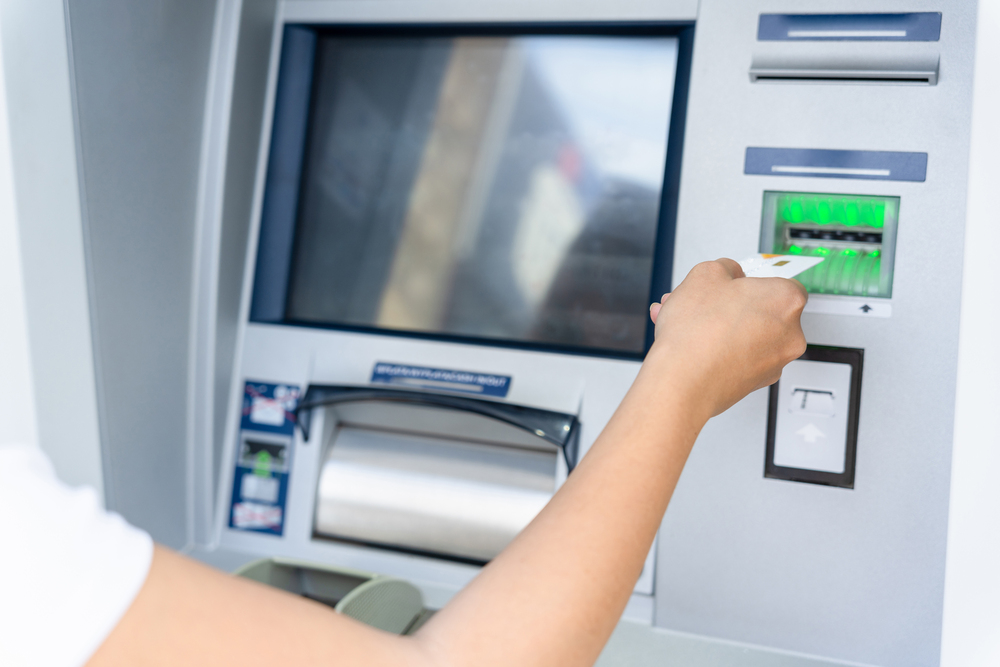
Criminals place card-reading devices on ATMs, especially at tourist-heavy locations, to steal your card information and PIN. Some fake ‘helpful’ people also offer assistance at ATMs and steal your details.
Only use ATMs inside bank branches during business hours, shield your PIN when entering it, and check for anything that looks odd or loose on the machine. Regularly review your statements for unauthorized charges.
Aggressive Street Vendors

Vendors around major attractions like the Eiffel Tower sell counterfeit goods and use high-pressure tactics. They’ll push items into your hands or let you inspect merchandise, then demand payment once you’ve touched it.
Some follow tourists persistently, completely ruining the experience. Don’t make eye contact, don’t touch anything they offer, and walk away immediately. Purchase souvenirs from licensed shops instead.
Fake Attraction Tickets

Scammers sell counterfeit tickets to museums and attractions on the street or through fake websites. You’ll discover they’re worthless when you try to enter.
Some set up convincing-looking stands near popular sites or create professional fake booking websites. Only buy tickets from official museum counters, legitimate ticket machines, or the attraction’s official website. If someone approaches you on the street offering tickets, it’s a scam.
Tuk-Tuk Price Manipulation

Most tuk-tuks around popular sights don’t have valid permits or coverage. You’re shown a fee – then told it’s per passenger once the trip ends, so they ask way more than listed.
A few act aggressive if you won’t hand over extra cash. These rides often run off the books, tied to underground groups. Rather than risk it, try the subway, licensed cabs, or rental bikes.
Staying Street-Smart In Paris

These tricks keep going since they target weary travelers caught off guard, trying not to offend. Stay sharp, listen to your gut, yet recall – real shops never push hard or hide costs.
If it smells wrong, leave fast with no excuses. Sure, Paris is still amazing to wander through; knowing these usual traps lets you enjoy stunning buildings, awesome meals, while skipping scam fears.
More from Travel Pug

- Underrated Italian Towns That Beat the Tourist Crowds
- Las Vegas Tourist Traps to Skip
- Prettiest Towns in Every US State
- 18 passport-free countries for Americans
- Signs Your Cruise Is Not Worth The Cost
Like Travel Pug’s content? Follow us on MSN.