

European supermarkets reveal a lot about a place—more than museums or tourist sites sometimes. Walking through a Carrefour in France or a Lidl in Germany shows you what locals actually eat, what flavors they prefer, and how much they’re willing to pay for it.
The snack aisles particularly matter when you’re traveling on a budget or just want to try local products without committing to a full restaurant meal. Some countries absolutely nail the supermarket snack game while others mostly stock generic international brands.
The best European supermarkets combine variety, quality, and affordability while showcasing regional specialties you won’t find elsewhere. Here is a list of 15 European supermarkets with the best snacks.
Mercadona in Spain
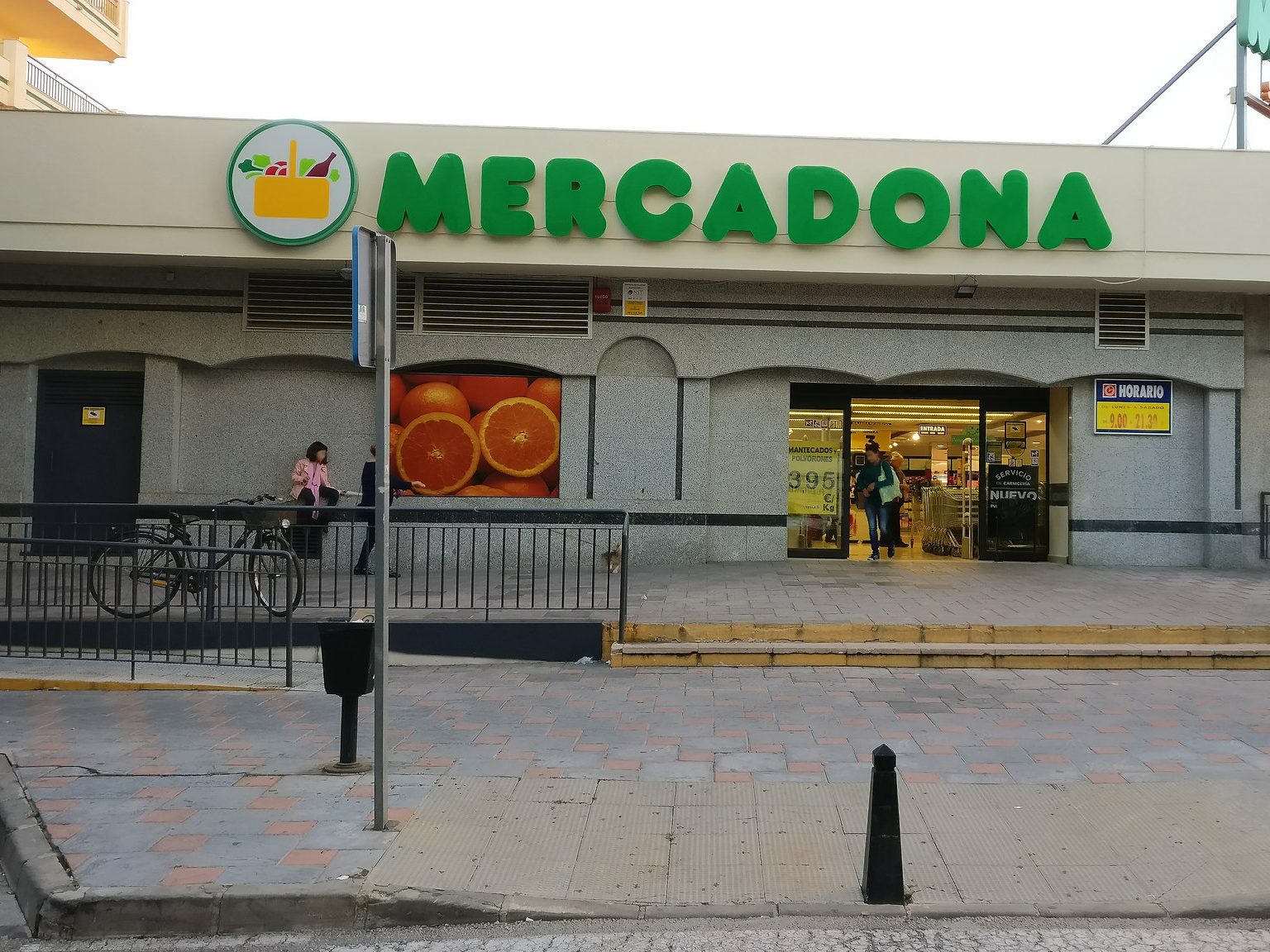
Mercadona dominates Spain with its private label products that locals swear by. The snack selection includes excellent jamón chips, salted Marcona almonds, and their house brand chocolate-covered almonds that rival expensive versions.
They’ve got regional products from different parts of Spain—look for turrón from Alicante and polvorones from Andalusia. The prepared olives section is massive with varieties you’ve never heard of.
Prices are reasonable, and the quality consistently beats what you’d expect from a discount supermarket.
Aldi in Germany
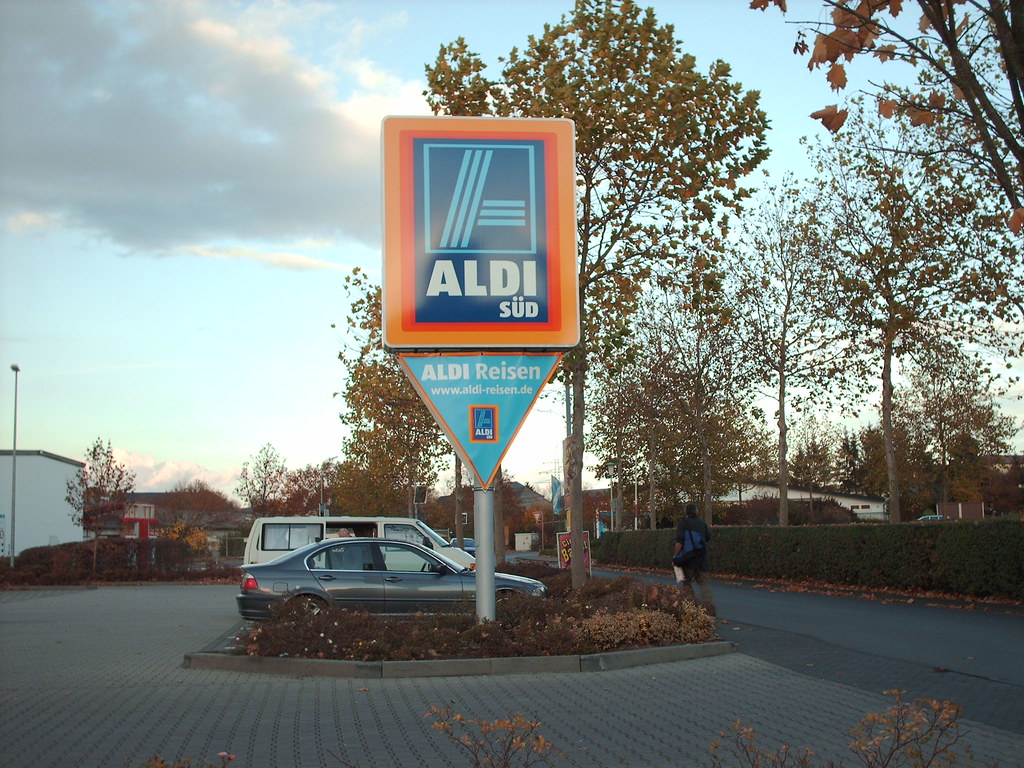
German Aldi (the original) takes snacks seriously. Their pretzel selection alone is impressive—different sizes, with salt, without salt, with sesame seeds.
The chocolate aisle runs deep with quality German brands at low prices. Seasonal items rotate frequently, so you’ll find different cookies and chocolates depending on when you visit.
The private label gummy candies are surprisingly good. Haribo is German, so obviously they stock every variety imaginable.
Don’t sleep on their marzipan products.
Carrefour in France
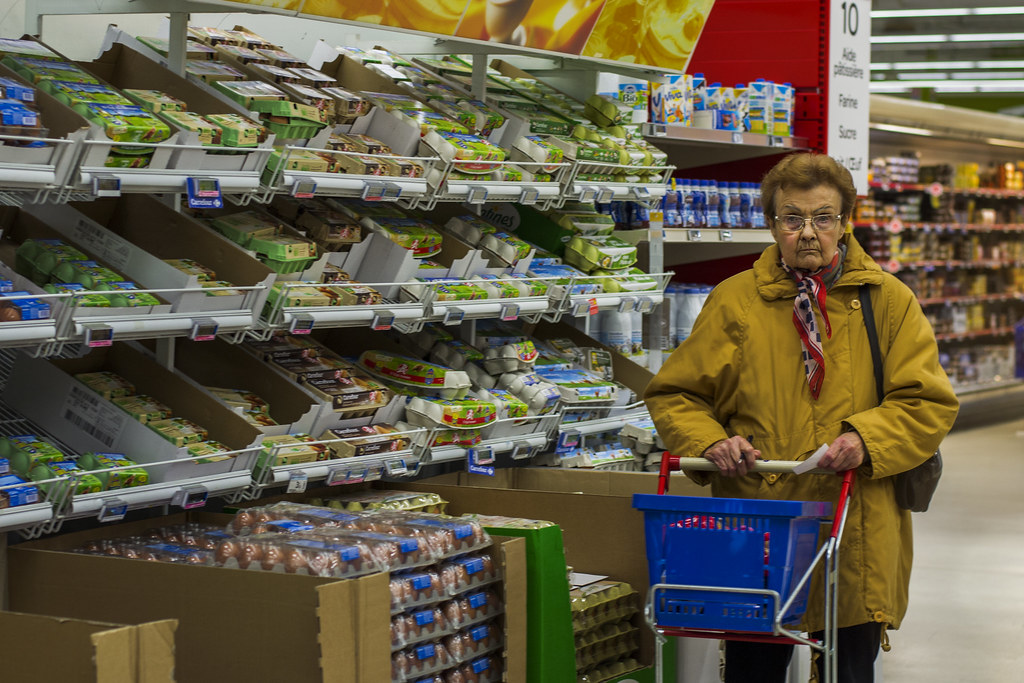
French supermarkets understand that snacking can be sophisticated. Carrefour’s cheese section functions as a snack destination—grab a wedge of Comté or some Brie with crackers and you’re set.
Their biscuit aisle has French cookie varieties like palmiers, madeleines, and palets bretons. The chocolate selection includes quality French brands alongside international options.
Regional products get their own section, so you can find Breton butter cookies in Brittany and calissons in Provence. The wine and cheese combo possibilities are endless.
Lidl across Europe
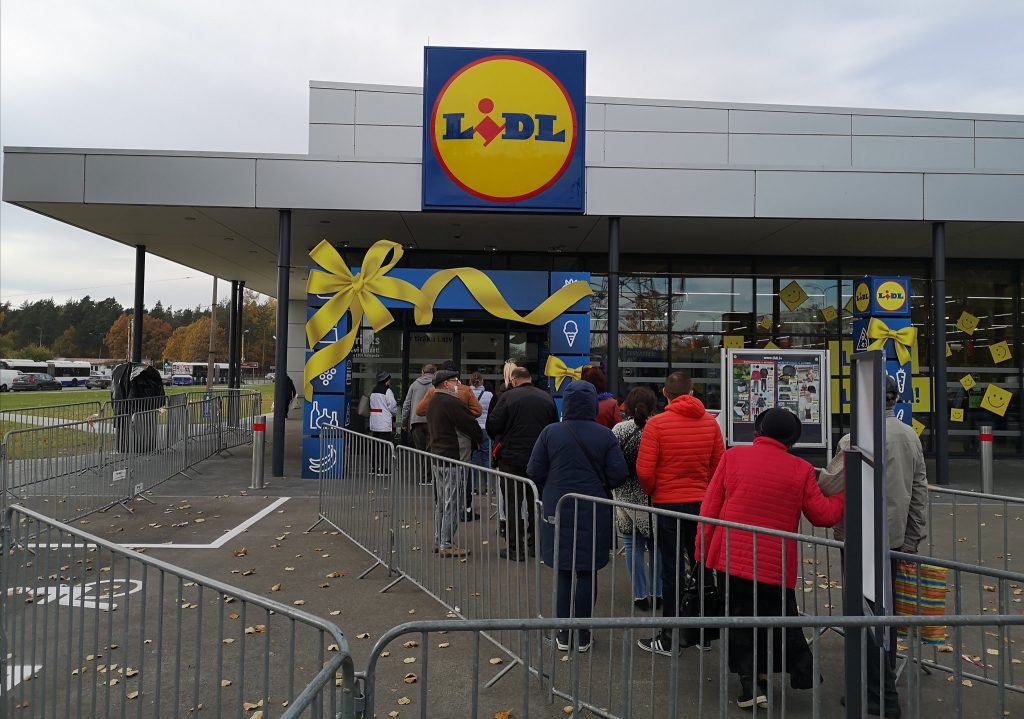
Lidl operates in multiple European countries and adapts its snack selection to local tastes while maintaining some consistent products. The German Lidl has different snacks than the Spanish Lidl or Italian Lidl.
Their private label products are consistently good—the chocolate, cookies, and chips all punch above their weight for the price. The weekly specials often include interesting imported snacks.
The middle aisle randomly has things like Turkish delight or Greek honey cookies depending on what they’re promoting that week.
Albert Heijn in the Netherlands
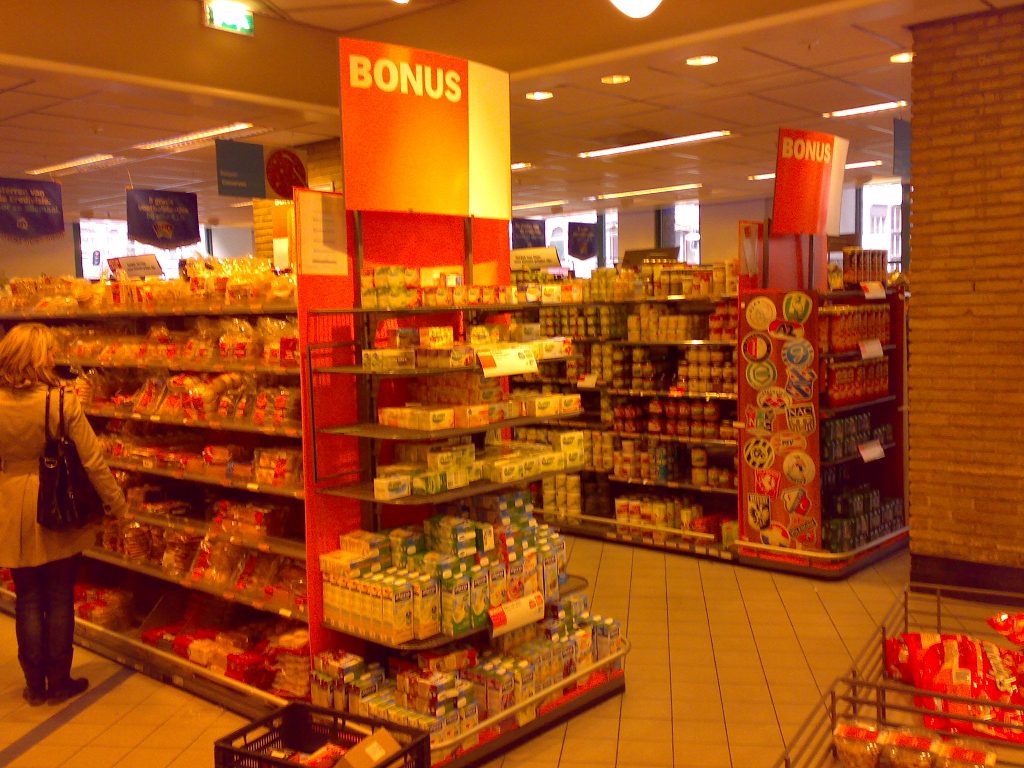
Albert Heijn is the Netherlands’ biggest supermarket chain and their snack game is strong. Stroopwafels are available in about twenty varieties, from mini versions to chocolate-covered ones.
They stock excellent Dutch licorice including the salty kind that foreigners usually hate but is worth trying. The cheese section obviously features Gouda and Edam, but also younger, creamier varieties good for snacking.
Their house brand chocolate is quality stuff. The peanut butter selection is extensive since the Dutch love their pindakaas.
Migros in Switzerland
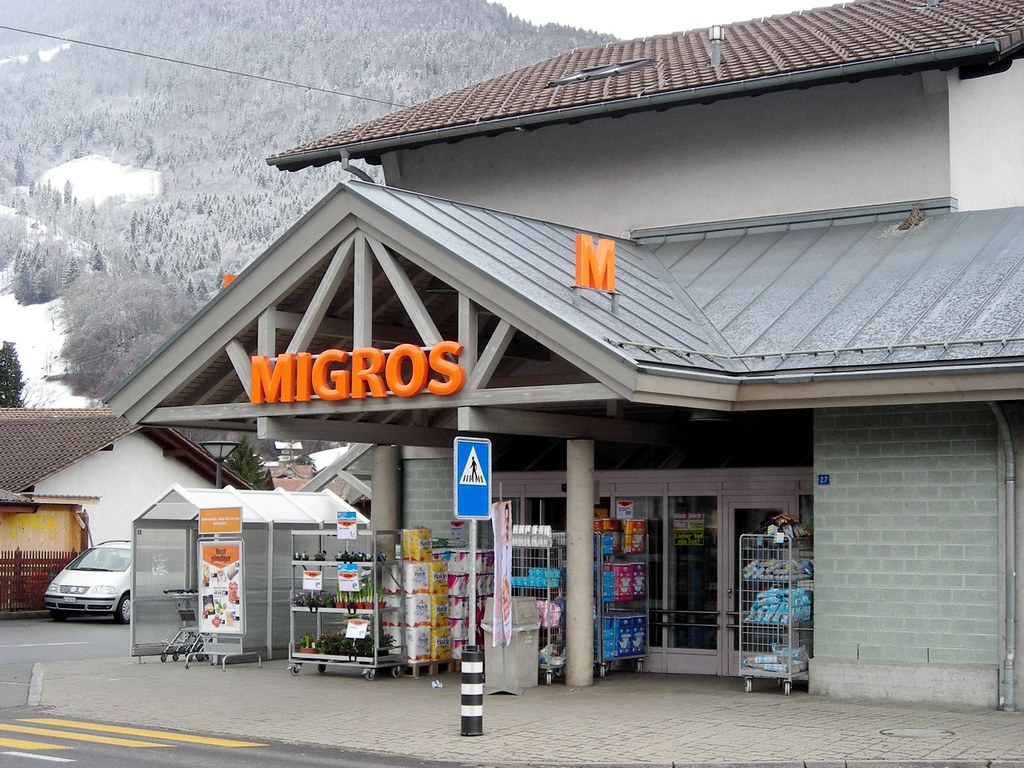
Swiss supermarkets are expensive, but Migros keeps prices more reasonable than competitors. Their snack selection leans heavily on Swiss chocolate—they stock all the major brands plus their own quality private label chocolate.
Swiss cookies and biscuits are buttery and rich. The muesli selection reflects Switzerland’s breakfast culture with dozens of varieties.
They’ve got excellent Swiss cheese in convenient snack-sized portions. Regional specialties appear depending on which part of Switzerland you’re in.
Intermarché in France
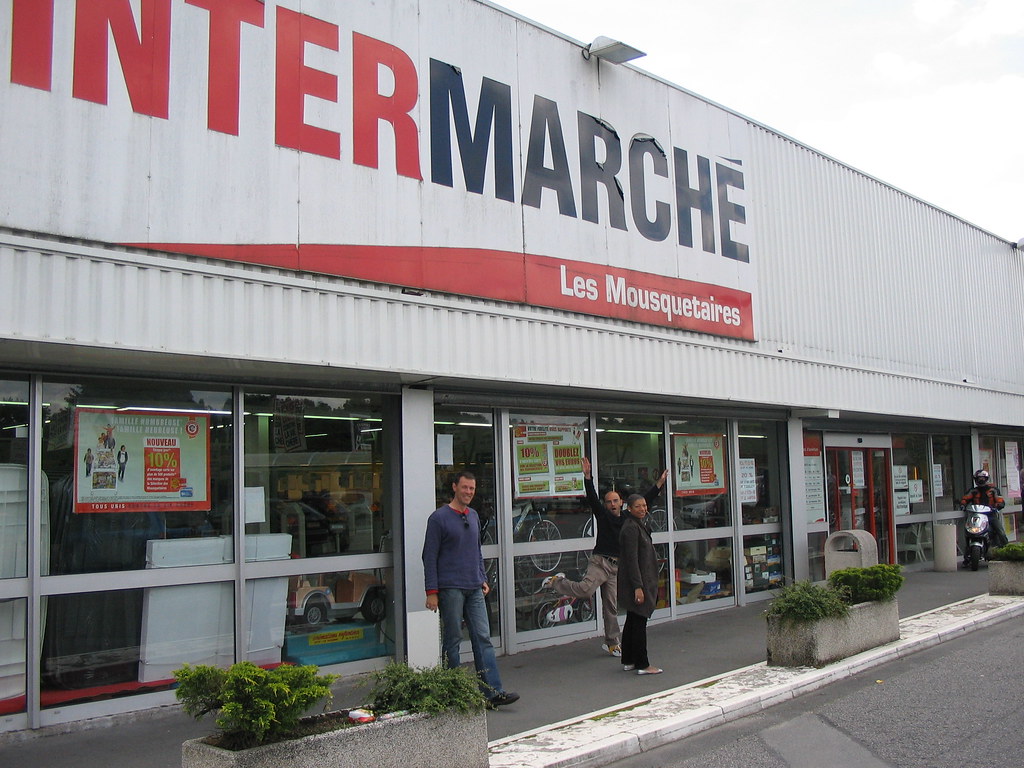
Intermarché focuses more on regional French products than Carrefour does. The snack selection varies significantly by location—in Normandy you’ll find local apple products and calvados-flavored treats, while in the South they stock nougat and candied fruits.
Their private label biscuits are good and cheap. The charcuterie section works well for putting together a snack plate.
They often have local producers supplying unique items you won’t find in chain stores elsewhere.
Tesco in the UK
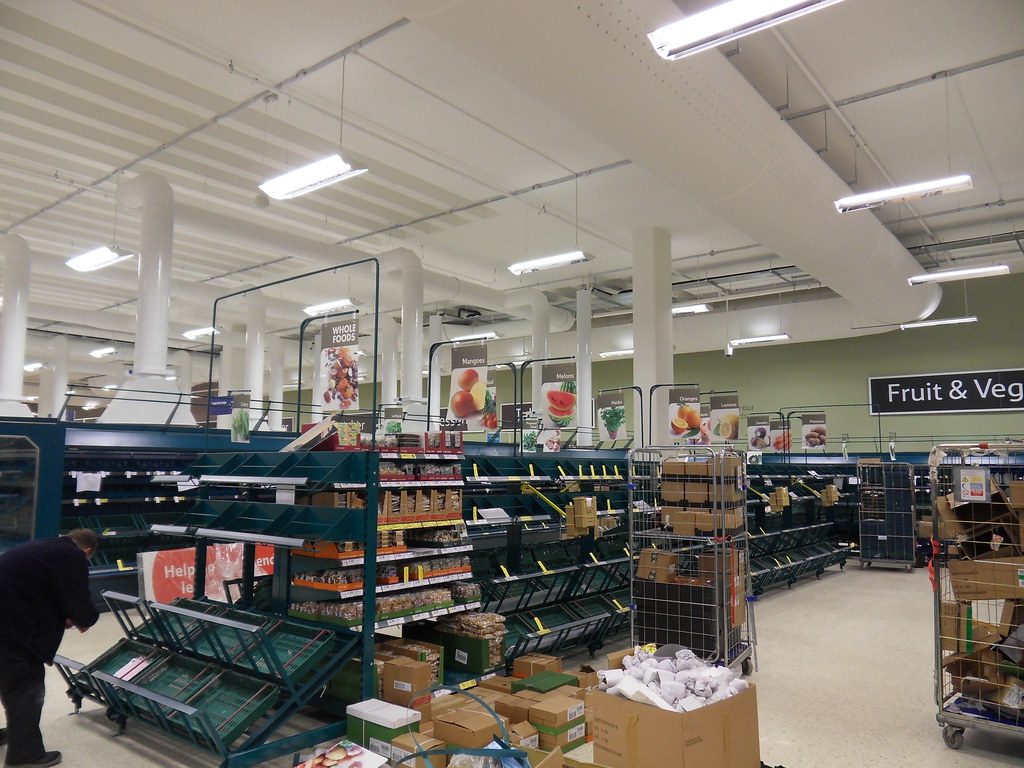
British Tesco has a massive snack selection reflecting the UK’s love of crisps (chips) and biscuits (cookies). The crisp aisle is genuinely overwhelming with dozens of flavors including things like roast chicken, prawn cocktail, and Worcestershire sauce.
The biscuit selection includes all the British classics—digestives, hobnobs, Jaffa cakes. They stock quality UK chocolate brands like Cadbury and Galaxy.
The meal deal combination of sandwich, snack, and drink for a set price is perfect for budget travelers.
Rewe in Germany
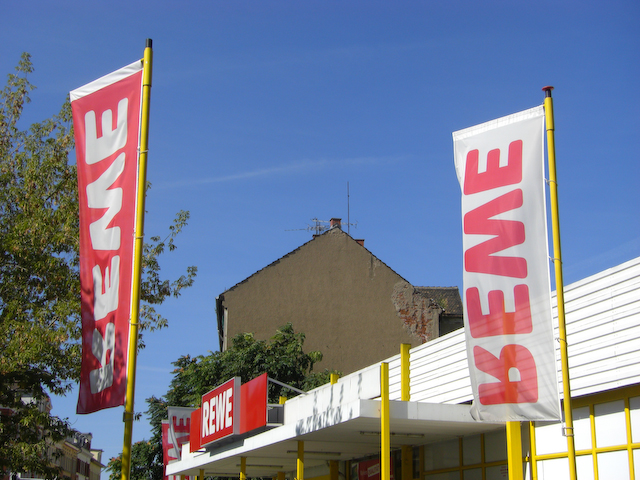
Rewe operates throughout Germany with a more upscale feel than Aldi or Lidl. Their snack selection includes higher-end German chocolate brands, artisanal pretzels, and quality nuts.
They stock regional specialties depending on location—Black Forest products in Baden-Württemberg, beer-flavored snacks in Bavaria. The organic section has interesting alternatives to mainstream snacks.
Their private label products maintain decent quality while staying affordable. The bakery section has fresh pretzels and pastries that technically count as snacks.
Esselunga in Italy
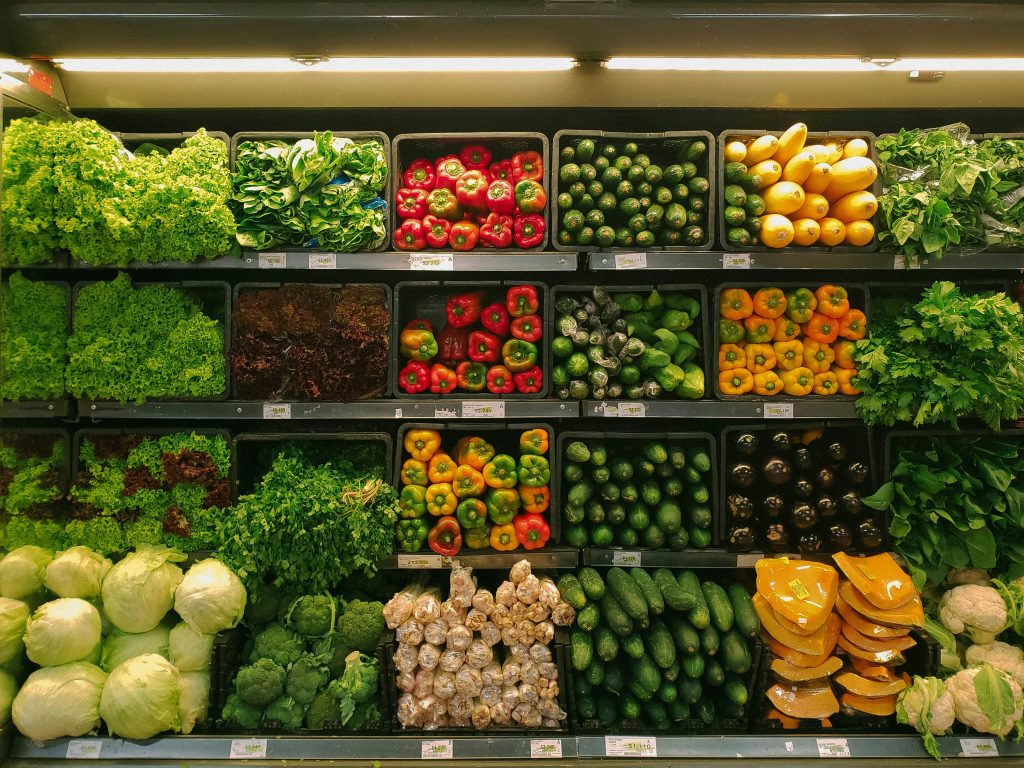
Italian supermarkets understand that snacking often means cheese, salami, and olives rather than pre-packaged cookies. Esselunga’s cheese counter offers regional Italian cheeses perfect for snacking—aged Parmigiano-Reggiano, creamy Taleggio, sharp Pecorino.
The salami and cured meat selection is extensive with products from different regions. They stock quality Italian chocolate brands and traditional cookies like amaretti and biscotti.
The olive selection includes varieties from across Italy with different cures and flavors.
Continente in Portugal
Portuguese supermarkets stock snacks reflecting the country’s Atlantic and Mediterranean influences. Continente has excellent canned seafood—sardines, mackerel, and tuna in various preparations that work as snacks with crackers.
Portuguese pastries like pastéis de nata are available pre-packaged, though bakery versions are better. They stock regional cheeses from Serra da Estrela and the Azores.
The chocolate selection includes Portuguese brands alongside international ones. Dried fruits and nuts from the Algarve are available in bulk.
Żabka in Poland
Żabka convenience stores are everywhere in Poland and function more like small supermarkets. They stock Polish snacks including various flavored wafers, dried sausage suitable for snacking, and Polish chocolate brands.
The pierogi selection in the frozen section works as a snack if you have access to a microwave. They’ve got pickled vegetables that Poles snack on.
The energy bar and nut selection caters to people grabbing quick snacks. Prices are reasonable and they’re open late.
Bonus in Iceland
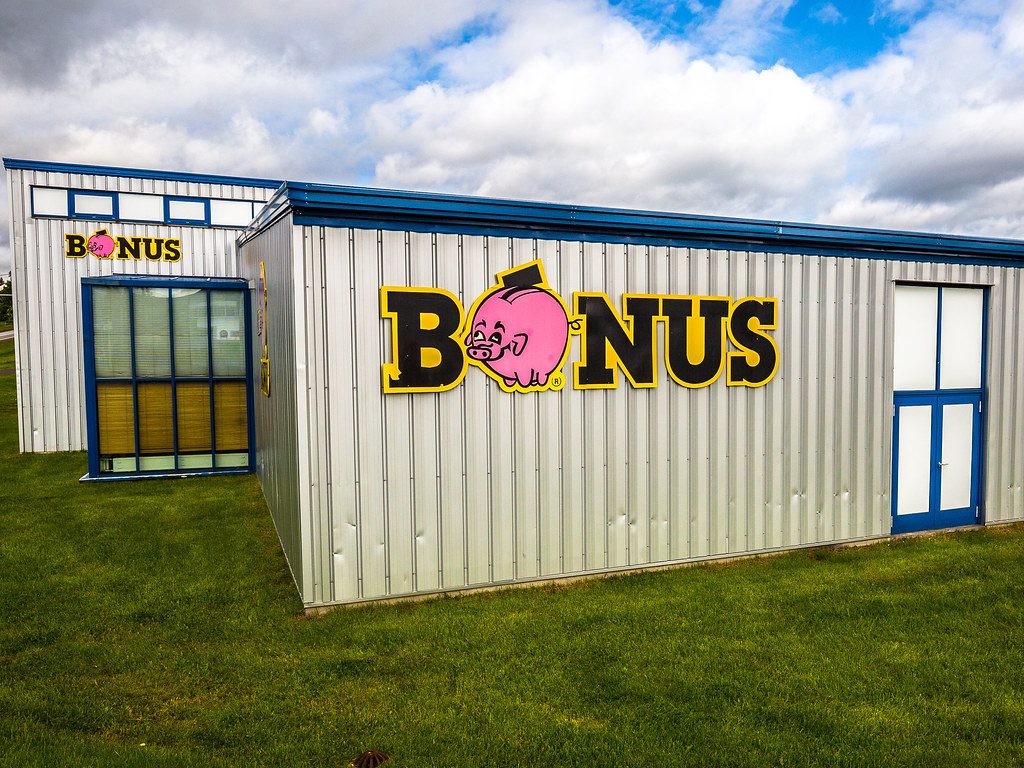
Iceland is expensive, but Bonus (the budget chain) makes snacks more affordable. They stock Icelandic chocolate brands including the excellent Omnom chocolate.
Icelandic licorice appears in many forms, often mixed with chocolate. Dried fish is available as a traditional Icelandic snack, though it’s an acquired taste.
They stock skyr in various flavors, which while technically dairy, works as a snack. The rye bread crisps are good for pairing with cheese or smoked salmon.
Biedronka in Poland
— Illustration by krzysztof12
This Polish discount chain (owned by the same company as Portugal’s Pingo Doce) offers low prices on Polish and international snacks. They stock all the Polish chocolate and cookie brands at prices lower than other supermarkets.
The cheese selection includes Polish varieties alongside imported ones. Seasonal items rotate frequently with different treats around holidays. Their house brand snacks provide solid quality at budget prices.
The alcohol selection includes Polish beers and vodkas at very reasonable prices.
Coop in Scandinavia
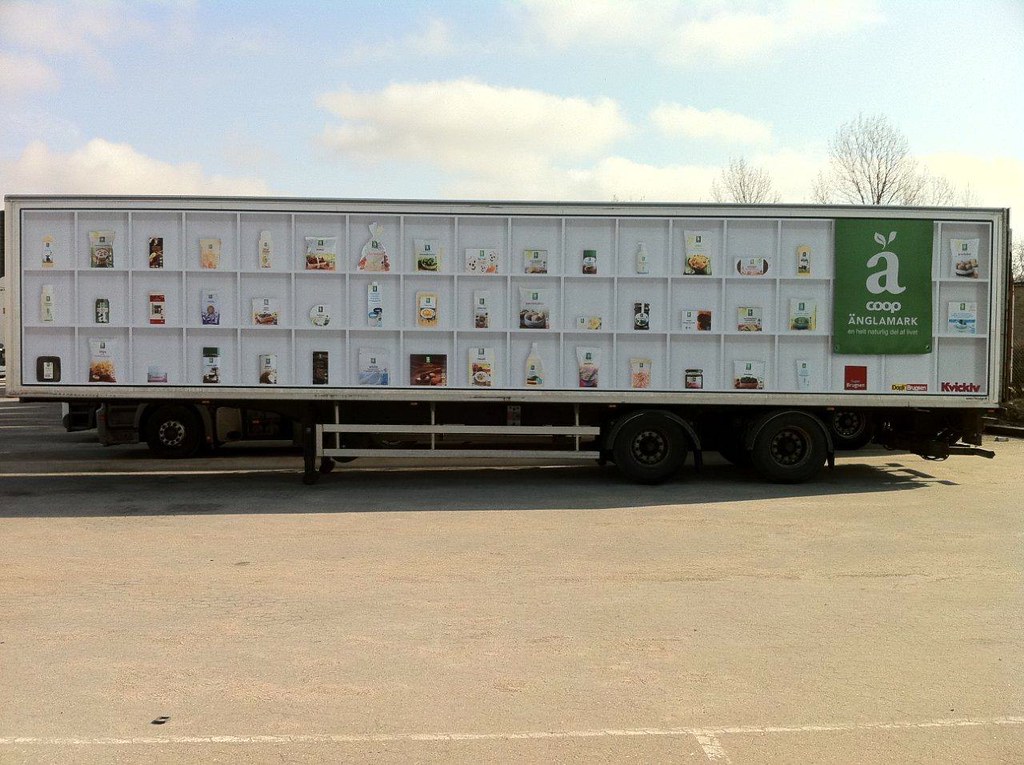
Coop operates across Scandinavian countries with regional variations. The Norwegian and Swedish versions stock Scandinavian chocolate brands like Marabou and Freia that are excellent.
They’ve got dried reindeer meat as a protein snack in northern regions. The crispbread selection is extensive with various rye and wheat options.
Scandinavian licorice products are available including Finnish salty licorice. The fish section includes gravlax and other cured fish suitable for snacking.
Everything is expensive because of Scandinavia, but Coop’s house brands help.
Snacks tell stories
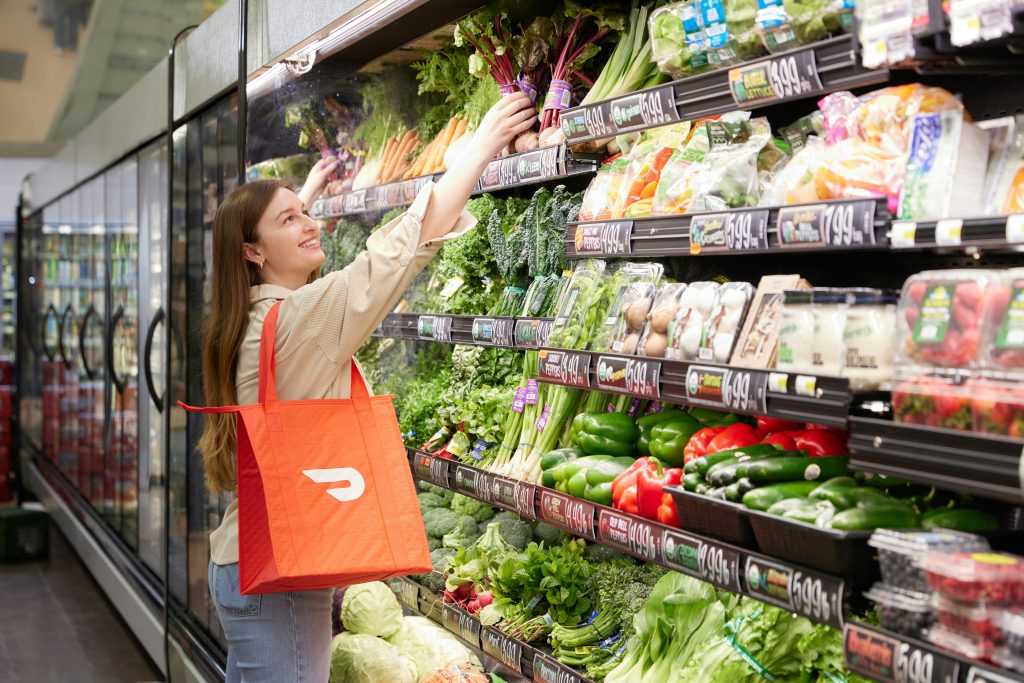
European supermarkets reveal cultural priorities—French supermarkets dedicate serious space to cheese and wine, German ones feature endless bread and sausage varieties, Spanish ones stock more olive products than you knew existed. The snack aisles specifically show what comfort food means in different places.
British people want crisps and biscuits, Germans want chocolate and pretzels, Italians want cheese and salami, Spanish people want jamón and olives. Wandering through supermarkets while traveling provides cultural insights while also solving the practical problem of needing food.
Plus, supermarket snacks make great souvenirs—they’re cheap, lightweight, and actually useful unlike another snow globe or keychain. Your friends back home would rather have French cookies or German chocolate anyway.
More from Travel Pug

- Underrated Italian Towns That Beat the Tourist Crowds
- Las Vegas Tourist Traps to Skip
- Prettiest Towns in Every US State
- 18 passport-free countries for Americans
- Signs Your Cruise Is Not Worth The Cost
Like Travel Pug’s content? Follow us on MSN.