

Two capitals separated by mere hours yet worlds apart in character—Ho Chi Minh City pulses with entrepreneurial energy while Phnom Penh carries the weight of both ancient kingdoms and recent tragedy. Together, these Southeast Asian powerhouses offer travelers a journey through French colonial grandeur, brutal modern history, and rapid urban transformation that few other city pairs can match.
Here’s a comprehensive guide to the essential places, hidden gems, and cultural experiences that define these two remarkable capitals.
War Remnants Museum

The most visited museum in Ho Chi Minh City delivers an unflinching look at the Vietnam War through Vietnamese eyes. Displays include captured American military equipment, including tanks and aircraft that sit outside like metallic monuments to conflict.
Inside, photographs document wartime atrocities with stark honesty. Not easy viewing. But essential for understanding how this conflict shaped modern Vietnam.
Royal Palace complex

Phnom Penh’s shimmering Royal Palace serves as the seat and residence of Cambodia’s royal family since the 1860s. The spired-roof pavilions showcase classic Khmer architecture at its finest.
Silver Pagoda survived the Khmer Rouge era and still houses national treasures such as the Emerald Buddha and the gold Maitreya Buddha. Cover your shoulders and knees—strict dress codes apply.
Independence Palace

Originally called Norodom Palace, this was once the home to the president of South Vietnam during the Vietnam War and the site of the end of the Vietnam War. Tank number 843 crashed through these very gates on April 30, 1975.
Wander the grand halls. Explore underground bunkers. The reunification hall remains the centerpiece, frozen in time like a political time capsule.
Tuol Sleng Genocide Museum

It was here, in the Khmer Rouge’s Security Prison S-21, that some of the regime’s worst torture atrocities were carried out. Approximately 14,000–17,000 prisoners passed through Tuol Sleng between 1975 and 1979; only a handful survived.
Sometimes there’s a man who visits this prison to tell travelers about his time as a prisoner there. He survived by fixing typewriters. His presence transforms statistics into human reality.
Notre Dame Cathedral

The Notre-Dame Cathedral is the most iconic. It was completed in 1880 by French colonists. The twin bell towers reach a height of 58 meters, making this Ho Chi Minh City’s most recognizable landmark.
Red bricks were imported directly from France. Currently under renovation, but the exterior remains magnificent for photographs.
Landmark 81

This elegant 81-storey, 461m (1,515 ft) Carlos Zapata–designed skyscraper dwarfs all around it. Vietnam’s tallest building offers killer city views from the observation deck.
For the very best view in town, you should definitely snag tickets to go to the top. The $17 ticket price becomes worthwhile when the Saigon River stretches below like a brown ribbon through urban sprawl.
Choeung Ek Killing Fields

Choeung Ek lies off Monireth Boulevard and serves as a memorial to the victims of the Khmer Rouge. A Buddhist stupa now houses over 5,000 skulls—a sobering reminder of genocide’s human cost.
The audio guide includes survivor testimonies. Prepare emotionally. This experience changes how you see Cambodia forever.
Ben Thanh Market

As far as must-see attractions in Ho Chi Minh City go, Ben Thanh Market ranks highly on almost everyone’s bucket list. It offers a wide range of goods, from clothing to souvenirs and local cuisine.
But honestly? It’s overpriced and touristy. Better souvenirs exist at the Central Post Office, where haggling isn’t required and prices stay reasonable.
Café Apartment

This decaying nine-story complex once housed American military officers during the Vietnam War. Today, dozens of boutiques, cafés, and restaurants now occupy the former apartment units.
Exploring the halls and different shops is super fun. Views from the ninth floor reward the climb. The building’s weathered facade tells stories without words—imagine Air Force colonels sipping morning coffee where hipsters now serve flat whites.
National Museum of Cambodia

The National Museum of Cambodia is home to the world’s finest collection of Khmer sculpture: a millennium’s worth and more of masterful Khmer design. The museum, built of red bricks by the French in 1917 in a pseudo-Khmer style, is built around a courtyard.
Pre-Angkor pieces dating to the 4th century sit alongside post-Angkor works. Essential preparation for understanding Cambodia’s artistic heritage before visiting the temples of Angkor.
Saigon Central Post Office

The city’s landmark French-era post office is a period classic, designed by Marie-Alfred Foulhoux (though often credited to Gustave Eiffel). Still fully functional despite tourist hordes taking selfies.
Maps of old Cochinchina adorn the walls. You can mail postcards home while admiring colonial architecture. Tourist attraction meets practical service—a rare combination.
Jade Emperor Pagoda

Incense smoke creates an otherworldly atmosphere in this atmospheric temple dedicated to the supreme Taoist god. Delightfully fronted by greenery and opening to an interior blaze of red, gold, green, and yellow, this is one of the most beautifully ornamented temples.
Statues of various deities crowd the interior. Turtle pond out back adds tranquility. And the smell—sandalwood mixed with burning joss sticks—stays with you for hours.
Wat Phnom

Set on top of a tree-covered knoll 27 m (89 ft) high, Wat Phnom is the only hill in town. One of the oldest and most sacred temples in the city that dates all the way back to the 14th Century.
Legend says a woman named Penh discovered four Buddha statues here, deposited by Mekong waters. The city takes its name from this hill—Phnom Penh literally means “Penh’s Hill.”
Sisowath Quay

Sisowath Quay is the name given to Phnom Penh’s waterfront and it’s a great spot for people-watching. Evening brings locals and tourists together along this buzzy riverside promenade.
There’s always something going on. Street food vendors, flag displays from various nations, families taking evening strolls. Perfect for sunset drinks and river views.
Cu Chi Tunnels

Visitors can also try a supervised shooting range with historical firearms such as the AK-47 or M60, though the main highlight remains exploring the wartime tunnel system.
Crawl through narrow passages. Mind your head. The experience gives a new appreciation for Viet Cong endurance and ingenuity during decades of conflict.
Where past meets future
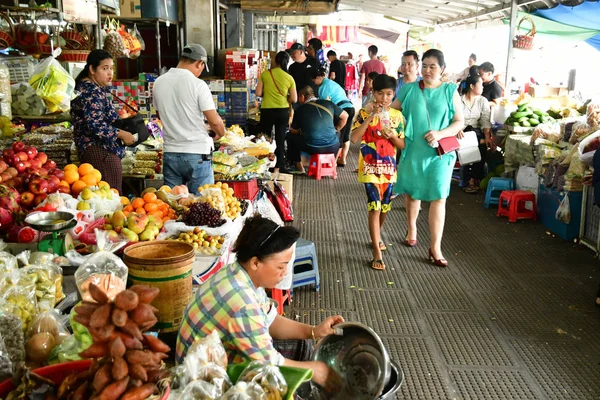
These two capitals showcase Southeast Asia’s remarkable ability to honor tragic history while embracing rapid modernization. Ancient pagodas stand beside gleaming skyscrapers. Genocide memorials neighbor trendy coffee shops. Street vendors work in the shadows of luxury malls.
Travel between them reveals not just two cities, but two nations still writing their stories.
More from Travel Pug
- Underrated Italian Towns That Beat the Tourist Crowds
- Las Vegas Tourist Traps to Skip
- Prettiest Towns in Every US State
- 18 passport-free countries for Americans
- Signs Your Cruise Is Not Worth The Cost
Like Travel Pug’s content? Follow us on MSN.