

You found the perfect flight: it’s direct and unbeatable in price.
The hotel looks great, the rental car is affordable, and all the pieces of this travel puzzle are falling into place.
Then comes checkout, and suddenly that budget-friendly trip costs hundreds more than you planned.
Welcome to the world of hidden travel fees, where the sticker price is rarely what you actually pay.
The travel industry has made an art out of fee-stacking.
The biggest 10 airlines worldwide pulled in over $54 billion in ancillary fees for 2023 alone.
Meanwhile, hotels tack mandatory charges onto nearly every reservation.
That rental car you booked for a reasonable-sounding $30 a day? That can balloon to three times that amount once all the add-ons pile up.
These are not accidents or oversights but are carefully laid out so that the services appear late in the course of the booking process when you’re already emotionally invested in the trip.
Here’s a closer look at where your vacation money actually goes, and how to keep more of it in your pocket.
Baggage fees that punish packers
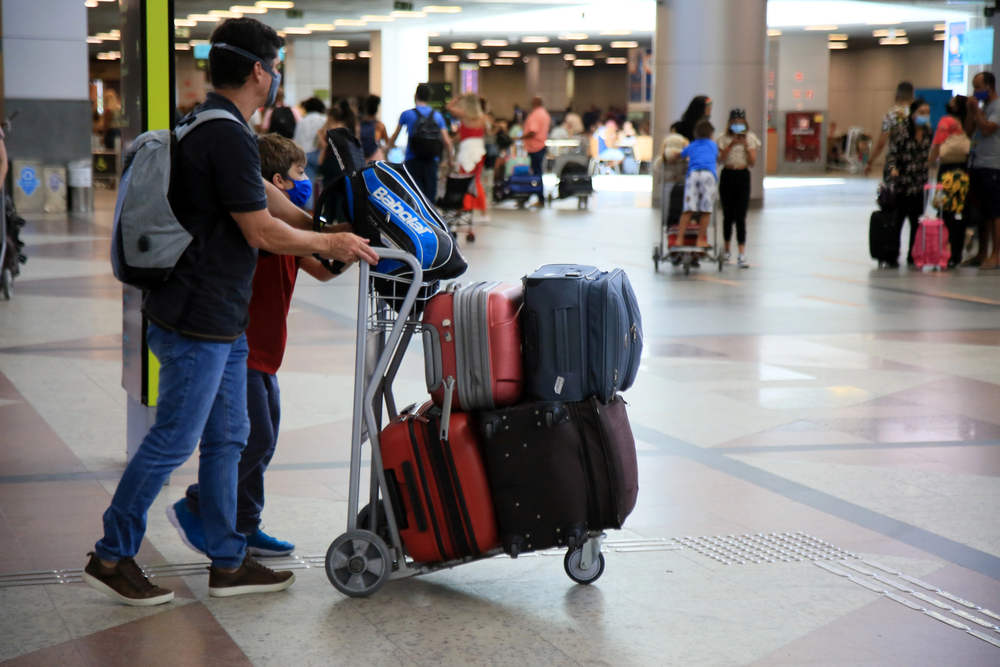
Checked-bag fees have become so routine that travelers barely blink anymore.
Most major airlines charge between $30 and $35 for a standard checked bag on domestic flights, but that’s just the starting point.
Pack a few extra pounds, and you could face overweight charges of up to $450 for a single bag.
Budget carriers like Spirit and Frontier take it further, charging for carry-on bags too.
That backpack you assumed was free? It might cost you $65 each way if it doesn’t fit under the seat in front of you.
The shift happened gradually.
Airlines unbundled services that used to be standard, turning them into revenue streams.
In just the first three quarters of 2023, travelers paid $5.5 billion in checked-bag fees alone.
The psychology works because that base fare looks appealing in search results, even though most people end up paying far more.
Prepaying for bags online usually saves $5 to $10 per bag compared to airport prices, but many travelers don’t realize the markup exists until they’re standing at the counter.
Airline loyalty programs and co-branded credit cards offer one escape route.
Free checked bags for cardholders can easily justify an annual fee if you fly even a few times per year.
Some programs extend the perk to companions traveling on the same reservation, multiplying the value.
The alternative is packing light and mastering the art of the personal item, which remains free on most carriers.
Seat selection charges that separate families
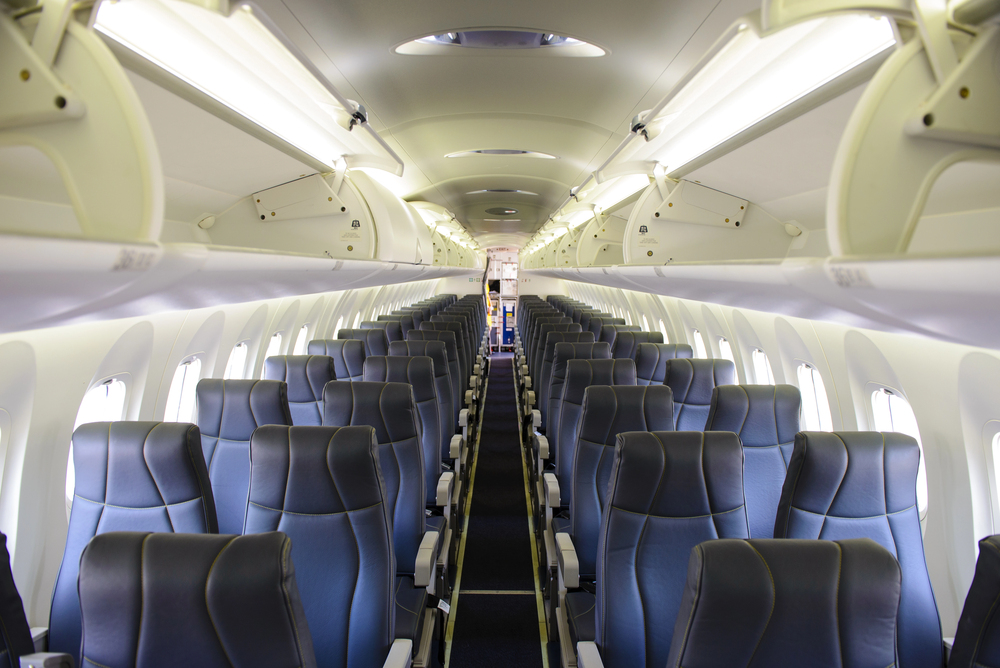
Airlines discovered they could charge extra for something that used to be automatic.
Want a window seat? That’ll be $25 to $50 per flight segment with many carriers.
Need extra legroom or want to sit near the front of the cabin? Those premium economy seats can run $100 or more each way.
Some airlines, particularly in Europe and on budget carriers, charge up to $319 for seats with additional space.
The real sting comes when traveling with kids.
Basic economy fares often don’t include seat assignments, meaning families get scattered throughout the plane unless they pay up.
Airlines bank on parents coughing up the fee rather than risking their six-year-old sitting three rows away.
It’s a calculated pressure point that generates massive revenue with minimal cost to the airline.
Most carriers will assign seats for free at check-in, usually 24 hours before departure.
The catch is you get whatever’s left, which might be middle seats in the back.
For solo travelers or couples without strong preferences, that’s often fine.
Families and groups need to weigh whether the certainty is worth the cost or gamble on seats opening up.
Resort fees that hide the true cost

Hotels mastered the art of fee deception with resort fees, also called facility fees or destination fees.
These mandatory charges, sometimes reaching 25% of the room rate, supposedly cover amenities like pool access, Wi-Fi, and gym use.
The problem is you can’t opt out even if you never use a single amenity.
A $150-per-night room becomes $187 once the mandatory $37 resort fee appears at checkout.
Las Vegas pioneered the practice, but it spread nationwide.
Luxury properties in major cities routinely tack on $40 to $50 per night in fees that don’t show up in the advertised rate.
Travel advocate Lauren Wolfe, who founded the website Kill Resort Fees, calls them the only travel fee with no correlation to any actual service.
Unlike parking or breakfast, where you pay only if you use them, resort fees hit every guest regardless.
The regulatory landscape is shifting.
The FTC’s new rules, which took effect in May 2025, require upfront disclosure of all mandatory fees.
Hotels can no longer hide resort fees until final checkout.
Major chains like Marriott and Hilton have started eliminating resort fees in response to both legal pressure and consumer frustration.
Some Las Vegas properties dropped the fees ahead of the June 2025 federal deadline.
Still, hotels are finding creative workarounds.
One traveler reported an ‘urban fee’ of $30 per night at a Los Angeles hotel, essentially a resort fee under a different name.
Rental car surprises that multiply daily rates

The advertised price for rental cars rarely includes the avalanche of extras that appear at the counter.
Insurance coverage leads the pack, with agents pushing collision damage waivers, liability protection, and personal effects coverage.
These can add $30 to $50 per day to your rental, even though most travelers are already covered by their personal auto insurance or credit card benefits.
Toll passes present another trap.
Rental companies charge convenience fees for using their transponders, often $10 to $15 per day plus the actual toll costs.
Bringing your own pass or avoiding toll roads saves money, though it requires planning your route carefully.
Additional driver fees run $10 to $15 per day at most agencies, though many waive the charge for spouses or loyalty program members.
One-way rentals carry hefty surcharges, sometimes hundreds of dollars, because the company has to reposition the vehicle.
Fuel policies vary widely and matter more than most renters realize.
The “full to full” option is usually cheapest if you return the car with a full tank.
Prepaying for a tank of gas almost always costs more than filling up yourself, and the ‘return empty’ option charges premium rates per gallon.
Early or late returns can trigger penalties, too, especially if you booked a weekly rate but return the car a day early.
Credit card and booking fees that sneak in

Transaction fees have become the fee that dare not speak its name.
Airlines like Spirit and Frontier charge up to $22.99 just for booking online.
Pay with a credit card at some hotels or restaurants, and a three to 5% processing fee might appear on your bill.
One traveler reported a 3% “credit card fee” even after offering cash, suggesting the fee had morphed into a standard surcharge masquerading under a misleading label.
Third-party booking sites add their own layers.
Service fees, convenience charges, and processing costs can inflate the final price beyond what you’d pay if booking directly with the airline or hotel.
These platforms display low initial prices in search results but reveal the extras during checkout.
Booking directly often provides better control over changes and cancellations, plus access to loyalty program benefits that third-party sites can’t offer.
Some credit card fees are harder to avoid.
International transaction fees of 3% apply to most standard credit cards when booking hotels or flights abroad.
Travel-specific credit cards typically waive these fees, which adds up on longer trips.
Currency conversion fees work similarly, turning up when you pay in your home currency instead of the local one at foreign merchants.
Early and late charges at hotels

Hotels have perfected the art of charging for time itself.
Early check-in fees range from $25 to $100, depending on the property and how early you arrive.
Late checkout works the same way, with hotels charging extra for staying past the standard 11 a.m. or noon departure time.
Some properties charge half the room rate for late checkout, while others use fixed fees.
The fees exist because hotels need time to turn rooms between guests, but the charges feel arbitrary when the room sits empty.
Elite members of hotel loyalty programs often receive late checkout as a perk, usually until 2 or 4 p.m.
Some hotels offer late checkout for free when occupancy is low, but you have to ask nicely at the front desk.
Timing matters too.
Requesting late checkout the night before works better than asking the morning of departure.
Parking fees add insult to injury in many cities.
Urban hotels charge $30 to $60 per night for parking, which is often mandatory.
Valet parking costs even more, with additional tip expectations.
Some hotels present parking as optional in their fine print but don’t offer realistic alternatives, effectively making it mandatory for guests arriving by car.
Airport charges and transportation markups
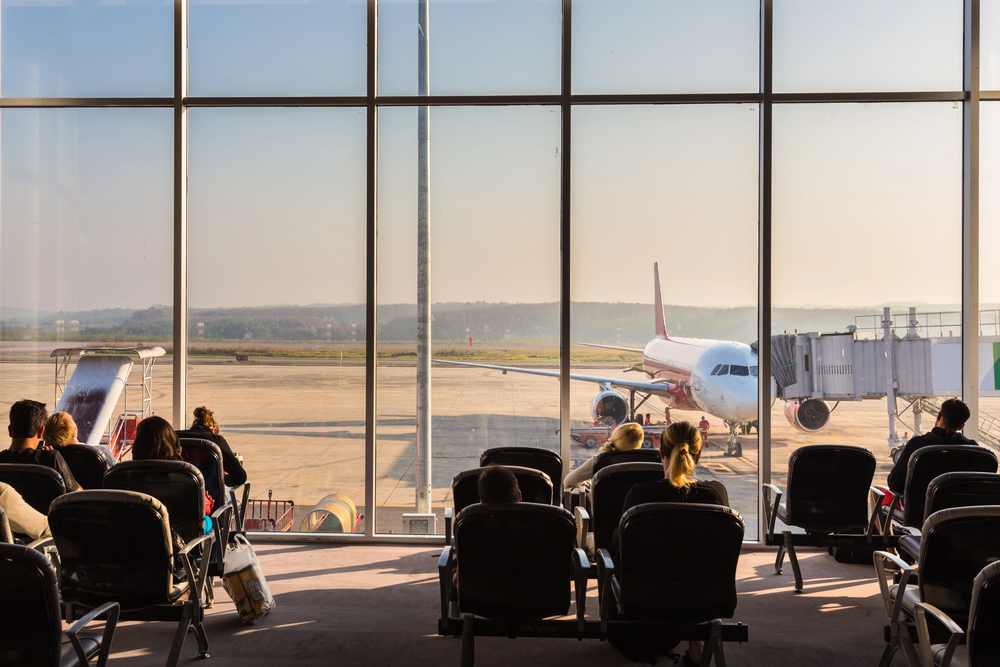
Getting to and from the airport generates its own fee ecosystem.
Airport shuttle services that used to be complimentary now cost $15 to $30 each way at many hotels.
Rideshare prices surge during peak travel times, sometimes doubling or tripling normal rates.
Traditional taxis have their own markups, with flat-rate airport fees that exceed metered fares for the same distance.
Airport parking amplifies the pain for those driving themselves.
Daily rates at airport lots run $15 to $40, with closer lots charging premium prices.
Long-term parking seems cheaper until you calculate the total for a week-long trip.
Off-site parking lots near airports offer shuttles and lower rates—usually $8 to $15 per day—but add the inconvenience of an extra stop.
Public transportation offers the most economical option where available, though not all airports have good connections.
Some cities charge premium fares for airport-specific train or bus routes, adding a few dollars to the standard transit cost.
The key is researching transportation options during trip planning, not while standing at baggage claim trying to figure out the cheapest way home.
Check-in fees that punish paper
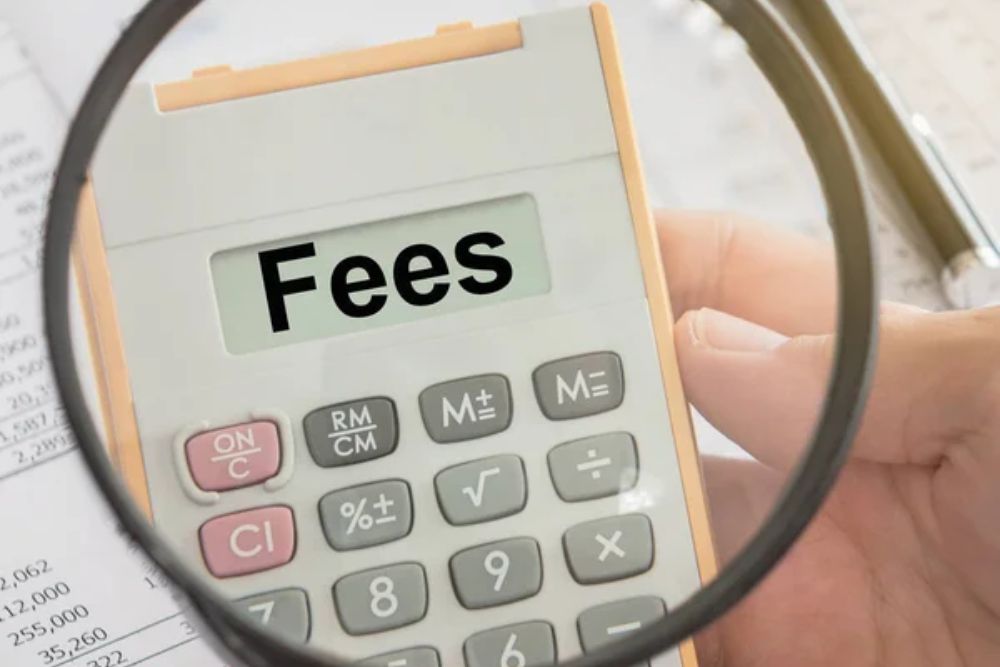
Budget airlines discovered they could charge for something most travelers assumed was free.
Frontier Airlines charges up to $25 per passenger for checking in with an agent and printing boarding passes at the airport.
Even checking in online costs $5 per direction on Frontier.
Ryanair and similar European carriers pioneered the practice, training travelers to check in digitally or face steep penalties.
The fees serve dual purposes: generating revenue and pushing passengers toward self-service options that reduce airline staffing costs.
Most travelers now check in online within 24 hours of departure, getting used to the ritual of downloading boarding passes to their phones.
The system works until your phone dies, the app crashes, or you can’t access mobile boarding passes for technical reasons.
Then you’re stuck paying airport fees you never expected.
Some airlines tie check-in fees to fare classes.
Basic economy tickets might include free online check-in but charge for airport counter service.
Higher fare classes include everything, though you’ve already paid more for the ticket.
The fee structure creates tiers that encourage travelers to upgrade or, at a minimum, use digital services that cost the airline less to provide.
The transparency push and what it means
Federal regulators finally noticed that advertised prices rarely matched what travelers actually paid.
The FTC’s rule on unfair or deceptive fees took effect in May 2025, requiring businesses to disclose all mandatory fees upfront.
Hotels can no longer hide resort fees until checkout.
Airlines must show total prices, including mandatory charges, in their initial search results.
The White House set a June 2025 deadline for full fee disclosure across the travel industry.
Major airlines and hotels are pushing back even as they comply.
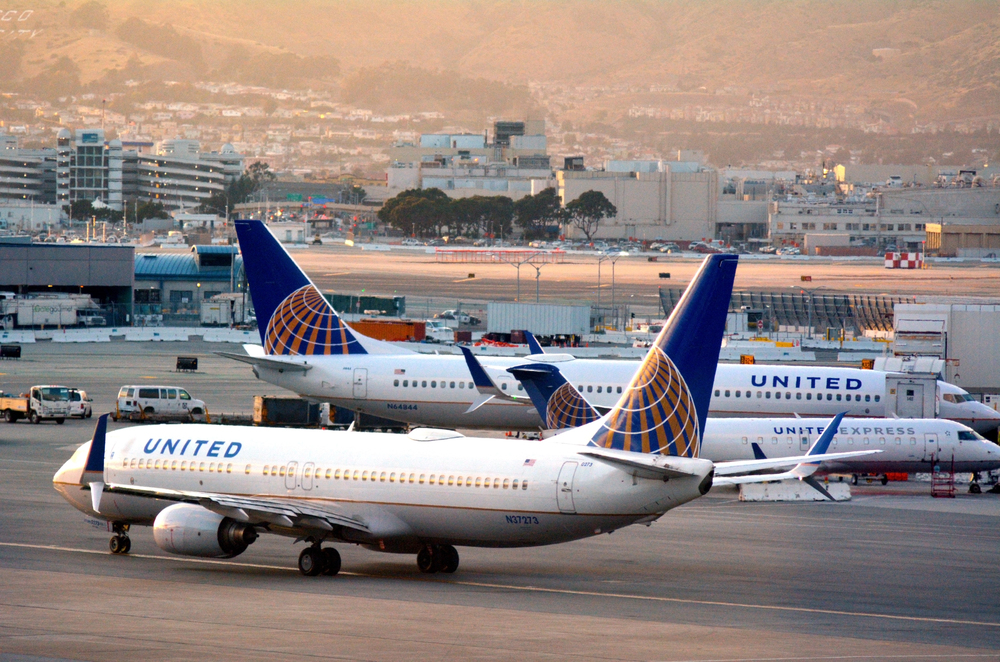
United, Delta, and American Airlines filed a federal lawsuit challenging the Transportation Department’s disclosure requirements.
Their argument centers on defining which fees are truly ‘mandatory’ versus optional add-ons.
Hotels are finding creative alternatives to banned fee names, introducing ‘urban fees’ and other charges that accomplish the same revenue goals under different labels.
The rules help, but they’re not a cure-all.
Businesses still bury fees in fine print or present them in ways that minimize visibility.
A survey found that 86% of travelers encountered hidden fees, with most not discovering them until reaching the payment screen.
Consumer behavior studies show that around 70% of travelers find hidden costs frustrating, and unexpected fees can torpedo bookings when they appear too late in the process.
Why awareness beats regulation

The travel industry spent decades perfecting fee structures that boost revenue without seeming to raise base prices.
That $99 flight or $89 hotel room gets you in the door, while fees generate the real profit.
Airlines now derive more than 20% of their revenue from ancillary fees, and that percentage keeps climbing.
Hotels followed the same playbook, unbundling services that used to be standard.
Regulations help level the playing field, but they can’t eliminate fees.
The most effective defense is knowing what to expect and planning accordingly.
Reading the complete pricing breakdown before booking catches most surprises.
Using credit cards that include travel perks like free checked bags and rental car insurance eliminates common fees.
Building small buffers into travel budgets accounts for the charges you can’t avoid.
Some strategies require minimal effort for substantial savings.
Checking in online prevents airport check-in fees.
Weighing bags at home avoids overweight charges.
Filling up rental cars before returning them beats prepaid fuel options.
Joining hotel and airline loyalty programs unlocks perks that offset fees, often without requiring frequent travel.
The programs are free to join, and even occasional travelers benefit from the protections and priority service that come with membership.
Where the money goes from here
The fee economy isn’t going anywhere.
Even as some resort fees disappear, hotels are testing new charges under different names.
Airlines continue adding fee categories, most recently targeting carry-on bags that used to be universally free.
Rental car companies adjust their fee structures seasonally, raising prices during peak demand periods when travelers have fewer alternatives.
Technology enables more sophisticated fee targeting.
Dynamic pricing algorithms adjust fees based on demand, time of booking, and even browsing history.
The same seat might cost $30 to one passenger and $75 to another booking minutes later.
Platforms track when travelers are most likely to accept fees without abandoning their bookings, and optimize prices accordingly.
The system works because most people don’t compare final prices across multiple sites before committing.
That said, the power balance is shifting slightly in favor of informed travelers.
Price comparison tools now factor in fees more accurately.
Browser extensions highlight total costs, including typical fees for different traveler profiles.
Loyalty programs reward members who book directly, creating incentives to bypass third-party sites that add their own fee layers.
The travelers who come out ahead are those who treat fee avoidance as part of trip planning rather than an unpleasant surprise at checkout.
The real cost of convenience

Hidden fees persist because they work psychologically.
Behavioral economics shows that people anchor on initial prices and grudgingly accept add-ons rather than abandon bookings.
That $200 hotel room is a deal until resort fees and parking add $75.
By then, you’ve imagined yourself there, researched restaurants nearby, and maybe told friends about your plans.
Walking away feels harder than accepting the extra cost.
Travel companies understand this dynamic intimately.
They optimize for getting customers to the payment screen, knowing that completion rates stay high even when fees appear late.
The low initial price captures attention in search results.
The fees materialize gradually during booking, each one small enough to rationalize individually.
The total might be 30% higher than advertised, but you’re paying it in chunks that don’t trigger the same sticker shock.
Breaking this pattern requires actively comparing total prices across options, not just base fares.
It means questioning whether upgrades and add-ons are necessary or just convincingly marketed.
Sometimes paying $40 extra for a hotel without resort fees costs less than the ‘cheaper’ option once fees appear.
The math isn’t complicated, but it requires pausing before clicking ‘book now’ to verify what you’re actually paying.
What hasn’t changed

Travel has always cost more than the advertised price.
Taxes, fuel surcharges, and service charges existed long before the modern fee economy emerged.
The difference is transparency and choice.
Decades ago, most charges appeared in the initial price quote.
Bundling meant travelers knew the total cost upfront, even if it looked higher initially.
The current system fragments pricing into base fares and endless add-ons, making comparison shopping harder and budget planning nearly impossible.
That fragmentation serves the industry more than travelers.
Hotels and airlines compete on price in search results, where base rates appear without context.
The full picture emerges only after clicking through multiple screens.
By then, shoppers are comparing properties or flights based on incomplete information.
The lowest price in search results might be the most expensive option once mandatory fees factor in.
Without seeing total prices side by side, travelers make decisions on faulty data.
Savvy travelers adapted by developing research routines that account for fees.
They know which airlines charge for seat selection and which include it.
They recognize which hotel chains have resort fees in specific markets.
They’ve learned to add 20-40% to advertised car rental rates before budgeting.
This knowledge gap creates a two-tier system where informed travelers pay less and everyone else subsidizes the advertised low prices that attract customers.
Where things land now

The fee wars aren’t ending, but they’re getting more visible.
Regulatory pressure forced the travel industry to show more cards upfront, even as companies look for workarounds.
Travelers are getting better at spotting deceptive pricing, though new fee categories keep emerging.
The balance between advertised rates and actual costs remains tipped toward confusion, but it’s narrowing now that transparency requirements take hold in earnest.
What matters most is taking travel purchases with healthy skepticism.
That great deal isn’t once fees appear.
The budget airline may cost more than the legacy carrier after bag fees and seat selection charges are added.
The cheap hotel could exceed the upscale property down the street once resort fees and parking hit the bill.
Running the numbers before booking prevents surprises, and mid-range options often deliver better total value compared with either budget or luxury choices.
The travel industry will not volunteer to simplify pricing; fees bring in too much money and allow for competitive base prices that capture attention.
Change occurs when travelers reward companies that bundle costs into transparent upfront prices with their consistent choice of transparent pricing over hidden fees.
More from Travel Pug

- Underrated Italian Towns That Beat the Tourist Crowds
- Las Vegas Tourist Traps to Skip
- Prettiest Towns in Every US State
- 18 passport-free countries for Americans
- Signs Your Cruise Is Not Worth The Cost
Like Travel Pug’s content? Follow us on MSN.