

Ljubljana might not be as widely recognized as Paris or Rome, yet it leaves an impression that lingers long after a visit. The Slovenian capital blends charm and calm in equal measure—small enough to explore on foot yet full of history, creativity, and surprising energy. Cobblestone streets lead to colorful markets, leafy parks stretch through the city, and riverside cafes buzz with life.
Here is a list of 20 highlights in Ljubljana that reveal the city’s character and showcase why it’s a destination worth slowing down for.
Ljubljana castle
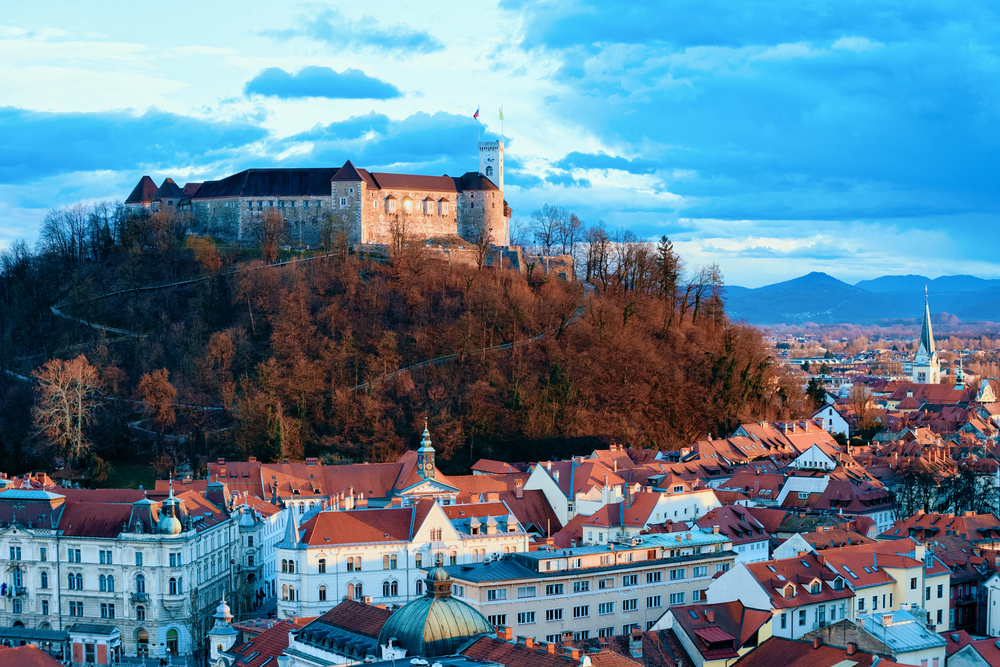
Overlooking the city from a wooded hill, Ljubljana Castle has watched over centuries of history. The funicular makes the climb easy, while those who walk up enjoy shaded paths and glimpses of the skyline. Inside, exhibitions cover everything from medieval history to Slovenian culture, and the viewing tower delivers some of the best panoramas of the city and Alps in the distance. Evening events, including concerts and film screenings, add another layer of atmosphere.
Triple bridge
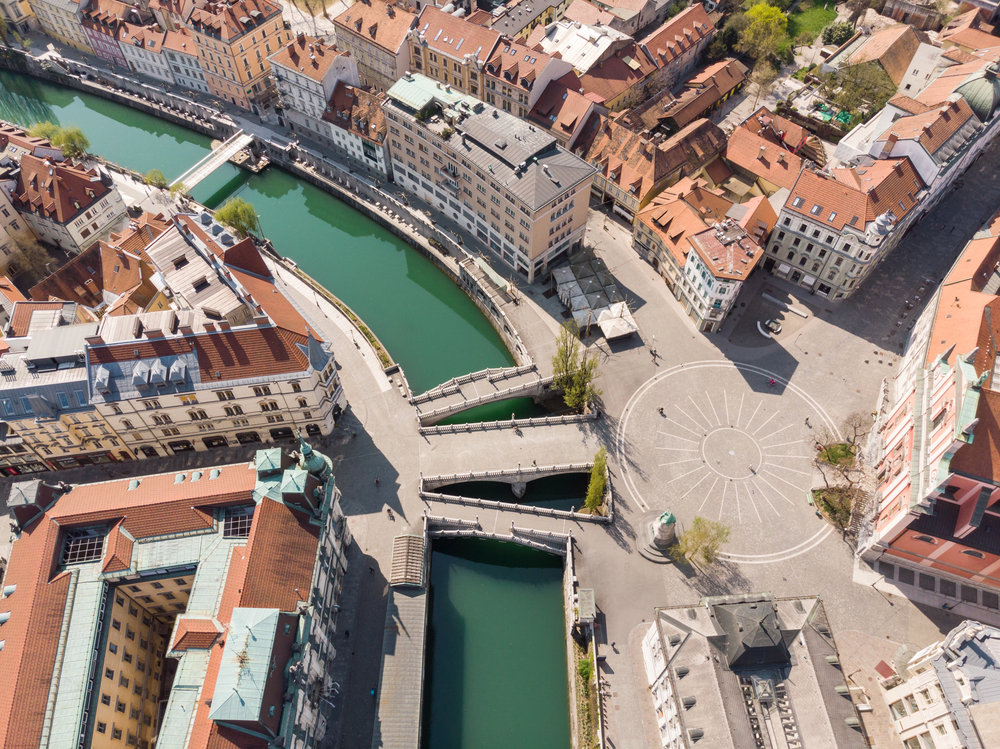
Jože Plečnik, the city’s visionary architect, designed the Triple Bridge to connect old and new Ljubljana in a way that was both functional and striking. Three stone spans sit side by side, each with its own flow of foot traffic, making the crossing both busy and memorable. The location is one of the liveliest in the city, framed by squares and overlooked by the Franciscan Church. Whether you pass by day or night, the bridge is always at the center of the action.
Prešeren square
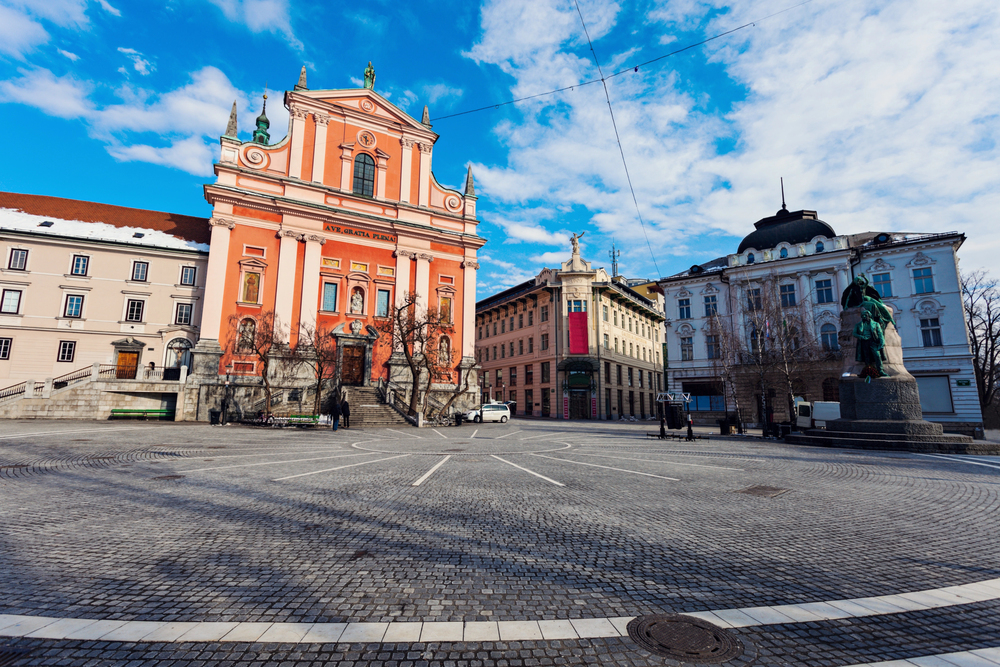
This wide-open square serves as the city’s main gathering point. Surrounded by pastel-colored buildings and overlooked by the pink façade of the Franciscan Church, it has a distinctly cheerful feel. Locals meet here under the statue of poet France Prešeren, while musicians and performers add to the lively setting. It’s the kind of spot where visitors naturally pause, people-watch, and take in the rhythm of the city.
Dragon bridge
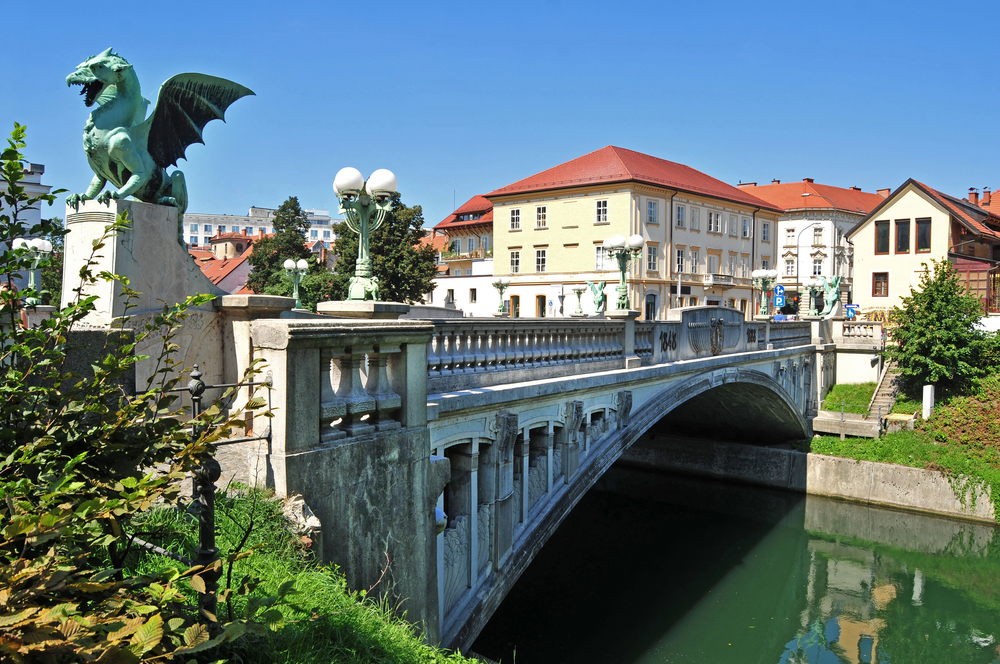
Few symbols are as tied to Ljubljana as its dragons, and the Dragon Bridge makes that clear. Four green dragon statues guard the ends of the bridge, their fierce expressions standing out against the Art Nouveau design. Stories say the dragons wag their tails when certain people cross, a playful legend that has stuck with locals for generations. The bridge itself is more than a century old and remains one of the city’s proudest landmarks.
Central market
— Photo by panama7
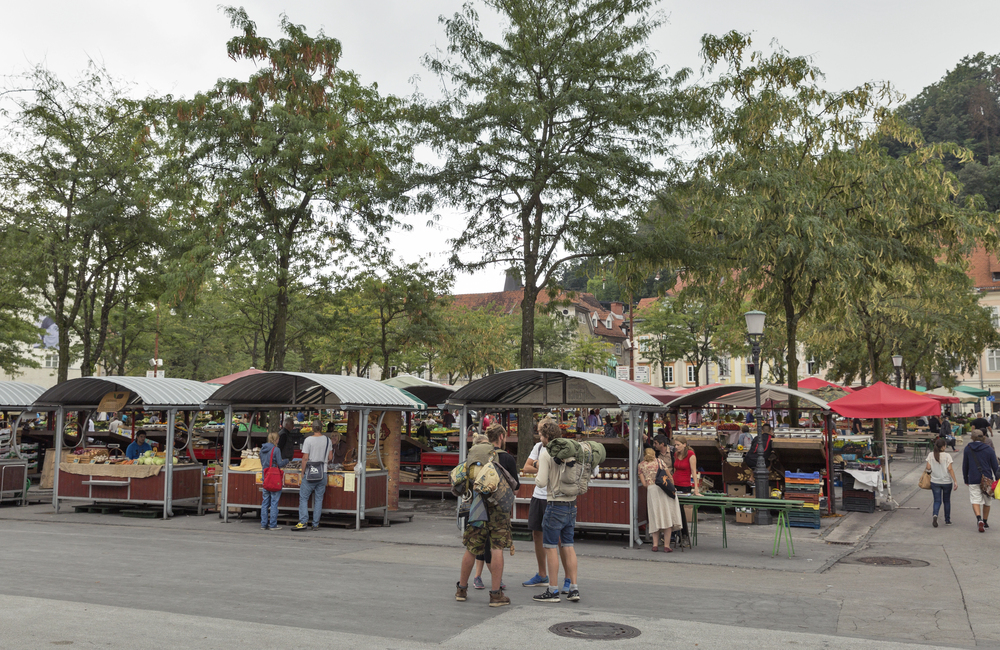
Stretching along the river, the Central Market is part grocery, part social scene. Farmers bring fresh produce, bread, and local delicacies, while specialty stalls sell honey, cured meats, and cheeses. The arcaded design is another work of Plečnik, and the market is busiest on weekends when locals shop for the week ahead. Sampling a few bites here offers one of the easiest ways to taste Slovenia’s flavors.
Tivoli park
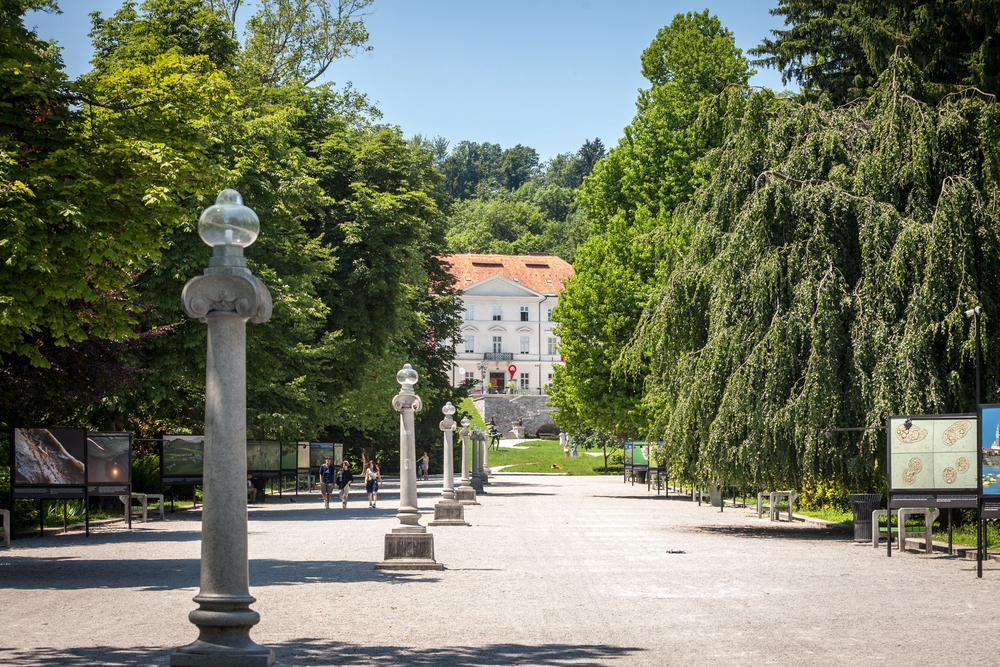
Ljubljana’s green lung, Tivoli Park spreads out over acres of walking paths, fountains, and tree-lined avenues. Joggers, cyclists, and families fill the park during warm weather, while outdoor art exhibitions along the central promenade give it a cultural edge. A stroll here feels less like leaving the city and more like finding its quiet side. The park also connects to walking trails that lead straight into the nearby hills.
National gallery
Ljubljana is the capital and largest city of Slovenia.
— Photo by milosk50
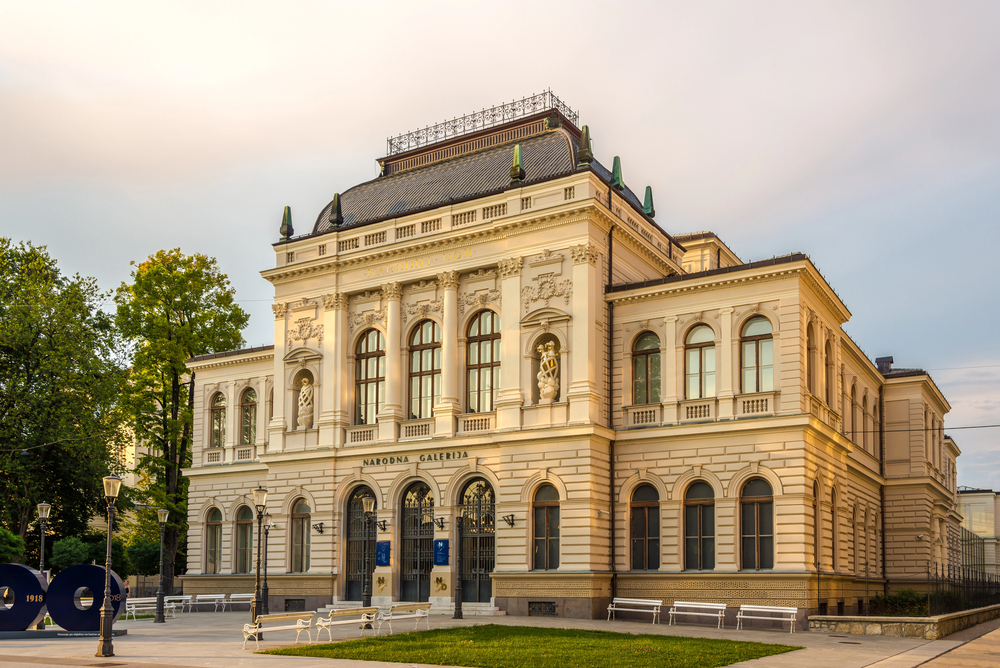
The National Gallery holds the most important collection of visual art in Slovenia. Paintings, sculptures, and religious icons trace the country’s creative history, with a particularly strong selection of Impressionist works. Each room highlights different eras, from medieval to modern, giving a well-rounded look at Slovenian and European art. The calm setting makes it an easy place to spend an afternoon indoors.
Metelkova
— Photo by ratherton
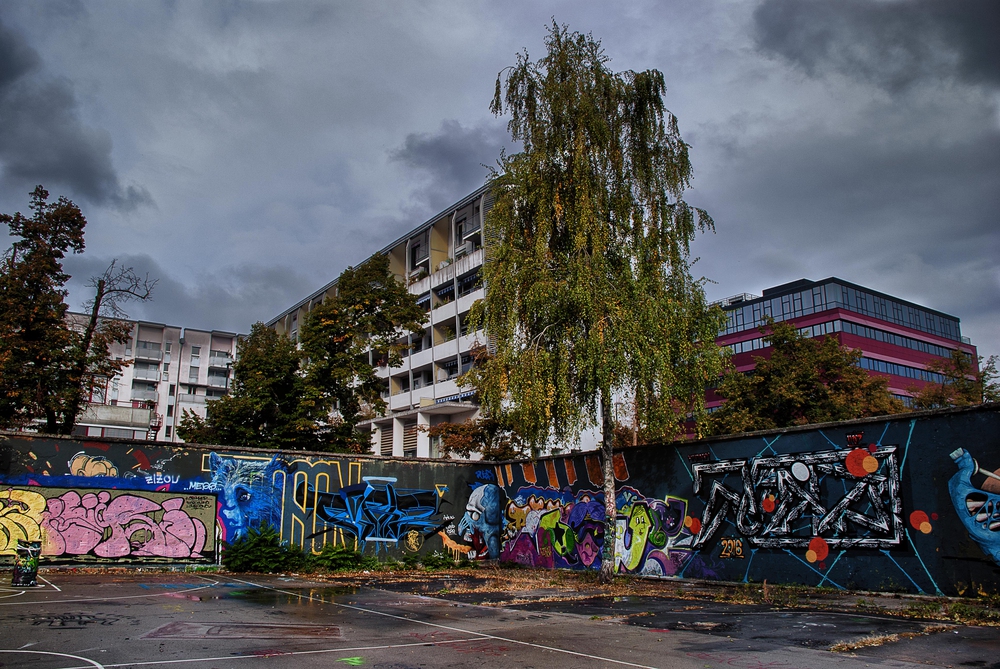
Once a military barracks, Metelkova has been turned into a bold, colorful complex of street art, bars, and clubs. Murals cover nearly every wall, creating a setting that feels unlike anywhere else in the city. During the day, it’s worth visiting just to walk through and take in the artwork. At night, the area transforms into a center for live music, underground culture, and late-night energy.
Butcher’s bridge
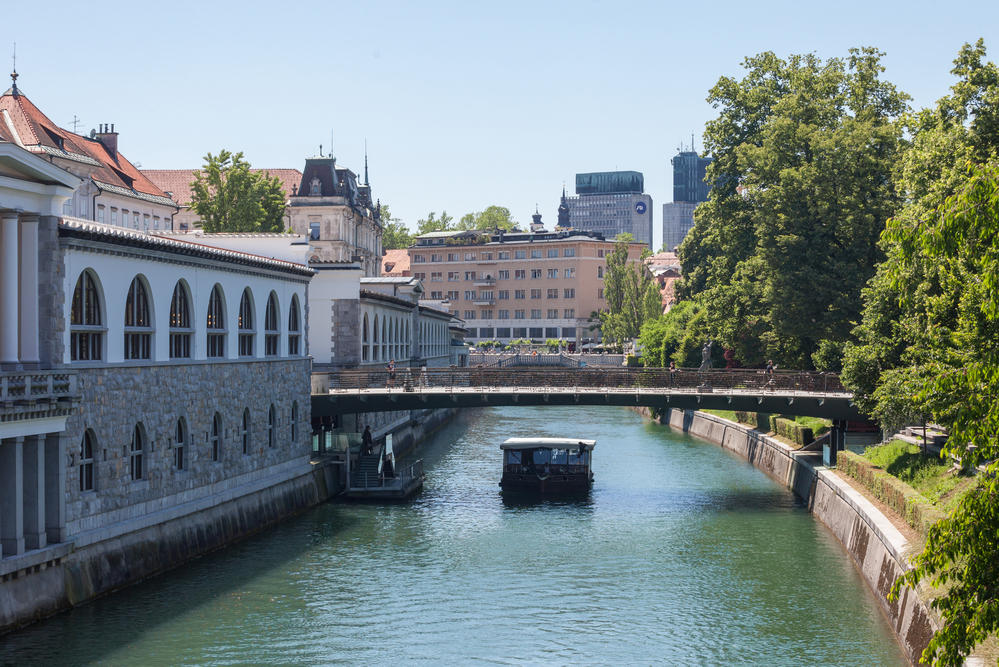
— Photo by BalkansCat
This riverside bridge mixes romance with a playful twist. Couples fasten padlocks to its railings as a symbol of love, while bronze statues with surreal details stand along the walkway. Glass panels in the floor reflect the river below, making it feel light and open. The bridge has quickly become one of the city’s more unusual landmarks.
Ljubljana cathedral
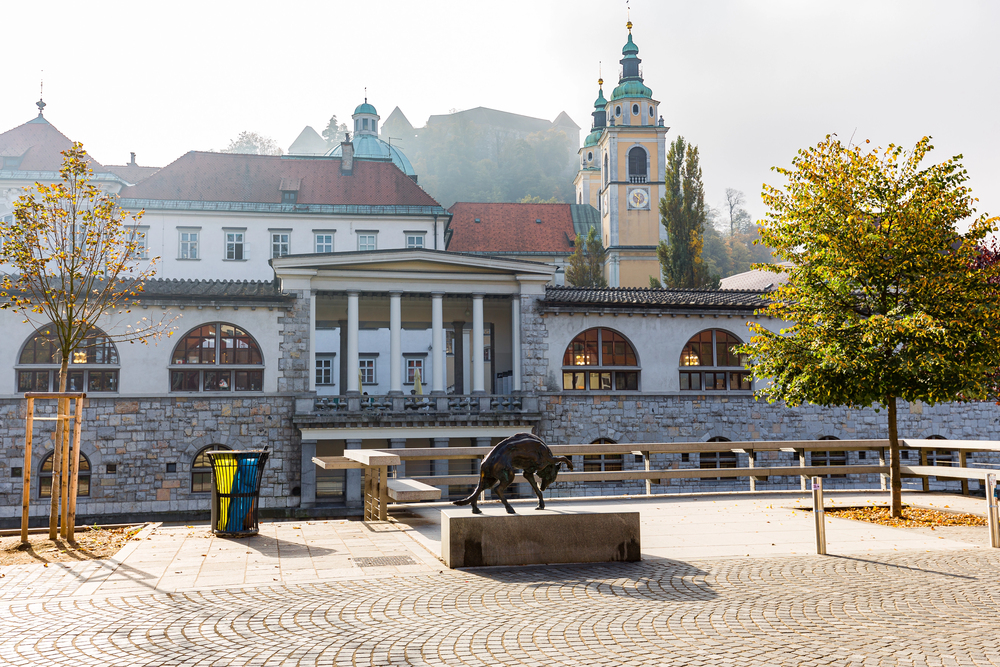
— Photo by Subbotsky
Also called St. Nicholas’s Church, this baroque cathedral is recognized by its green dome and twin towers. Inside, richly decorated frescoes cover ceilings and arches, while the bronze doors tell the story of Slovenian history. The cathedral is active as a place of worship yet remains open to visitors who want to admire its artwork. Its location near the market makes it easy to add to a day of exploring the old town.
Cobblers’ bridge
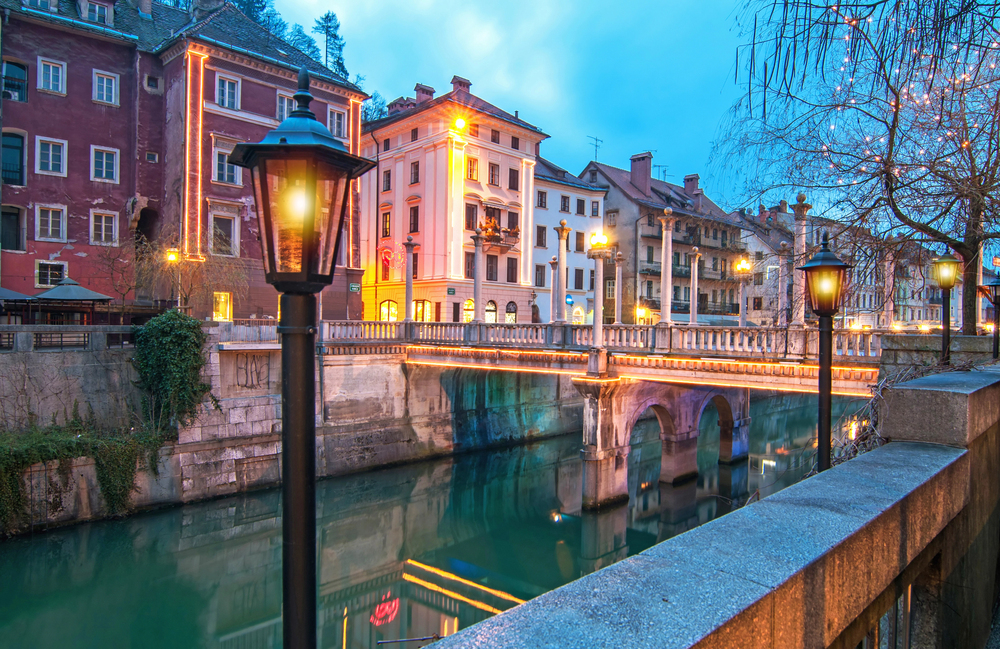
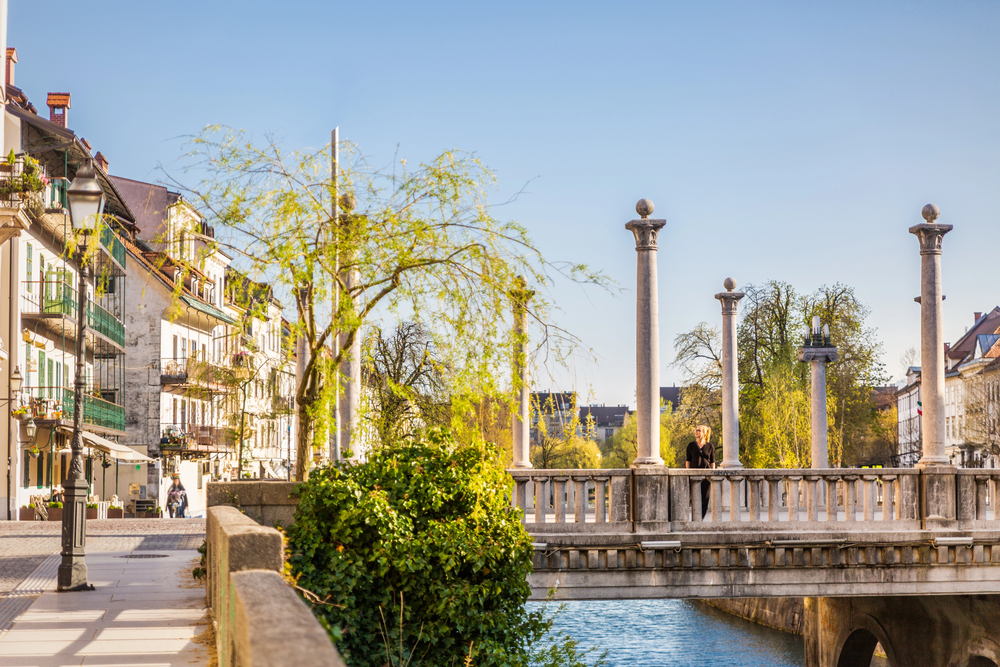
Cobblers’ Bridge, another design by Plečnik, is lined with stone columns that give it an almost classical feel. It earned its name from the shoemakers who once had shops nearby. Now it serves as a casual meeting spot and performance space, with street musicians often entertaining crowds. The view from the bridge captures one of the prettiest stretches of the river.
National museum of Slovenia
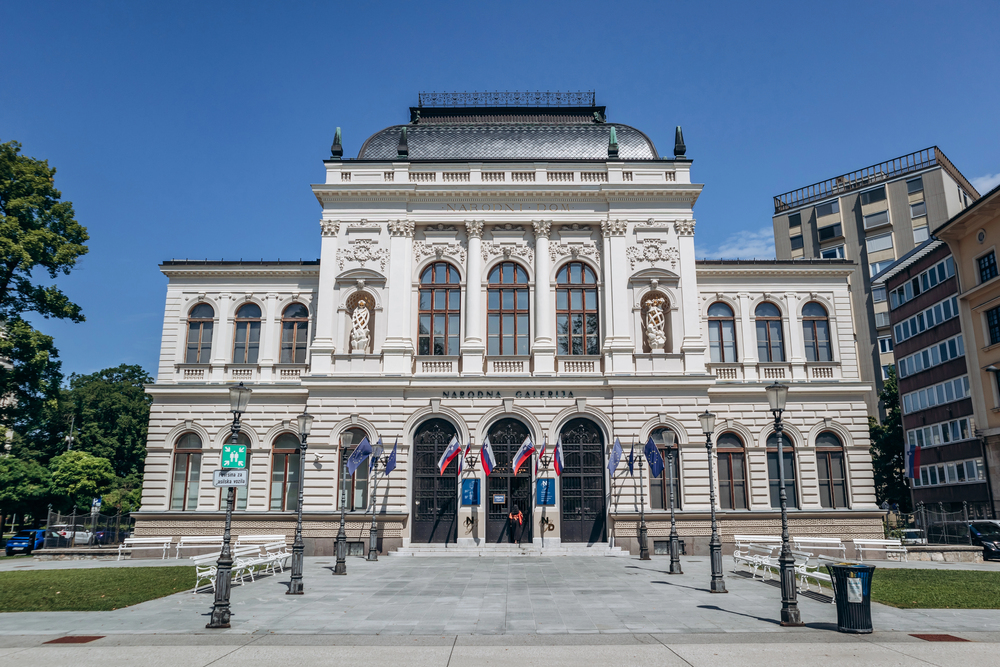
— Photo by Andrei Antipov
This museum covers centuries of Slovenian history, with artifacts ranging from Roman relics to medieval treasures. The highlight for many visitors is the Neanderthal flute, considered the oldest known musical instrument in the world. The layout offers a clear timeline of the region’s past, showing how culture and daily life evolved. For anyone interested in history, it’s a fascinating stop.
Križanke
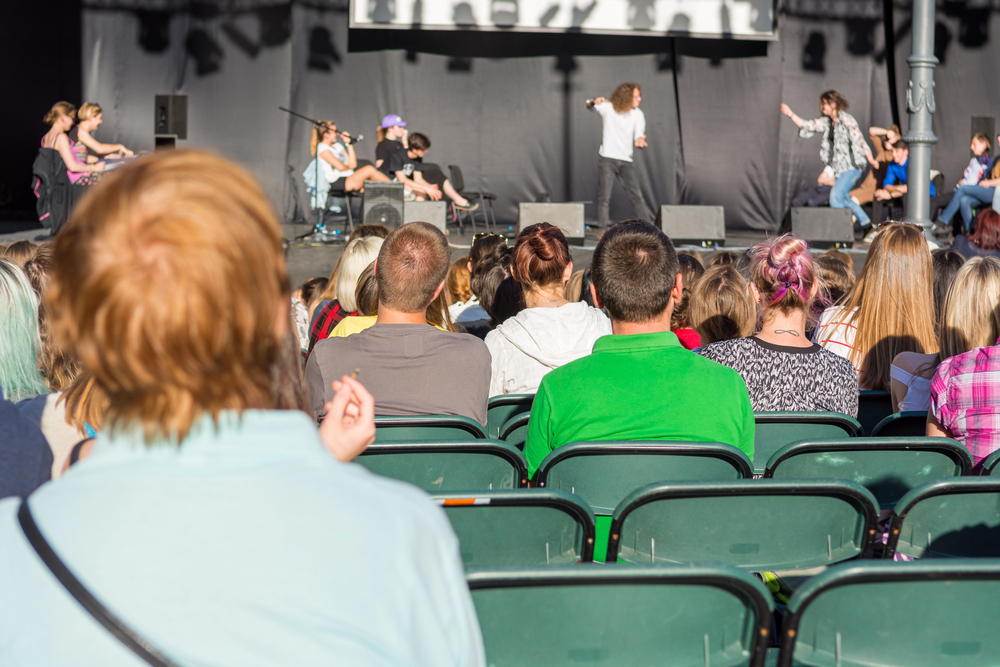
— Photo by anze.bizjan
Križanke began as a monastery but today functions as an open-air theater and cultural venue. The transformation was led by Plečnik, who gave it a new life while preserving its historic walls. Concerts and festivals take place here during the summer, when the courtyard becomes one of the most atmospheric spots in Ljubljana. Even without a performance, the design alone is impressive.
River cruises
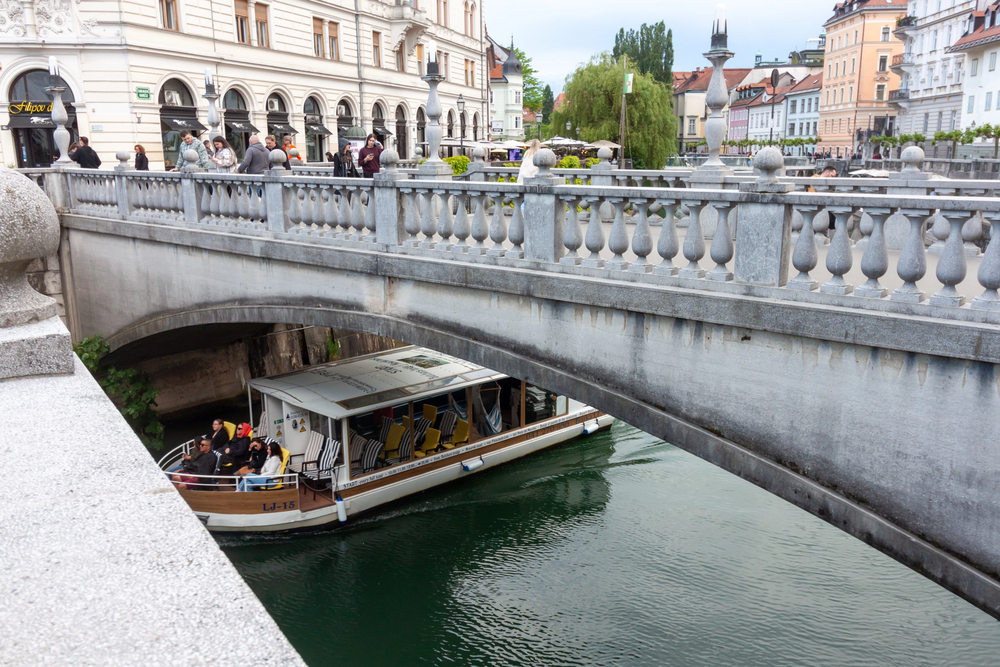
— Photo by valirin
The Ljubljanica River cuts through the city center, and taking a cruise offers a different perspective. Traditional wooden boats drift under bridges and past outdoor cafes, showing off the city from the water. Cruises run throughout the day, but evenings are particularly charming as lights reflect on the river. It’s a simple yet memorable way to experience Ljubljana.
National and university library
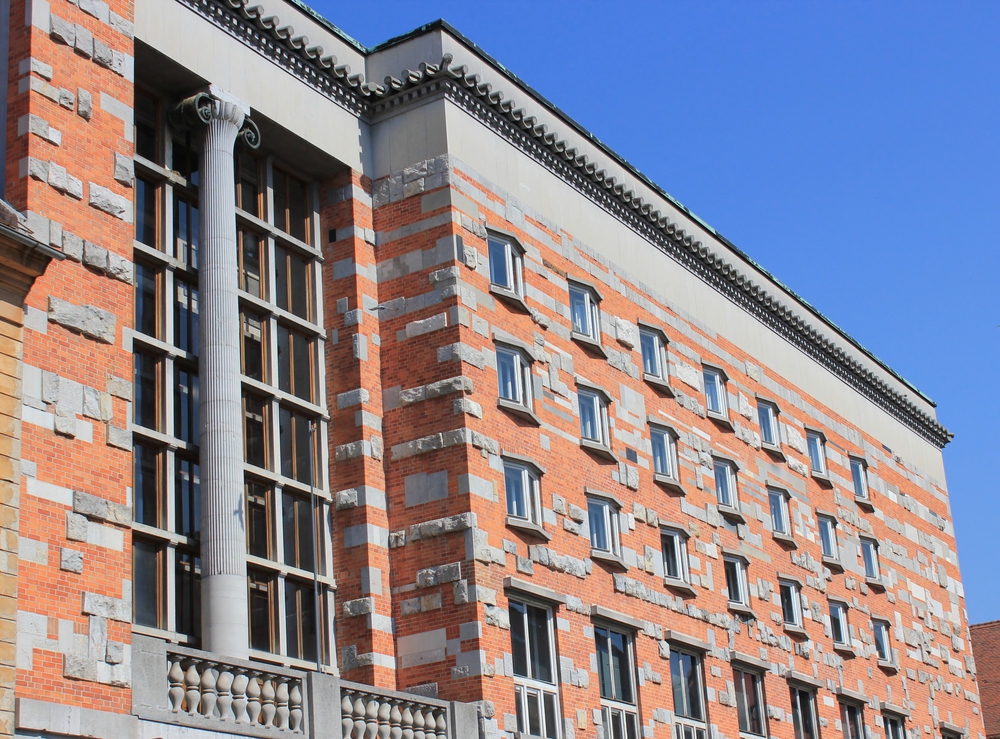
Another of Plečnik’s masterpieces, this library was designed with symbolism in mind. Its dark stone façade is contrasted with large windows, and inside, the grand staircase leads to the main reading room. While the reading areas are reserved for students, visitors can still admire the building’s unique design. For fans of architecture, it’s one of the city’s underrated highlights.
Slovene ethnographic museum
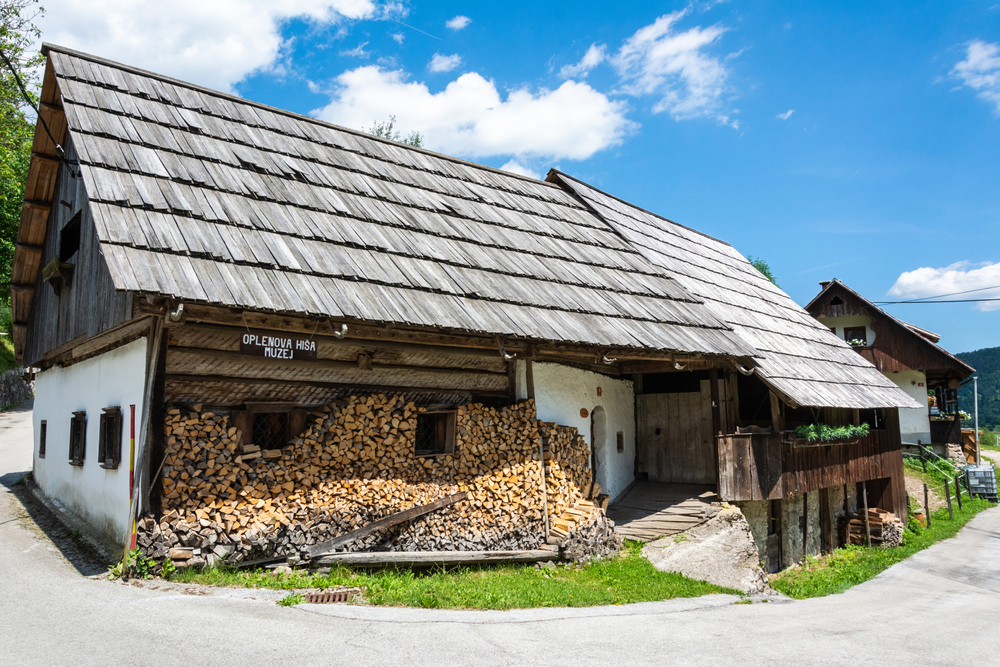
— Photo by alizadastudios
This museum celebrates Slovenian traditions and everyday life. Exhibits explore folk costumes, customs, and crafts from different regions of the country. Temporary exhibitions often compare Slovenian culture with global traditions, adding context and perspective. The result is a space that feels both educational and approachable.
Nebotičnik
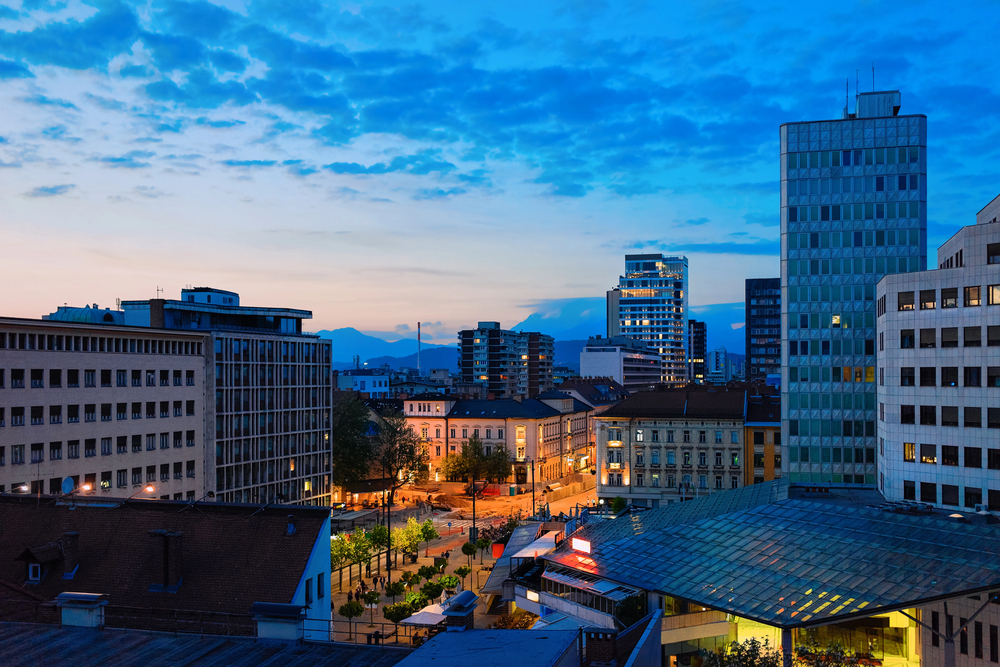
Known as ‘the skyscraper,’ Nebotičnik was once the tallest building in the Balkans. Its art deco design still makes it stand out, though the main draw today is the rooftop café. From here, views stretch across Ljubljana’s rooftops to the surrounding hills and mountains. It’s a popular spot for coffee during the day or cocktails in the evening.
Plečnik house
The Plečnik House preserves the residence and studio of Jože Plečnik. Visitors can walk through the architect’s living quarters, complete with his furniture and sketches. The museum gives a personal look into the life of a man who shaped much of Ljubljana’s appearance. For those interested in architecture, it adds depth to his legacy.
Open kitchen
— Photo by kasto
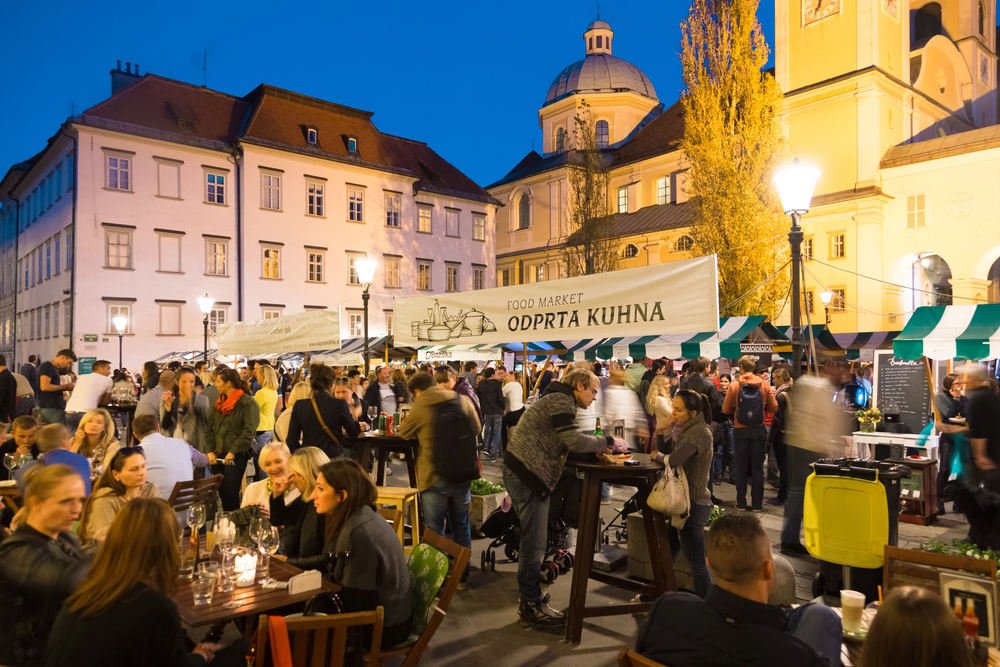
From spring to fall, Fridays bring the Open Kitchen market to Pogačarjev Square. Food stalls and chefs from across Slovenia serve dishes ranging from traditional specialties to international street food. The atmosphere is lively, with crowds gathering to eat, drink, and enjoy the music. It’s one of the best chances to sample a wide variety of flavors in one place.
Ljubljana zoo
— Photo by anze.bizjan
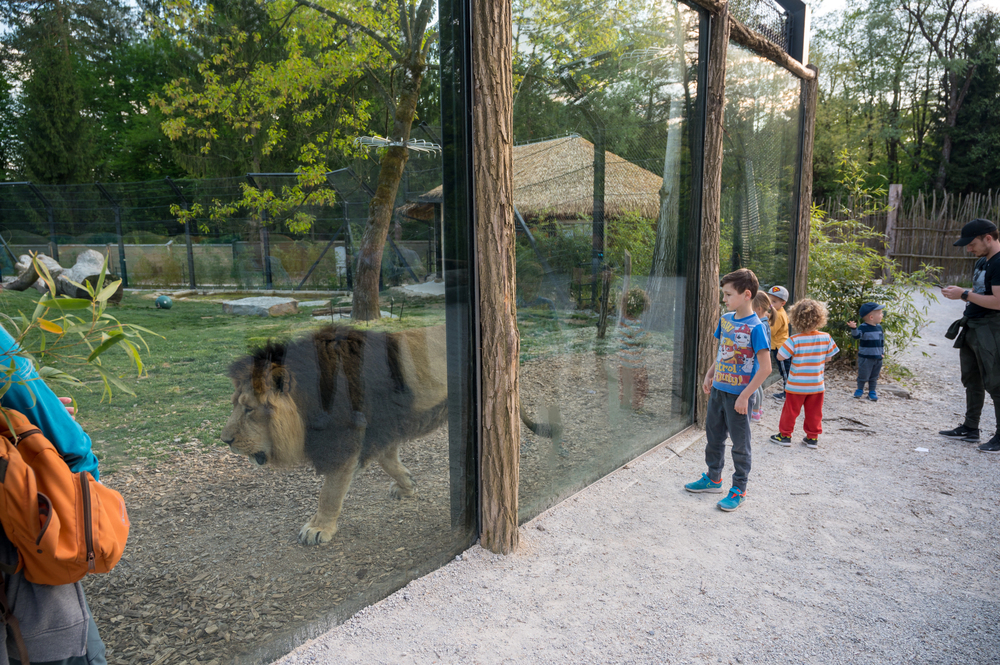
Set in a forested area just outside the city, Ljubljana Zoo is home to animals from both Slovenia and around the world. Paths wind through shaded enclosures, creating a natural feel. Bears, wolves, and lynxes share the grounds with elephants, giraffes, and other exotic species. The zoo also offers regular educational programs and events, making it popular with families.
A city balancing old and new
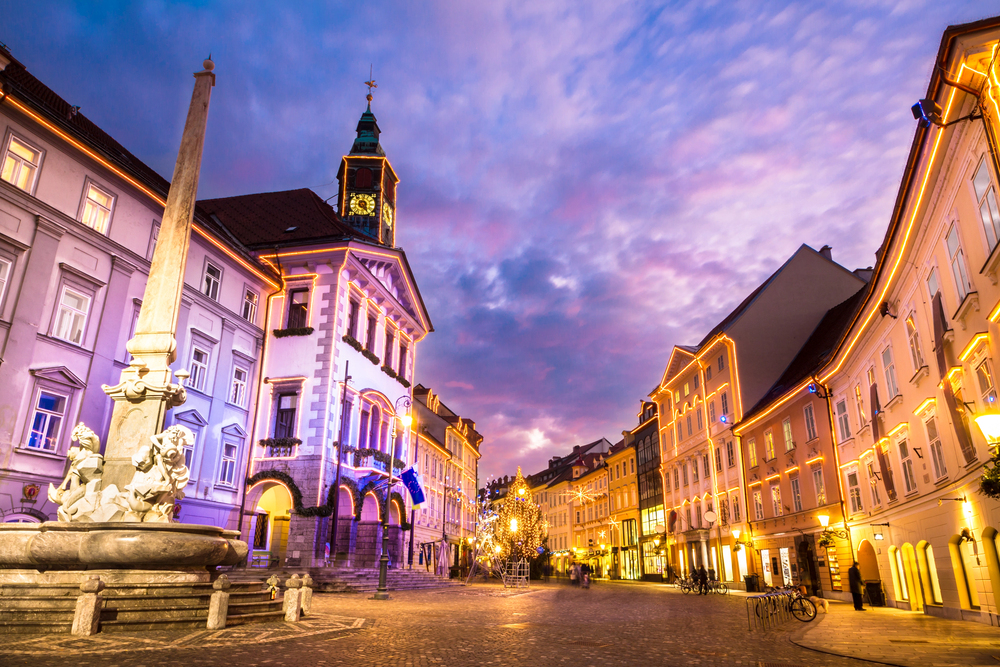
Ljubljana stands out for how smoothly it blends its history with modern life. Castles, cathedrals, and classical bridges exist alongside lively food markets, art hubs, and rooftop cafes. Tradition remains visible everywhere, yet the city embraces creativity and change without losing its charm. Exploring its highlights shows how Ljubljana has managed to evolve while holding onto what makes it distinct.
More from Travel Pug

- Underrated Italian Towns That Beat the Tourist Crowds
- Las Vegas Tourist Traps to Skip
- Prettiest Towns in Every US State
- 18 passport-free countries for Americans
- Signs Your Cruise Is Not Worth The Cost
Like Travel Pug’s content? Follow us on MSN.