

Walking through Kyoto feels different from other cities in Japan. The streets whisper history, temples rise between modern buildings, and tea culture threads through everything. This isn’t just marketing talk—Kyoto sits next to Uji, where Japan’s finest matcha has grown for centuries. The connection between this city and green tea runs deep.
You could stumble into any cafe here and probably find decent matcha. But why settle for decent when you’re already making the trip? These fifteen spots stand out not because they’re trendy or Instagram-famous, but because they understand what good matcha actually means.
Nakamura Tokichi main store
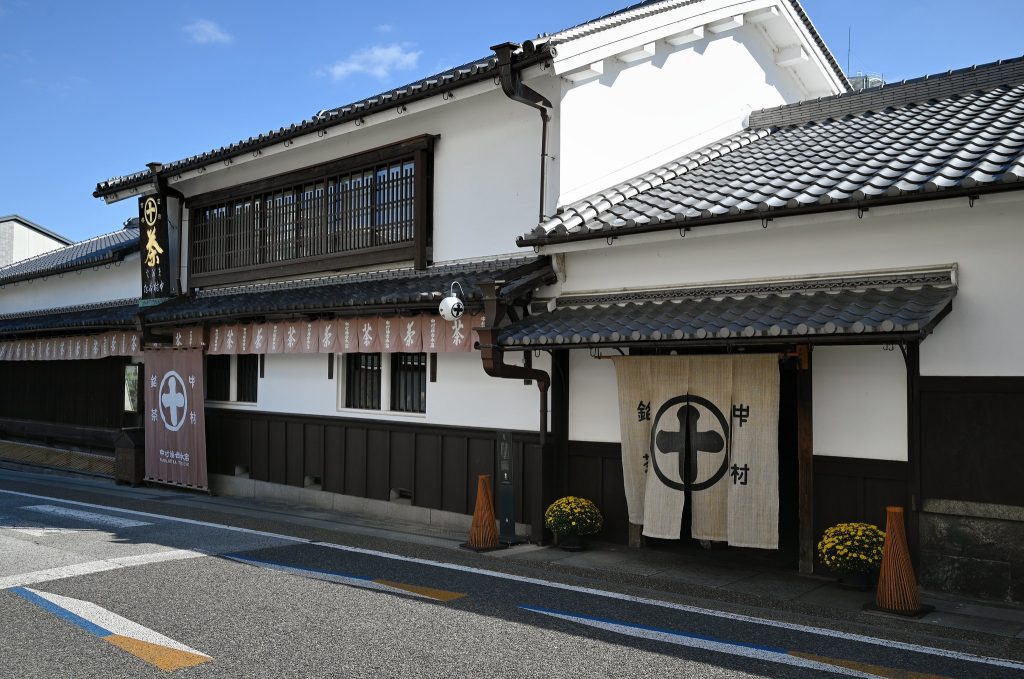
This place opened in 1854, which means it’s been serving tea longer than most countries have had electricity. The main store sits in Uji, about 35 minutes south of Kyoto City, in a building that used to be a tea factory.
Some of the old equipment still stands there, preserved as part of Japan’s cultural landscape. The Maruto Parfait arrives in a bamboo tube, topped with a family crest made from matcha powder and cream.
It looks almost too perfect to eat. The 200-year-old pine tree in the garden is one of Kyoto’s hundred famous trees, and sitting near it while eating your dessert adds something to the experience that’s hard to name.
Gion Tsujiri main store
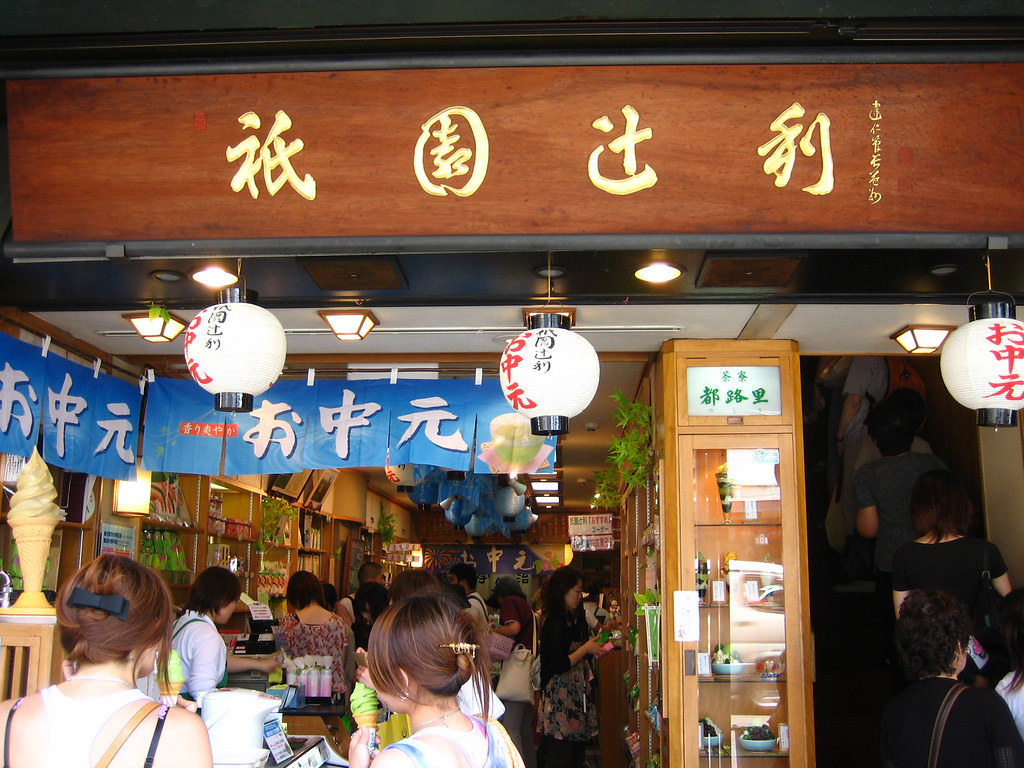
Established in 1860, Tsujiri sits right in the heart of Gion, Kyoto’s famous geisha district. The location alone makes it worth visiting—you’re three minutes from Gion-Shijo Station and surrounded by traditional wooden houses.
The ground floor sells tea and confections, while the upper floors house the actual cafe.
Their matcha parfaits are designed like small sculptures, layered precisely. You can also grab matcha soba noodles if you want something savory.
The shop gets crowded because it’s popular with both tourists and locals, but the line moves faster than you’d expect.
Ippodo Tea
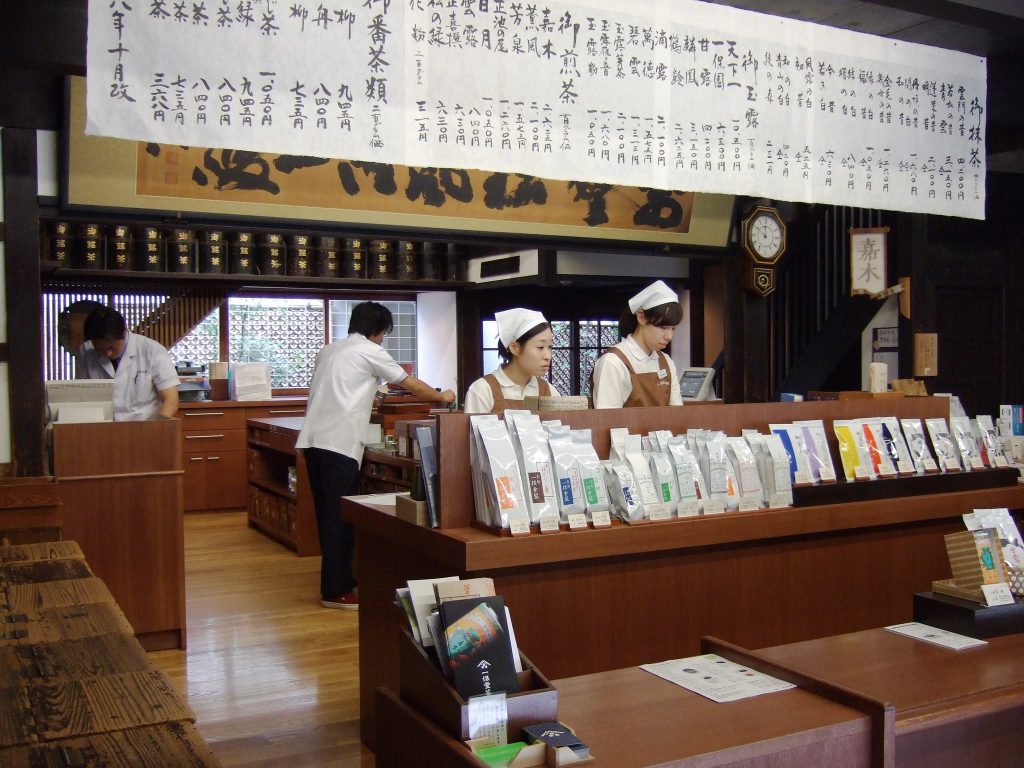
Nearly 300 years of history sits inside this building on Teramachi Street. The main store is surrounded by antique shops and art galleries, which gives the whole area a creative feel.
Walk through the noren curtain marked with “Ippodo,” and you’ll see a spacious bar counter with a menu listing over 30 types of tea. The matcha lattes here use leaves grown on their own farms, creating a clean, slightly savory taste that’s different from sweeter versions.
Staff can explain the difference between their various tea grades if you’re curious about what makes one batch different from another.
Marukyu Koyamaen Roman Forest cafe
This flagship store opened in Kyoto’s Yamashina area in 2020, combining a shop, dessert workshop, and cafe in one comfortable space. The workshop has an open design, so you can watch pastry chefs work through every step of making your dessert.
Floor-to-ceiling windows overlook greenery that makes you feel like you’re sitting in an actual forest. The first floor showcases packaged desserts perfect for bringing home.
Upstairs, the cafe serves freshly baked croissants alongside their matcha offerings. The family-friendly space works well for groups, and the natural light streaming through those windows makes afternoon visits particularly pleasant.
Saryo Suisen
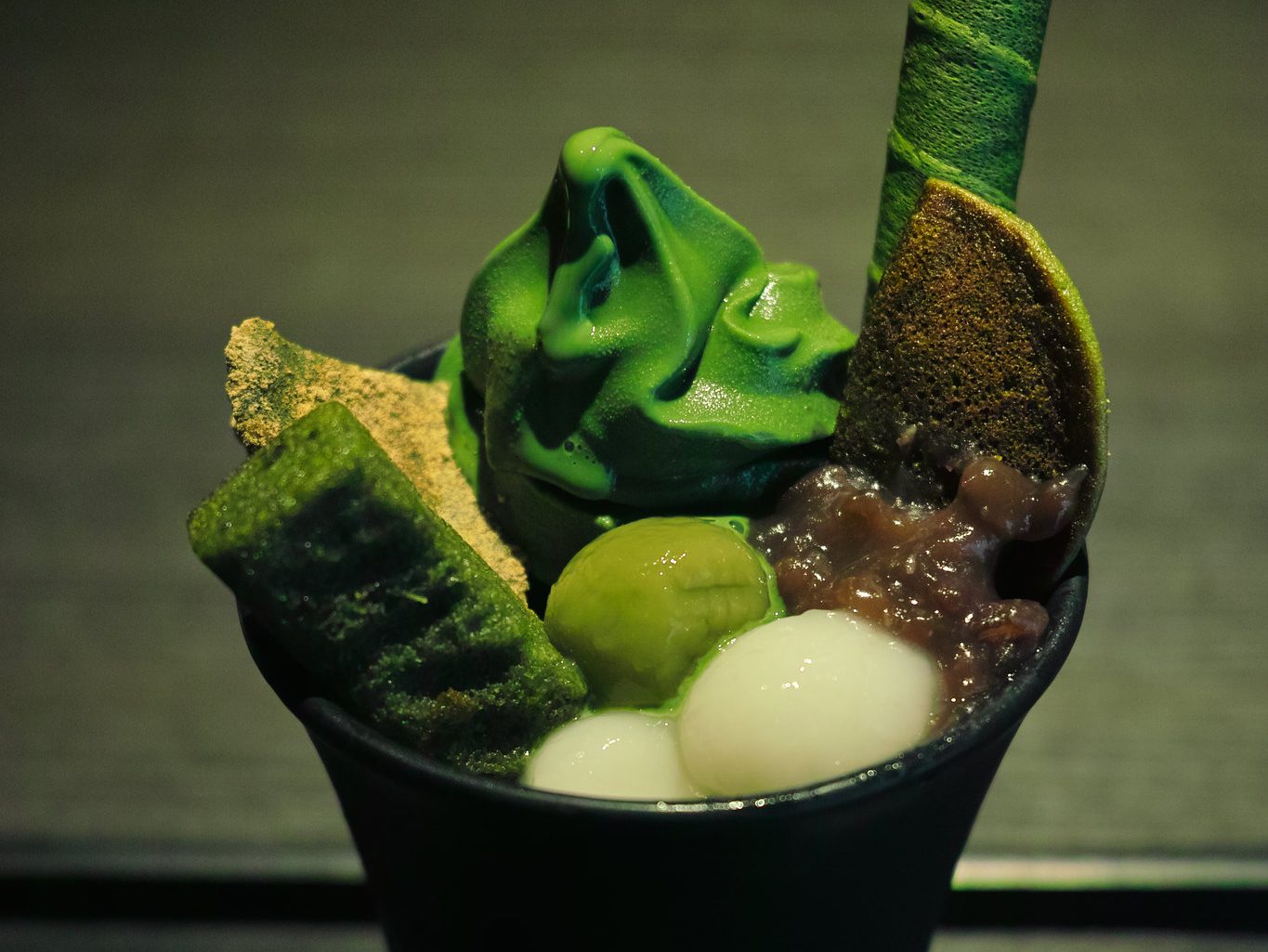
This traditional teahouse uses fresh matcha harvested directly from farms around Kyoto. The building looks like a typical Kyoto house from outside—dark brown tones, minimalist decoration, the works. Inside, that traditional aesthetic continues with tatami mat seating and views of a Japanese garden.
The Suisen Matcha Parfait combines multiple types of handmade Japanese sweets with rich, locally sourced matcha. Some cafes load their desserts with so many ingredients that you can’t taste the actual tea anymore.
This place finds a better balance.
Shimizu Ippoen
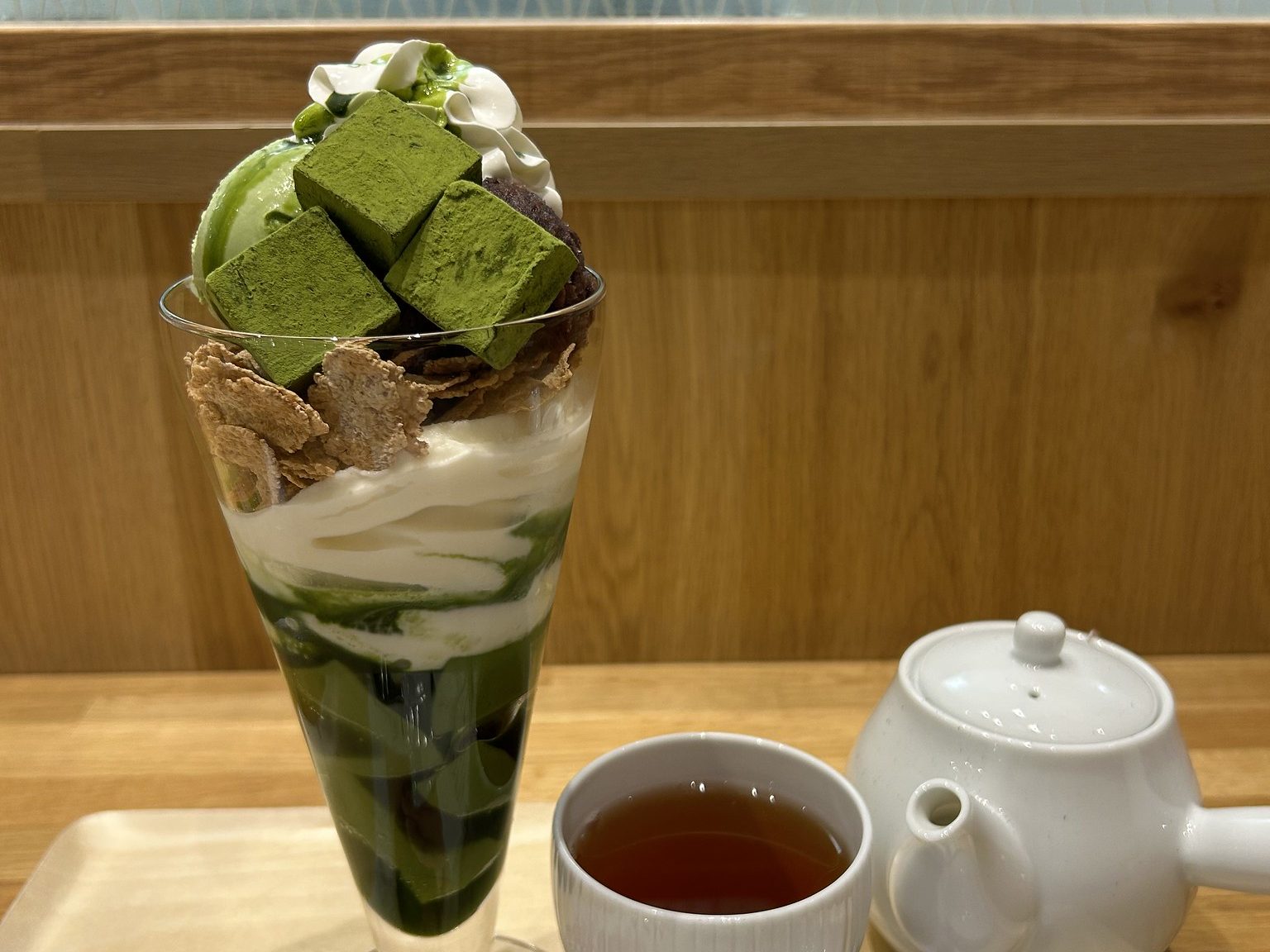
Located in Kyoto’s Higashiyama ward since 1945, this cafe sits close to both Hyatt Regency Kyoto and several temples worth visiting. The exterior resembles a traditional machiya house with its black facade, while the interior keeps things simple with comfortable seating areas. Both elements work together without trying too hard.
Their matcha parfait includes an unusual bottom layer—Japanese mushrooms mixed with kinako cream and coffee jelly. It sounds strange on paper, but somehow the earthiness of the mushrooms complements the matcha instead of fighting against it.
The top layers feature the expected matcha ice cream, dango, and cookies.
Motoan
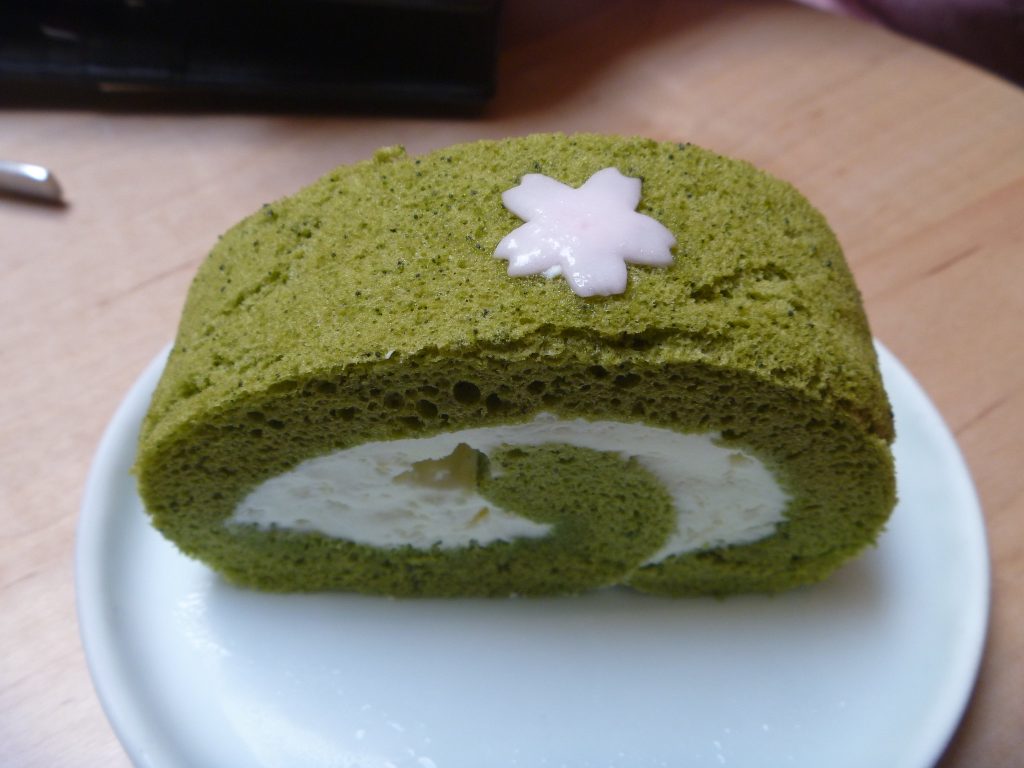
This Uji tea shop has operated for 300 years in a renovated machiya house near Nijo Castle. The building is huge, and the neighborhood stays quiet even during busy tourist seasons.
The tea room offers matcha roll cake sets and Uji matcha ice cream, plus various hot and cold tea drinks. A matcha cream tea comes either hot or cold—an interesting variation that lets you experience how temperature changes the flavor.
The attached shop sells different grades of matcha powder along with other tea varieties, so you can take home whatever you enjoyed most.
Ten Japanese cafe and gift shop
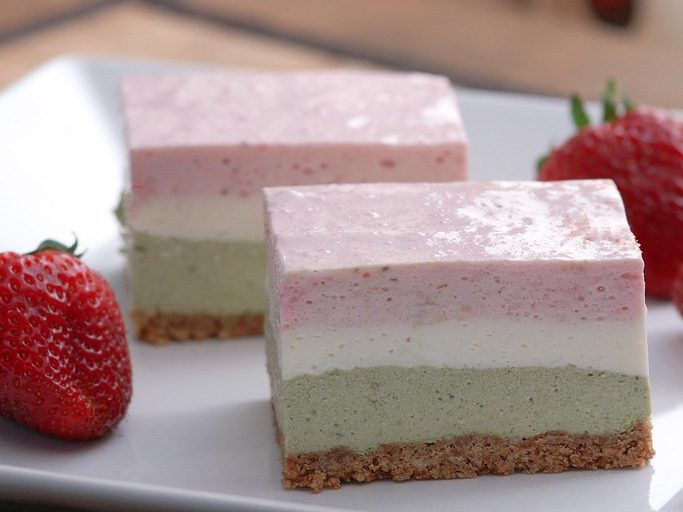
This modern cafe sits in Higashiyama, close to Kiyomizu-dera temple. Natural materials fill the space—wood, ceramics, pottery—all arranged to create a relaxing atmosphere.
The adjoining gift shop sells handmade ceramics and pottery, including the mismatched pieces used as tableware in the cafe. Their matcha rare cheesecake is served on a simple black slate plate, creating a striking contrast with the marbled green and white design.
The cheesecake itself is soft and rich without being heavy. If cheesecake isn’t your thing, try the matcha and white chocolate terrine served with green tea ice cream.
MACCHA HOUSE Kawaramachi
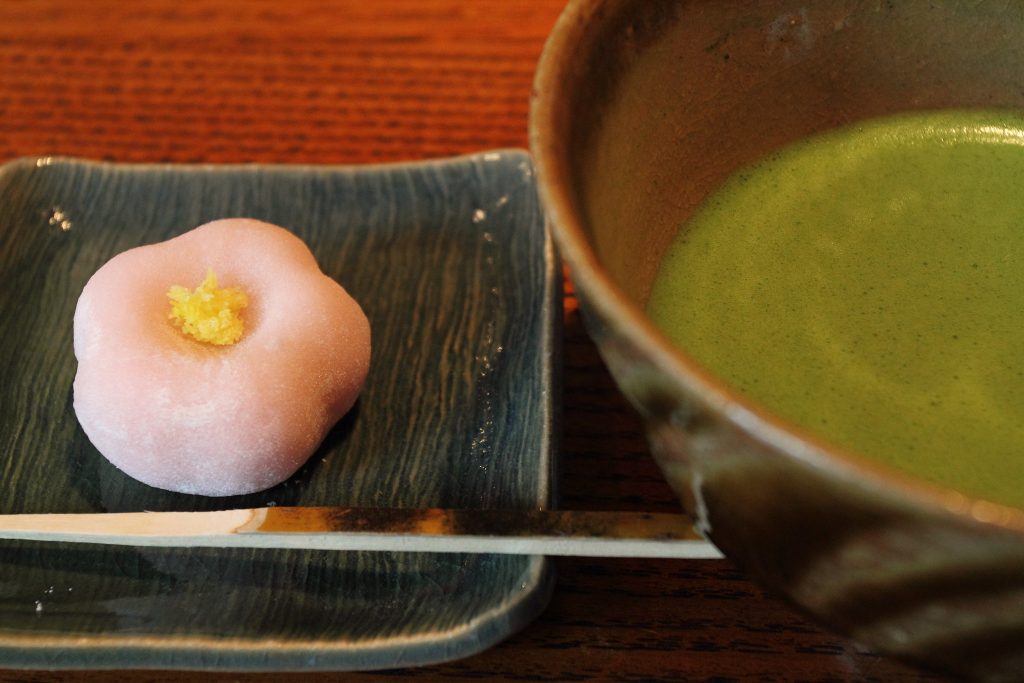
This matcha specialty store opened in Kyoto’s Kawaramachi district in 2015 after finding success in Singapore, Hong Kong, and Taiwan. The concept mixes Western-style desserts with traditional Japanese matcha, using tea from Morihan, a company founded in 1836.
Lines can stretch for two to three hours, but orders are taken while you wait. The signature Uji Matcha Tiramisu comes in a small wooden measuring cup, layered with mascarpone cream and dusted with Uji matcha powder.
The space upstairs features tatami mats and low tables, creating an atmosphere that nods to traditional tea ceremonies while keeping things relaxed.
Micasadeco & Cafe KYOTO
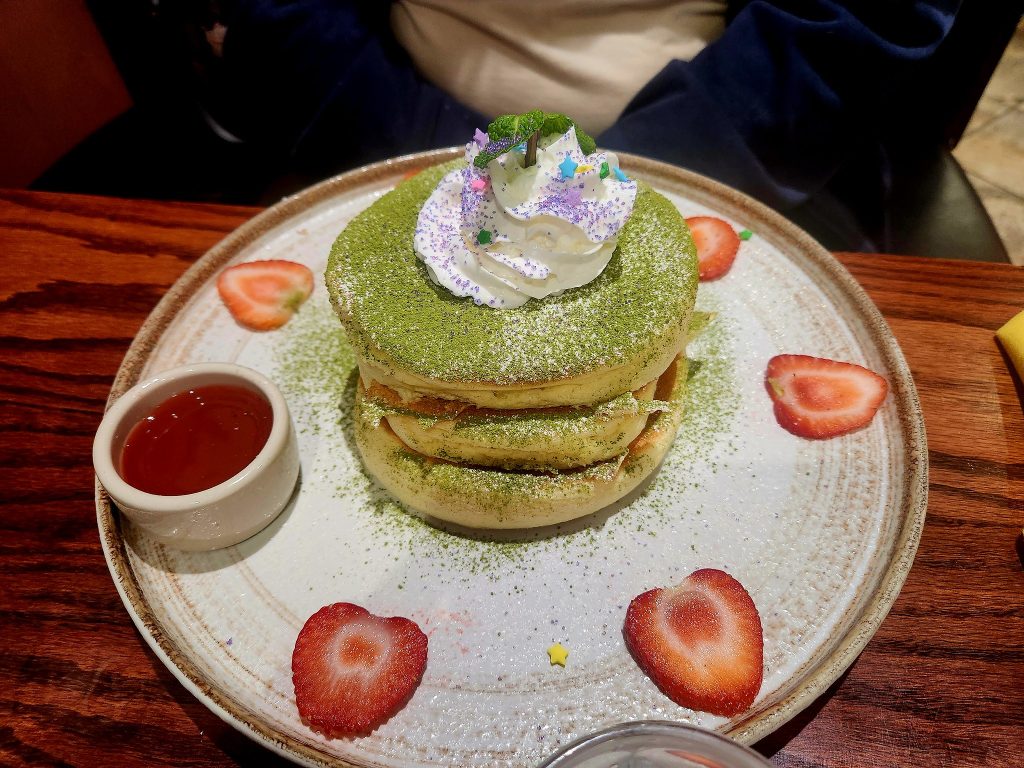
A 100-year-old machiya house holds this cafe, renovated to blend traditional architecture with modern design. The location near Kawaramachi and Nishiki Market makes it easy to visit while shopping or exploring the area.
The cafe specializes in fluffy Japanese-style pancakes that somehow stay light despite their size. The Matcha Fluffy Pancake uses Uji tea and arrives at your table looking impossibly tall.
They also offer vegan and vegetarian meals if you want something savory before dessert. The limited-availability Matcha Plate Dessert lets you try several different matcha treats in one order.
Eirakuya Honten
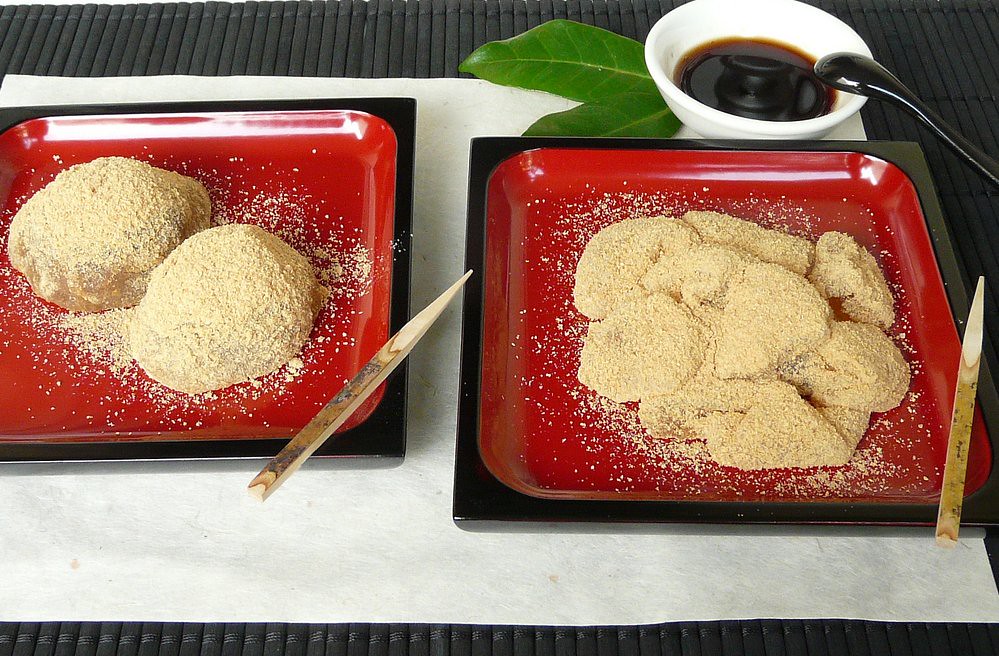
This spot sits at Shijo-Kawaramachi in central Kyoto, making it convenient for anyone exploring Gion or the downtown area. The menu includes various Japanese sweets, from parfaits to warabi-mochi, which has a unique chewy texture thanks to bracken starch instead of rice.
Warabi-mochi takes getting used to if you’ve never tried it, but the texture is worth experiencing. The Raku Matcha Parfait was designed specifically to let you taste matcha from top to bottom.
It contains green tea ice cream, matcha jelly, small mochi, chopped chestnuts, and sweet azuki bean paste. Each layer adds something different without overwhelming the primary matcha flavor.
Isehan
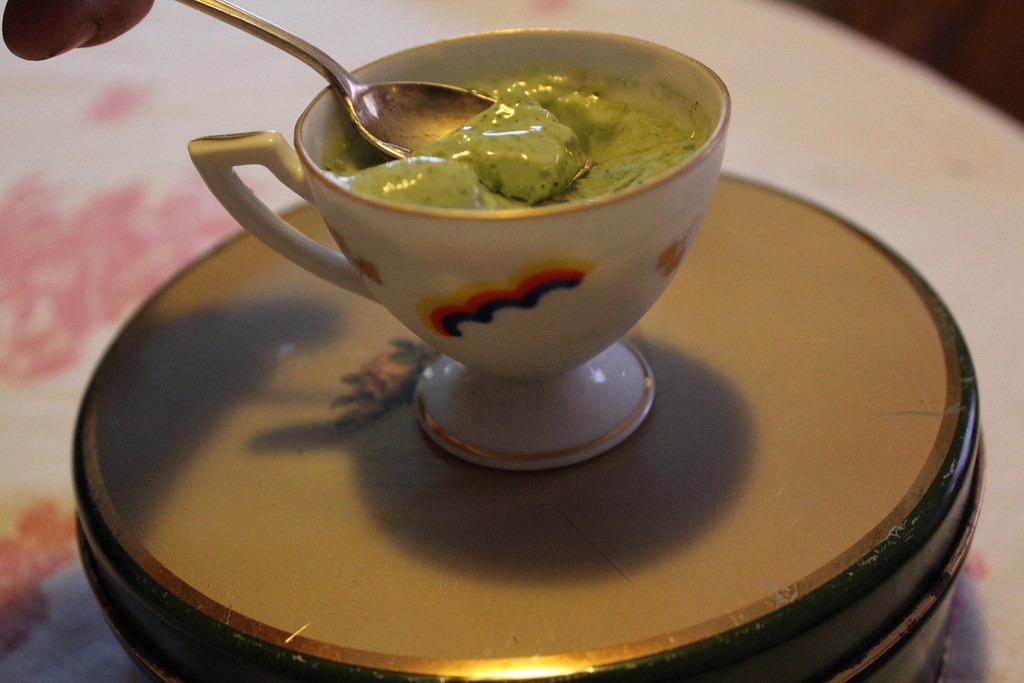
Based in Demachiyanagi near the Kamogawa River and Kyoto Imperial Palace, this retro cafe draws a local crowd. The interior feels homey rather than polished, which suits the handmade Japanese sweets they serve.
Their matcha comes from Ryuoen Tea Shop, which sources from Uji farms. The Tokusei Anmitsu combines agar jelly cubes with warabi-mochi, matcha jelly, brown sugar jelly, azuki bean paste, shiratama dango, and ice cream.
It’s a cold dessert that works particularly well during Kyoto’s hot, humid summers. They also serve kakigori—shaved ice desserts—that locals specifically recommend.
Hatoya
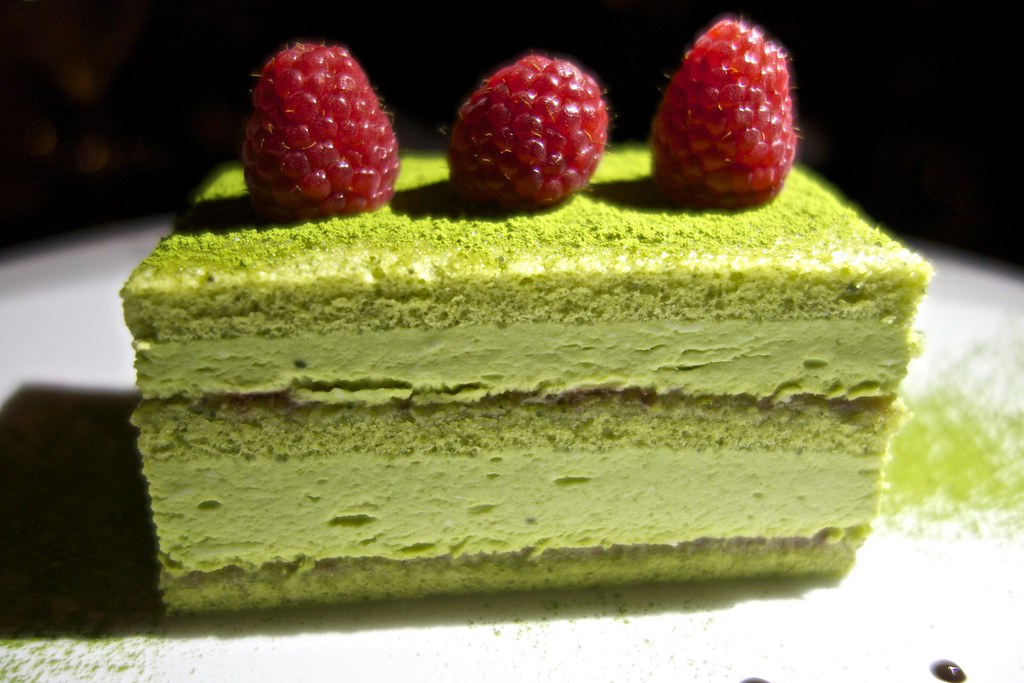
Jun’yu Maruyama, a former barista who fell for Japanese tea after tasting good gyokuro, opened this small shop in Arashiyama in 2019. It sits along the Arashiyama Railway in the neighborhood where Maruyama grew up.
The tea leaves come from local Kyoto farms, and Maruyama personally oversees the processing, using a stone mortar to grind them. The Rich Matcha Mousse uses premium matcha that stays smooth even in large quantities, avoiding the bitter aftertaste that cheaper matcha can develop.
The tiny shop became popular enough to open branches in Tokyo’s Asakusa and Kamakura, but the original Arashiyama location keeps its neighborhood feel.
Yugen
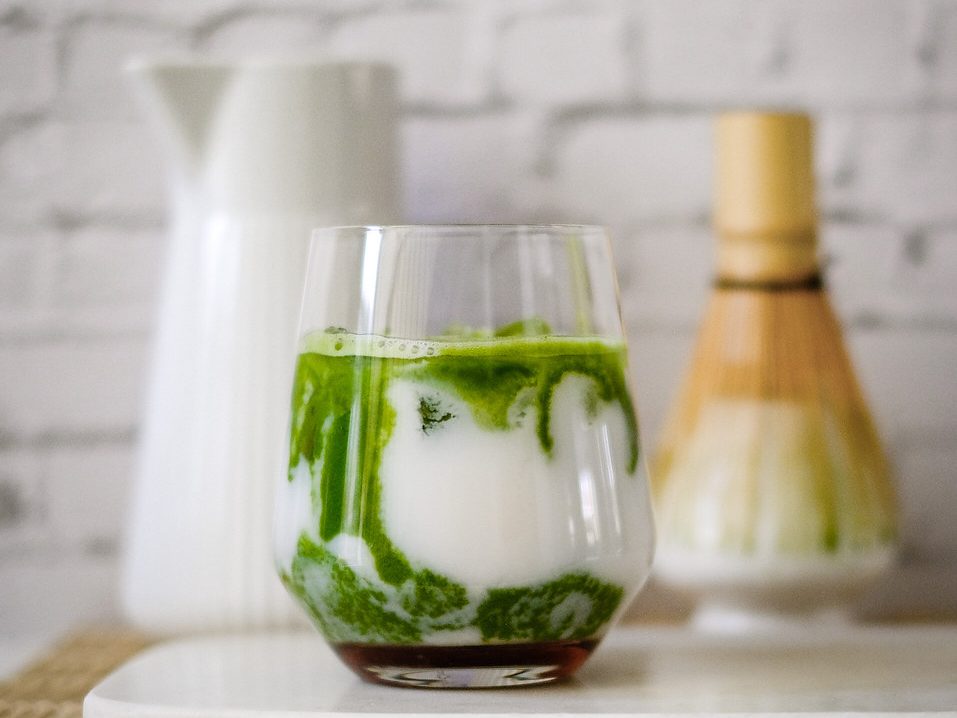
This small matcha house sits on a quiet road near Nishiki Market, away from the crowds that pack Gion’s main streets. The space is tiny—really more of a grab-and-go setup than a sit-down cafe—but watching the tea experts whisk each order makes lingering tempting anyway.
The Iced Matcha Latte and Iced Hojicha Latte both get proper whisking treatment. The tea-to-milk ratio here is excellent.
The flavors stay intense instead of getting watered down by too much milk or ice. If you’ve tried weak, overly sweet matcha lattes elsewhere and been disappointed, this place shows you what the drink should actually taste like.
Enman Mochi Shop
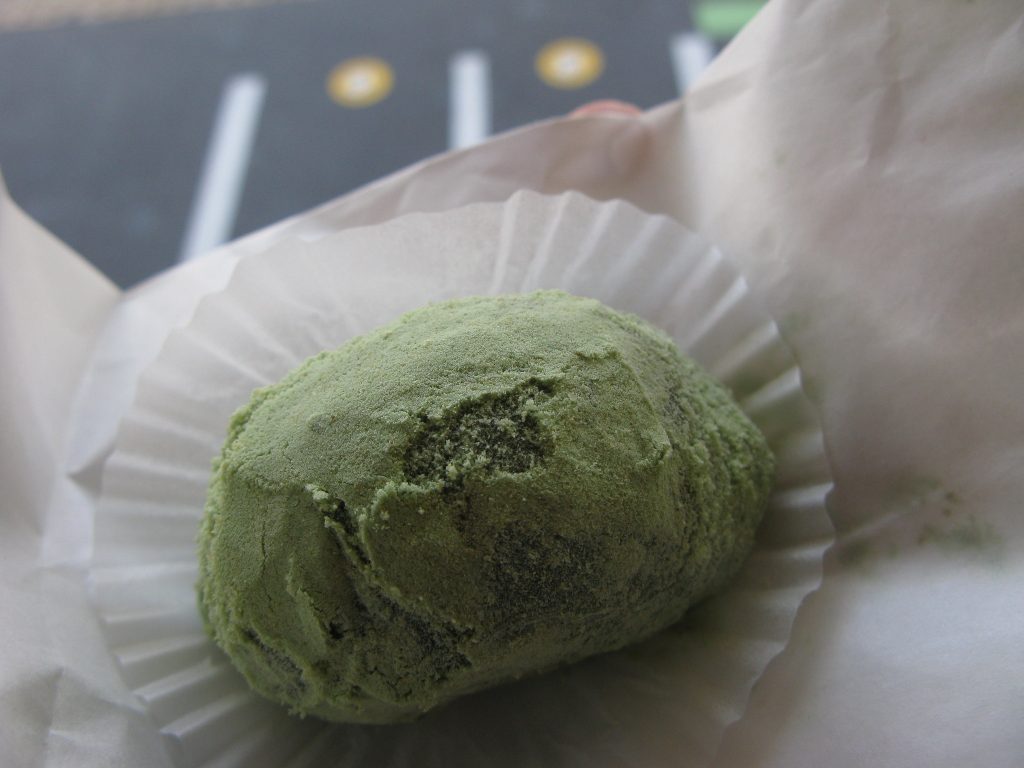
Founded in 2022 by Arashiyama in Kyoto, this spot blew up fast with fans of Japanese desserts. Instead of sticking to old styles only, the place mixes classic vibes from Kyoto with new-school details – giving it a cool twist while still feeling familiar.
What makes it stand out? A special treat called Hinerimochi you won’t get at any other location. These soft rice cakes come covered in top-quality matcha made by Kitagawa Hanbei, a well-known name in Uji green tea.
Their feel and flavor stand out – mochi’s stretch fights gently with the dusty outside layer, while the matcha punch holds steady in every bite.
Discovering your ideal brew
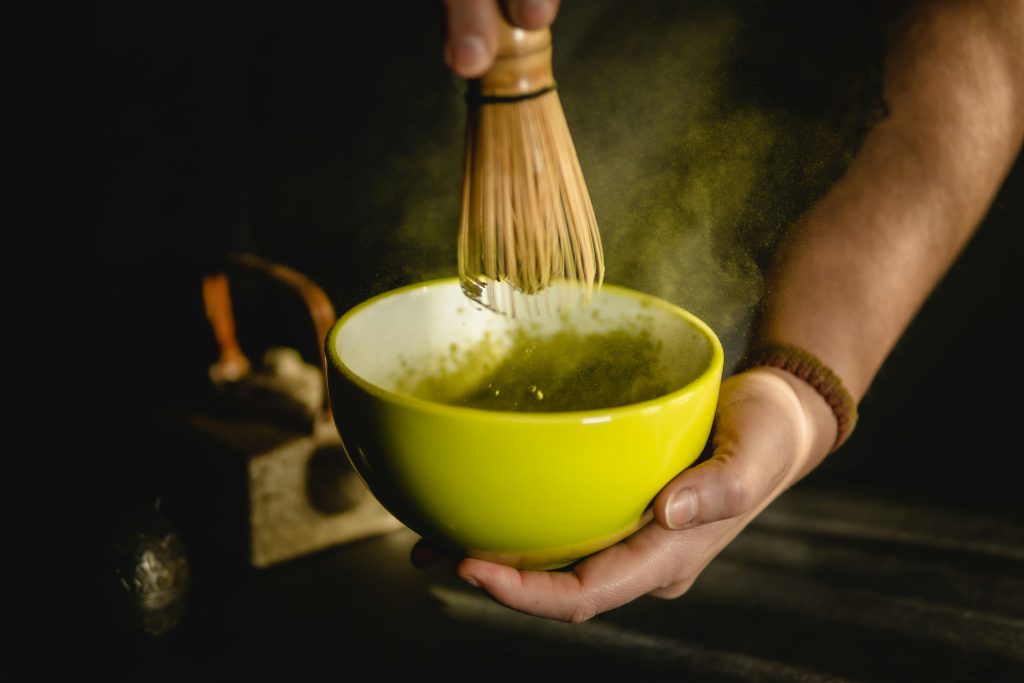
Kyoto’s love for matcha changes slowly, yet old ways still hold strong. A few spots have been around longer than countries like Germany or Canada. New ones popped up just months ago.
One isn’t better than the other – what counts is focus, patience, but mostly respect for the craft. The simplest approach? Choose an area you’d like to see, look up what spots from this guide are close by, then stop at any spot that works for your day.
It’s hard to mess up – Kyoto knows its tea too well.
More from Travel Pug

- Underrated Italian Towns That Beat the Tourist Crowds
- Las Vegas Tourist Traps to Skip
- Prettiest Towns in Every US State
- 18 passport-free countries for Americans
- Signs Your Cruise Is Not Worth The Cost
Like Travel Pug’s content? Follow us on MSN.