

The United States is packed with incredible geological sites that have been shaped over millions of years. From towering rock formations to deep, winding canyons carved by ancient rivers, these natural wonders give us a window into Earth’s ever-changing story. Visiting them is like flipping through a massive history book written by nature itself.
Here’s a list of 15 geologic wonders you absolutely shouldn’t miss across the country—each one showing off the unique beauty and diversity of America’s landscapes.
Grand Canyon

You can’t talk about U.S. geology without mentioning the Grand Canyon. This enormous gorge, carved by the Colorado River over millions of years, stretches nearly 300 miles and plunges over a mile deep in spots.
The colorful rock layers stacked inside tell a fascinating story of Earth’s past. Whether you’re standing on the rim or hiking down into the canyon, it feels like traveling back in time.
Yosemite Valley
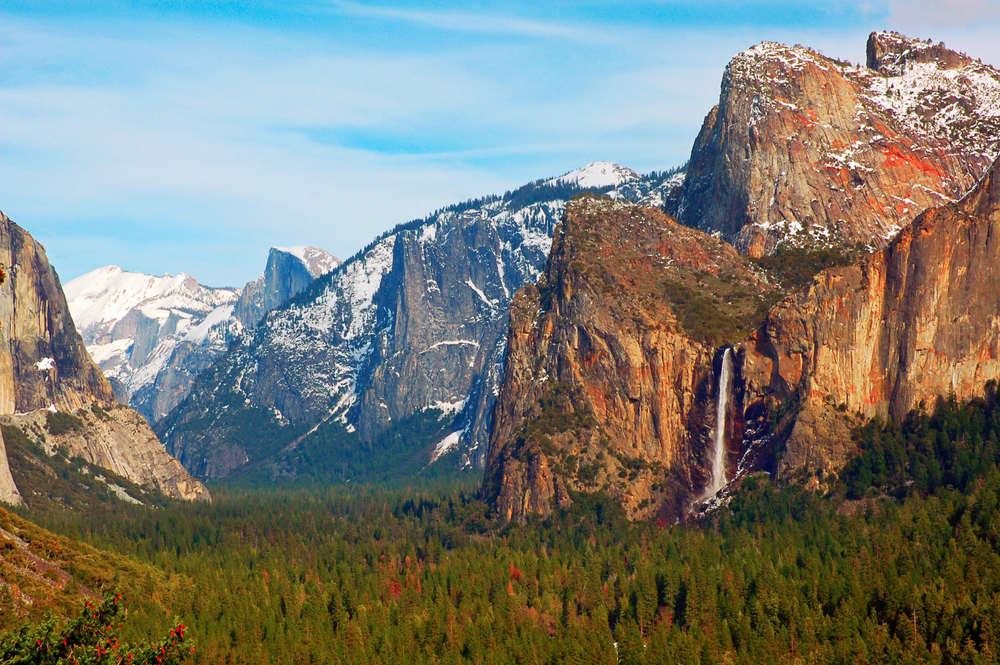
Yosemite Valley in California is simply breathtaking. It’s famous for its giant granite cliffs, stunning waterfalls, and the valleys shaped by glaciers during the last Ice Age. Massive rock faces like El Capitan and Half Dome tower over lush meadows, creating a dramatic contrast that pulls visitors from all over the world.
Yosemite is a perfect example of raw natural forces sculpting the landscape.
Like Travel Pug’s content? Follow us on MSN.
Mammoth Cave

Hidden beneath Kentucky lies Mammoth Cave—the longest cave system known on the planet, with over 400 miles explored. It’s like an underground maze full of winding tunnels, delicate stalactites, and flowing rivers.
Walking through Mammoth Cave feels like stepping into a secret world, a reminder that Earth’s history isn’t just above ground.
Devils Tower
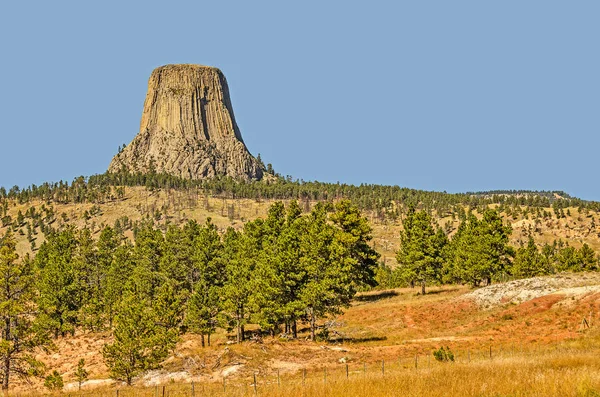
In Wyoming, Devil’s Tower rises sharply from the flat plains—a striking rock formation with tall, vertical columns that almost look man-made. It’s actually an ancient volcanic neck, where magma hardened underground and then was revealed as the surrounding rock eroded away.
The site is sacred to several Native American tribes, adding to its powerful presence.
Carlsbad Caverns
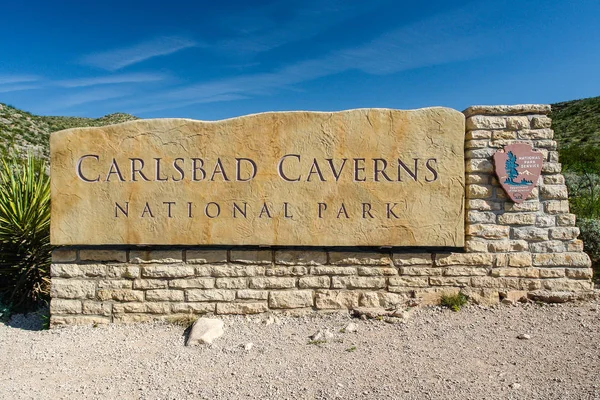
New Mexico’s Carlsbad Caverns reveal a hidden underground world full of massive chambers and delicate limestone formations. These caves were slowly carved over millions of years by acidic water dissolving the rock. The Big Room, one of the largest cave chambers in North America, is huge enough to fit several football fields.
Don’t miss the incredible sight of thousands of bats flying out at dusk.
Like Travel Pug’s content? Follow us on MSN.
Arches National Park
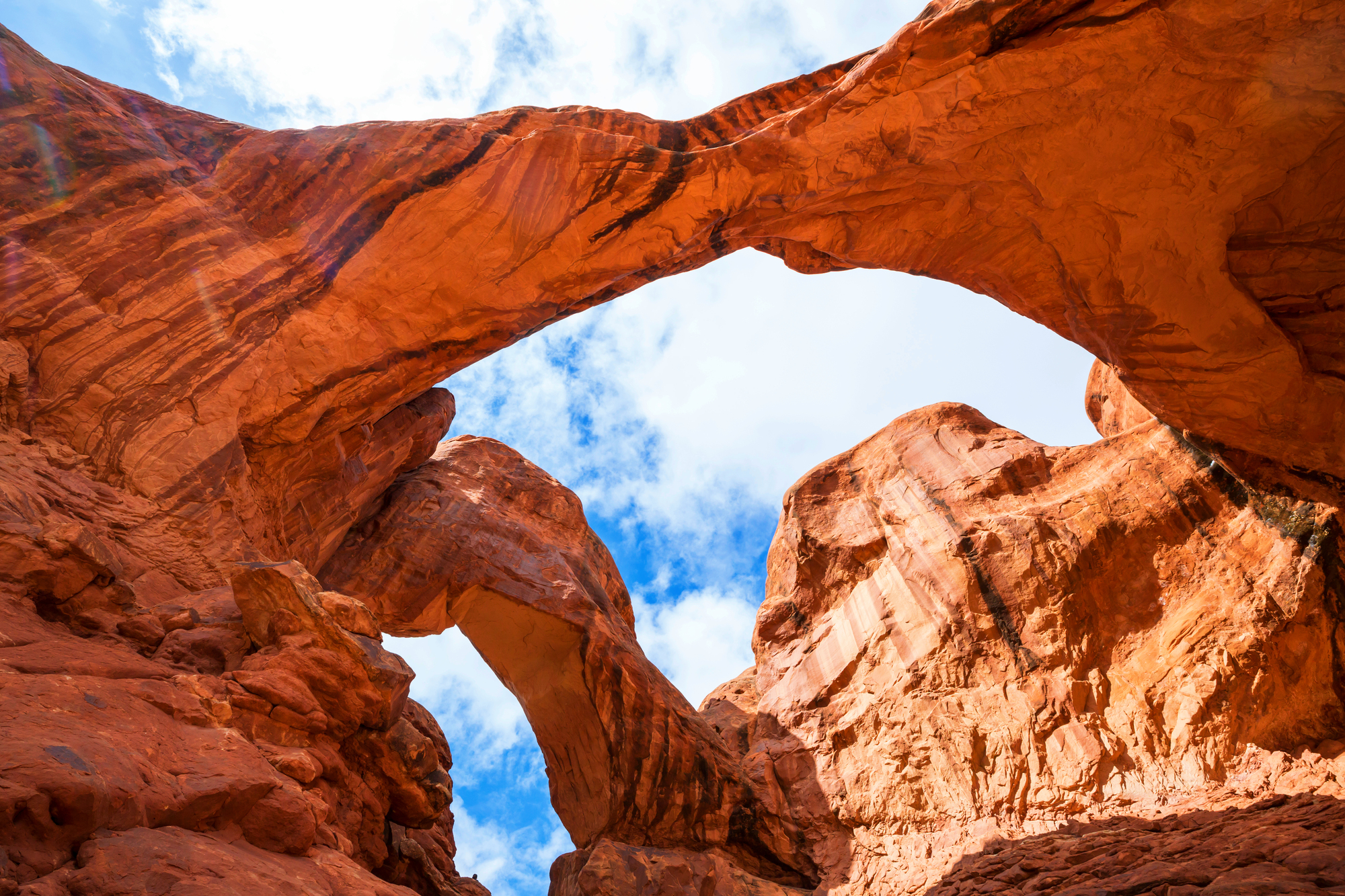
Utah’s Arches National Park boasts more than 2,000 natural stone arches, all shaped by wind and water over time. The landscape feels almost otherworldly, with arches ranging from tiny to massive, like the 300-foot-wide Landscape Arch.
Walking among these sculpted rocks is like exploring an open-air gallery of natural art.
Painted Hills
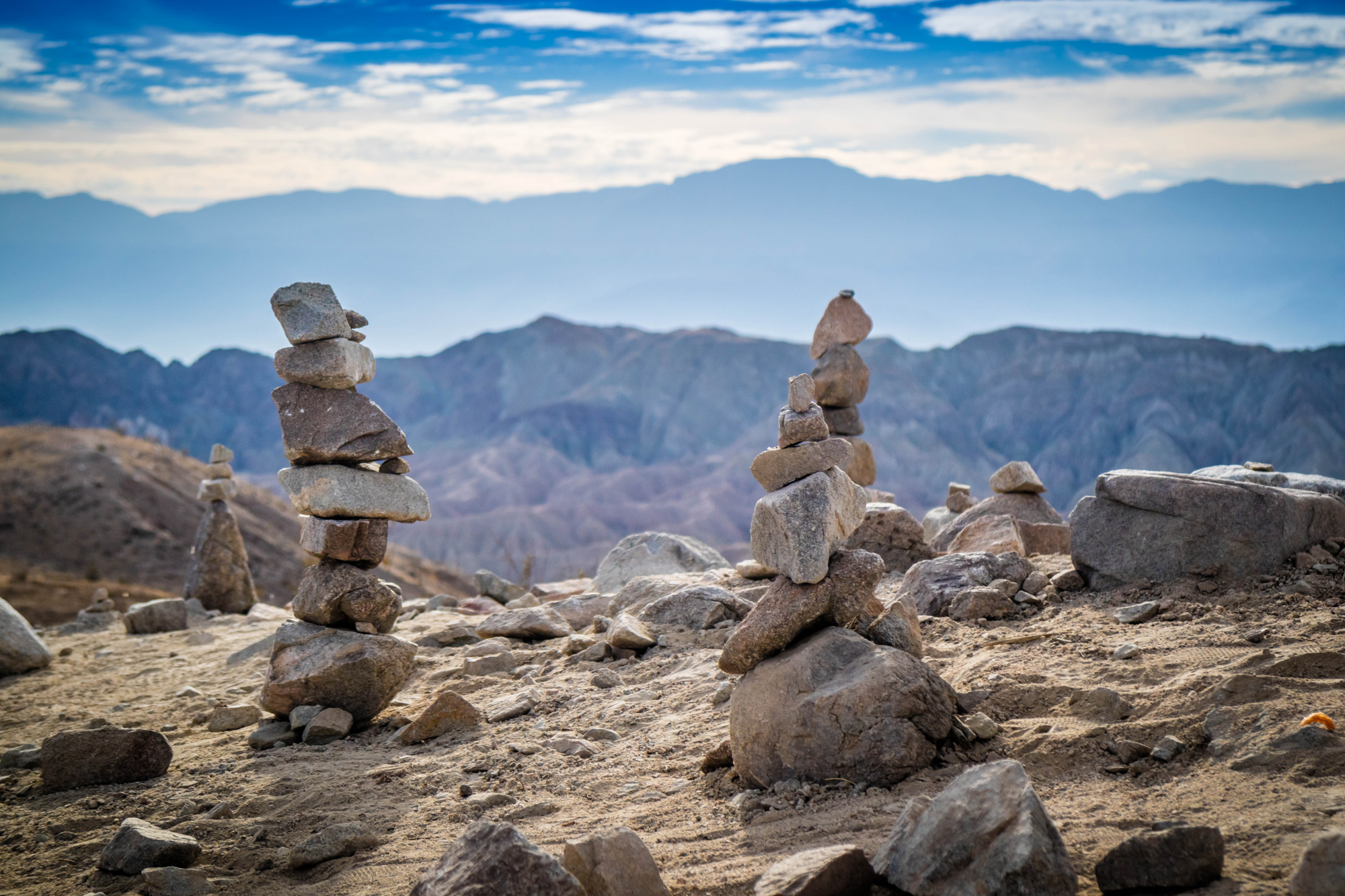
The Painted Hills in Oregon are famous for their layers of red, yellow, and black soil, creating a colorful striped effect. These shades come from minerals deposited over millions of years, telling a story about ancient climates and environments.
When the sun hits just right at dawn or dusk, the hills almost glow—like nature’s own painting.
Hawaii Volcanoes

Hawaii’s volcanoes are some of the youngest and most active landscapes on Earth. Mauna Loa and Kilauea keep reshaping the islands with flowing lava and steam vents.
Visiting these volcanic sites gives you a rare chance to see how new land is born—a real-time lesson in Earth’s ongoing transformation.
Like Travel Pug’s content? Follow us on MSN.
Bryce Canyon
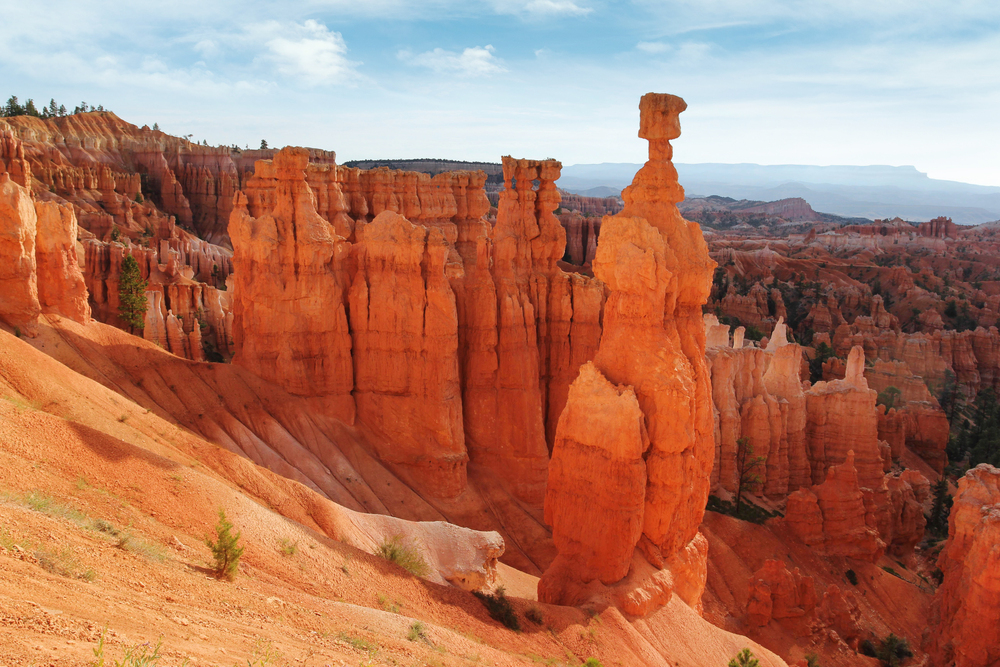
Known for its hoodoos—tall, thin rock spires formed by frost and erosion—Bryce Canyon in Utah feels like a landscape from another planet. These oddly shaped pillars cluster together in vast amphitheaters and glow with vibrant orange and pink hues.
Wandering through Bryce feels like exploring a natural maze carved by time.
The Wave
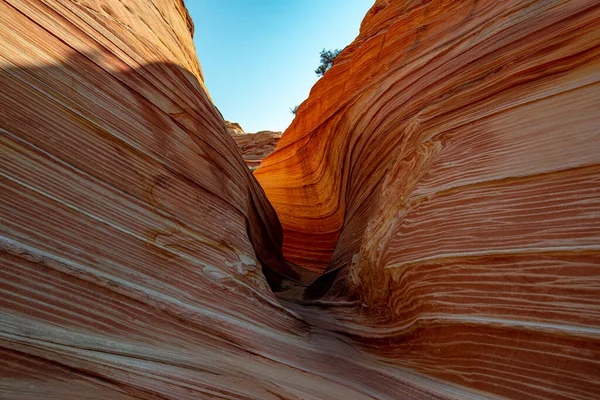
Arizona’s The Wave is a stunning sandstone formation shaped by millions of years of wind and water erosion. Its smooth, swirling patterns look like frozen ocean waves made of stone.
The Wave is fragile and requires a permit to visit, which helps protect its delicate beauty. Seeing it in person feels like stepping into a natural masterpiece.
Great Sand Dunes

Colorado’s Great Sand Dunes National Park has the tallest sand dunes in North America, reaching up to 750 feet high. These dunes formed as sand from nearby mountains was blown and trapped by wind. Hiking up the shifting sands feels like trekking through a desert, but with mountain peaks towering nearby.
The landscape is always changing with the wind.
Like Travel Pug’s content? Follow us on MSN.
Crater Lake
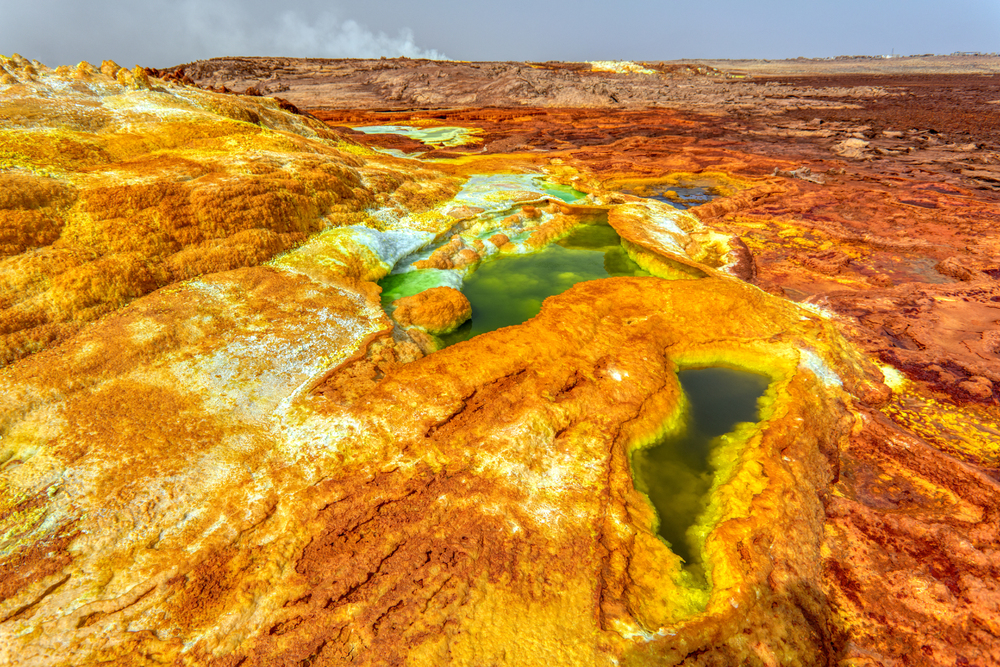
Crater Lake in Oregon is the deepest lake in the U.S., formed inside the caldera of a collapsed volcano called Mount Mazama. The water is famous for being crystal-clear and an intense deep blue, surrounded by cliffs that make the view stunning.
Because the lake has no rivers flowing in or out, the water stays incredibly pure and peaceful.
Antelope Canyon
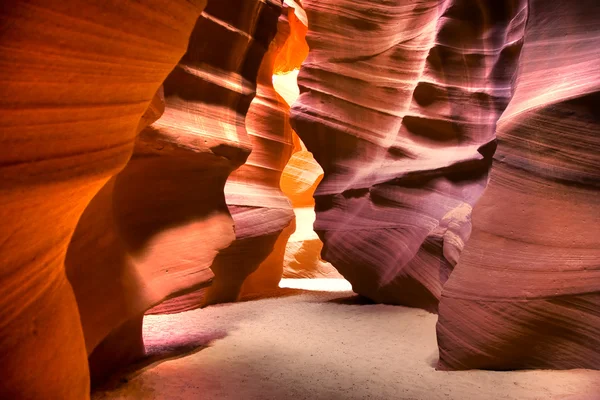
This slot canyon in Arizona is famous for its narrow passageways and the dramatic beams of light that shine through openings above. Its smooth, wave-like sandstone walls were carved by flash floods, creating a magical, twisting corridor.
Visiting around midday gives the best chance to see the light beams that make Antelope Canyon so famous.
Mount Rushmore
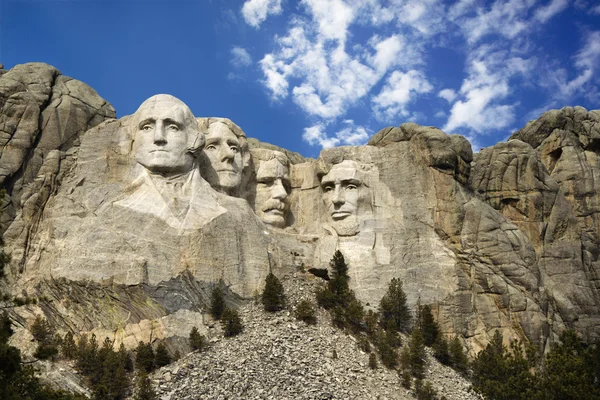
More than just the iconic presidential faces, Mount Rushmore in South Dakota is a giant granite outcrop that’s over 1.6 billion years old. The tough granite made it possible for sculptors to carve the monument, which stands strong against erosion.
It’s a remarkable blend of human artistry and natural geology.
Like Travel Pug’s content? Follow us on MSN.
The Badlands
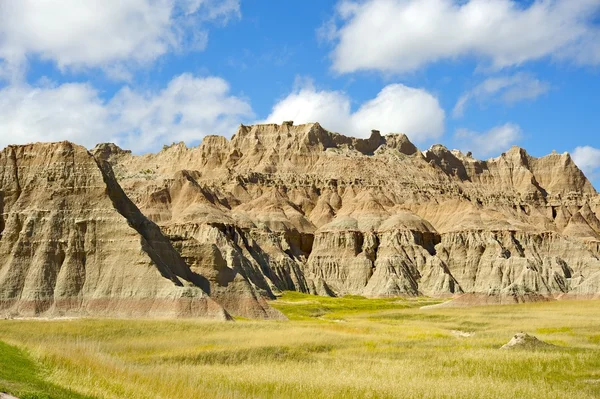
South Dakota’s Badlands are rugged and dramatic, full of sharply eroded buttes, ridges, and spires. These formations come from millions of years of sediment layers being laid down and slowly worn away by wind and rain.
The colors shift between yellows, reds, and grays, depending on light and minerals. Despite their harsh look, the Badlands hold rich fossil beds from ancient mammals.
Where Ancient Earth Meets Today’s Adventure

These geologic wonders remind us just how much our planet has changed over millions of years. They stand as natural monuments to the forces that built and shaped the landscapes we see today.
Visiting these places isn’t just about taking in beautiful views—it’s about connecting with the deep history beneath our feet. Each rock, canyon, and cave tells a story that’s still unfolding, one layer at a time.
More from Travel Pug

- 20 Best Beach Towns in the Carolinas
- 13 Destinations Where Tourists Regularly Regret Their Trip
- 20 Things You Actually Get in First Class
- 20 Small Airports With Aviation Museums
- 20 Places in the U.S. That Are Perfect for a Reset Trip
Like Travel Pug’s content? Follow us on MSN.