

Most travelers flock to Tokyo, Bangkok, and Singapore, while dozens of equally fascinating Asian capitals quietly wait, offering lower prices and fewer crowds. These overlooked cities offer ancient temples, vibrant street food scenes, and authentic cultural experiences without the tourist markup.
Here’s a list of offbeat Asian capitals that deliver rich traditions and substantial savings for travelers willing to venture beyond the usual circuit.
Vientiane

Laos’ capital moves at a pace that feels decades removed from neighboring Bangkok. French colonial architecture lines tree-shaded boulevards.
Buddhist monks in saffron robes collect morning alms while locals sip coffee at sidewalk cafés.Pha That Luang, the golden stupa that symbolizes Lao sovereignty, dominates the skyline.
The night market along the Mekong River sells textiles and handicrafts at prices that make bargaining almost unnecessary. Budget guesthouses run under fifteen dollars. Street food costs less than two dollars per meal. The laid-back atmosphere suits travelers tired of rushing between attractions.
Thimphu

Bhutan’s capital sits in a valley surrounded by pine forests and prayer flags snapping in mountain winds. No traffic lights exist here.
Just a lone traffic officer directing cars at the main intersection during peak hours.The government mandates sustainable tourism through daily fees, which actually include accommodation, meals, transport, and guides.
So while the upfront cost seems high, the value exceeds what independent travel in other countries delivers. Thimphu offers dzongs with fortress-like architecture, weekend markets selling yak cheese and chilies, and archery competitions that draw serious local crowds.
Like Travel Pug’s content? Follow us on MSN.
Bishkek
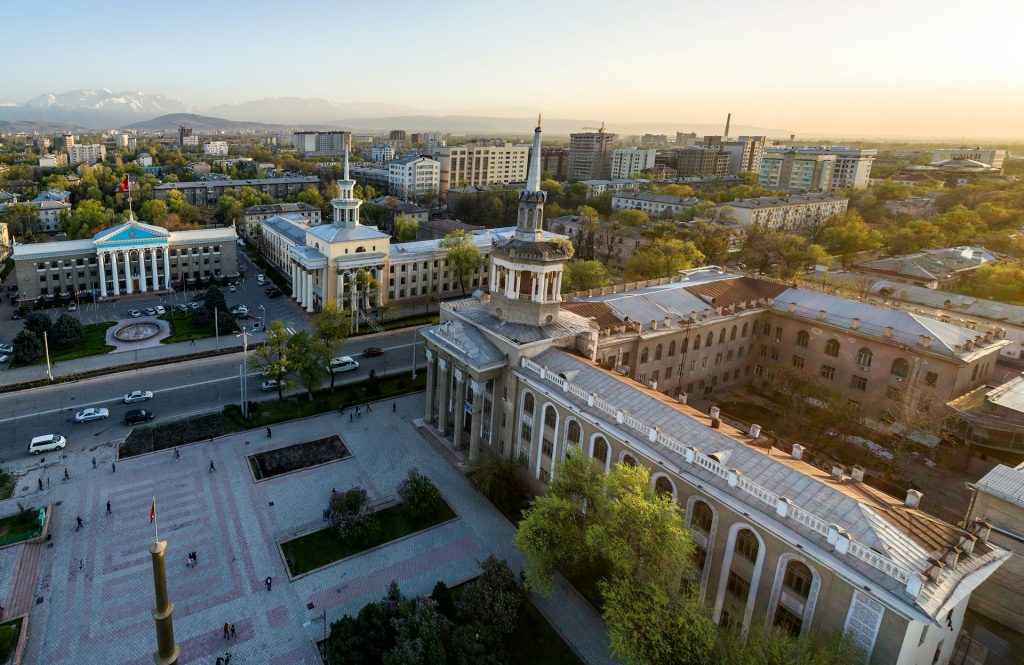
Kyrgyzstan’s capital blends Soviet-era architecture with Central Asian culture and serves as a base for mountain adventures. Wide boulevards and massive concrete buildings recall the USSR, but bazaars burst with fresh produce, spices, and textiles that connect to Silk Road trading traditions.
Osh Bazaar operates as the city’s commercial heart. Vendors sell everything from dried fruits to traditional felt goods. Accommodation costs a fraction of Western European prices.
The surrounding Ala-Too mountains provide hiking, horseback riding, and access to alpine lakes that reflect snowcapped peaks. And the plov? Rich, satisfying, costs about three dollars.
Kathmandu
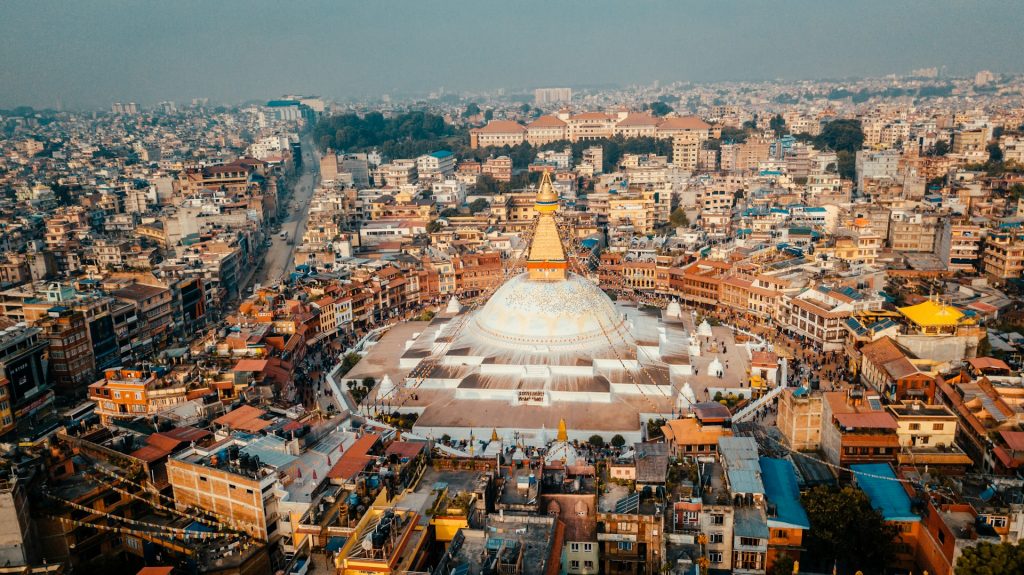
Nepal’s capital sprawls chaotically across a valley ringed by Himalayan peaks. Temples outnumber houses in some neighborhoods.
Prayer wheels spin constantly. Incense smoke drifts through narrow alleys where motorcycles somehow squeeze past vendors selling marigolds and prayer beads.
Durbar Square showcases pagoda-style temples and palaces that survived centuries and earthquakes. Boudhanath Stupa draws Buddhist pilgrims who circle the massive white dome while prayer flags flutter overhead.
Thamel district caters to trekkers stocking up on gear, but venture beyond and the city reveals quieter courtyards and family-run restaurants serving dal bhat that locals actually eat. Budget guesthouses run five to ten dollars. Even nice hotels rarely exceed forty.
Ulaanbaatar
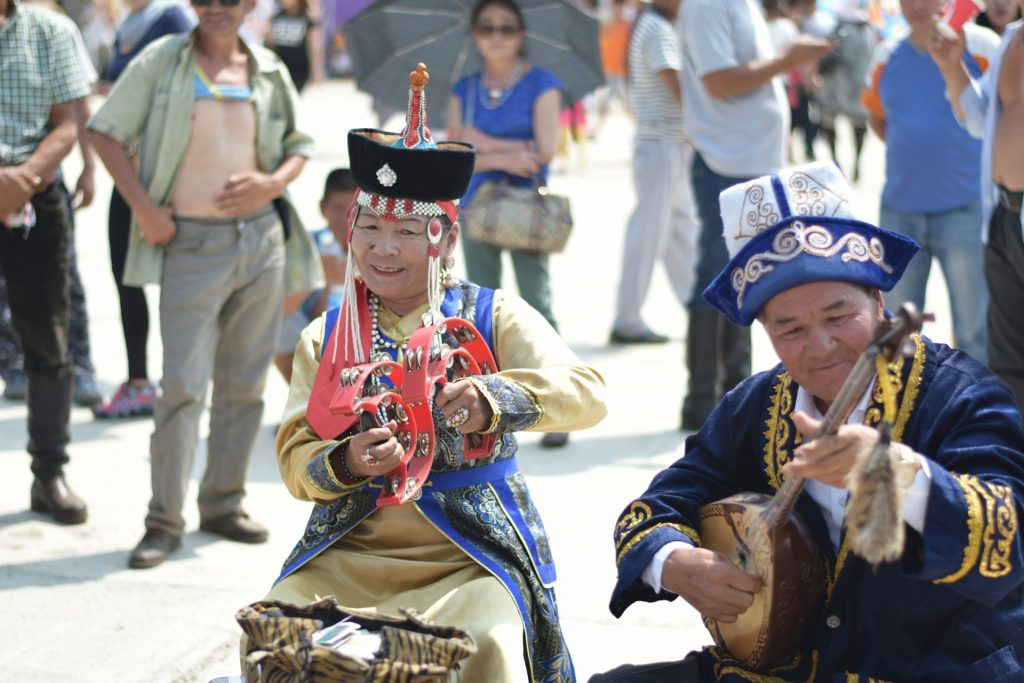
Mongolia’s capital experiences temperature extremes that range from minus forty in winter to summer days that top ninety degrees. Soviet-style apartment blocks dominate, but the city maintains connections to nomadic traditions that define Mongolian identity.
The National Museum of Mongolia traces its history from prehistoric times through Genghis Khan’s empire. Gandan Monastery houses a 26-meter gilded statue of Buddha. Weekend trips to the surrounding steppe let visitors stay in traditional gers and experience nomadic hospitality.
The city itself offers affordable accommodation and restaurants where mutton features prominently. Not everyone’s favorite protein, but prepared well it works.
Like Travel Pug’s content? Follow us on MSN.
Dushanbe
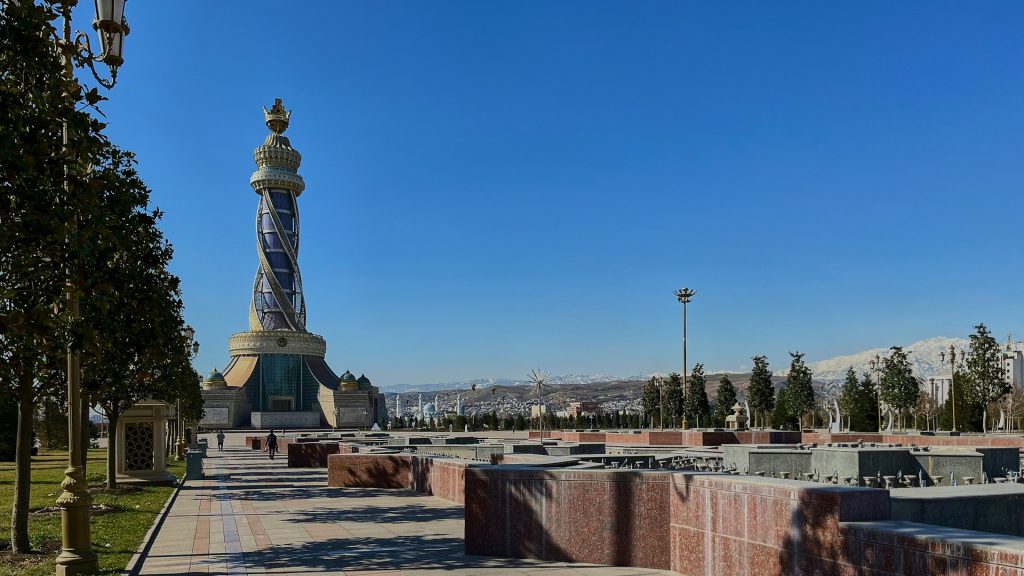
Tajikistan’s capital sits near the Afghan border, surrounded by the Pamir and Alay mountain ranges. The city rebuilt itself after a civil war in the 1990s and now features parks, museums, and teahouses where locals gather for hours.
Rudaki Park provides green space in the city center. Haji Yakoub Mosque showcases intricate tilework.
The National Museum holds a massive reclining Buddha discovered in southern Tajikistan. Dushanbe serves as the jumping-off point for the Pamir Highway, one of the world’s great road trips. Accommodation and food cost remarkably little. The national currency, the somoni, stretches far for foreign visitors.
Phnom Penh
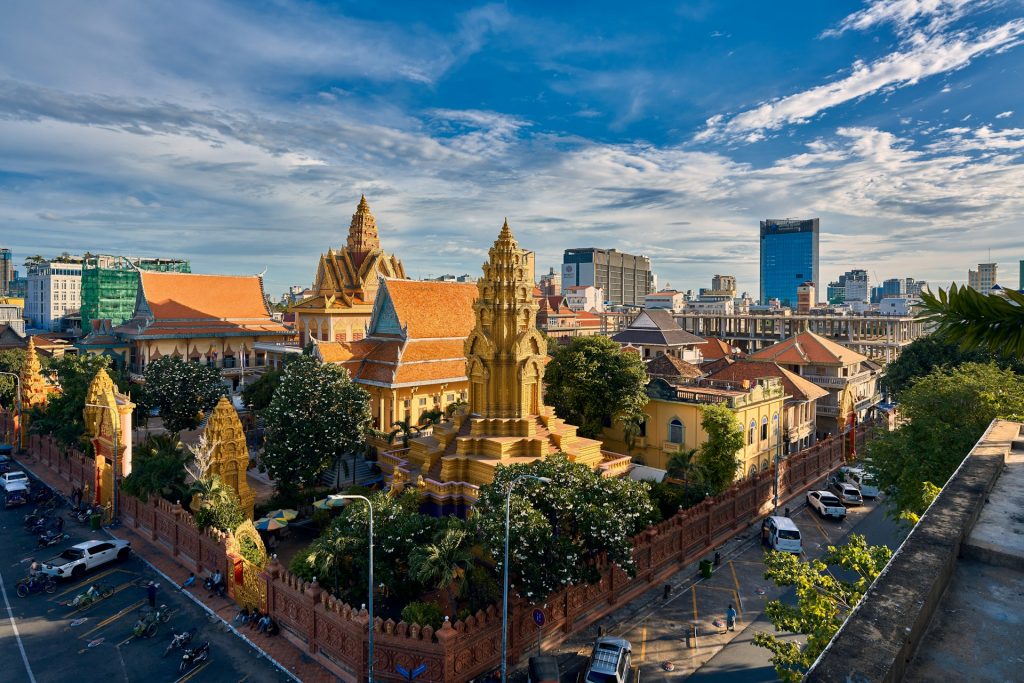
Cambodia’s capital sits at the confluence of the Mekong and Tonle Sap rivers. The city carries weight from the Khmer Rouge era but has transformed into a bustling hub with French colonial buildings, riverside cafés, and vibrant markets.
The Royal Palace complex gleams with gold-tipped roofs and houses the Silver Pagoda, its floor covered with silver tiles. The Tuol Sleng Genocide Museum and Killing Fields preserve brutal history that demands acknowledgment.
But the city also offers excellent street food, particularly at night markets where grilled meats and fresh fruit shakes cost under two dollars. Guesthouses start at eight dollars. Mid-range hotels rarely exceed thirty.
Colombo
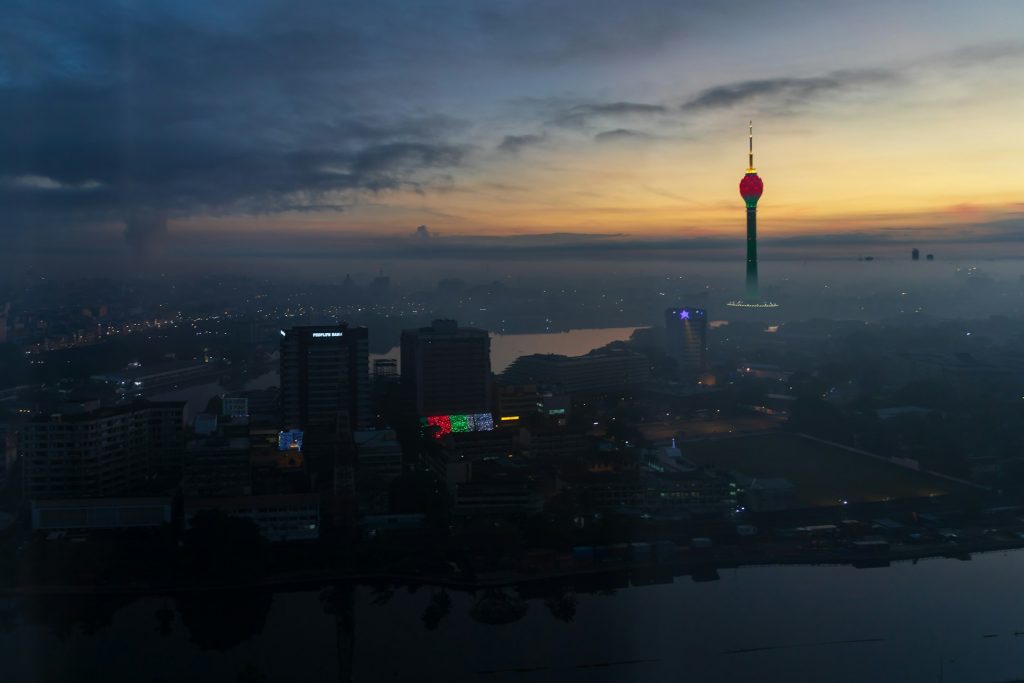
Sri Lanka’s commercial capital combines Portuguese, Dutch, and British colonial architecture with South Asian energy. Markets overflow with tropical fruits, spices, and textiles.
Buddhist temples stand near Hindu kovils and mosques in a mix that somehow works.Gangaramaya Temple houses an eclectic collection of religious artifacts and vintage cars.
Galle Face Green stretches along the coast, where locals fly kites and vendors sell isso wade, spicy shrimp fritters that taste better than they look. The city serves as a base for exploring Sri Lanka’s beaches, tea plantations, and ancient ruins. Accommodation spans all budgets. Street food costs pennies. Even nice restaurants charge a fraction of Bangkok prices.
Like Travel Pug’s content? Follow us on MSN.
Hanoi
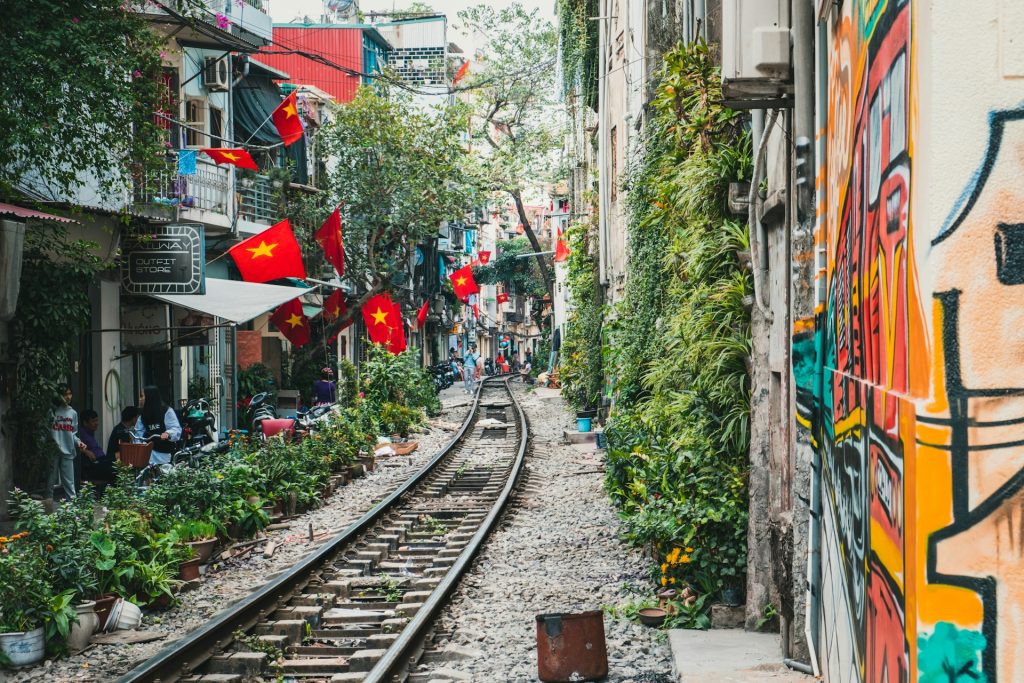
Vietnam’s capital balances French colonial elegance with communist monuments and organized chaos that defines Southeast Asian cities. Motorbikes dominate streets. Thousands of them.
Crossing roads requires faith and steady movement.The Old Quarter’s 36 streets originally specialized in specific trades and still maintain some of that identity.
Hoan Kiem Lake provides a calm center where locals practice tai chi at dawn. Street food culture here rivals anywhere in Asia. Bun cha, pho, banh mi, egg coffee. All exceptional, all cheap. Budget accommodation clusters in the Old Quarter. Mid-range hotels offer surprising quality for under forty dollars.
Dhaka
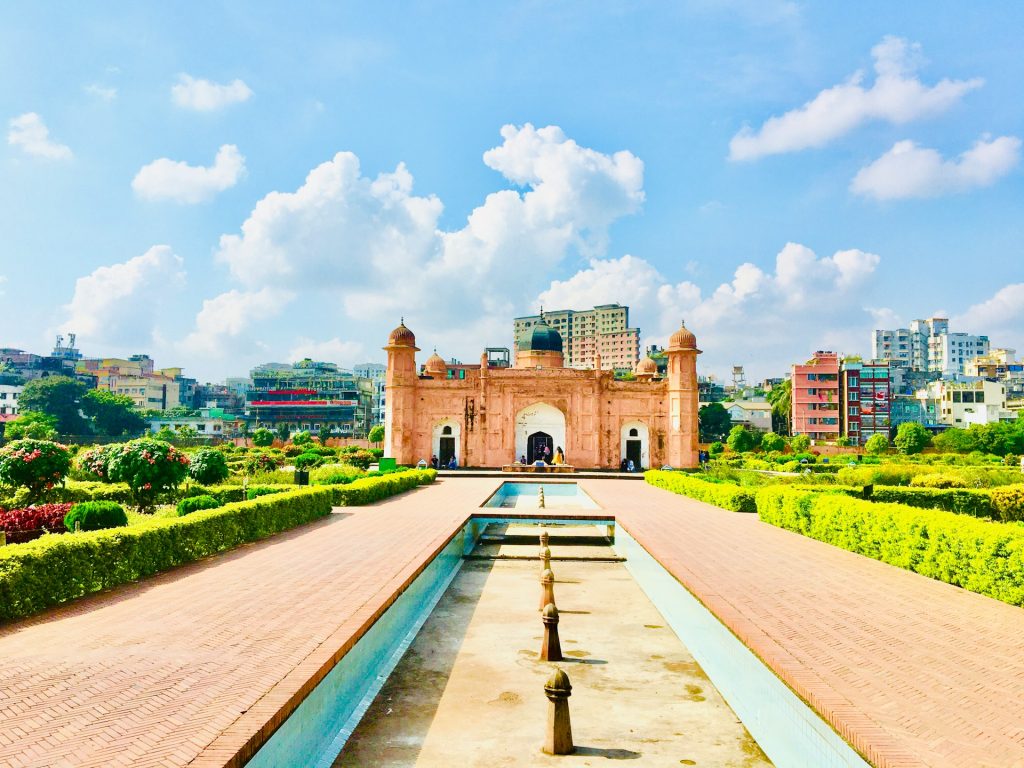
Bangladesh’s capital overwhelms first-time visitors with density, noise, and humidity that clings like a second layer of clothing. Over 20 million people pack into the metropolitan area, creating traffic that defies logic.
Still, the city rewards those who push through initial culture shock. Sadarghat River Port operates as one of the world’s busiest inland ports, with hundreds of wooden boats loading and unloading in constant motion.
Lalbagh Fort shows Mughal architecture. Pink Palace stands as an architectural oddity. The food scene excels. Biryani, hilsa fish curry, and sweets that satisfy any sugar craving cost almost nothing. Hotels run cheaper than in most Asian capitals.
Yangon

Myanmar’s former capital retains colonial charm despite decades of isolation and military rule. British-era buildings decay slowly along tree-lined streets.
Teahouses buzz with conversation from early morning until late evening.Shwedagon Pagoda dominates the skyline, its golden stupa visible from across the city and covered with tons of gold leaf.
The circular train that loops through neighborhoods provides a cheap way to see daily life unfold. Street food vendors sell mohinga, the national breakfast soup, for less than a dollar. Political uncertainty has kept tourist numbers lower than in neighboring Thailand, which means fewer crowds and better prices on accommodation.
Like Travel Pug’s content? Follow us on MSN.
Amman
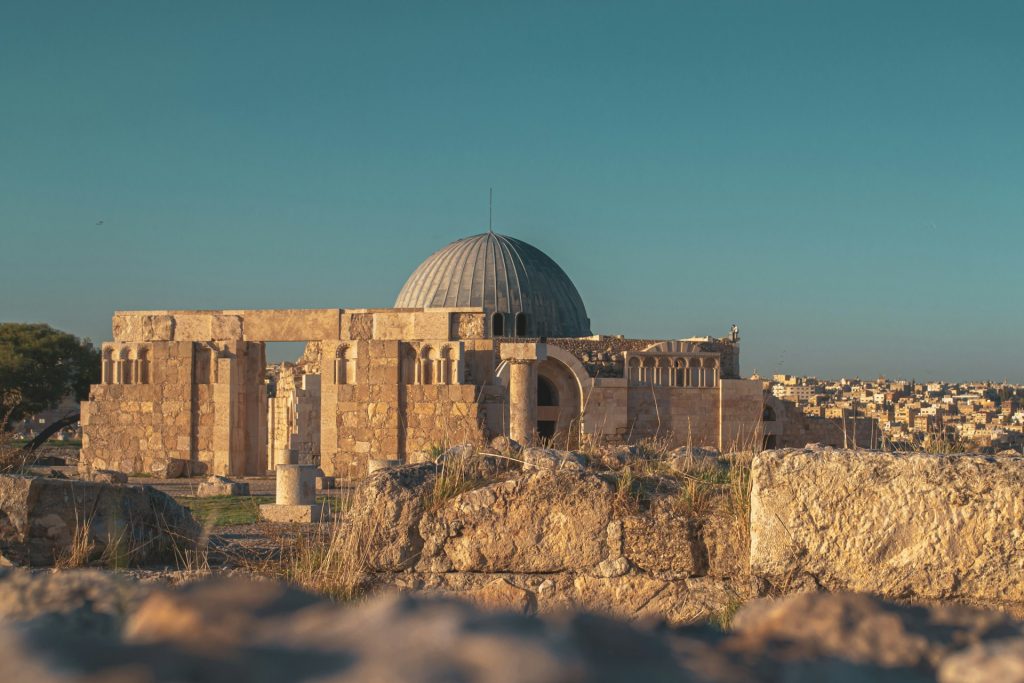
Jordan’s capital spreads across hills that biblical texts reference. Roman ruins sit downtown.
The citadel overlooks the city from its highest point. Modern cafés serve Arabic coffee alongside ancient traditions that haven’t changed much in centuries.
The Roman Theater, built in the second century, still hosts events. Rainbow Street offers restaurants and shops in a walkable neighborhood.
Downtown souks sell spices, sweets, and gold jewelry. Amman serves as the starting point for Petra, Wadi Rum, and the Dead Sea. While not the cheapest city in Asia, it delivers better value than Dubai or Abu Dhabi and offers Middle Eastern culture without the Gulf prices.
Ashgabat
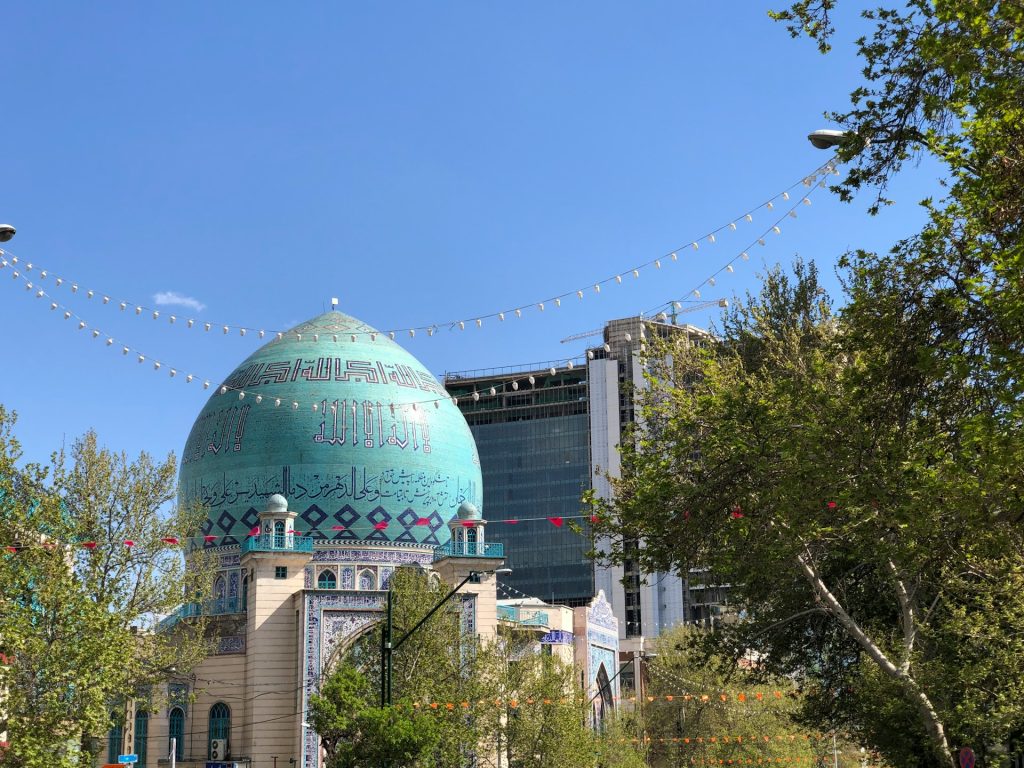
Turkmenistan’s capital makes this list for sheer uniqueness. The city holds the Guinness record for the most white marble buildings.
Everything gleams. Everything looks new because most of it is.Getting there requires visa arrangements that discourage casual tourism, which keeps crowds minimal.
The Turkmenbashi Ruhy Mosque accommodates 10,000 worshippers. The National Museum traces Turkmen history and culture. The Altyn Asyr bazaar sells carpets, jewelry, and traditional clothing. The city feels surreal. Like a movie set. Limited tourist infrastructure actually keeps costs reasonable for those who manage entry requirements.
Bandar Seri Begawan
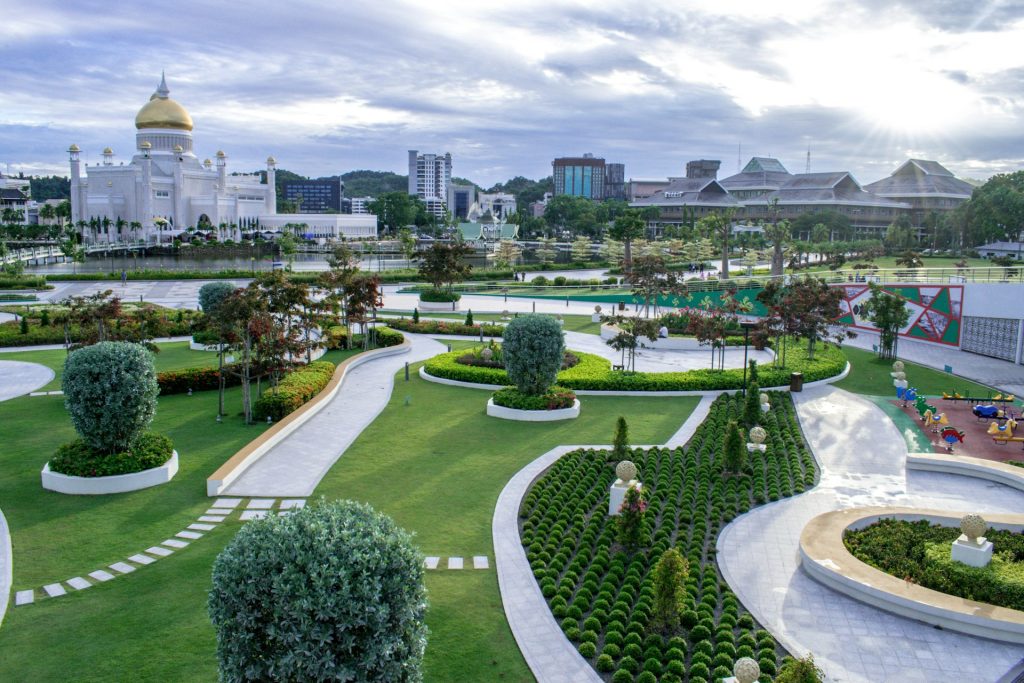
Brunei’s capital moves slowly along the Brunei River. Oil wealth funds impressive mosques and well-maintained infrastructure, but the city avoids the excesses of other wealthy Asian capitals. Quiet predominates here.
Omar Ali Saifuddien Mosque, with its golden dome and lagoon, ranks among Southeast Asia’s most beautiful religious buildings. Kampong Ayer, the water village, houses 30,000 residents in stilt houses connected by wooden walkways.
Visitors can explore by water taxi for pocket change. Alcohol isn’t sold, which eliminates one major expense. Food costs less than in neighboring Malaysia despite a higher GDP per capita.
Like Travel Pug’s content? Follow us on MSN.
Dili

East Timor’s capital faces the Timor Sea from a country that only gained independence in 2002. Portuguese colonial buildings share space with modern government structures.
The city feels small, manageable, and off most travel radars.Cristo Rei statue stands on a peninsula east of town, offering views across the coast.
The Resistance Museum documents the struggle for independence. Tais Market sells traditional woven textiles and handicrafts. Beaches near the city provide decent snorkeling. Tourism infrastructure remains limited, which keeps prices low but requires flexibility. English isn’t widely spoken. Portuguese and Tetum dominate.
Tashkent

Uzbekistan’s capital rebuilt itself after a devastating 1966 earthquake. Soviet-era metro stations feature chandeliers and mosaics that rival Moscow’s underground palaces.
Bazaars overflow with melons, pomegranates, and bread fresh from tandoor ovens.Chorsu Bazaar operates under a massive blue dome.
The old city contains madrasas and mosques that survived the earthquake. Modern Tashkent offers parks, museums, and restaurants where plov and shashlik satisfy any appetite for under five dollars. The som currency makes everything feel like a bargain. Hotels, transport, and food all cost considerably less than European or even many Asian alternatives.
Where the Crowds Haven’t Arrived Yet
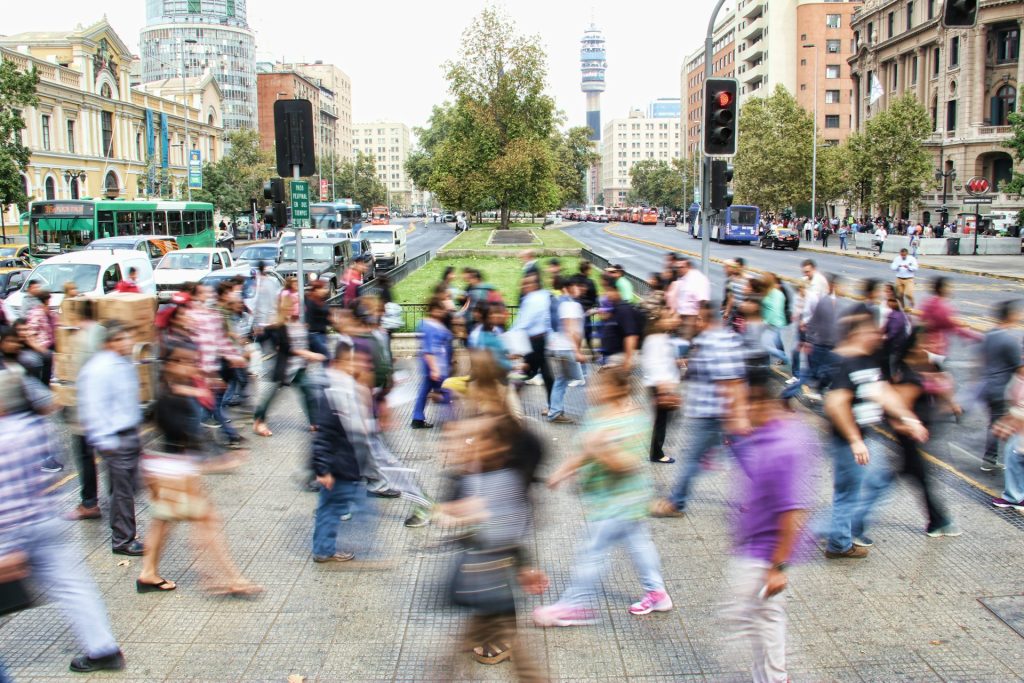
These capitals remain authentic and reasonably priced since they are not featured in the majority of Asian travel guides. Genuine encounters, uncrowded sites, and far more affordable prices are the benefits of the absence of tourism infrastructure, which occasionally calls for patience and adaptability.
The best discoveries can occasionally be found in areas that don’t actively promote themselves.
More from Travel Pug

- 20 Best Beach Towns in the Carolinas
- 13 Destinations Where Tourists Regularly Regret Their Trip
- 20 Things You Actually Get in First Class
- 20 Small Airports With Aviation Museums
- 20 Places in the U.S. That Are Perfect for a Reset Trip
Like Travel Pug’s content? Follow us on MSN.