

Spain’s Parador network transforms historic buildings into unique accommodations that you won’t find anywhere else. These state-run hotels occupy former castles, monasteries, palaces, and convents scattered across the country, giving travelers a chance to sleep in structures that have stood for centuries.
The government started the Parador system in 1928 to preserve architectural treasures while promoting tourism in less-visited regions, and today the chain includes nearly 100 properties from the Pyrenees to Andalusia. Each Parador tells its own story through original stonework, antique furnishings, and locations that range from coastal cliffs to medieval town centers.
Here’s a list of 15 Parador hotels to book in Spain that blend history with comfort.
Parador de Santiago de Compostela
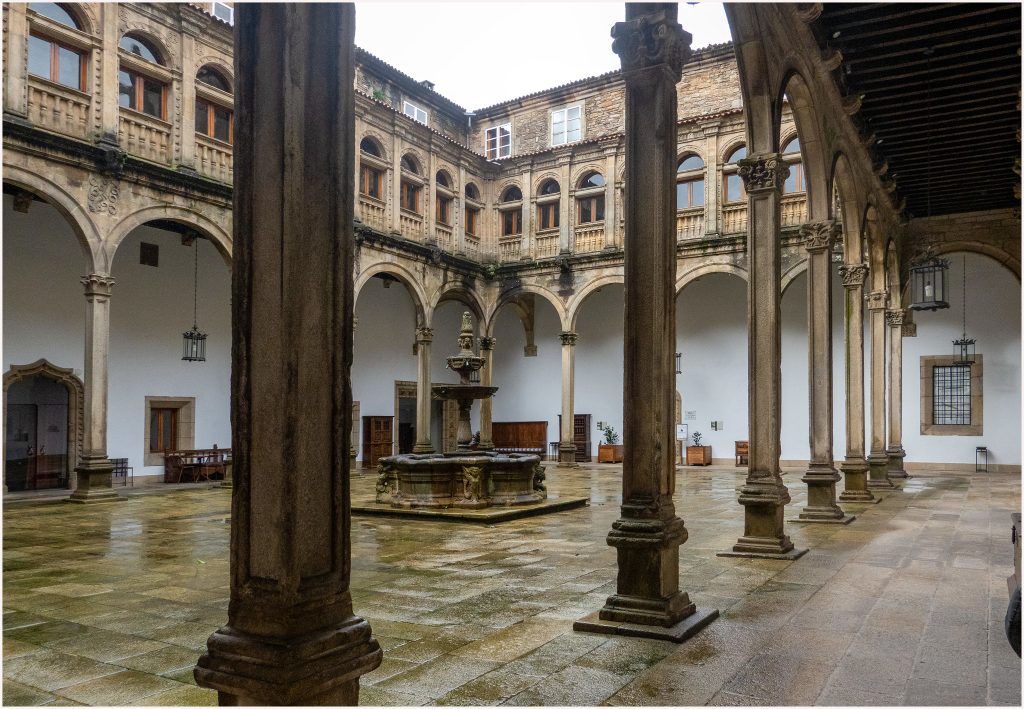
Built in 1499 as a pilgrim hospital next to Santiago’s famous cathedral, this is one of the world’s oldest hotels still operating. The building wraps around four interior courtyards with Gothic and Renaissance details throughout.
Rooms vary widely in size and style since they occupy different sections of the sprawling complex, but all keep period character with stone walls and heavy wooden doors.
Parador de Granada
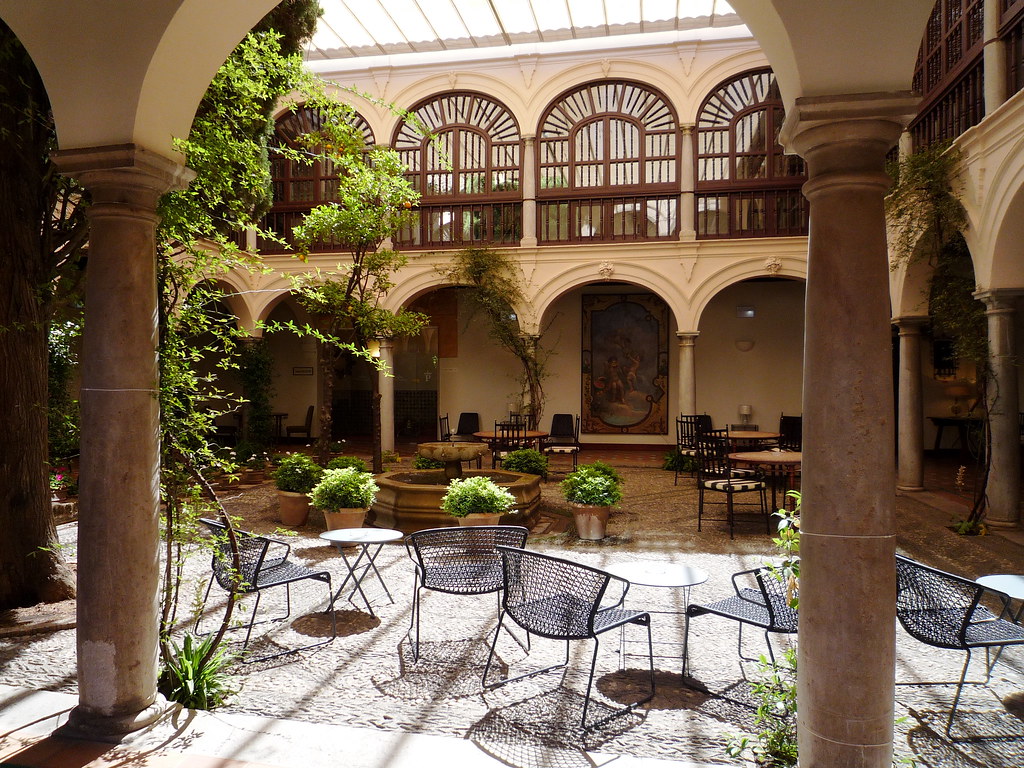
Located inside the Alhambra complex, this former convent sits in gardens originally designed for Moorish royalty. You’re literally staying within Granada’s most famous monument, which means you can wander the palace grounds before tour buses arrive.
The building dates to the 15th century and still has a small chapel where Queen Isabella once worshipped.
Parador de Cardona
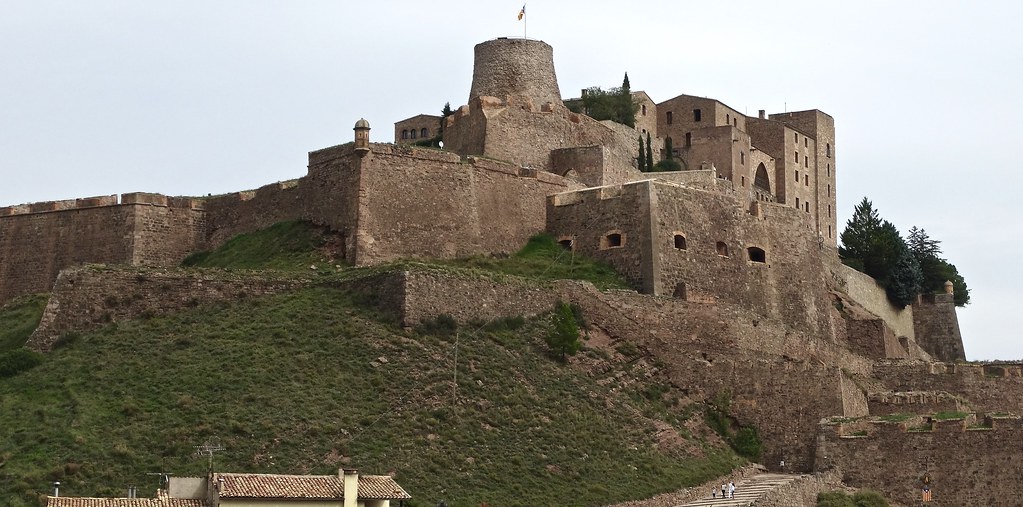
This medieval fortress in Catalonia perches on a hilltop visible for miles across the surrounding plains. The castle tower dates back to the 9th century, with later additions creating a complex that mixes Romanesque and Gothic styles.
Rooms in the tower itself are relatively small but atmospheric, with thick walls and narrow windows that once defended against invaders.
Parador de León
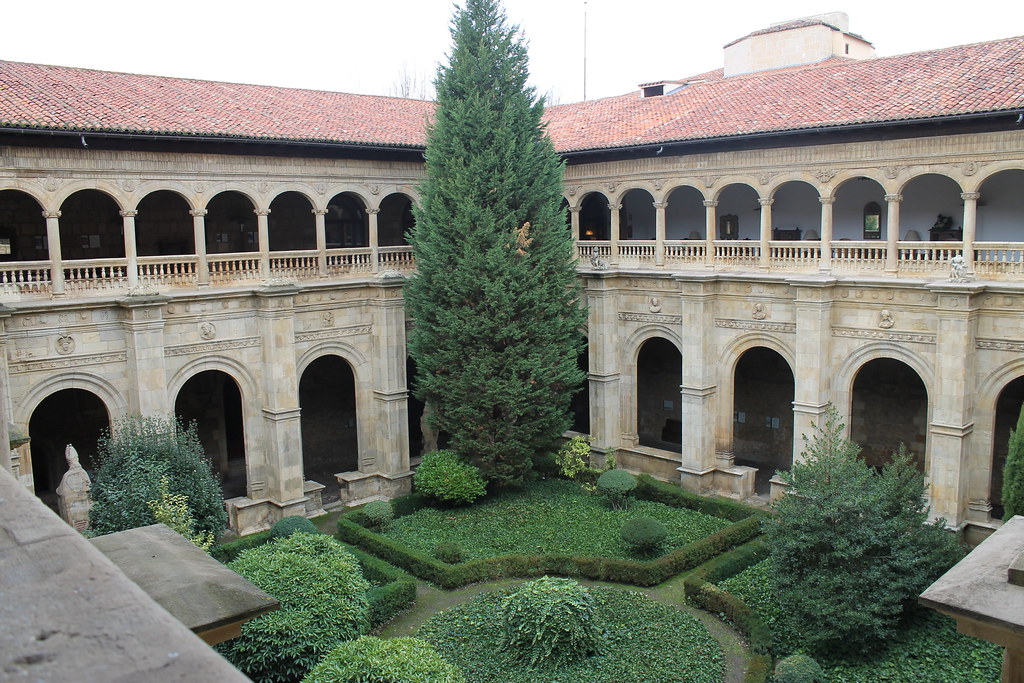
Housed in a 16th-century monastery right on León’s main square, this Parador sits steps from the city’s stunning Gothic cathedral. The Renaissance cloister remains intact, with vaulted ceilings and stone columns surrounding a peaceful courtyard.
Modern additions blend surprisingly well with original elements, and the restaurant serves Castilian specialties like roasted lamb and a traditional sausage made with rice and spices.
Parador de Hondarribia
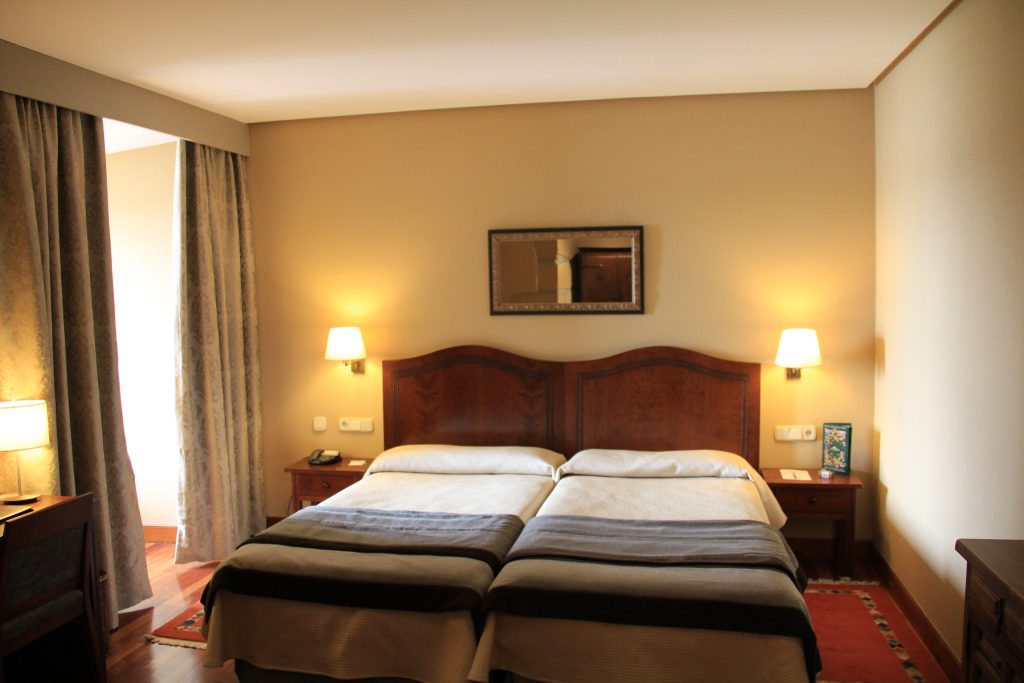
This fortified palace in the Basque Country overlooks the Bay of Biscay and the French border just across the water. Emperor Charles V stayed here in the 16th century, and much of that era’s character survives in the stone facade and interior details.
The medieval town of Hondarribia clusters around the Parador, with narrow cobblestone streets and colorful fishing boats in the harbor below.
Parador de Alarcón
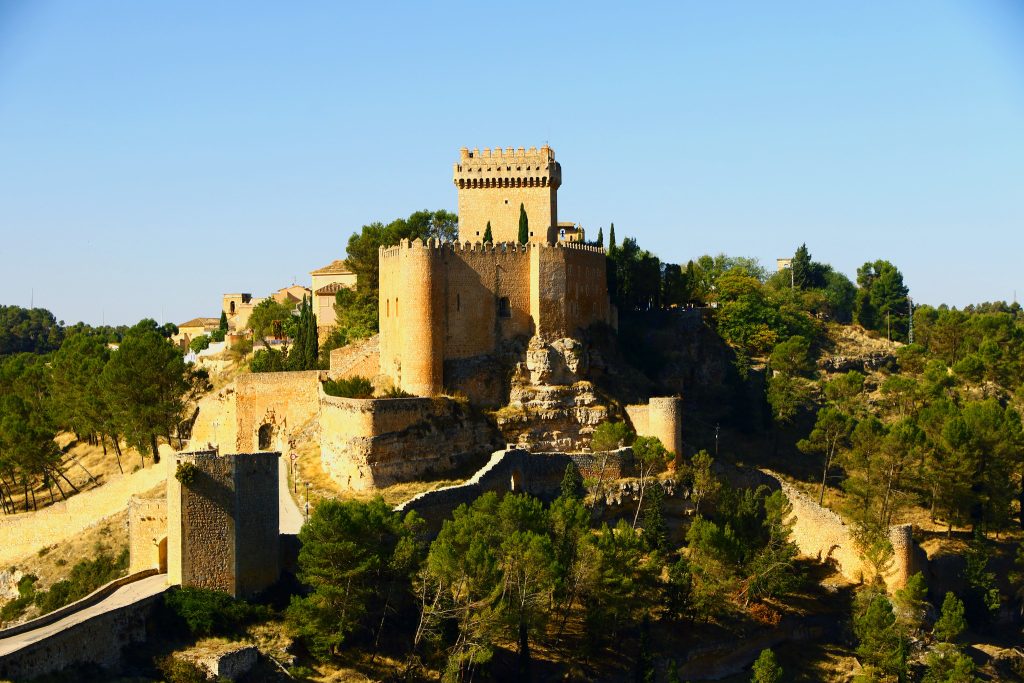
Set inside an 8th-century Moorish castle on a rocky promontory, this Parador rises above the Júcar River as it loops around three sides of the fortress. The location feels incredibly remote even though it’s only a couple of hours from Madrid and Valencia.
Rooms occupy former guard towers and noble quarters, with some offering views straight down the cliff face to the river.
Parador de Santillana Gil Blas
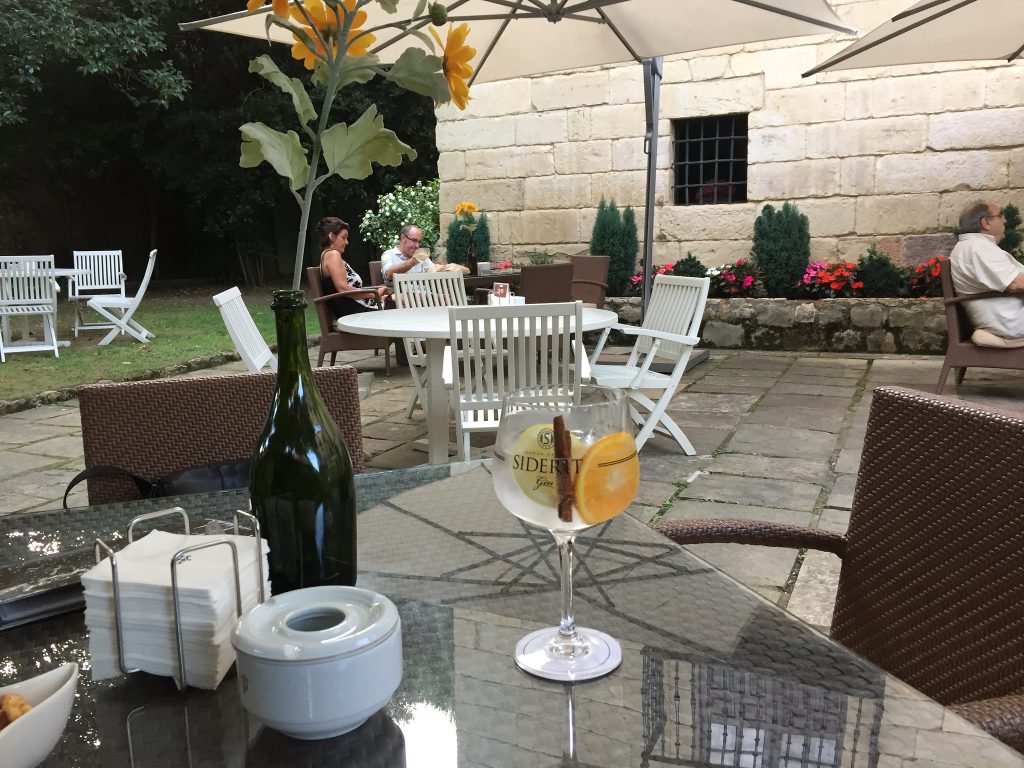
This converted manor house in Cantabria sits in one of Spain’s best-preserved medieval villages. The building itself dates to the 17th century and surrounds a central courtyard with stone arcades.
Santillana del Mar attracts crowds during summer, but the town empties out by evening when day-trippers leave and you can wander the cobblestone streets practically alone.
Parador de Cuenca
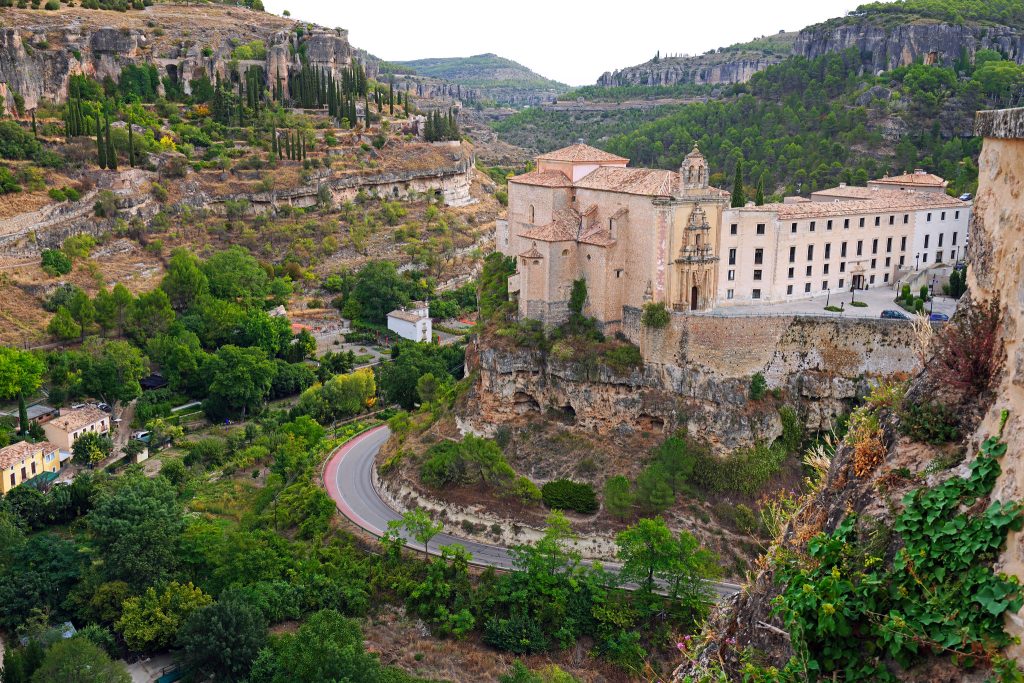
Perched on a cliff edge above the Huécar River gorge, this modern Parador was built specifically to blend with Cuenca’s famous hanging houses. Floor-to-ceiling windows in many rooms provide dizzying views straight down to the river hundreds of feet below.
The location puts you right in the historic center, within walking distance of the abstract art museum and Gothic cathedral.
Parador de Carmona
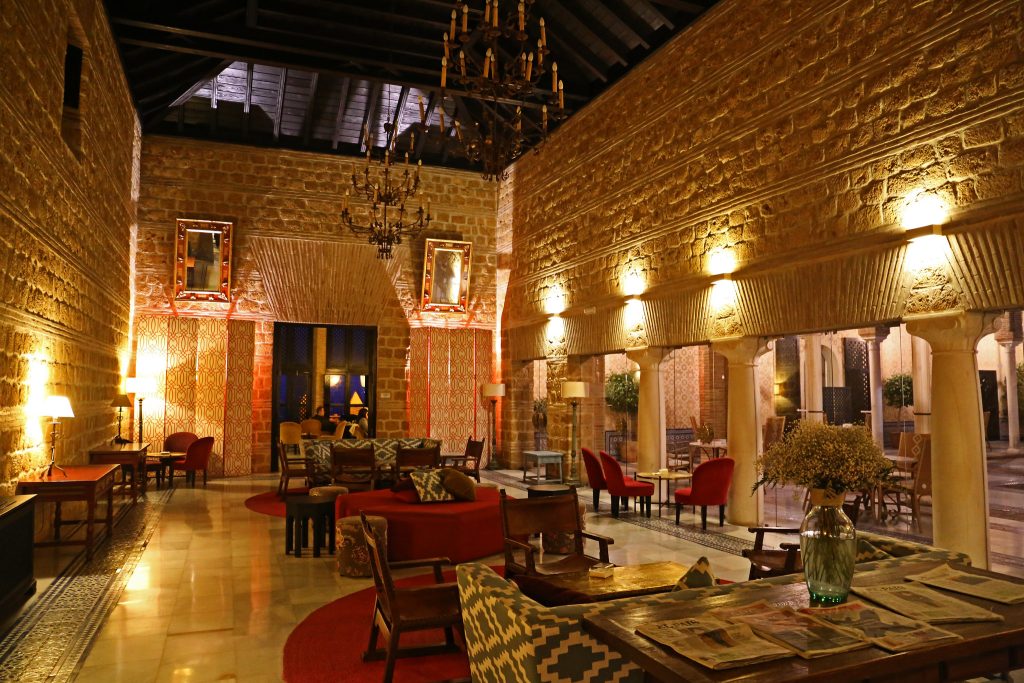
This 14th-century Moorish fortress in Andalusia sits on the highest point in Carmona, with views extending across olive groves to Seville in the distance. The original Arab palace was built atop Roman ruins, and archaeological remains are visible in some sections.
Palm trees fill the interior courtyard, and the rooftop terrace catches breezes even during brutal summer heat.
Parador de Sos del Rey Católico
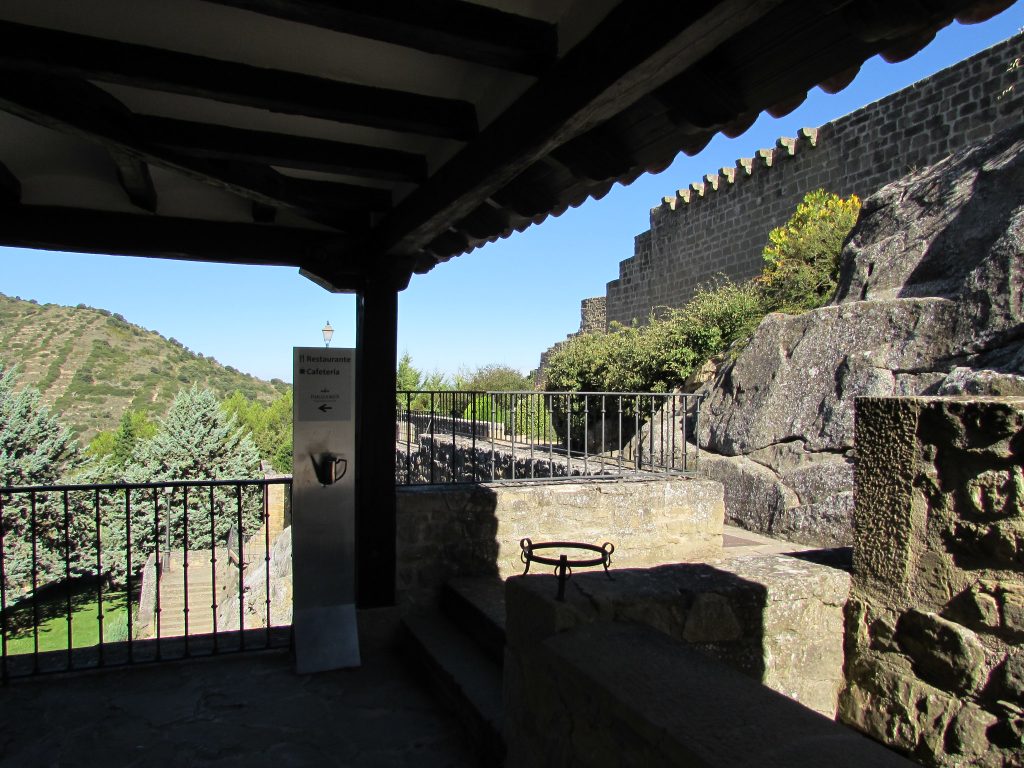
Located in a tiny Aragonese village where King Ferdinand II was born in 1452, this Parador occupies a noble house with medieval roots. The village itself seems frozen in time, with stone buildings and narrow alleys climbing the hillside.
Views from the Parador extend across the Pyrenees foothills, and the restaurant specializes in hearty mountain cuisine.
Parador de Ronda
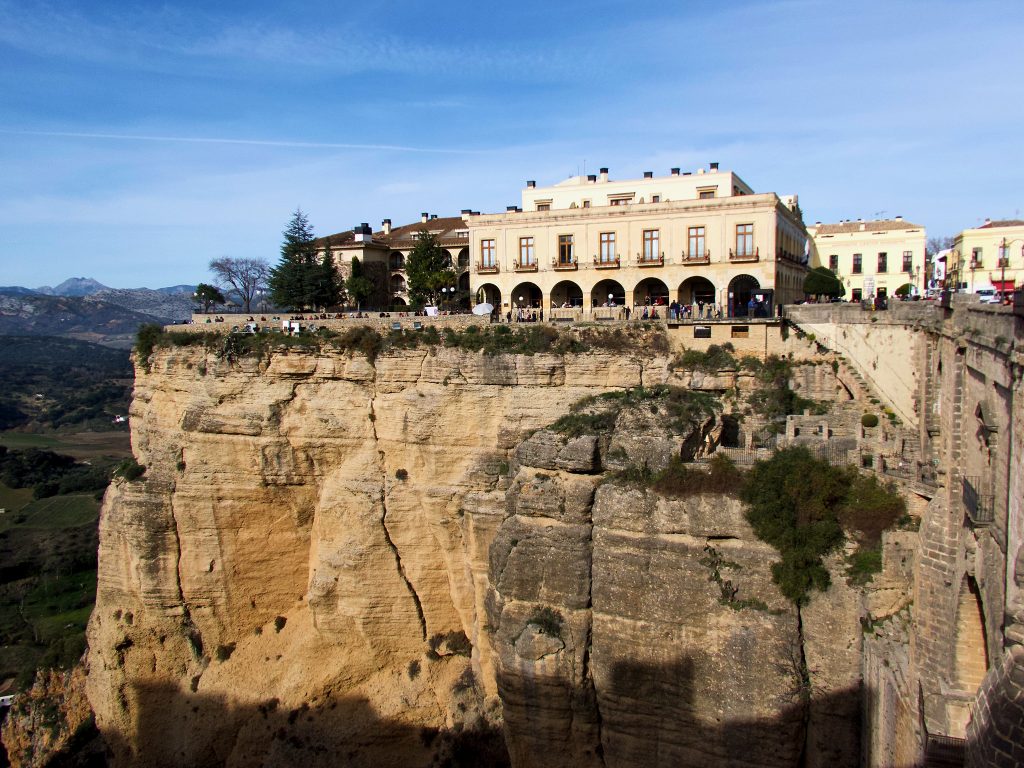
Built right on the edge of Ronda’s famous gorge, this former town hall offers jaw-dropping views of the El Tajo chasm and the New Bridge spanning it. The building mixes with Ronda’s dramatic cliffside setting, and some rooms look straight down 390 feet to the river below.
The location is perfect for exploring Ronda’s bullring, Arab baths, and the network of trails descending into the gorge.
Parador de Oropesa
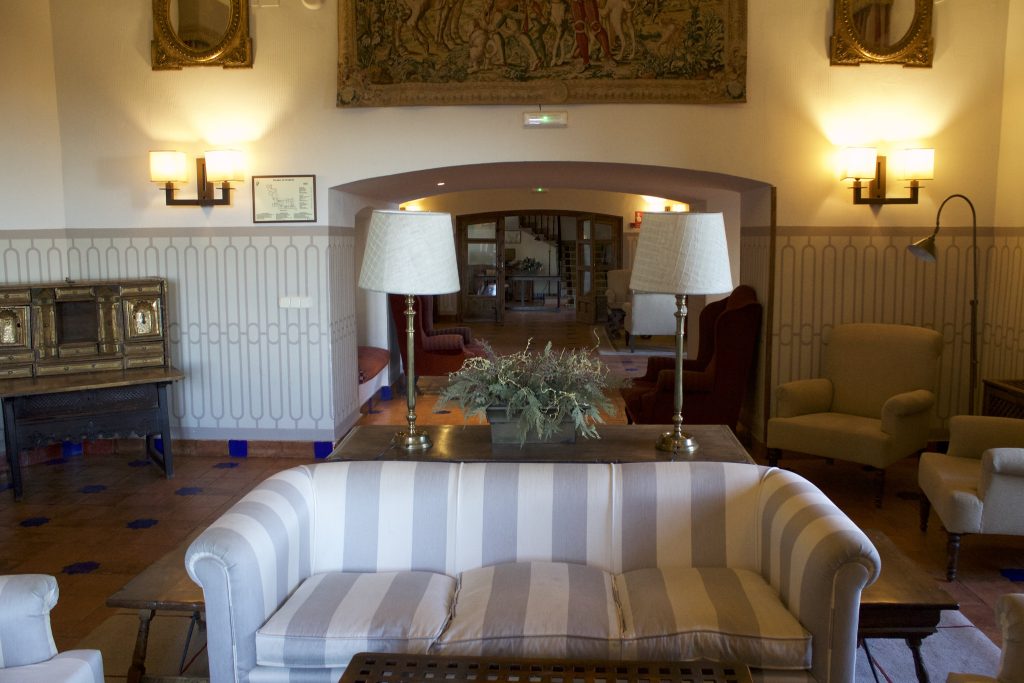
This 14th-century castle in Toledo province towers over the village of Oropesa and the plains beyond. The medieval fortress keeps its imposing character with crenellated walls and a massive keep, though interiors have been updated for comfort.
The property includes both historic castle rooms and a modern wing added in the 1960s.
Parador de Alcañiz
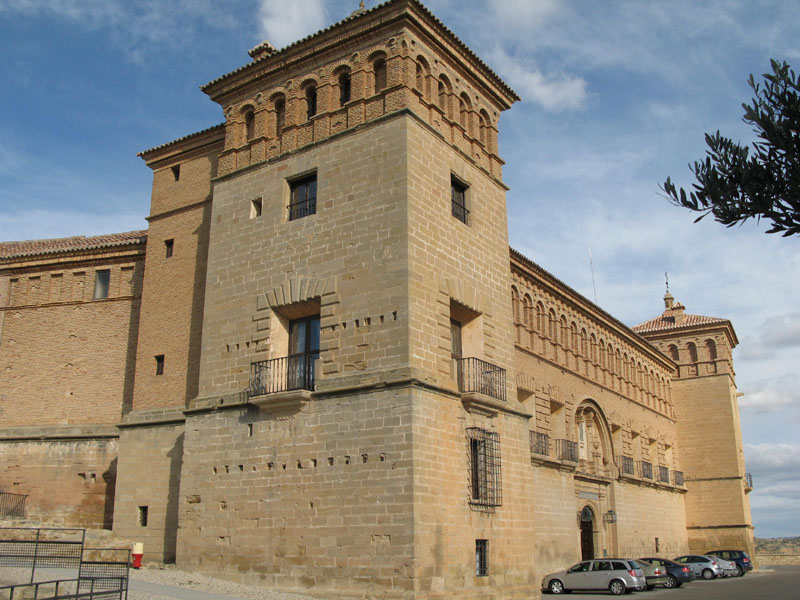
Set in an 18th-century castle that previously served as a monastery for the Knights of Calatrava, this Parador in Aragon combines military and religious architecture. Gothic frescoes survive in the old church, and the cloisters now serve as atmospheric corridors connecting different sections.
The town of Alcañiz spreads below the castle hill, with the Guadalope River valley visible in the distance.
Parador de Jaén
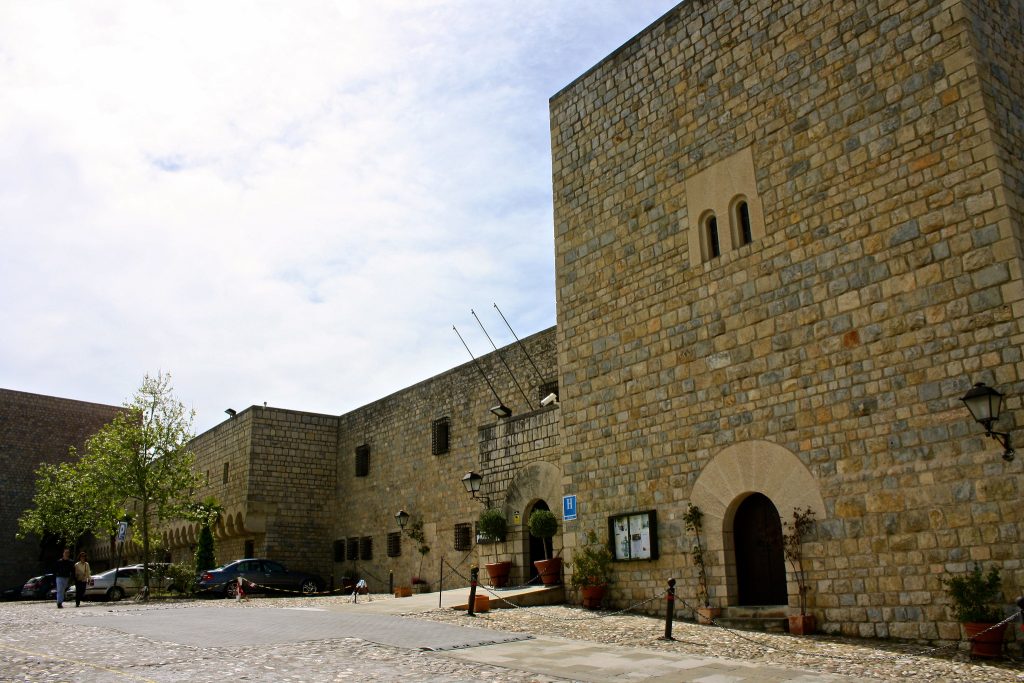
This massive castle complex dominates a mountaintop above Jaén, with battlements offering panoramic views across endless olive groves. Arab fortifications form the foundation, with later Christian additions creating a sprawling fortress that once controlled this strategic crossroads.
Long corridors and stone staircases connect tower rooms and noble chambers.
Parador de Chinchón
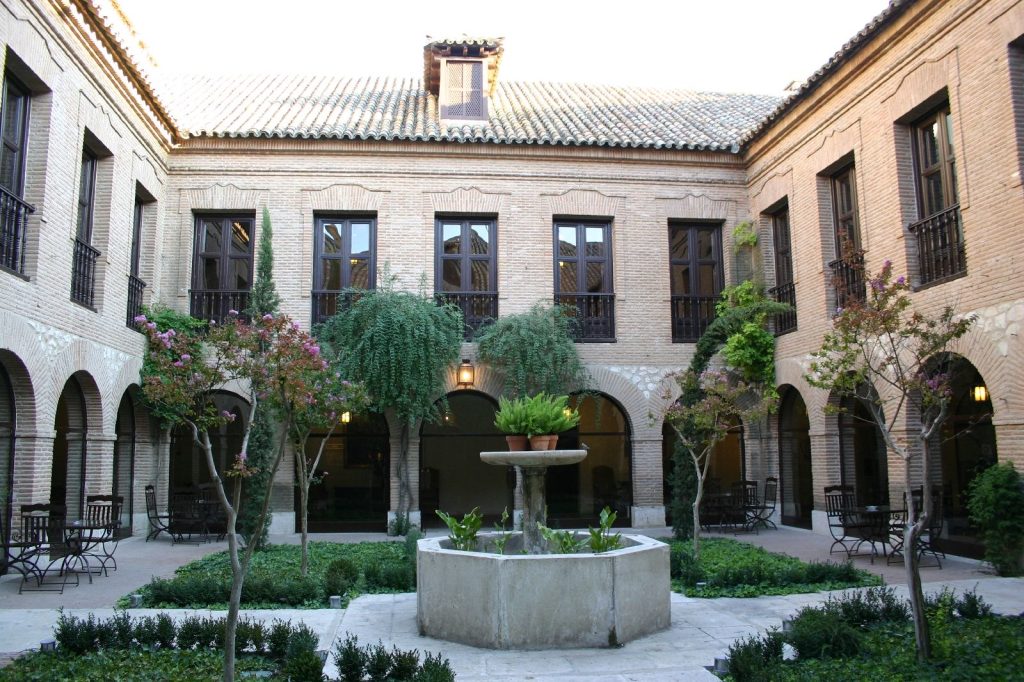
Located in a 17th-century Augustinian convent in the Madrid region, this Parador wraps around a serene cloister garden. The building preserves monastery simplicity with whitewashed walls and terracotta floors.
Chinchón’s famous circular Plaza Mayor sits just a short walk away, where bullfights and festivals have taken place since medieval times.
Sleeping where history happened
Spain’s Paradores provide you with architectural treasures that would otherwise become museums with velvet ropes and entrance fees or remain unused. You’re sleeping in history, eating breakfast in old monastery refectories, and observing sunsets from castle ramparts—not only studying it.
Simple to opulent, the properties all have a link to Spain’s layered history. This lodging, which beats any day of the week of a basic hotel chain, actually teaches you something about your surroundings.
More from Travel Pug

- Underrated Italian Towns That Beat the Tourist Crowds
- Las Vegas Tourist Traps to Skip
- Prettiest Towns in Every US State
- 18 passport-free countries for Americans
- Signs Your Cruise Is Not Worth The Cost
Like Travel Pug’s content? Follow us on MSN.