

Ho Chi Minh City is packed with energy, amazing street food, and genuinely friendly people who’ll go out of their way to help lost tourists. But just like New York, Paris, or any other city that sees millions of visitors, there are people working angles to separate travelers from their money.
Most of what you’ll encounter is petty stuff, not dangerous—just annoying and expensive if you fall for it. The good news is that knowing what to watch for makes these scams way less effective.
Here is a list of 15 scams that target travelers in Ho Chi Minh.
Fake taxi companies

The knockoff taxis in Ho Chi Minh look so real it’s actually impressive. These aren’t beat-up cars with hand-painted logos—they’ve got the exact color scheme, professional decals, and identical car models to legit companies like Vinasun or Mai Linh.
The meter either spins faster than a ceiling fan or the driver claims it’s broken and wants to charge you what a ride across half the country would cost. Some drivers have gotten really good at palming bills too, swapping your 500,000 dong note for a 20,000 one while handing back change, then acting outraged like you’re trying to cheat them.
Money switching sleight of hand
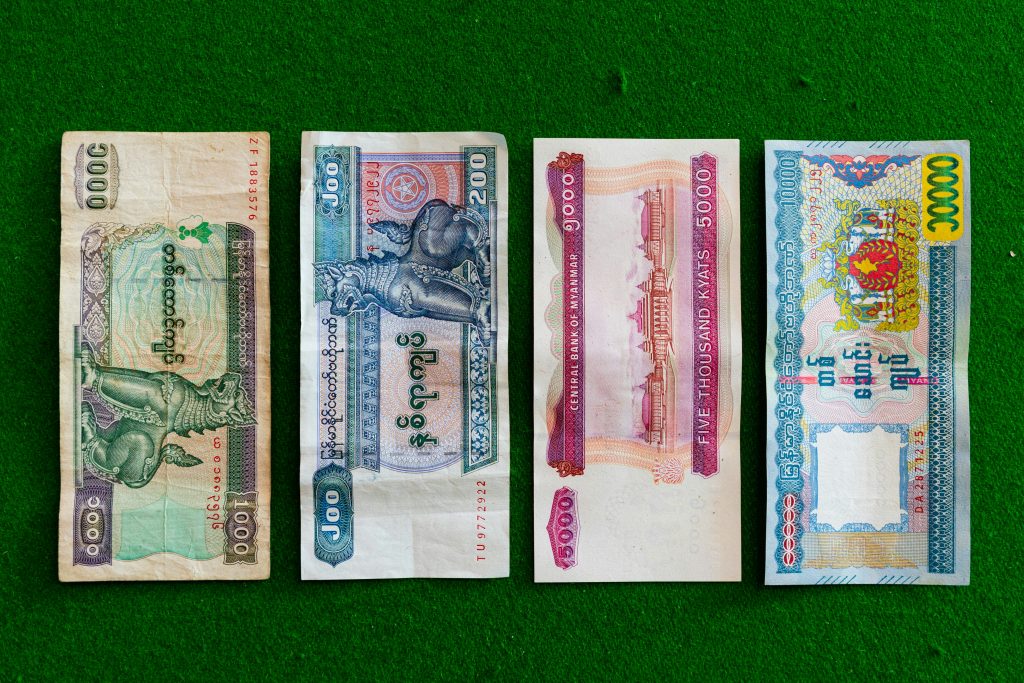
Vietnamese currency takes some getting used to because you’re suddenly dealing with notes in the hundreds of thousands. The 500,000 dong note and 20,000 dong note both have that blue color going on with similar patterns—not identical but close enough that scammers exploit it.
They’ll take your payment and swap it in literally one second flat, then insist you handed them the smaller bill. Some get pushy or hold your stuff hostage until you cough up more money, banking on the fact that most tourists won’t escalate things over what amounts to $20.
Duplicate travel agency names

There’s this wild thing happening in District 1 where you’ll see multiple storefronts all claiming to be the same popular tour company. Two of them are lying.
The fakes copy everything—logos, branding, even the staff uniforms—and they’re counting on tourists who’ve done their research and recognize a reputable name but don’t verify the exact address. You book what you think is a well-reviewed tour and end up on a lousy trip with a company that shares nothing with the real business except a stolen name.
Restaurant menus without prices
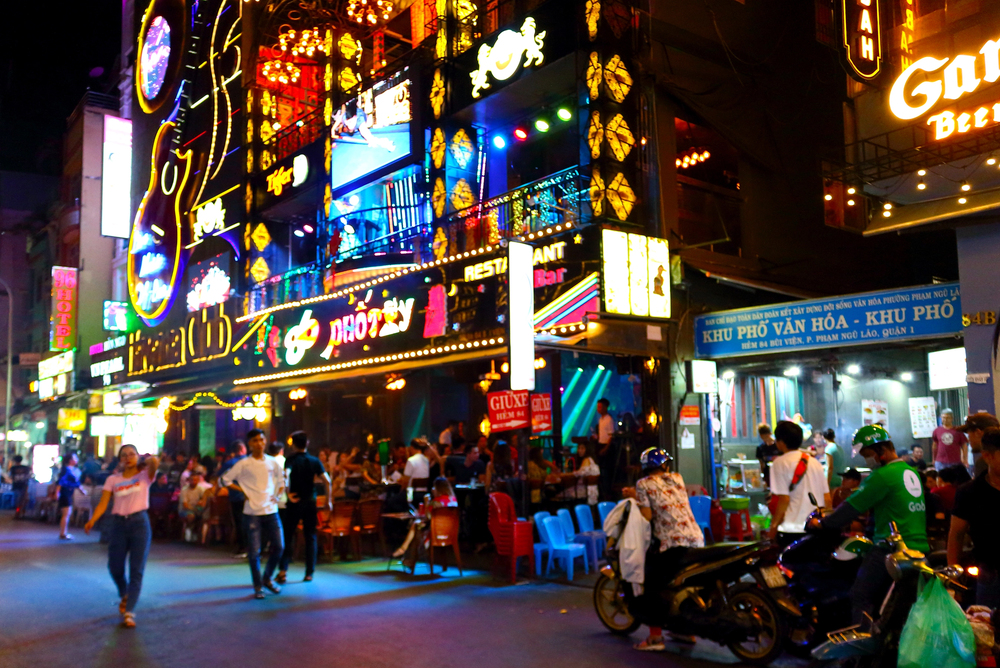
This scam banks on people being too polite or embarrassed to ask prices upfront. The menu shows up with no numbers anywhere, or there’s a Vietnamese menu locals are reading that has totally different prices than the English one tourists get.
Everything seems fine until the bill lands and you’re being charged triple what the meal should cost. Sometimes they’ve added dishes that never made it to your table, figuring you won’t remember exactly what you ordered or won’t want to argue about it.
Aggressive shoe shiners
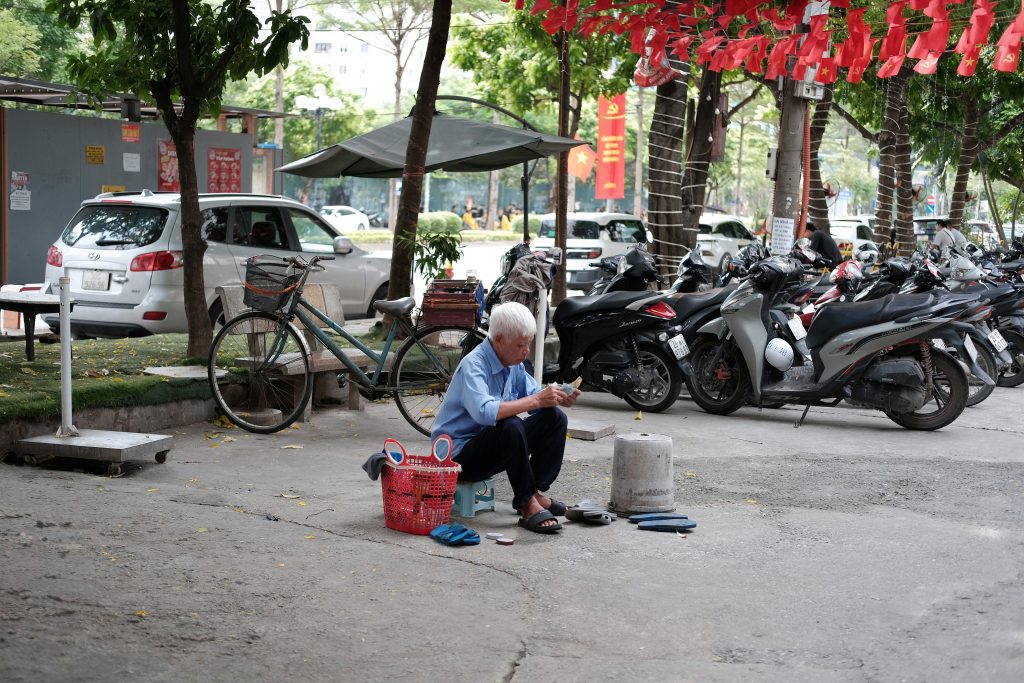
These guys operate near tourist areas and they’re relentless. They spot your shoes from twenty feet away, practically sprint over pointing at them like you’ve stepped in something terrible, and start scrubbing before you can say you’re not interested.
The really aggressive ones will grab your foot—like actually grab it—and not let go. Once they’re done providing this service you never wanted, they demand prices that are wildly inflated from what they mumbled at the start, and they’re happy to make a loud public scene if you refuse to pay.
Street vendor photo traps
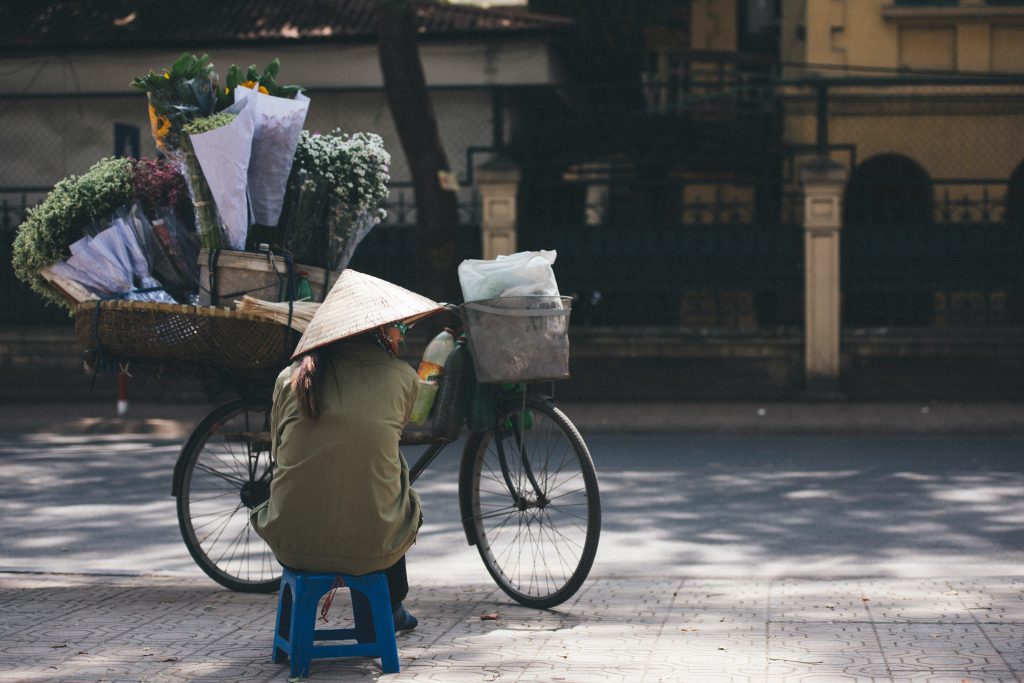
That vendor with the bamboo shoulder pole loaded with fruit makes for a great photo, which is exactly why they position themselves at every major tourist site. They’ll gesture for you to pose with them or even try on the pole yourself—seems fun and spontaneous.
The second you do it, though, they want payment for the photo experience plus the coconut or fruit they just opened without asking if you wanted it. What felt like a friendly cultural moment turns into an uncomfortable negotiation where they won’t back down.
Cyclo price bait and switch
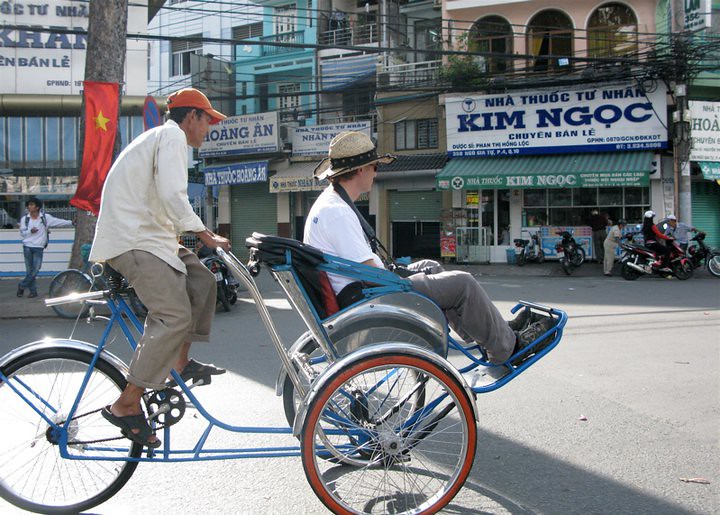
Cyclos are those three-wheeled bicycle rickshaws that look charming and old-school, and riding one can actually be fun. The problem shows up at the destination when your driver suddenly reinterprets your agreed price.
That 50,000 dong for the ride was apparently per person, not total—or worse, per block instead of for the whole trip. They’ll plant themselves and refuse to move until you pay the new amount, and good luck getting help from bystanders who’ve seen this play out a hundred times before.
Motorbike rental damage schemes
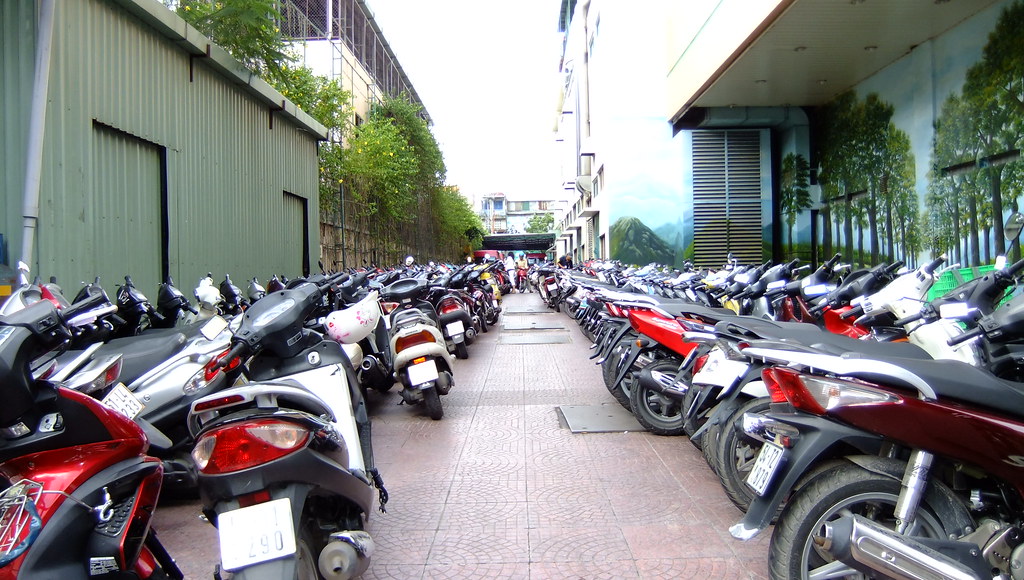
Renting a scooter is one of the best ways to explore beyond the city center, but rental shops running scams have a predictable playbook. They give you a bike that already has scratches or dents they didn’t photograph or document, then blame you for all of it when you return.
Others rent bikes with sketchy brakes or engines that conveniently die once you’re 30 miles outside the city, forcing you into ’emergency repairs’ at their partner mechanic shop where they split whatever they charge you.
Counterfeit transport tickets

Someone near the bus terminal offers tickets to beach towns like Mui Ne or mountain cities like Dalat at prices undercutting the official booths. Seems like a score until you show up at departure time and learn your ticket is completely fake, the bus company has no reservation under your name, or the bus itself doesn’t exist.
The sophisticated version involves fake websites that look professional enough to fool anyone—complete booking system, fake reviews, everything.
Hotel bait and switch tactics
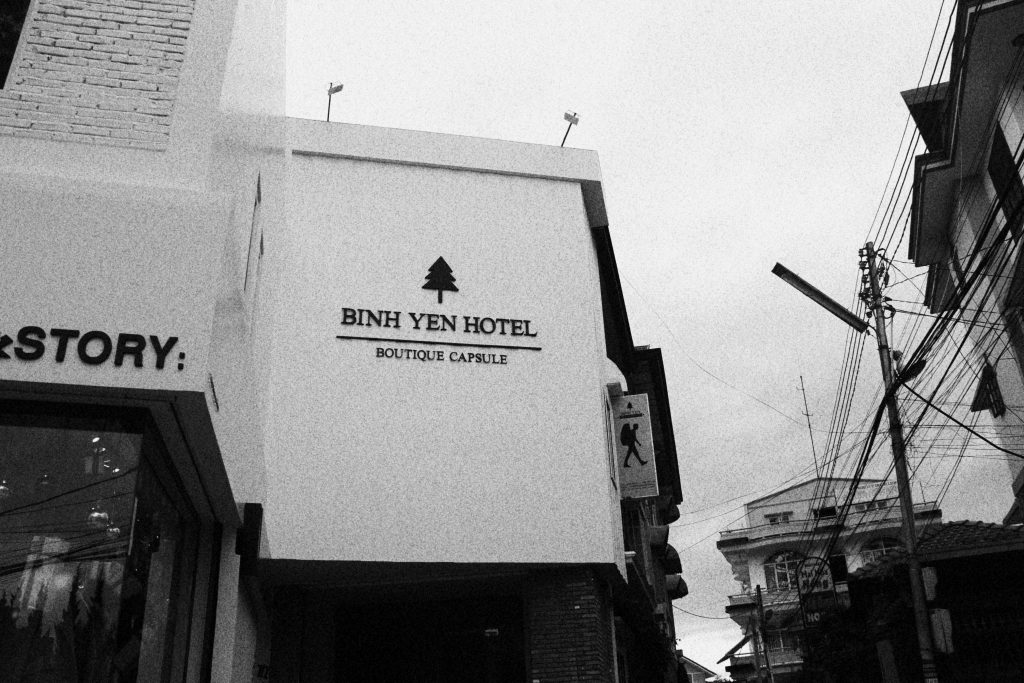
Your taxi driver has some bad news—your hotel closed down last month, or it’s overbooked, or there was a fire. Amazing coincidence that he knows a different hotel that’s even better and has rooms available right this moment.
The truth is your original booking is totally fine, but drivers get kickbacks for delivering tourists to partner hotels. Once you’re stuck there, the room might cost more than advertised or the place looks nothing like the photos that convinced you to book.
Pickpockets and bag snatchers

The pickpocket teams in Ho Chi Minh work crowded markets and tourist landmarks because that’s where distracted people with valuables congregate. One person bumps you or stops to ask directions while their partner lifts your phone or wallet so smoothly you won’t notice for ten minutes.
Motorbike snatching is its own category—thieves cruise alongside pedestrians walking near the street and grab bags or cameras in one motion before speeding off into traffic where nobody can follow.
SIM card activation scams
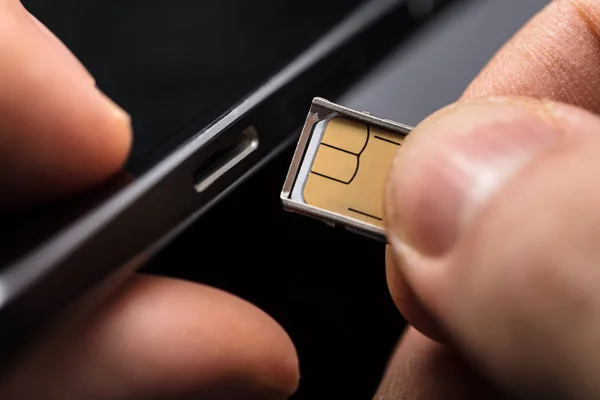
Every corner store and the airport sell local SIM cards dirt cheap, which sounds convenient until you realize why the price is so low. Many sellers buy cards in bulk and activate them immediately, meaning your 30-day data plan has already been running for three weeks by the time you purchase it.
Your card dies after a couple days or you’ve got almost no data left, and the seller who’s long gone isn’t answering any calls.
Currency confusion at markets
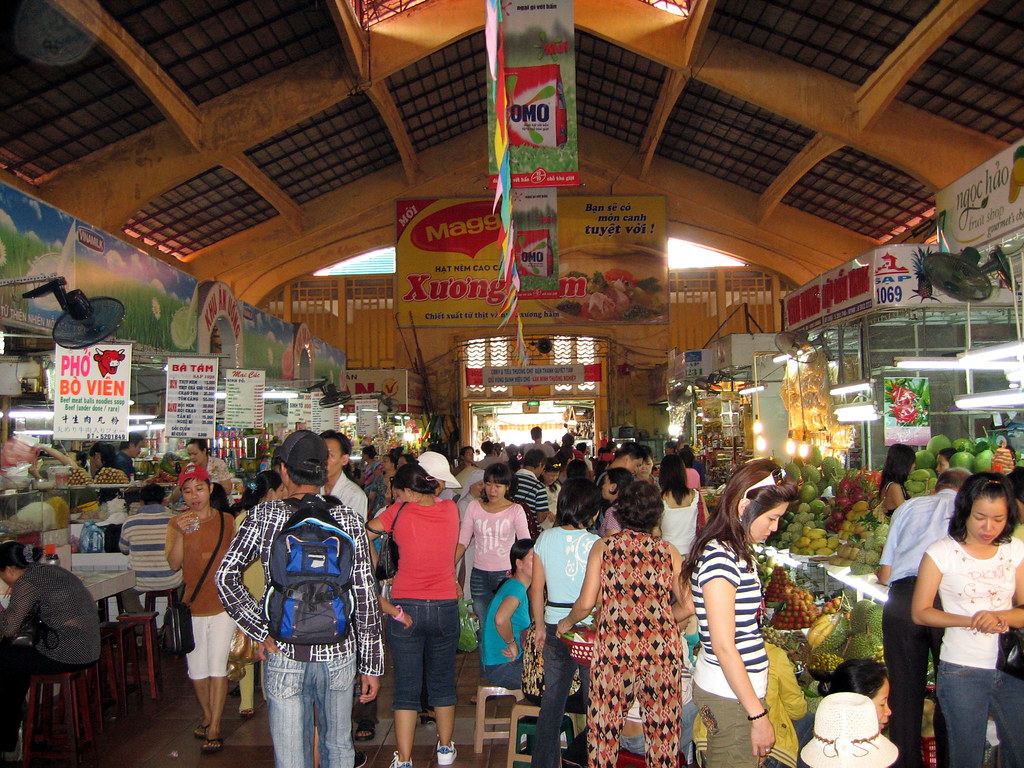
Markets like Ben Thanh are full of vendors who’ve mastered the art of ambiguous pricing. They’ll quote ’50’ for a souvenir and leave it unclear whether that’s 50,000 dong (about two bucks) or 50 dollars.
Once you’ve paid, they insist you misunderstood what was obviously meant. Same trick happens with food—that fruit is priced per item or per kilogram depending on which interpretation gets them more money, and they won’t clarify until after you’ve already agreed.
Free restaurant extras that aren’t free

Sit down at certain restaurants and within seconds there’s peanuts, wet towels, maybe some spring rolls appearing on your table that nobody asked for. If you’re used to free bread or chips at restaurants back home, you assume these are complimentary.
The bill tells a different story—each of those unsolicited items costs money, sometimes more than the dishes you actually ordered. They’re betting you’ll pay without checking the itemized charges.
ATM skimmers and fake currency exchanges
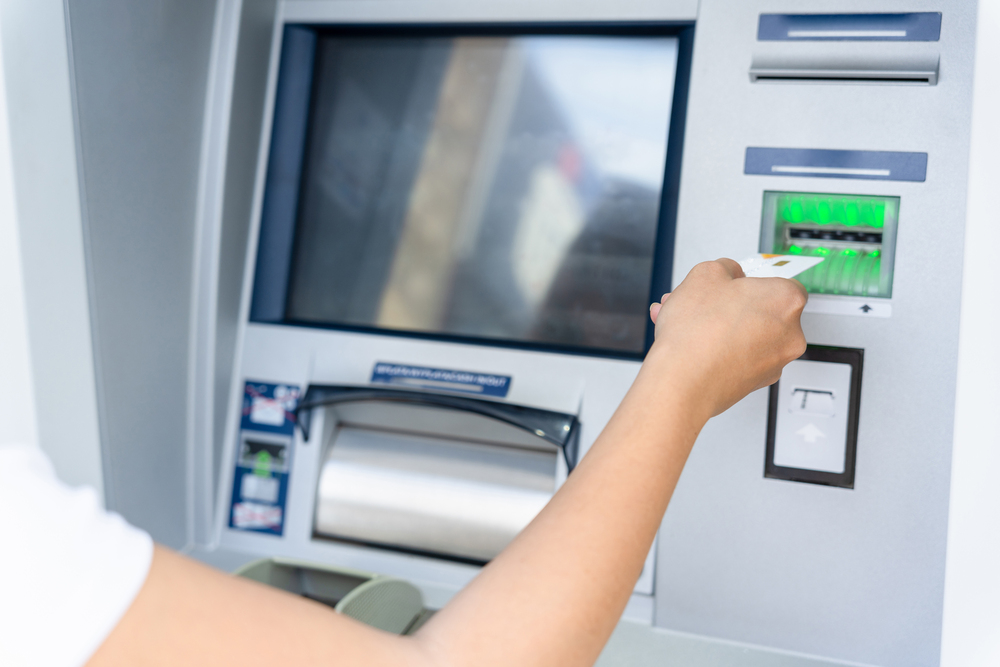
Street money changers promising rates better than banks are running some version of a con—short-changing, slipping in counterfeit bills, or handing over damaged currency that shops refuse to accept. ATMs aren’t always safe either since criminals have gotten good at installing skimming devices that look like part of the machine.
These readers copy your card information while a tiny camera records your PIN, and you won’t know anything happened until fraudulent charges start appearing days later.
Why this still matters

Most people who visit Ho Chi Minh City have fantastic trips and never run into serious problems. The scams are irritating and can cost you money, but they’re not violent or particularly scary—just opportunistic.
Using ride apps like Grab instead of street taxis cuts out most transportation scams, banks handle currency exchange fairly, and confirming prices before ordering or accepting services stops most other tricks. The city’s got incredible food, fascinating history, and that chaotic energy that makes Southeast Asian cities so memorable.
Don’t let awareness of these scams turn into paranoia that ruins the experience.
More from Travel Pug

- Underrated Italian Towns That Beat the Tourist Crowds
- Las Vegas Tourist Traps to Skip
- Prettiest Towns in Every US State
- 18 passport-free countries for Americans
- Signs Your Cruise Is Not Worth The Cost
Like Travel Pug’s content? Follow us on MSN.