

Europe calls to Americans with promises that feel both foreign and familiar. The continent offers experiences that stretch beyond the typical vacation checklist — moments that reshape how travelers see history, culture, and even themselves.
From medieval towns that time forgot to train journeys that redefine the meaning of slow travel, Europe delivers encounters that linger long after the passport gets tucked back into the drawer.
These experiences go deeper than sightseeing. They’re about standing where history pivoted, tasting traditions that predate your country, and discovering that some of the best travel moments happen when plans dissolve completely.
The Scottish Highlands

Drive north from Edinburgh and watch Scotland shed its civilized mask. The Highlands don’t apologize for their wildness.
Lochs stretch between mountains that look like they’re still deciding whether to be beautiful or terrifying.
Amsterdam’s Canal Ring

The thing about Amsterdam (and this might sound contradictory given everything you think you know about the city) is that its most profound pleasure comes not from any particular vice or liberation, but from the simple act of walking its canal ring at different times of day, watching how the light changes the water and the way the narrow houses seem to lean in toward each other like old friends sharing secrets. The 17th-century merchants who built these waterways understood something about urban planning that most modern cities have forgotten: that beauty isn’t an accident, it’s a decision.
And yet the real magic happens in the spaces between the famous bits — those moments when you turn down a random side street and stumble into a courtyard where someone’s hanging laundry and the whole scene looks exactly as it did three centuries ago, except now there’s a bicycle where there might once have been a cart.
Tuscan Hill Towns

Montepulciano perches on its hill like it’s been there since the earth cooled. The wine flows easier than conversation with strangers, which is exactly the point.
Americans rush through these towns, checking boxes. The Italians who live here know better — they sit at the same café table every morning and watch the light change on the opposite hillside.
The ritual matters more than the efficiency. Fair enough.
Northern Lights in Norway
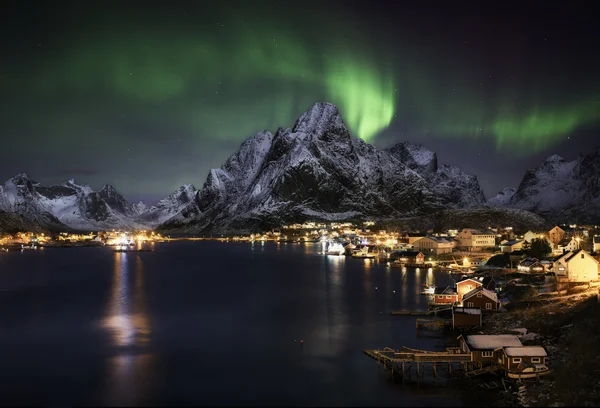
Chasing aurora feels like hunting something that doesn’t want to be caught. The science is predictable — solar particles, magnetic fields, atmospheric collision.
The reality is standing in sub-zero darkness at 2 AM, neck craned skyward, waiting for the universe to remember it owes you nothing.
When the lights finally dance, they rewrite every expectation. Nature showing off, just because it can.
Prague’s Old Town

Prague survived the 20th century by accident, which makes walking through Old Town feel like discovering a secret someone forgot to hide. The astronomical clock draws crowds every hour, but the real treasure sits in the spaces between — Gothic spires that pierce low-hanging clouds, cobblestone streets that curve just enough to hide what’s coming next, and that peculiar Central European light that makes even ordinary Tuesday afternoons feel cinematic.
The city wears its history differently than Western Europe. Here, the past isn’t preserved behind velvet ropes; it’s the foundation everything else gets built on.
Czech beer helps with the contemplation, though contemplation was never really the point. The point was always the beer.
Swiss Train Journeys

Switzerland treats train travel like other countries treat national monuments. The Glacier Express winds through valleys that seem personally crafted for the viewing pleasure of people lucky enough to afford the ticket price — which is considerable, but then again, so is watching the Matterhorn slide past your window while you sip wine and wonder why American infrastructure feels like a practical joke by comparison.
The Swiss understand that the journey can be more compelling than the destination, particularly when the journey involves precision engineering carrying you through landscape that looks like it was designed by someone who never learned the concept of restraint. So they put panoramic windows on their trains and charge accordingly.
And travelers pay accordingly, because some experiences are worth the premium and this is definitely one of them.
Flamenco in Seville

Flamenco doesn’t translate well to tourist venues. The real thing happens in small clubs where the performers aren’t performing — they’re exorcising something.
The music builds like a argument, all passion and grievance, until it breaks into something that sounds like catharsis.
Americans often mistake flamenco for entertainment. Andalusians know it’s closer to prayer.
Greek Islands

Santorini gets the Instagram posts, but Naxos gets the soul. The smaller Cycladic islands operate on different time — ferry schedules become suggestions, dinner happens when the fish arrives, and the concept of hurry dissolves somewhere between the harbor and your first glass of retsina.
Island life corrects certain American assumptions about productivity and purpose. Not everything needs optimization.
Some things just need appreciation.
London’s Pub Culture

The British pub system is a masterpiece of social architecture disguised as a place to drink beer. These aren’t bars in the American sense — they’re community centers that happen to serve alcohol, places where regulars claim the same stool every night and strangers become temporary philosophers over pints of bitter.
Americans often misread pub etiquette and end up standing awkwardly at the bar, waiting for table service that never comes. The trick is understanding that pubs operate on unwritten rules developed over centuries: you order at the bar, you find your own table, and you respect the fact that some conversations are meant to include you while others definitely aren’t.
French Markets

Saturday morning in Provence begins at the market, where vendors arrange tomatoes like jewelers display diamonds and the selection of cheese requires genuine decision-making skills. French markets prove that grocery shopping can be elevated to something approaching art — not through fancy packaging or marketing, but through the radical notion that food should look, smell, and taste like what it actually is.
The experience teaches patience. Vendors expect you to smell the melon, examine the fish, and ask questions about the goat cheese. Rushing through defeats the purpose.
The purpose being that meals matter, ingredients matter, and the act of choosing what you’ll eat shouldn’t be delegated to convenience and marketing departments.
Alpine Villages

Hallstatt looks like someone built a postcard and forgot to mention it was a real place. The Austrian Alps produce villages that seem almost aggressive in their beauty — as if the mountains demanded that anything built in their shadow had better live up to the surroundings.
These places operate as functioning communities, not museum pieces. People live here year-round, which means the beauty comes with practicality.
Snow gets shoveled, groceries get delivered, and life happens against a backdrop that most places charge admission to see. The effect is both humbling and oddly reassuring.
Portuguese Coastal Towns

Portugal keeps its best secrets along the coast, in towns like Óbidos and Aveiro where the pace of life suggests that rushing was never really necessary. Portuguese culture moves at a different speed — meals last hours, conversations develop slowly, and the Atlantic provides a soundtrack that makes everything feel more deliberate.
The country offers something increasingly rare: authenticity without performance. Portugal doesn’t feel like it’s trying to be charming for visitors. It simply is charming, which makes all the difference.
Berlin’s History

Berlin wears its contradictions openly. The city rebuilt itself after near-total destruction, then got divided, then got reunited, and somehow emerged as a place that feels both ancient and experimental.
Walking through Berlin means crossing invisible borders every few blocks — from communist East to capitalist West, from imperial grandeur to punk rock rebellion.
The history isn’t sanitized or simplified. It’s complicated, sometimes uncomfortable, and absolutely essential. Americans used to clear-cut narratives about good and evil will find Berlin more nuanced and, ultimately, more honest about how history actually works.
Scandinavian Design Culture

Copenhagen and Stockholm approach daily life like it’s a design problem worth solving. The result is cities where even bus stops look intentional and coffee shops double as inadvertent galleries for functional beauty.
Scandinavian design isn’t about showing off — it’s about the radical idea that ordinary objects should be both useful and pleasing to look at.
The culture produces an aesthetic that feels both minimal and warm, expensive and accessible. Americans often return from Scandinavia with a sudden dissatisfaction with their own cluttered homes and a new appreciation for the revolutionary concept that less can genuinely be more.
Mediterranean Pace

The Mediterranean operates on different principles than the American approach to time and productivity. In coastal Spain, southern Italy, or the Greek islands, the afternoon break isn’t laziness — it’s wisdom.
The heat makes midday work impractical, so entire cultures evolved around the sensible notion of working when it’s cool and resting when it’s not.
This rhythm takes adjustment for Americans trained to equate busyness with virtue. But spending a few weeks on Mediterranean time often produces a quiet revelation: that productivity and happiness aren’t always the same thing, and that some of life’s best moments happen in the spaces between scheduled activities.
The siesta, it turns out, isn’t about sleep. It’s about pause.
Where the Journey Leads

These experiences share a common thread — they all require surrendering some amount of control. Europe rewards travelers who arrive with plans but remain open to detours, who book hotels but stay flexible about itineraries, and who come seeking specific experiences but remain alert to unexpected discoveries.
The best European adventures often happen in the margins of the planned trip. In the train delay that leads to an unscheduled stop in a medieval town.
In the language barrier that becomes a wordless conversation over shared food. In the moment when jet lag dissolves and European time starts to feel natural.
Europe offers Americans something increasingly rare: the experience of being genuinely foreign. Not just a tourist in a different place, but a temporary outsider in cultures that developed without American input or influence.
That perspective, uncomfortable as it sometimes feels, might be the most valuable souvenir of all.
More from Travel Pug

- Underrated Italian Towns That Beat the Tourist Crowds
- Las Vegas Tourist Traps to Skip
- Prettiest Towns in Every US State
- 18 passport-free countries for Americans
- Signs Your Cruise Is Not Worth The Cost
Like Travel Pug’s content? Follow us on MSN.