

Western Australia’s Kimberley is outback legend country—a world so raw and old it’s like entering a different world. Three times as big as England but inhabited by fewer than 40,000, this isolated wilderness frontier dishes up some of the planet’s most spectacular country, from red-girded cliffs and secret gorges to white-sand beaches and rock formations dating back 2 billion years.
Here are amazing things to see that reveal why the Kimberley is among the world’s final great wilderness regions.
Cable Beach, Broome
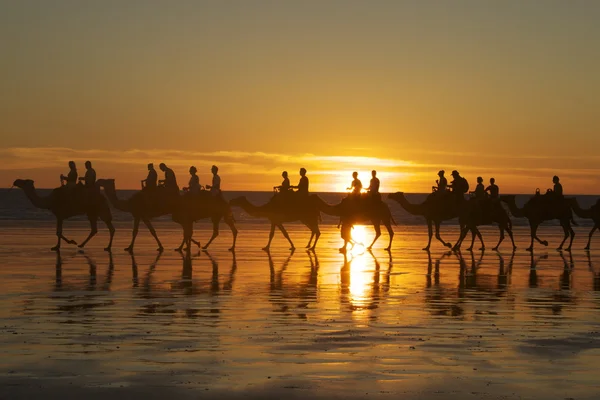
Cable Beach stretches for 14 miles of pristine white sand along Broome’s Indian Ocean coastline, creating one of Australia’s most photographed sunset destinations. The beach gets its name from the telegraph cable that once connected Australia to Java, but today it’s famous for those iconic camel rides silhouetted against blazing orange sunsets.
The contrast between the endless white sand, turquoise waters, and dramatic red cliffs creates a visual feast that makes every evening feel like a postcard come to life.
Bungle Bungles, Purnululu National Park

The Bungle Bungles look like giant orange and black striped beehives rising from the desert floor, creating one of Australia’s most recognizable geological landmarks. These 360-million-year-old sandstone domes tower up to 650 feet high and house narrow chasms, natural amphitheaters like Cathedral Gorge, and ancient Aboriginal rock art sites sacred to the Karjaganujaru and Gija peoples.
The best way to appreciate their sheer scale is from the air, though walking through the maze-like formations on foot reveals hidden chambers and acoustic wonders that’ll make you want to test your singing voice.
El Questro Wilderness Park

This million-acre cattle station turned wilderness playground sprawls across some of the Kimberley’s most diverse landscapes, from thermal springs and towering gorges to rainforest pockets and rugged mesas. El Questro offers everything from luxury homestead accommodation to basic camping, but the real drawcard is the variety of experiences—soaking in Zebedee Springs, cruising Chamberlain Gorge, or hiking through Emma Gorge to swim beneath its 200-foot waterfall.
The property’s sheer size means you could spend weeks here and still discover new corners of this remarkable landscape.
Lake Argyle

When locals call Lake Argyle an ‘inland sea,’ they’re not kidding—this artificial lake created by the Ord River Dam is 18 times larger than Sydney Harbour and holds enough water to supply the entire Australian population for five years.
The lake’s 70 scattered islands provide sanctuary for countless bird species, freshwater crocodiles, and other wildlife, making sunset cruises particularly magical as the surrounding red ranges glow in the fading light. Swimming in these vast, clear waters while watching the sunset paint the sky feels like floating in the middle of nowhere—which, given the Kimberley’s remoteness, isn’t far from the truth.
Like Travel Pug’s content? Follow us on MSN.
Mitchell Falls

These four-tiered waterfalls cascade over ancient sandstone cliffs in one of the Kimberley’s most spectacular displays of natural power, particularly impressive just after the wet season when water volumes are at their peak.
Mitchell River National Park, home to these falls, supports an incredible diversity of wildlife, including 220 bird species, 50 mammal species, and 86 types of reptiles and amphibians. The 5.3-mile round-trip Punamii-unpuu Trail leads to several swimming holes along the way, though the main plunge pool remains off-limits to preserve this sacred site for the traditional Aboriginal owners.
Gibb River Road
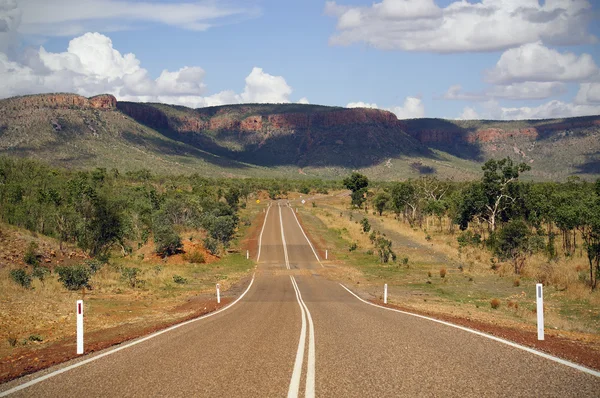
This legendary 410-mile dirt track connecting Derby to Kununurra ranks among Australia’s greatest 4WD adventures, winding through red sandstone country dotted with boab trees and offering access to some of the Kimberley’s most remote gorges.
The road passes working cattle stations where you can experience authentic outback hospitality, sample station life, and use them as bases for exploring otherwise inaccessible corners of the wilderness. Driving the Gibb requires serious preparation and a capable 4WD vehicle, but the rewards include gorges, waterfalls, and landscapes that few people ever get to witness.
Tunnel Creek

Walking through this 2,460-foot-long natural tunnel feels like entering the Earth’s hidden depths, with stalactites hanging overhead and the sound of your footsteps echoing off ancient limestone walls.
You’ll need to wade through knee-deep pools and bring a good headlamp to navigate this cave system safely, but the experience of following an underground river through pitch-black chambers is genuinely unforgettable. Tunnel Creek holds deep cultural significance for the local Bunuba people and was once used as a hideout by Aboriginal resistance leader Jandamarra in the 1890s.
Like Travel Pug’s content? Follow us on MSN.
Windjana Gorge

The Lennard River has carved this spectacular 2-mile-long chasm through the ancient limestone, creating 300-foot walls that house hundreds of freshwater crocodiles during the dry season. The flat, easy walk along the gorge floor makes this one of the more accessible Kimberley attractions, perfect for spotting wildlife and admiring the fossilized remains of an ancient Devonian reef system embedded in the walls.
Aboriginal rock art galleries scattered throughout the gorge tell stories that date back thousands of years, making this both a natural wonder and a significant cultural site.
Zebedee Springs

These natural thermal pools cascade down through prehistoric palm trees in a series of steamy waterfalls that maintain perfect swimming temperatures of 82-90°F year-round. Open to day visitors from 7 am to noon during the dry season, Zebedee Springs offers a unique opportunity to soak in mineral-rich waters while surrounded by rare Livistona palms found nowhere else in the world. T
he springs’ location within El Questro Wilderness Park means you’ll need a day pass to visit, but soaking in these pristine thermal pools while listening to the sounds of the Kimberley wilderness is worth every dollar.
Like Travel Pug’s content? Follow us on MSN.
Buccaneer Archipelago

This maze of nearly 1,000 rocky islands scattered across cornflower-blue waters creates one of the most visually stunning seascapes in Australia, with each island topped by tufts of tropical vegetation. The archipelago’s extreme tides and pristine waters support incredible marine biodiversity, making it a paradise for fishing, diving, and wildlife watching.
The contrast between ancient rock formations, emerald rainforest patches, and brilliant blue waters creates a landscape so photogenic that every angle looks like a screensaver.
Gantheaume Point

Just six miles south of Broome, this dramatic headland showcases the Kimberley’s famous red pindan cliffs against white beaches and azure waters, creating one of the region’s most accessible yet spectacular coastal viewpoints.
The point is famous for its 130-million-year-old dinosaur footprints, preserved in the rock platform, which are visible at low tide as tangible evidence of the ancient creatures that once roamed this landscape. Sunset views from Gantheaume Point are legendary, with the lighthouse providing a perfect foreground for photographs of the sun melting into the Indian Ocean.
Bell Gorge

Often considered the most beautiful gorge in the Kimberley, Bell Gorge features a perfect horseshoe-shaped waterfall cascading over red sandstone ledges into a large, crystal-clear swimming pool surrounded by sun-warmed rock platforms. Located 19 miles off the Gibb River Road in the King Leopold Ranges Conservation Park, this gorge epitomizes everything magical about the Kimberley’s red rock country.
The combination of accessible beauty, excellent swimming, and dramatic photography opportunities makes Bell Gorge a must-visit destination for anyone exploring the region.
Like Travel Pug’s content? Follow us on MSN.
Emma Gorge

The walk to Emma Gorge through El Questro Wilderness Park takes about an hour through boulder fields and palm-filled valleys before revealing a tranquil pool fed by a delicate waterfall dropping from 200-foot cliffs. The crystal-clear water maintains perfect swimming temperatures thanks to thermal springs, while the dramatic red rock walls and tropical vegetation create an almost prehistoric atmosphere.
This gorge perfectly captures the Kimberley’s ability to hide intimate, beautiful spaces within vast, rugged landscapes.
Where ancient meets eternal

The Kimberley’s major attractions uncover a world in which geological time is revealed in red-rock layers, in which Aboriginal heritage goes back 65,000 years, and in which the contemporary world remains pleasantly at a distance. Every gorge, waterfall, and ancient formation is part of a narrative that started when this continent was young and followed through on many wet seasons that cut through these canyons and dry seasons that unveiled their secret beauty.
Standing in locations such as Tunnel Creek or looking out over the Bungle Bungles, you’re not merely viewing magnificent scenery—you’re observing the perpetual dialogue between water, wind, and rock that has conditioned one of the world’s most resilient wilderness areas over millions of years.
More from Travel Pug

- 20 Best Beach Towns in the Carolinas
- 13 Destinations Where Tourists Regularly Regret Their Trip
- 20 Things You Actually Get in First Class
- 20 Small Airports With Aviation Museums
- 20 Places in the U.S. That Are Perfect for a Reset Trip
Like Travel Pug’s content? Follow us on MSN.