

Every frequent flyer has a small graveyard of bad travel purchases. Somewhere in a closet sits a neck pillow that never fit, a money belt that never left the drawer, and a cheap adapter that fizzled in a hotel room in Rome.
Those purchases were not foolish at the time. They were sold as solutions to real problems, usually in an airport, usually to someone tired.
The difference between an occasional traveler and a frequent one is simply how many of these lessons have already been paid for.
U-Shaped Neck Pillows

The classic U-shaped travel pillow is probably the most common first purchase in any airport shop. Frequent flyers find that it pushes the head forward instead of supporting it, and it takes up a surprising amount of space in a carry-on.
Memory foam versions are heavier still. Seasoned travelers often switch to a rolled-up jacket, a wraparound scarf-style pillow, or simply a window seat to lean against.
The pillow tends to end up clipped to the outside of a bag, where it collects the grime of every airport floor it touches.
Currency From an Airport Exchange Counter
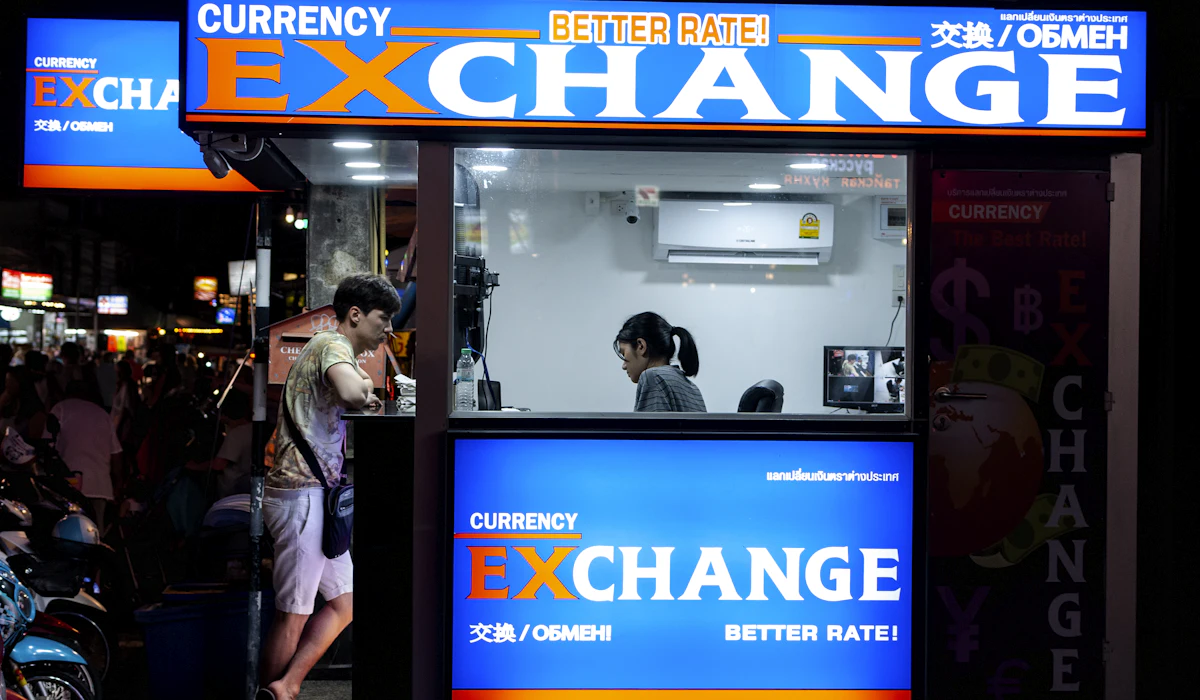
Airport exchange counters sell foreign cash at rates that can be several percent or more worse than the market, often with an added commission. The convenience is the product.
Frequent flyers who have compared the rate on their receipt to the actual exchange rate usually never repeat the experience. They withdraw local currency from a bank ATM at the destination, ideally using a debit card with no foreign transaction fees.
They also decline any offer at the ATM to convert the withdrawal into their home currency, which can involve an additional markup through dynamic currency conversion.
Basic Economy on a Trip That Needs a Carry-On
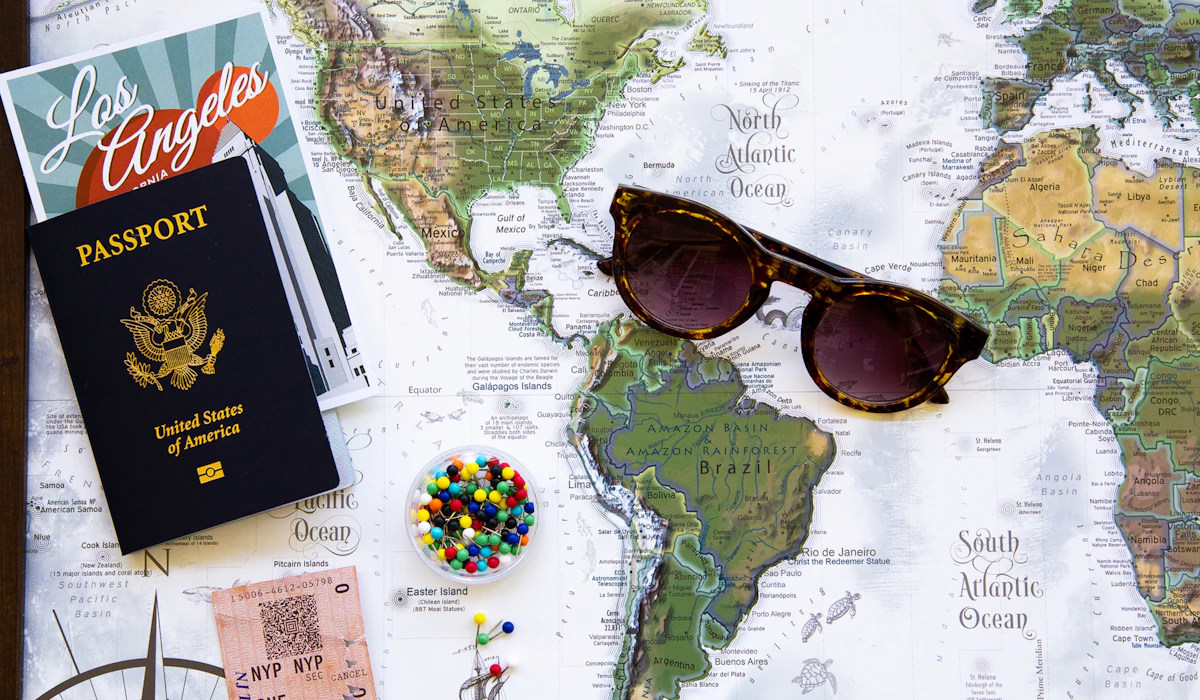
Basic economy fares look like a bargain on the search results page. On some U.S. airlines, including United on many domestic routes, basic economy can restrict full-size carry-on bags and limit seat-selection options, depending on the route and fare rules.
Travelers who booked a basic fare for a week-long trip, then paid to check a bag, often spent more than a standard economy ticket would have cost. Frequent flyers now compare the total price with bags included.
For a quick trip with only a backpack, basic economy can still work, but they book it knowingly.
Checked Bags Paid for at the Gate
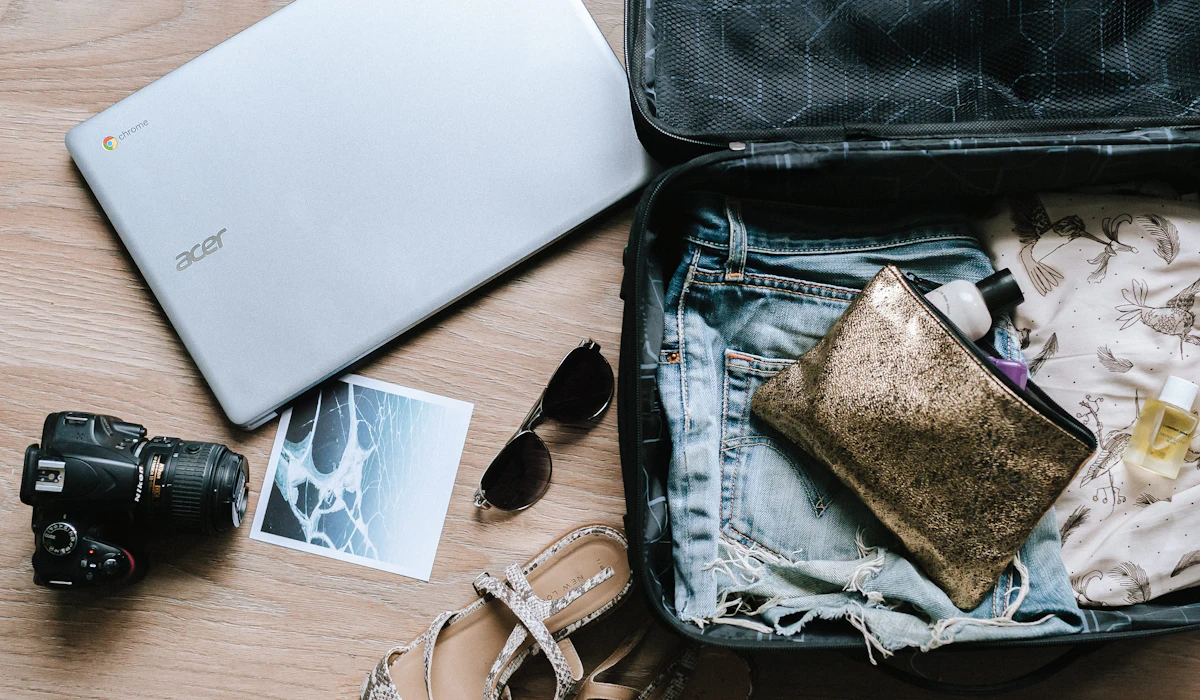
On budget airlines like Spirit and Frontier, bag fees can increase depending on when and where the bag is purchased. Paying at booking is often cheaper, while airport purchases can cost more, and a bag that does not fit the sizer can create an especially expensive problem at the gate.
Frequent flyers who have been caught once measure their bags at home and pay for anything they might need when they book. They also read the airline’s size limits carefully, since budget carriers can enforce their published limits strictly.
That one lesson tends to stick for a lifetime.
Seat Selection on a One-Hour Flight
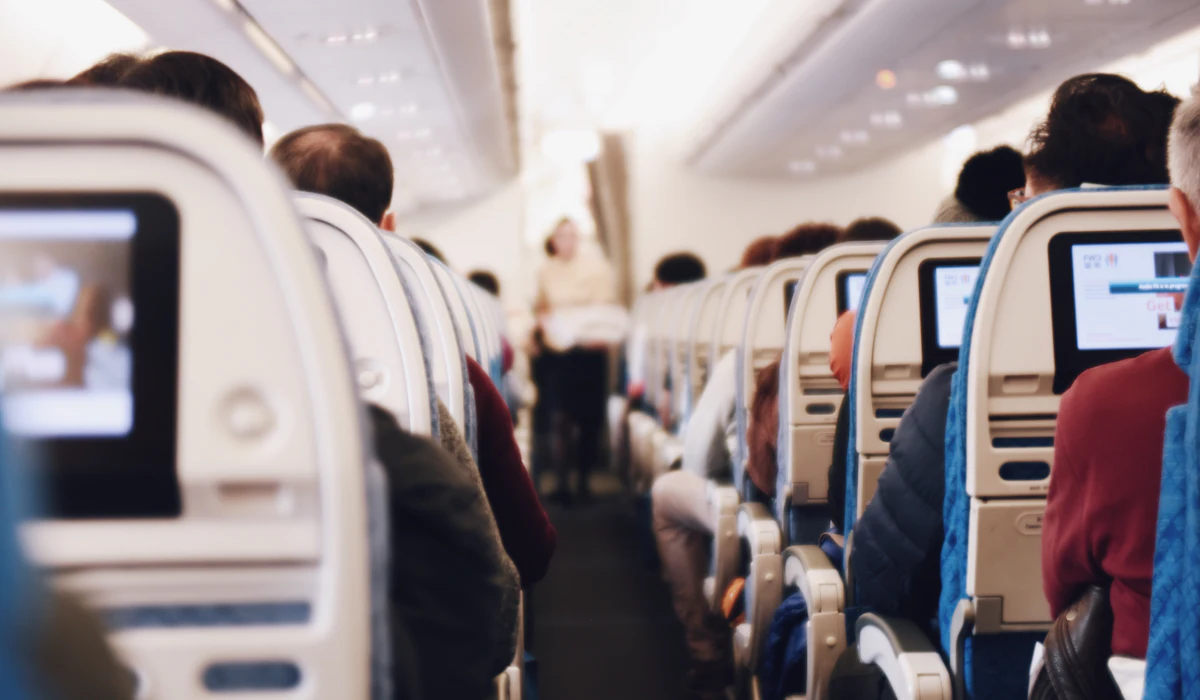
Paying $20 or $30 to choose a specific seat can make sense on a long-haul flight. On a one-hour hop, frequent flyers often decide it is money wasted.
Airlines assign seats at check-in, and while solo travelers may land in a middle seat, the flight is over quickly. Families traveling with young children face a different calculation.
The U.S. Department of Transportation encourages airlines to seat young children with an accompanying adult without extra fees, and some airlines now make that a formal commitment, subject to conditions.
For adults traveling alone, the short-flight seat fee is often the first to go.
Deals From Third-Party Booking Sites

Online travel agencies sometimes show fares slightly lower than the airline’s own site. Frequent flyers who booked through one often learn the drawback when a flight is canceled or changed, because the travel agency may be the first point of contact for changes, refunds or other ticket issues.
Resolving a disruption through a third party can take longer than dealing with the airline directly. Many seasoned travelers now book directly with the airline, even if it costs slightly more.
The small savings may not justify the added complication when plans change.
Lounge Day Passes at Crowded Airports
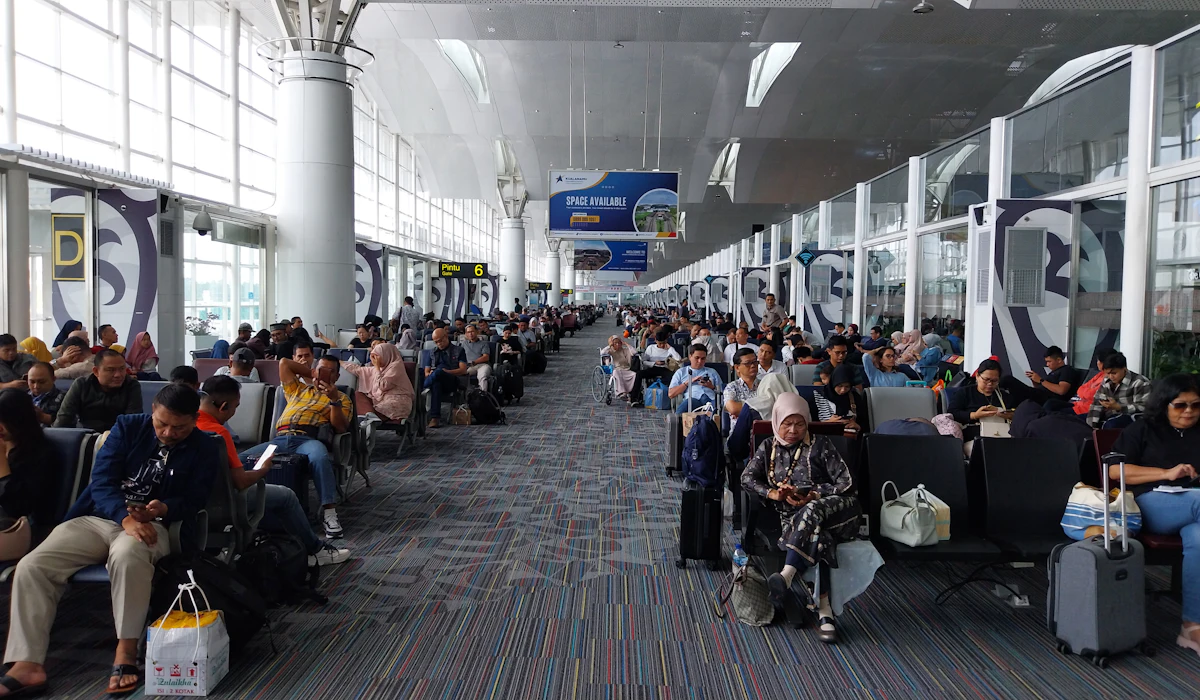
A lounge day pass promises quiet seating, snacks and a shower before a long flight. Frequent flyers who have bought one at a busy hub sometimes find the lounge at capacity, with a waitlist at the door, or crowded to the point where seats are scarce.
Some lounges also limit day-pass sales at peak times. The food may be similar to what the terminal offers.
Seasoned travelers now check lounge reviews before buying, and many rely on credit card lounge access instead, or skip lounges on short connections entirely.
In-Flight Wi-Fi on a Short Hop
Buying in-flight Wi-Fi on a short domestic flight can cost as much as a meal. The connection may be slow, and on a flight under an hour, the service may not even work until the plane reaches cruising altitude.
Frequent flyers have learned to download what they need before boarding. Several major U.S. airlines now offer free Wi-Fi to loyalty-program members on at least some equipped aircraft, which has changed the math entirely.
Seasoned travelers check whether their airline and aircraft offer free service and skip paid Wi-Fi when the flight is too short to make it worthwhile.
Cheap Spinner Luggage
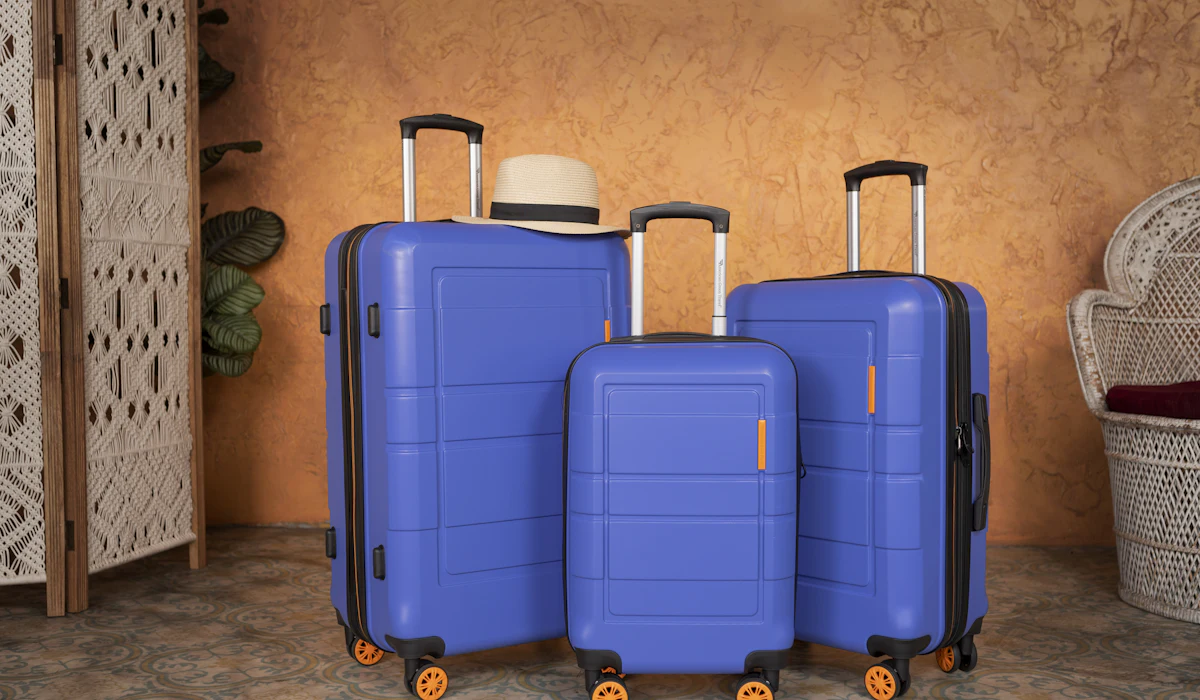
Four-wheel spinner suitcases glide easily across airport floors, which is why they sell so well. The cheapest versions often have small plastic wheels that crack or snap after a few trips, especially on cobblestones and curbs.
Frequent flyers who replaced a broken bag mid-trip usually invest in better luggage the next time. Many prefer two-wheel rollers with larger, recessed wheels that survive rough handling.
Others choose brands with strong warranties. A cheap bag that fails at the carousel is the most expensive bag of all.
Oversized Carry-On Bags
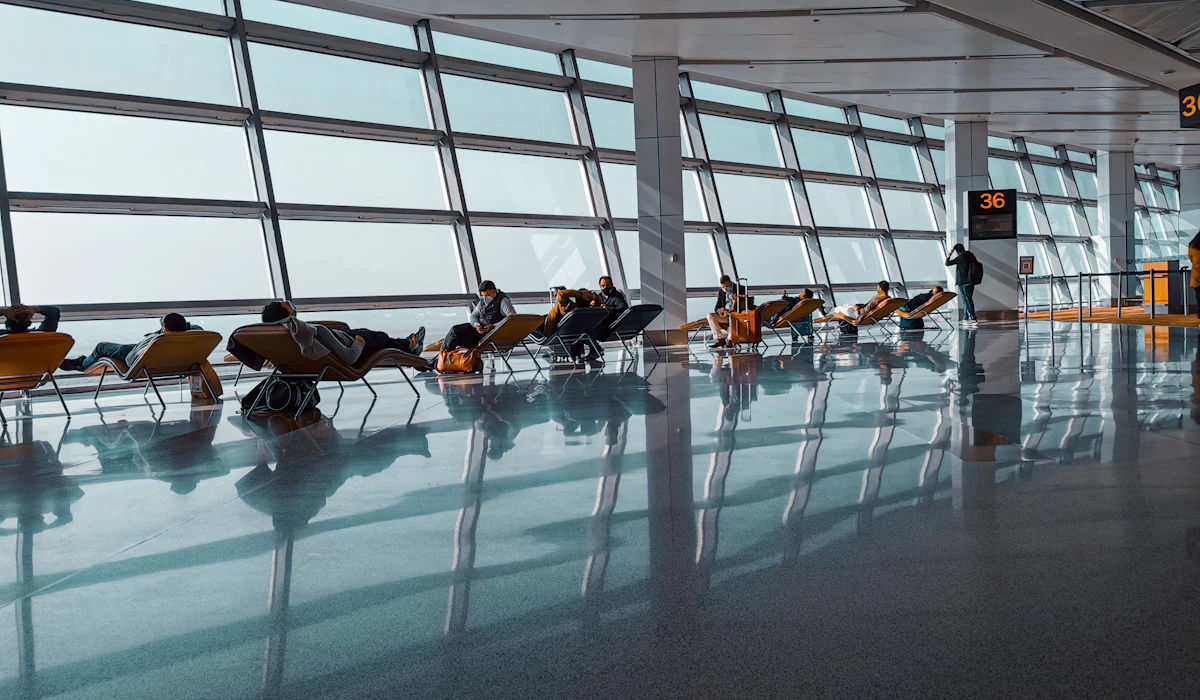
Some carry-on bags are sold as maximum size, pushing the limits of what airlines allow. Frequent flyers find that these bags fit on large jets but not on regional aircraft or some budget carriers, where they get gate-checked anyway.
Wheels and handles often count toward the dimensions, which pushes an apparently compliant bag over the limit. Seasoned travelers now choose a carry-on slightly smaller than the maximum.
It fits more reliably, weighs less and is easier to lift into the overhead bin. Packing to a slightly smaller bag also forces a useful discipline about what actually needs to come along.
Inflatable Footrests and Leg Rests

Inflatable footrests and seat extenders promise to turn an economy seat into something closer to a bed. Frequent flyers who bought one sometimes discovered that their airline does not permit the device, or that the flight attendant asked them to deflate it because it could interfere with the footwell, aisle or safety equipment.
Airline policies vary widely, and some carriers specifically prohibit inflatable comfort devices. Some travelers still use them on permitted flights, but many found the product more trouble than comfort.
Checking the airline’s rules before flying avoids an awkward moment at 35,000 feet. A small, soft bag placed under the seat in front often provides some of the same foot support with fewer restrictions.
Knee Defender and Recline Blockers

Devices that clip onto a tray table to stop the seat in front from reclining have caused several well-publicized disputes. Major airlines, including Delta, prohibit knee defenders and similar seat-recline blockers, although policies vary by carrier.
Frequent flyers who bought one usually used it once, faced an angry passenger, and never packed it again. The device turns a minor inconvenience into a confrontation.
Seasoned travelers instead choose seats with fixed backs in front, such as some exit-row configurations, or simply accept that reclining is part of flying.
Travel Insurance Offered at Airline Checkout
Airline booking pages often offer travel insurance with a checkbox just before payment. The coverage can be limited and relatively expensive for what it protects.
Frequent flyers who bought it once and then tried to file a claim sometimes found exclusions they had not noticed. Many now rely on credit cards that include trip delay and cancellation coverage, or buy an annual travel insurance policy that covers every trip.
Comparing the policy with existing credit-card coverage and checking the exclusions before booking can produce better value. Reading the exclusions list, however dull, is the step most first-time buyers skip.
Extra-Legroom Upgrades on Short Flights
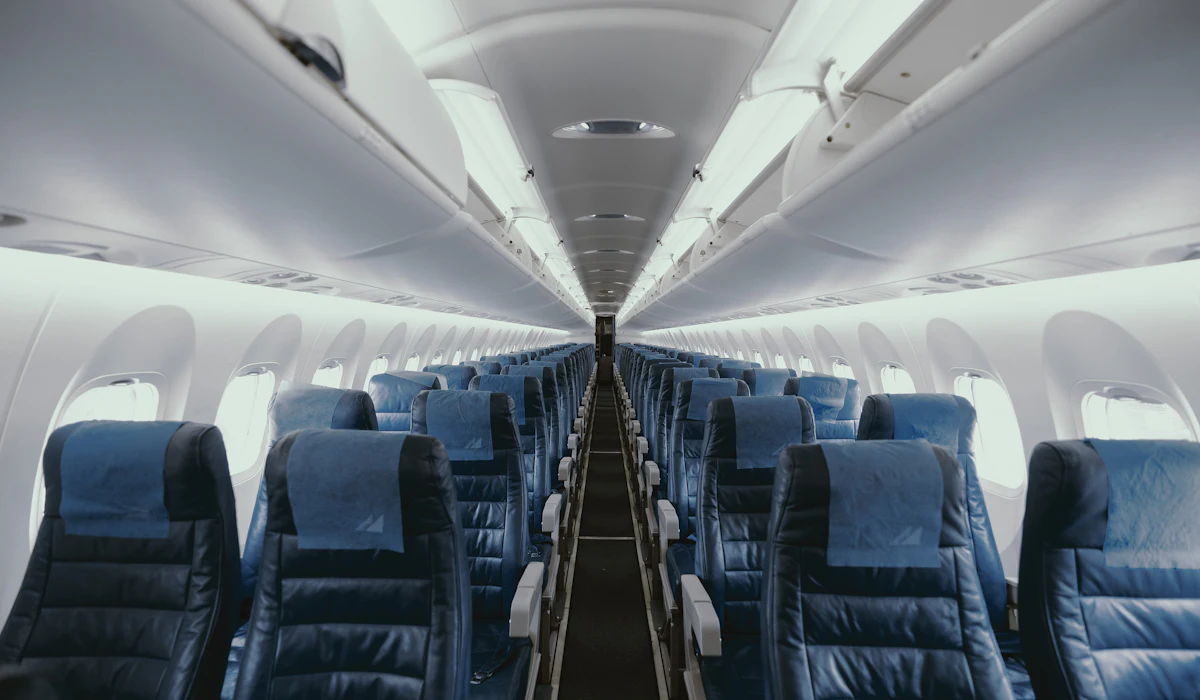
Airlines sell extra-legroom economy seats, often for $30 to $100 or more, depending on the route. On long flights, the extra space can be worth it, particularly for tall travelers.
On a one-hour flight, frequent flyers often decide the upgrade bought little more than a few inches for a brief time. Some upgrades also include earlier boarding, which has its own value.
Seasoned travelers pay for legroom on long flights and skip it on short ones. Depending on the airline and the traveler’s status, an extra-legroom seat may become available at a lower price or as a complimentary upgrade later, but there is no guarantee.
A glance at the seat map before departure sometimes reveals a better seat that costs less than the original upgrade.
Cheap Universal Travel Adapters
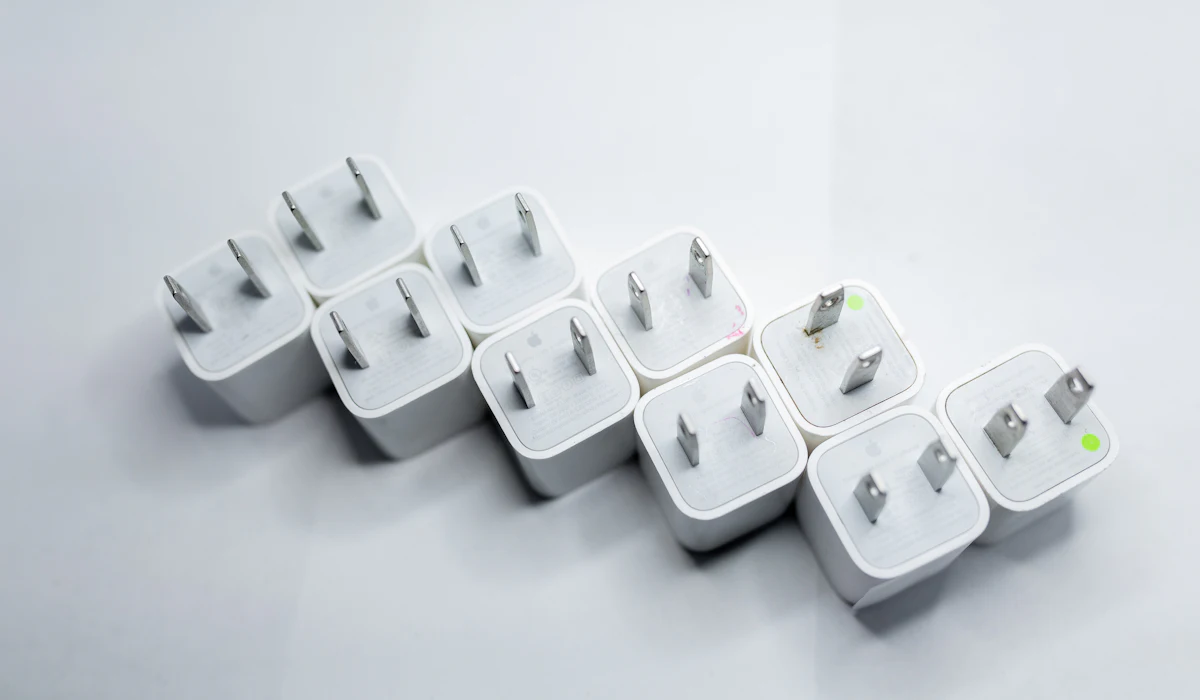
Universal travel adapters promise to work everywhere. The cheapest ones often fit loosely in sockets, overheat, or fail when used with high-wattage devices such as hair dryers.
Frequent flyers who have had one spark or die in a hotel room invest in better adapters with built-in USB ports and solid construction. Many also carry a single high-quality multiport charger that handles phones, laptops and watches at once.
Adapters do not convert voltage, a point that matters for older appliances and travel hair tools. A melted curling iron is a common souvenir of that confusion.
Money Belts
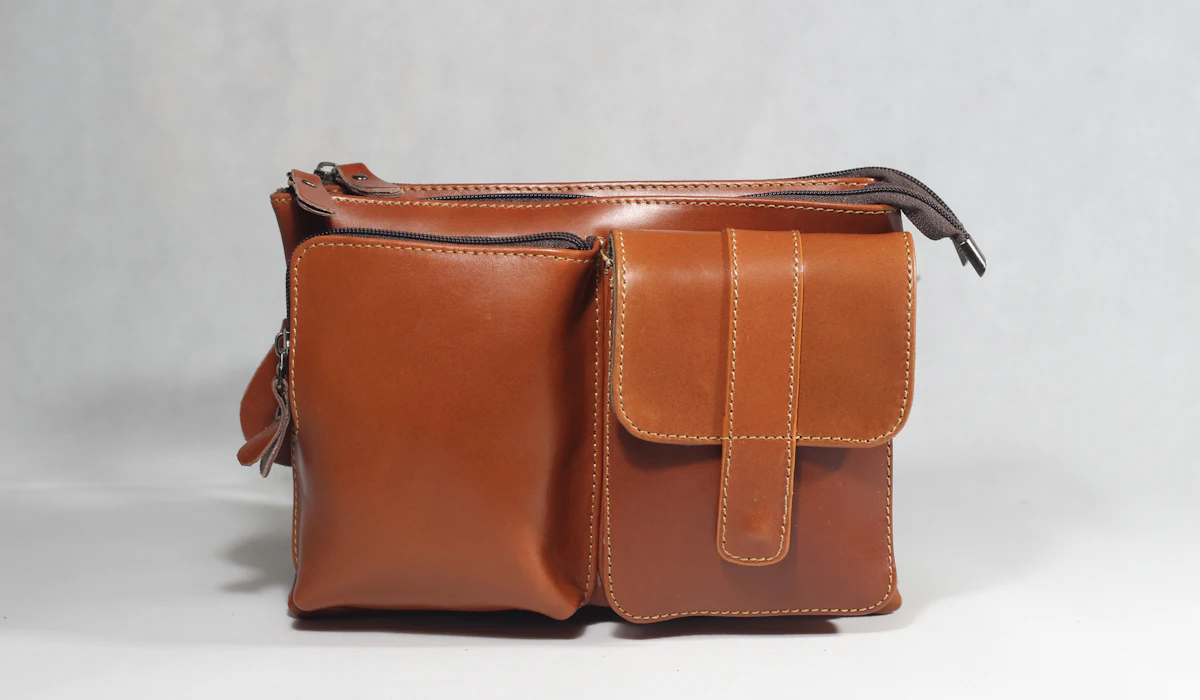
Money belts sit under clothing and hold passports, cash, and cards, marketed as protection against pickpockets. Frequent flyers who bought one often found it uncomfortable, hot, and awkward to access.
Retrieving cash in public can draw more attention than a normal wallet would. Many seasoned travelers now carry a slim wallet in a front pocket, keep a backup card in a separate place and leave passports in the hotel safe when not needed.
A money belt feels secure, but it is rarely practical for everyday use.
Bottled Water After Security

A bottle of water after the security checkpoint can cost several dollars, and frequent flyers may buy several on a long travel day. Many major airports have water-refill stations, and many travelers carry an empty reusable bottle through security to fill afterward.
The savings add up quickly over dozens of trips. The bottle also reduces plastic waste.
Seasoned travelers consider a reusable bottle one of their most useful pieces of gear. Collapsible versions take up almost no space in a carry-on when empty.
The bottle has to go through the checkpoint empty under standard U.S. security rules, a detail that catches first-timers who fill it at home. Frequent flyers make emptying it part of the routine in the security line.
Duty-Free Liquor on a Connecting Itinerary

Duty-free shops sell liquor and perfume that can be a bargain, but travelers connecting through another country may have to pass through security again. Liquids over the permitted size purchased at duty-free are usually sealed in special tamper-evident bags, and if the bag is opened, or the rules at the connecting airport differ, the bottle can be confiscated.
Frequent flyers who lost an expensive bottle at a connection now buy duty-free only on their final leg when possible. Others check the rules for their connection before buying or wait until their final departure point.
Some simply buy the same bottle at home, where the price difference often turns out smaller than the airport signs suggest.
Buying Miles Without a Plan
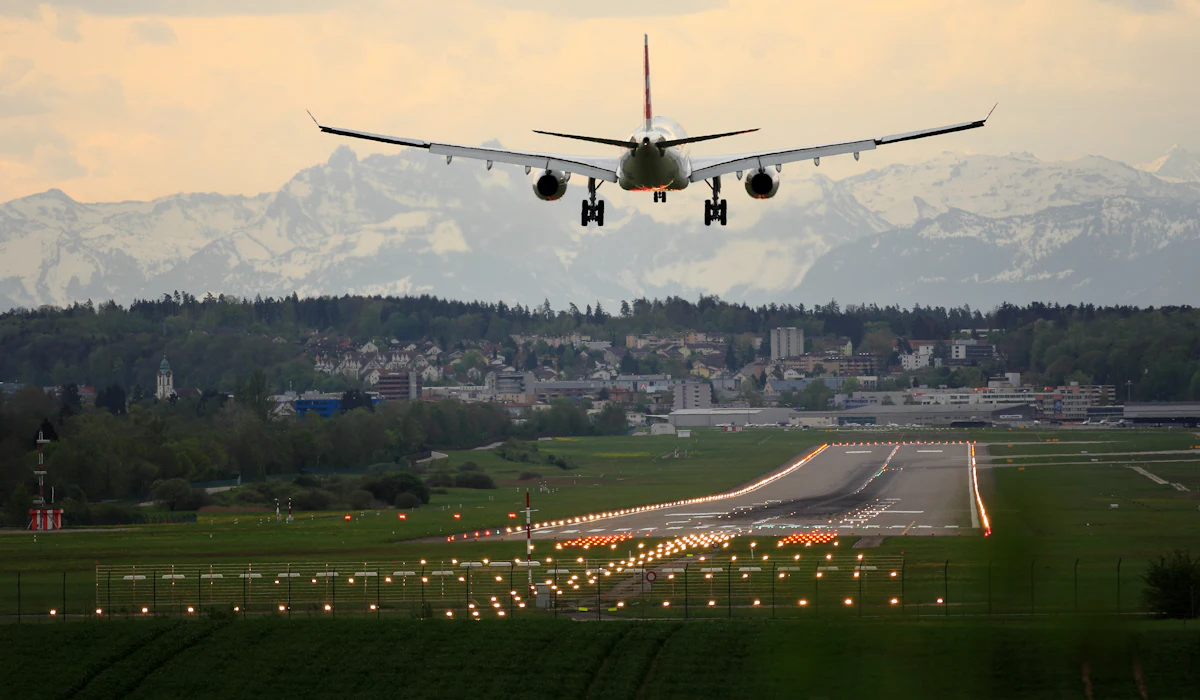
Airlines regularly offer bonuses on purchased miles, marketing them as a bargain. Frequent flyers who bought miles without a specific redemption in mind sometimes found the award they wanted unavailable or priced higher than expected.
Airline programs can also devalue miles over time. Seasoned travelers buy miles only when they need a specific number to complete a known redemption.
At that moment, buying miles can make sense. Otherwise, the miles sit in an account losing value.
A points balance without a destination is simply a bet that the airline will not change its award pricing, and airlines can change award prices and program terms over time.
Priority Boarding Add-Ons
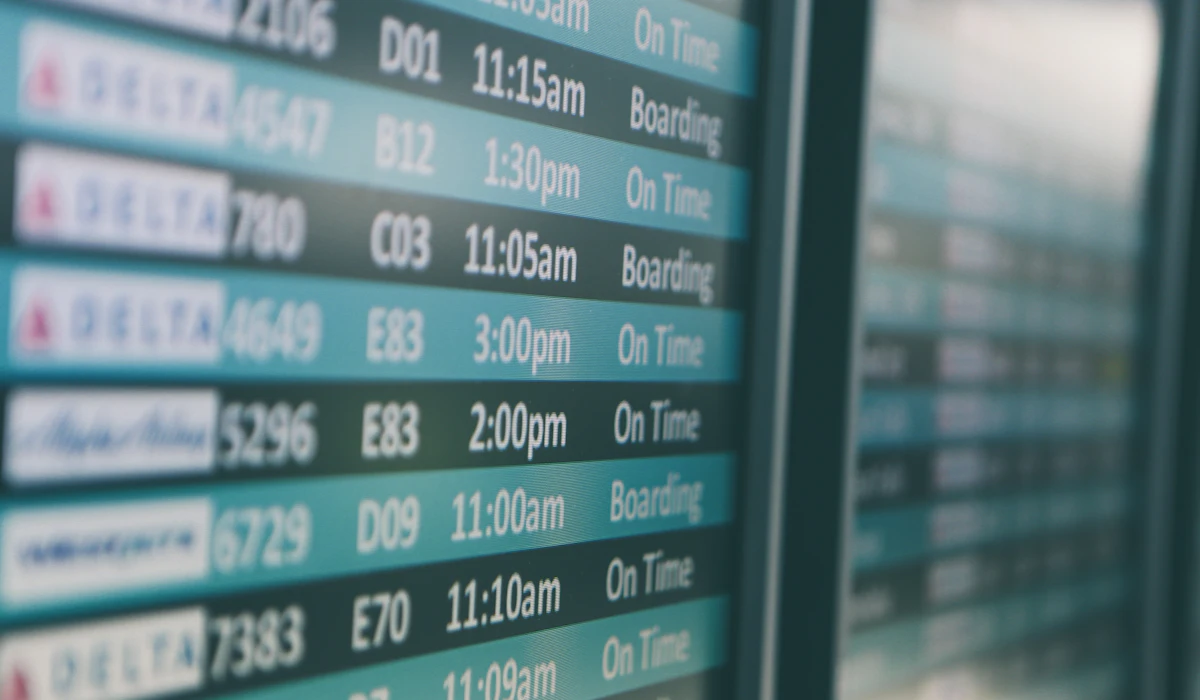
Airlines sell priority boarding as a standalone add-on, often for $15 to $50, although prices and availability vary widely by airline and flight. The main benefit is securing overhead bin space before it fills up.
Frequent flyers who travel with only a small bag that fits under the seat find the benefit minimal. They also note that boarding early simply means more time sitting in a cramped seat.
Seasoned travelers pay for priority boarding only when bin space is genuinely important, such as with a full-size carry-on on a crowded flight. Some airline credit cards and elite-status programs include earlier boarding as a perk, which removes the need to pay for it separately.
Carrier International Roaming Day Passes
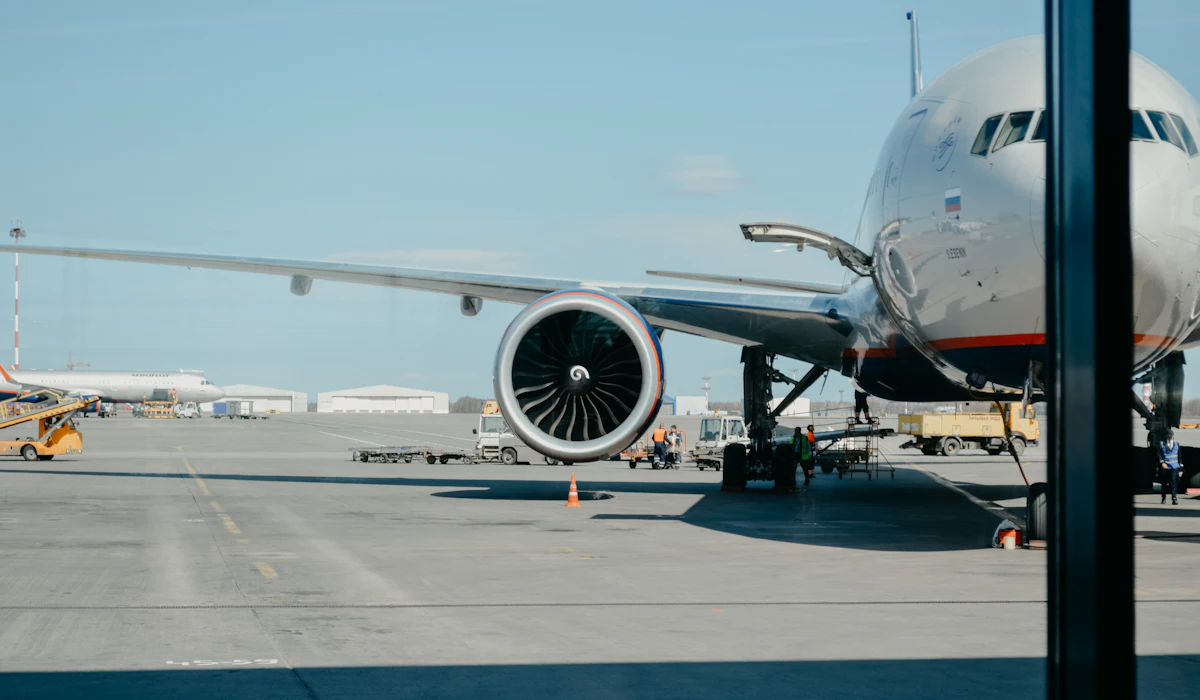
Mobile carriers offer international day passes that let travelers use their home plan abroad for a daily fee. On a long trip, the charges can add up quickly.
Frequent flyers who have paid for weeks of day passes often switch to eSIM data plans, which can cost less than carrier day passes depending on the destination and amount of data needed. Some phone plans also include international data at no extra cost.
Seasoned travelers check their options before leaving home rather than defaulting to the carrier’s day pass. Installing an eSIM before departure takes a few minutes, although compatibility, local coverage and the ability to keep the regular number active depend on the phone and plan.
Budget Noise-Canceling Headphones
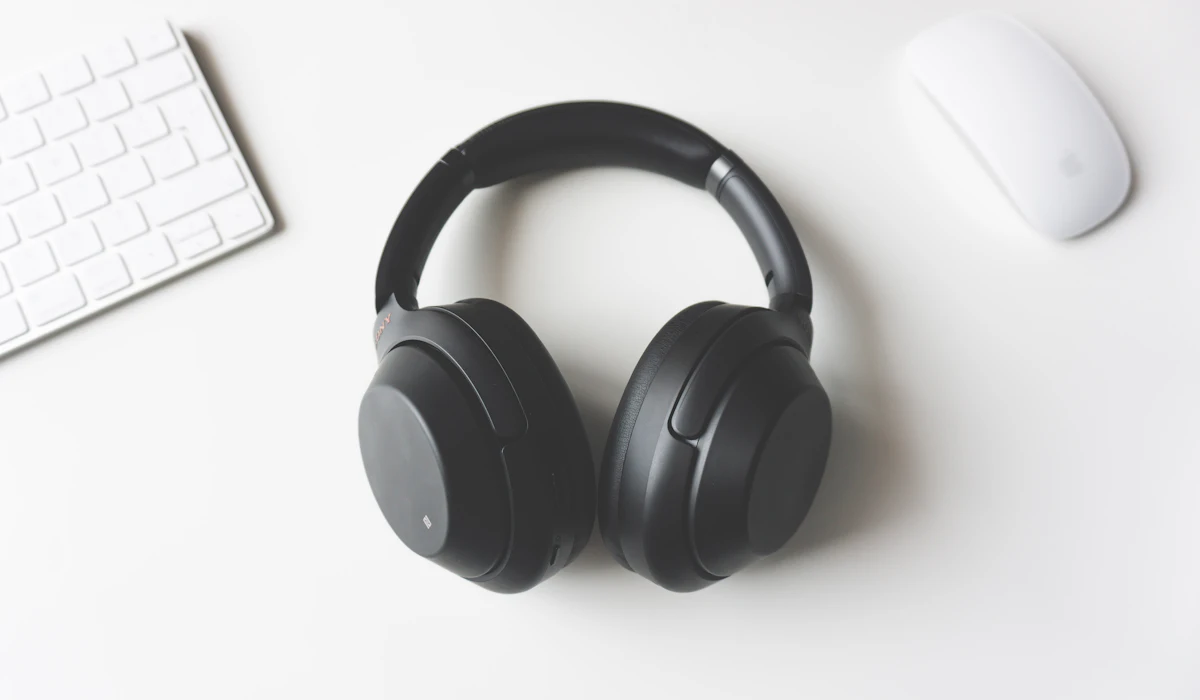
Cheap headphones marketed as noise-canceling often do little to block the drone of jet engines. Frequent flyers who bought a budget pair usually upgrade to better headphones after one long flight.
Quality noise-canceling headphones cost more, but they can make a noticeable difference on long-haul trips. Many travelers consider them the single most valuable piece of travel gear they own.
The lesson is less about brand and more about testing before buying. Many electronics stores let shoppers try headphones in person, and a few minutes with a recording of cabin noise reveals which ones actually work.
Some airlines also hand out free headphones that are barely better than earplugs, which makes the upgrade feel even larger.
Lessons Priced in Airports
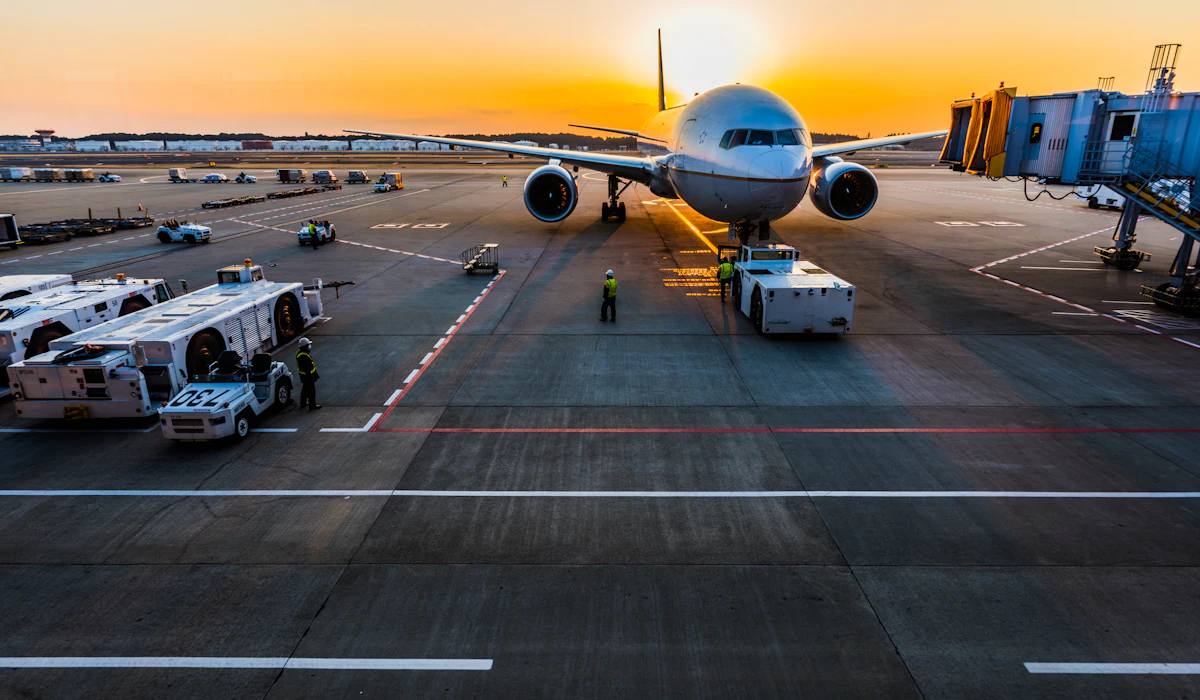
Airports are designed to sell solutions to problems travelers have not yet thought through. The pillow, the adapter, the Wi-Fi pass and the currency counter all appear exactly when a traveler is tired, rushed or anxious.
That is why so many of these purchases happen once. The regret arrives later, usually somewhere over the Atlantic.
Frequent flyers are not immune to bad purchases. They simply make them earlier in their travel lives, learn quickly and carry the lessons forward.
Their packing lists get shorter, and their gear gets better. Each mistake, paid for once, becomes a small piece of expertise.
More from Travel Pug

- Underrated Italian Towns That Beat the Tourist Crowds
- Las Vegas Tourist Traps to Skip
- Prettiest Towns in Every US State
- 18 passport-free countries for Americans
- Signs Your Cruise Is Not Worth The Cost
Like Travel Pug’s content? Follow us on MSN.