

Asia’s markets are more than mere places to shop—each is a living, breathing thing where the anarchy of chaos interacts with charm, and tradition mingles with modernity. From vendors on busy train platforms hawking their wares to boats full of tropical fruit floating on canals, these markets open up a window into an Asia that preppy shopping centers can’t.
The sights, sounds, and sometimes the sensory overload of each trip feel like entering a different realm. Here are 19 offbeat markets in Asia that provide experiences you can’t find elsewhere, all with their own quirky charm and unforgettable appeal.
Maeklong Railway Market
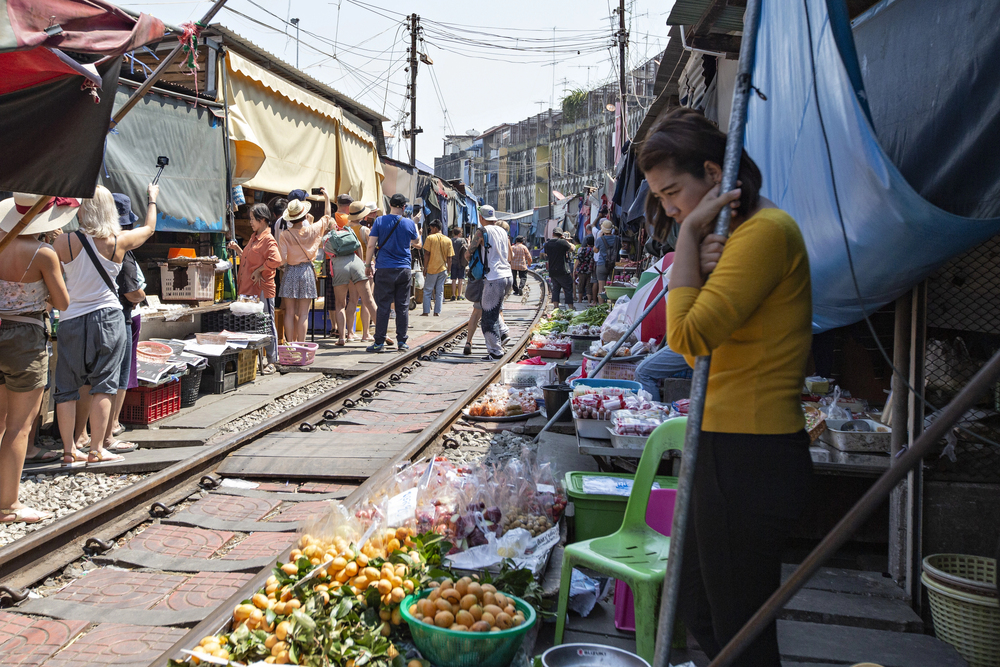
The Maeklong Railway Market in Thailand operates on active train tracks, and vendors calmly fold up their awnings eight times a day whenever a train approaches—eight times a day. The train squeezes through with mere inches to spare, passing close enough to touch the produce on display.
Once it rumbles past, the awnings snap back into place and business resumes as if nothing happened.
Damnoen Saduak Floating Market
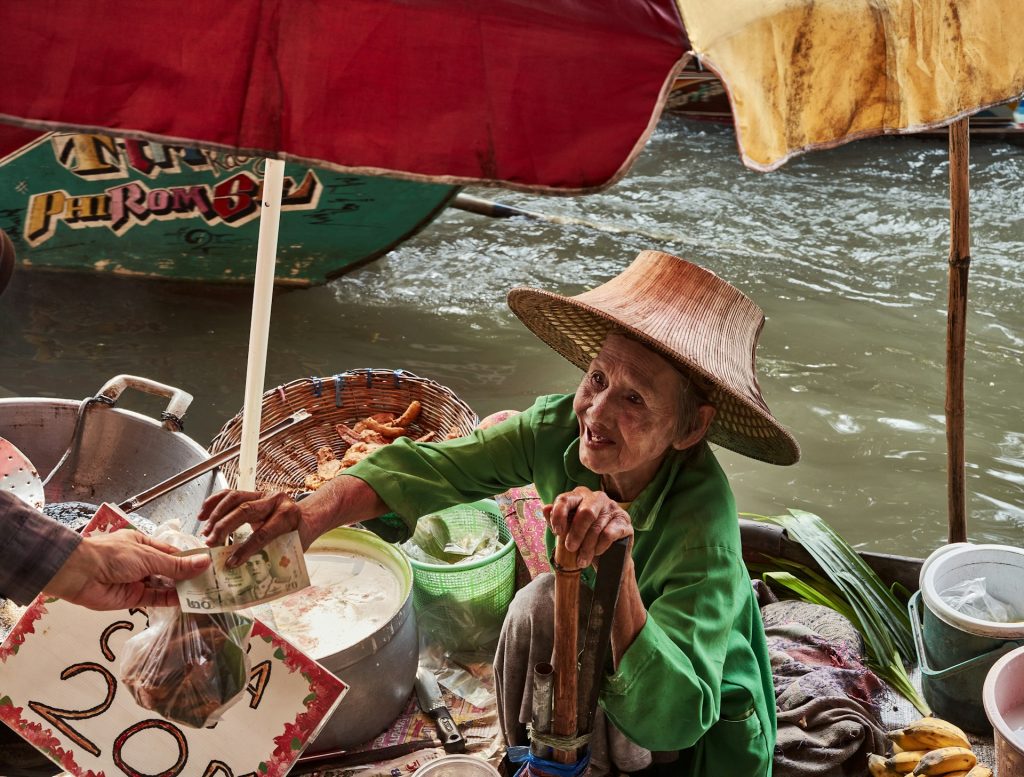
Damnoen Saduak sits about 60 miles southwest of Bangkok, where vendors paddle wooden boats loaded with mangoes, coconuts, and steaming bowls of boat noodles. The canals buzz with activity from dawn until mid-morning, although it has become quite touristy over the years.
Despite the crowds, watching merchants navigate their boats while cooking fresh pad thai remains genuinely impressive.
Like Travel Pug’s content? Follow us on MSN.
Tsukiji Outer Market
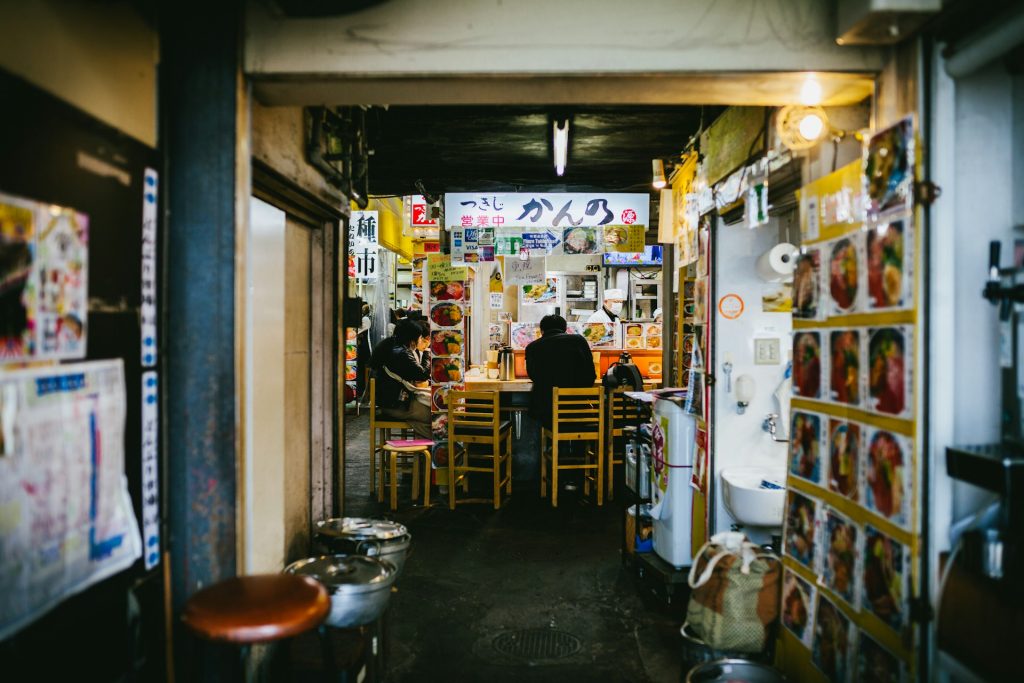
Although Tokyo’s renowned inner wholesale market relocated to Toyosu in 2018, the outer market remains busy with more than 400 restaurants and shops. You can discover immaculately fresh sashimi, tamagoyaki so light it almost melts, and kitchen blades that chefs travel oceans to buy.
The narrow streets become crowded by 9 AM, but the hectic organization feels quintessentially Japanese.
Shilin Night Market
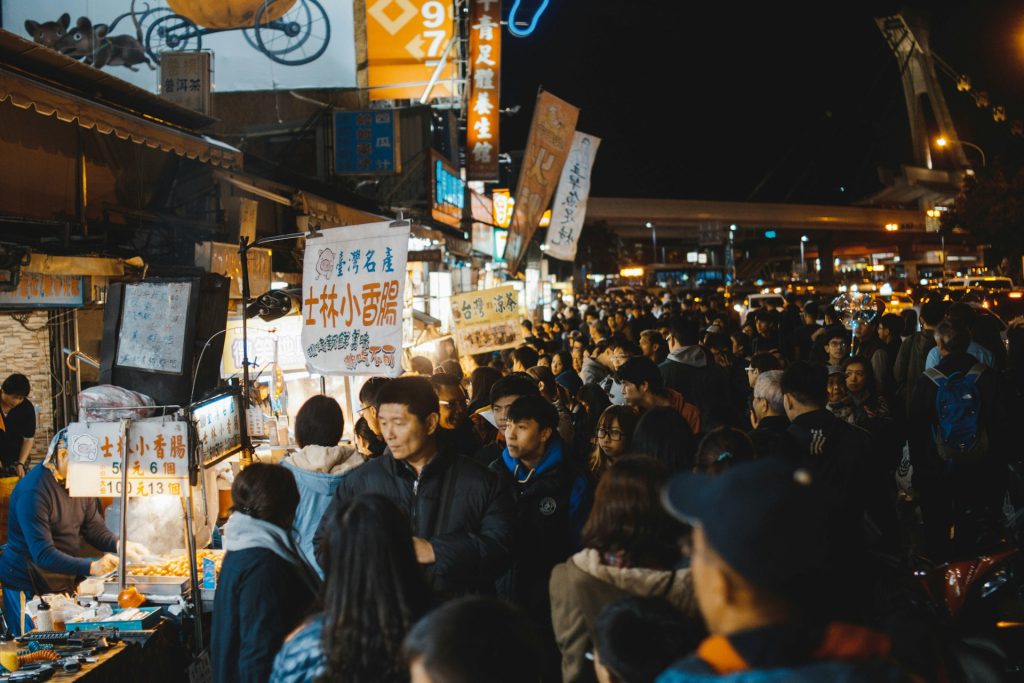
Shilin Night Market in Taipei transforms into a neon-lit wonderland after sunset, stretching across both underground food courts and street-level stalls. The signature dish here is the oversized fried chicken cutlet—bigger than your face and dangerously addictive.
Gaming stalls, clothing vendors, and dessert shops keep the crowds entertained until well past midnight.
Bogyoke Aung San Market
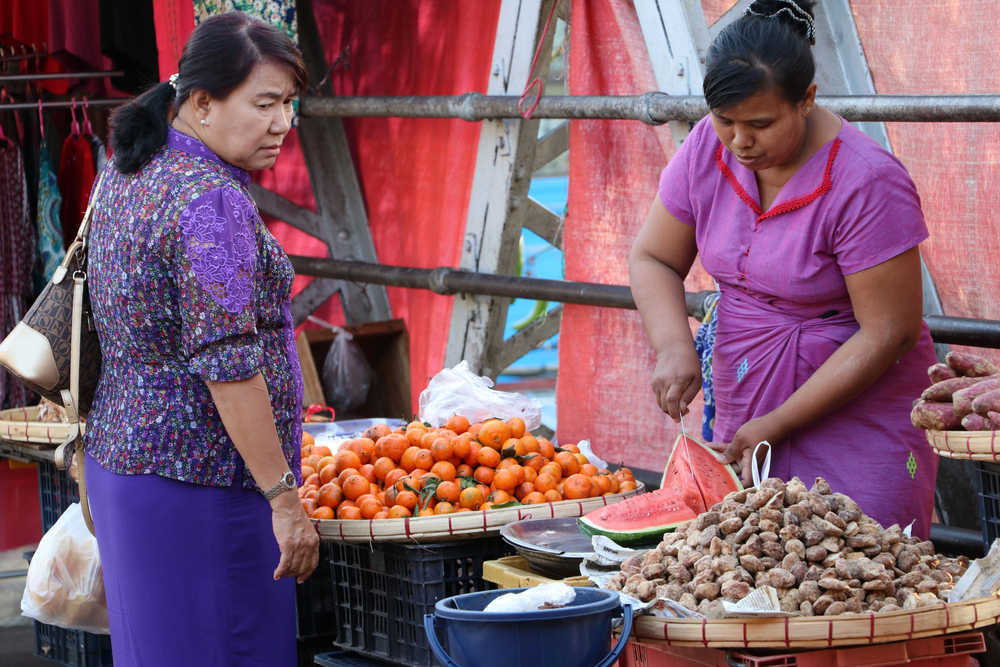
Bogyoke Aung San Market in Yangon specializes in jade, rubies, and other precious gems for which Myanmar is famous. The colonial-era building houses over 2,000 shops selling everything from lacquerware to traditional longyi fabrics. Bargaining is expected here, though the jade dealers know their stones and won’t budge much on genuine pieces.
Like Travel Pug’s content? Follow us on MSN.
Inle Lake five-day market
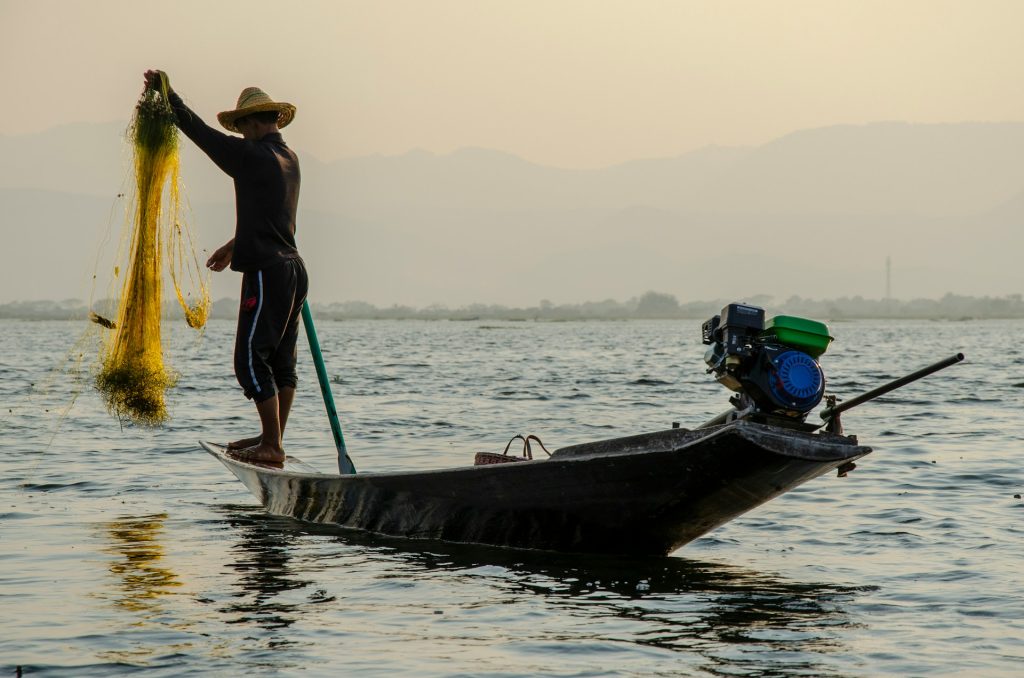
The five-day market on Inle Lake in Myanmar rotates between five different villages, following a traditional schedule that’s been maintained for centuries. Hill tribe communities paddle their boats for hours to sell produce, textiles, and handicrafts at whichever village hosts that day. .
The market serves as a social gathering as much as a commercial one, with villagers catching up on news while trading goods.
Chandni Chowk
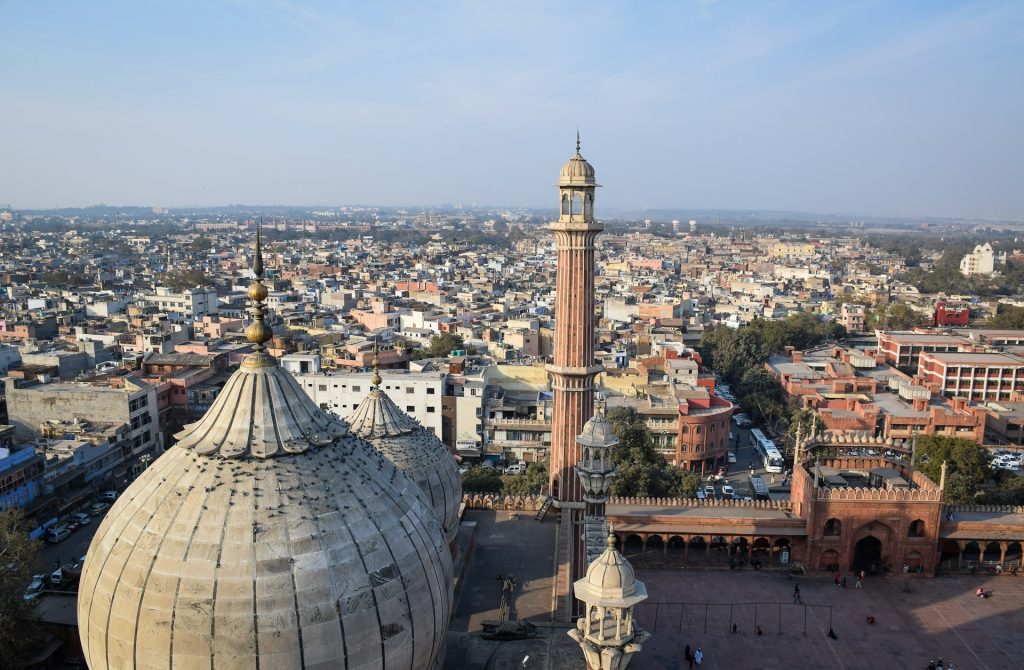
Chandni Chowk in Old Delhi dates back to the 17th century and remains one of India’s most chaotic shopping experiences. The narrow lanes overflow with spice merchants, fabric sellers, and jewelry shops—while dodging rickshaws, cows, and motorbikes becomes part of the adventure.
The paratha stalls near the Jain temple serve some of Delhi’s best street food, though finding them requires navigating the sensory madness first.
Jagalchi Fish Market
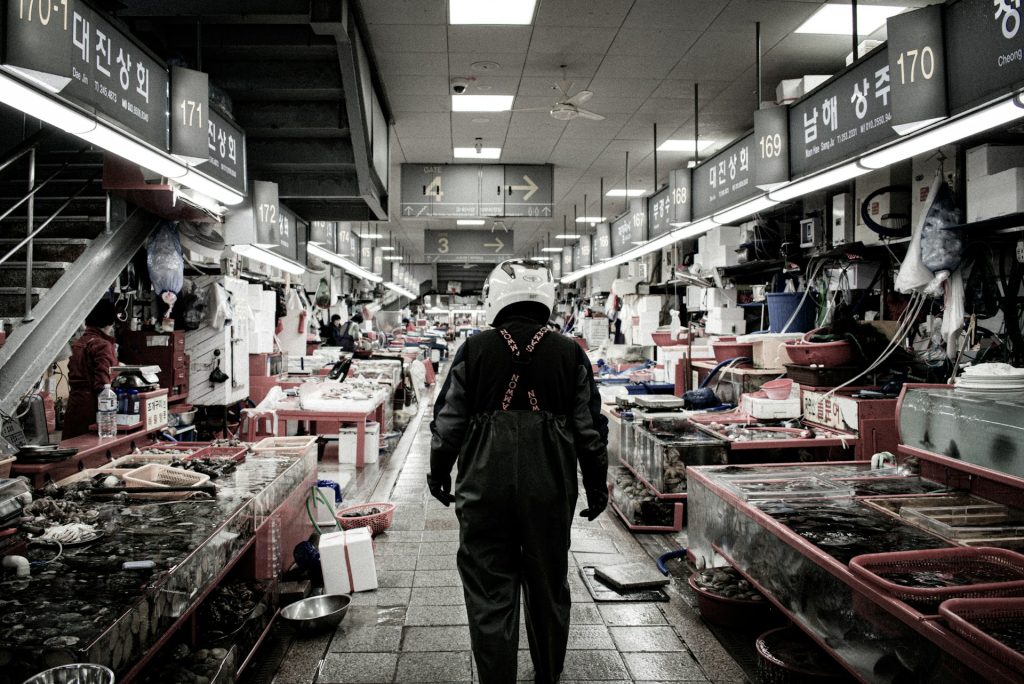
Jagalchi Fish Market in Busan is South Korea’s largest seafood market, where ajummas (older women) shout prices and gut fish with startling efficiency. Tanks bubble with octopus, sea squirts, and other creatures you might not recognize, many still wriggling.
You can buy your selection and take it upstairs to restaurants that’ll cook it immediately for a small fee.
Like Travel Pug’s content? Follow us on MSN.
Huaqiangbei Electronics Market
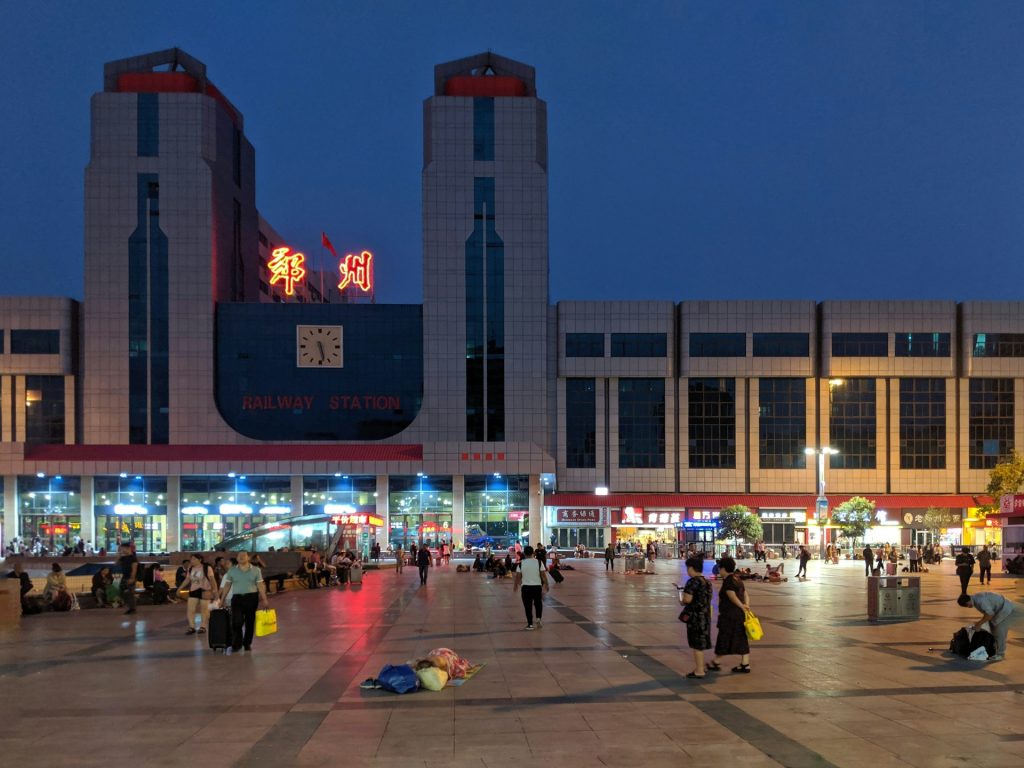
Shenzhen’s Huaqiangbei is the globe’s biggest electronics market—a multi-level labyrinth where any component, gadget, or cable can be found. Tech tinkerers scour for bargains on phone components to drone pieces, while even regulars get lost in the market’s labyrinthine structure.
It is where hardware startups acquire materials and where counterfeits commingle with authentic merchandise.
Gwangjang Market
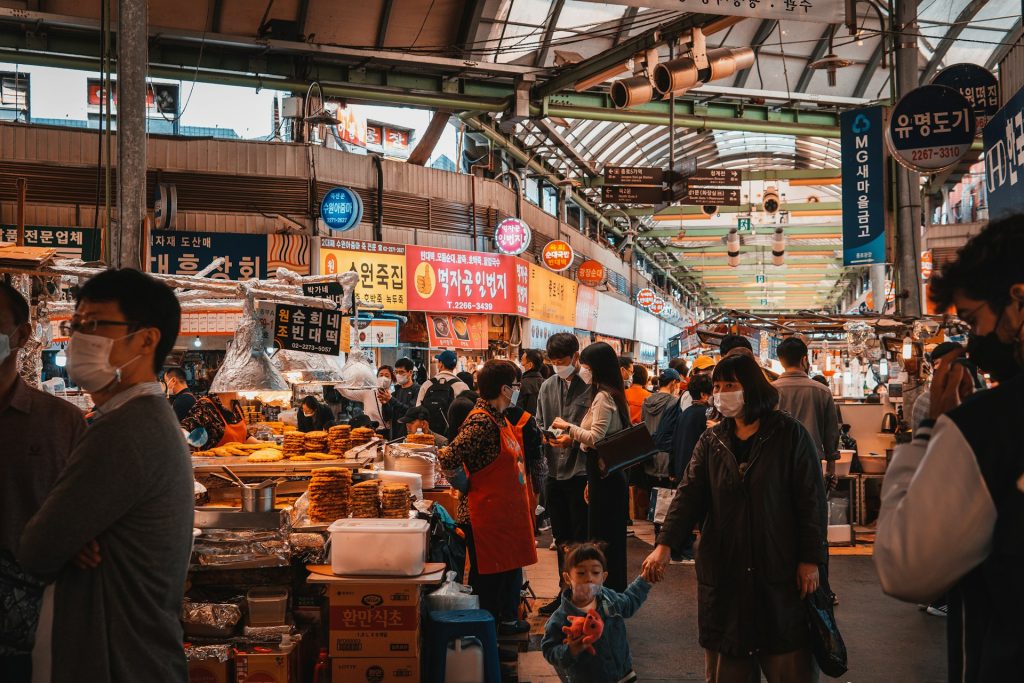
Gwangjang Market in Seoul has operated since 1905 and now specializes in bindaetteok (mung bean pancakes) and mayak gimbap (addictive mini rice rolls). The food alley gets packed with locals perched on small stools, downing soju while vendors fry up fresh batches.
It’s also one of the best spots to buy hanbok (traditional Korean clothing) if you’re willing to sift through the stalls.
Temple Street Night Market
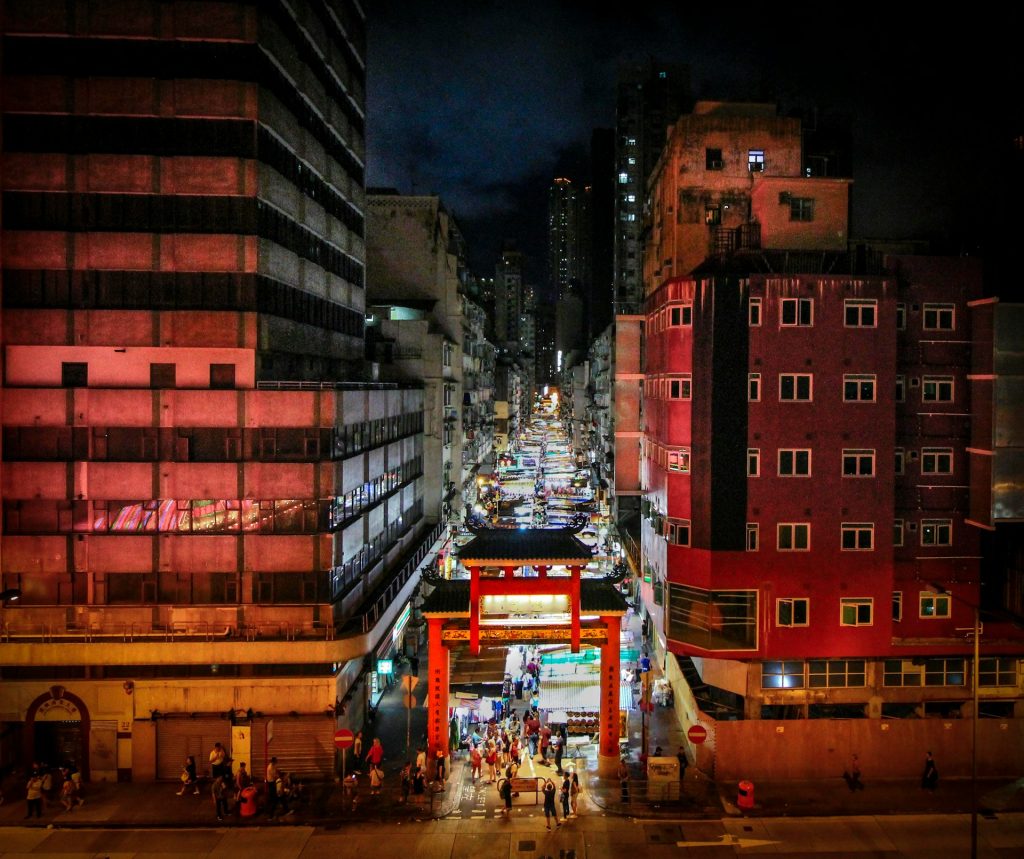
Temple Street Night Market in Hong Kong transforms into a maze of fortune-tellers, gadget vendors, and dai pai dong food stalls after 6 PM. Cantonese opera singers sometimes perform near the Tin Hau temple, adding an unexpected cultural layer to the commercial bustle.
The market’s proximity to the Yau Ma Tei neighborhood means you’ll brush shoulders with both tourists and locals hunting for bargains.
Like Travel Pug’s content? Follow us on MSN.
Chatuchak Weekend Market
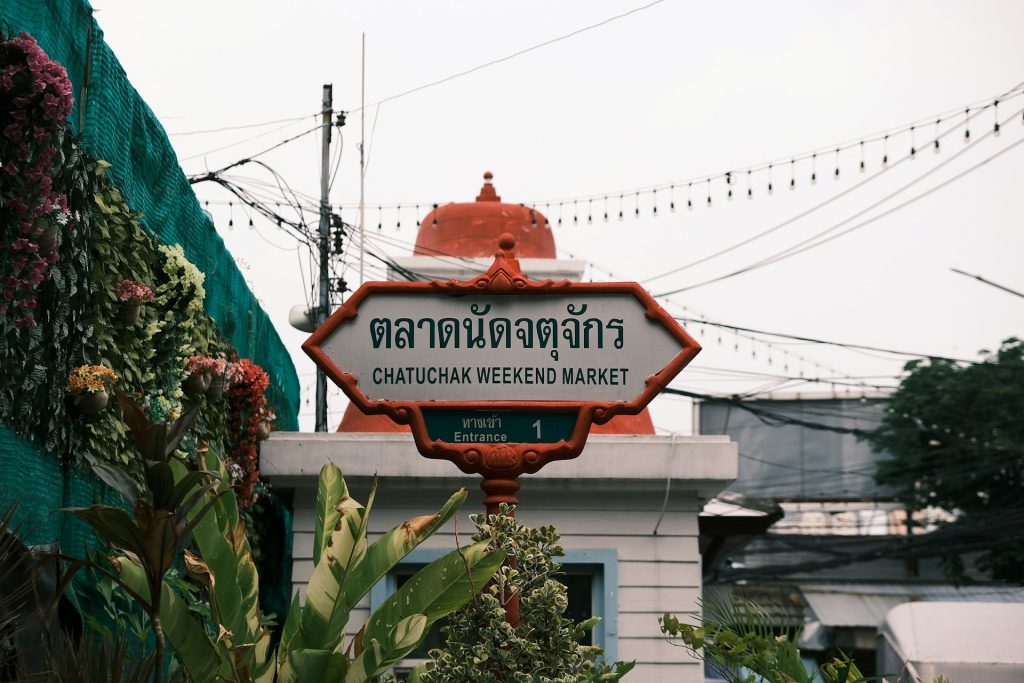
Chatuchak Weekend Market in Bangkok sprawls across 35 acres with over 15,000 stalls, making it one of the world’s largest weekend markets. You could spend an entire day wandering the numbered sections and still miss entire zones—there’s vintage clothing, ceramics, pets, plants, and antiques scattered throughout.
The heat gets intense by midday, though the market provides enough iced Thai tea vendors to keep you going.
Panjiayuan Antique Market

Panjiayuan Antique Market in Beijing attracts collectors hunting for everything from Mao-era memorabilia to genuine Qing dynasty porcelain. Most items are reproductions—skillful ones—but seasoned buyers occasionally uncover legitimate treasures buried among the fakes.
The market comes alive on weekend mornings when dealers arrive early to snag the best pieces before tourists show up.
Cai Rang Floating Market
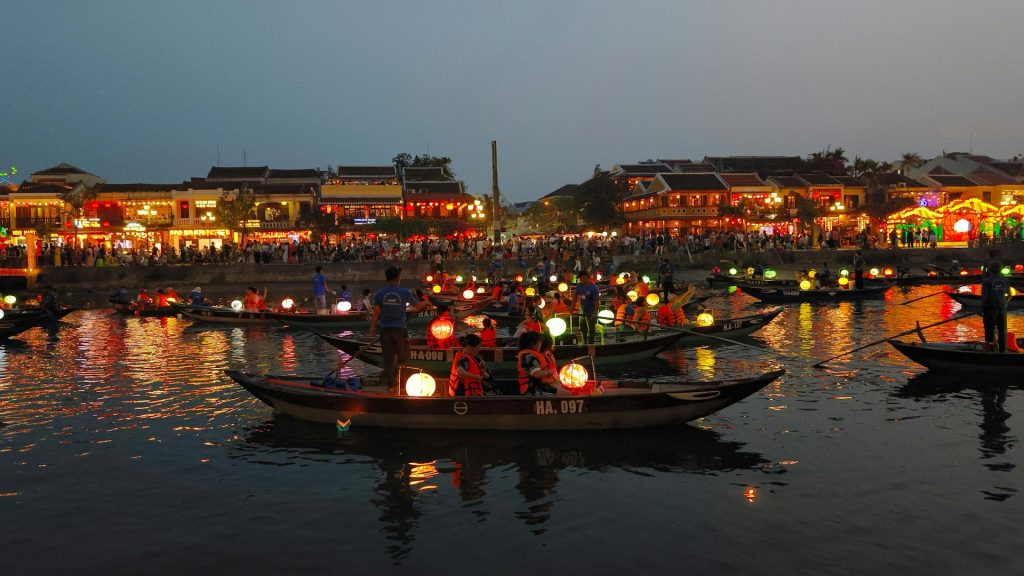
Cai Rang Floating Market near Can Tho in Vietnam’s Mekong Delta operates primarily as a wholesale market where boats hang samples of their goods on tall poles. The best time to visit is around 6 AM when the river fills with boats trading pineapples, dragon fruit, and vegetables in bulk.
Though less photogenic than tourist-oriented floating markets, it offers a glimpse of actual river commerce.
Like Travel Pug’s content? Follow us on MSN.
Ubud Art Market
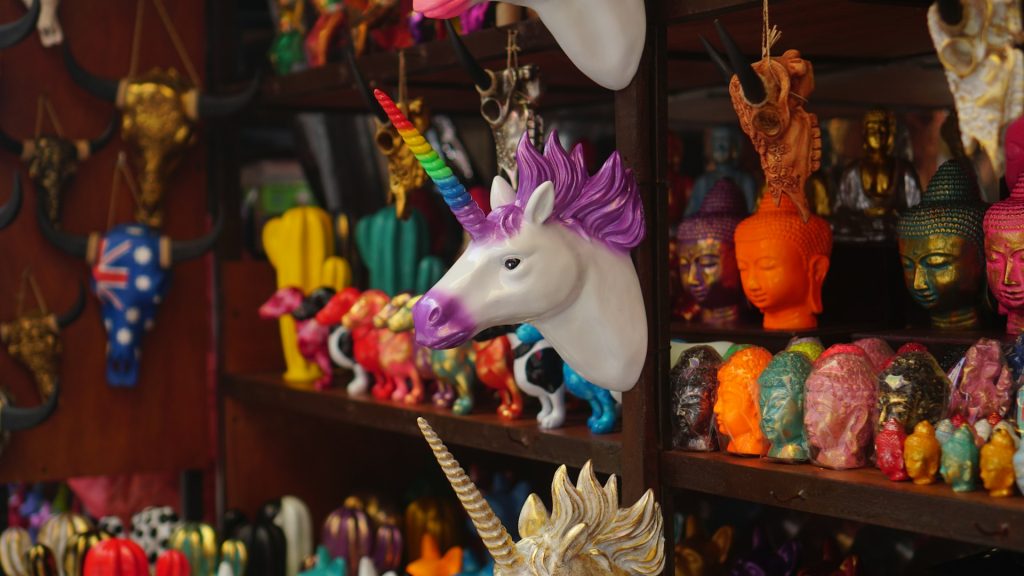
The Ubud Art Market in Bali, situated across from the royal palace, specializes in handwoven baskets, batik fabrics, and wooden carvings. Vendors expect vigorous bargaining—starting prices often run three times higher than what they’ll ultimately accept.
The market’s two-story structure gets crowded by midday, whereas early morning shopping offers better deals and breathing room.
Jonker Street Night Market
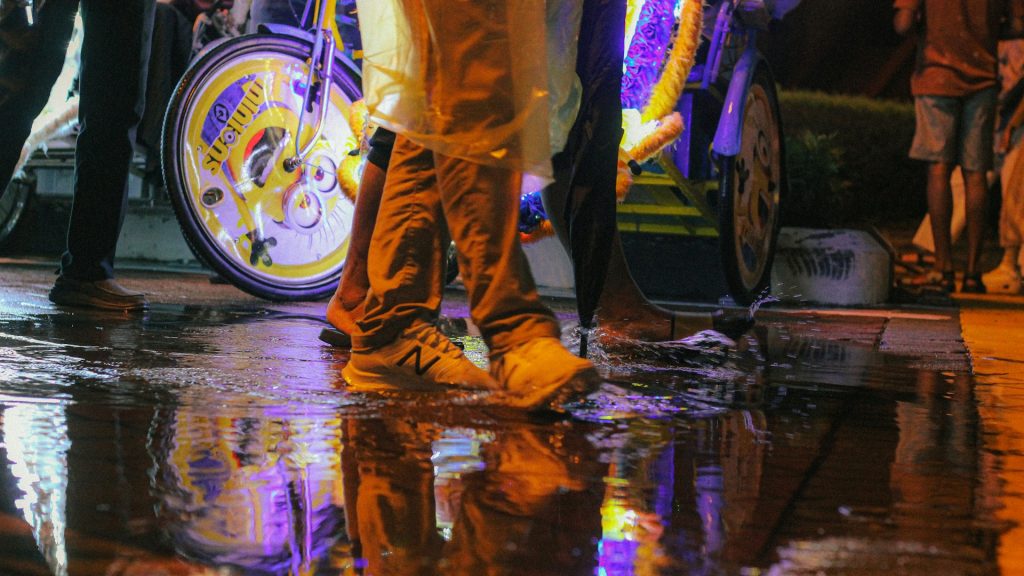
The Jonker Street Night Market in Melaka, Malaysia, operates only on Fridays through Sundays, transforming a historic street into a pedestrian paradise. The hawker stalls serve Peranakan specialties like cendol and chicken rice rounds, while vendors sell everything from vintage postcards to knock-off designer bags.
Street performers and traditional music add to the carnival atmosphere that defines weekend evenings here.
Noryangjin Fish Market
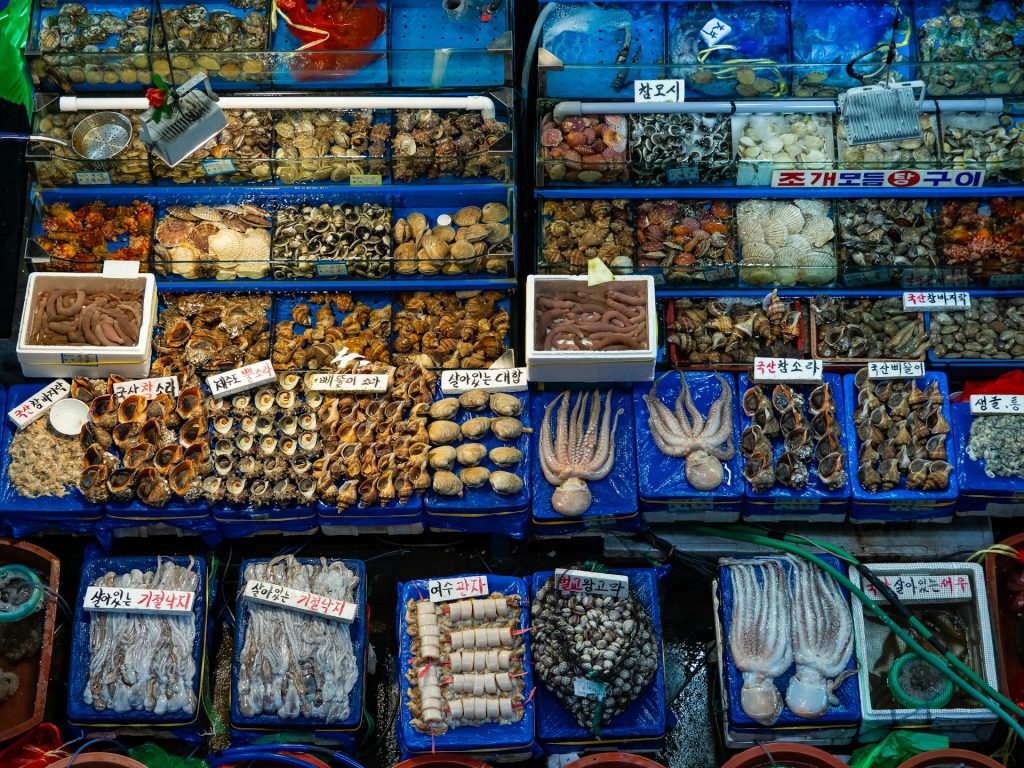
Noryangjin Fish Market in Seoul operates 24 hours a day, with the real action happening during the pre-dawn auction when restaurateurs bid on the day’s catch. Visitors can purchase live seafood from the vendors on the first floor and take it upstairs, where restaurants prepare it as sashimi, grilled, or in spicy stews.
The aggressive sales tactics can feel overwhelming, though the incredibly fresh seafood makes up for any hard-sell moments.
Like Travel Pug’s content? Follow us on MSN.
Gage Street Market
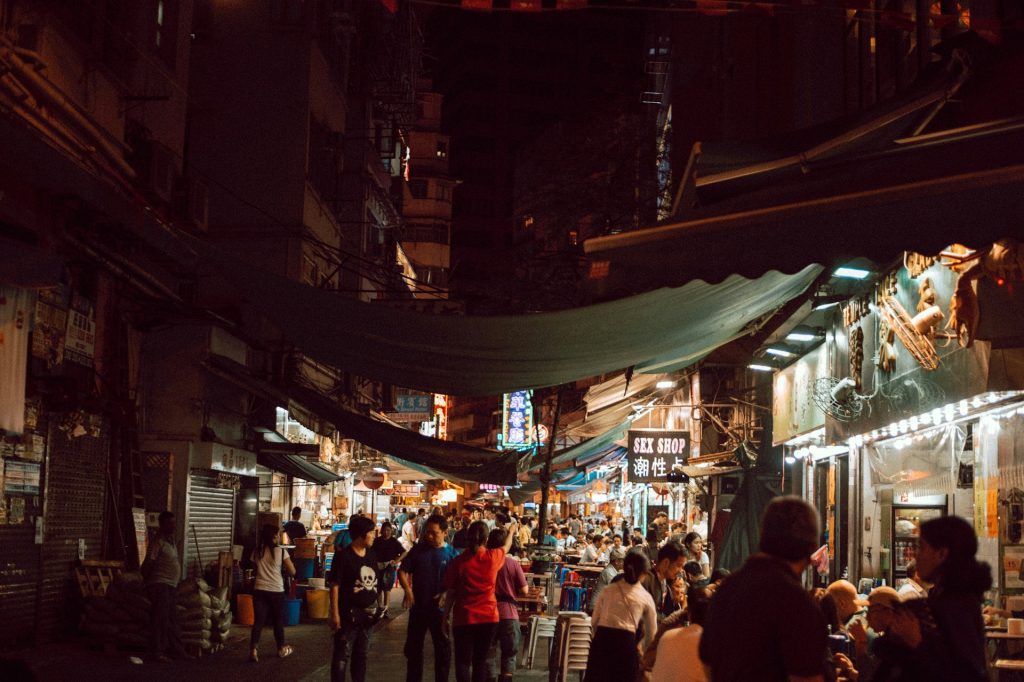
Hong Kong’s Gage Street Market (also known as Graham Street Market) squeezes into a steep Central district street, where elderly vendors sell produce with the efficiency of seasoned auctioneers. Office workers grab lunch from dai pai dong stalls wedged between fruit stands, while the market’s location means you’re shopping in one of the world’s priciest neighborhoods.
The government nearly demolished it for development, but local protests kept this wet market alive.
Pak Khlong Talat
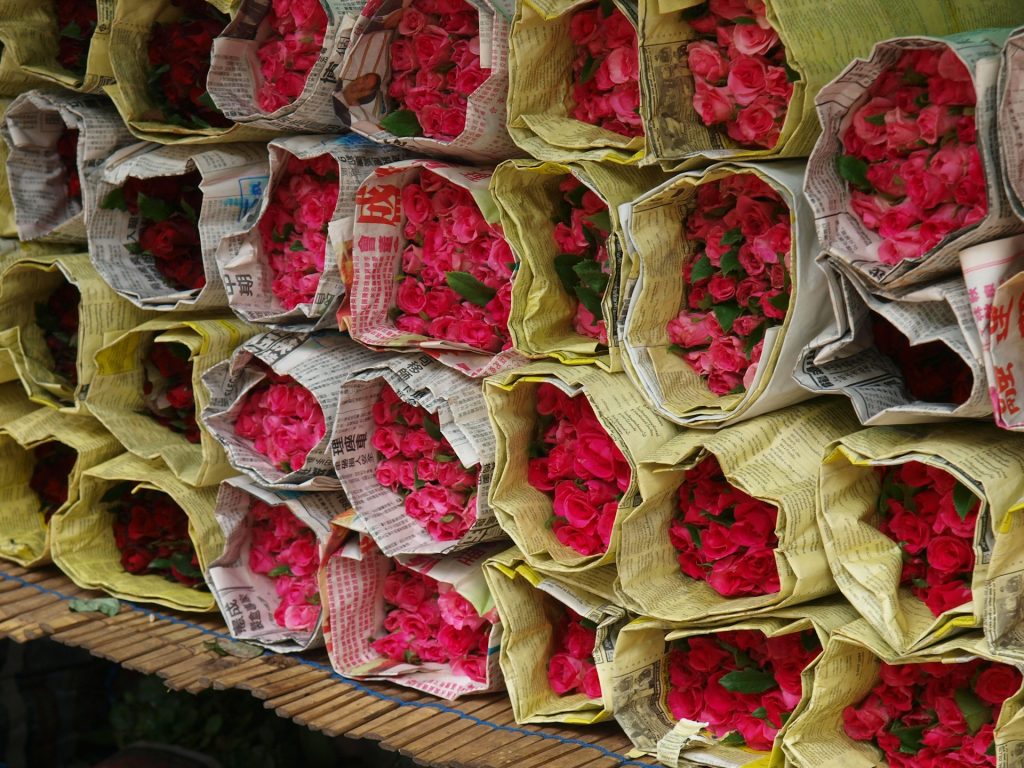
Photo by Darren Ee/Unsplash
Pak Khlong Talat in Bangkok operates as Thailand’s largest wholesale flower market, running 24 hours with peak activity after midnight. Mountains of orchids, roses, and marigolds arrive by truck while vendors assemble elaborate arrangements for hotels, temples, and weddings.
The fragrance hits you before you even see the flowers, and the market’s position near the Chao Phraya River means you can combine your visit with a riverside walk at dawn.
Where tradition meets tomorrow
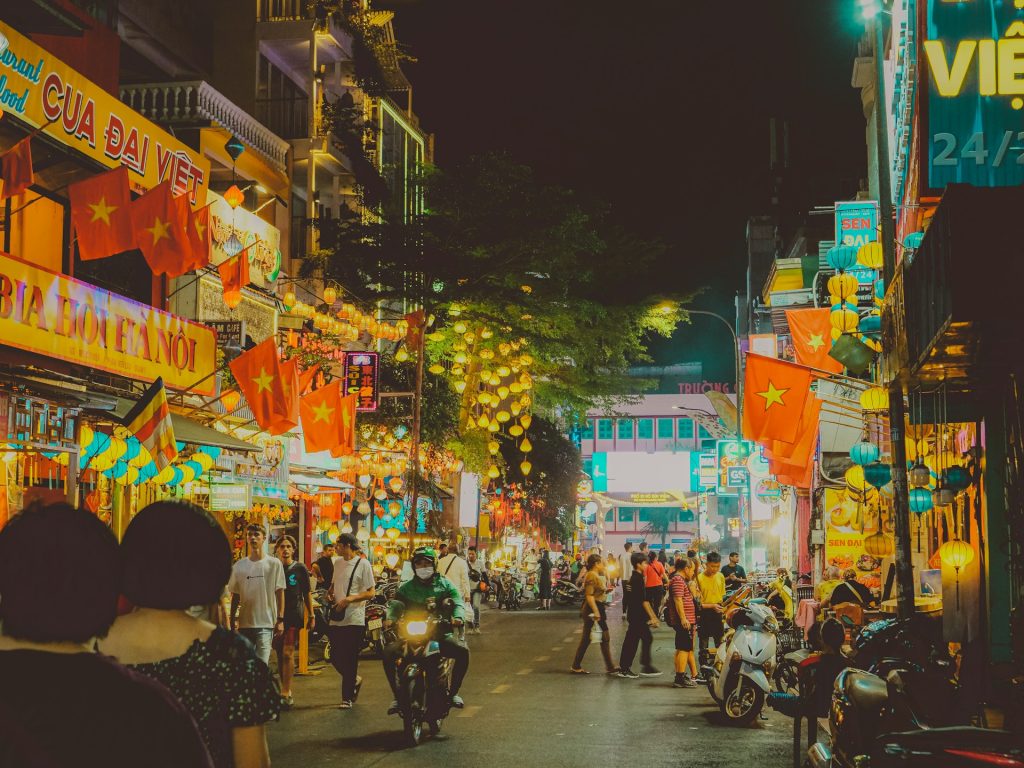
Such markets testify to Asia’s formidable ability to retain its ages-old traditions in commerce and trade while embracing the new-age tourist and business. They have survived interference from urbanization, economic reforms, and the changing behavior of consumers, as they offer more than just transactions; they act as community meeting grounds and cultural beacons in fast-developing cities.
A few of these markets have become tourist attractions, yet most remain local, serving communities changed a little, perhaps more crowded, but maintaining a unique charm. In a way, the vendors setting up their stalls before dawn, buyers patronizing a market for decades, and the age-old practice of haggling and purchasing keep these strange markets so wonderfully alive.
They are a reminder that, at times, business stands for a human interaction and not so much for convenience.
More from Travel Pug

- 20 Best Beach Towns in the Carolinas
- 13 Destinations Where Tourists Regularly Regret Their Trip
- 20 Things You Actually Get in First Class
- 20 Small Airports With Aviation Museums
- 20 Places in the U.S. That Are Perfect for a Reset Trip
Like Travel Pug’s content? Follow us on MSN.