

There’s something magnetic about a perfect diner. Not the chain restaurants masquerading as diners, but the real ones—places where the coffee stays hot, the pie changes daily, and the waitresses remember how you take your eggs.
These are the diners that inspire road trips, the ones people plan vacations around, the spots that make you understand why someone would drive three states over for a piece of coconut cream pie.
Across America, certain diners have achieved legendary status. They’re the places locals guard protectively while secretly hoping you’ll discover them too.
Some have been family-owned for generations, others occupy buildings that have housed restaurants since the Great Depression, and a few have gained fame through sheer culinary excellence that somehow emerges from a kitchen the size of a closet.
Lou Mitchell’s
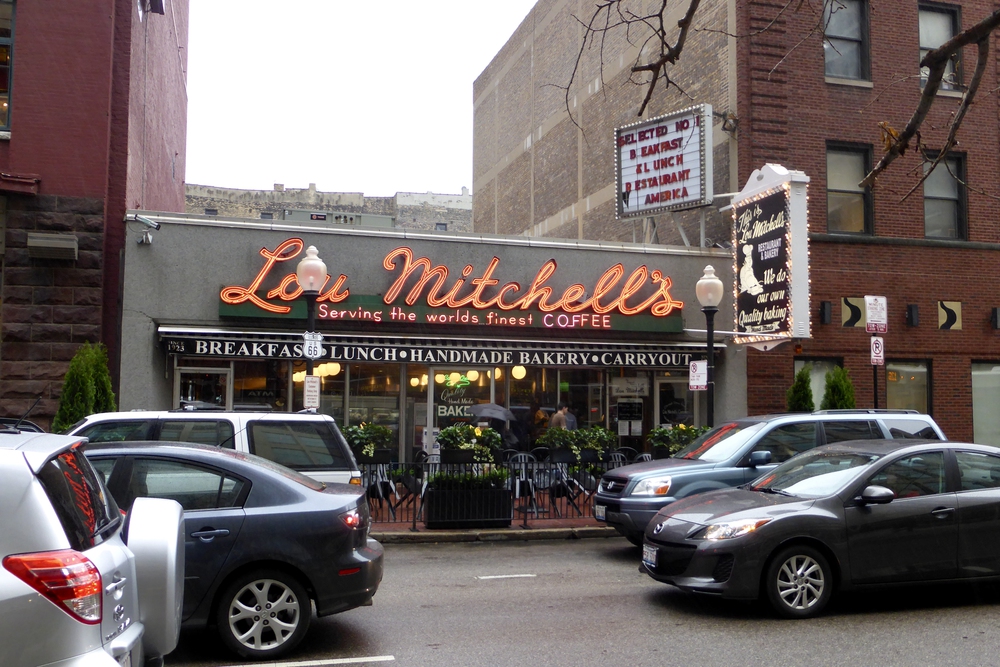
Lou Mitchell’s doesn’t apologize for being exactly what it’s always been. Located steps from Chicago’s Union Station since 1923, it serves breakfast and lunch with the efficiency of a place that’s fed millions of travelers heading west on Route 66.
The waitresses move like they’re choreographed. The coffee arrives before you’ve fully settled into your booth.
Mickey’s Diner
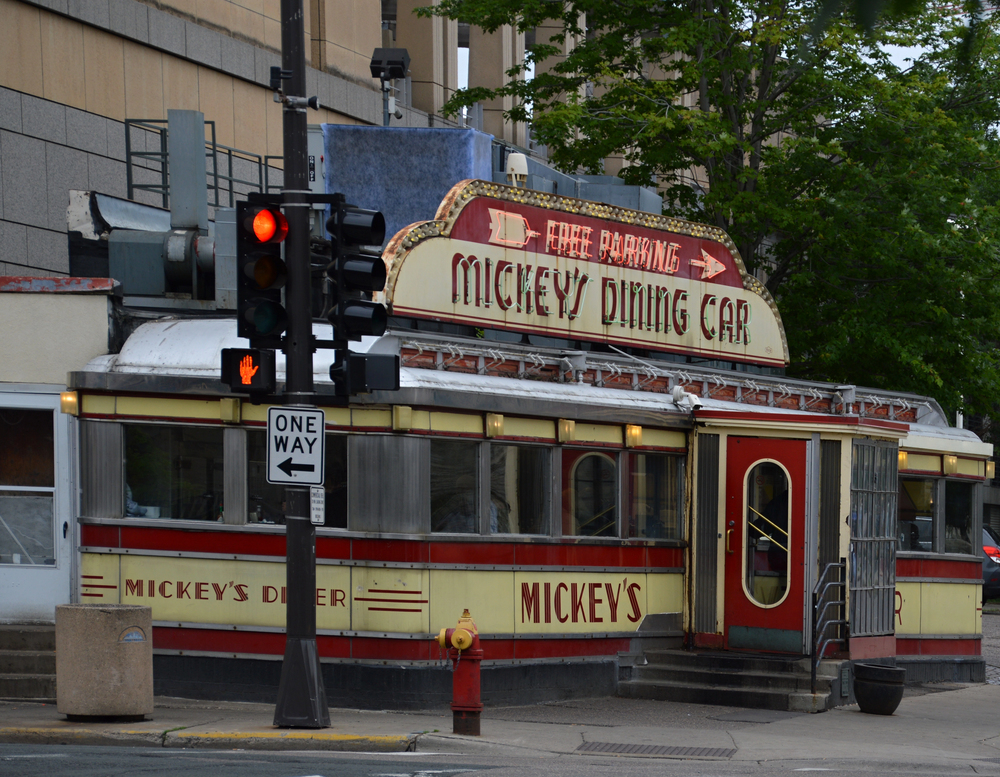
There’s something about a diner that operates around the clock that corrects your understanding of what food can be. Mickey’s in Saint Paul has been open continuously since 1939—through wars, recessions, and the kind of Minnesota winters that make you question your life choices—and in all that time, it has never changed its approach to simple food done right.
The building itself looks like it was designed by someone who understood that diners should feel like a refuge. Art deco curves, gleaming stainless steel, and the kind of neon sign that draws you in from blocks away.
At 3 AM on a Tuesday, Mickey’s makes perfect sense. At noon on a Sunday, it makes even more sense.
The hash browns arrive crispy in a way that suggests someone actually cares about hash browns, which turns out to matter more than you’d think.
The Breakfast Club

Virginia Beach attracts millions of tourists, but most of them miss the best meal in town. The Breakfast Club doesn’t look like much from the outside.
Inside, it’s cramped and loud and the wait can stretch past an hour on weekends. People drive from Norfolk anyway.
The portions arrive sized for people who plan to split them. The pancakes cover plates meant for dinner.
To be fair, when your reputation rests entirely on whether tourists decide to return next summer, you learn to err on the side of abundance.
Rosie’s Diner

Rockford, Michigan built a diner around the idea that breakfast should feel like an event (and given how many people drive from Grand Rapids just for their cinnamon rolls, which are less rolls than they are architectural achievements involving butter, sugar, and what appears to be complete disregard for reasonable portion sizes, the strategy seems to be working). Rosie’s occupies a building that was actually used as the set for commercials in the 1970s, so the authenticity runs deeper than most places manage on purpose, and there’s something satisfying about eating in a spot that was designed to look like the perfect diner and then became one.
But here’s what the commercials couldn’t capture: the way the kitchen manages to turn out consistent food for crowds that would overwhelm most restaurants, the fact that the coffee tastes the same whether you visit on a Tuesday morning or during the weekend rush. Some places collapse under their own popularity.
Others rise to meet it.
Annie’s Paramount Steakhouse
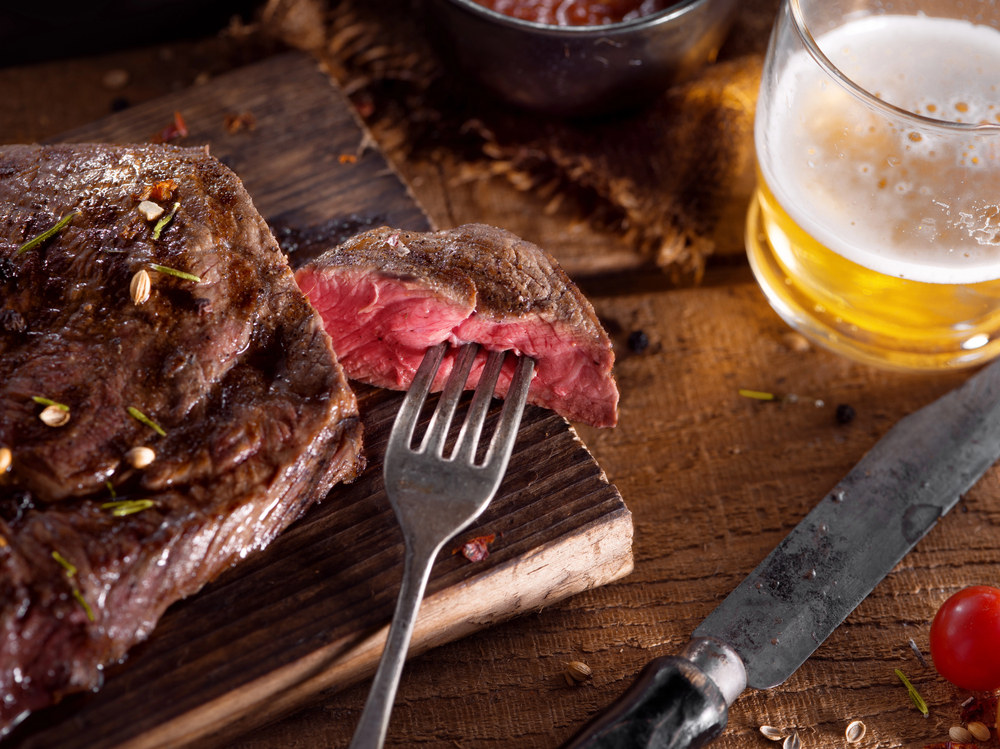
The name suggests steaks, but Annie’s in Washington, D.C., has spent decades perfecting something more essential than any single dish. It has mastered the art of being exactly what people hope a neighborhood diner will be, and when you walk in, you can feel it immediately—the kind of place where strangers nod at each other over coffee, where the waitstaff treats regulars and first-time visitors with the same measured friendliness, where the atmosphere suggests that good food and decent conversation have been the priorities since the beginning.
The steaks are excellent, as advertised, but so is everything else. The breakfast menu runs longer than some restaurant’s entire offerings.
And yet somehow the kitchen never seems frantic, never seems overwhelmed by the scope of what they’re attempting. Maybe it’s experience.
Maybe it’s resignation. Either way, it works.
Mel’s Classic Diner
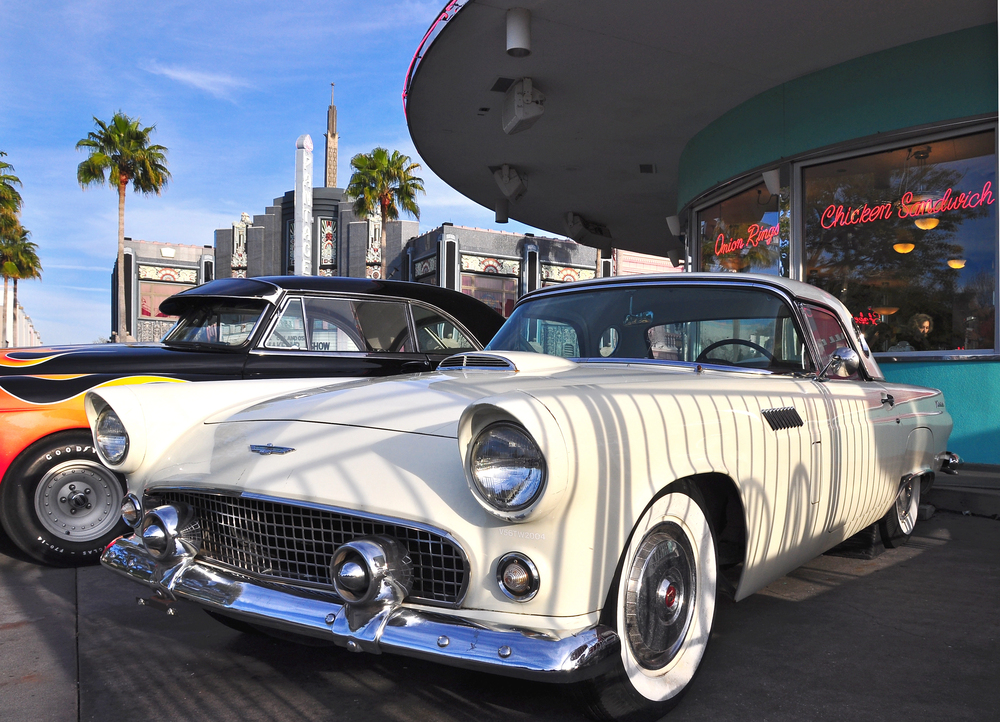
Florida doesn’t have much use for traditional diners, but Mel’s in Titusville operates as if Florida’s heat and humidity were just minor inconveniences rather than fundamental challenges to the diner concept. The air conditioning runs constantly, the coffee stays hot despite the climate working against it, and somehow the whole operation maintains the rhythm of a Midwestern diner despite being minutes from the space coast.
Breakfast arrives exactly as ordered. Lunch portions make sense.
The pie rotates daily and disappears fast enough to suggest it’s worth the drive from Orlando, which people make regularly.
Nick’s Cafe
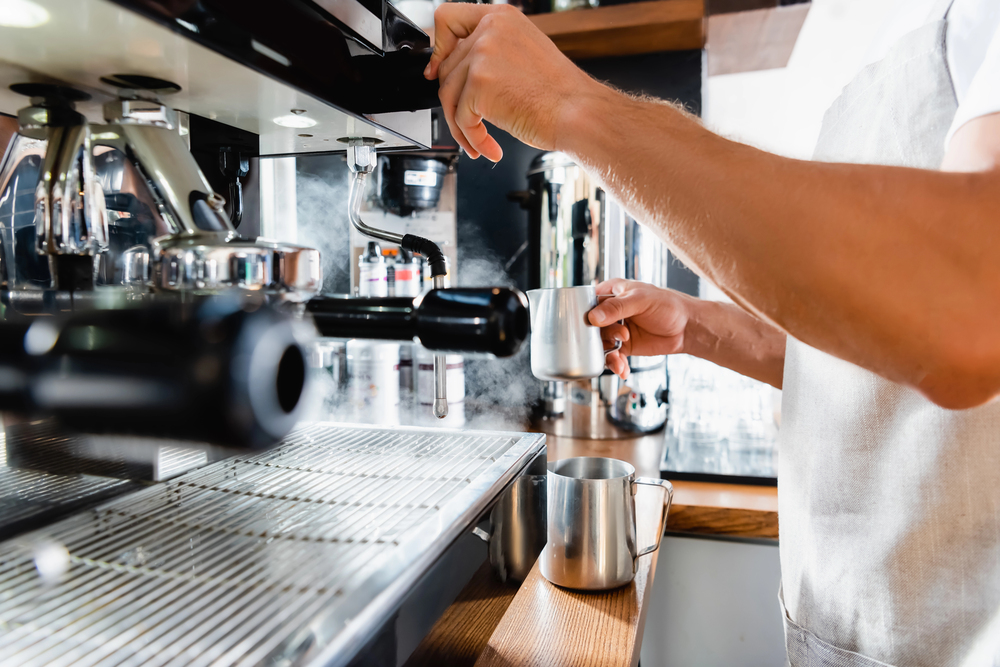
There are truck stops, and then there’s Nick’s Cafe in Brookville, Pennsylvania—a place that happens to serve truckers but refuses to lower its standards just because most customers are passing through and might never return (which is the opposite of how most highway restaurants operate, and probably explains why Nick’s has been drawing repeat customers for decades rather than just capturing whoever happens to be low on gas). The kitchen operates with the precision of a place that knows its reputation travels with every driver who stops in, and word spreads quickly among people who spend their lives on the road about which places are worth the detour and which ones you should skip.
Nick’s makes the recommended list consistently. The chicken and waffles arrive constructed like someone who takes pride in the combination.
Even the simple orders—coffee and pie—get handled with more care than most places invest in their signature dishes. So it sticks.
The Bluebonnet Cafe
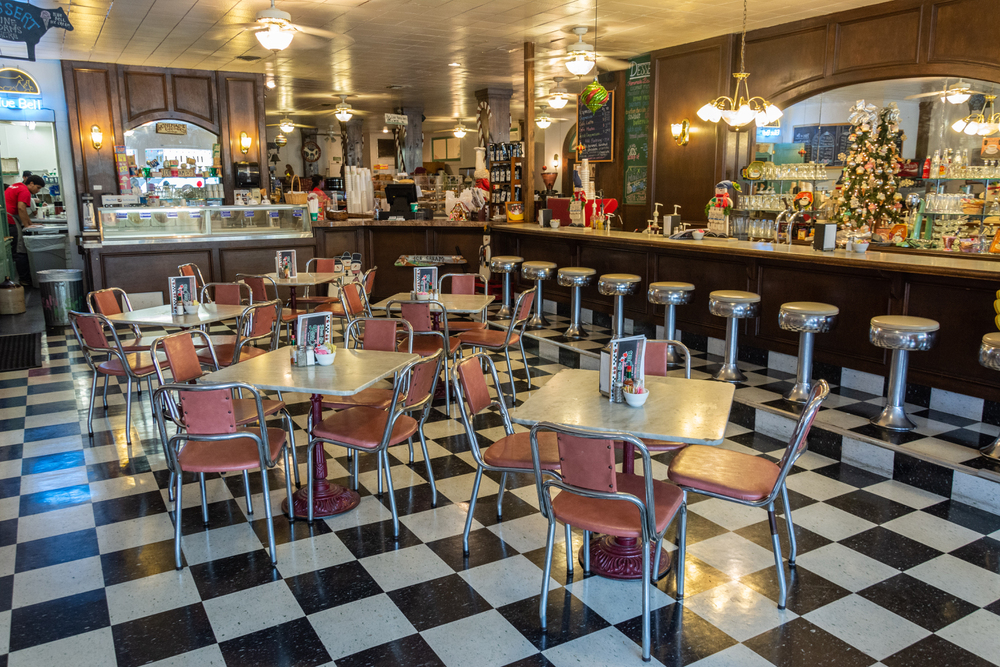
Texas takes its breakfast seriously, but the Bluebonnet Cafe in Marble Falls operates with a dedication that borders on obsessive. Since 1929, it has served pies that local residents consider community landmarks, breakfast plates that silence conversation until they’re finished, and coffee that somehow manages to improve over the course of multiple cups rather than growing bitter.
The building looks like it belongs in a Norman Rockwell painting, assuming Rockwell had ever painted Texas. The staff moves with the confidence of people who know their food speaks for itself.
And yet the place never feels self-conscious about its own excellence, never seems to notice that people drive from Austin specifically for their coconut meringue pie.
Frank’s Diner
Wisconsin produces cheese and bratwurst and people who understand that breakfast doesn’t need to be complicated to be perfect. Frank’s in Kenosha proves all three points simultaneously.
Operating out of a restored railroad car since 1926, it serves the kind of straightforward breakfast that makes you wonder why other places feel compelled to reinvent what already works.
The garbage plate—hash browns, eggs, cheese, and whatever else you want thrown on top—arrives looking like something a cook made for themselves rather than for presentation. This turns out to be exactly the point.
Mother’s Restaurant
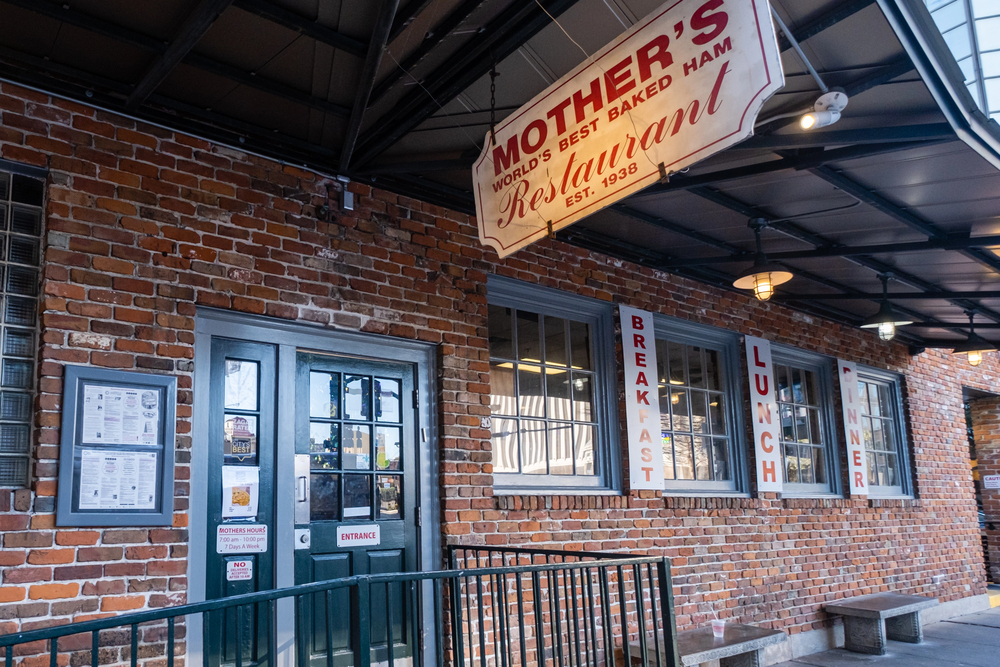
New Orleans does everything differently, including diners, so Mother’s Restaurant approaches the concept with the same disregard for convention that characterizes the rest of the city (which means the menu includes debris roast beef po’ boys alongside traditional diner fare, the coffee comes with chicory, and somehow the whole operation feels both completely authentic and utterly unlike any diner elsewhere in the country). Since 1938, it has drawn lines of locals and tourists who seem equally mystified by their own willingness to wait forty-five minutes for breakfast, but who keep returning anyway because the food justifies whatever inconvenience preceded it.
The debris alone—the crispy bits of roast beef that most restaurants would discard—becomes a revelation when piled into a po’ boy. And yet the pancakes could hold their own against any traditional diner in the country.
New Orleans makes its own rules.
Al’s Breakfast

Minneapolis built the narrowest restaurant in the city and called it Al’s Breakfast, and the result feels like eating in a hallway that someone decided to turn into a diner. Fourteen stools face the grill, no tables, no room for error or inefficiency.
The cook works inches from customers, which means every order gets monitored by people who know good hash browns when they see them.
The space forces conversation between strangers, creates intimacy whether you want it or not, and somehow makes every meal feel like an event worth the inevitable wait. You either embrace the absurdity of the setup or you go somewhere with more elbow room.
The road to discovery

The best diners resist categorization, which might be why they inspire pilgrimages in the first place. They exist outside the logic of modern restaurants, operate according to principles that prioritize substance over style, and somehow create loyalty that spans generations.
People drive hours for coconut cream pie, perfect hash browns, or just the feeling that someone still cares about getting simple things right.
These places understand something that gets lost in the endless pursuit of the next big food trend: sometimes the most radical thing you can do is make excellent coffee, serve it hot, and refill the cup without being asked. The drive becomes part of the ritual, the anticipation part of the satisfaction.
And when you finally slide into a booth at a place worth the journey, you remember why some things shouldn’t change.
More from Travel Pug

- Underrated Italian Towns That Beat the Tourist Crowds
- Las Vegas Tourist Traps to Skip
- Prettiest Towns in Every US State
- 18 passport-free countries for Americans
- Signs Your Cruise Is Not Worth The Cost
Like Travel Pug’s content? Follow us on MSN.