

Greece is magnificent—nobody’s arguing that. But ‘magnificent’ and ‘peaceful’ have become two very different things along the Aegean.
Santorini in July is now essentially a queue with a sunset view, and even the once-quiet islands have started feeling like airport terminals in peak season. Albania, right next door, delivers a remarkably similar experience: brilliant turquoise water, ancient ruins, generous food, and warm locals—minus the elbow-fighting for a sunbed.
Here is a list of 15 reasons to put Albania at the top of your Mediterranean summer plans.
The beaches are genuinely uncrowded
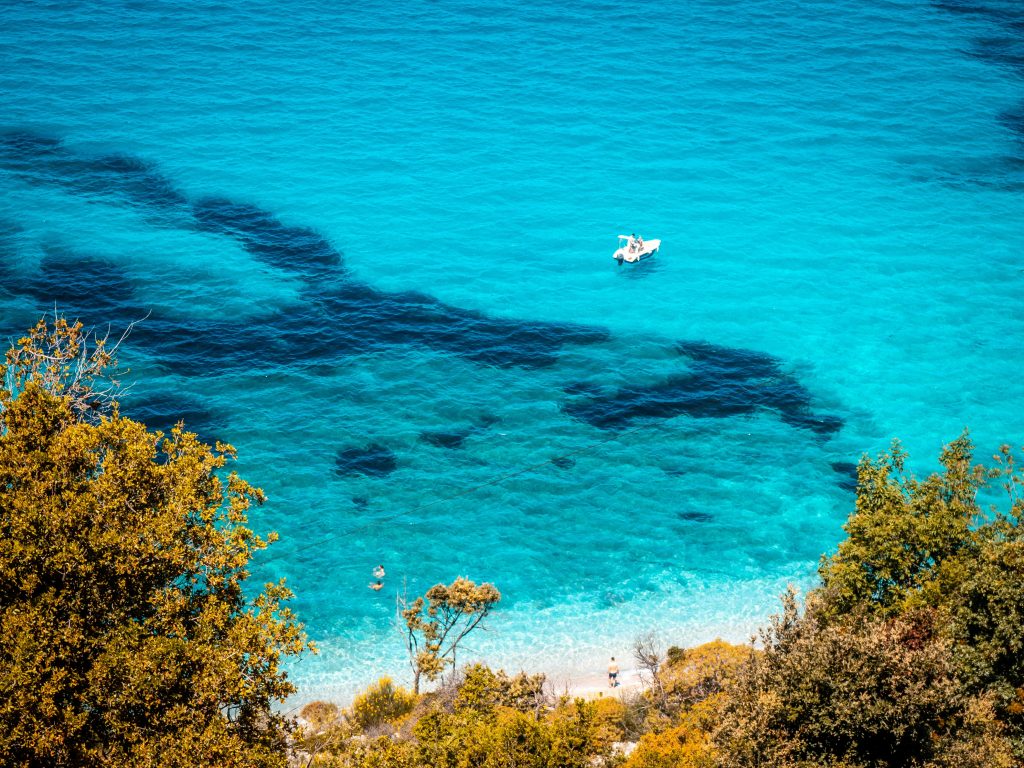
Albania’s Riviera stretches roughly 120 miles along the Ionian Sea, and large sections of it still feel like a well-kept secret. Ksamil’s four small islands, Dhermi’s pebble coves, and the wild shores near Himara offer the kind of serene beach day that Greece used to guarantee 20 years ago.
You’ll find a spot, you’ll hear the waves, and nobody will be playing loud music three feet from your head.
Prices are dramatically lower
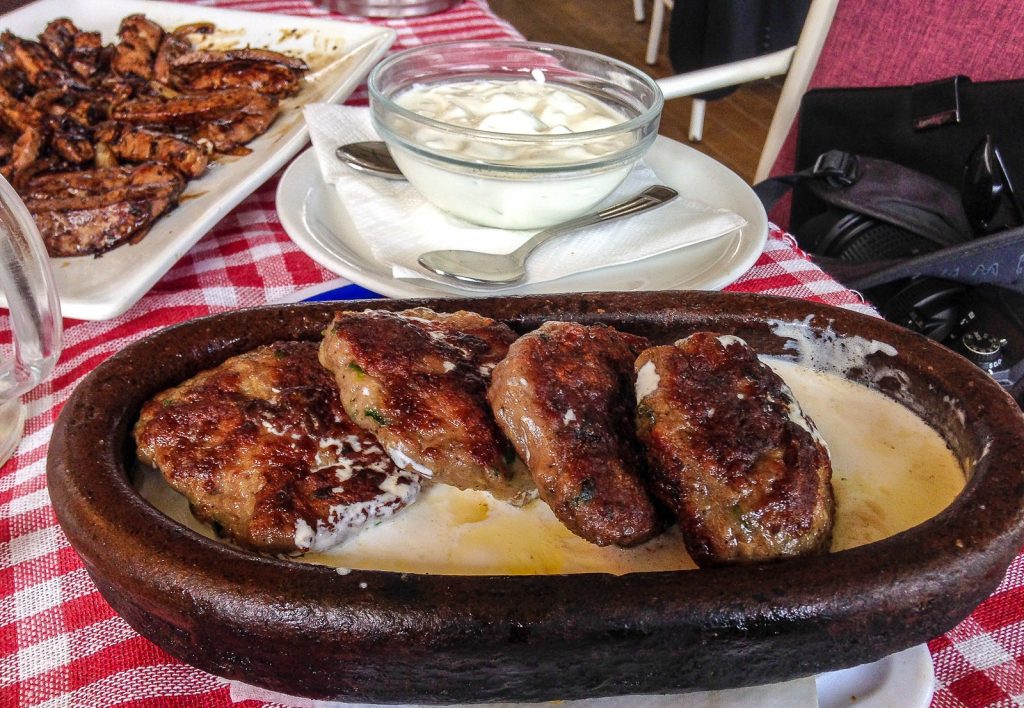
A sit-down dinner in Albania—appetizer, grilled fish, wine, dessert—will often run you under $15 per person. In Mykonos or Santorini, that same meal can easily cost five times as much.
Even accommodation, car rentals, and casual drinks follow a similar pattern, meaning your travel budget stretches much further without any sacrifice in quality.
The Albanian Riviera rivals anything in Greece
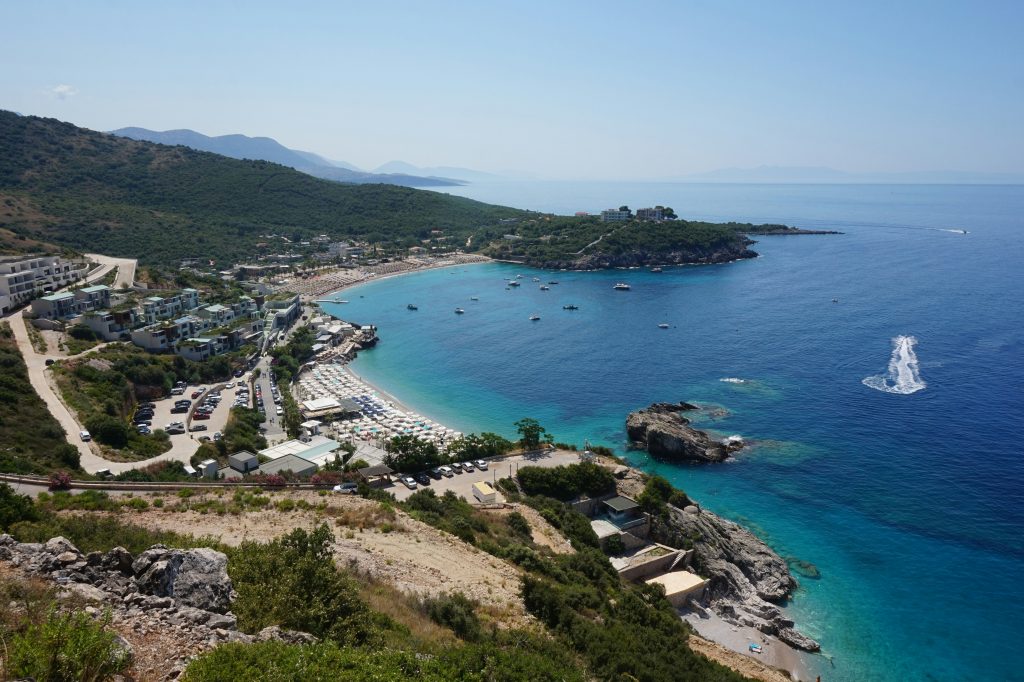
The water along Albania’s southern coast is the same deep, Ionian blue you’d see from a Greek island postcard. Towns like Himara and Palasa sit on dramatic cliffsides above sparkling coves, and the landscape alternates between olive groves and white-sand beaches in ways that feel almost theatrical.
It’s photogenic without being performatively so.
Ancient ruins with almost no tourists

Butrint is a UNESCO World Heritage Site containing Greek, Roman, Byzantine, and Venetian ruins stacked on top of each other in a forested lake setting—and on most days, you can wander through it with fewer than a hundred other visitors. Compare that to Delphi or the Acropolis, where navigating the crowds has become something of a sport in itself.
Apollonia, another ancient city near Fier, is similarly vast and similarly quiet.
Gjirokastër is one of Europe’s best-preserved Ottoman towns

This UNESCO-listed city in southern Albania is a genuinely extraordinary place—cobblestone streets, centuries-old stone houses, and a massive hilltop castle overlooking the whole valley. It bears a strong resemblance to the old quarters of Thessaloniki or Mostar, but without the tour groups.
Albania’s past under Ottoman rule left behind an architectural heritage that most travelers don’t even know exists.
The food culture is underrated and delicious
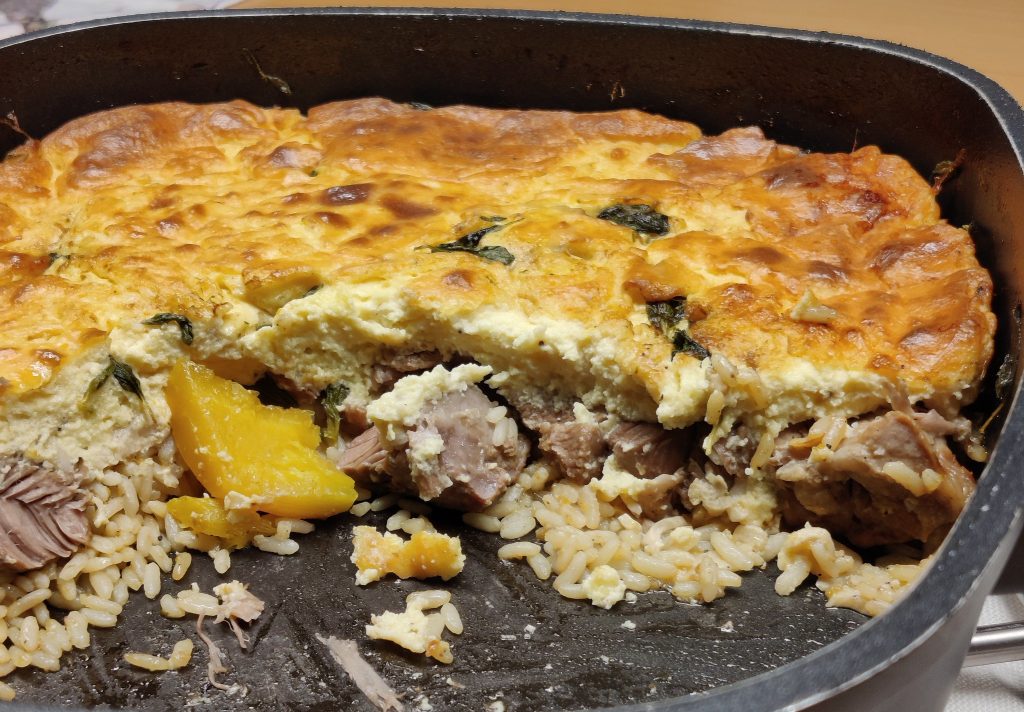
Albanian cuisine draws from Turkish, Greek, and Italian influences while retaining its own distinctly earthy character. Tave kosi—a baked lamb and yogurt dish—is comfort food at its most satisfying, and the grilled meats paired with fresh byrek (flaky pastry stuffed with spinach or cheese) are staples you’ll find yourself craving long after you’re home.
The local olive oil and white wines from the Berat region are also worth seeking out.
Berat is a fairytale city few outsiders visit
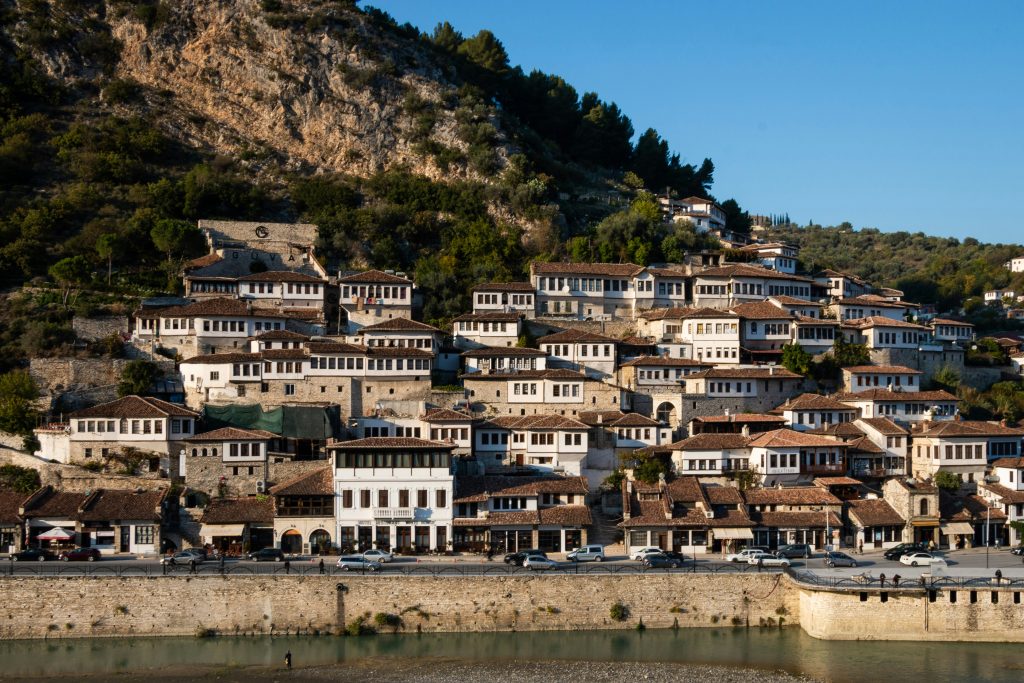
Known as the ‘city of a thousand windows,’ Berat is a UNESCO site where Ottoman whitewashed houses climb a steep hillside above a river, all watched over by a medieval castle. Unlike comparable ‘fairy-tale towns’ in Western Europe, Berat hasn’t yet been overrun—you can stay in a guesthouse within the castle walls, walk the old bazaar, and eat local food without paying tourist-zone prices.
It’s the kind of place that makes you feel like you’ve actually discovered something.
Getting there has never been easier
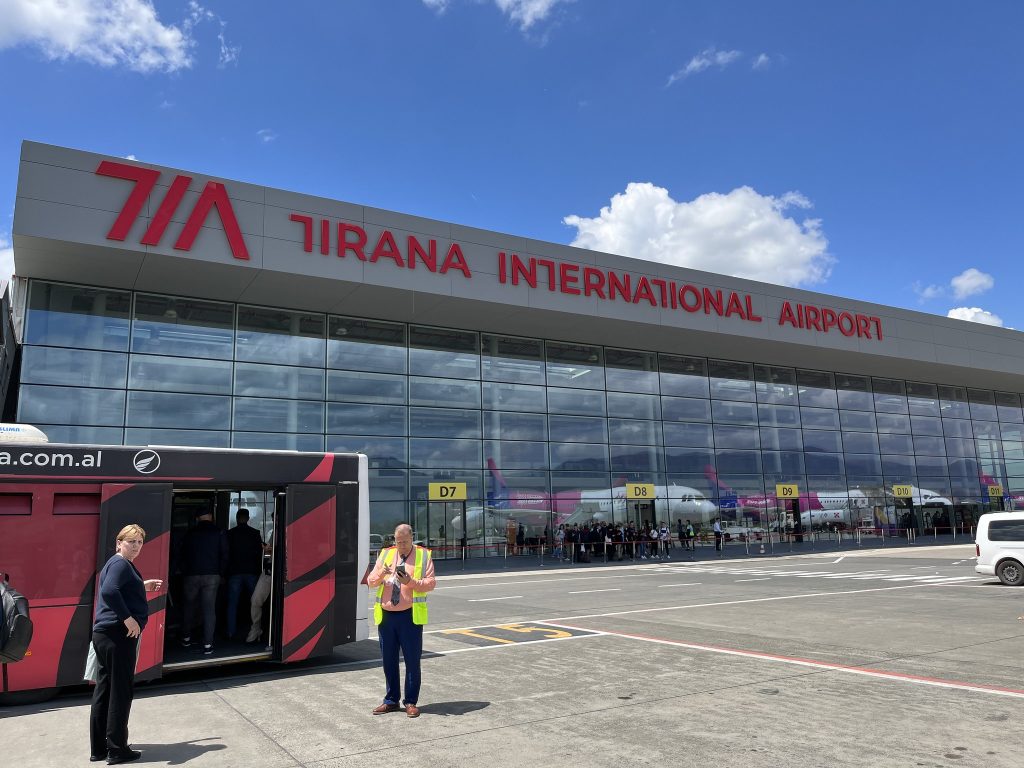
Tirana International Airport now has direct flights from numerous European hubs, including connections that make it accessible from major U.S. gateway cities via a single layover. Corfu, Greece is just a short ferry ride from Saranda, meaning you can combine both countries in a single trip without backtracking.
The border crossing between Greece and Albania near Kakavia is also straightforward and well-traveled.
Albanians are among Europe’s most hospitable hosts
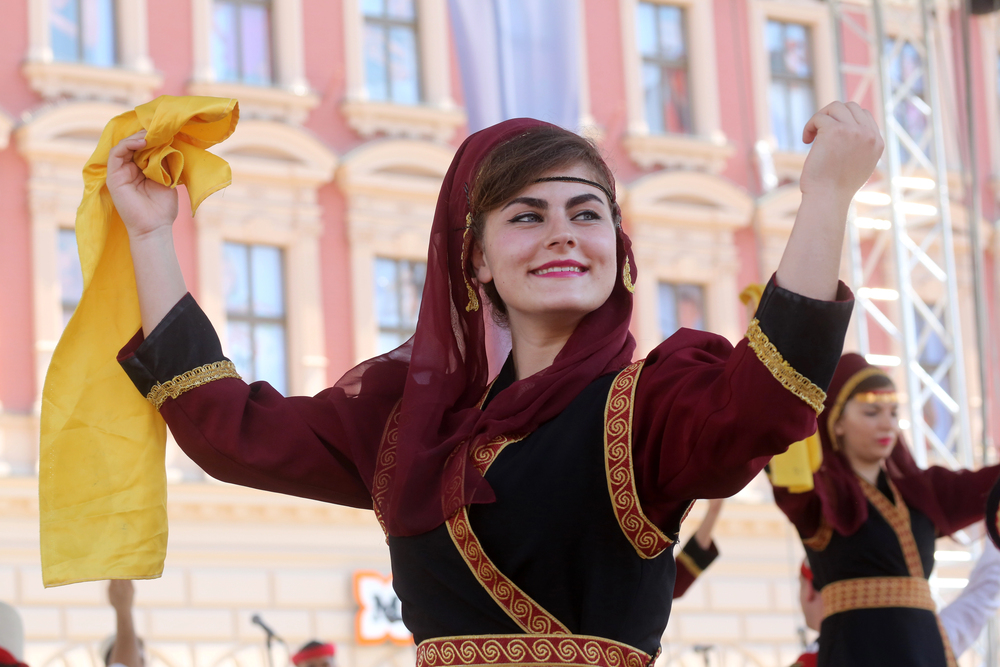
There’s a concept in Albanian culture called ‘besa’—a code of honor that involves treating guests with absolute respect and care. You’ll feel it immediately, whether you’re staying in a family-run guesthouse or just asking directions on the street.
Locals are often genuinely curious about foreign visitors, and that warmth makes a big difference in how enjoyable day-to-day travel actually feels.
Lake Ohrid is shared with North Macedonia—not to be missed
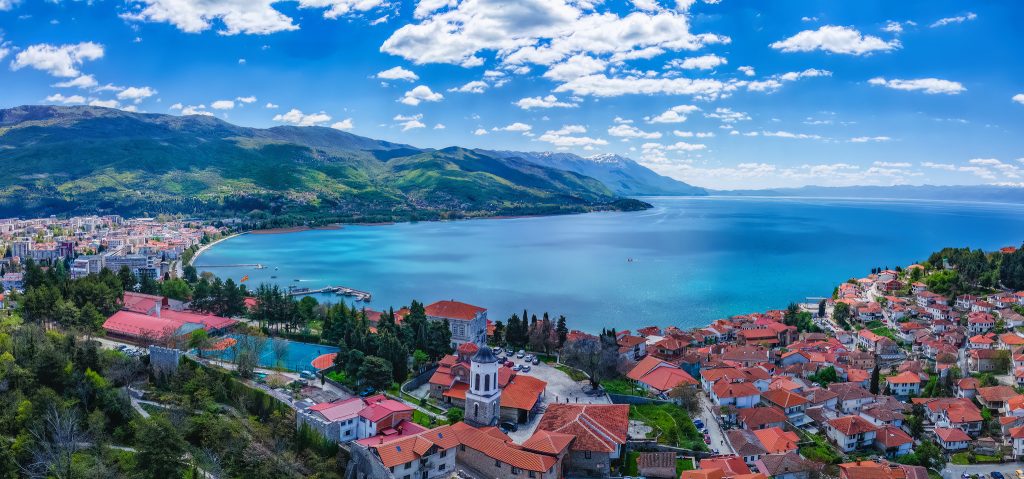
The Albanian side of Lake Ohrid—one of Europe’s oldest and deepest lakes—is accessible from Pogradec and offers a completely different landscape from the coastal south. The water is impossibly clear, the surrounding mountains are dramatic, and the area feels genuinely off the beaten track even by Albanian standards.
It’s an easy add-on if you’re already in the region and want to see a different side of the country.
The capital, Tirana, punches well above its weight

Tirana is colorful, chaotic, and genuinely fun—a city that’s rebuilt itself with remarkable energy after decades of isolation. The Blloku neighborhood, once reserved exclusively for Communist Party elites, is now packed with cafes, galleries, and bars.
The National History Museum is worth a visit for context, and the mix of socialist-era murals alongside modern architecture gives the city a visual personality unlike anywhere else in the Balkans.
Road-tripping the country is surprisingly straightforward
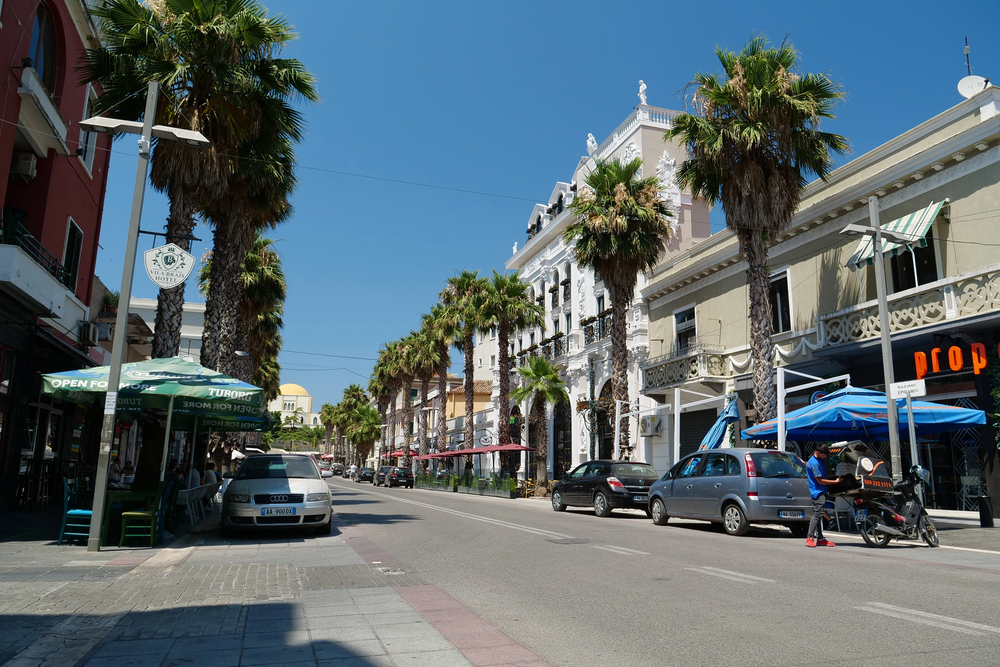
Albania is about the size of Maryland—small enough to cover significant ground in a week. The road between Tirana, Berat, Gjirokastër, and the Riviera is a logical and beautiful circuit, and rental cars are cheap.
Some mountain roads in the north require a bit of nerve, but the south is perfectly manageable for any confident driver, and the scenery along the way is consistently rewarding.
The Albanian Alps are wild and extraordinary
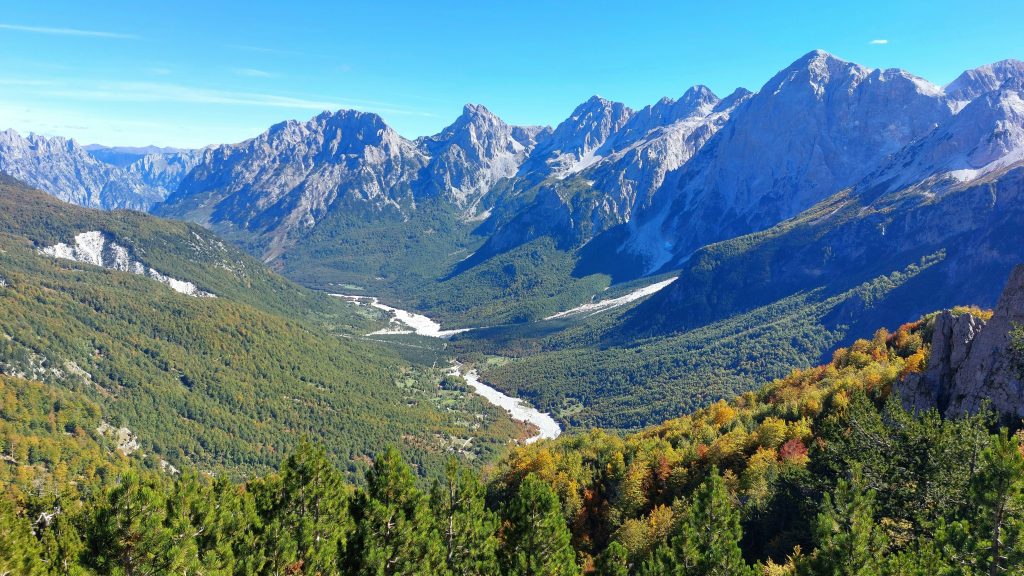
The Accursed Mountains in northern Albania—known locally as the Bjeshkët e Namuna—offer some of the most dramatic hiking terrain in all of Europe. The Valbona Valley and Theth are linked by a stunning mountain trail that takes around six to eight hours to complete, passing through landscapes that feel almost Tolkien-esque.
This region is still relatively untouched by mass tourism and is best visited between June and September.
There’s no language barrier to worry about

English is widely spoken among younger Albanians, particularly in tourist areas, hotels, and restaurants. Italian also works in a surprising number of situations, owing to decades of Italian television being the main source of foreign media during the Communist era.
Getting around, ordering food, or asking for recommendations is rarely complicated, which takes a lot of friction out of independent travel.
You’ll feel like a traveler, not a tourist
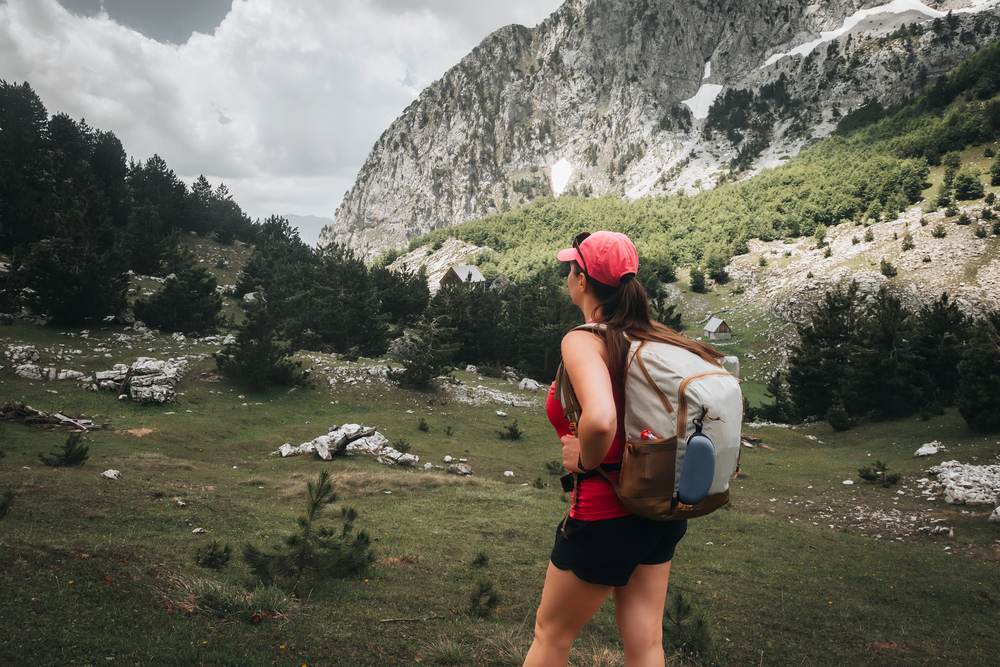
There’s a meaningful difference between visiting a place and experiencing it, and Albania still falls firmly in the second category for most Western visitors. The country hasn’t yet packaged itself into a slick, sanitized product—and that rawness is exactly what makes it so interesting.
You’re more likely to end up sharing a meal with a local family or stumbling across a festival you didn’t plan for than sticking rigidly to a guidebook itinerary.
A Mediterranean summer worth remembering
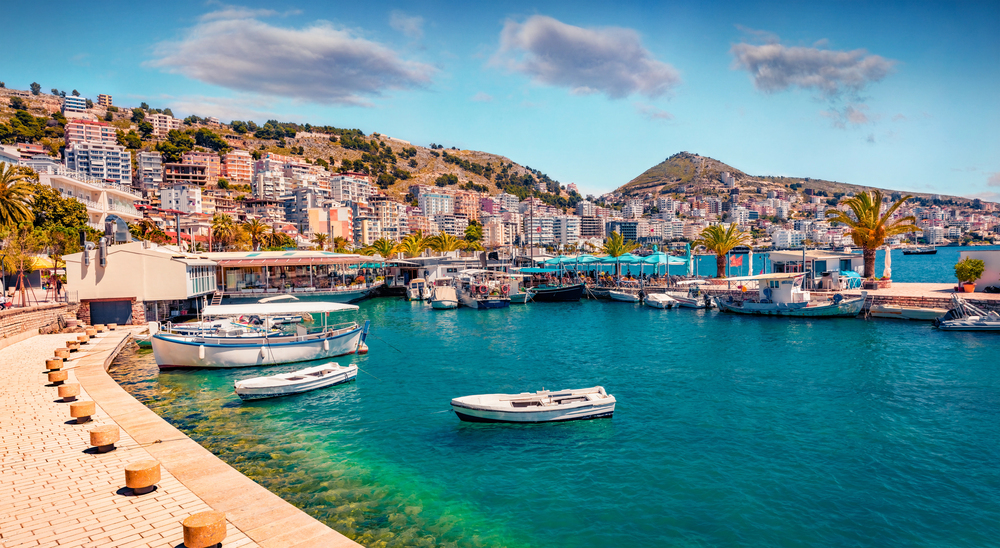
Albania’s appeal isn’t really about “we’re cheaper than Greece, so you should go there”; it’s about getting a Mediterranean culture that hasn’t been smoothed out by overexposure to tourists. The ruins are older, the beaches are less crowded, the food is just as good, and the people are happy you’re there.
Greece is always there if you want to go to a “real” Greek destination, but in Albania, you get a sense of “we’re real, and you’re really here.”
More from Travel Pug

- Underrated Italian Towns That Beat the Tourist Crowds
- Las Vegas Tourist Traps to Skip
- Prettiest Towns in Every US State
- 18 passport-free countries for Americans
- Signs Your Cruise Is Not Worth The Cost
Like Travel Pug’s content? Follow us on MSN.