

Food can demolish a travel budget faster than flights and hotels combined if you’re not careful. The good news is that eating well while traveling doesn’t require constant restaurant meals and touristy cafés that charge $8 for orange juice.
With some planning and willingness to eat like locals actually do, you can cut your food costs dramatically without resorting to gas station snacks and sad hostel kitchen pasta. Here is a list of 15 ways to save money on food while traveling.
Shop at grocery stores like a local
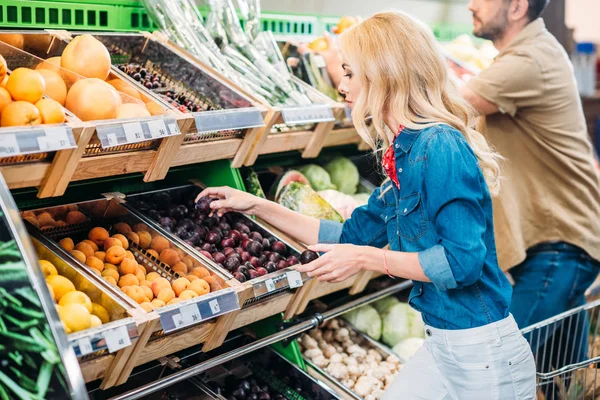
Grocery stores in most countries offer prepared meals, fresh produce, and local specialties at a fraction of restaurant prices. European supermarkets often have excellent bread, cheese, and charcuterie sections where you can build a picnic for less than one restaurant appetizer.
Even in expensive cities, a grocery store breakfast costs maybe $3-5 compared to $15-20 at a café.
Eat your main meal at lunch

Many countries serve identical dishes at lunch and dinner, but lunch prices run significantly lower. The same pasta that costs $25 at dinner might be $12 during lunch service, and you’re getting the exact same kitchen and ingredients.
This strategy works especially well in Europe and Latin America, where multi-course lunch menus are common.
Find the local markets

Outdoor markets sell fresh produce, street food, and prepared meals at prices that reflect what locals actually pay rather than tourist markups. Markets also give you a genuine sense of regional food culture—you’ll see what’s actually in season and what people cook at home.
The food court areas at markets often have incredibly cheap, delicious options that restaurants charge triple for.
Bring a reusable water bottle

Buying bottled water constantly adds up shockingly fast—$3 here and $4 there becomes $50-100 over a two-week trip. A reusable bottle with a filter lets you refill almost anywhere, and many airports now have water fountains specifically for this.
In countries where tap water isn’t safe, large jugs at supermarkets cost pennies compared to tourist-targeted small bottles.
Seek out employee cafeterias

Office buildings, hospitals, and universities often have public cafeterias serving subsidized meals to employees that anyone can access. The food is usually simple but fresh, and prices might be half what you’d pay outside.
Nobody will question you walking into a university cafeteria and buying lunch alongside the students.
Use apps to find restaurant deals

Apps like TheFork, OpenTable, and local equivalents offer significant discounts—sometimes 50% off—at restaurants trying to fill tables during slow periods. You’re eating at the same restaurants tourists pay full price for, just being smarter about timing.
Some apps also aggregate unsold food from bakeries and restaurants at closing time for a fraction of the original cost.
Buy breakfast items at convenience stores

Convenience stores in many Asian countries (especially Japan and Taiwan) have genuinely good prepared foods that cost very little. Even in the US and Europe, chain convenience stores sell yogurt, fruit, pastries, and coffee for less than hotel breakfasts or cafés.
Skipping hotel breakfast and hitting a 7-Eleven can save $10-15 per person daily.
Share dishes strategically

Restaurant portions in many countries are massive, particularly in the US, and splitting plates cuts your bill in half while preventing food waste. Most servers don’t care if you share, though it’s polite to order at least one item per person.
This strategy works especially well for expensive items like steaks or seafood where single portions are genuinely too much food.
Avoid tourist district restaurants

Walking two or three blocks away from major attractions typically drops menu prices by 30-50% for essentially the same food. Restaurants near landmarks survive on one-time tourists who won’t return, so they have little incentive to offer good value.
The locals eating in neighborhoods slightly off the beaten path are finding the better deals.
Cook some meals yourself
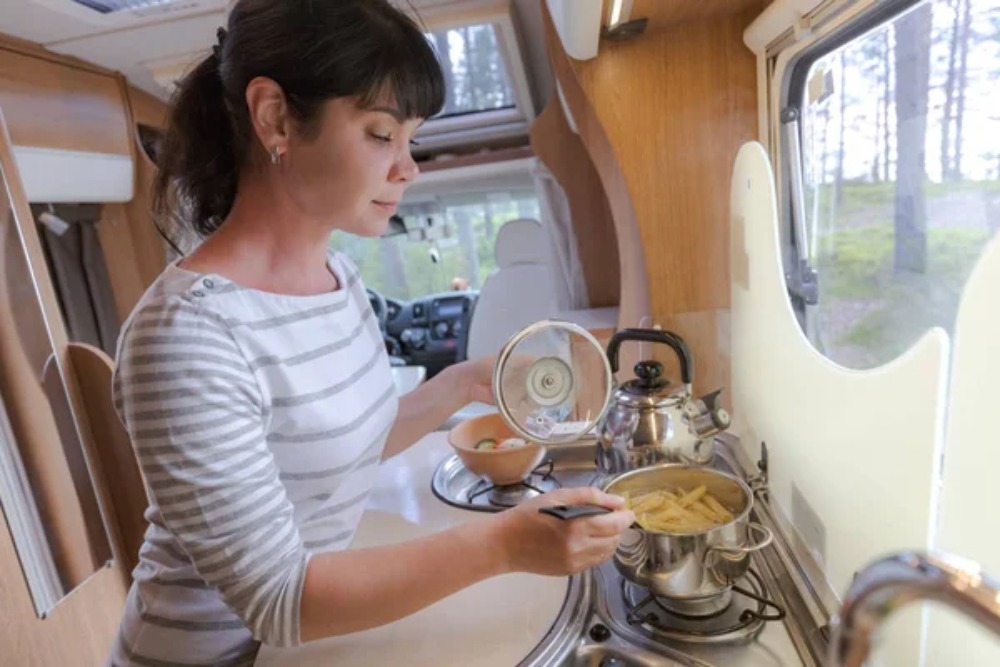
Even if you don’t have a full kitchen, many accommodations provide at least a hot plate or microwave where you can prepare simple meals. Making breakfast and the occasional dinner from grocery store ingredients can cut food costs by 40% without much effort.
You don’t need to cook every meal—just supplementing restaurant meals with a few homemade ones creates significant savings.
Take advantage of free hotel breakfasts

If your accommodation includes breakfast, actually eat enough to carry you through until lunch rather than grabbing a pastry and leaving. Most breakfast buffets allow you to fill up properly, and some travelers even make sandwiches for later (though this is definitely a gray area ethically).
The breakfast you’re paying for in your room rate might as well be maximized.
Order drinks strategically

Alcohol and fancy beverages are where restaurants make their biggest profit margins—a cocktail often costs as much as an entrée. Drinking water or a single beverage instead of multiple drinks can cut your bill by 30-40%.
If you want alcohol, buying wine or beer at a store and drinking it at your accommodation costs a fraction of bar prices.
Find immigrant communities

Neighborhoods with immigrant populations usually have authentic restaurants serving that community rather than tourists, which means better food at honest prices. The Vietnamese place in the suburbs frequented by actual Vietnamese families will serve better pho at lower prices than the trendy spot downtown.
Following immigrant communities to their restaurants is a reliable money-saving strategy worldwide.
Pack snacks for long days

Carrying granola bars, nuts, dried fruit, or other portable snacks prevents the desperate $12 airport sandwich or $8 museum café muffin. Hunger makes you vulnerable to overpriced convenience food, while having snacks lets you wait for a better option.
This is especially crucial for long travel days when restaurants are scarce or unreasonably expensive.
Use credit card dining programs
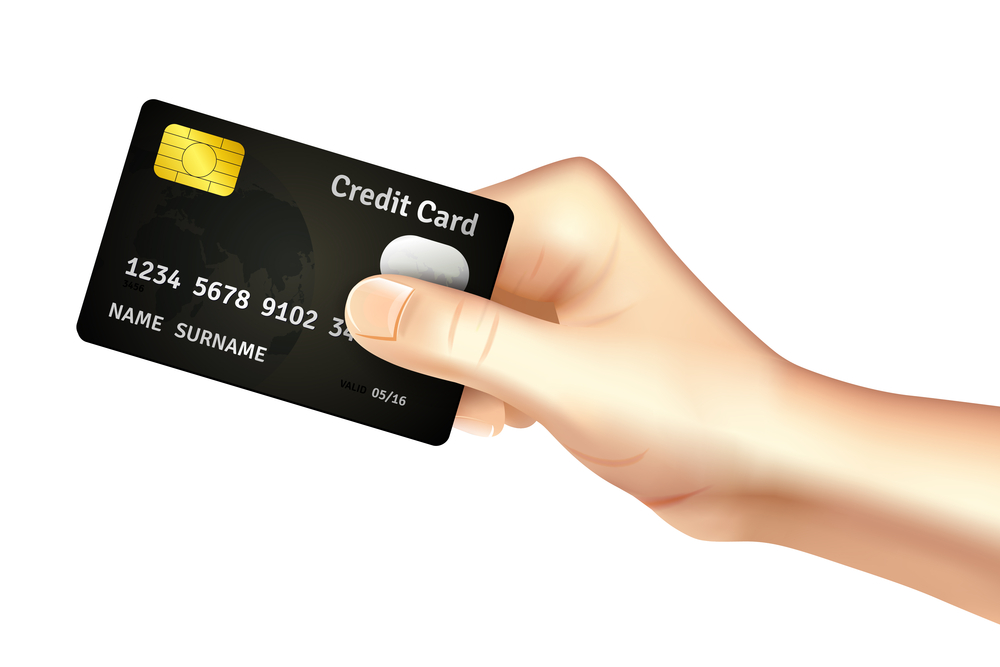
Many travel credit cards offer statement credits at restaurants booked through their dining programs, effectively giving you 10-30% back on meals. Programs like American Express Dining or Chase Dining work at thousands of restaurants worldwide and require minimal effort—just linking your card once.
The savings accumulate quickly if you’re eating out regularly.
Eating well for less

However, eating your way to a reduction in travel food bills isn’t about sacrifice, it’s about strategy: think like locals, rather than tourists exchanging money for a meal at a mediocre eatery that’s sure to be a waste after a day or two of travel. “Tourists shelling out $100/day aren’t necessarily getting better food than people who have discovered that a grocery store picnic, food court, or a local eatery where the locals are eating isn’t that difficult to find,” a traveler states regarding current food expenditure practices while traveling.
“Food is one of the best ways to optimize your budget, as small decisions like a lunch special or a grocery store breakfast compound incredibly quickly,” another traveler recommends regarding optimizations in the budget that could be made regarding food while underway.
More from Travel Pug

- Underrated Italian Towns That Beat the Tourist Crowds
- Las Vegas Tourist Traps to Skip
- Prettiest Towns in Every US State
- 18 passport-free countries for Americans
- Signs Your Cruise Is Not Worth The Cost
Like Travel Pug’s content? Follow us on MSN.