

California’s wine country extends far beyond those well-known names everyone is familiar with. From the fog-covered coastal valleys to sunny inland areas, the state’s varied landscape is responsible for the full range of grapes from robust Cabernets to snappy Chardonnays.
Every valley has its own microclimate, soil structure, and winemaking heritage — which means your tasting experience varies wildly depending on where you go. Following is a list of 15 California valleys where wine enthusiasts will find great pours, secret gem wineries, and scenery that is as good as anything you’ll see in Europe.
Napa Valley’s legendary reputation

Napa Valley remains the crown jewel of American winemaking, and for good reason. The 30-mile stretch between Calistoga and Napa hosts over 400 wineries producing some of the world’s most sought-after Cabernet Sauvignon.
Despite its fame, you’ll still find intimate family-owned tasting rooms tucked between the grand estates along Highway 29.
Sonoma Valley’s relaxed charm

While Napa is getting the attention, Sonoma Valley provides a more relaxed atmosphere right adjacent. Sonoma’s historic town square is the centerpiece of this area where Pinot Noir and Chardonnay ripen in the cooler microclimate.
Wineries within are less likely to be corporate in nature — you’ll be more apt to talk to the actual winemaker when tasting their most recent vintage.
Russian River Valley’s pinot paradise

This fog-cooled valley has become the byword for superior Pinot Noir making. The Russian River’s impact produces morning mists that evaporate by afternoon, providing grapes with exactly the right combination of heat and cool.
Healdsburg is the gateway town where tasting rooms line the plaza and cyclists ride between nearby vineyards.
Alexander Valley’s bold cabernets

Alexander Valley stretches north from Healdsburg and delivers some of California’s most powerful Cabernet Sauvignon. The warmer temperatures here, compared to those of the Russian River just to the west, allow red varietals to ripen fully.
Family operations, such as Stryker Sonoma, and larger producers, like Silver Oak, both call this valley home.
Dry Creek Valley’s zinfandel heritage

Dry Creek Valley has been growing Zinfandel since the 1880s, and those old vines still produce fruit with incredible depth. The narrow valley runs parallel to its namesake creek for about 16 miles.
Tasting rooms here often have a rustic, unpretentious vibe that matches the bold, jammy wines they’re pouring.
Santa Ynez Valley’s diverse offerings

Santa Ynez Valley gained fame after a certain wine-themed movie, yet it deserves recognition beyond Hollywood. The east-west orientation of this valley creates multiple microclimates within a compact area.
You can taste Rhône-style blends in Los Olivos, then drive 20 minutes to sample cool-climate Chardonnay near the coast.
Anderson Valley’s sparkling secrets

Anderson Valley sits tucked in Mendocino County, where morning fog rolls in thick from the Pacific. This cooler climate makes it ideal for sparkling wine production — several prestigious Champagne houses have established outposts here.
The valley also produces outstanding Pinot Noir and aromatic whites, such as Gewürztraminer.
Livermore Valley’s pioneering history

Livermore Valley holds the distinction of being one of California’s oldest wine regions, with vines planted in the 1840s. The area fell into obscurity for decades but has roared back with boutique wineries producing everything from Petite Sirah to Chardonnay.
It’s close enough to the San Francisco Bay Area for an easy day trip, yet it feels worlds away from urban life.
Edna Valley’s chardonnay focus

Edna Valley, near San Luis Obispo, produces some of California’s most elegant Chardonnay, thanks to its proximity to the coast. The valley opens directly to the Pacific Ocean — meaning cool marine air flows freely through the vineyards.
Tolosa and Chamisal are standout wineries where you can taste the influence of limestone soils in every glass.
Carmel Valley’s hidden boutiques

Carmel Valley flies under the radar despite being just minutes from the famous coastal town. Small production wineries dot this sunny inland valley where Cabernet Sauvignon and Merlot ripen beautifully.
Tasting rooms here tend to be intimate affairs — sometimes you’re sipping wine on someone’s patio while they share stories about their 10-acre vineyard.
Paso Robles wine country
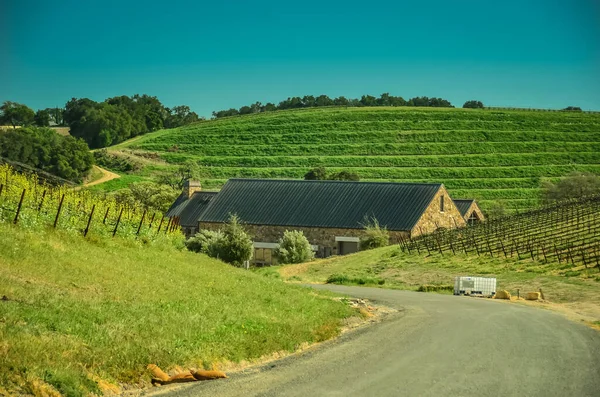
Paso Robles has exploded onto the wine scene over the past two decades with its bold Zinfandels and Rhône blends. The region actually encompasses multiple valleys and microclimates across a massive growing area.
Daytime temperatures can soar past 100 degrees in summer, yet nights cool down dramatically — this diurnal shift creates wines with ripe fruit flavors and balanced acidity.
Santa Maria Valley’s pinot power
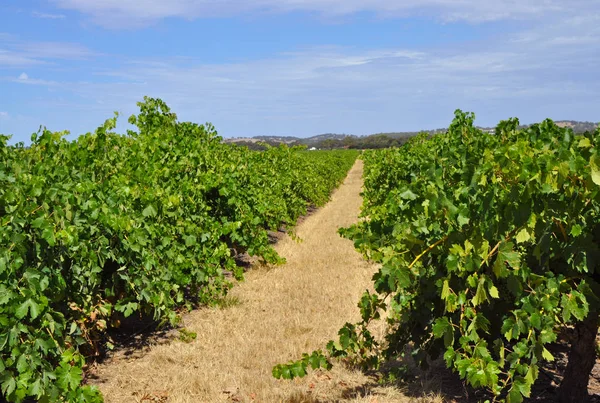
Santa Maria Valley runs east to west, funneling cold Pacific air directly through the vineyards. This makes it one of the coolest growing regions in California and absolutely perfect for Pinot Noir.
Bien Nacido Vineyard supplies grapes to dozens of prestigious wineries, though several producers maintain their own tasting rooms right in the valley.
Salinas Valley’s diverse terrain

Salinas Valley stretches over 90 miles from Monterey Bay inland, creating wildly different growing conditions depending on location. The northern sections near the bay are fog-drenched and cool, while the southern portions bask in sunshine.
Chardonnay dominates the cooler areas, whereas Cabernet Sauvignon thrives further south in warmer pockets.
Santa Clara Valley’s tech and terroir

Santa Clara Valley might be better known as Silicon Valley these days, but pockets of wine country still exist among the tech campuses. Ridge Vineyards sits high in the Santa Cruz Mountains overlooking the valley, producing legendary Zinfandels and Cabernets.
Urban sprawl has claimed many vineyards, making the remaining wineries feel like precious time capsules.
Temecula Valley’s southern surprise

Temecula Valley sits in Southern California, where most people don’t expect to find wine country. The valley benefits from a gap in the coastal mountains that allows cool ocean breezes to moderate the heat.
Italian varietals like Sangiovese perform particularly well here, and many wineries have embraced a resort-style atmosphere with restaurants and entertainment.
Raising a glass to California’s future

California’s wine valleys have come a long way since the initial European vines were planted in the late 1700s. Where it all started with mission grapes cultivated by Franciscan monks, it has become a well-refined industry churning out world-class wines from hundreds of unique appellations.
And the spirit of experimentation and innovation persists — winemakers are planting warmth-tolerant varietals in response to climatic changes, while others are rescuing old grapes from California’s past viniculture.
The valleys themselves are as fascinating as the wines that come from them, providing visitors with an opportunity to taste not only what’s in the glass but also the distinct personality of each fog-cooled or sun-baked terrain.
More from Travel Pug

- 20 Best Beach Towns in the Carolinas
- 13 Destinations Where Tourists Regularly Regret Their Trip
- 20 Things You Actually Get in First Class
- 20 Small Airports With Aviation Museums
- 20 Places in the U.S. That Are Perfect for a Reset Trip
Like Travel Pug’s content? Follow us on MSN