

The massive cruise ships that tower over Venice’s historic skyline have become a symbol of something gone wrong. These floating cities, some carrying more than 6,000 passengers, dwarf the ancient buildings they pass and leave behind more than just memories.
European cities are finally saying enough is enough, but the reasons go deeper than you might expect.
Environmental damage

These ships burn the dirtiest fuel imaginable. Heavy fuel oil creates sulfur emissions at extremely high levels.
The Mediterranean already struggles with air quality, and mega ships dump thousands of tons of pollutants directly into coastal waters where people swim and fish.
Infrastructure strain

Consider what happens when a ship carrying 5,000 tourists docks at a port designed for a city of 50,000 residents (because that’s exactly what keeps happening across the Mediterranean, and the math never works in anyone’s favor except the cruise companies who profit from the chaos). The narrow streets of Dubrovnik weren’t built for tour buses.
But the real problem isn’t just the crowds — it’s that these passengers arrive all at once, overwhelm every restaurant and attraction for eight hours, then vanish completely. So local businesses have to choose: either redesign everything around these massive daily surges, or watch tour groups march past toward the handful of places that can handle the volume.
The infrastructure buckles under weight it was never meant to bear.
Cultural erosion

There’s something heartbreaking about watching a centuries-old neighborhood become a backdrop for selfies. The mega ships don’t just bring tourists — they bring a particular kind of tourism that treats cities like theme parks.
Local traditions get packaged into digestible experiences, authentic restaurants become souvenir shops, and residents find themselves priced out of their own neighborhoods.
Economic disruption

Cruise passengers spend less money than regular tourists. They eat on the ship, sleep on the ship, and often shop on the ship.
Cities get the crowds and the strain without the economic benefit. The math is brutal: more visitors but less revenue per person means communities bear the costs while corporations collect the profits.
Venice leads the charge

Venice banned mega ships from its historic center in 2021. The decision came after decades of debate and a near-miss accident that could have been catastrophic.
The city realized that preserving its UNESCO World Heritage status meant choosing between short-term tourism revenue and long-term survival.
The cruise industry fought back hard (claiming economic devastation would follow, jobs would disappear, and Venice would somehow cease to exist as a tourist destination without their floating hotels). And yet the city discovered something interesting after the ban: smaller ships still brought visitors, those visitors stayed longer and spent more money, and the constant dread of watching massive vessels navigate narrow canals finally lifted from residents’ shoulders.
But the most telling change wasn’t economic at all — it was that you could actually hear the city again. The low rumble of engines that had become Venice’s background soundtrack simply stopped.
Barcelona’s regulations
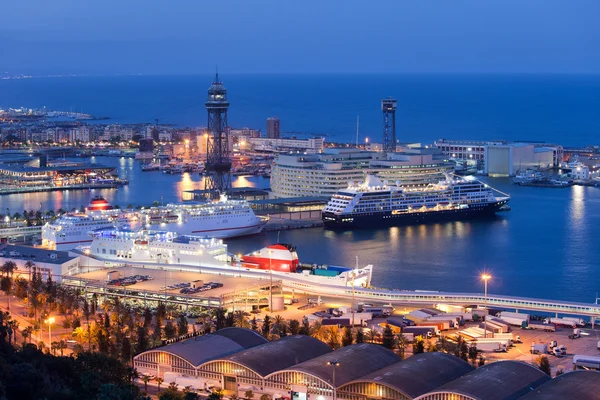
Barcelona didn’t ban mega ships outright — it just made them follow the rules. New regulations limit ship size, require cleaner fuel, and restrict the number of passengers who can disembark per day.
The city treated cruise tourism like any other industry that affects public health and quality of life.
Dubrovnik’s crowd control

The Croatian city caps daily visitor numbers and requires advance booking for Old Town access. Dubrovnik learned that Instagram fame comes with a price.
The city’s medieval walls weren’t built to handle thousands of daily visitors, and something had to give.
When a place becomes more famous for being photographed than for being lived in, residents start to feel like extras in their own story (which explains why Dubrovnik’s population has been slowly shrinking away as property values soar and basic services get overwhelmed by tourist demands). The city’s solution isn’t perfect, but it recognizes a basic truth: tourism should serve the community, not replace it.
So now there are daily limits, timed entries, and fees that actually reflect the cost of maintaining a medieval city in the modern world. And the cruise companies hate every bit of it because their business model depends on dumping thousands of passengers into small spaces for a few hours.
Too bad.
Amsterdam’s port limits

Amsterdam moved cruise terminals away from the city center and imposed strict emission standards. The city realized that having massive ships dock next to historic neighborhoods created problems that went beyond tourism.
Air quality, noise pollution, and traffic congestion all got worse when mega ships were involved.
Economic alternatives work

Cities that restricted mega ships didn’t see tourism collapse. Instead, they attracted different kinds of visitors — people who stayed longer, spent more, and had less impact on daily life.
The cruise industry’s warnings about economic disaster proved largely exaggerated.
These moves toward smaller-scale tourism (the kind where visitors actually interact with local culture instead of just photographing it) have created space for the authenticity that cruise passengers claim they want but rarely experience. And the numbers back this up: revenue per visitor increased in most cities that implemented restrictions, even as total visitor counts dropped.
Which suggests that quality beats quantity, despite what the cruise industry’s spreadsheets might say.
The bigger picture

The mega ship bans reflect a broader shift in how cities think about tourism. The old model — more visitors equals more success — is being replaced by sustainable tourism that benefits residents as much as visitors.
European cities are leading this change because they have the most to lose from overtourism.
Industry pushback

Cruise companies argue that bans hurt local economies and eliminate jobs. They’ve lobbied hard against restrictions and threatened to redirect ships to more welcoming ports.
But cities are calling their bluff. The economic benefits of mega ship tourism were always overstated, and the costs were always underestimated.
Future of cruise tourism
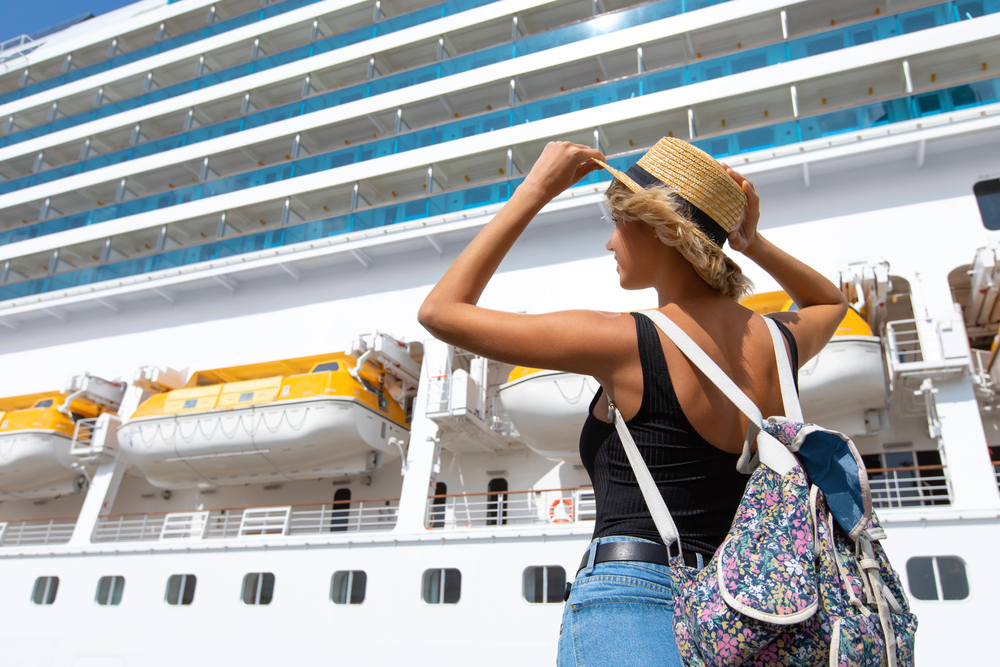
The days of unlimited growth in cruise tourism are ending. New ships keep getting bigger, but European ports are getting pickier about which ones they’ll accept.
Environmental regulations are tightening, and cities are demanding that tourism serve their interests rather than just corporate profits.
A turning tide

The trend toward restricting mega ships is spreading beyond Europe. Cities worldwide are watching how Venice, Barcelona, and Amsterdam balance tourism revenue with quality of life.
The lesson is clear: communities don’t have to accept every form of tourism just because it brings money. Sometimes saying no leads to better outcomes for everyone — except the cruise companies, but they’ll adapt or find somewhere else to drop anchor.
More from Travel Pug

- Underrated Italian Towns That Beat the Tourist Crowds
- Las Vegas Tourist Traps to Skip
- Prettiest Towns in Every US State
- 18 passport-free countries for Americans
- Signs Your Cruise Is Not Worth The Cost
Like Travel Pug’s content? Follow us on MSN.