

The idea of sleeping where kings once slept has always held a certain appeal. But these aren’t museum tours or rope-lined walkways — these are actual stays in working palaces, private castles, and royal retreats where the only thing separating you from centuries of history is a room key.
For those with the means, a handful of Europe’s most exclusive royal properties have quietly opened their doors to paying guests, offering experiences rarely available to the public.
Ashford Castle

This isn’t just any Irish castle — it’s where royalty comes to feel royal. Built in 1228, Ashford Castle has hosted everyone from King George V to Grace Kelly, and the 83 rooms maintain that same theatrical grandeur today.
The presidential suite runs about $5,000 per night, which sounds steep until you realize you’re sleeping in quarters that housed actual presidents and prime ministers.
Château de Chambord

So here’s the thing about Chambord: it was never actually lived in by the king who built it. François I used it for hunting parties, which tells you something about Renaissance priorities, but that somehow makes it even more extravagant.
The 440-room monument to royal ambition is occasionally opened for exclusive private events. And when they say private, they mean the entire château: all those spiral staircases, all those towers, all that Loire Valley magnificence spread across 13,000 acres.
Just you and 76 staircases. The cost runs into six figures for exclusive use, but then again, most people don’t get to play king for a weekend.
Skibo Castle
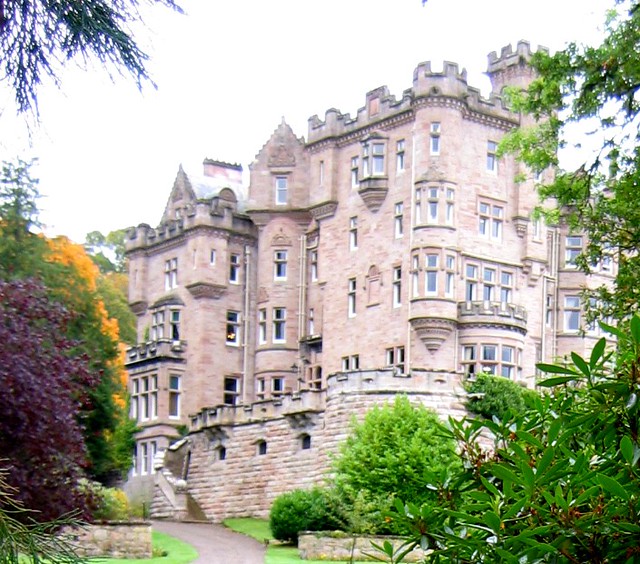
There’s something almost stubborn about Scottish castles — the way they sit on their hills, indifferent to weather and time, correcting anyone who thinks grandeur requires gilt and marble. Skibo Castle, once owned by Andrew Carnegie, feels like that: substantial rather than showy, with rough stone walls that have absorbed decades of Highland mist.
The rooms here don’t apologize for their weight — heavy curtains, thick carpets, furniture that seems carved rather than assembled. Madonna chose this place for her wedding, which says something about its ability to make even pop royalty feel appropriately humbled.
Augill Castle
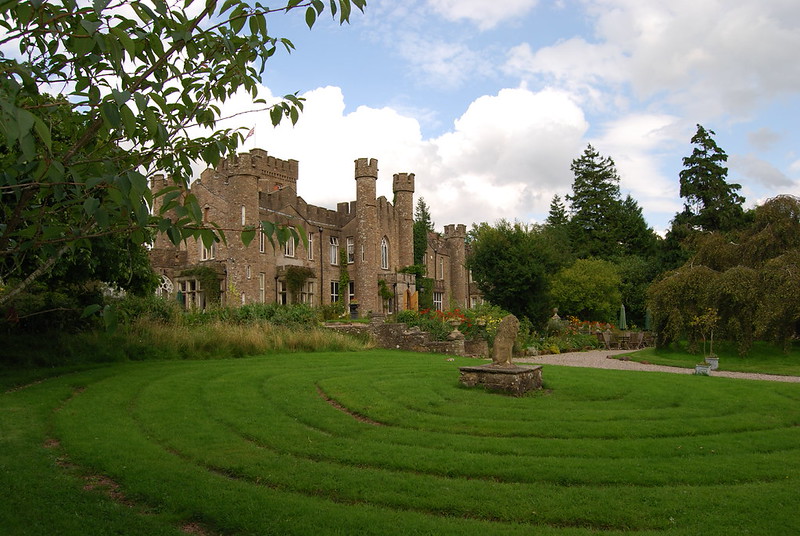
Augill Castle operates on a simple principle: royalty is overrated, but castles aren’t. This 19th-century estate in Cumbria throws out most of the stuffiness that usually comes with medieval architecture and replaces it with something closer to a very grand house party.
The owners live on-site, which means dinner feels less like formal service and more like being invited to eat with particularly interesting relatives who happen to own turrets.
Dalhousie Castle

But here’s what’s interesting about staying in a 13th-century fortress (and Dalhousie Castle definitely qualifies as fortress-like, even with the modern renovations): you start to understand why medieval nobility was so obsessed with thick walls and defensive positions. The castle sits in 35 acres of Scottish countryside, and the rooms — especially the barrel-vaulted chambers in the original keep — make you acutely aware that comfort was once a luxury, not an assumption.
The dungeon restaurant adds a theatrical touch that shouldn’t work but somehow does.
Château de la Verrerie

There’s a particular kind of French château that seems to exist in its own season — always autumn, always golden, always slightly melancholy in the most appealing way. Château de la Verrerie, set on a private lake in the Loire Valley, captures this mood perfectly.
The 12 rooms feel less like hotel accommodations and more like guest quarters in a very wealthy friend’s country house, which makes sense given that the property has been in the same family for generations.
Inverlochy Castle
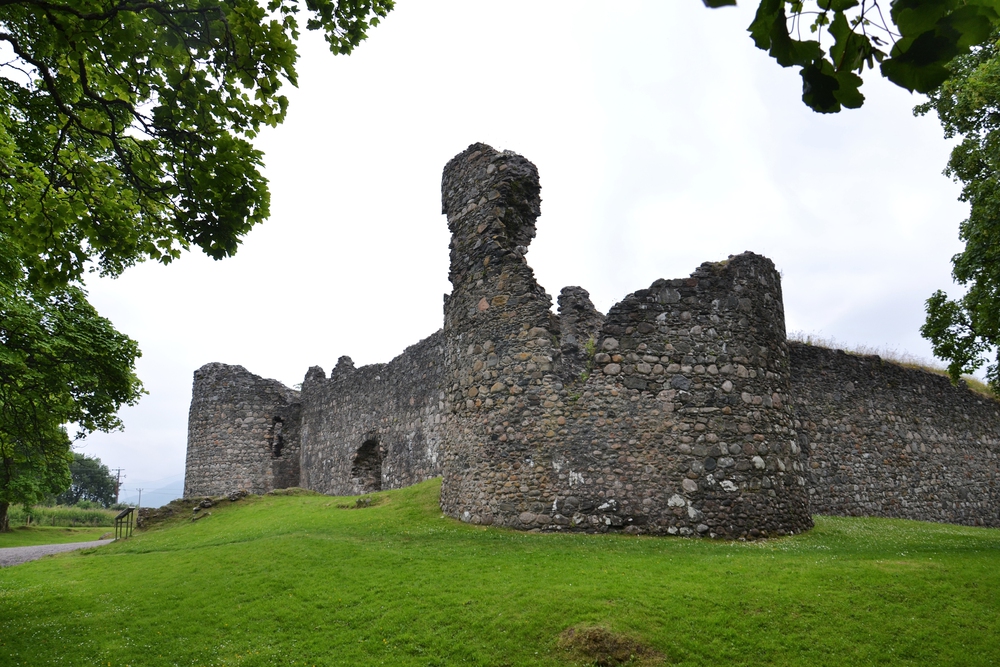
So you’re looking at Inverlochy Castle from the gardens (and you will be, because the view from the loch-side gardens is the whole point), and it occurs to you that this is what happens when Victorian romanticism meets Highland practicality: a fairy-tale castle that actually works as a place to live. Queen Victoria stayed here in 1873 and declared it “a princely seat,” which is royal-speak for “I’m impressed.”
The current incarnation maintains that balance — theatrical enough to satisfy anyone’s castle fantasies, comfortable enough that you’d actually want to spend a week here rather than just a photo opportunity.
Château de Bagnols
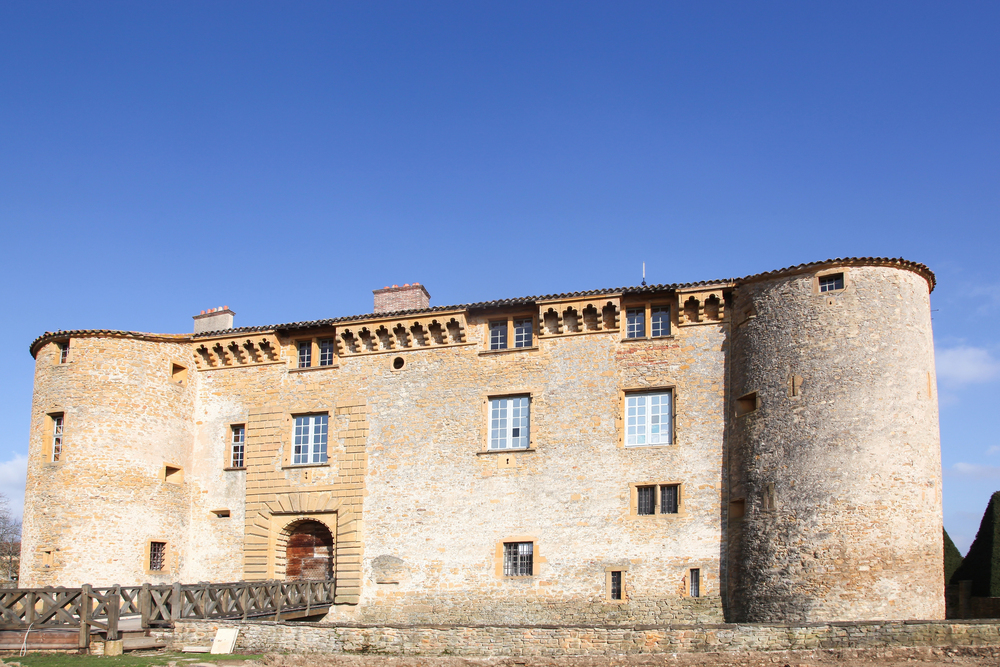
French châteaux often feel like stage sets — beautiful but somehow removed from actual living. Château de Bagnols breaks this pattern by being genuinely livable, which makes sense given its history as a family home rather than a royal showpiece.
The 13th-century fortress in Beaujolais wine country was restored with an eye toward comfort rather than museum accuracy, and the result feels both authentic and welcoming.
Château de Vault de Lugny
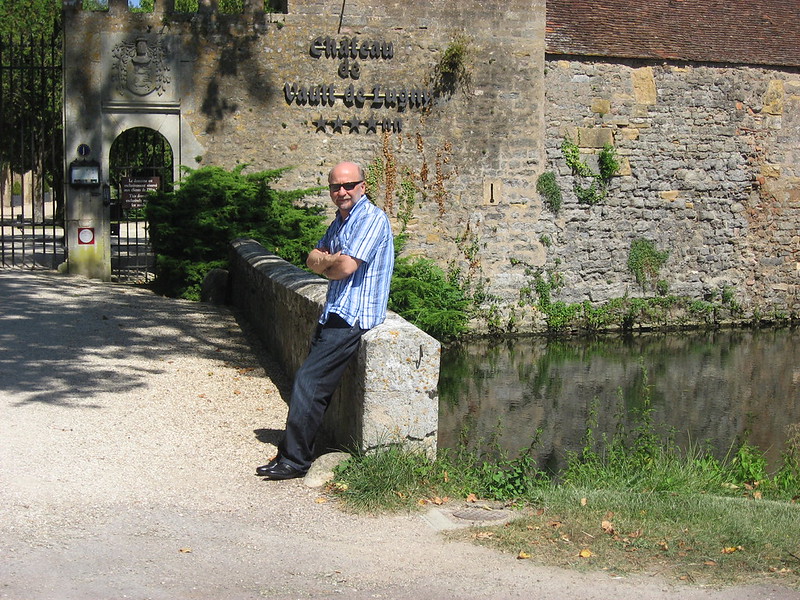
There’s something appealingly stubborn about the way certain French châteaux resist modernization — not out of inability to change, but out of confidence that they got it right the first time around. Château de Vault de Lugny, a 12th-century fortress turned luxury hotel in Burgundy, takes this approach.
The rooms maintain their original proportions and stone walls, and the restaurant serves regional cuisine that hasn’t felt the need to chase culinary trends.
Schloss Fuschl on Lake Fuschl near Salzburg

Austrian castles don’t apologize for their drama. Schloss Fuschl, perched on the shores of Lake Fuschl near Salzburg, leans into its fairy-tale setting with unabashed enthusiasm.
The 15th-century hunting lodge turned luxury resort maintains the kind of Alpine grandeur that makes you understand why European royalty spent so much time in mountain retreats. The lake views from the castle rooms justify the substantial nightly rates.
Cliveden House

So here’s the thing about Cliveden: it’s not technically a royal residence, but it has hosted enough royalty, prime ministers, and assorted nobility to qualify as an honorary palace. The Italianate mansion overlooking the Thames has been the site of enough political intrigue and royal entertaining to fill several historical novels (and has, in fact, inspired quite a few).
The current hotel incarnation maintains the grandeur while adding the kind of service that makes you understand why powerful people have always gravitated toward places like this.
Dromoland Castle
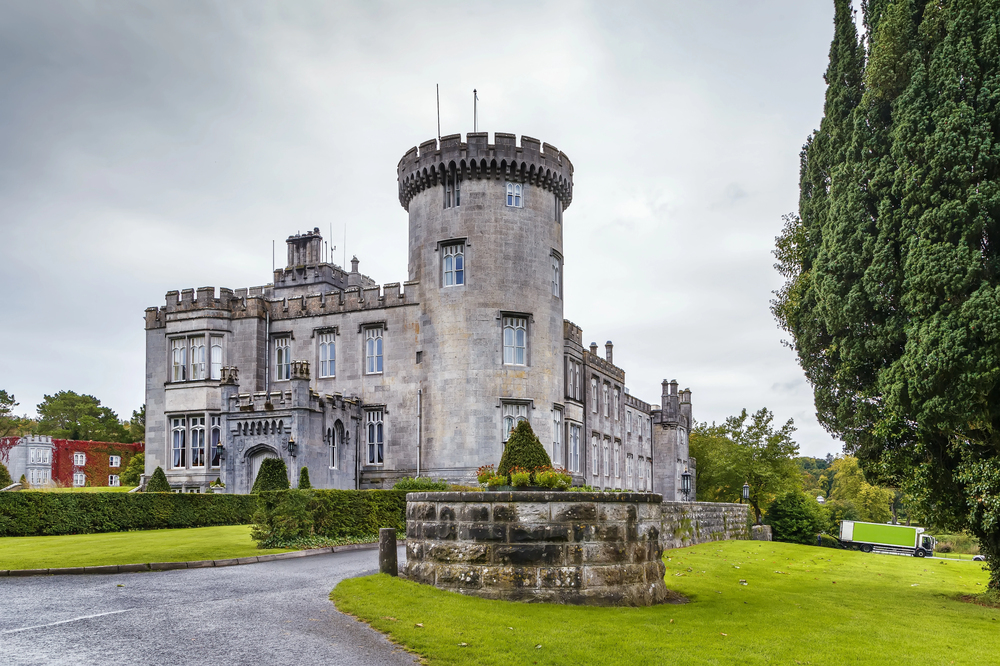
Irish castles have a way of making grandeur feel approachable, and Dromoland Castle exemplifies this quality. The 16th-century stronghold of the O’Brien clan (descendants of Brian Boru, which is about as royal as Irish heritage gets) sits on 450 acres of parkland in County Clare.
The castle maintains its fortress-like exterior while offering interiors that balance historical authenticity with modern luxury.
Living history, not museum pieces

These aren’t preserved monuments or carefully curated exhibitions. They’re working properties where history continues to unfold, where the next chapter might include your own stay in rooms where kings once slept and queens once held court.
The experience costs considerably more than a standard luxury hotel, but then again, most luxury hotels can’t offer you the chance to sleep in a bed that once hosted royalty — or to wake up in a room where treaties were signed and kingdoms were won and lost.
More from Travel Pug

- Underrated Italian Towns That Beat the Tourist Crowds
- Las Vegas Tourist Traps to Skip
- Prettiest Towns in Every US State
- 18 passport-free countries for Americans
- Signs Your Cruise Is Not Worth The Cost
Like Travel Pug’s content? Follow us on MSN.