

There’s something magical about watching land disappear behind you as a ferry cuts through open water, heading toward islands that exist like secrets scattered across the horizon. The journey becomes as important as the destination — maybe more so.
These aren’t just transportation links; they’re floating bridges between worlds, each carrying you toward landscapes that feel untouched by the ordinary rhythms of mainland life.
The best ferry routes don’t just connect islands; they reveal them slowly, letting anticipation build as distant peaks sharpen into focus and hidden coves emerge from the morning mist. Each passage offers its own personality, its own pace, its own promise of discovery.
Greek Islands

Island hopping through the Aegean delivers exactly what it promises. Whitewashed villages cling to volcanic cliffs while ferries navigate between Santorini, Mykonos, and dozens of lesser-known gems.
The water shifts from deep navy to impossible turquoise as you approach each new harbor.
Scottish Highlands and Islands

The ferry routes threading through Scotland’s western isles operate like a maritime highway system that refuses to acknowledge the concept of hurry. From Oban, these vessels (some grand, some practical to the point of being stubborn) carry you toward landscapes that seem designed to correct your sense of scale — and they do this while you stand on deck with a cup of tea that somehow never goes cold, watching islands emerge from weather that changes its mind every twenty minutes.
Skye, Mull, and the Outer Hebrides aren’t just destinations; they’re lessons in what happens when geology and mythology decide to collaborate. And yet the real magic lives in those moments between islands, when the ferry rounds a headland and reveals another stretch of water dotted with land masses you hadn’t expected, each one holding secrets that feel older than the concept of secrets itself.
San Juan Islands, Washington

Ferry routes between these Pacific Northwest islands feel like a meditation on the color green. Dense forests meet rocky shores while orcas surface alongside the boat.
The pace here demands you slow down, which turns out to be exactly what most people need without realizing it.
Anacortes serves as the mainland gateway to this archipelago where every island maintains its own stubborn personality — Lopez moves slowly, Orcas thinks it’s more sophisticated than it needs to be, and San Juan Island can’t decide if it wants to be rural or refined (it ends up being both, which is saying something). The ferries themselves become part of the rhythm here, running on schedules that bow to tides and weather rather than demanding the world accommodate their timing.
Channel Islands, California
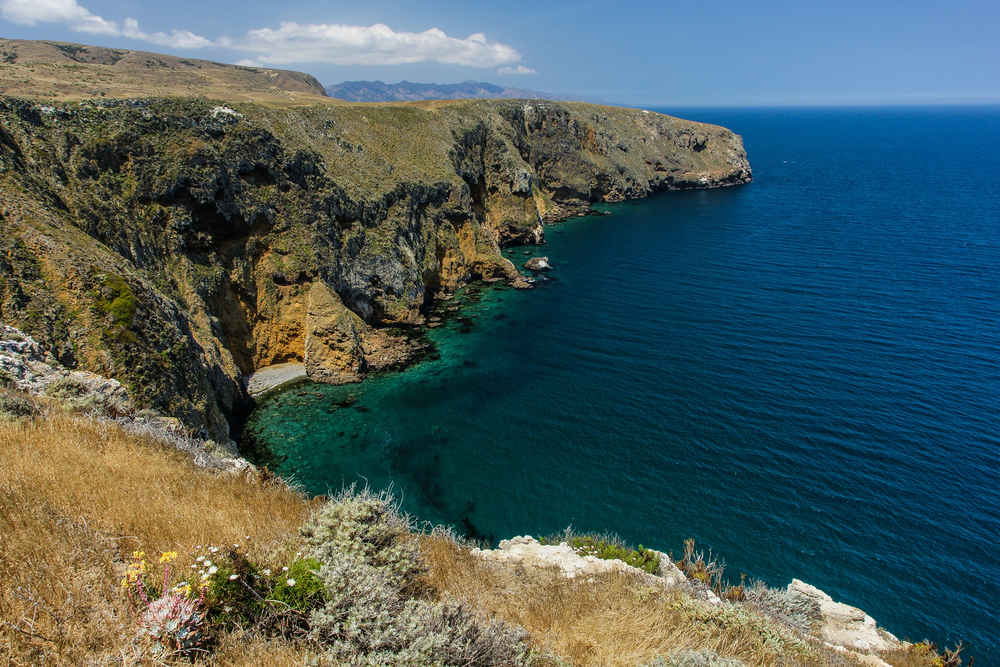
The ferry ride to California’s Channel Islands National Park crosses some of the roughest water on the Pacific Coast. Seasickness medication is often a smart precaution.
But the payoff waiting on Santa Cruz and Anacapa islands makes the challenging passage worthwhile — untouched coastlines and wildlife that acts like it’s never seen humans before.
Croatian Dalmatian Coast

Ferry networks along Croatia’s coast operate like a maritime subway system, if subway systems were designed by poets with an obsession for limestone cliffs and medieval architecture. Split serves as the hub for routes that web outward toward Hvar, Korčula, and Brač — islands that wear their history like jewelry, displaying Roman ruins and Venetian bell towers with the casual confidence of places that have seen empires rise and dissolve while their olive trees just kept growing.
The ferries here range from sleek catamarans that skip across the Adriatic like skipping stones to older vessels that take their time, as if they understand that rushing through water this blue should be considered a minor crime against beauty.
Maine’s Penobscot Bay

Ferries connecting mainland Maine to islands like Vinalhaven and North Haven don’t apologize for operating on island time. Thick fog can delay departures for hours.
Locals pack extra coffee and settle in for conversations that might last the entire crossing, treating delays like opportunities rather than inconveniences.
Orkney Islands, Scotland

The ferry crossing from mainland Scotland to Orkney takes you across some of the most tempestuous water in the North Atlantic. Pentland Firth has long been known for dangerous currents and unpredictable conditions.
But Orkney rewards rough passages with archaeology that predates Stonehenge and landscapes that feel borrowed from another planet.
The islands themselves hold Neolithic villages so well-preserved you expect to see smoke rising from stone hearths, and standing stones arranged in circles that suggest ancient people understood something about this place that modern visitors spend entire vacations trying to figure out. So the ferry ride becomes a kind of time machine, carrying you not just across water but across centuries — which explains why the crossing feels significant even when the weather’s trying to convince you otherwise.
Whitsunday Islands, Australia

Ferry routes through Queensland’s Whitsundays navigate between 74 islands scattered across water so clear it looks artificial. Most visitors head straight for Whitehaven Beach, but the smaller islands hold better secrets.
Hamilton Island serves as the main hub, but the outer islands offer solitude that’s becoming rare in popular destinations.
Norwegian Fjords
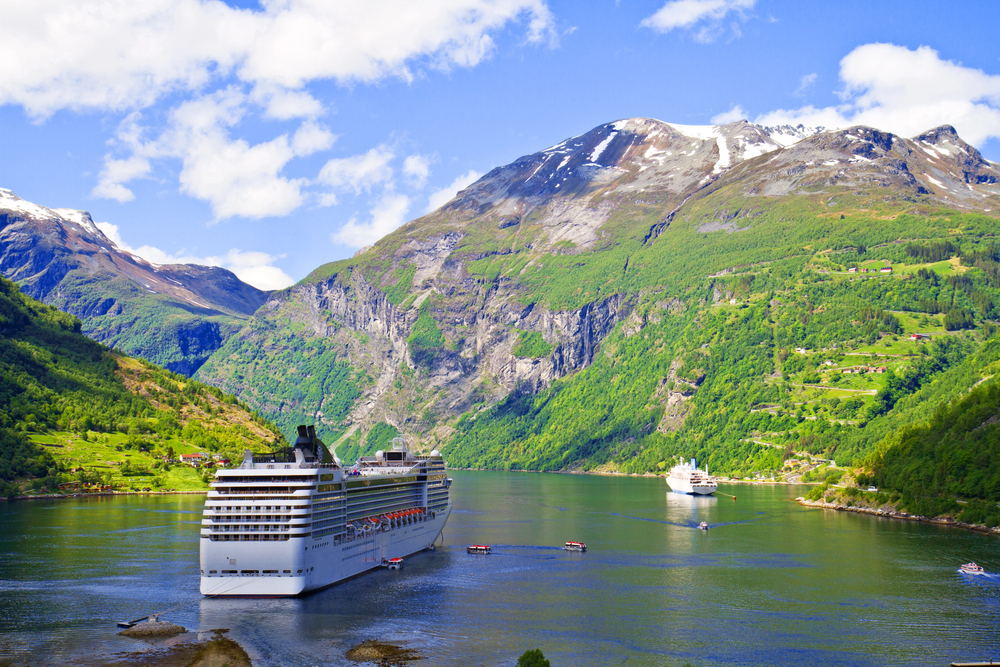
The Hurtigruten ferry system threading through Norway’s western fjords operates more like a maritime lifeline than a tourist service, though tourists certainly benefit from riding along. These vessels push through some of the most dramatic coastal scenery on Earth — thousand-foot waterfalls, glaciers that calve directly into the sea, and fishing villages that cling to cliffsides like they’re making a point about human persistence.
The ferry itself becomes a floating hotel for the multi-day journey, but the real accommodation happens outside the windows, where the landscape shifts from pastoral to otherworldly depending on the weather’s mood (and Norwegian weather has many moods, most of them involving precipitation). But even when rain obscures the mountains, there’s something hypnotic about watching this coastline unfold, mile after mile of geography that seems designed to humble anyone who thought they understood the concept of “scenic.”
Faroe Islands

Getting between the Faroe Islands requires ferries that treat rough weather as a normal Tuesday. These aren’t pleasure cruises.
The boats are built for North Atlantic conditions, and the crossings reveal islands that look like they were carved by someone with strong opinions about dramatic coastlines.
Hebridean Isles, Scotland

The ferry network connecting Scotland’s Outer Hebrides operates on schedules that acknowledge weather as a partner in the decision-making process. Lewis, Harris, and the smaller islands maintain cultures that feel distinct from mainland Scotland, with Gaelic still spoken in daily conversation and landscapes that haven’t changed much since the Vikings stopped by for extended visits.
CalMac ferries serve these routes with vessels that range from modern to “charming in a practical sort of way,” but the real character emerges during the crossings themselves, when you realize that these waters have been carrying people between islands for centuries — though probably not always with the benefit of a snack bar and reasonably comfortable seating. And the islands reward rough crossings with beaches that belong in tropical destinations (despite being closer to the Arctic Circle) and archaeology that includes stone circles that rival some of the world’s oldest monuments.
Cook Islands
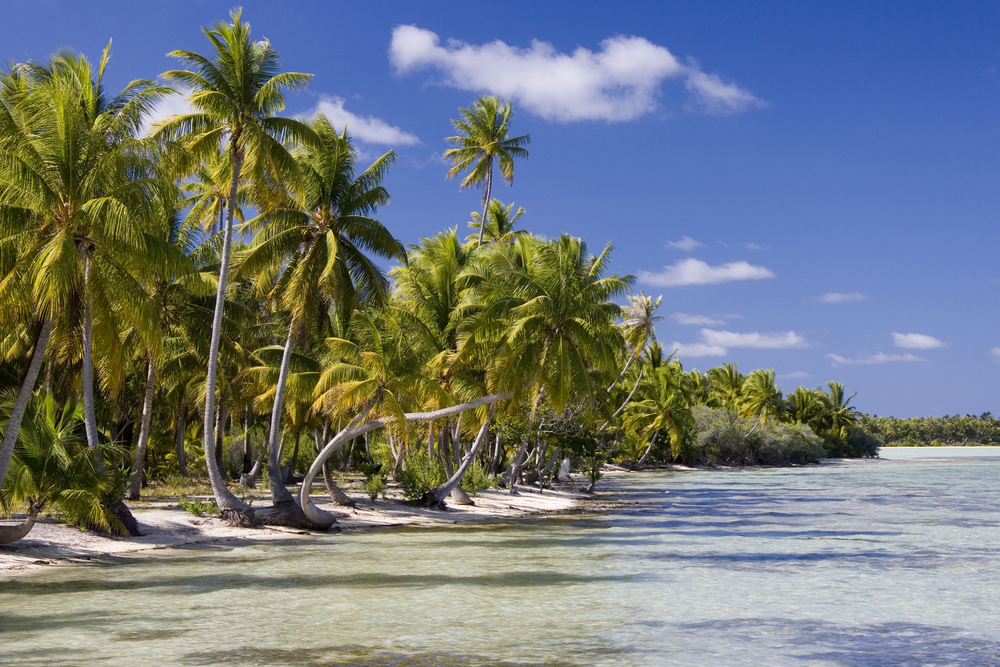
Ferry connections between Rarotonga and the outer Cook Islands operate more like expeditions than regular transportation. Aitutaki’s lagoon justifies whatever rough water you endure to reach it.
These crossings take you to islands where tourism hasn’t figured out how to ruin the essential quiet yet.
Bass Strait Islands, Tasmania
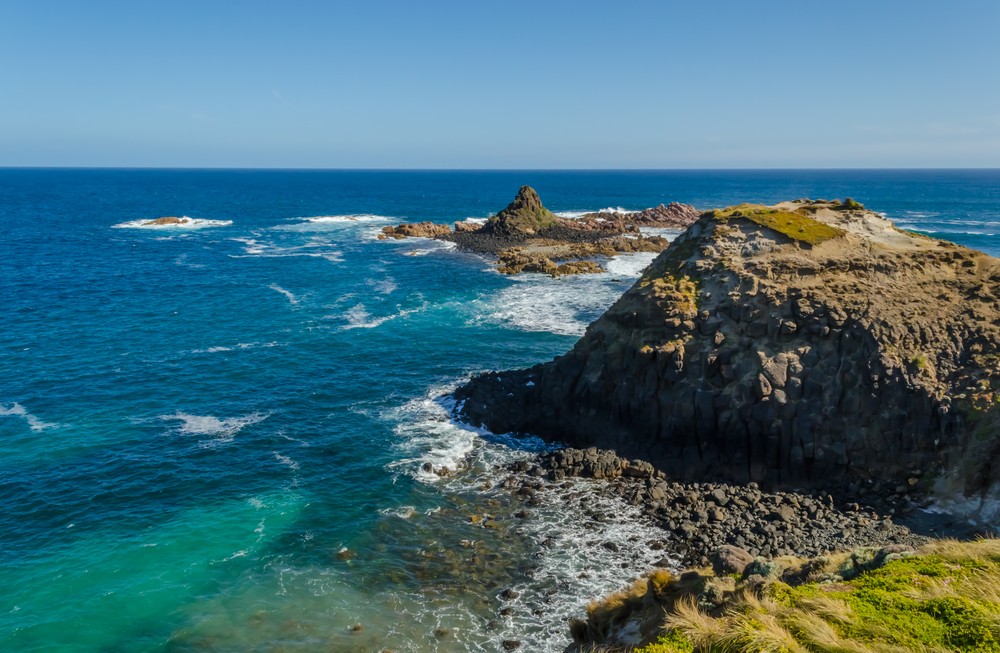
The ferry crossing from mainland Australia to Tasmania crosses Bass Strait, water notorious for testing both vessels and passengers. King Island and Flinders Island sit in the middle of this crossing, offering stops that feel like intermissions in a maritime symphony.
These islands maintain wildlife populations that act like they’re running their own private nature preserves.
But the real reward for enduring Bass Strait’s reputation comes when you reach Tasmania proper and realize the crossing has prepared you for an island that operates according to its own logic — where devils really do exist (though they’re smaller than expected), where temperate rainforest grows alongside alpine meadows, and where the southern lights dance across skies that feel closer to Antarctica than Australia.
Stockholm Archipelago
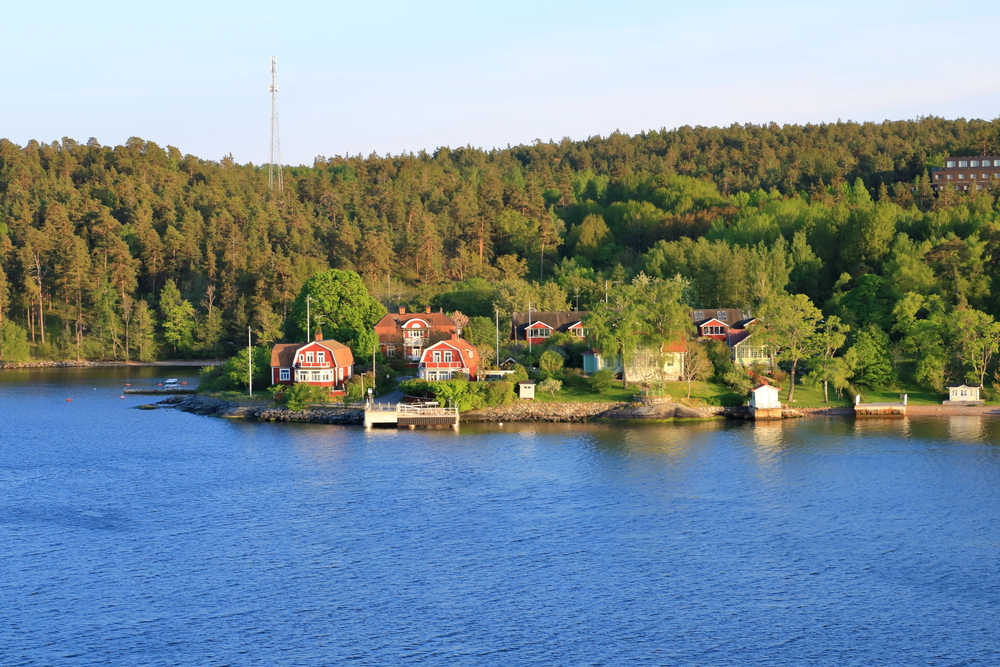
Ferry networks through Stockholm’s archipelago connect over 30,000 islands, skerries, and rocks scattered across the Baltic Sea. Summer brings near-constant daylight and water warm enough for swimming.
Winter transforms the same routes into journeys through landscapes that look like illustrations from Nordic fairy tales.
Beyond the last port

These ferry routes do more than connect islands; they preserve something essential about the pace of discovery. In a world obsessed with faster connections, they insist that some journeys shouldn’t be rushed.
The best passages happen not when everything goes according to schedule, but when weather or tides remind you that water follows older rules than human convenience. Those delays become part of the story, the moments when you realize you’re not just traveling between destinations — you’re participating in a conversation between land and sea that’s been ongoing for centuries, and your ferry ticket grants temporary admission to something much larger than transportation.
More from Travel Pug

- Underrated Italian Towns That Beat the Tourist Crowds
- Las Vegas Tourist Traps to Skip
- Prettiest Towns in Every US State
- 18 passport-free countries for Americans
- Signs Your Cruise Is Not Worth The Cost
Like Travel Pug’s content? Follow us on MSN.