

There’s something magical about lying on your back under a blanket of stars, miles away from the glow of city lights. For many campers, the night sky offers just as much adventure as the daytime hiking trails. Finding the perfect spot where darkness meets comfort isn’t always easy, though — you need the right combination of minimal light pollution, clear skies, and decent facilities.
The good news is that scattered across America are campgrounds specifically designed with stargazers in mind. Here’s a list of 15 astronomy-friendly campsites that’ll give you front-row seats to the universe’s greatest show.
Death Valley National Park, California

Death Valley holds the title as one of the darkest places in North America, making it a paradise for anyone serious about astronomy. The park’s Furnace Creek Campground puts you right in the heart of this designated International Dark Sky Park, where the Milky Way stretches across the sky like a cosmic river.
Summer temperatures here can be brutal, but winter nights offer perfect conditions for stargazing with far more comfortable conditions.
Cherry Springs State Park, Pennsylvania
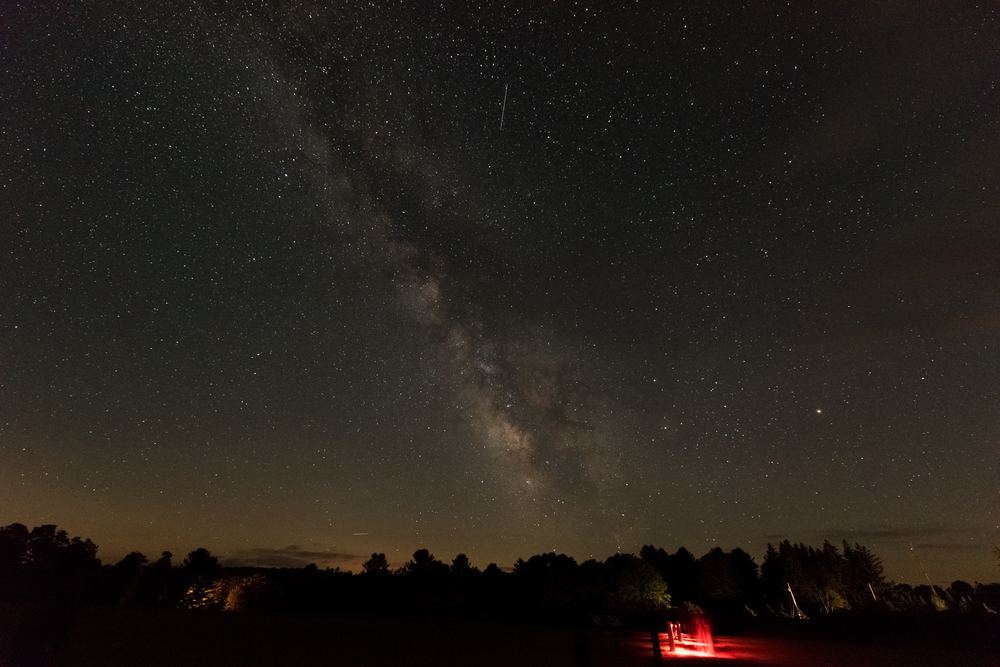
Tucked away in the mountains of north-central Pennsylvania, Cherry Springs has earned recognition as the darkest spot on the East Coast. The park’s astronomy field stays open all night specifically for stargazers, and the campground sits just a short walk away.
Park rangers even host regular astronomy programs, complete with high-powered telescopes that’ll show you Saturn’s rings in stunning detail.
Big Bend National Park, Texas
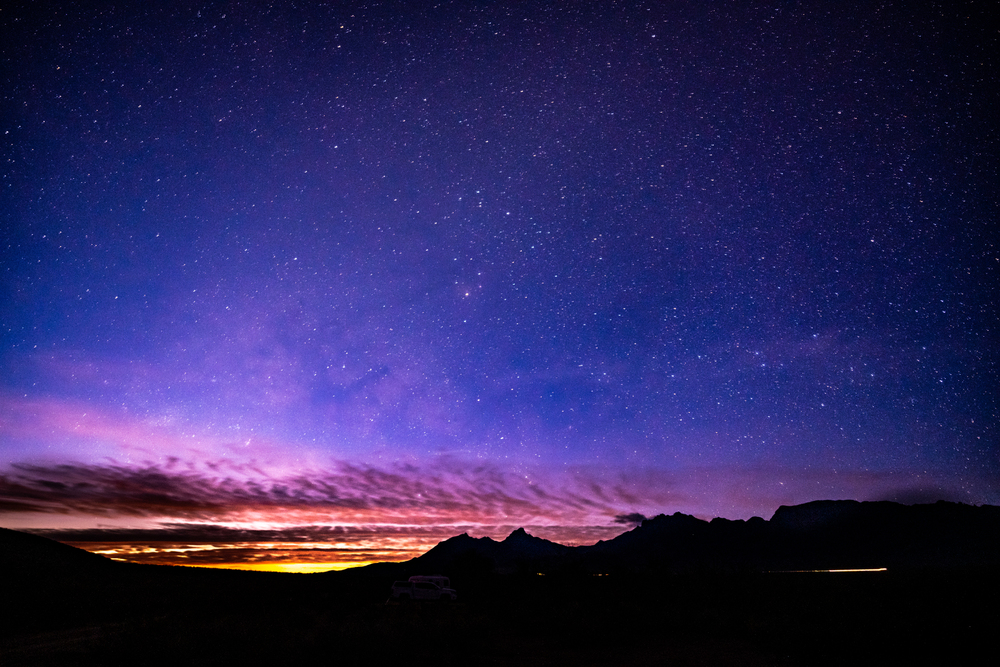
Big Bend’s remote location along the Rio Grande creates some of the darkest skies in the lower 48 states. The Rio Grande Village Campground offers the best combination of amenities and sky access, while the park’s Santa Elena Canyon provides a dramatic backdrop for night photography.
The desert air stays remarkably clear, giving you crystal-sharp views of deep-space objects that would be impossible to see near cities.
Bryce Canyon National Park, Utah

Bryce Canyon’s high elevation and dry climate create ideal conditions for astronomy, plus the park holds official Dark Sky certification. The Sunset Campground lives up to its name during the day, then transforms into a stellar viewing platform after dark.
The contrast between the park’s famous red rock formations and the star-filled sky above creates some truly memorable camping experiences.
Great Basin National Park, Nevada
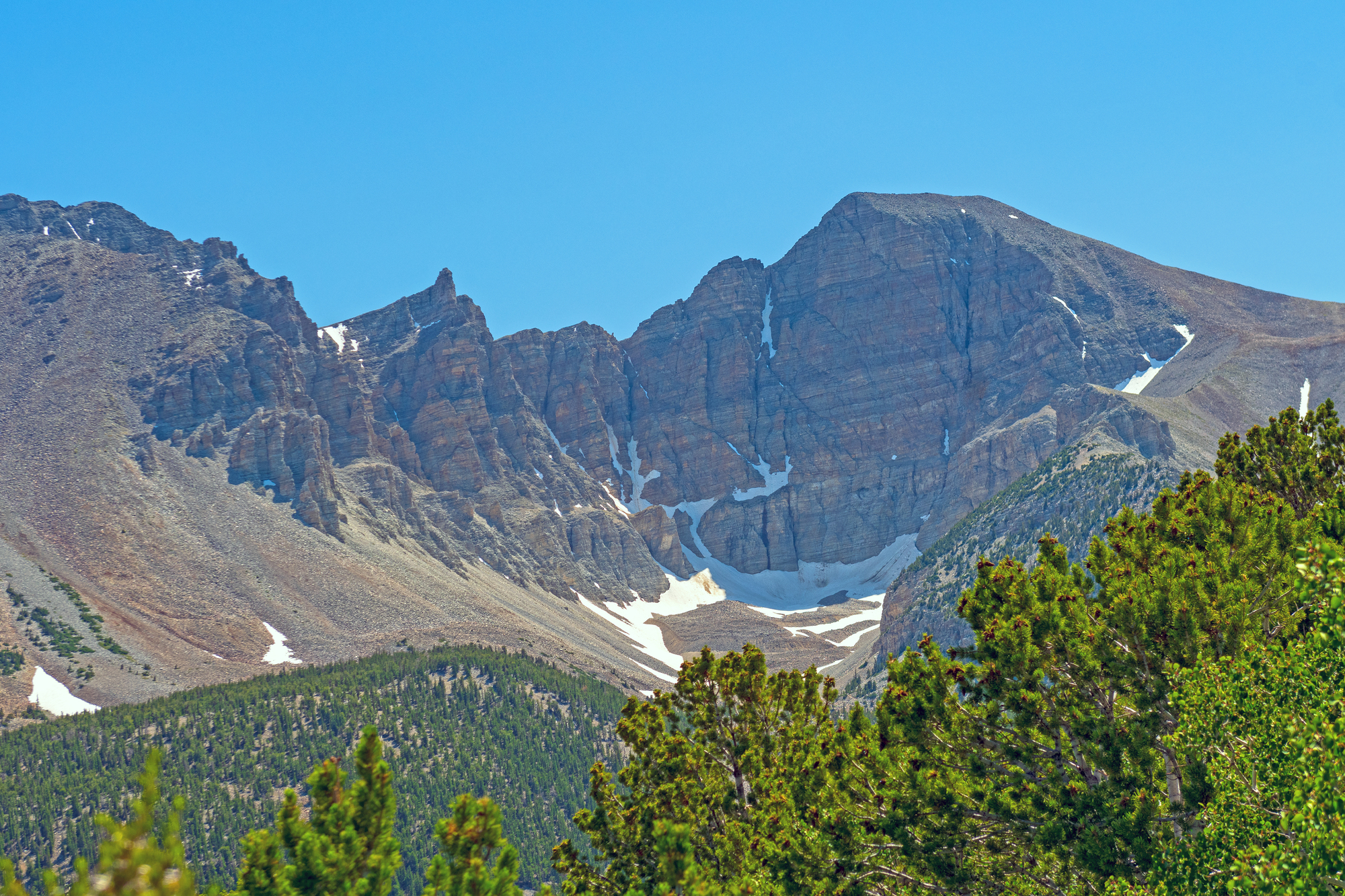
Nevada’s Great Basin sits in one of the most remote corners of the country, creating exceptionally dark conditions for astronomy. The park’s Upper Lehman Creek Campground offers easy access to both the visitor center’s telescope programs and plenty of open areas for your own equipment.
The high desert location means clear skies most nights, though temperatures can drop quickly after sunset even in summer.
Goblin Valley State Park, Utah

Goblin Valley combines otherworldly rock formations with some of Utah’s darkest skies, creating a camping experience that feels like you’re on another planet. The park’s campground sits elevated above the valley floor, giving you unobstructed views in all directions.
The lack of trees might seem like a drawback during the day, but at night, it ensures an unobstructed view of the stars.
McDonald Observatory, Texas

While technically not a campground itself, the nearby Davis Mountains State Park works perfectly with Fort Davis’s famous McDonald Observatory. You can camp just 16 miles from one of the world’s leading research facilities, then attend their public star parties that feature massive professional telescopes.
The combination of expert guidance and pristine dark skies makes this spot particularly valuable for serious astronomy enthusiasts.
Acadia National Park, Maine

Acadia might surprise you as an astronomy destination, but this coastal park offers surprisingly dark skies thanks to its location away from major cities. The Blackwoods Campground provides easy access to the park’s Cadillac Mountain, where you can catch both sunrise and stellar views from the same location.
The rocky coastline also creates interesting foreground elements for night photography.
Natural Bridges National Monument, Utah

This small but spectacular park in southeastern Utah became the world’s first International Dark Sky Park back in 2007. The park’s primitive campground keeps amenities basic, but the trade-off is some of the darkest skies you’ll find anywhere in America.
The natural stone bridges create dramatic silhouettes against the star-filled sky, making this spot particularly popular with astrophotographers.
Capitol Reef National Park, Utah

Capitol Reef’s Fruita Campground sits in a desert oasis surrounded by towering cliffs that block most light pollution from distant cities. The park’s high desert location means clear skies most nights, while the sheltered valley provides some protection from wind.
Historic orchards throughout the campground add an unexpected element to your stargazing experience — imagine picking fresh apples during the day then watching meteors at night.
Headlands Dark Sky Park, Michigan

Michigan’s first International Dark Sky Park sits right on Lake Huron’s shore, combining excellent astronomy with Great Lakes camping. The park’s campground offers both traditional sites and modern cabins, all positioned to take advantage of the remarkably dark skies over the water.
The combination of minimal light pollution and the lake’s moderating effect on weather creates consistently good viewing conditions.
Clayton Lake State Park, New Mexico

New Mexico’s high desert climate and sparse population create ideal conditions for stargazing, and Clayton Lake takes full advantage of both factors. This small state park sits far from any major cities, while its elevation keeps you above much of the atmospheric interference that can blur stellar views.
The park’s modest size means you’ll often have the night sky almost entirely to yourself.
Grand Canyon National Park, Arizona
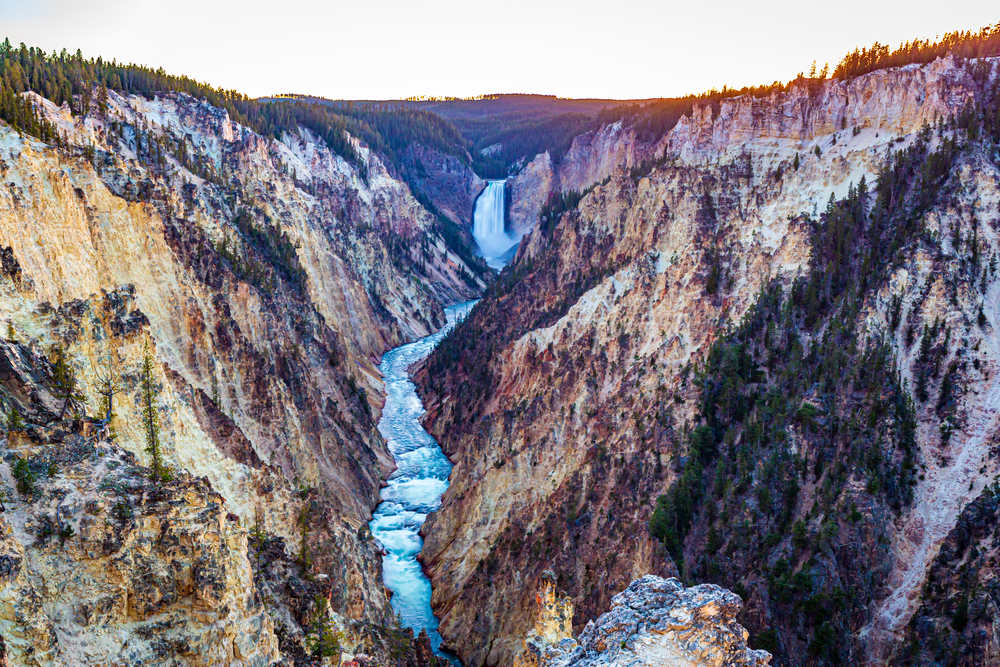
The Grand Canyon’s South Rim offers more than just spectacular daytime views — the park’s elevation and dry climate create excellent conditions for astronomy too. Desert View Campground sits away from the main village area, reducing light pollution while still providing access to the park’s rim trail.
Watching sunrise over the canyon after a night of stargazing creates an unforgettable double feature of natural beauty.
Mammoth Cave National Park, Kentucky
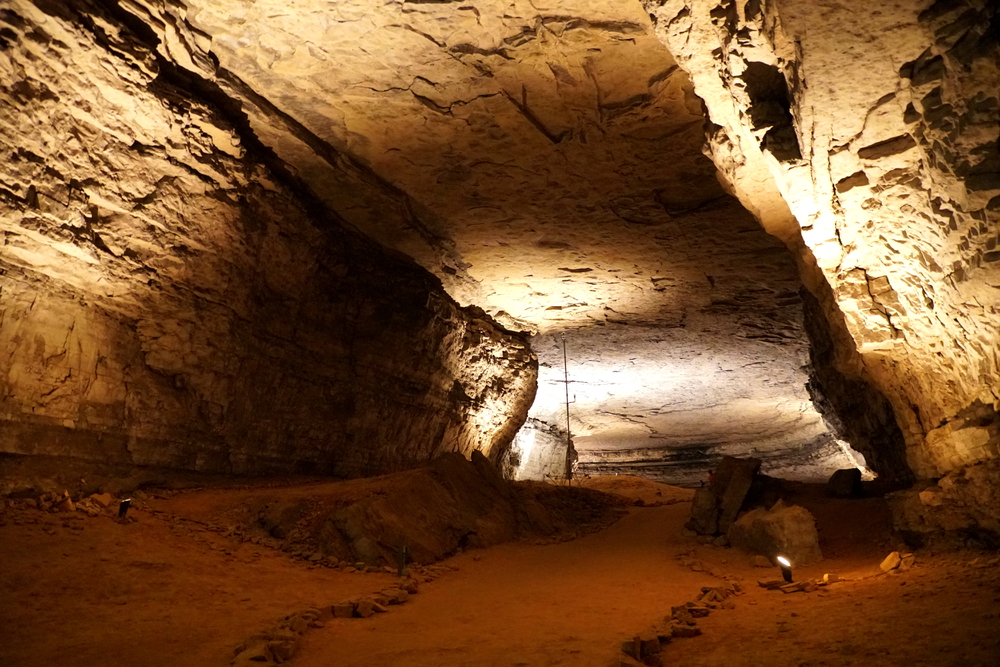
Kentucky might not seem like an obvious choice for astronomy, but Mammoth Cave’s rural location and recent efforts to reduce light pollution have created surprisingly good conditions for stargazing. The park’s campground offers a perfect base for exploring both the world’s longest known cave system during the day and the night sky after dark.
The combination of underground and celestial exploration makes this spot unique among astronomy-friendly destinations.
Where Earth Meets Sky

These campgrounds prove that you don’t need to sacrifice comfort to experience the universe in all its glory. From desert oases to mountain peaks, each location offers its own unique blend of dark skies and outdoor adventure.
The next time you’re planning a camping trip, consider timing it around a new moon — you’ll discover just how much of the night sky disappears in our everyday light-polluted world.
More from Go2Tutors!

- The Romanov Crown Jewels and Their Tragic Fate
- 13 Historical Mysteries That Science Still Can’t Solve
- Famous Hoaxes That Fooled the World for Years
- 15 Child Stars with Tragic Adult Lives
- 16 Famous Jewelry Pieces in History
Like Go2Tutors’s content? Follow us on MSN.