

The digital nomad lifestyle exploded from niche dream to mainstream career path in just a few years. More professionals and companies continue to embrace the flexibility of remote work, opening up new opportunities to live and work from anywhere in the world. What once required tourist visa loopholes now has government backing through official programs designed to attract remote talent.
Here’s a list of destinations where bureaucratic hassles won’t kill your wanderlust dreams before they begin.
Georgia

Georgia is unique compared to other countries. To be a digital nomad in Georgia, you don’t actually need a visa! Citizens of over 50 countries can enter Georgia visa-free and stay for an entire year.
No paperwork marathons. No income verification headaches. Just pack your laptop and go. Georgia’s capital Tbilisi has been gaining popularity as a homebase for digital nomads who want to travel Eastern Europe and the Middle East. The wine flows freely, the food hits different, and your dollar stretches further than anywhere in Europe.
Mauritius
The Mauritius digital nomad visa, also known as the Premium Visa, may be one of the easiest visas in the world to apply to. It is free to apply and you’ll receive an answer in just 48 hours!
Think island paradise meets lightning-fast bureaucracy. The entire process is done online and you’ll submit your documents in English or French. Beach offices suddenly seem less like Instagram fantasy and more like Tuesday morning reality. Plus, many digital nomads who come to Mauritius decide to stay for several years.
Philippines
— Photo by borkus
The Philippines introduced its Digital Nomad Visa in April 2025, allowing remote workers to live and work in the country for up to 12 months, with the possibility of a one-time 12-month extension. At approximately $20 for single-entry; $40 for multiple-entry, it’s practically pocket change.
The income requirement sits at a reasonable minimum monthly income of $2,000. Better yet, applicants are exempt from income tax on foreign earnings during their stay. Seven thousand islands of tax-free remote work possibilities.
Hungary
The Hungarian Digital Nomad Visa, known as the White Card, launched in November 2021, and it might be one of the easiest European digital nomad visas to obtain. The smell of goulash while you answer Slack messages.
And yes, there’s a catch. This visa works as an individual residence permit; unfortunately, it does not allow couples or families to apply. Their primary target is singles under 40. Solo travelers win big here.
Malta
There is a low visa fee of just 300€ to be paid upon submitting your application. Malta’s digital nomad visa is good for one year and can be renewed twice for a total of three years.
Mediterranean charm without Mediterranean visa complexity. Processing is expected to take up to 30 days, which counts as speedy in the EU bureaucracy world. The entire island nation could fit inside most major cities, making weekend exploration a breeze.
Estonia
— Photo by borkus
Estonia, known for its pioneering e-residency program for foreign entrepreneurs with EU-based businesses, launched the world’s first official Digital Nomad Visa in August 2020. They basically invented this whole game.
The Baltics don’t mess around when it comes to digital infrastructure. Estonia is perhaps one of the easiest countries to apply for a digital nomad visa mainly because it takes less than 2 weeks to process and can be done entirely online. Wait, that’s Georgia again. Estonia processes quickly, too, though specific timeframes vary.
Croatia
Croatia’s Digital Nomad Visa allows you to stay up to 12 months without paying taxes on foreign income. As of August 2025, the duration of the Croatia Digital Nomad Visa has been extended to 18 months.
Tax exemption sweetens the deal considerably. One of the most unique aspects of Croatia’s digital nomad visa program is that it exempts digital nomads from paying local income tax during their stay. This is a rare benefit. Dubrovnik’s ancient walls provide excellent Zoom backgrounds.
Portugal
The Portugal Digital Nomad Visa launched in 2022 and remains one of the best options in Europe. It offers a one-year temporary stay visa or a longer-term residence permit. After five years, you can apply for permanent residency and potentially citizenship.
The pathway to European citizenship makes this more than just extended vacation time. Portugal’s D8 Visa is one of the most attractive options for digital nomads, offering a low cost of living, excellent climate, and thriving expat community. Though due to increased popularity, processing times can take 4 months or longer.
Spain
Spain makes it relatively easy to get a Digital Nomad Visa. The process of obtaining a visa and residence permit takes around 4 months in total, while the required income is €2,646, which is lower than in many other European countries.
Spain’s Digital Nomad Visa, created under the Startup Law, offers a renewable 12-month residence permit. Spain combines beautiful weather, good infrastructure, and access to the Schengen Area. Tapas meetings become standard operating procedure.
But prepare for the siesta-paced bureaucracy. Four months feels eternal when you’re ready to relocate tomorrow.
Mexico

Mexico’s Temporary Resident Visa is flexible and renewable for up to 4 years. Popular hotspots like Mexico City, Playa del Carmen, and Oaxaca offer excellent amenities and thriving co-working scenes.
Mexico has no specific Digital Nomad Visa, so digital nomads relocate to the country with a Temporary Resident Visa. Close enough. The visa flexibility, combined with world-class street food, creates compelling arguments for extended stays.
Costa Rica
Costa Rica’s Digital Nomad visa (officially known as the “estancia”) provides remote workers access to a low-tax lifestyle with beautiful beaches and nature. Costa Rica also offers tax-free living to remote workers who choose to call it home.
Pura vida philosophy meets zero tax liability. There are also plenty of hostels and co-working spaces in Costa Rica, like Selina, equipped with workstations and high-speed internet. The infrastructure supports the lifestyle promises.
Brazil

To obtain a Digital Nomad Visa to Brazil, an applicant must earn $1,500 or more per month. This sum is quite low compared to European and Asian programs.
The income threshold stays refreshingly reasonable. The visa is issued for 1 year, with the option to extend it later. Brazil has an active digital nomad community. Floripa and Jericoacoara are considered the best cities, with many coworking spaces for remote workers.
Belize
Belize’s Digital Nomad Visa, also known as the “Work Where You Vacation” program, was announced in 2021 and officially launched in early 2022. This visa allows remote workers to stay in Belize for an initial period of 6 months, with an option for extension.
English as the official language eliminates communication barriers entirely. There is no local income tax on foreign-sourced income. The Caribbean coastline doesn’t hurt either.
While the initial six-month stay may feel short, the extension option keeps doors open.
Cape Verde
Cape Verde also requires applicants to maintain a minimum bank balance. However, the amount is much lower. Digital nomad visa applicants must have at least $1,500 in their bank accounts for the last six months when applying for the Cape Verde visa.
With an online application process and minimal visa and application fees, it’s one of the easiest digital nomad visas to apply for. These volcanic islands off West Africa remain largely undiscovered by the remote working masses.
Requirements include: • Bank balance proof for six months • Online application submission • Spouse and dependent eligibility
Curaçao
— Photo by Marina113
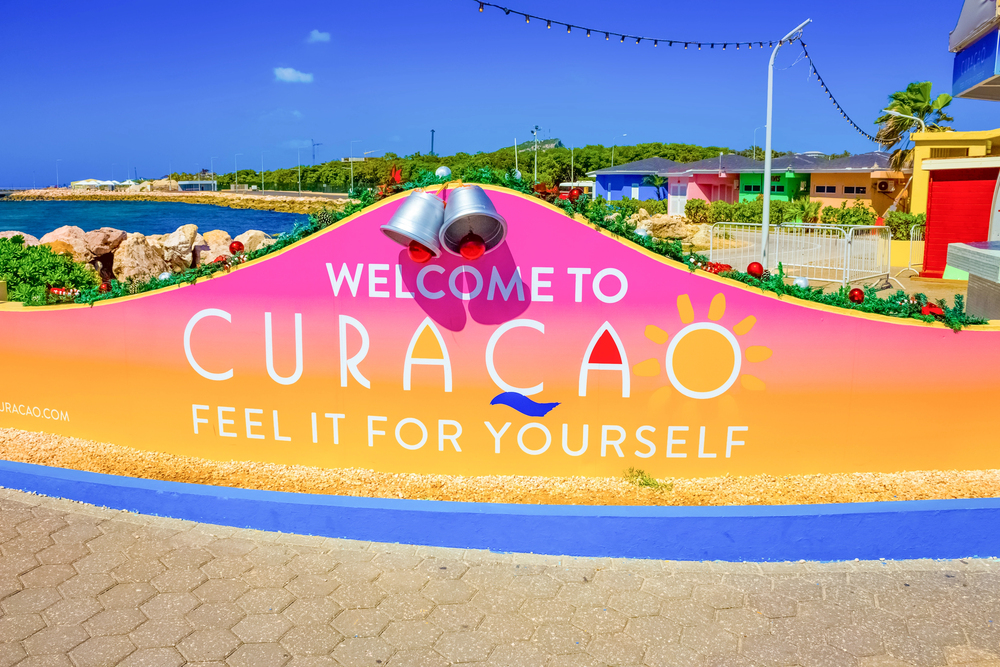
Curaçao’s digital nomad visa allows remote workers to live on the island for six months with the option to renew and stay for a year. With an online application process, the visa is easy to apply for. There is also a minimal non-refundable application fee of just $264.
Caribbean living without Caribbean-level expenses. Curaçao has one of the lowest costs of living compared to other islands in the Caribbean. So, your remotely earned income can stretch quite far in this beautiful destination. Dutch efficiency meets tropical relaxation.
Your next destination awaits

The world opened its borders to remote workers, and staying put suddenly seems like the boring option. Countries like Croatia, Panama, and Estonia have streamlined application processes and modest income requirements, making them some of the easiest places to start your journey as a digital nomad. The hardest part isn’t getting approved—it’s choosing which paradise to try first.
More from Go2Tutors!

- The Romanov Crown Jewels and Their Tragic Fate
- 13 Historical Mysteries That Science Still Can’t Solve
- Famous Hoaxes That Fooled the World for Years
- 15 Child Stars with Tragic Adult Lives
- 16 Famous Jewelry Pieces in History
Like Go2Tutors’s content? Follow us on MSN.