

While Pad Thai dominates Thai restaurant menus worldwide, it barely scratches the surface of one of the world’s most complex and flavorful cuisines. Thailand’s culinary landscape spans four distinct regions, each contributing unique ingredients, cooking techniques, and flavor profiles that create thousands of dishes most travelers never encounter.
Here’s a list of essential Thai foods that showcase the true depth and diversity of this remarkable cuisine.
Som tam
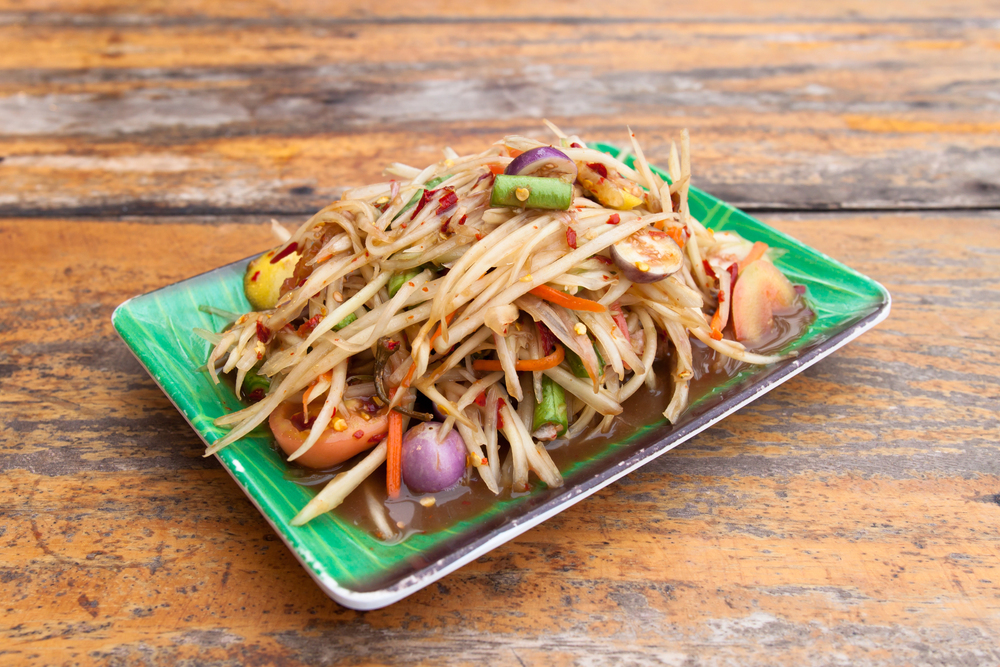
This northeastern salad delivers a punch that wakes up every taste bud. Shredded green papaya gets pounded with chilies, garlic, lime juice, fish sauce, and palm sugar in a large mortar and pestle.
The rhythmic pounding creates a soundtrack in every Thai market. Fresh ingredients mix and bruise together, releasing oils and juices that create the perfect balance of sweet, sour, salty, and spicy.
Tom yum goong
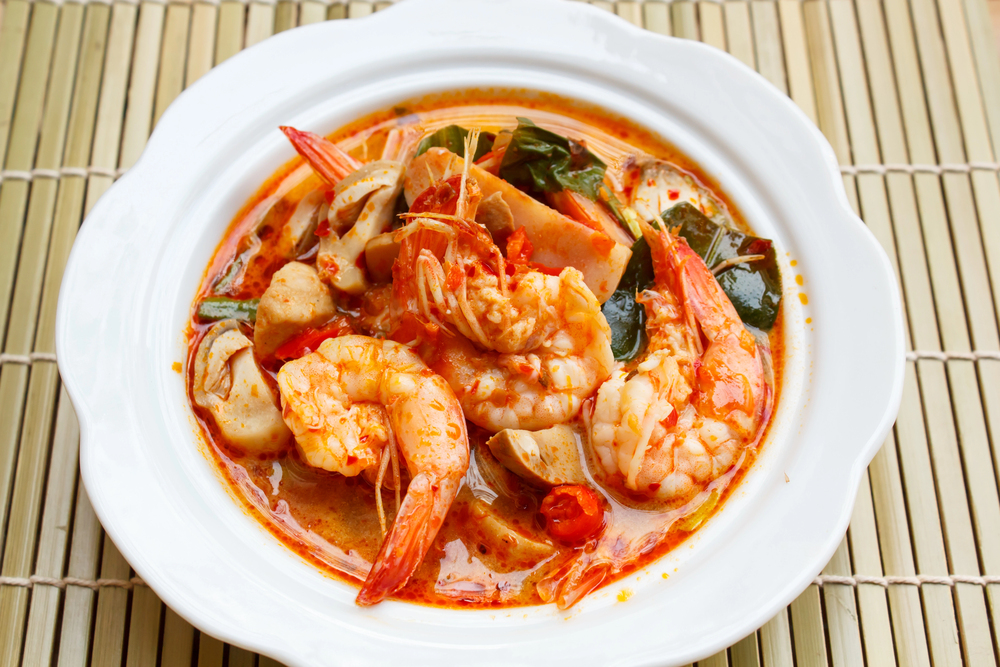
Thailand’s most famous soup walks the line between comforting and challenging. Clear broth loaded with lemongrass, kaffir lime leaves, galangal, and bird’s eye chilies surrounds plump shrimp and mushrooms.
Each spoonful delivers layers of flavor. Hot, sour, fragrant, and deeply satisfying all at once.
Massaman curry
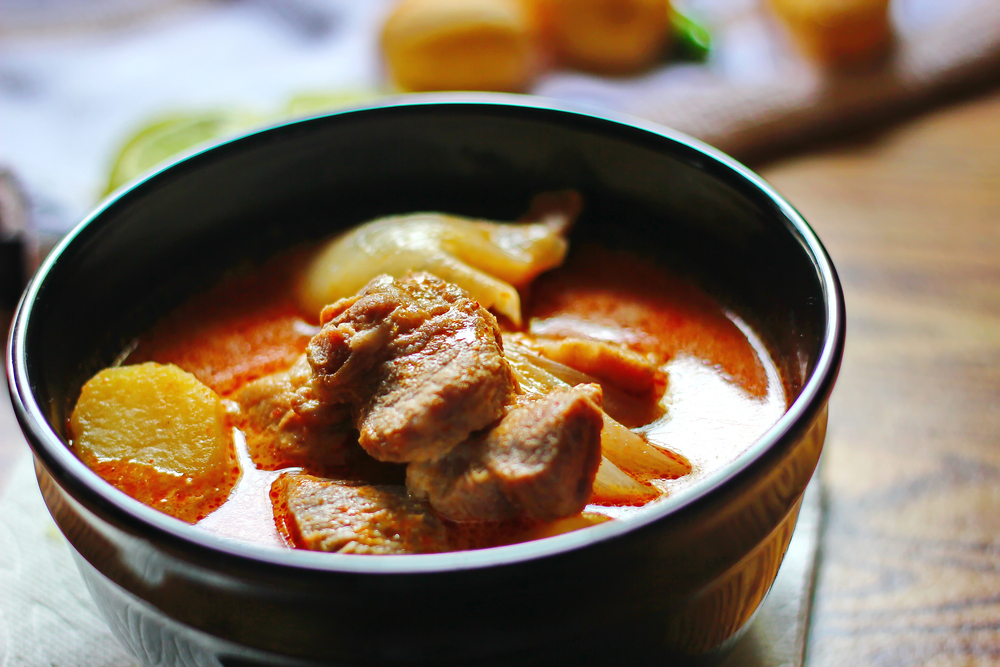
This rich, Persian-influenced curry defies the common idea of Thai food as light and fresh. Chunks of beef or lamb simmer slowly in coconut milk with potatoes, onions, and a complex spice paste that includes cardamom, cinnamon, and cloves.
Khao niao mamuang
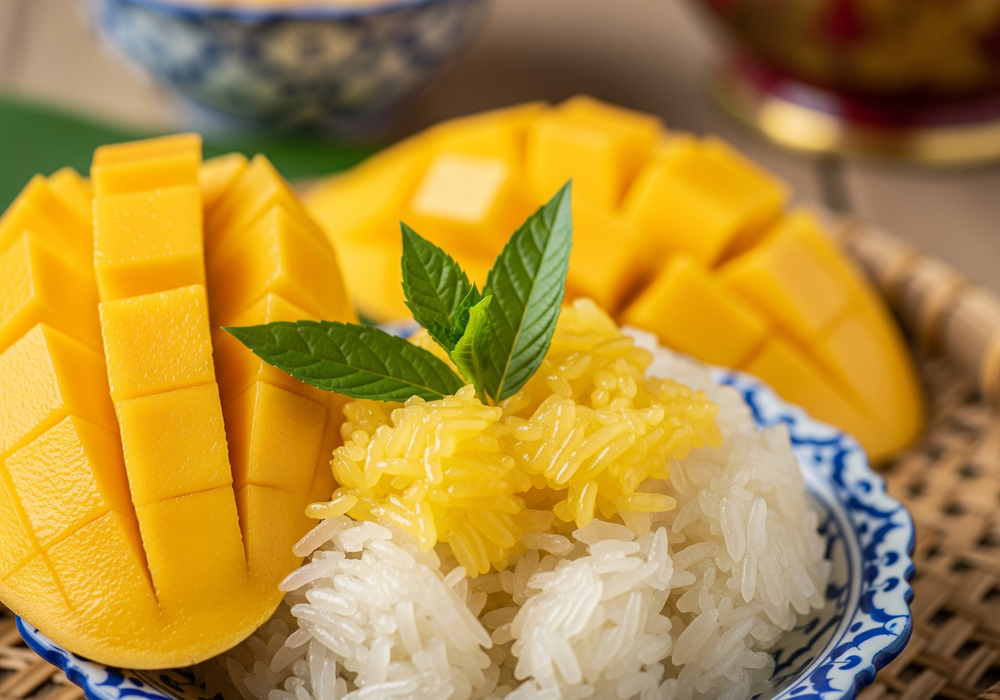
Mango sticky rice proves that simplicity often wins. Perfectly ripe mango slices sit alongside sweet coconut sticky rice, with a drizzle of coconut cream on top.
But timing matters. The mangoes must be at peak ripeness. Too early and they’re tart. Too late and they’re mushy. Street vendors know exactly when to buy and when to serve.
Larb
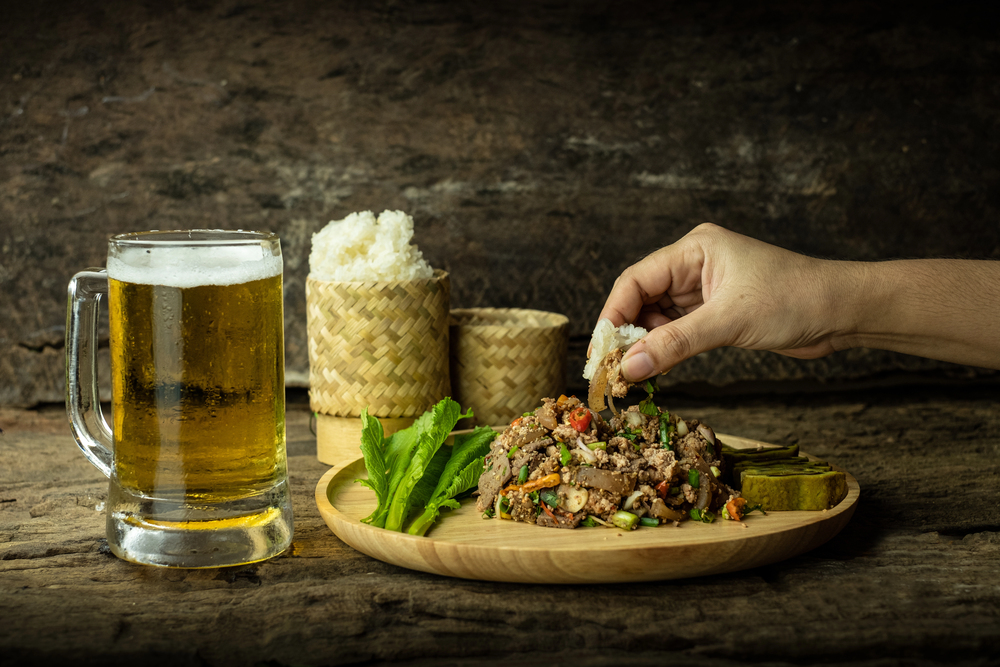
Northern Thailand’s meat salad combines minced pork, beef, or duck with:
- Fresh herbs like mint and cilantro
- Toasted rice powder for crunch
- Lime juice for acidity
- Fish sauce for depth
The result tastes bright and earthy simultaneously. Served with sticky rice and fresh vegetables for scooping.
Pad krapow gai
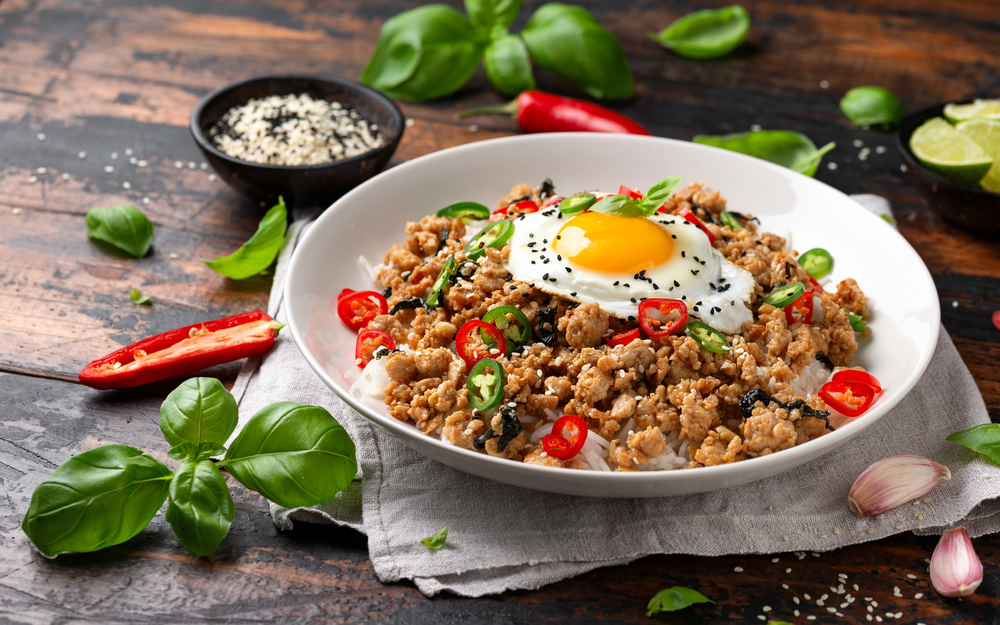
Holy basil transforms ordinary ground chicken into something extraordinary. The leaves release an almost licorice-like aroma when they hit hot oil, creating a stir-fry that’s at once familiar and exotic.
Served over rice with a fried egg on top. The runny yolk mixes with the spicy meat to create the perfect bite.
Tom kha gai
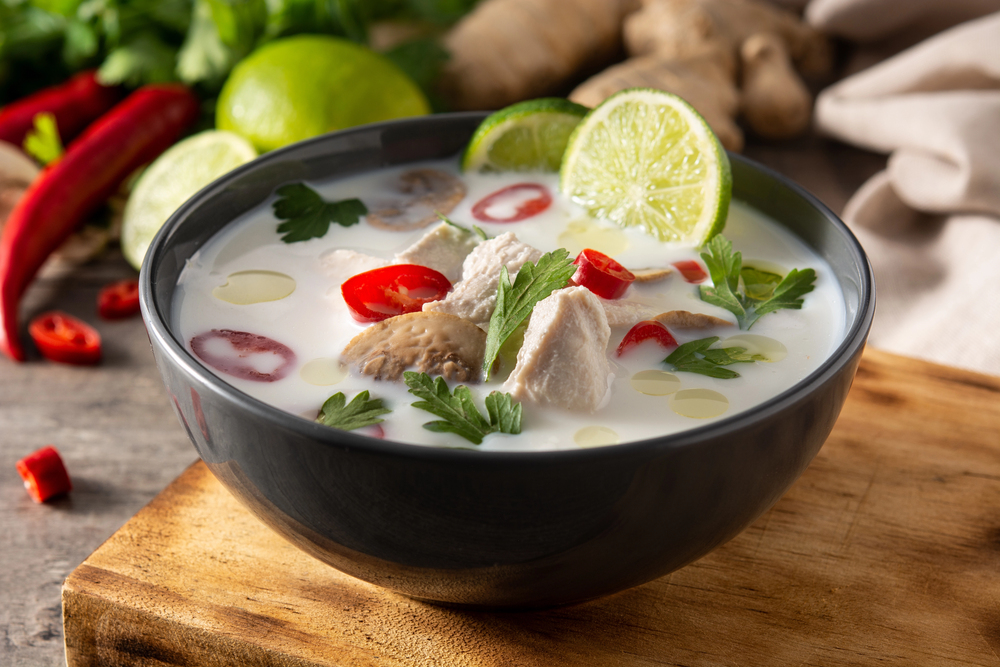
Coconut chicken soup offers a gentler introduction to Thai flavors than its tom yum cousin. Creamy coconut milk mellows the heat while galangal adds a subtle pine-like note that regular ginger can’t match.
Gaeng keow wan
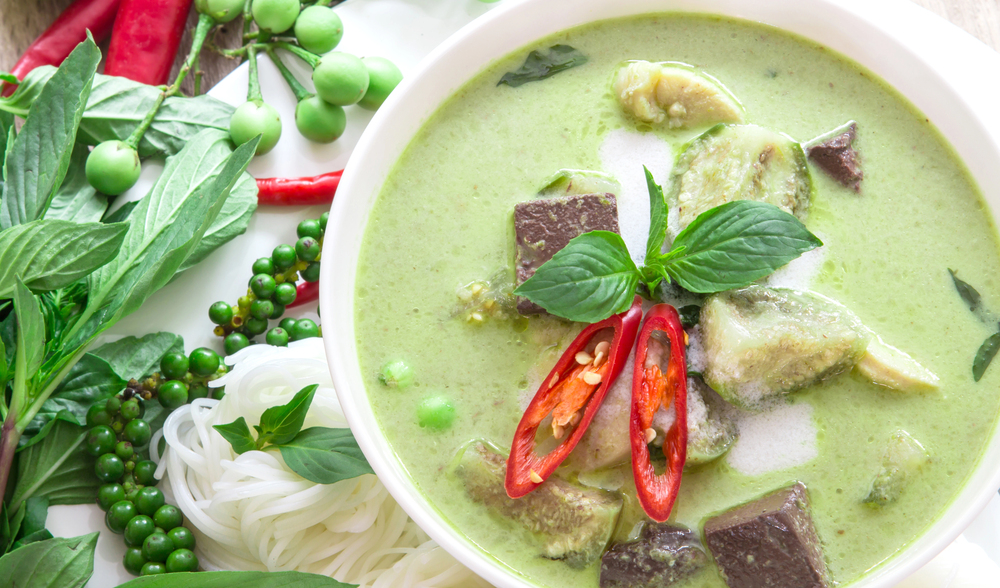
Green curry earns its reputation as Thailand’s spiciest curry. Fresh green chilies, Thai basil, and coconut milk create a sauce that’s simultaneously cooling and burning.
Most restaurants tone down the heat for foreign palates. Ask for “pet maak” if you want the real experience.
Khao pad sapparot
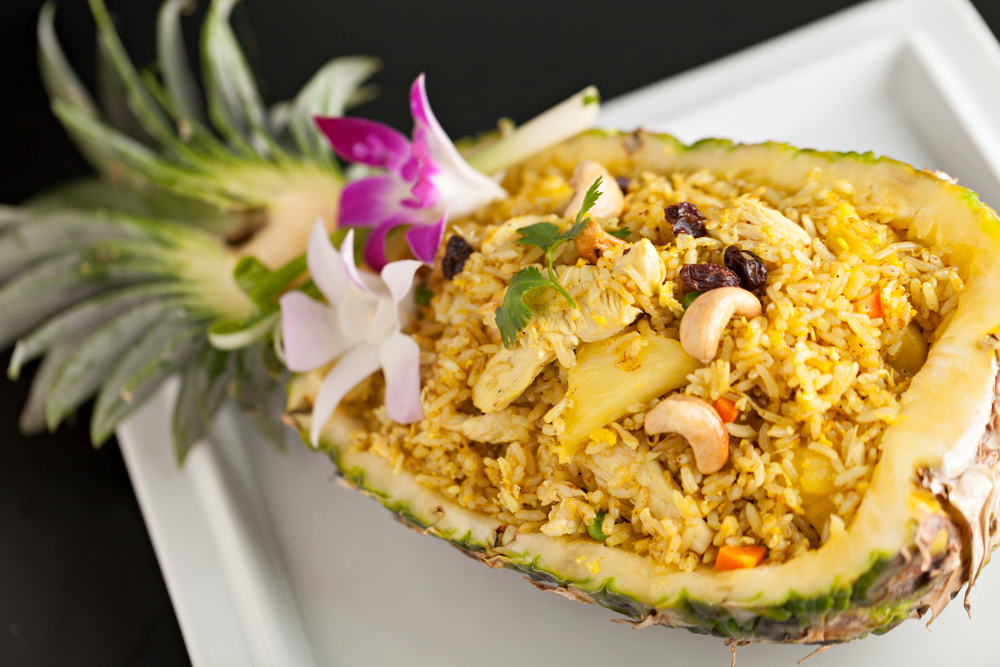
Pineapple fried rice arrives in a carved pineapple shell, but the presentation isn’t just for show. The fruit’s natural enzymes tenderize the rice while adding subtle sweetness that balances the salty fish sauce and dried shrimp.
Cashews and raisins add texture. Each grain of rice stays separate and perfectly seasoned.
Satay
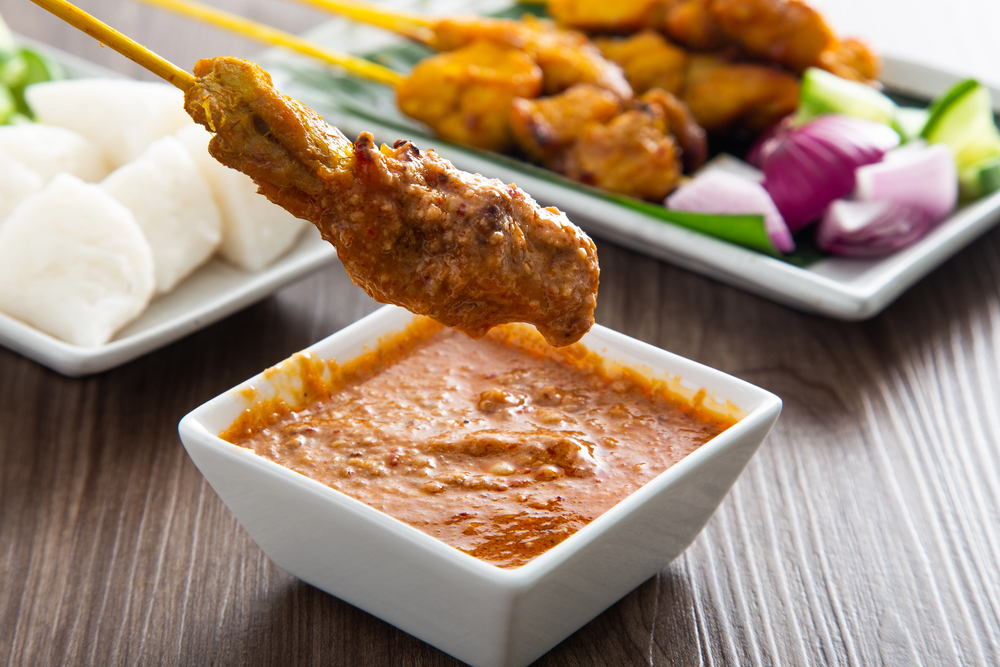
These grilled meat skewers predate Thailand’s borders, arriving with Muslim traders centuries ago. Thin strips of marinated chicken, beef, or pork cook over charcoal until slightly charred outside but still juicy inside.
The peanut dipping sauce steals the show. Rich, slightly sweet, with just enough spice to complement the smoky meat.
Kuay teow reua
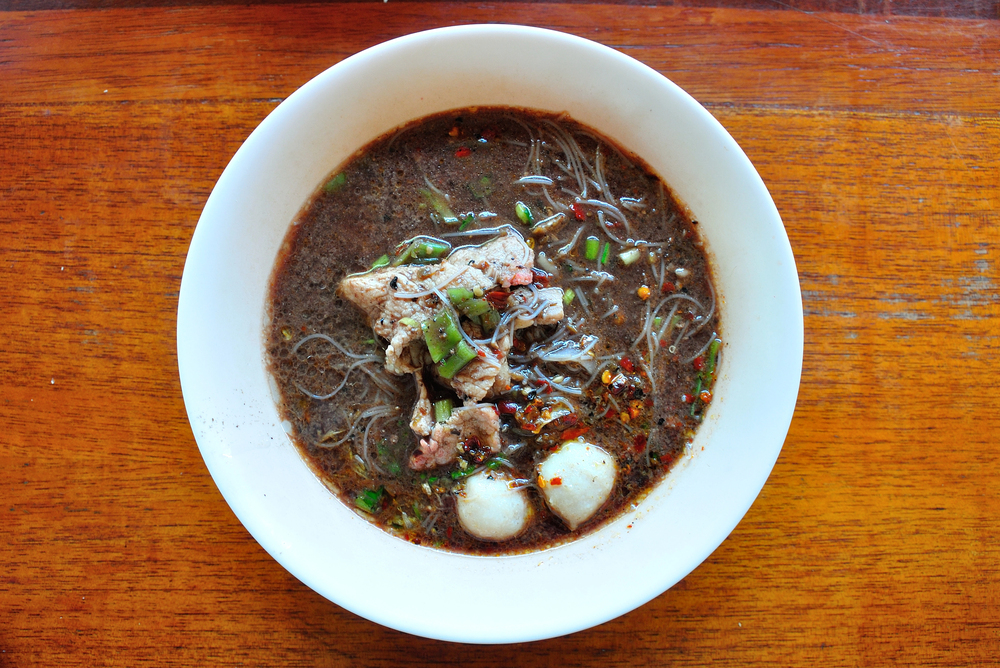
Boat noodles earned their name from vendors who sold them from floating markets. The dark, intensely flavored broth gets its color from pig’s blood and depth from hours of simmering beef or pork bones.
Small bowls encourage ordering multiple servings. Three or four different vendors means comparing broths and finding favorites.
Miang kham
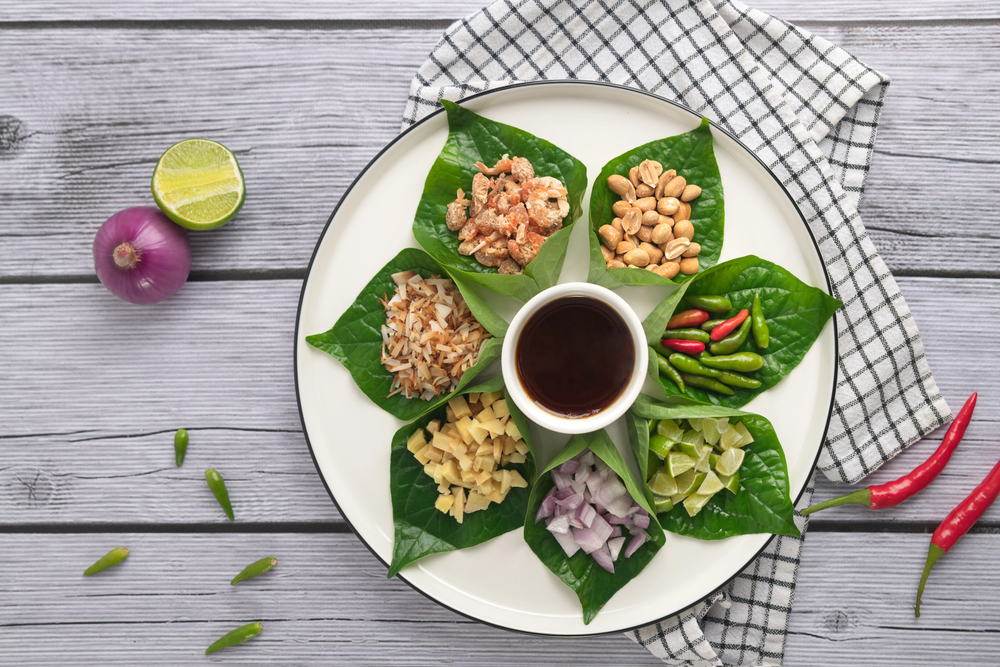
These one-bite appetizers challenge every assumption about Thai food. Betel leaves hold tiny portions of dried shrimp, peanuts, lime, ginger, chilies, and shallots, all bound together with a sweet and savory sauce.
Each component contributes a different flavor and texture. The leaf provides slight bitterness that balances the sweet sauce.
Khao tom
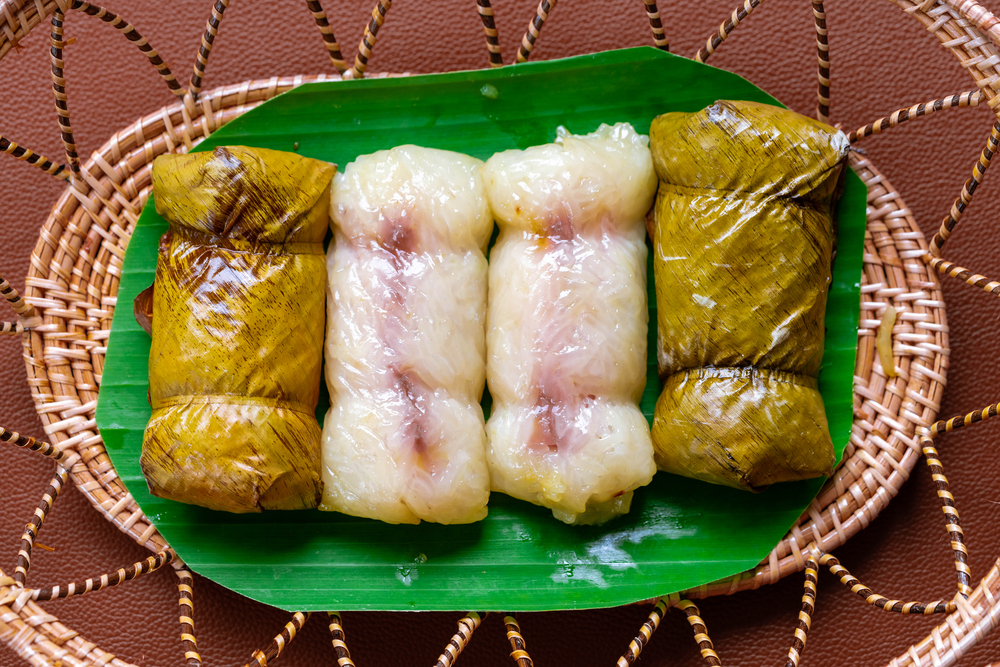
Rice porridge might sound boring, but Thailand’s version transforms comfort food into something special. Jasmine rice simmers until it breaks down into creamy consistency, then gets topped with fish, pork, or chicken and fresh herbs.
Street vendors serve it all night. Perfect for late dinners or early breakfasts.
I-tim kati
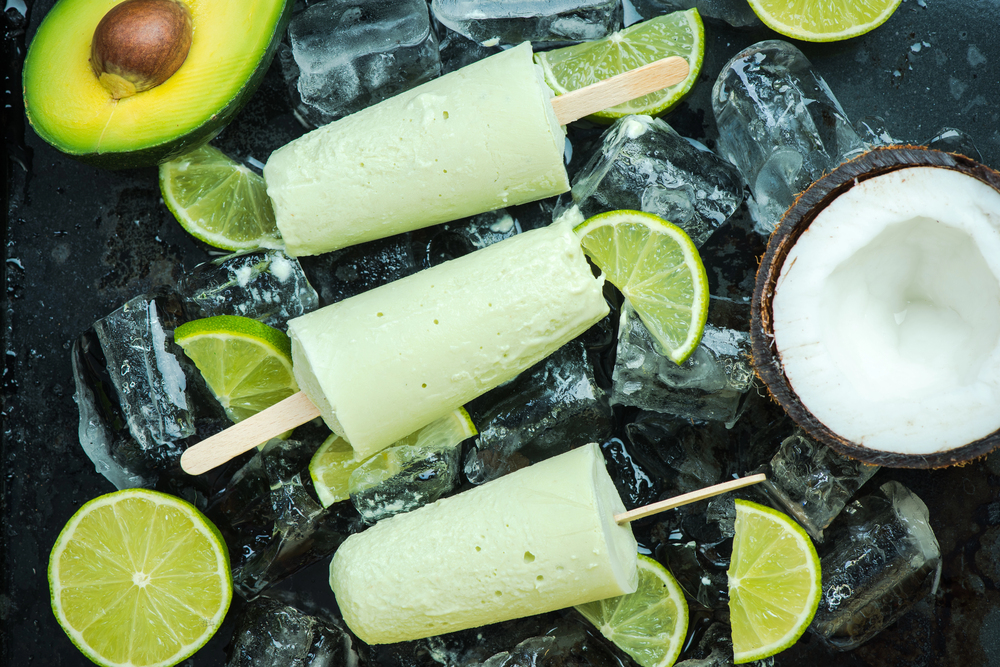
Coconut ice cream vendors push colorful carts through Bangkok’s streets, calling out in sing-song voices. The ice cream itself is simple—coconut milk, sugar, and sometimes pandan for green color.
But the toppings make it special. Sticky rice, corn kernels, red beans, and crushed peanuts create textural contrast against the smooth, rich ice cream.
Kanom krok
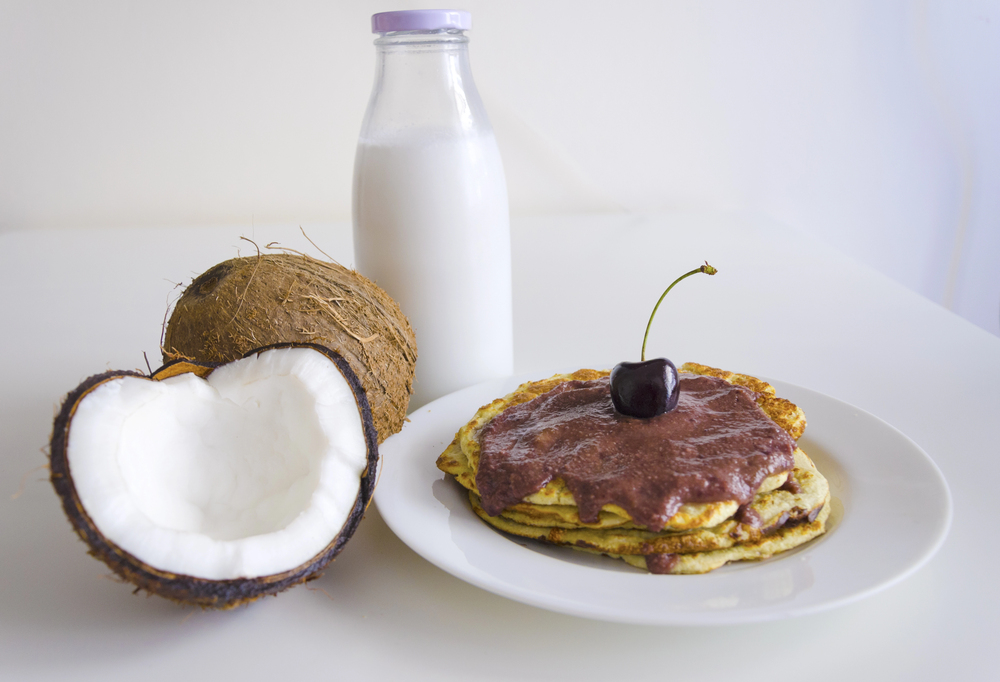
These coconut pancakes cook in special cast-iron pans with round indentations. The bottom stays crispy while the top remains soft and creamy.
Beyond the beaten path
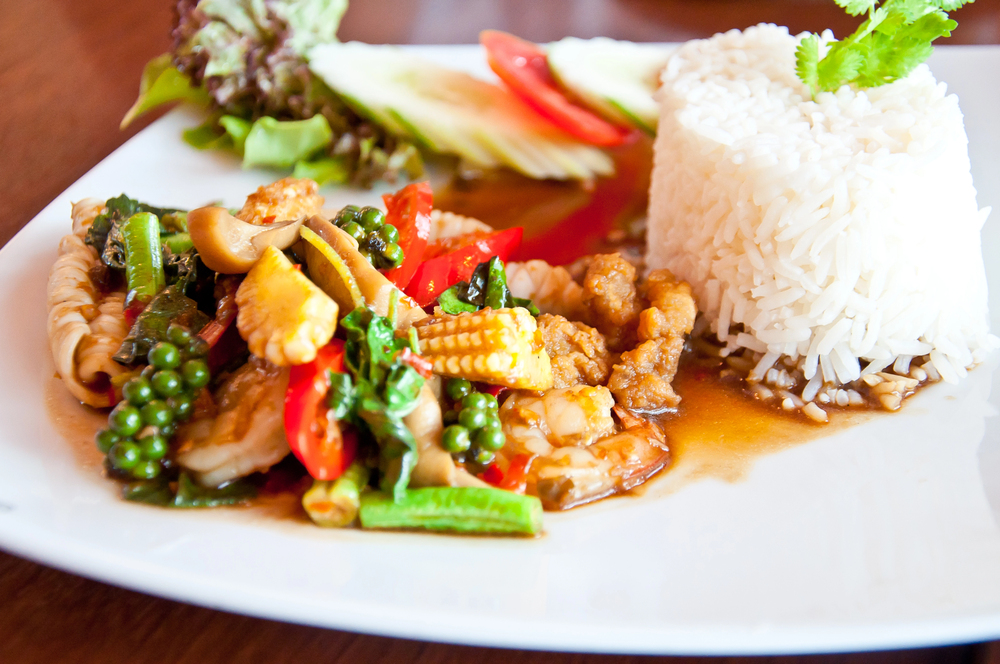
Thailand’s regional cuisines offer endless discoveries for adventurous eaters willing to look beyond the standard tourist menu. Each dish tells a story of geography, history, and the Thai people’s genius for balancing flavors that shouldn’t work together but absolutely do.
More from Travel Pug

- 20 Best Beach Towns in the Carolinas
- 13 Destinations Where Tourists Regularly Regret Their Trip
- 20 Things You Actually Get in First Class
- 20 Small Airports With Aviation Museums
- 20 Places in the U.S. That Are Perfect for a Reset Trip
Like Travel Pug’s content? Follow us on MSN.