

The backpacker havens of yesterday have become the budget-busters of today. Cities that once welcomed travelers with open arms and equally open wallets have transformed into destinations that require serious financial planning.
Between post-pandemic tourism surges, new tourist taxes, and soaring accommodation costs, the landscape of affordable travel has shifted dramatically. Here’s a list of once-cheap cities that have priced themselves out of reach for many travelers.
Prague

Prague used to be the crown jewel of budget travel in Europe. Not anymore.
The Czech capital has seen accommodation prices climb steadily, with mid-range hotels now charging what you’d expect to pay in Western Europe. A beer might still be cheaper than in Amsterdam, but everything else has caught up.
The historic center has become particularly expensive, with restaurants charging premium prices for views of the Old Town Square. Still, walking the cobblestone streets remains free.
Bali

The Indonesian island introduced a tourist levy of 150,000 IDR in early 2024. That’s on top of the visa-on-arrival fee that already existed. Accommodation prices have skyrocketed in popular areas like Seminyak and Ubud, with even basic guesthouses charging rates that would have seemed absurd five years ago.
The island saw severe flooding in September 2025 that disrupted tourism, but prices haven’t adjusted downward to compensate.
Locals joke that the only thing still cheap in Bali is the view.
Like Travel Pug’s content? Follow us on MSN.
Lisbon

Portugal’s capital was the escape route for travelers fleeing expensive Spanish cities. Those days are gone. Lisbon now ranks among the more expensive Western capitals, with costs roughly on par with Madrid.
The average tourist spends around $214 per day, significantly more than neighboring budget-friendly destinations. Short-term rental regulations have pushed accommodation prices higher, forcing visitors into traditional hotels that charge Western European rates.
The pastel de nata remains reasonably priced, at least.
Barcelona

The Catalan city has become a victim of its own popularity. Hotel prices have surged year-on-year, making 2024 and 2025 particularly difficult for budget-conscious travelers.
The average accommodation for two people runs about $207 nightly. Food costs have climbed alongside lodging, with even casual dining becoming an expensive proposition.
The city’s efforts to combat overtourism have included measures that inadvertently drove prices higher. And the beach is still crowded. Still beautiful, but crowded.
Bangkok
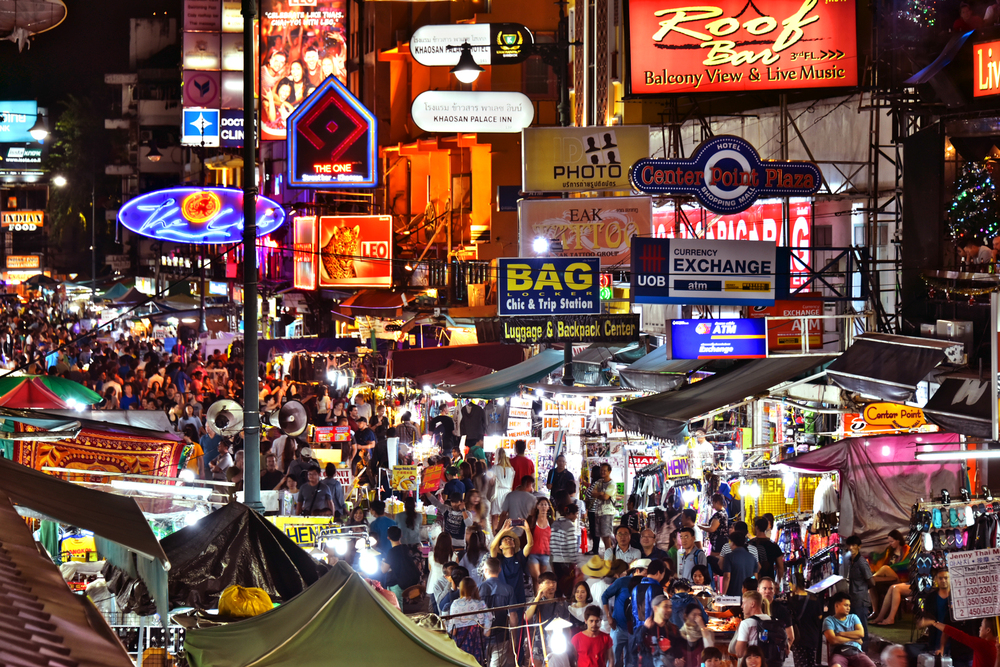
Thailand’s capital faces a complex pricing situation. The strong baht has made the city more expensive for foreign visitors, particularly Americans who’ve seen their purchasing power decline.
Tourist areas like Khao San Road no longer offer the dirt-cheap accommodations they once did. While street food remains affordable, mid-range restaurants now charge prices comparable to other major Asian cities.
Air pollution in early 2025 reached dangerous levels, adding health concerns to the financial ones.
Like Travel Pug’s content? Follow us on MSN.
Tokyo
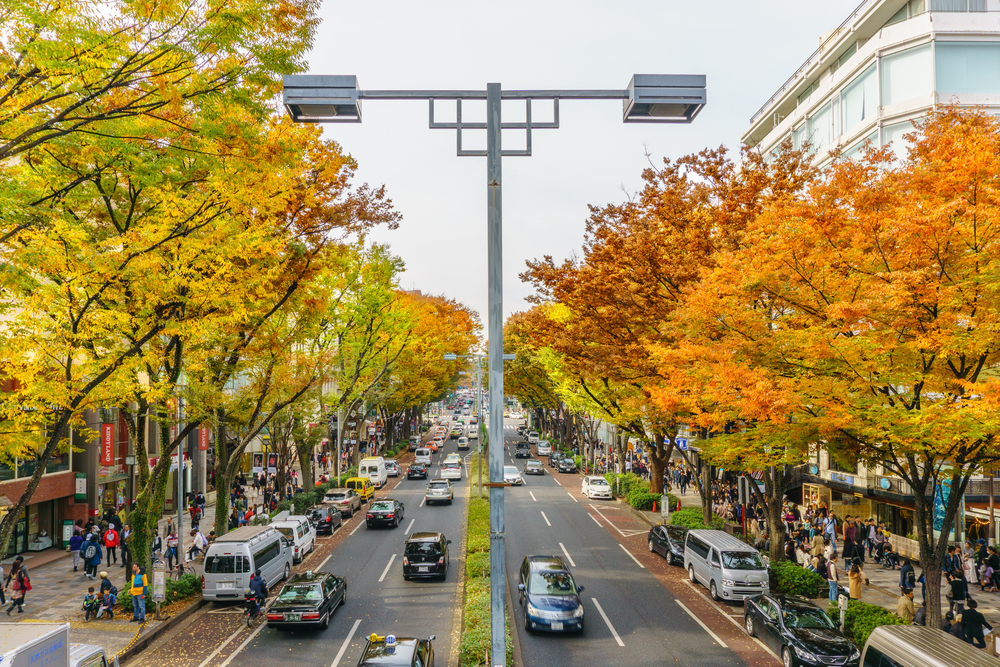
Flight prices to Japan’s capital increased 2% in 2024 compared to the previous year. The once-affordable accommodation and food that made Tokyo attractive despite expensive airfare have climbed significantly.
A round-trip ticket now averages $1,372 during summer months. The weak yen provided some relief, but not enough to offset the overall increase in costs. Tokyo has transformed from a surprisingly affordable mega-city to one that requires substantial budgeting.
Not great for anyone hoping to explore on a shoestring.
Budapest

Hungary’s capital used to be mega cheap according to travelers from just a few years ago. The cost of a simple date in Budapest rose 45% between 2020 and 2025 in euro terms.
That’s one of the highest increases in Europe. Hotel prices have been climbing steadily, with guidebooks from 2007 and 2008 listing prices routinely 20% lower than current rates. The city remains cheaper than Vienna or Prague, but the gap has narrowed considerably.
Consider these expenses:
- Mid-range hotel: formerly $50/night, now $70+
- Restaurant meals: increased 20-30% since 2019
- Attraction tickets: doubled in many cases
Paris

France’s capital was never truly cheap, but it’s become increasingly expensive. The 2024 Olympics pushed tourist taxes to more than double their previous levels.
Accommodation prices soared across all categories in preparation for the games. The daily average cost to visit Paris hovers around $250, though this climbs higher when staying centrally.
Dining in fancy restaurants pushes the budget even further. The living cost crisis has made the city unaffordable for many who once dreamed of a Parisian escape.
Like Travel Pug’s content? Follow us on MSN.
Amsterdam
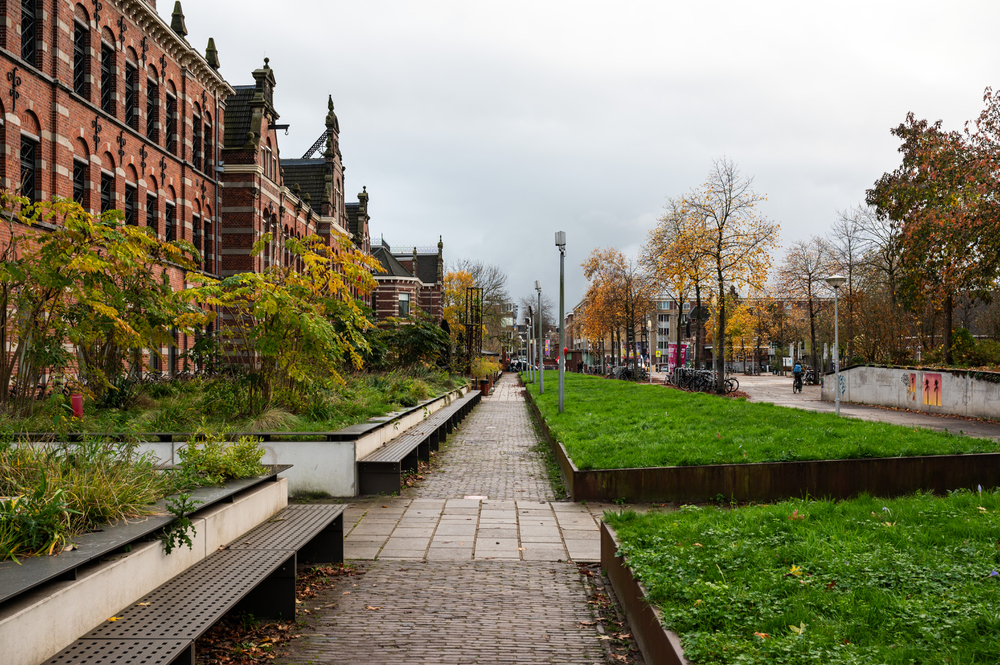
The Netherlands raised Amsterdam’s tourist tax from 7% to 12.5% in 2024, making it the highest in Europe. The city government wanted to address overtourism consequences and direct resources toward street cleaning and neighborhood issues.
Average accommodation costs are among the highest in Europe at around $290 per night for basic lodging. The charm of the canals comes with a hefty price tag. Coffee shops and restaurants have followed the upward pricing trend.
Dubai
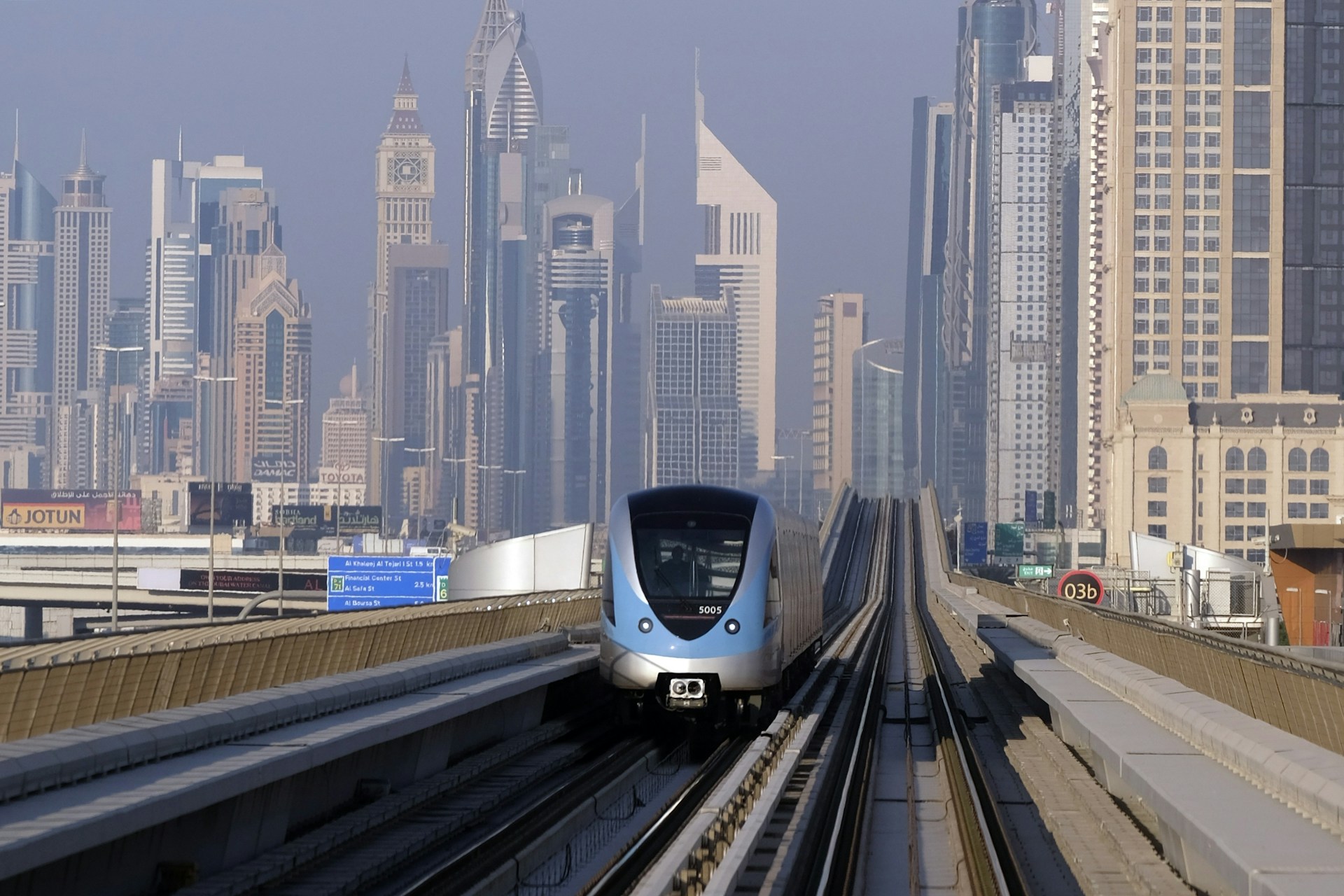
The desert city has always leaned toward luxury. But the increasing total cost has become unfathomable for many travelers in recent years.
Hotels in Dubai average a minimum of $340 per night for double occupancy. That’s just the starting point before adding dining, attractions, and transportation.
The cost of experiencing the gold-plated excess that defines Dubai has climbed beyond what most tourists can justify, even for those with decent budgets. Could be worse, but it’s still prohibitively expensive.
New York City

The city that never sleeps has become the city that never stops charging. NYC ranks as the priciest among the world’s most-visited large cities.
Strict crackdowns on short-term rental laws have reduced accommodation supply, forcing tourists into traditional hotels with premium rates. Entrance fees to attractions, restaurant prices, and transportation costs have all increased.
The average cost for a one-night stay rivals or exceeds European capitals. The afternoon light hitting the skyscrapers is spectacular, though it won’t soften the blow to your wallet.
Like Travel Pug’s content? Follow us on MSN.
Venice

Italy’s floating city implemented a 5-euro day-trip fee for certain days between April and July 2024. That fee is set to double to 10 euros in 2025 for visitors who haven’t prepaid.
The city has long struggled with overtourism, and these new restrictions came alongside already expensive accommodation and dining costs. Venice was never budget-friendly, but it’s crossed into territory where even a brief visit requires significant financial planning.
Porto
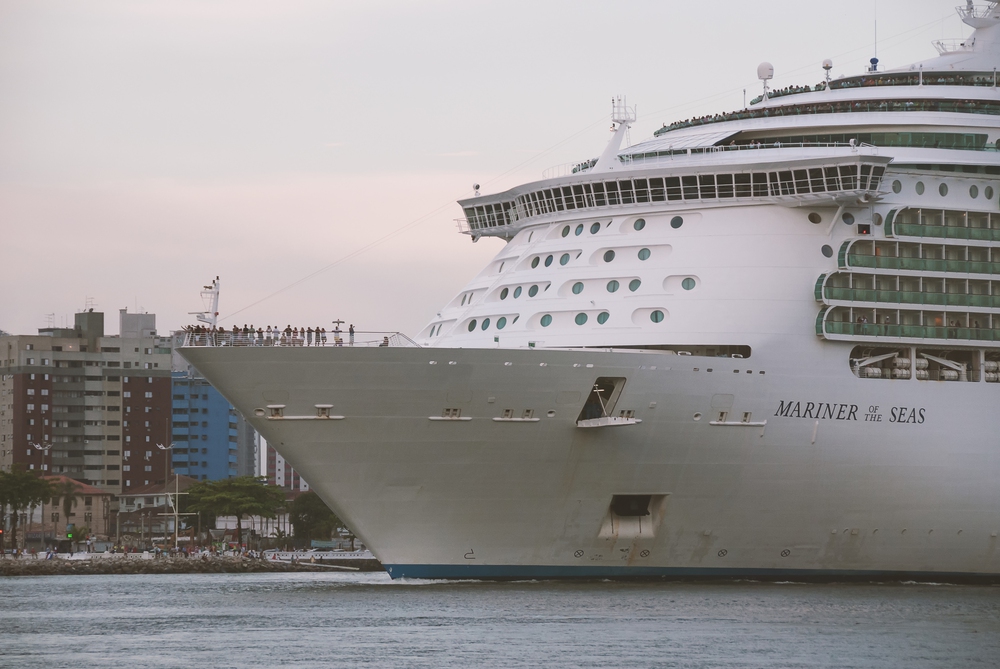
Portugal welcomed over 30 million visitors to Porto in 2023, breaking previous tourism records. The surge in popularity has driven accommodation rates and dining costs upward.
Travelers planning a 2024 or 2025 visit should prepare for increases in nearly every expenditure category. The city’s status as a budget alternative to Lisbon has eroded as both destinations saw similar price escalations.
Wine tasting in the Douro Valley remains a highlight, but getting there costs more than before.
Rome

The Italian capital saw hotel costs rise dramatically, with one-night stays now costing around $383 for decent accommodations. Budget-conscious travelers who shop around might find double occupancy rooms for approximately $191, but even that requires advance planning and flexibility.
Food prices have increased alongside lodging. The city’s average costs have climbed to levels that make it challenging for ordinary travelers to visit without substantial savings.
Like Travel Pug’s content? Follow us on MSN.
Istanbul
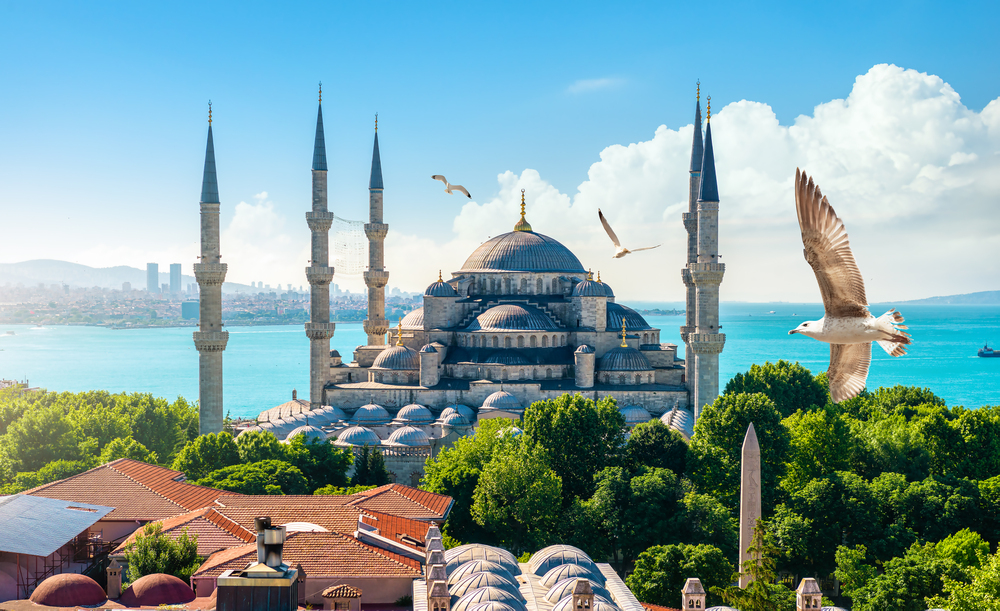
Tourist attractions in Turkey’s largest city saw entrance fees double or triple in early 2024. The Hagia Sophia now charges 25 euros for entry. Galata Tower costs 650 Turkish lira ($22).
Topkapi Palace entrance runs 1,500 lira ($50). These represent massive increases from just two years prior. While the weakening Turkish lira once made Istanbul a bargain, inflation and increased tourism fees have eliminated much of that advantage.
The date scene got 84% more expensive in euro terms between 2020 and 2025.
The reality of modern travel

These cities haven’t lost their appeal. They’ve just priced out a generation of travelers who once counted on them as affordable alternatives.
The shift reflects broader tourism industry changes, overtourism backlash, and post-pandemic economic realities that have reshaped the travel landscape entirely.
More from Travel Pug

- 20 Best Beach Towns in the Carolinas
- 13 Destinations Where Tourists Regularly Regret Their Trip
- 20 Things You Actually Get in First Class
- 20 Small Airports With Aviation Museums
- 20 Places in the U.S. That Are Perfect for a Reset Trip
Like Travel Pug’s content? Follow us on MSN.