

Most travelers dream of escaping traffic jams and exhaust fumes, but few realize that dozens of places around the world have already made that dream permanent. These destinations banned cars decades ago—some over a century—and never looked back.
Here’s a list of hidden car-free destinations where the only horn you’ll hear belongs to a donkey, and the fastest thing moving is probably you on a bicycle.
Mackinac Island
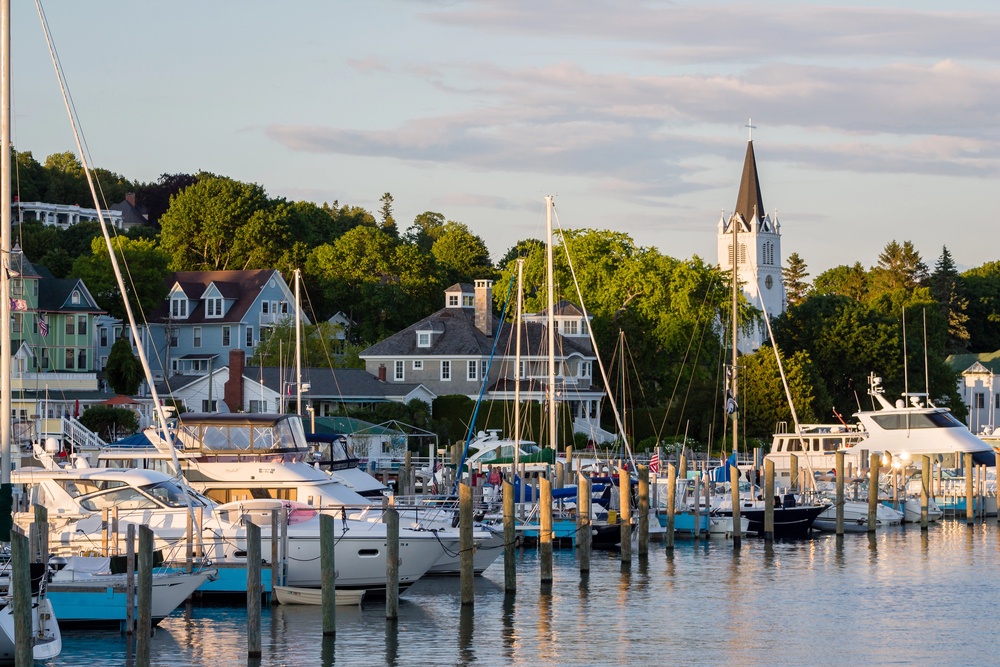
Motor vehicles have been banned on this Michigan island since 1898. Not 1998. 1898. The ban came after locals complained that newfangled automobiles were terrifying their horses.
Over a century later, horse-drawn carriages still outnumber golf carts, and the air smells like fudge instead of gasoline. Visitors arrive by ferry and explore eight miles of shoreline roads on bikes or on foot.
Victorian homes line the streets, their porches angled toward Lake Huron. The island produces ridiculous amounts of fudge—over 10,000 pounds daily during peak season—and tourists waddle between shops sampling maple walnut and chocolate peanut butter varieties.
Zermatt
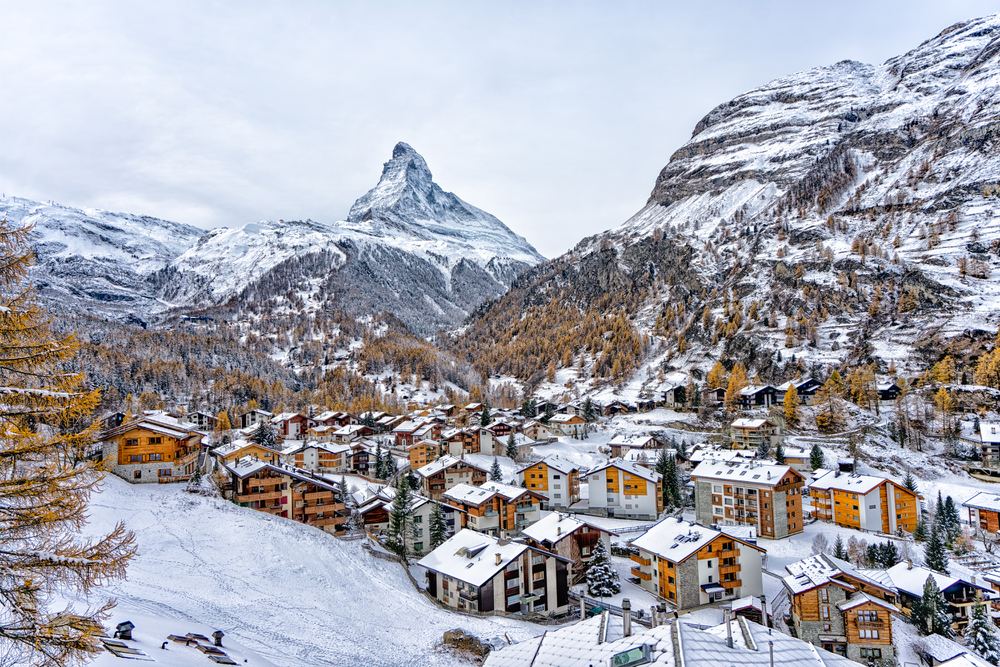
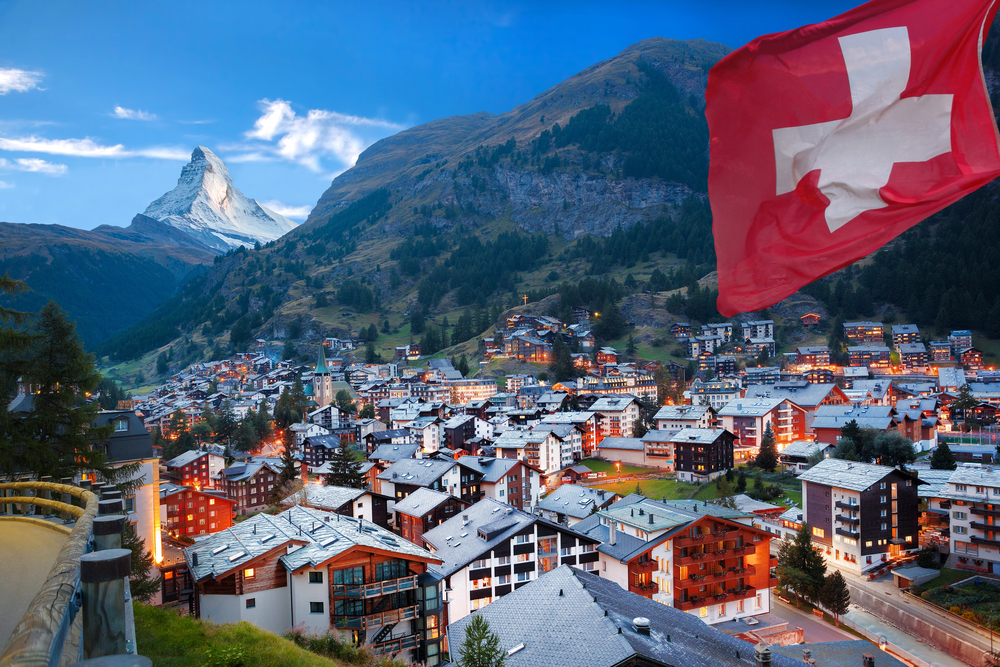
This Swiss village sits at the base of the Matterhorn, and cars have been prohibited since 1931. Electric taxis hum through cobblestone streets instead.
Reaching Zermatt requires taking the Glacier Express train through mountain passes so scenic they feel engineered for Instagram. Once there, visitors wander past centuries-old wooden chalets and modern ski lodges. Horse-drawn sleighs replace Ubers in winter.
The village enforces its combustion-free policy strictly—even delivery trucks run on batteries. Skiers and hikers come for access to over 200 miles of trails. But really, they come for air so clean it tastes alpine.
Like Travel Pug’s content? Follow us on MSN.
Venice
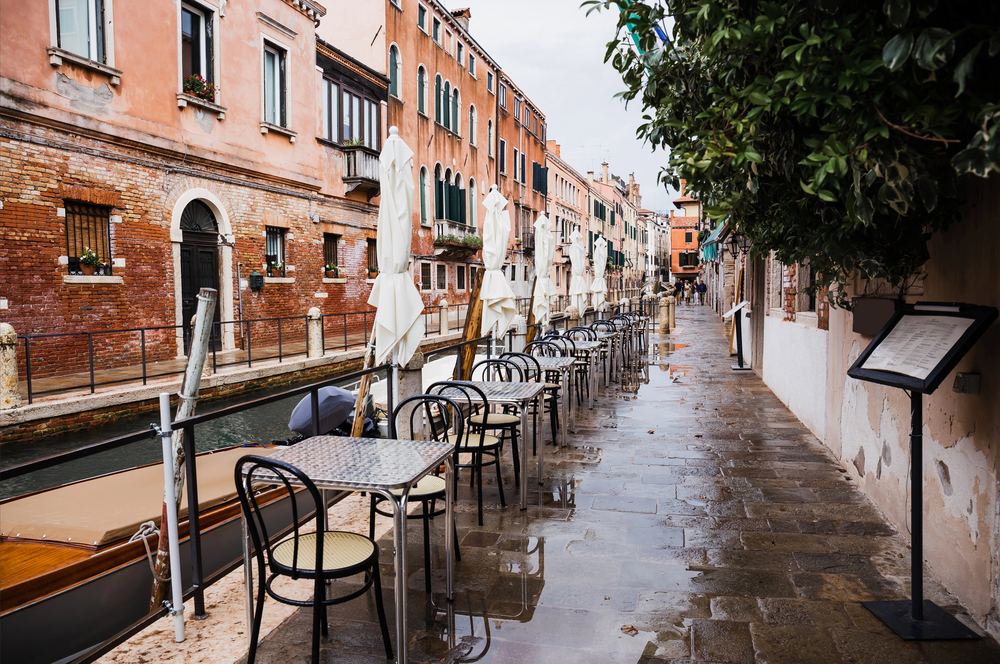
Europe’s largest car-free urban area floats on 118 islands connected by 400 bridges. Cars physically can’t exist here—the streets are water.
Gondoliers navigate narrow canals between Renaissance palaces while water taxis ferry commuters to work. Walking remains the primary mode of transport, though getting lost in the maze of alleyways feels less like a problem and more like the point.
St. Mark’s Basilica gleams with gold mosaics. The smell of cicchetti—Venetian tapas—drifts from bacari wine bars. Around 350 gondolas still operate, their black hulls slicing through murky green water.
Venice floods regularly now, and locals stack wooden platforms in doorways like it’s no big deal.
Hydra
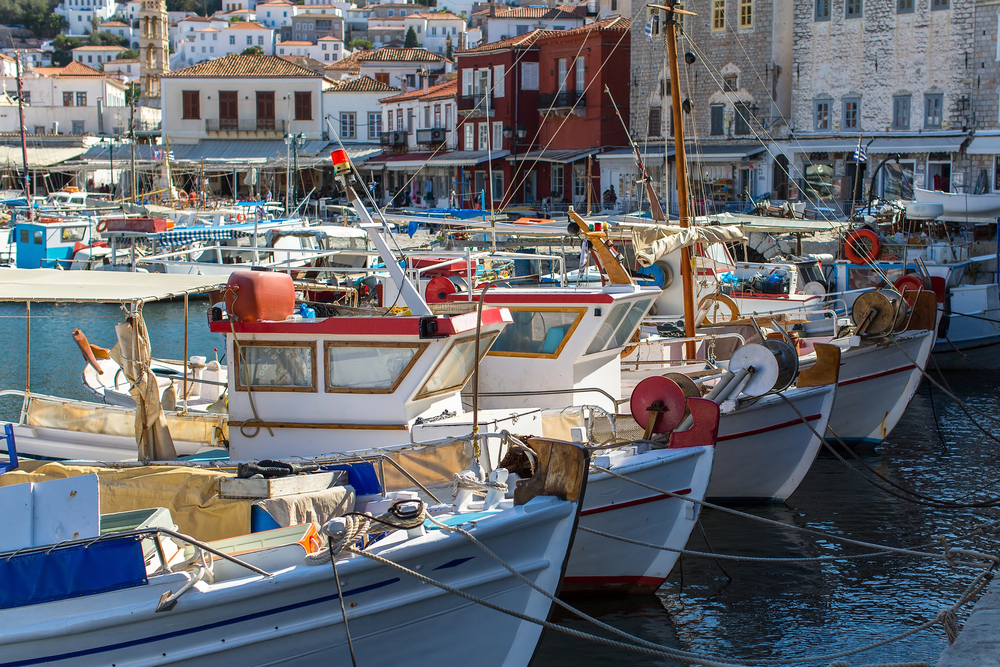
No cars, no motorcycles, not even bicycles on this Greek island in the Saronic Gulf. Just donkeys clip-clopping up marble staircases.
Artists and writers discovered Hydra in the 1960s, drawn by the quietude and cheap rent. Leonard Cohen lived here. The harbor curves in a perfect horseshoe, ringed by stone mansions with terracotta roofs.
Donkeys transport everything from luggage to building supplies up steep pathways to hillside homes. The island’s protection as an architectural reserve means construction stays frozen in time—no modern buildings allowed.
Sunsets turn the Aegean turquoise-to-gold. You can hear conversations three streets away because there’s nothing else to hear.
Fes el Bali

Over 9,000 alleyways twist through this Moroccan medina, and none are wide enough for cars. Some barely fit two people walking sideways.
The medieval walled city contains the world’s oldest continuously operating university, founded in 859 AD. Donkeys carry goods through passages that haven’t changed in centuries.
Leather tanneries still dye hides in stone vats using methods from the Middle Ages—the smell hits you three blocks away. Street vendors sell everything: spices in pyramid-shaped piles, hand-hammered copper lamps, fresh-baked msemen bread.
Getting lost here is mandatory. The medina employs official guides, but half the joy comes from wandering until you stumble onto a hidden courtyard fountain.
Like Travel Pug’s content? Follow us on MSN.
Giethoorn
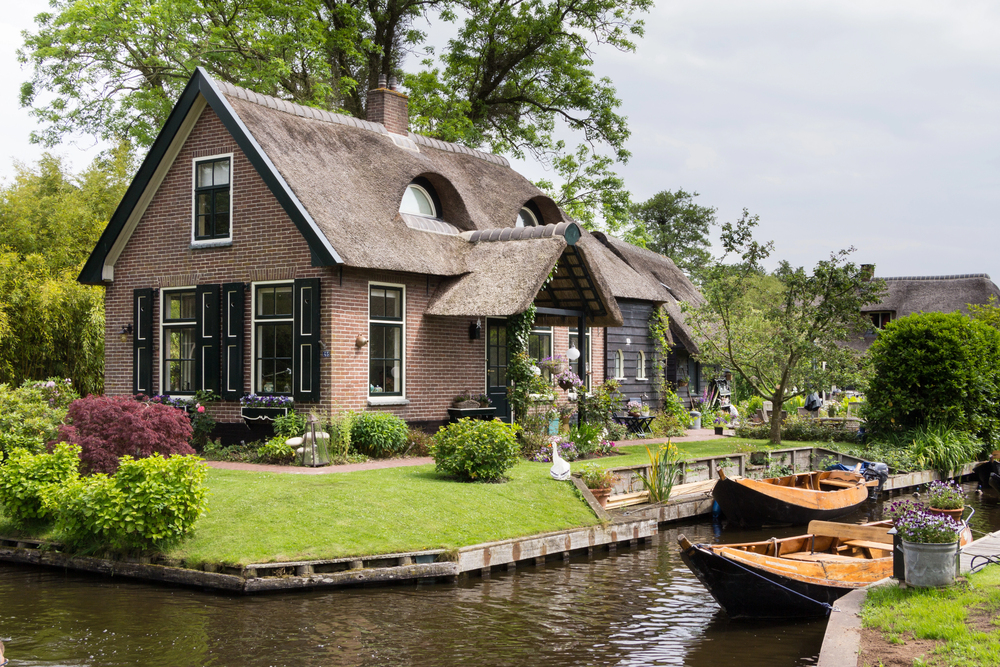
This Dutch village has no roads. Instead, 55 miles of canals connect thatched-roof farmhouses that look stolen from a fairy tale.
Locals call it “Venice of the North,” though Giethoorn predates the comparison by staying consistently charming without the tourist circus. Residents travel by whisper-quiet electric boats or bicycles on narrow paths.
The village sits within Weerribben-Wieden National Park, surrounded by reed beds and wetlands. Population hovers around 2,600. You can hear ducks quacking, wind rustling through reeds, and absolutely nothing else.
Wooden arch bridges—over 180 of them—connect properties. In winter, frozen canals become ice-skating highways.
Fire Island
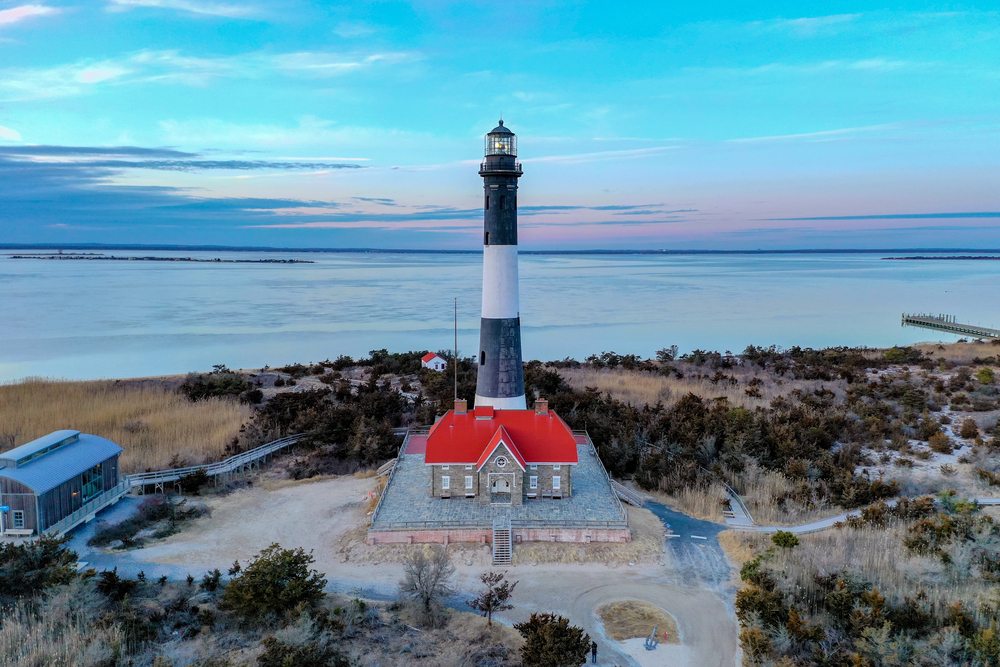
This 32-mile barrier island off Long Island has no cars and no paved public roads. Emergency vehicles only.
Robert Moses State Park anchors the western end with five miles of Atlantic-facing beach. The eastern communities of Cherry Grove and Fire Island Pines have served as LGBTQ+ havens since the 1950s.
Boardwalks replace sidewalks. Residents pull grocling carts and Radio Flyer wagons instead of driving SUVs. The 1858 lighthouse still operates—182 steps to the top reward climbers with views of the Manhattan skyline on clear days.
Ferries from Bay Shore run year-round. Deer wander through the maritime forest like they own it. Which, essentially, they do.
Lamu Island
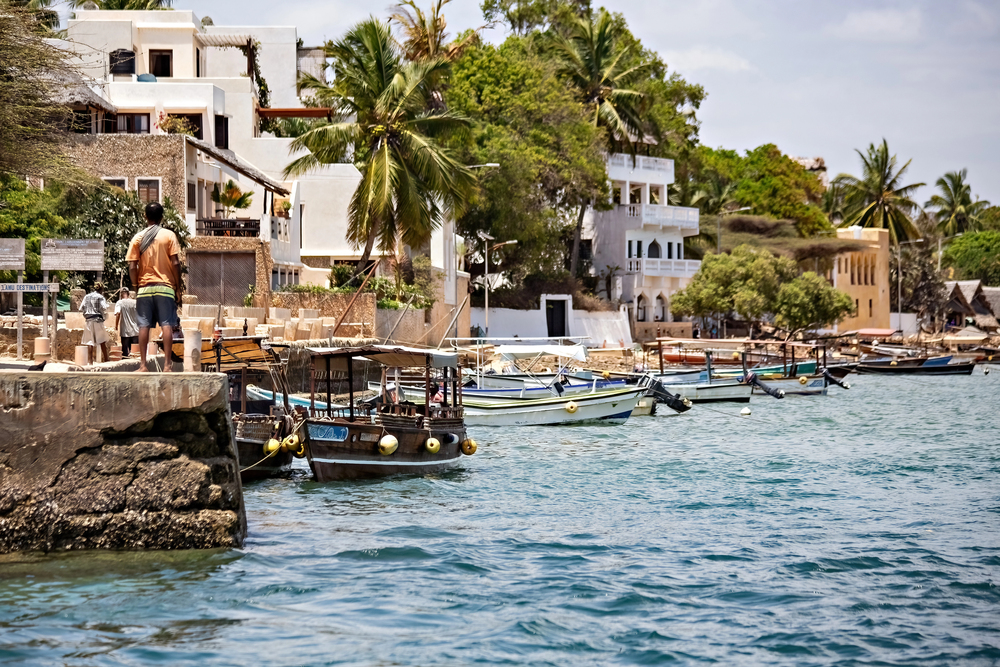
Donkeys outnumber people in this Swahili town off Kenya’s coast, where cars never caught on because streets weren’t designed for them. Built in the 14th century, Lamu’s coral stone buildings and carved wooden doors earned it UNESCO World Heritage status.
Arab, Persian, Indian, and European traders all left their mark here. The architecture reflects centuries of cultural mixing. Traditional dhow boats with triangular sails transport goods between islands.
Locals speak Swahili with an accent so distinct linguists study it—words like “ort” (ought) echo Old English dialects. The old town feels suspended in the 1700s.
Except for the smartphones. Those made it through just fine.
Like Travel Pug’s content? Follow us on MSN.
Bald Head Island
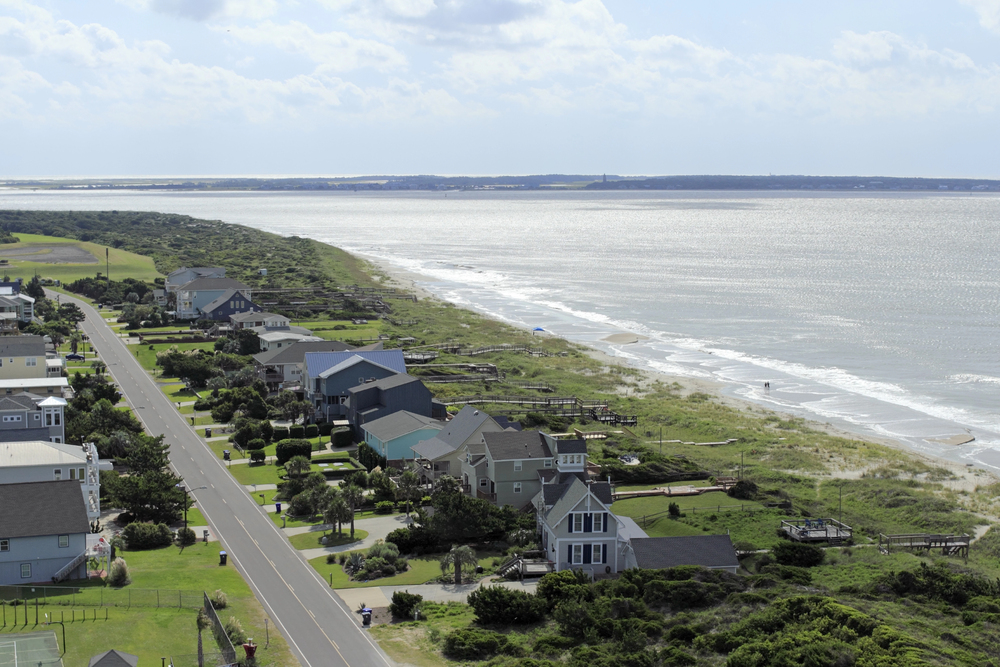
Fourteen miles of beach and 10,000 acres of nature preserve occupy this North Carolina island accessible only by ferry. Golf carts and bikes only.
The 20-minute crossing from Southport leaves car culture behind. Old Baldy Lighthouse, North Carolina’s oldest still standing, dates to 1817.
Maritime forests shelter loggerhead turtle nesting sites. The Cape Fear River meets the Atlantic here in a turbulent convergence that gives the cape its ominous name.
About 300 year-round residents live here, swelling to a few thousand in summer. The island enforces quiet after 10 PM. Not that there’s much noise to enforce against.
Halibut Cove
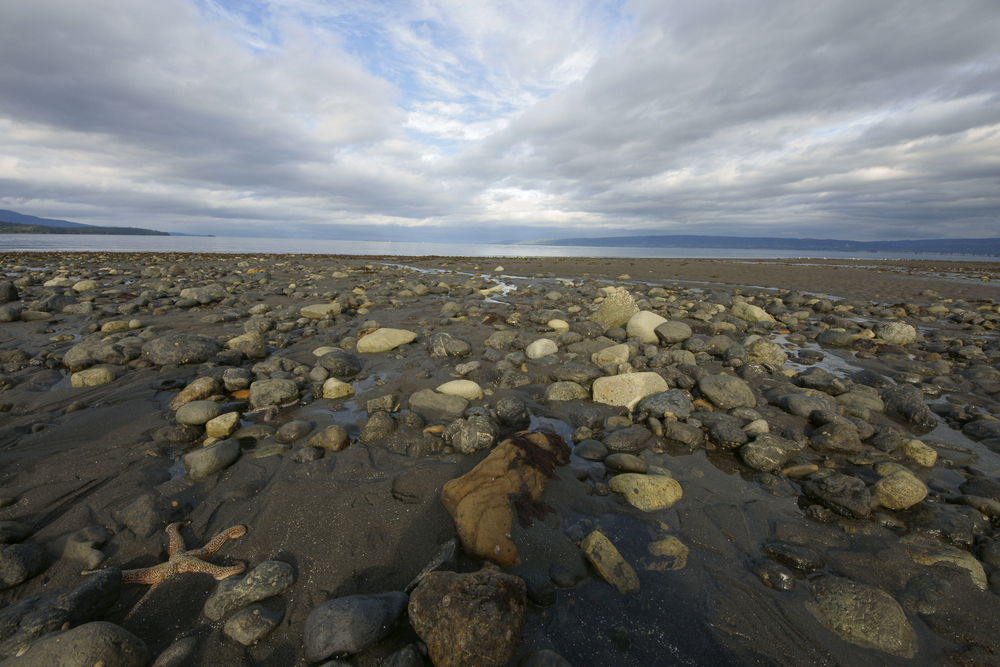
Ninety permanent residents inhabit this Alaskan village reachable only by boat from Homer across Kachemak Bay. One of the few floating post offices in the United States bobs in the harbor—mail delivered to a dock instead of a mailbox feels appropriately Alaskan.
Art galleries operate out of converted fishing cabins. The cove attracted artists decades ago, and they never left.
Boardwalks connect homes built on pilings over the water. High tide lifts boats; low tide exposes mudflats where otters hunt. The community banned cars partly because there’s nowhere to drive and partly because why ruin a good thing.
Summer brings 20-hour days. Winter drops to 6. Everyone owns rain boots.
Civita di Bagnoregio
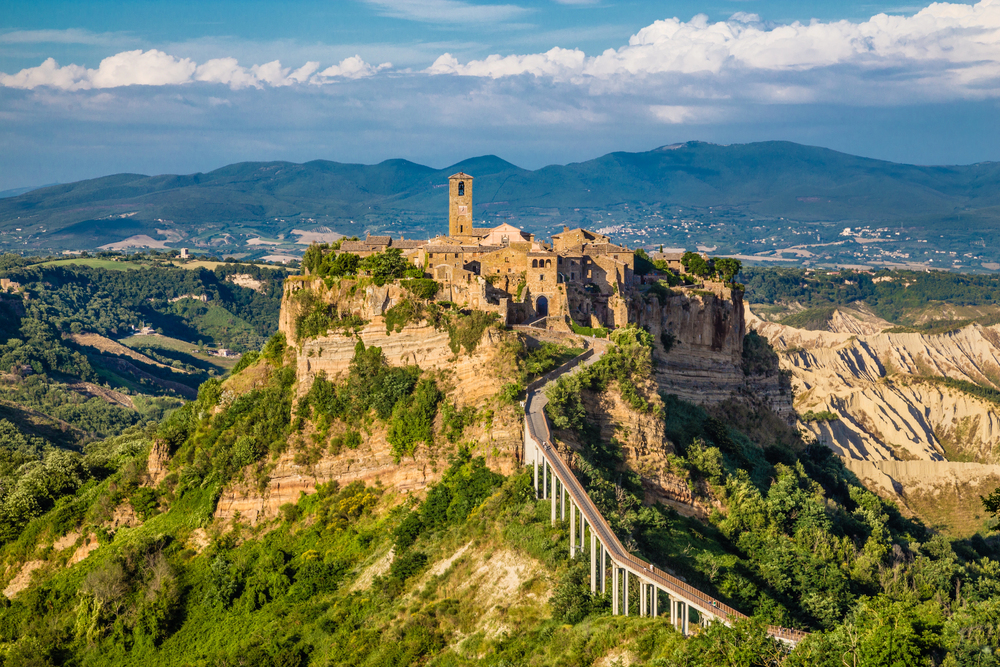
A footbridge provides the only access to this Italian hill town perched on eroding volcanic rock. Cars would be problematic even if they were allowed, given the 1,000-foot pedestrian span leading in.
The town overlooks a vast canyon in central Italy’s Lazio region. Erosion claims inches of cliff face annually—the town may not exist in a few centuries. A dozen permanent residents remain.
Tourists trek across the bridge to photograph medieval stone houses and eat lunch at family-run trattorias. The nickname “The Dying City” sounds dramatic until you see how the ground literally crumbles away. Still worth visiting. Could be worse.
Like Travel Pug’s content? Follow us on MSN.
Sark
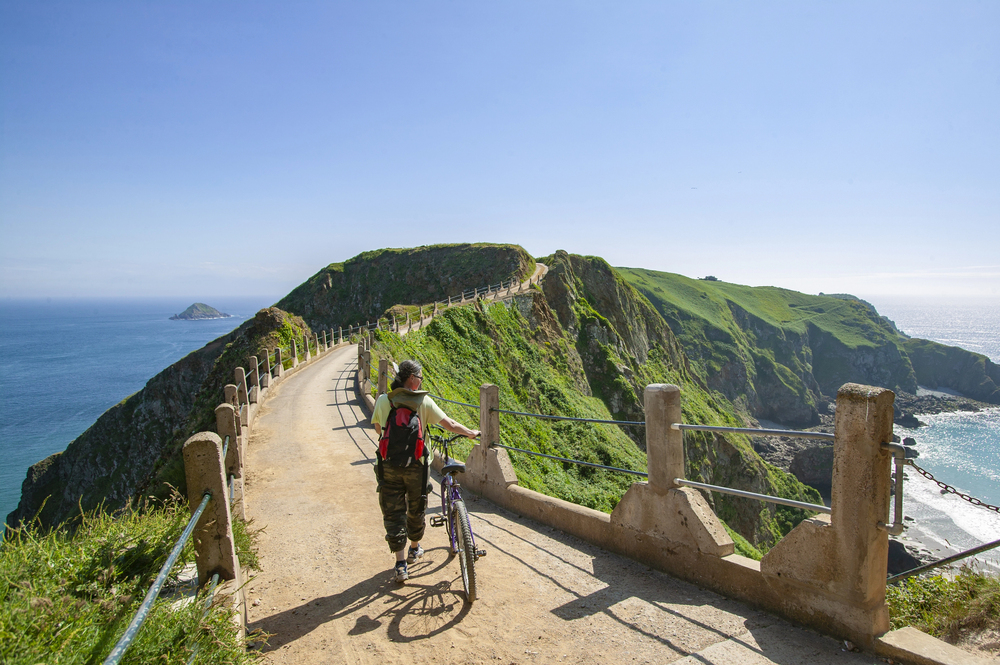
One of the Channel Islands maintains policies straight from the 19th century: no cars, no streetlights, no airport. Horse-drawn carriages and tractors only.
The island government banned cars in the 1960s, though they were never common anyway on an island measuring just 2.1 square miles. Bicycles work better.
Dark sky status makes Sark one of Earth’s best stargazing locations—the Milky Way stretches wall-to-wall on clear nights. Rugged cliffs plunge into the English Channel. The feudal system technically still operates here, with a hereditary Seigneur who pays rent to the Crown in the form of… two chickens. Democracy arrived in 2008.
Cinque Terre
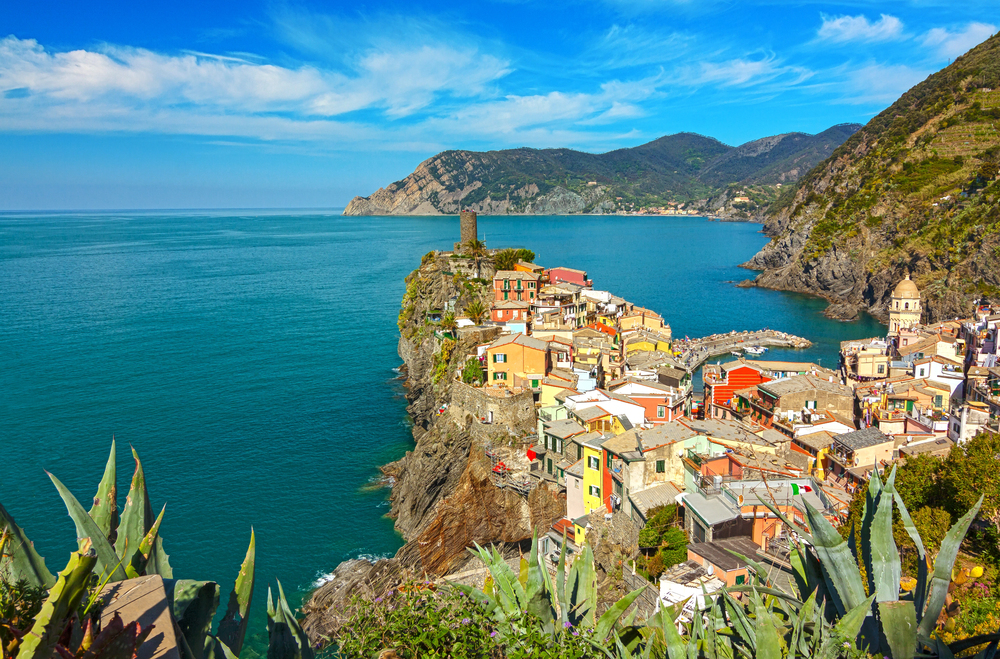
Five cliff-hugging Italian villages along the Ligurian coast connected by hiking trails and a train line—but no roads between them. Cars can reach each village individually, but they’re essentially useless once you arrive.
Pastel houses stack up hillsides like Tetris blocks. Riomaggiore, Manarola, Corniglia, Vernazza, and Monterosso each maintain distinct personalities despite being minutes apart by train. The Blue Trail hiking path links all five, offering views of terraced vineyards plunging toward impossibly blue Mediterranean water.
Locals have farmed these vertical slopes for over a thousand years. The villages became car-light by geography and stayed that way by choice. Fresh seafood tastes better when you have to hike to get it.
Rottnest Island
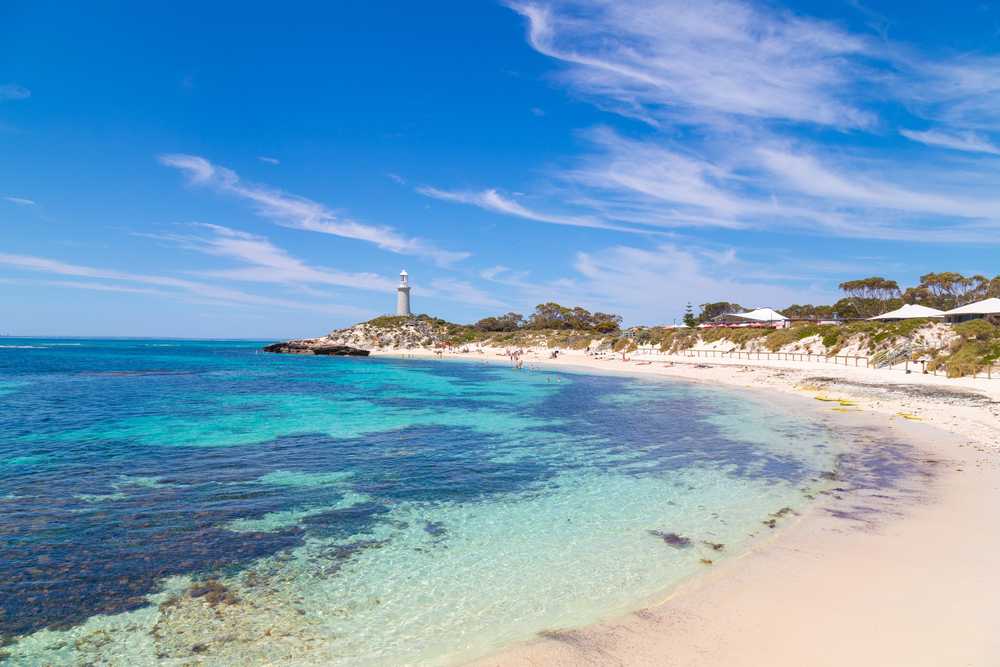
Australia’s most famous car-free island sits 11 miles off Perth’s coast, populated mostly by quokkas—small marsupials with permanent smiles. Their happiness probably relates to the lack of cars trying to run them over.
The island spans 7.4 square miles of beaches, bays, and bike paths. Visitors rent bicycles or take the bus. Sixty-three beaches mean you can find a deserted cove without trying hard.
Swimming, snorkeling, and photographing quokkas fill most itineraries. The animals approach humans expecting food, creating selfie opportunities that broke the internet in 2013.
Settlement Bay housed a prison in the 1800s. Now it houses Instagram influencers. Progress.
Like Travel Pug’s content? Follow us on MSN.
Caye Caulker
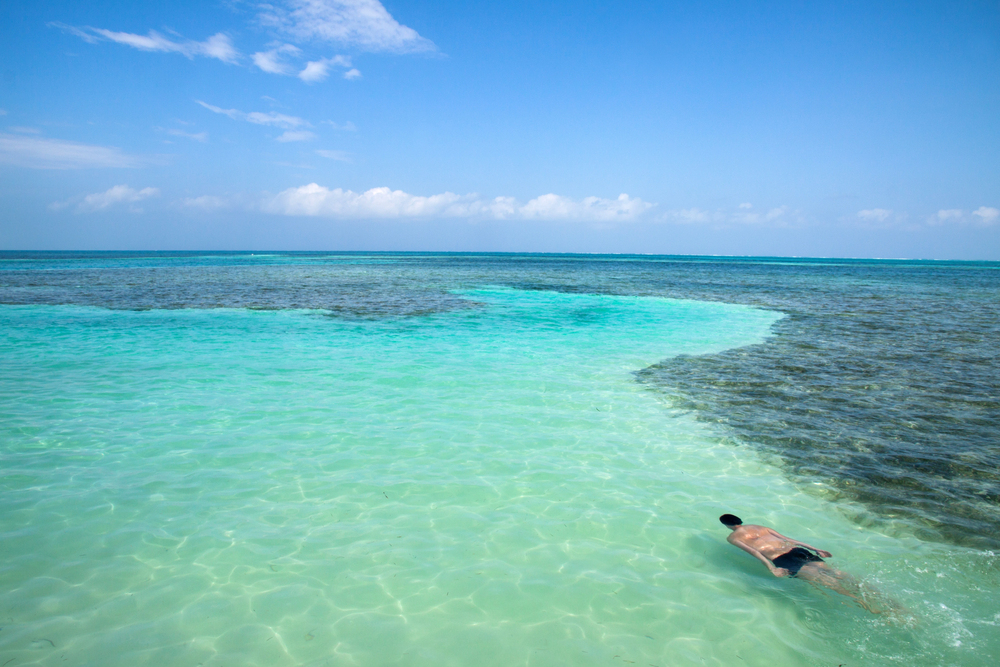
This Belizean island measures five miles long and one mile wide—not enough space to justify cars even if residents wanted them. The motto here is “Go Slow,” painted on driftwood signs and embodied by everyone’s walking pace.
Snorkeling the Belize Barrier Reef, the world’s second-largest, takes 20 minutes by boat. The reef teems with nurse sharks, stingrays, and sea turtles.
The island split during Hurricane Hattie in 1961, creating “The Split”—a popular swimming area where current flows between two land masses. Beachside bars serve rum punch. Golf carts handle cargo transport.
Everything else happens on foot or bicycle. Locals greet tourists like neighbors. It’s either genuine friendliness or remarkable acting.
Little St. Simons Island
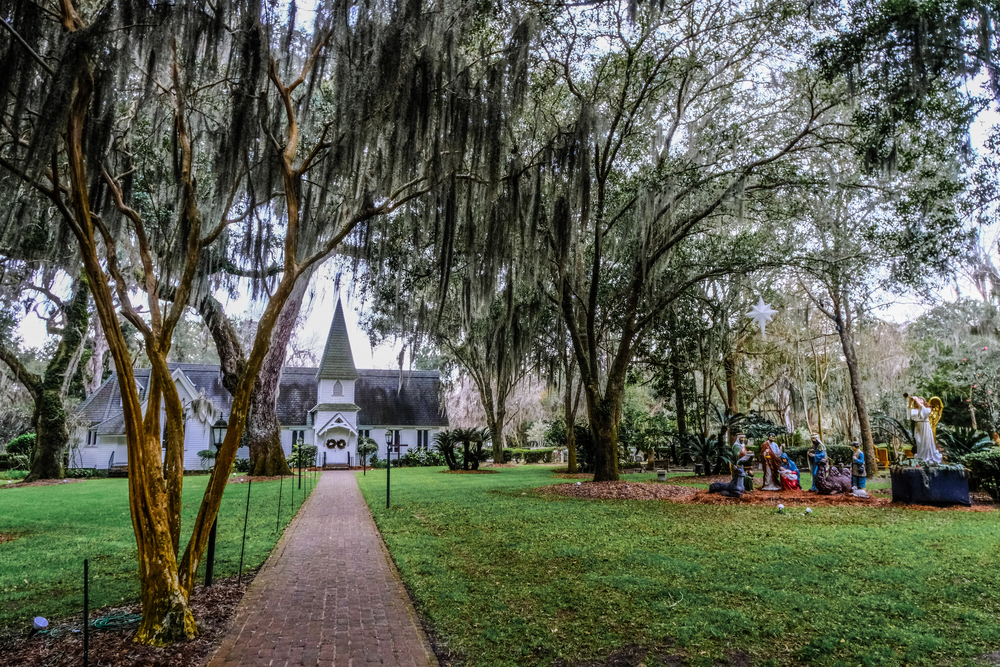
This privately-owned Georgia barrier island limits occupancy to 30 overnight guests who stay at The Lodge, the island’s only accommodation. No day trippers allowed without prior arrangement.
Seven miles of pristine beach remain undeveloped. No cars, no television, limited phone service.
The Rockefellers and Astors vacationed here in the early 1900s. Now regular wealthy people come to disconnect. Horseback riding, fishing, and bird-watching fill the days.
Over 280 bird species migrate through. The island spans 11,000 acres, mostly tidal marshes and maritime forests.
Guests eat meals family-style. Staff members joke that leaving feels like rehabilitation back into society.
McCarthy
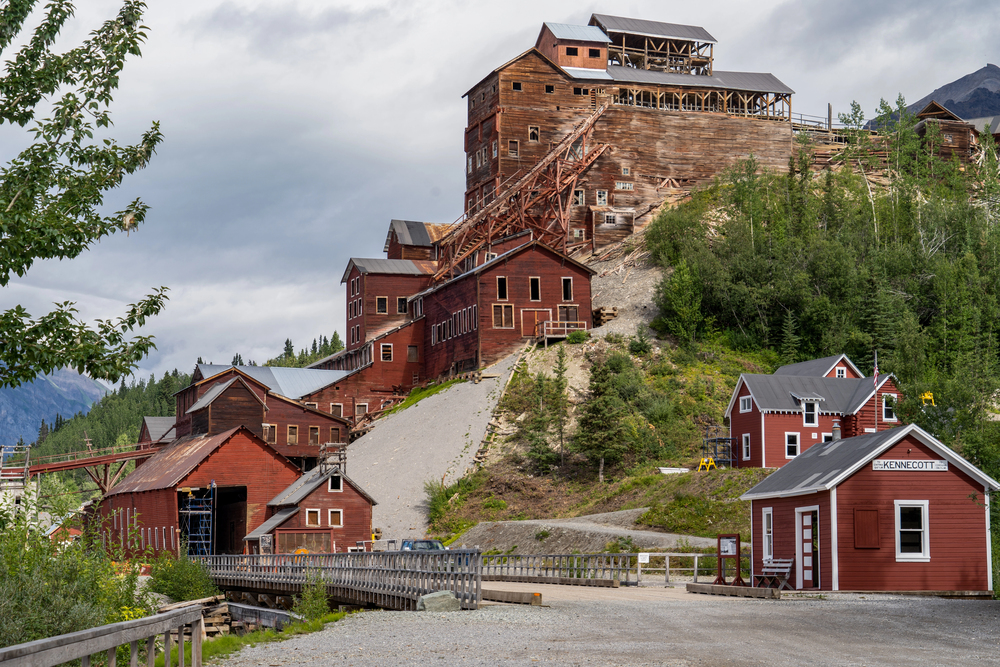
This Alaskan town of 28 residents sits five miles from the end of the road—literally. The Kennicott River separates McCarthy from vehicle access.
Visitors park and walk across a footbridge, pulling wheeled luggage like determined pioneers. The town boomed during the early 1900s copper mining rush, then died when the mine closed in 1938.
A few holdouts remained, living off-grid through brutal winters. Today, tourists come for access to Wrangell-St. Elias National Park, America’s largest.
The old copper mine’s buildings rust magnificently. One bar, one general store, and a handful of lodges constitute the business district. And no, Amazon doesn’t deliver here.
Like Travel Pug’s content? Follow us on MSN.
Finding your own silence
These destinations prove the car’s dominance isn’t inevitable. They’re quieter, cleaner, and slower—everything modern life insists we don’t have time for.
Turns out we do.
More from Travel Pug

- 20 Best Beach Towns in the Carolinas
- 13 Destinations Where Tourists Regularly Regret Their Trip
- 20 Things You Actually Get in First Class
- 20 Small Airports With Aviation Museums
- 20 Places in the U.S. That Are Perfect for a Reset Trip
Like Travel Pug’s content? Follow us on MSN.