

Switzerland harbors over 300 valleys between its mountain ranges, yet most hikers flock to the same handful of famous destinations. Hidden throughout the Alps and Jura lie tranquil valleys where the only sounds are cowbells, rushing streams, and your own footsteps on ancient paths. These are the peaceful Swiss valleys for hiking that offer solitude, stunning scenery, and authentic alpine experiences far from the crowds.
Lauterbrunnen
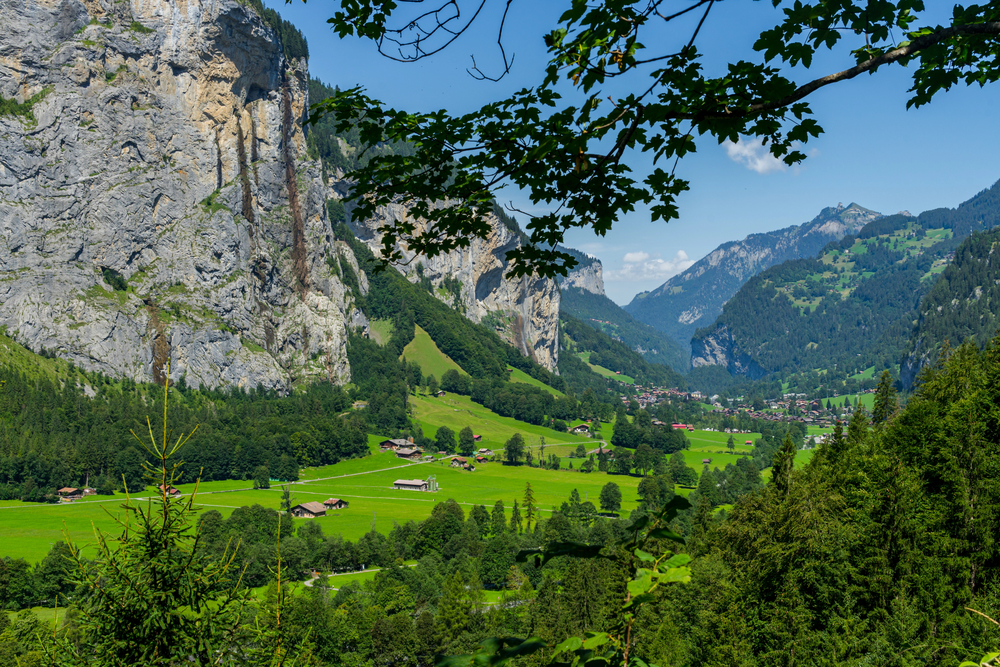
This dramatic U-shaped valley carved by ancient glaciers drops you into a world of 72 waterfalls and soaring cliffs. The valley floor offers gentle walks past the thundering Staubbach Falls and through emerald meadows dotted with traditional wooden chalets.
Morning mist often fills the valley like a gentle blanket. Higher trails wind through forests of Swiss stone pine toward mountain huts where you can spend peaceful nights surrounded by glacier-clad peaks.
Val Fex
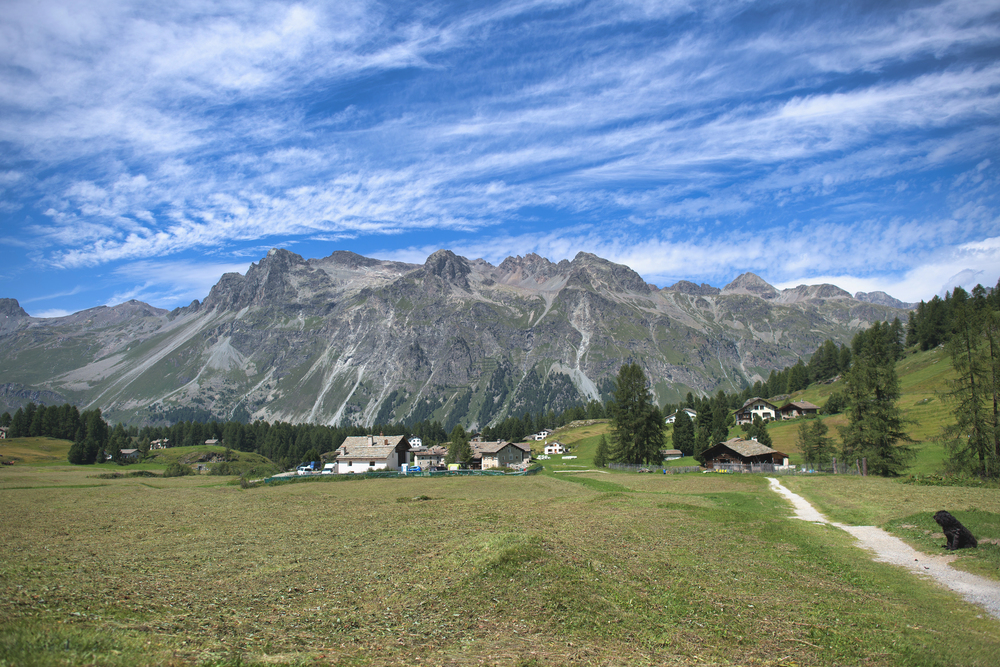
Considered one of the most beautiful valleys in the Engadin, Val Fex remains largely car-free and enchanting. Gentle trails climb through peaceful woods before emerging above the treeline into a world of sparkling grasses and alpine flowers.
The valley extends toward glaciers at its head, offering magnificent views of surrounding peaks. Traditional Engadin houses with sgraffito decorations dot the landscape, and local restaurants serve hearty mountain fare.
Val Maggia
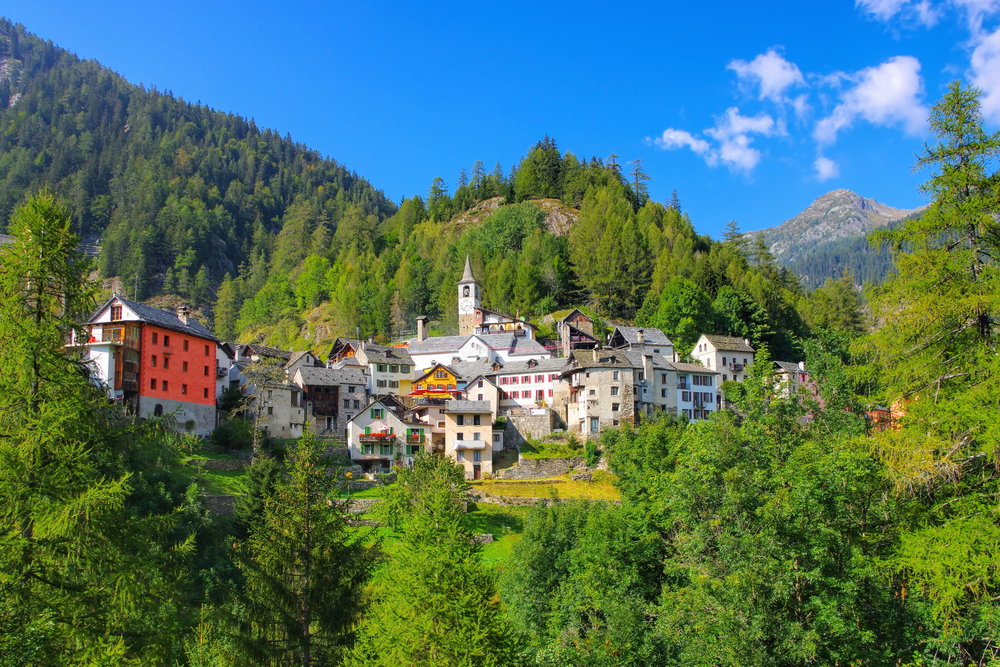
— Photo by Kassandra2
This remote valley in Ticino branches into several peaceful side valleys perfect for solitary hiking. Ancient stone villages perch on steep hillsides while the Maggia River carved dramatic gorges through the landscape below.
Side valleys like Val Bavona and Val Lavizzara offer car-free environments where traditional life continues largely unchanged. Stone houses blend seamlessly with granite boulders, creating scenes that feel timeless.
Safiental
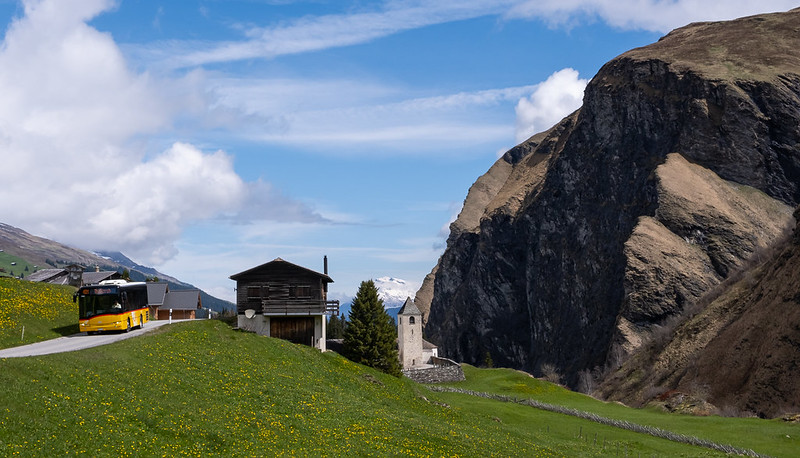
Hidden in Graubünden, this quiet valley features scattered hamlets and wooden farmhouses on steep hills. The Rabiusa River valley provides access to alpine hikes above 2,000 meters through wildflower meadows and past hidden waterfalls.
Artists and thinkers are drawn to its raw beauty. Every two years, the Art Safiental biennial transforms the valley into a land art museum. The rest of the time, it’s just you and the mountains.
Val d’Anniviers
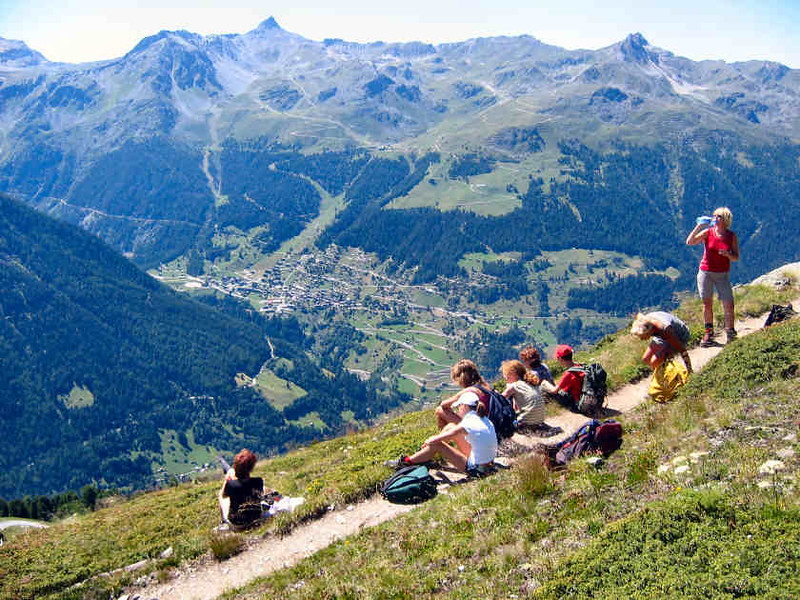
This peaceful valley branches off from the main Rhone Valley, climbing toward some of Switzerland’s highest peaks. Traditional villages like Grimentz and Zinal maintain their authentic character despite modern amenities.
Village-to-village hiking trails connect settlements through forests and alpine pastures. The paths offer constantly changing perspectives on glaciated peaks that soar above 4,000 meters.
Lotschental
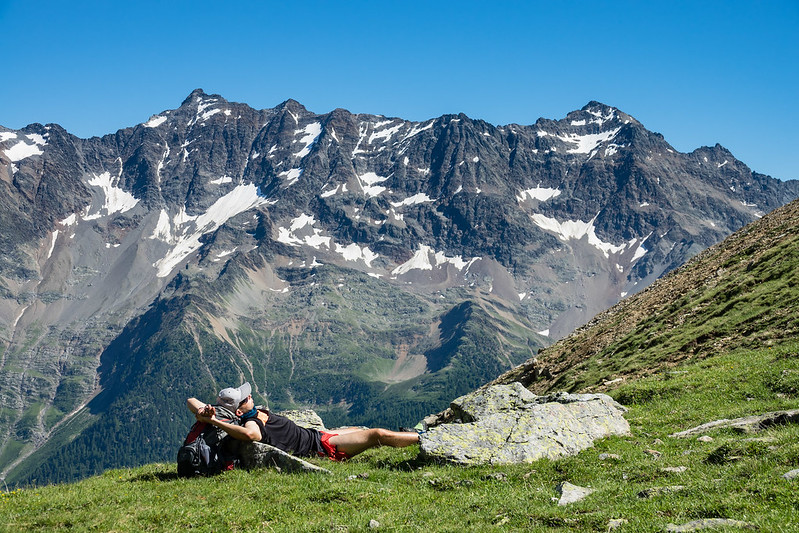
Tucked away in the Bernese Alps, this valley remained isolated until a tunnel connected it to the outside world in the 1960s. Traditional wooden houses with intricate carvings line the valley floor while hiking trails climb toward the UNESCO World Heritage Aletsch Glacier region.
Local customs and dialects survive here. Could be why the valley feels so authentic compared to more touristy destinations.
Val d’Herens
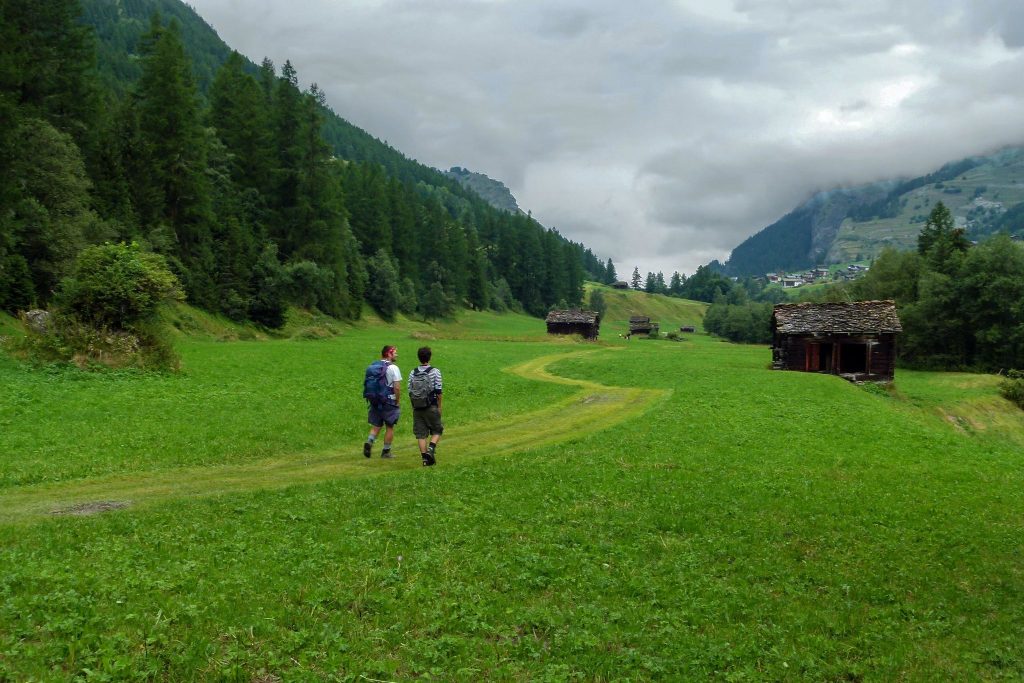
This French-speaking valley offers the same village-to-village hiking opportunities as its neighbor Val d’Anniviers but with fewer visitors. The valley extends from Evolene toward the Matterhorn region, providing access to high alpine terrain.
Traditional stone houses and ancient irrigation channels called “bisses” create fascinating cultural landscapes. Spring brings spectacular wildflower displays across the valley’s meadows.
Engstligenalp (near Adelboden)
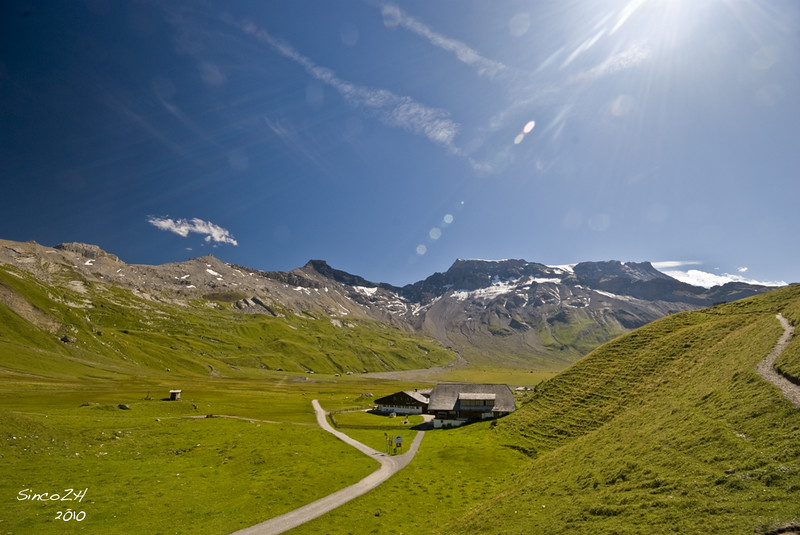
This peaceful valley in the Bernese Oberland centers around the crystal-clear Engstlensee lake at 1,850 meters elevation. The valley serves as summer pasture for hundreds of cows whose bells create a constant, gentle symphony.
Hiking trails lead from the lake toward mountain passes and surrounding peaks. The alpine setting feels pristine yet accessible, with a traditional mountain inn providing refreshments and accommodation.
Val Müstair
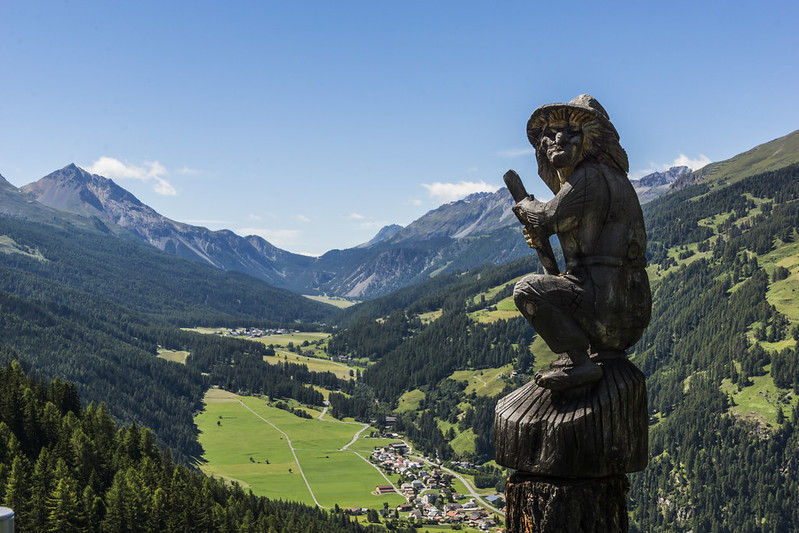
Far from the modern world in southeastern Switzerland, this remote valley preserves Romansh culture and untouched nature. The valley houses Switzerland’s only UNESCO World Heritage monastery and maintains traditional farming practices.
- Ancient irrigation systems still function
- Traditional houses feature unique architectural details
- Local dialect reflects centuries of cultural preservation
- Hiking trails connect historic villages
Wildlife thrives in this peaceful environment where development has been carefully controlled.
Val Verzasca
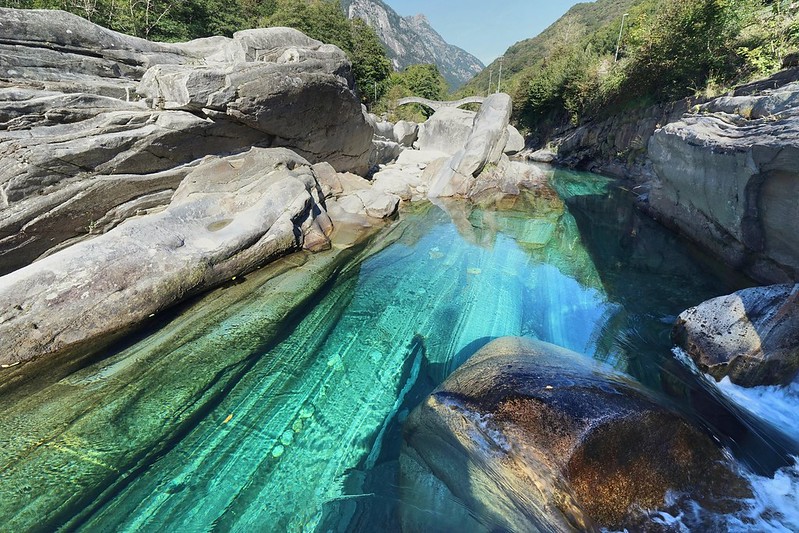
This stunning valley in Ticino features emerald pools and ancient stone villages that seem frozen in time. The Verzasca River creates a series of emerald pools for swimming between polished granite slabs.
Villages like Corippo and Lavertezzo showcase traditional Ticinese architecture. Stone houses cluster on hillsides while hiking trails climb through chestnut forests toward alpine meadows above.
Goms
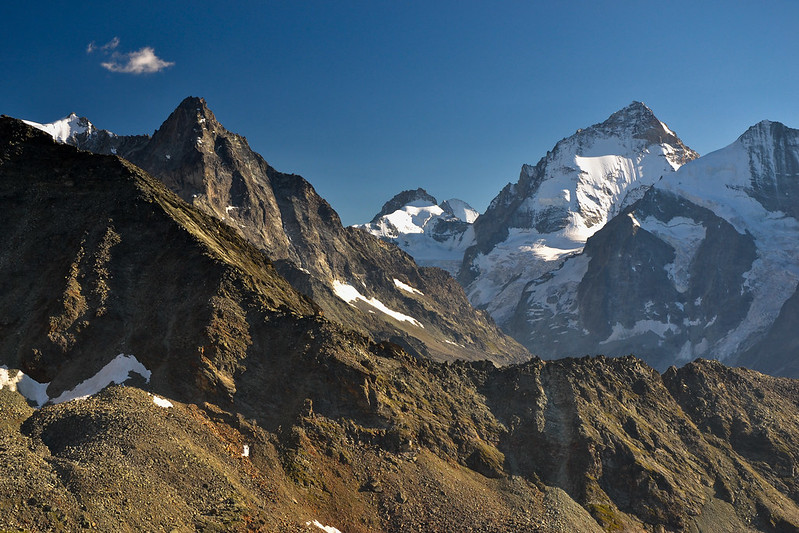
This high valley in Valais stretches for 35 kilometers along the young Rhone River. Traditional wooden houses with distinctive architecture line the valley floor while side valleys branch off toward glaciated peaks.
The area offers peaceful cross-country skiing in winter and gentle hiking in summer. Local trains connect charming villages, making it easy to explore different sections without a car.
Binntal
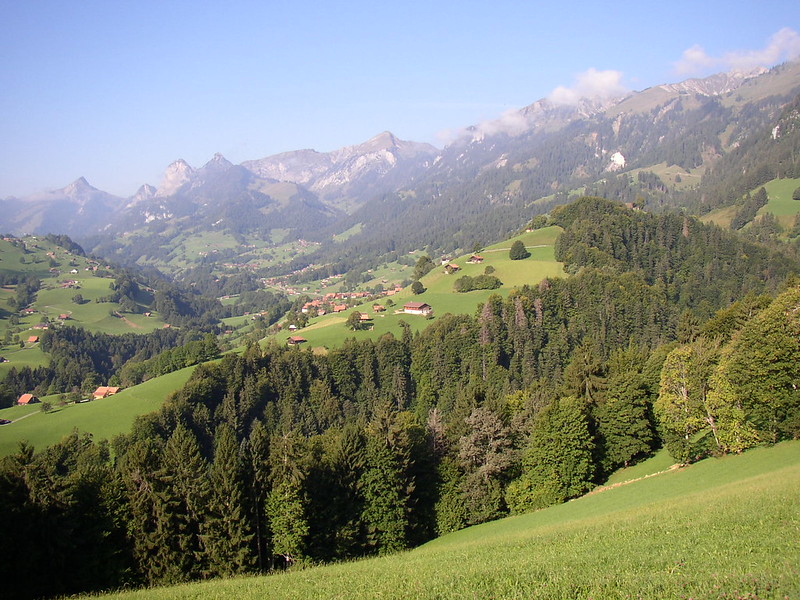
Known for its exceptional mineral diversity, this peaceful valley attracts both geologists and hikers seeking solitude. The valley contains over 100 different minerals, some found nowhere else on Earth.
Hiking trails pass abandoned mines and lead toward high alpine passes. Traditional villages maintain their quiet character while providing basic services for visitors. The sound of church bells echoes off the valley walls during evening hours.
Val Poschiavo
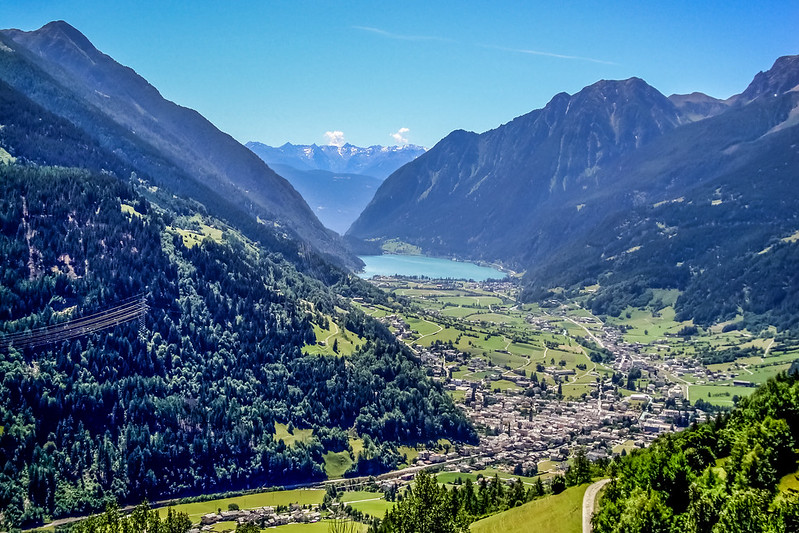
This Italian-speaking valley connects Switzerland to Italy through dramatic landscape changes. Ancient villages showcase unique Graubünden architecture while hiking trails explore side valleys toward glacier-blue lakes.
Local trains provide access to different trail sections. The valley maintains strong cultural connections to Italy while offering distinctly Swiss hiking experiences through pristine alpine environments.
Rheinwald
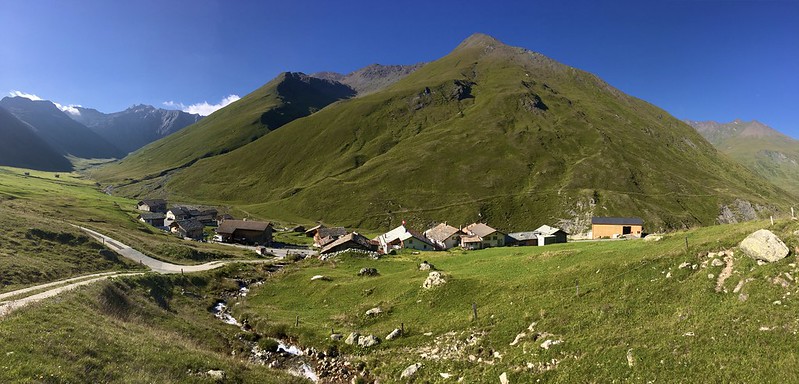
This remote valley in Graubünden follows the young Rhine River toward its source. Traditional villages like Splügen maintain their authentic character while providing access to challenging mountain passes.
The Via Spluga, an ancient trade route, crosses the valley on its way to Italy. Modern hikers can follow sections of this historic path through landscapes that have changed little over centuries.
Avers
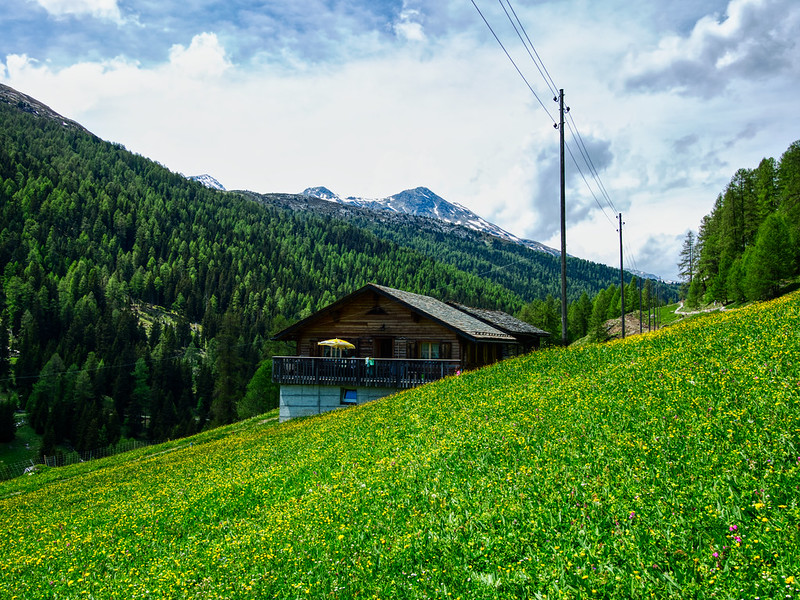
Switzerland’s highest permanently inhabited valley sits at 2,000 meters elevation in Graubünden. The scattered settlement of Juf holds the record as Europe’s highest village at 2,126 meters.
Short summers bring intense alpine flower displays. Hiking trails climb toward high passes and glaciated peaks while traditional farming continues in the valley below. Isolation has preserved unique architectural and cultural features.
Finding peace in the peaks
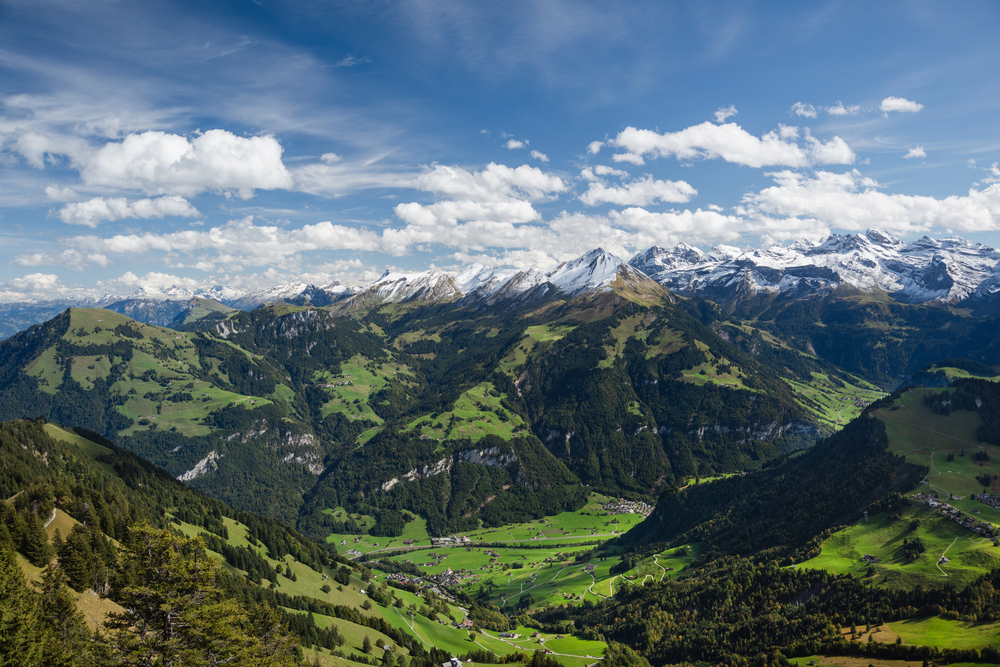
These valleys offer more than just hiking trails. They provide windows into traditional Swiss life where modern conveniences exist alongside centuries-old customs. Each valley tells its own story through architecture, landscape, and the quiet rhythms of mountain life that continue far from tourist crowds.
More from Travel Pug

- 20 Best Beach Towns in the Carolinas
- 13 Destinations Where Tourists Regularly Regret Their Trip
- 20 Things You Actually Get in First Class
- 20 Small Airports With Aviation Museums
- 20 Places in the U.S. That Are Perfect for a Reset Trip
Like Travel Pug’s content? Follow us on MSN.