

There’s something almost primal about the decision between buffet and main dining room service. It feels simple on the surface.
Eat what you want, when you want it, or sit down and let someone bring your food. But anyone who’s spent time thinking about where to eat knows the choice carries more weight than it should.
The buffet promises freedom and abundance. The main dining room offers ritual and precision.
Both deliver food, but they deliver completely different experiences along with it.
Buffet: Unlimited food options

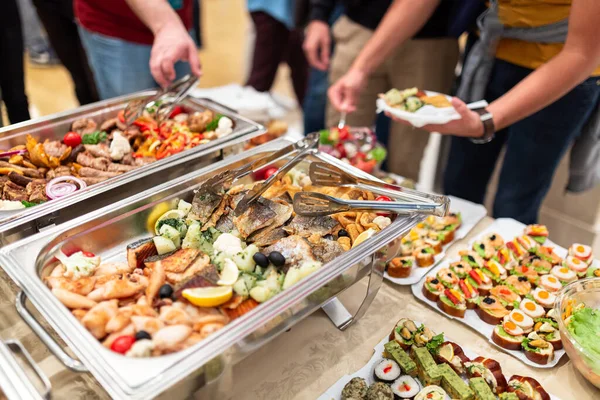
Mode A – Punchy and Blunt: The buffet doesn’t mess around. Every dish the kitchen makes sits right there waiting.
No menu limitations, no “sorry, we’re out of that.” You want pasta and sushi and prime rib on the same plate?
Nobody stops you.
Main Dining Room: Personalized service attention

Mode B – Long and Winding: There’s something to be said for having someone (whose entire job, at that moment, revolves around making sure your water glass never empties) checking on your table every few minutes, though it can feel excessive when you’re mid-conversation and the server appears for the fourth time asking if everything’s still fine. But when you need something — extra sauce, a substitution, or just want to complain about the temperature — you have a dedicated person whose shift depends on keeping you happy.
And yet the relationship comes with expectations: tip calculations, politeness when you’re not feeling social, small talk about the weather when all you want is your check.
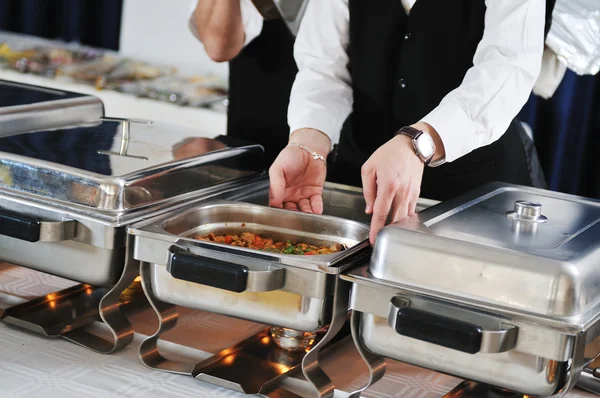
Buffet: Speed and convenience

Mode C – Observational and Literary: Buffets move like rivers during rush hour traffic. The line flows forward, stops, pools around the popular items, then surges again when fresh trays appear.
There’s an efficiency to it that mirrors how we actually eat when nobody’s watching. A little of this, more of that, back for seconds of the thing that surprised you.
The rhythm feels honest: grab, taste, decide if you want more. No waiting for the kitchen to remember your order exists.
Main Dining Room: Food temperature consistency
Mode D – Opinionated and Direct: Plates arrive hot from the kitchen because someone timed the cooking specifically for your table. The vegetables haven’t been sitting under heat lamps for two hours turning into expensive mush.
Your steak reaches the table at the temperature you requested, not whatever temperature it managed to hold onto while waiting for other people to make their selections. Turns out freshly prepared food tastes better than food that’s been waiting around.
Which is saying something.
Buffet: Cost predictability

Mode A – Punchy and Blunt: One price, eat until you’re uncomfortable. No surprise charges for extra sides.
No wine markup that doubles your bill. You know exactly what you’re spending before you sit down.
Main Dining Room: Dietary accommodation

Mode B – Long and Winding: When you have allergies (the serious kind, not the “I don’t really like tomatoes” kind), the main dining room becomes less of a preference and more of a necessity, because kitchens can modify preparations in real time. They can hold the nuts, prepare the sauce on the side, or swap ingredients entirely if needed.
So while buffets offer variety, they also offer mystery: what’s actually in that casserole, and did the serving spoon for the seafood salad just touch the regular salad? The control shifts from your plate to their kitchen, which matters when cross-contamination could ruin more than just your dinner.
Buffet: Social flexibility

Mode C – Observational and Literary: Families with children discover that buffets bend around chaos in ways that traditional dining cannot. The toddler who only eats plain noodles finds plain noodles.
The teenager who considers vegetables a personal insult loads up on protein. Nobody argues about what to order because everyone orders for themselves, silently, by walking to what they want.
It’s democracy in action, minus the debate.
Main Dining Room: Portion control
Mode D – Opinionated and Direct: Restaurant portions arrive pre-decided by someone who doesn’t know if you’re genuinely hungry or just eating because it’s dinner time. That’s actually helpful for people who struggle with self-regulation around food.
The decision about how much to eat gets made in a kitchen by a chef following standardized recipes, not by your brain when it’s staring at unlimited options. Fair enough.
Buffet: Variety for groups

Mode A – Punchy and Blunt: Eight people, eight different food preferences. The buffet solves this instantly.
Everyone finds something they want. No negotiating, no compromise orders, no sitting hungry while others enjoy their meals.
Main Dining Room: Atmosphere and ambiance

Mode B – Long and Winding: There’s a deliberate quiet to the main dining rooms that buffets simply cannot replicate. The absence of people walking back and forth, the clink of serving spoons against warming trays, the low-level chaos of a dozen conversations happening around food stations creates a fundamentally different energy than tables where people sit and stay.
And yet (depending on your mood and the company), the stillness can feel either elegant or stifling, particularly when the meal stretches longer than expected, and you find yourself trapped in a conversation that peaked 20 minutes ago but shows no signs of ending because nobody wants to be rude and ask for the check.
Buffet: Reduced service pressure
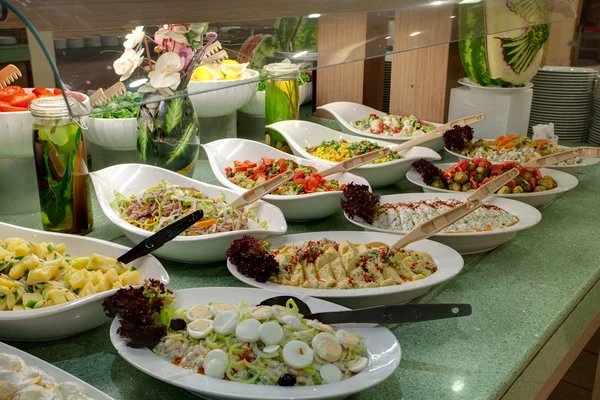
Mode C – Observational and Literary: Some people prefer their meals without performance. No server introducing themselves by name, no detailed specials recitation, no check-ins asking how everything tastes when your mouth is full.
The buffet strips away the social theater that dining rooms require and lets you focus entirely on the food and whoever you’re eating with. It’s refreshingly anonymous.
You serve yourself, you bus your own plates if you want seconds, you leave when you’re finished.
Main Dining Room: Quality consistency
Mode D – Opinionated and Direct: Chefs prepare each plate individually with specific techniques and timing that buffet warming systems simply cannot maintain. Sauces don’t separate, textures stay intact, and flavors remain balanced because the food travels directly from preparation to table.
Buffet food fights a losing battle against time and heat lamps. The difference shows up in every bite.
Buffet: Ability to try new foods

Mode A – Punchy and Blunt: Small portions, no commitment. That weird-looking dish might be terrible or it might be your new favorite.
Either way, you’re only out one spoonful. The buffet encourages experimentation in ways that ordering from a menu never can.
Main Dining Room: Leisurely dining experience

Mode B – Long and Winding: When the goal is to stretch dinner into an event (anniversary celebrations, business meetings, catching up with someone you haven’t seen in months), the pacing of traditional table service works in your favor. Courses arrive with built-in pauses, giving conversations time to develop and settle before the next interruption.
But that same pacing becomes problematic when you’re genuinely hungry and just want to eat, or when you’re dining with small children whose patience runs out long before the dessert menu appears. So the leisurely pace cuts both ways: it either enhances the social aspect of eating together or it holds everyone hostage to the kitchen’s timeline.
Main Dining Room: Limited menu choices
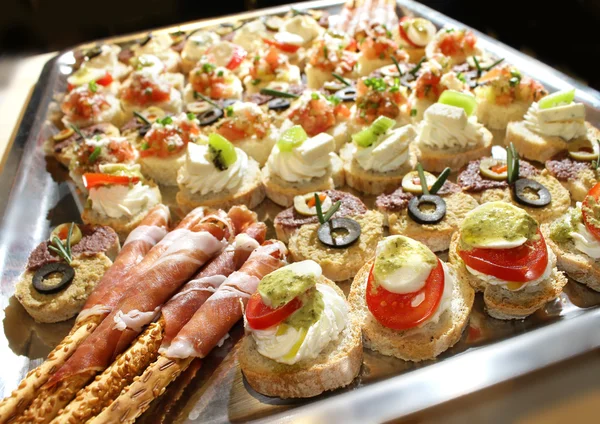
Mode C – Observational and Literary: Menus are curated experiences. Someone decided these twelve entrées represent the best expression of what this kitchen can do.
But curation means exclusion, and there’s something frustrating about wanting something that isn’t offered, especially when you can see it’s probably made with ingredients the kitchen already has. The limitation feels arbitrary when you’re in the mood for something specific that isn’t quite what they’re serving.
Buffet: Food safety concerns

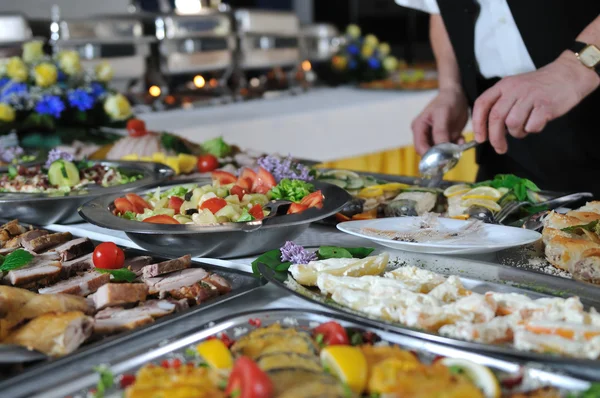
Mode D – Opinionated and Direct: Food sits at temperatures that make health inspectors nervous. Serving utensils get switched between dishes by customers who don’t understand cross-contamination.
Sneeze guards protect against obvious problems but not against the hundred small violations that happen when people serve themselves without food safety training. The risk increases with every minute that passes and every person in line ahead of you.
Making peace with both approaches

Neither buffets nor main dining rooms will solve the fundamental challenge of eating out: balancing what you want with what’s available, speed with quality, cost with experience. Both approaches make compromises that matter differently depending on your mood, your budget, and who’s sitting across from you.
The choice isn’t really about food service styles. It’s about what kind of evening you’re trying to create and how much control you want over the details that shape it.
More from Travel Pug

- Underrated Italian Towns That Beat the Tourist Crowds
- Las Vegas Tourist Traps to Skip
- Prettiest Towns in Every US State
- 18 passport-free countries for Americans
- Signs Your Cruise Is Not Worth The Cost
Like Travel Pug’s content? Follow us on MSN.