

The cruise industry has branched into two distinct experiences, and the difference isn’t just about ship size or passenger count. Expedition cruises strip away the bells and whistles of their traditional counterparts to offer something fundamentally different: access to places that feel untouched by the modern world.
While traditional cruises excel at entertainment and convenience, expedition cruising turns the journey itself into the destination, replacing Broadway-style shows with zodiac landings on remote shores and midnight buffets with conversations about wildlife behavior over dinner.
Wildlife encounters up close
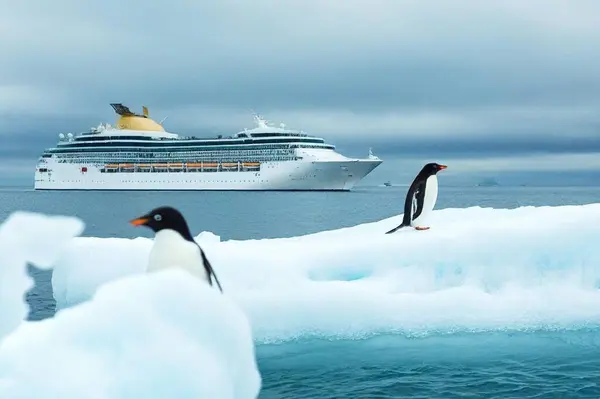
Traditional cruise ships announce their arrival from miles away. Engine noise, size, wake — everything about them broadcasts human presence to wildlife.
Expedition vessels slip quietly into bays where seals haul out on rocky ledges and whales surface close enough to hear them breathe.
The difference shows up in your photos. Instead of distant dots that might be dolphins, expedition cruises deliver moments where penguins waddle past your feet and polar bears pause to study you as intently as you study them.
Remote destinations impossible for large ships

Here’s what happens when cruise ships are designed around passenger capacity rather than access: they can’t reach the places that make travel memorable. Traditional cruise routes stick to established ports where infrastructure can handle thousands of passengers disembarking simultaneously (which explains why half of them end up in the Caribbean, hitting the same handful of islands that have been receiving cruise traffic for decades).
Expedition ships, built smaller and more maneuverable, slip into fjords and anchor in bays where the only previous visitors might have been researchers — or no one at all. And yet the irony is striking: the ships that carry fewer people often deliver more authentic experiences than the floating cities that promise everything.
The math here is stubborn: remote destinations have weight limits, environmental restrictions, and geographic barriers that don’t bend for tourism convenience. So expedition cruises work within those constraints rather than demanding that destinations change to accommodate them.
But traditional cruises have essentially created their own category of port — places that exist primarily to service large ships rather than preserve what made them worth visiting in the first place.
Expert naturalist guides

Think of it as the difference between a nature documentary and a sitcom rerun. Expedition cruises staff their ships with marine biologists, ornithologists, and geologists who can explain why glaciers calve or identify bird calls drifting across the water.
These aren’t entertainment directors reading from scripts.
Traditional cruise directors excel at organizing poolside games and coordinating dinner reservations. Naturalist guides excel at pointing out behavioral details that transform a simple whale sighting into an education about migration patterns, feeding habits, and conservation challenges.
The knowledge changes what you notice.
Zodiac landings and active exploration

Small boats change everything about how you interact with a coastline. Zodiacs can navigate shallow waters, approach wildlife at respectful distances, and land on beaches where no dock exists.
The experience moves from observation deck viewing to stepping onto shores that feel genuinely wild.
Traditional cruise ships lower gangways onto concrete piers in developed ports. Expedition cruises lower zodiacs into pristine bays where your footprints might be the first human marks in the sand that day.
Fair enough — not everyone wants to climb into a small boat wearing a life jacket. But for those who do, the payoff is immediate access to places that photograph like they’re still waiting to be discovered.
Smaller groups for better experiences

Large numbers dilute experiences the same way too much water weakens coffee. Traditional cruise ships move passengers in groups of hundreds, creating bottlenecks at every point of interest and turning wildlife viewing into a crowded event where half the group can’t see past the other half.
Expedition cruises typically carry between 100 and 200 passengers total. Zodiac groups rarely exceed 12 people.
The result is wildlife that doesn’t flee from approaching crowds and guides who can answer individual questions rather than shouting general information over the noise of hundreds of conversations.
Numbers matter for reasons beyond comfort. Many remote destinations have strict visitor limits designed to protect fragile ecosystems.
Expedition cruises can actually visit these places. Traditional cruise ships simply can’t.
Educational focus over entertainment

The entertainment on expedition cruises happens outside the ship rather than in the theater. Instead of magic shows and dance performances, evening programs feature presentations about the day’s discoveries or preparations for tomorrow’s landings.
This isn’t entertainment in the traditional sense — it’s context that makes the next day’s experiences richer. Learning about penguin breeding cycles before visiting a colony transforms what could be simple animal watching into an understanding of behavior, survival, and environmental challenges.
The knowledge accumulates throughout the voyage, making each new encounter more meaningful than the last.
Flexible itineraries based on conditions
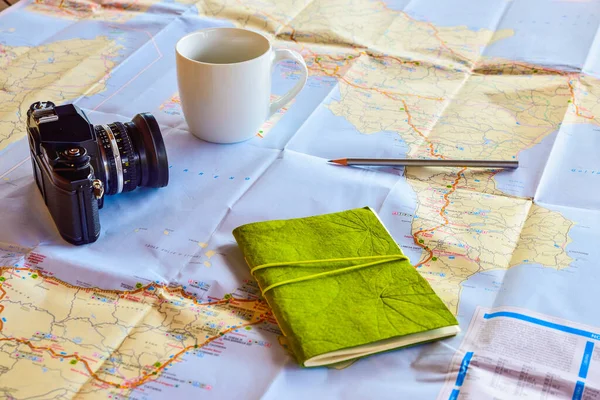
Weather changes plans, and expedition cruises change with them. If conditions favor a particular landing site or wildlife activity peaks in an unexpected location, expedition ships can adjust their routes accordingly.
Traditional cruise ships follow published itineraries regardless of whether conditions are optimal.
So you end up in the right place at the right time rather than the scheduled place at the convenient time. Turns out flexibility matters more than predictability when dealing with wild places and unpredictable wildlife.
The best expedition moments often happen when captains abandon the original plan to follow opportunities as they develop.
Authentic cultural interactions

Remote communities receive few visitors, which means interactions feel genuine rather than performative. Expedition cruises often include visits to Inuit villages, research stations, or isolated settlements where conversations happen naturally and cultural exchanges develop organically.
Traditional cruise ports have entire industries built around processing tourists efficiently. Shopping districts, tour operators, and attractions designed specifically for cruise passengers create experiences that feel authentic until you realize they exist primarily to separate visitors from their money.
Remote communities visited by expedition cruises haven’t been shaped by tourism because they rarely receive tourists.
Photography opportunities

Expedition cruises position photographers closer to subjects that cooperate better with cameras. Wildlife that hasn’t learned to associate humans with crowds allows for longer observation periods and more natural behavior.
Landscapes remain uncluttered by tourist infrastructure.
The light is often better too. Expedition cruises frequently operate in polar regions or remote latitudes where unusual lighting conditions create dramatic photography opportunities.
Traditional cruise routes stick to temperate and tropical zones where lighting is predictable but rarely spectacular.
Plus expedition ships carry fewer people competing for the same shots. Prime viewing spots accommodate the entire passenger load rather than creating competition for positions.
Environmental consciousness

Smaller ships leave smaller wakes — literally and figuratively. Expedition cruise operators understand their business depends on preserving the pristine conditions that make their destinations worth visiting.
Environmental protocols tend to be stricter and more thoroughly enforced.
Traditional cruise ships generate waste, emissions, and disturbance on scales that match their passenger capacity. Recent years have brought improvements, but physics remains stubborn: larger ships carrying more people inevitably impact destinations more heavily than smaller ships carrying fewer people.
Many expedition cruise operators actively support conservation research, providing transportation for scientists and contributing data to ongoing studies. Traditional cruise lines focus on passenger entertainment rather than environmental contribution.
Weather-appropriate ship design

Expedition ships are built for the conditions they encounter rather than for the amenities they can provide. Ice-strengthened hulls, stabilization systems, and weatherproofing designed for polar conditions mean these ships handle rough seas and challenging weather more capably than traditional cruise ships.
Traditional cruise ships prioritize interior space for entertainment venues, dining rooms, and passenger accommodations. Expedition ships prioritize seaworthiness and the ability to operate safely in remote conditions where rescue options are limited.
The difference becomes obvious when weather turns challenging. Expedition ships continue operations while traditional cruise ships alter course to avoid discomfort.
Personal connection to nature

Something happens when you spend days surrounded by wilderness instead of entertainment options. The rhythm changes.
Attention shifts from scheduled activities to natural phenomena — ice formations, weather patterns, animal behavior. Time moves differently when measured by tides and daylight rather than dinner reservations and show times.
Traditional cruise ships insulate passengers from natural conditions through climate control, artificial lighting, and constant entertainment. Expedition cruises integrate natural conditions into the experience.
The result is travel that feels like exploration rather than transportation between entertainment venues.
Most passengers notice they check their phones less frequently and watch horizons more carefully. The change happens gradually, then suddenly feels significant.
All-inclusive specialized gear
Expedition cruises provide waterproof boots, parkas, and life jackets designed for the conditions you’ll encounter. This isn’t just convenience — it’s specialized equipment that most travelers don’t own and wouldn’t want to pack.
Traditional cruises expect passengers to bring appropriate clothing for various ports and activities. Expedition cruises eliminate guesswork by providing gear tested in the specific conditions you’ll face.
The boots fit properly, the parkas are rated for polar temperatures, and the life jackets are designed for zodiac operations.
Equipment quality matters when comfort and safety depend on staying dry and warm in challenging conditions. Expedition cruise operators stake their reputations on gear that performs reliably rather than gear that merely meets minimum requirements.
Finding what travel used to feel like

There was a time when travel meant discovering places that felt genuinely different from home — not just geographically, but culturally and experientially separate from ordinary life. Expedition cruises tap into that older definition of travel, where the journey led somewhere that couldn’t be replicated or substituted.
Traditional cruises perfect the art of familiar comfort in unfamiliar locations. Expedition cruises do the opposite: they trade familiar comfort for unfamiliar experiences that stick in memory long after the tan fades.
The difference isn’t subtle. One approach treats travel as a temporary escape from routine.
The other treats it as temporary immersion in conditions that change how you understand the world.
More from Travel Pug

- Underrated Italian Towns That Beat the Tourist Crowds
- Las Vegas Tourist Traps to Skip
- Prettiest Towns in Every US State
- 18 passport-free countries for Americans
- Signs Your Cruise Is Not Worth The Cost
Like Travel Pug’s content? Follow us on MSN.