

The glossy brochures show pristine pools and smiling faces under endless blue skies. The promotional videos feature perfectly choreographed entertainment and spotless buffets that stretch forever.
Yet somewhere between the marketing magic and reality lies a collection of inconvenient truths that cruise lines would prefer remain buried in the depths of search engine results. These aren’t necessarily deal-breakers, but they’re facts that paint a more complete picture than the one you’ll find in any cruise catalog.
Norovirus Outbreak Statistics

Cruise ships are floating petri dishes. The CDC tracks every norovirus outbreak on vessels with more than 13 passengers, and the numbers tell a story that no amount of hand sanitizer dispensers can completely erase.
The close quarters, shared dining facilities, and constant passenger turnover create perfect conditions for gastrointestinal viruses to spread like wildfire. Ships can implement all the sanitization protocols they want, but when thousands of people share confined spaces for days at a time, outbreaks happen with predictable regularity.
Environmental Impact Per Passenger

The cruise industry’s environmental footprint (and this might surprise people who think of cruises as relatively benign vacations) extends far beyond what most passengers consider when booking their floating getaway, particularly when you start calculating the per-passenger waste generation, fuel consumption, and ocean discharge that occurs during a typical seven-day voyage — numbers that, frankly, would make even the most environmentally indifferent traveler pause. A single large cruise ship burns roughly 250 tons of fuel daily.
That’s more than most people use in a lifetime. And the waste streams don’t stop at fuel consumption — they extend to everything from sewage treatment to solid waste disposal, much of which ends up processed in ways that would make land-based facilities seem almost quaint by comparison.
Crew Working Conditions and Wages

Most cruise ship workers earn between $1,200 and $2,000 per month for contracts lasting six to ten months. They work seven days a week with shifts that can stretch 12 hours or longer.
No weekends off. No sick days.
The majority of crew members come from developing countries where these wages, despite the grueling conditions, represent significant income opportunities. But the disparity between what passengers pay for their vacation and what the people serving them earn creates an uncomfortable economic reality that most cruise lines don’t highlight in their promotional materials.
Hidden Fees and Mandatory Charges

Cruise pricing operates like an iceberg — most of the actual cost sits below the surface, invisible until it’s too late to change course. The advertised fare covers your cabin and basic dining, but nearly everything else carries an additional charge that somehow never makes it into those enticing “starting at” prices that fill your inbox and social media feeds.
Many cruise lines automatically add gratuities to passenger accounts, though policies vary by cruise line. Internet access costs extra.
Specialty dining costs extra. Drinks beyond basic coffee and water cost extra.
Shore excursions, while not technically mandatory, are priced and scheduled in ways that make independent exploration difficult for many passengers.
Crime Statistics and Reporting Requirements

Crimes happen on cruise ships. The difference between a cruise ship and any other vacation destination is that cruise ships are governed by maritime law, which creates a complex web of jurisdictional issues that can complicate investigations and prosecutions.
The Cruise Vessel Security and Safety Act requires cruise lines to report certain crimes to the FBI and maintain public logs of alleged criminal incidents. These reports are available online and provide insight into reported criminal incidents aboard cruise vessels.
The isolation of being at sea can make the resolution of these incidents particularly challenging.
Medical Facility Limitations

The infirmary on your cruise ship resembles a small urgent care clinic more than a hospital, staffed by a handful of medical professionals who must handle everything from seasickness to heart attacks with limited resources and no possibility of immediate evacuation. Most ships carry one or two doctors and a small nursing staff — adequate for minor injuries and common illnesses, but potentially inadequate for serious medical emergencies that require specialized equipment or procedures.
And here’s the uncomfortable truth that cruise lines bury in fine print: medical care on board isn’t free. Treatment costs are charged directly to passengers, often at rates that exceed what most people pay for medical care on land.
Helicopter evacuations can cost tens of thousands of dollars and may not be fully covered unless travelers purchase policies that specifically include medical evacuation benefits.
Real Cabin Sizes
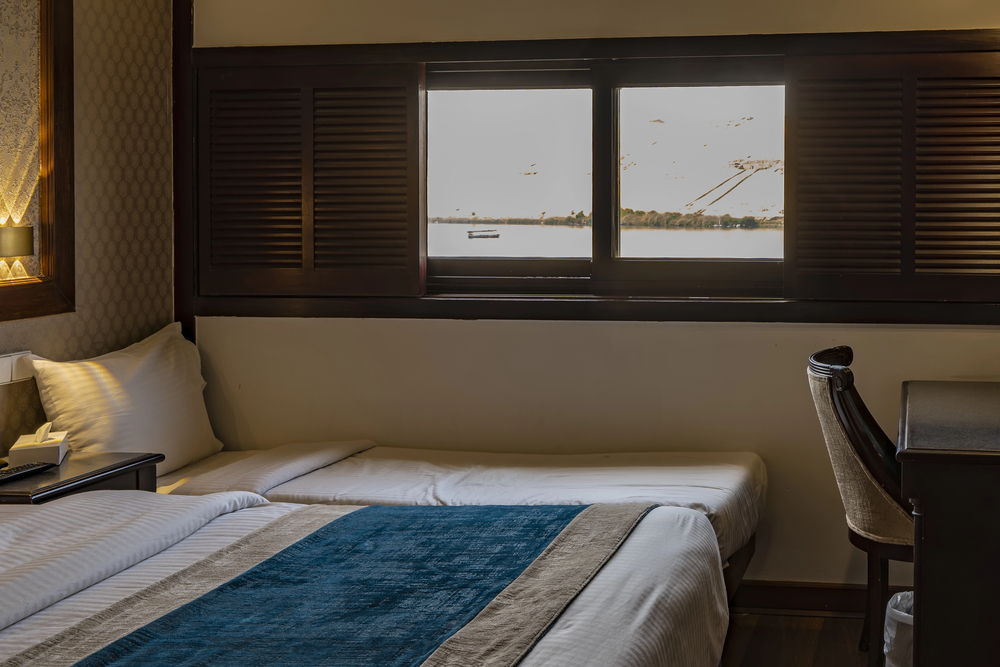
Interior cabins on modern cruise ships measure roughly 150-180 square feet. That’s smaller than most people’s walk-in closets.
The promotional photos use wide-angle lenses and strategic furniture placement to create an illusion of spaciousness that dissolves the moment you try to navigate around an open suitcase.
Balcony cabins aren’t much larger — maybe 200-220 square feet including the outdoor space. Even suite accommodations, while certainly more comfortable, rarely exceed what most people would consider a standard hotel room on land.
The tight quarters become particularly noticeable when seas get rough and you’re essentially trapped in a space that suddenly feels more like a very expensive closet than a vacation retreat.
Food Safety and Storage Challenges

Feeding thousands of people daily while floating in the middle of the ocean requires logistical gymnastics that would challenge any land-based operation, but ships face unique constraints that make food safety particularly complex. Provisions must be loaded in massive quantities before departure, then stored and managed for days or weeks without the luxury of daily fresh deliveries that restaurants on shore take for granted.
Refrigeration systems work overtime in tropical climates. Cross-contamination risks multiply when you’re preparing tens of thousands of meals daily in relatively confined galley spaces.
Self-service dining can introduce additional food-safety challenges if hygiene protocols are not followed consistently.
Overboard Incident Frequency
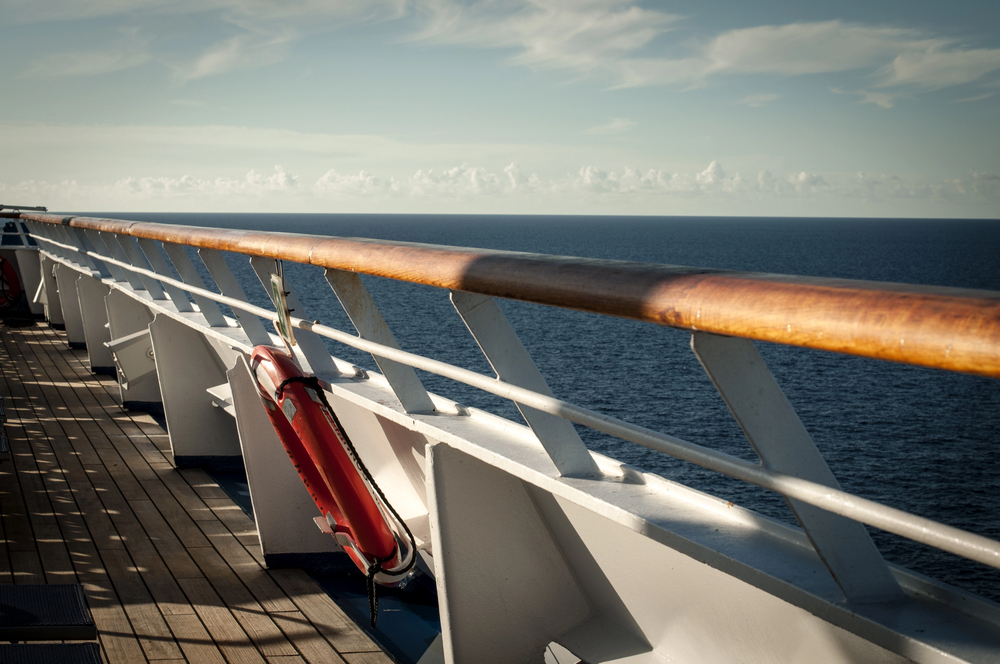
People fall overboard more often than cruise lines care to discuss. The Cruise Lines International Association tracks these incidents, and while they’re relatively rare given the millions of passengers who cruise annually, they happen with enough frequency to warrant serious consideration.
Most overboard incidents involve alcohol, late-night deck access, or passengers climbing on railings for photos. Modern ships have detection systems and protocols for man-overboard situations, but recovery depends heavily on factors like sea conditions, time of discovery, and proximity to rescue resources.
The sobering reality is that many overboard incidents don’t end in successful rescue.
Port Time Reality vs Marketing
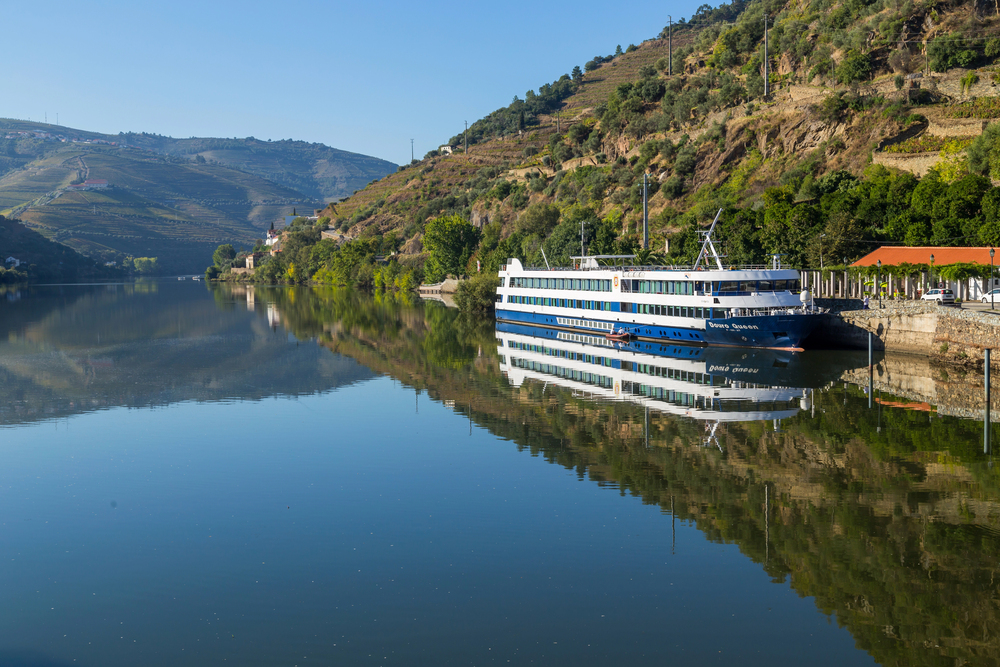
Shore excursions dominate cruise marketing materials, filled with images of exotic destinations and cultural immersion that suggest deep exploration of fascinating ports. The reality involves spending roughly six to eight hours in each destination — barely enough time to scratch the surface, assuming everything runs on schedule and weather cooperates.
Most of that limited time gets consumed by the logistics of getting thousands of passengers off the ship, into organized activities, and back aboard before departure. Independent exploration, while possible, requires careful time management and willingness to risk missing the ship if transportation back to port runs late.
The result is often a rushed sampling of destinations rather than the meaningful cultural experiences that marketing materials suggest.
Quarantine Protocols and Passenger Rights

When illness outbreaks occur on cruise ships, passengers can find themselves confined to their cabins for extended periods with limited compensation or recourse. Quarantine protocols, while medically necessary, can consume significant portions of a vacation that passengers have paid thousands of dollars to enjoy.
The cruise lines’ terms and conditions typically limit their liability for itinerary changes, cancelled shore excursions, or cabin confinement due to health emergencies. Travel insurance rarely covers the full cost of a cruise that gets derailed by quarantine protocols, leaving passengers to absorb financial losses while dealing with the inconvenience of enforced isolation in spaces that weren’t designed for extended confinement.
Engine and Technical Failures

Modern cruise ships are floating cities powered by complex mechanical systems that occasionally fail in spectacular fashion. Engine problems can leave ships stranded at sea for days while repair crews work to restore power and propulsion.
These incidents, while infrequent, result in cancelled itineraries, missed flights home, and extended time aboard ships with limited amenities when power systems go down.
The cruise industry’s track record includes enough high-profile mechanical failures to warrant consideration of what happens when sophisticated systems break down far from port. Backup generators provide essential power, but ships operating on emergency systems offer a significantly different experience than the luxury vacation passengers paid to enjoy.
International Waters Legal Complexities

Cruise ships operate under a patchwork of legal jurisdictions that can complicate everything from contract disputes to criminal investigations. Most ships are registered in countries like Panama, Liberia, or the Bahamas — flags of convenience that often provide more favorable regulatory environments for cruise operators than the countries where most passengers live.
This jurisdictional complexity means that passenger rights, crew regulations, and legal recourse operate under different rules than what most travelers expect. Contract disputes may need resolution in foreign courts.
Criminal incidents might fall under the jurisdiction of the ship’s flag state rather than U.S. law enforcement, even when American passengers are involved.
Weather-Related Itinerary Changes

Cruise itineraries change frequently due to weather conditions, and passengers have limited recourse when storms force ships to skip planned destinations or spend extra days at sea. The fine print in cruise contracts gives operators broad discretion to modify itineraries for safety reasons, with minimal compensation requirements for passengers who miss the specific destinations that motivated their booking.
Hurricane seasons, winter storms, and other weather patterns can disrupt cruise schedules throughout the year. While safety considerations obviously take priority, the financial impact of missed ports and altered itineraries typically falls on passengers rather than cruise lines.
Actual Internet Connectivity and Costs

Internet access on cruise ships operates through satellite connections that are slower, less reliable, and significantly more expensive than what most people expect in 2024. Basic packages often provide speeds comparable to dial-up internet from the 1990s, while premium packages that offer usable connectivity can cost $30-50 per day.
The limitations become particularly frustrating for passengers who need to stay connected for work or family reasons. Video calls are often impossible.
Large file downloads are impractical. Even basic web browsing can test patience when dealing with the latency and bandwidth constraints of maritime internet systems.
The True Cost of Spontaneity
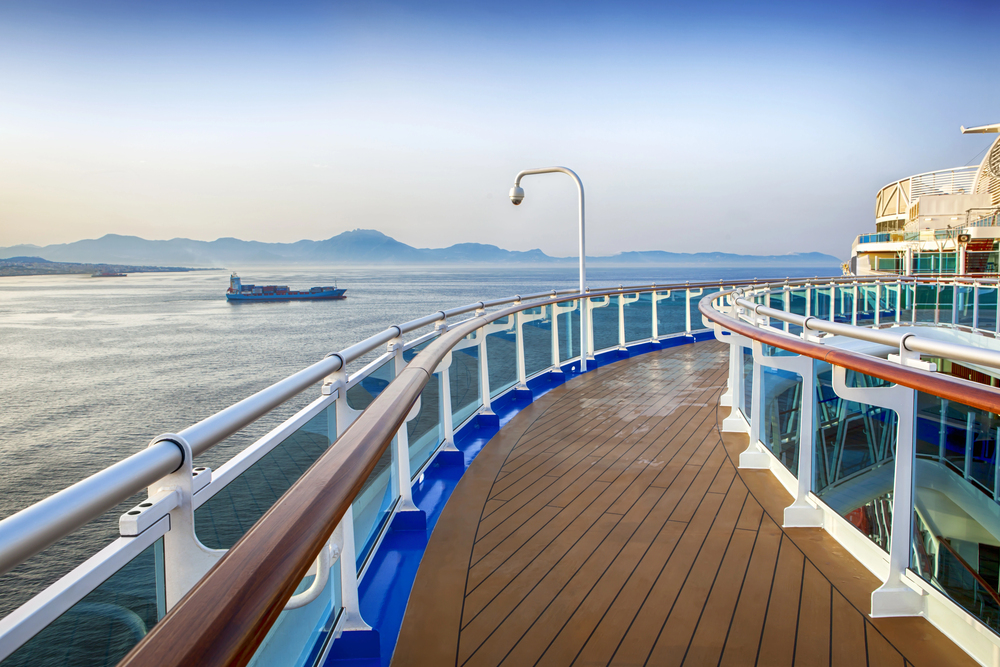
Cruise ship pricing operates on the assumption that passengers will spend money spontaneously throughout their voyage, and the markup on everything from drinks to spa services reflects a captive audience with limited alternatives. Once you’re on the ship, there’s nowhere else to go for a cocktail, a massage, or souvenir shopping.
This creates an economic dynamic where passengers find themselves paying premium prices for services and products that would cost significantly less on land. The convenience factor justifies some markup, but the reality is that cruise pricing takes advantage of the lack of competition inherent in being surrounded by ocean for days at a time.
Finding Your Sea Legs in Rough Waters

The dream of cruising assumes calm seas and gentle ocean breezes, but the reality of spending days on a moving vessel in open ocean can challenge even experienced travelers in ways that no amount of motion sickness medication can completely resolve. Ships encounter rough weather regularly, and when they do, the floating resort experience transforms into something closer to an endurance test for passengers who discover they’re more susceptible to motion than they anticipated.
Modern stabilization systems help, but they can’t eliminate the fundamental physics of large objects moving through turbulent water. The result is days spent feeling queasy while trying to navigate stairs, hallways, and dining rooms on surfaces that tilt and shift unpredictably.
More from Travel Pug

- Underrated Italian Towns That Beat the Tourist Crowds
- Las Vegas Tourist Traps to Skip
- Prettiest Towns in Every US State
- 18 passport-free countries for Americans
- Signs Your Cruise Is Not Worth The Cost
Like Travel Pug’s content? Follow us on MSN.