

That moment when you’re posing for what feels like the hundredth photo of your cruise vacation, and the photographer flashes that practiced smile while mentioning their “exclusive onboard packages.” The prices they quote could fund a small vacation by themselves, yet somehow passengers keep buying them.
The question isn’t whether cruise ship photographers take decent pictures—many do. The real question is whether those pictures are worth what amounts to a luxury car payment for a week’s worth of memories.
The Sticker Shock Factor

Cruise photography packages don’t mess around with pricing. A basic package starts around $200 and climbs toward $800 for the premium options.
That’s before they mention the individual photo prices—often $25 to $40 per image. The math gets uncomfortable quickly when you realize a family of four could easily spend more on photos than they did on shore excursions.
What You Actually Get
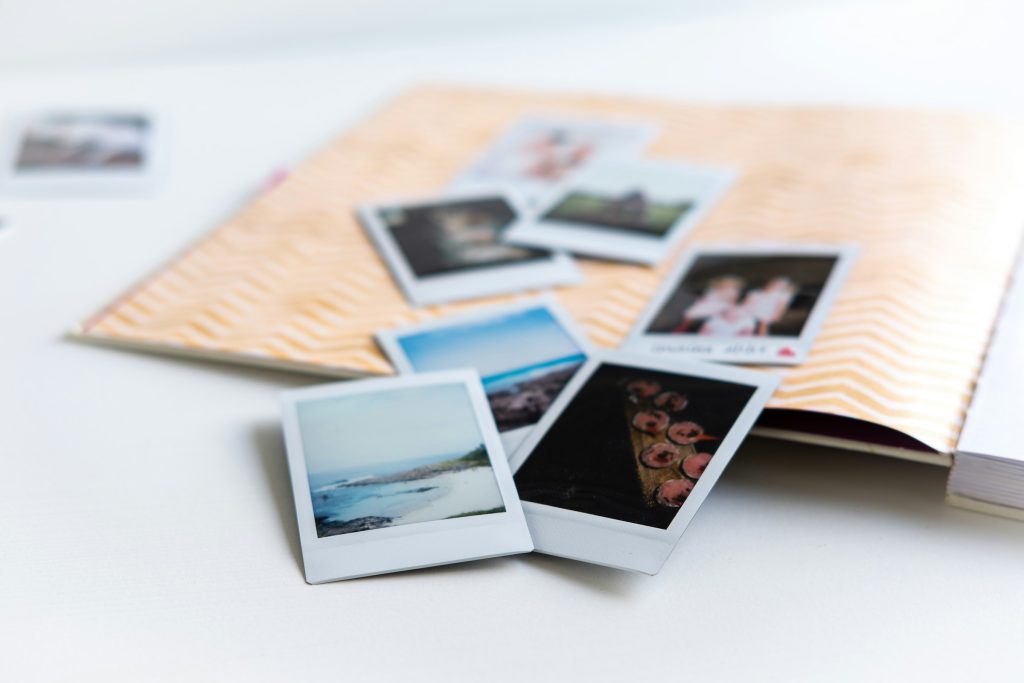
The packages sound impressive on paper (and they’re always presented with glossy brochures that probably cost more to produce than your last family portrait session back home). Most include professional shots at formal nights, candid moments around the ship, and staged photos at scenic locations—assuming the ship’s photographer happens to be in the right place when you walk by looking photogenic, which is rarer than cruise lines would have you believe.
But here’s what the packages really deliver: a collection of photos that range from genuinely good to awkwardly posed, with the majority falling somewhere in the middle. The formal night shots tend to be solid since those are controlled environments.
The candid moments (which aren’t really candid since you’re usually asked to recreate whatever you were doing) can feel forced. And those scenic location shots often capture the same generic poses in the same spots that thousands of other passengers have stood in before you.
The Professional Quality Question
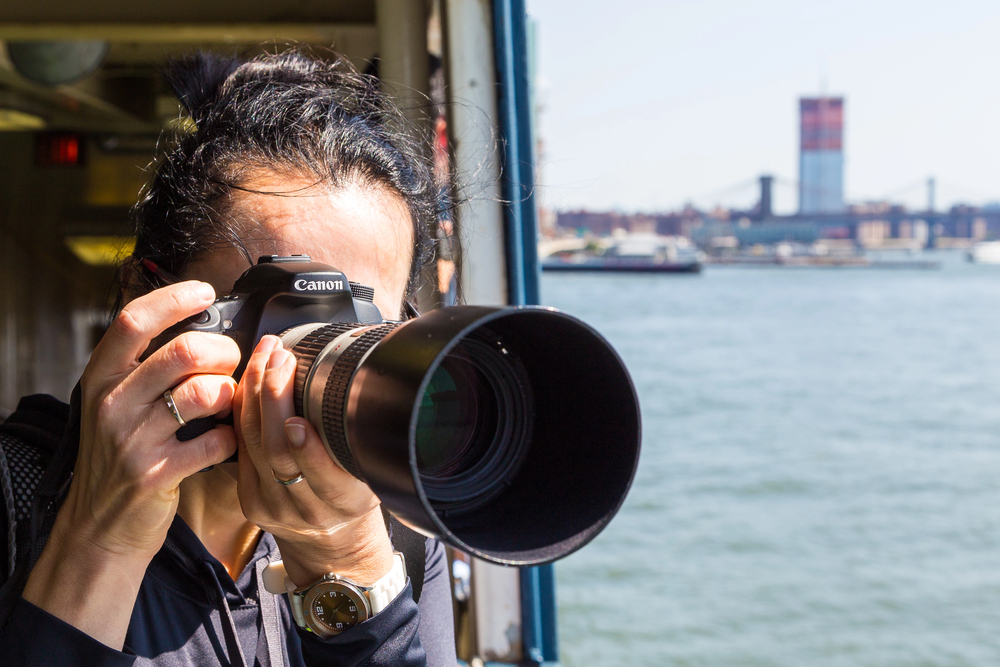
Cruise ship photographers exist in a strange professional space—they’re skilled enough to handle lighting and composition, but they’re also working within the constraints of high-volume, quick-turnaround photography that prioritizes quantity over artistry. Think of it as the difference between a carefully crafted meal and efficient cafeteria service: both can be good, but one is designed for mass production while the other allows for individual attention and creativity.
The equipment is typically professional-grade, and most photographers know how to use it competently. The results reflect this baseline competence.
Your photos won’t be blurry disasters, and the exposure will be correct. But they also won’t capture the kind of spontaneous emotion or creative composition that makes photos feel special years later.
They’re technically proficient and emotionally neutral—which is exactly what you’d expect from a system designed to photograph hundreds of people per day.
Timing and Convenience
Here’s where cruise photography packages make their strongest case: convenience. The photographers are already there, they know the ship’s best lighting, and they can capture moments without you having to fumble around with camera settings or ask strangers to take your picture (though let’s be honest—asking strangers often produces more authentic-looking results than the staged alternatives).
The timing aspect cuts both ways, though. Yes, having someone ready to photograph your family at dinner or during formal night saves you the hassle of setting up your own shots.
But this convenience comes with the cost of spontaneity. When you know the photographer is coming around, you start posing instead of just being.
The resulting photos often capture you preparing to have fun rather than actually having it.
Alternative Options

Your smartphone camera has probably improved dramatically since the last time you seriously considered its capabilities. Modern phones handle low-light situations better than many dedicated cameras from just a few years ago, and they’re certainly capable of capturing the kind of vacation memories that matter.
The photos won’t have the technical polish of professional equipment, but they’ll often feel more genuine because they capture unguarded moments. Bringing a dedicated camera opens up even more possibilities, though it requires more effort on your part.
A decent point-and-shoot or mirrorless camera can produce results that rival the cruise photographers’ work, especially if you take time to learn basic composition and lighting principles before your trip. The trade-off is convenience—you’ll need to carry the camera, remember to charge it, and actually use it instead of just enjoying the moment.
The Memory Premium
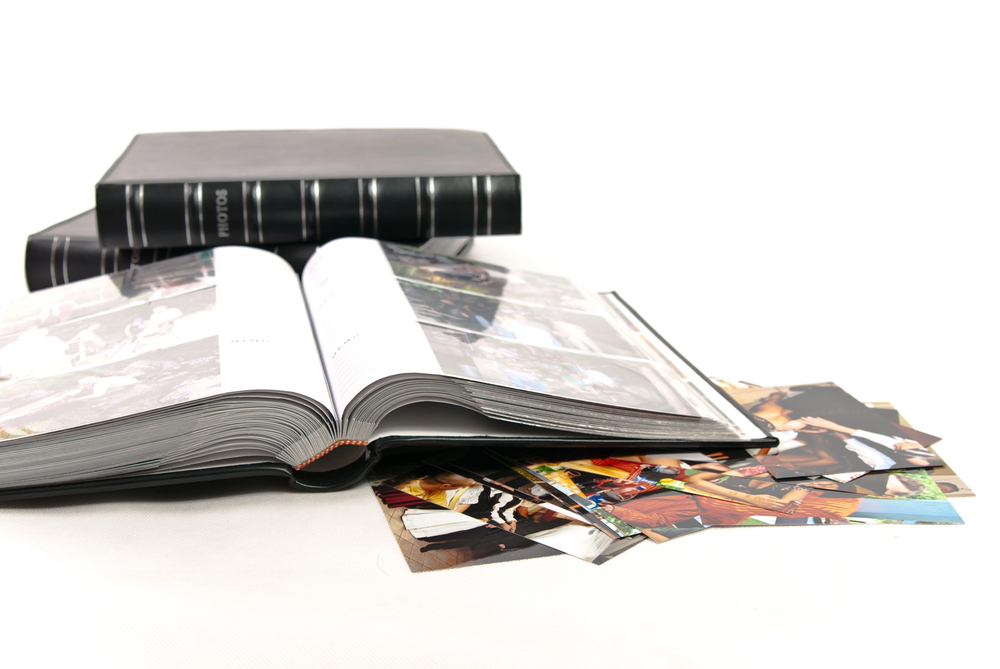
Photography packages aren’t really selling you photographs—they’re selling you the promise that your memories will be preserved in their best possible form. This emotional angle is powerful because vacation memories are precious, and the fear of not capturing them properly drives people to spend money they might not otherwise spend.
The reality is more nuanced. Professional photos can indeed capture details and moments you might have missed with your own camera, particularly during formal events or in challenging lighting conditions.
But they can also feel disconnected from your actual experience because they’re filtered through someone else’s perspective of what your vacation should look like rather than what it actually felt like to be there.
When Packages Make Sense
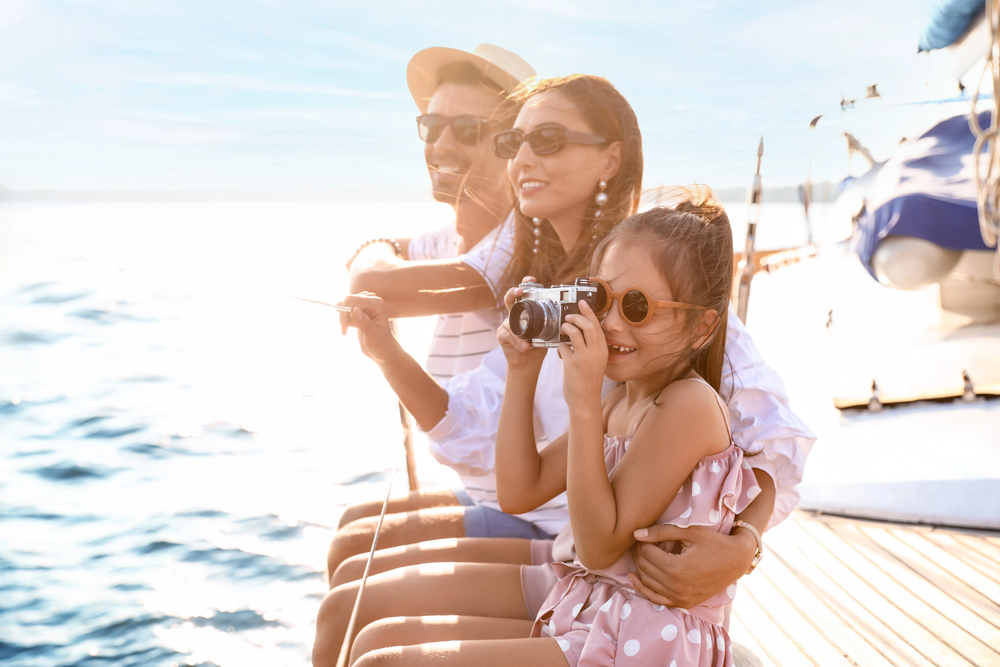
Certain situations tip the scales in favor of professional packages. Multi-generational family cruises, where getting everyone together for photos is challenging and the stakes for good family portraits are high, represent one scenario where the convenience and reliability of professional photography justify the cost.
Anniversary or celebration cruises fall into similar territory—when the photos serve a specific purpose beyond general vacation documentation. Large groups also benefit from professional photography because coordinating group shots with personal cameras becomes logistically difficult.
The photographers know how to handle groups efficiently, and they have the equipment to ensure everyone is properly lit and in focus. For groups of eight or more people, the package price divided among everyone can become reasonable while solving real practical problems.
The À La Carte Trap
Cruise lines design their photography pricing to make the packages seem like better deals compared to individual photo purchases. When single photos cost $30 to $40 each, a $400 package that includes “all your photos” starts to feel reasonable.
This pricing structure is intentionally manipulative—it creates artificial urgency around a decision that doesn’t need to be urgent. The truth is that most people don’t actually want all their photos.
They want the good ones, which usually represent a fraction of what the photographers capture. But the package pricing makes it feel wasteful to buy just the photos you actually like, so people end up paying for dozens of photos they’ll never look at again to get the handful they actually want.
Digital vs. Physical Prints

Most packages now focus on digital delivery, which eliminates the question of what to do with dozens of physical prints you don’t really want. Digital photos can be shared easily and printed later if desired, making them more practical for most people’s actual photo usage patterns.
This shift toward digital delivery has improved the value proposition somewhat, though it hasn’t changed the fundamental economics. However, digital delivery also highlights how the package pricing compares to what you might pay for similar photos elsewhere.
Professional portrait sessions on land typically cost less than cruise photography packages while providing more personalized service and creative input. The premium you pay for shipboard photography is really a convenience fee for having the service available during your vacation.
The Pressure Factor
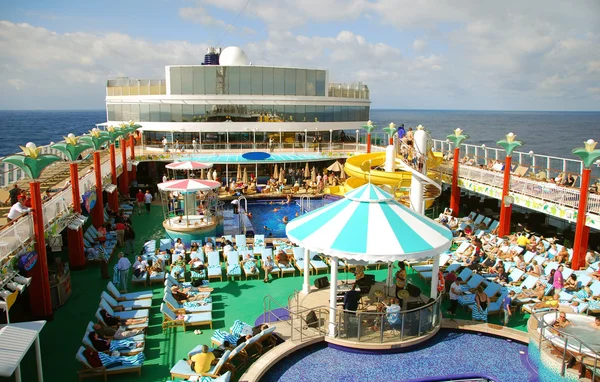
Cruise ship photographers are skilled at creating gentle pressure around photo purchases without being aggressively pushy. They’ll mention limited-time pricing, remind you that you can’t recreate these specific moments later, and emphasize how good your family looks in the photos.
This sales approach is effective because it’s not wrong—you can’t recreate the moments, and many families do look genuinely good in the photos. The pressure becomes problematic when it pushes people to make decisions based on fear rather than value.
The photographer’s job is to sell packages, not to provide unbiased advice about whether the photos are worth the money for your specific situation. Keeping this motivation in mind helps you evaluate the actual value rather than just responding to the sales pitch.
Quality Control Issues
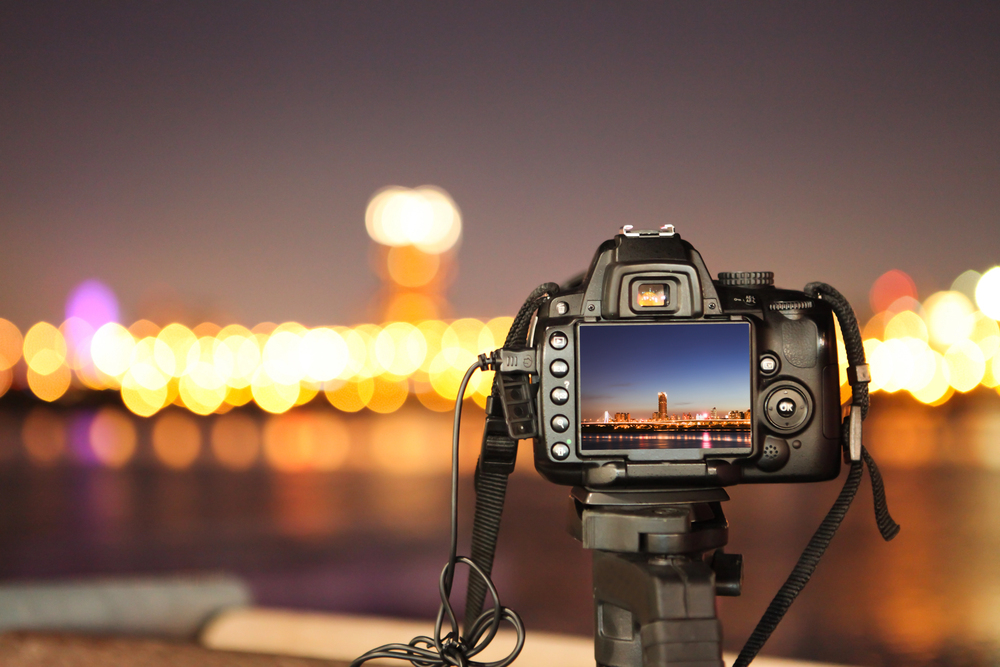
Professional photography suggests consistent quality, but cruise ship photography often falls short of this expectation. The high volume and quick turnaround mean that some photos will be better than others, and you typically can’t preview everything before making a purchase decision.
Bad lighting, unflattering angles, and missed focus happen more often than they should for photography at these price points. The package structure also means you’re buying photos you haven’t seen yet, which would be unacceptable in most other professional photography contexts.
While cruise lines usually offer some kind of satisfaction guarantee, dealing with photo issues while you’re trying to enjoy your vacation adds stress that undermines the convenience they’re supposed to provide.
Storage and Sharing Realities
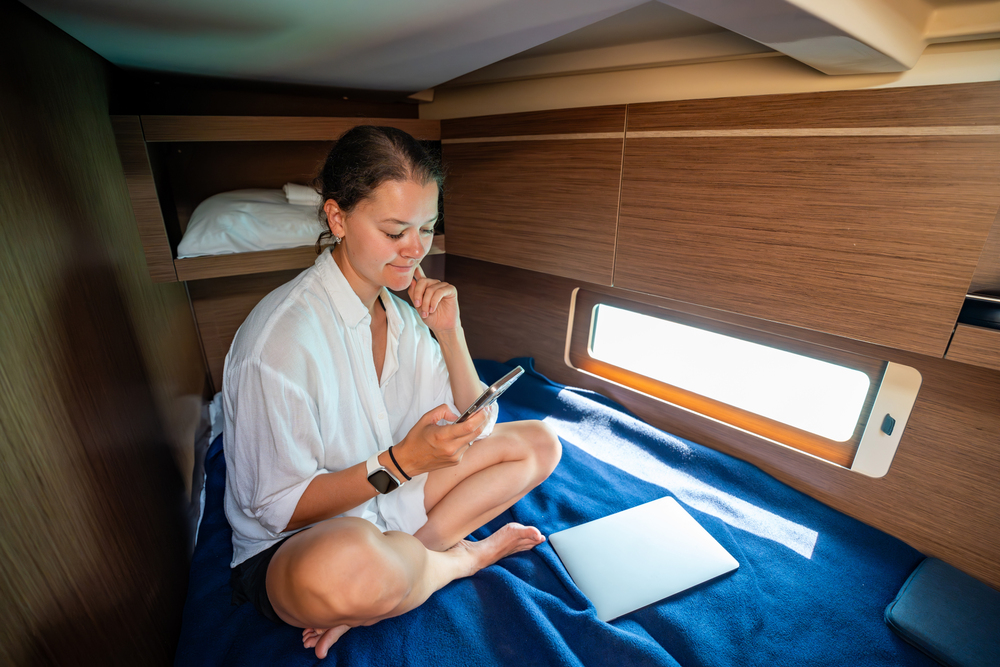
Digital photo packages often include more images than most people can realistically organize or share. Receiving 200 cruise photos sounds generous until you realize that sorting through them, editing favorites, and sharing them becomes a project that extends your vacation workload into your real life.
Many people end up with large folders of cruise photos that they never properly organize or share because the volume is overwhelming. This storage reality affects the practical value of photography packages.
If you’re not going to meaningfully use most of the photos you receive, the package becomes expensive storage for a few images you actually care about. Personal photos, even if they’re technically inferior, often get more use because there are fewer of them and they feel more connected to your actual experience.
The Authenticity Question
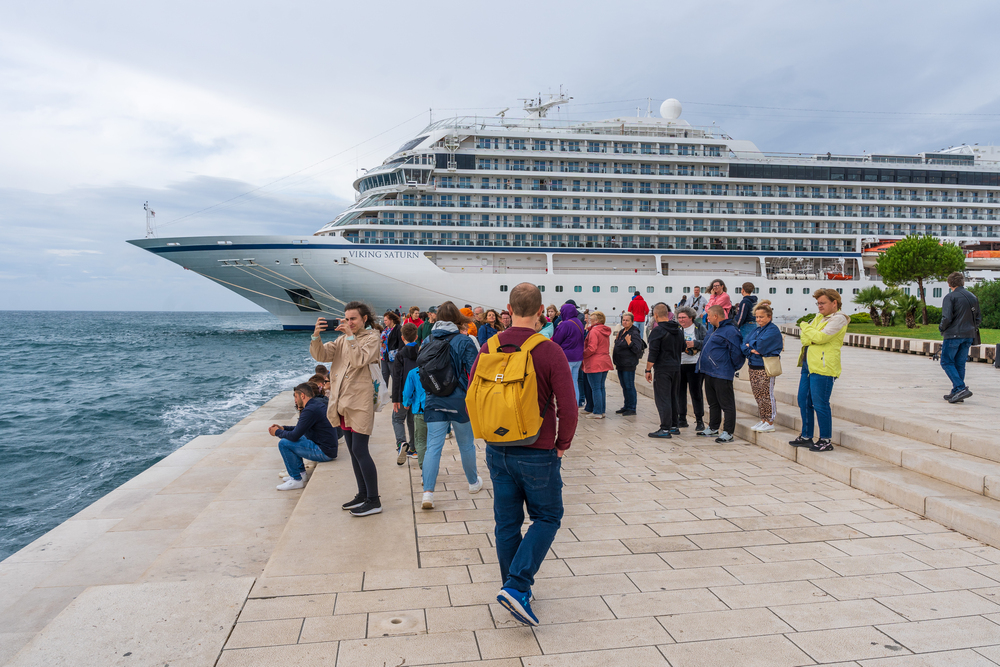
Professional cruise photos tend to look like professional cruise photos—polished, well-lit, and somewhat generic. They capture you looking your best in idealized versions of cruise experiences, which can feel disconnected from the actual experience of being on the cruise.
Personal photos, with their imperfect lighting and candid moments, often do a better job of capturing the feeling of the vacation rather than just its appearance. This authenticity gap affects how the photos feel when you look at them later.
Professional photos can seem like documentation of someone else’s vacation—technically better than your personal photos but emotionally less connected to your memories. The value of vacation photos isn’t just their technical quality but their ability to transport you back to how the experience felt.
Making the Decision

The photography package decision comes down to weighing convenience against cost while considering your actual photo usage patterns. If you regularly print and display vacation photos, value professional quality, and want comprehensive documentation of your cruise experience, the packages can provide good value despite their high cost.
If you typically take a few good vacation photos and share them digitally, your personal camera will likely serve you better. The decision also depends on the specific occasion.
Milestone cruises, family reunions, or once-in-a-lifetime trips create different value calculations than routine vacations. When the cruise itself represents a significant investment and important memories, spending proportionally on photography makes more sense than it does for casual getaways.
Beyond the Price Tag

Ultimately, cruise photography packages represent a premium convenience service rather than essential vacation documentation. They solve real problems for some travelers while creating artificial pressure for others.
The key is recognizing which category you fall into before the photographer starts showing you how good your family looks in their sample shots. The best cruise photos—whether professional or personal—capture genuine moments of enjoyment and connection.
Sometimes that requires professional equipment and expertise. More often, it just requires paying attention to the moments that matter and being ready to capture them, regardless of what camera you’re using.
More from Travel Pug

- Underrated Italian Towns That Beat the Tourist Crowds
- Las Vegas Tourist Traps to Skip
- Prettiest Towns in Every US State
- 18 passport-free countries for Americans
- Signs Your Cruise Is Not Worth The Cost
Like Travel Pug’s content? Follow us on MSN.