

Virginia City thrones atop the slopes of Mount Davidson like a vintage Western movie set, but this isn’t another tourist trap with cowboy boots. This Nevada town was the wildest, wealthiest town in the American West — where fortunes rose and fell quicker than a card cheat could riffle a deck. The silver veins of the celebrated Comstock Lode made millionaires overnight and constructed San Francisco into the behemoth that it was. Now to walk these wooden sidewalks is to traverse a portal back in time, although today’s world has not entirely forgotten this location.
Here are 16 amazing experiences that’ll make your trip to Virginia City a memorable one. Each one provides a unique taste of this incredible town’s personality.
Explore underground mining tunnels
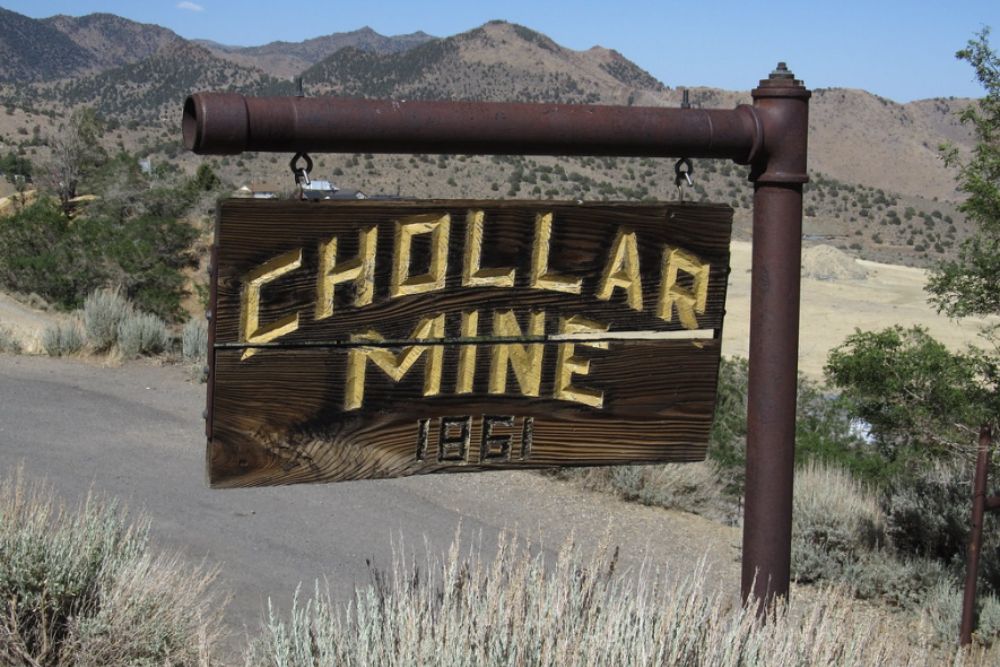
The Chollar Mine takes you 400 feet beneath Virginia City into the actual tunnels where miners once worked by candlelight. These aren’t reconstructed tourist attractions but the real deal — wooden support beams, mining equipment, and all.
Your guide will explain how the square-set timbering method revolutionized mining worldwide, while you’re standing in the very shafts where it was invented.
Visit the Fourth Ward School
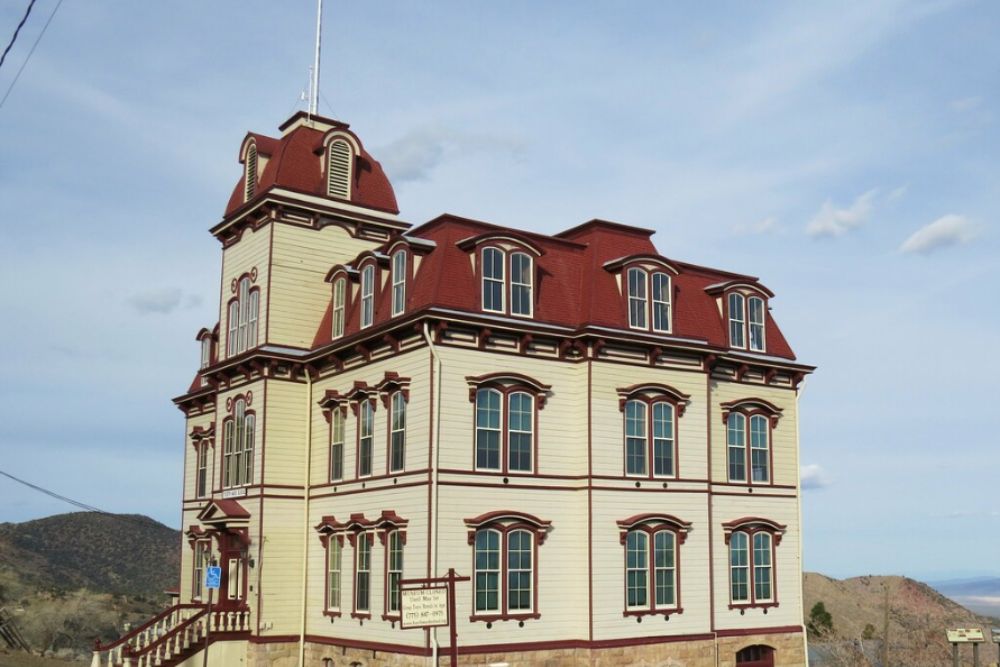
This massive brick schoolhouse dominated Virginia City’s skyline when it opened in 1876, and today it houses a museum that’s way more interesting than your typical classroom experience. Four floors of exhibits showcase everything from Native American artifacts to mining equipment.
The building itself tells a story — its fancy architecture proves that this rough mining camp had serious money and big dreams for the future.
Like Travel Pug’s content? Follow us on MSN.
Catch a show at Piper’s Opera House
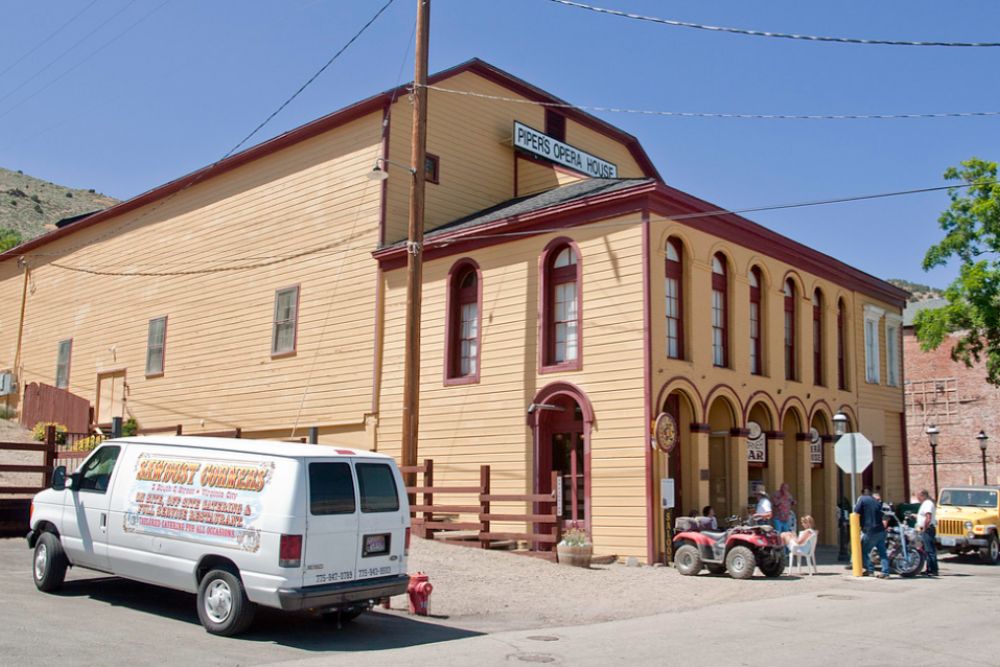
John Piper constructed this theater in 1885 to introduce the Wild West to high culture, and stars Edwin Booth and Lillian Russell trod its boards. The gaudy interior withstood several fires and rebuilds, although performances today combine historical accuracy with contemporary showmanship.
You may see anything from melodrama to musical comedy, but the actual performance is the building itself — those red velvet seats have seen more than a century of drama.
Browse St. Mary’s Art Center
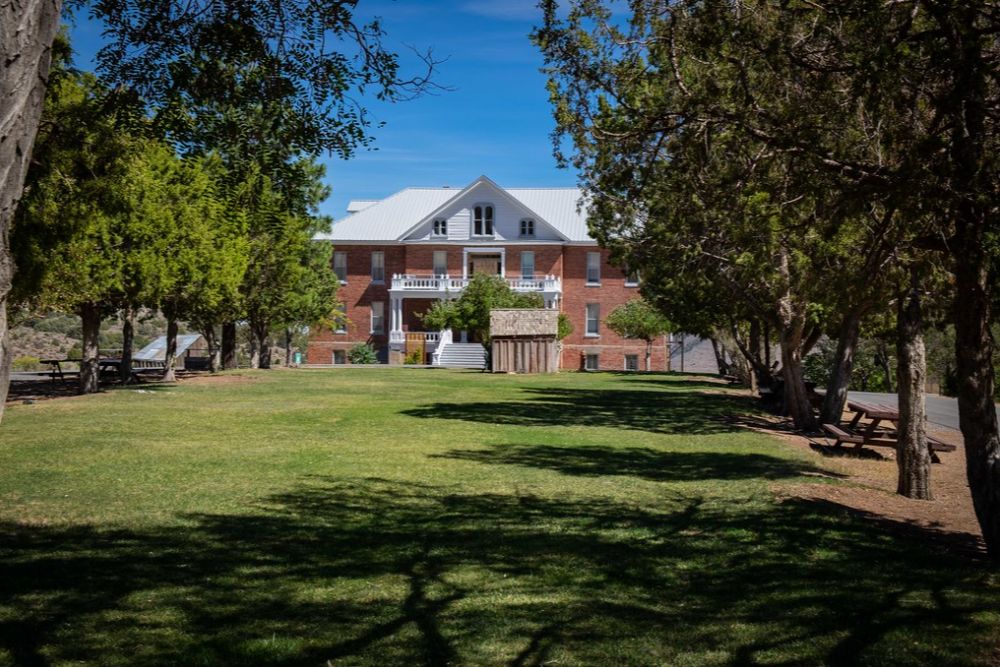
This former Catholic church now houses rotating art exhibitions in a space where stained-glass windows cast colored light across contemporary paintings and sculptures. The building dates to 1868, when Virginia City’s growing population demanded proper religious facilities.
Artists from across Nevada display their work here, yet the church’s Gothic Revival architecture provides a stunning backdrop that competes with any artwork hanging on its walls.
Discover the Mackay Mansion
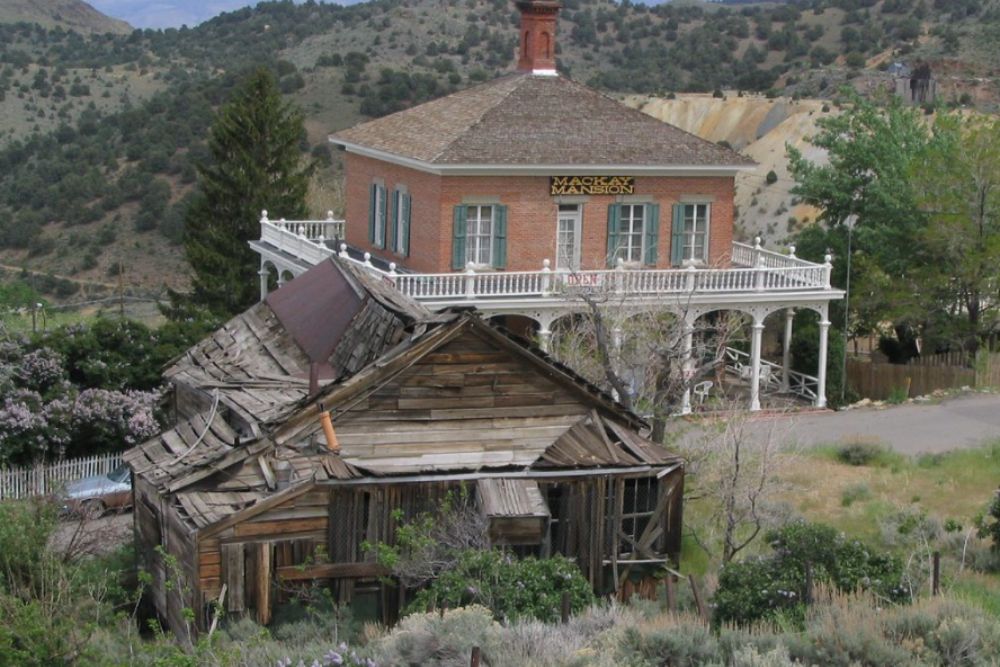
John Mackay struck it rich in the Comstock mines and built this elaborate mansion to prove that Virginia City could rival San Francisco in sophistication. The interior showcases Victorian luxury at its most extravagant — hand-carved woodwork, imported wallpaper, and furnishings that cost more than most people earned in a lifetime.
Guided tours reveal how mining wealth translated into domestic opulence, though the mansion’s history includes both triumph and tragedy.
Like Travel Pug’s content? Follow us on MSN.
Wander through historic cemeteries
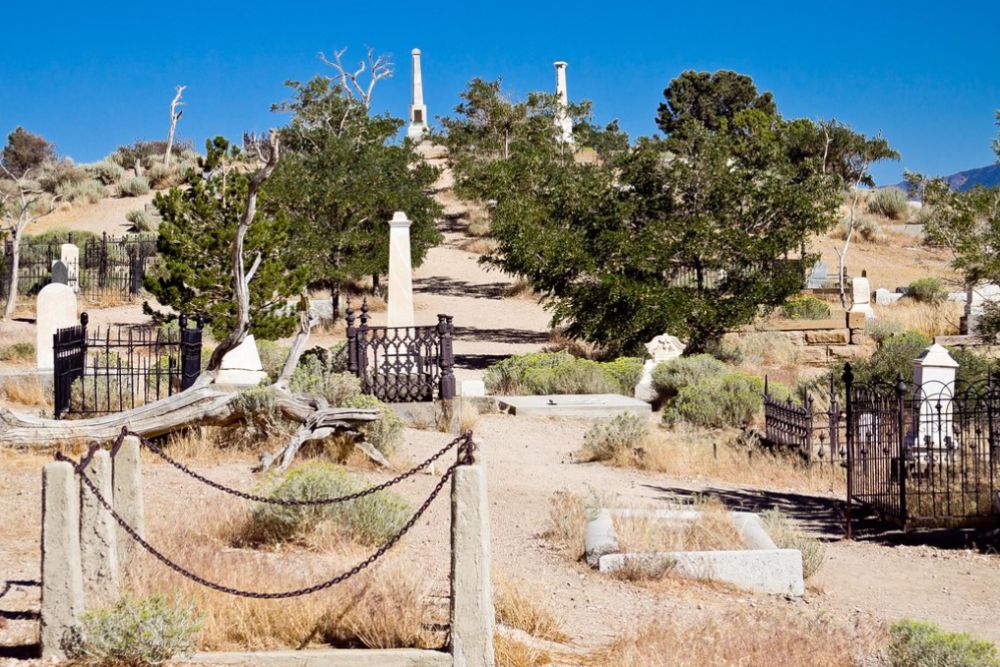
Virginia City’s cemeteries tell the story of boom and bust in weathered headstones and elaborate monuments. Some graves belong to millionaires who built marble mausoleums, while others mark the resting places of miners, saloon girls, and children who didn’t survive the harsh realities of frontier life.
The views from these hillside burial grounds stretch across the Washoe Valley — a final resting place with scenery that would cost millions in today’s real estate market.
Hike to Castle Rock
The trail to Castle Rock climbs above Virginia City through high desert terrain, revealing the area’s geological complexity. This isn’t a stroll but a moderate hike that rewards effort with panoramic views of the entire Comstock region.
From the summit, you can see how the mountains shaped human settlement patterns — Virginia City clings to slopes that yielded silver, while the valleys below supported ranching and agriculture.
Learn about Mark Twain’s early days
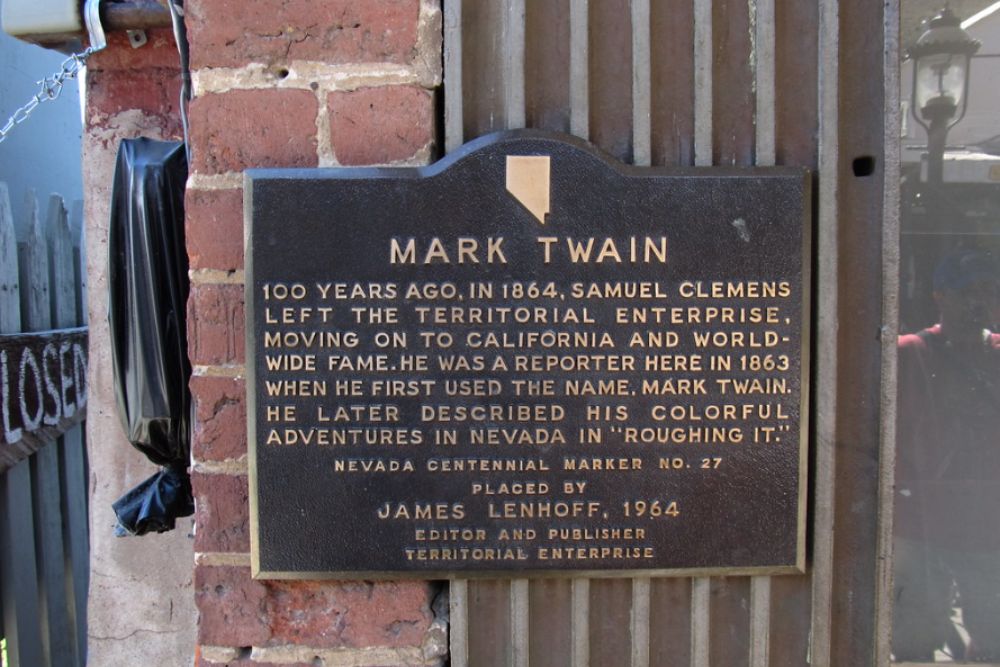
Before Samuel Clemens became Mark Twain, he worked as a reporter for Virginia City’s Territorial Enterprise newspaper in the 1860s. The Mark Twain Museum occupies the building where he honed his writing skills while covering mining claims, local politics, and the colorful characters who populated this frontier town.
His experiences here shaped stories that would make him famous worldwide, though at the time, he was just another young man trying to make his way in a booming mining camp.
Like Travel Pug’s content? Follow us on MSN.
Enjoy entertainment at Ponderosa Saloon
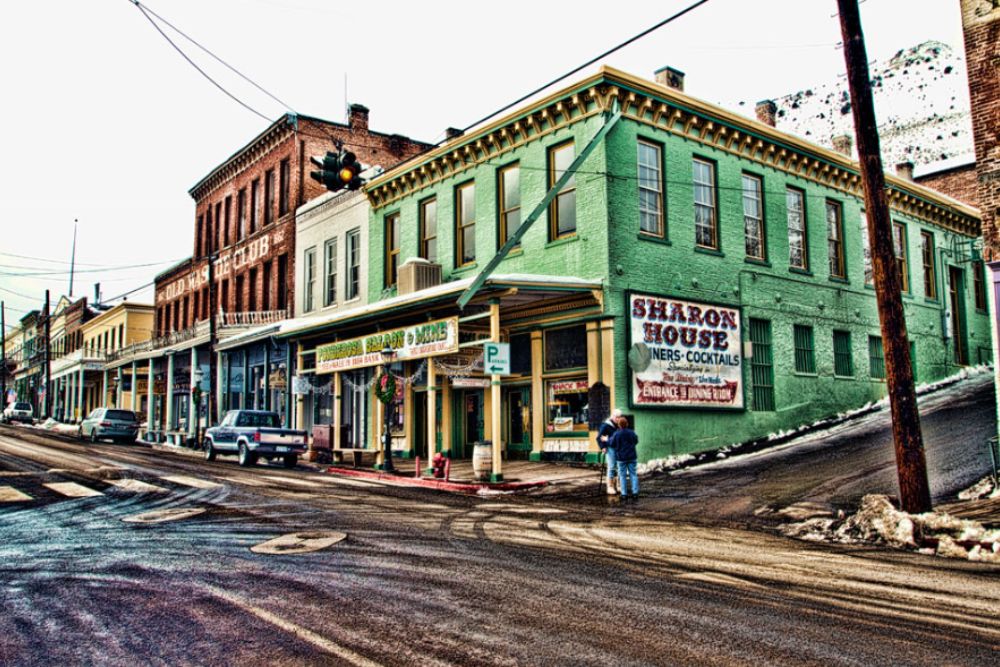
The Ponderosa combines saloon atmosphere with family-friendly entertainment in a space that feels authentically Western without being overly theatrical. Their variety shows blend comedy, music, and historical storytelling in performances that change throughout the year.
The building itself dates to Virginia City’s mining heyday, yet modern sound systems and lighting ensure that every seat offers a good view of the action.
Visit Julia Bulette Red Light Museum
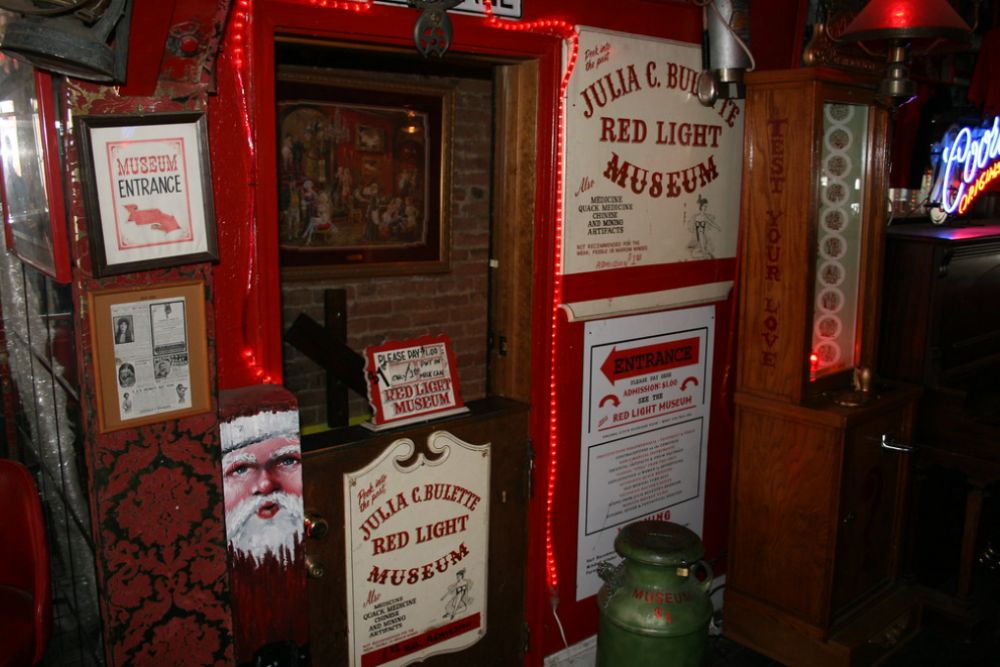
Julia Bulette became Virginia City’s most famous courtesan in the 1860s, and this small museum tells her story alongside the broader history of prostitution in the mining camps. The exhibits handle mature themes with historical accuracy rather than sensationalism.
This isn’t just about scandal but about understanding how frontier society functioned — including aspects that polite history books often ignore.
Stop by the visitor center
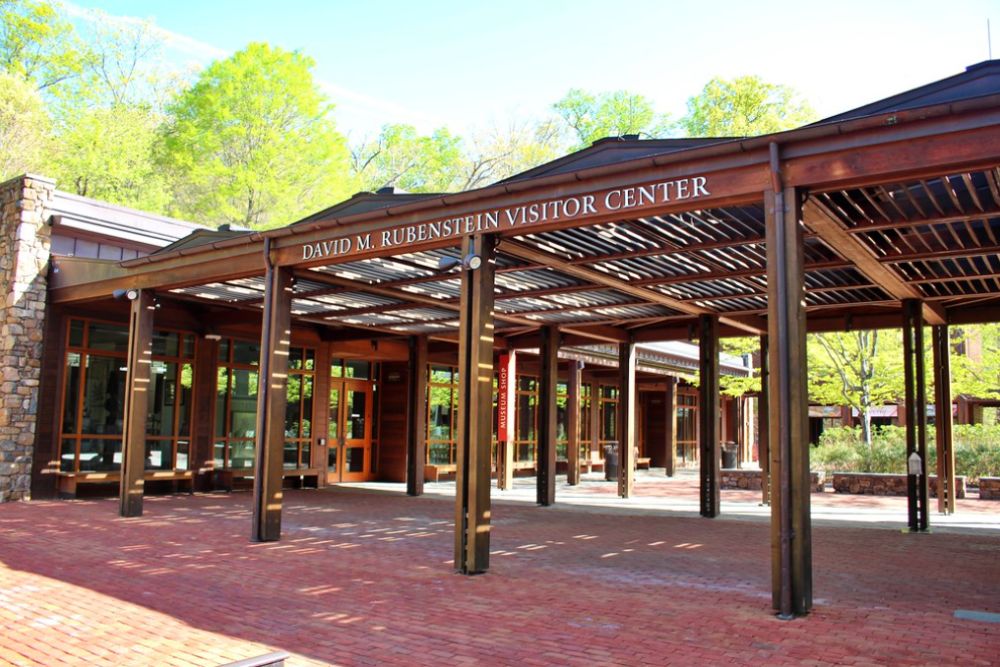
Virginia City’s visitor center occupies a historic building where knowledgeable staff can customize recommendations based on your interests and available time. The exhibits provide essential context about the discovery of the Comstock Lode and its impact on American history.
Maps, brochures, and local insights help visitors navigate the town’s attractions more effectively, though the building itself showcases typical 1800s commercial architecture.
Like Travel Pug’s content? Follow us on MSN.
Explore Six Mile Canyon
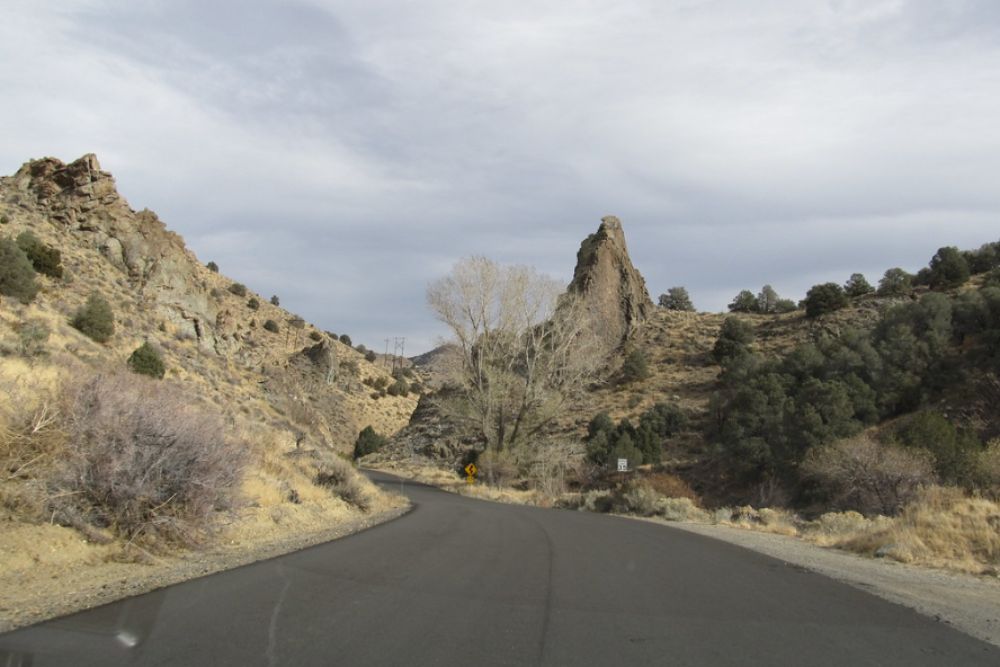
Six Mile Canyon offers a scenic drive that follows the route of the original Virginia & Truckee Railroad through a dramatic desert landscape. The canyon reveals geological formations that tell the story of ancient volcanic activity and more recent mining operations.
Several pullouts provide opportunities for photography and short hikes, while interpretive signs explain how this terrain shaped both natural and human history.
Take a trolley tour
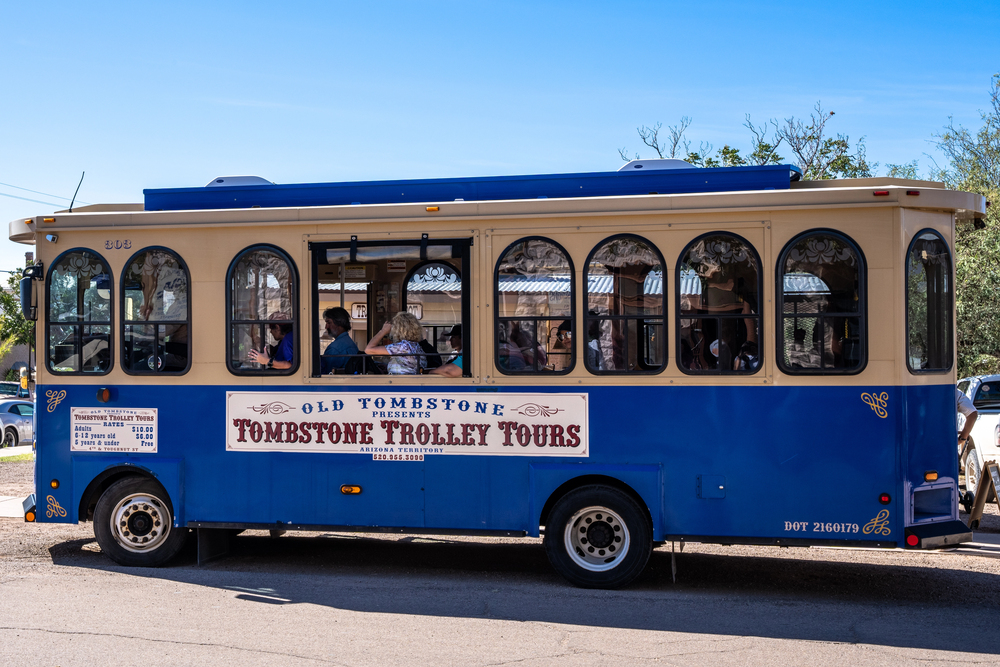
The Virginia City trolley provides narrated tours that cover more ground than walking while offering historical commentary from knowledgeable guides. The route includes major attractions and residential areas that reveal how ordinary people lived during the mining boom.
These aren’t just transportation but rolling history lessons that connect Virginia City’s various attractions into a coherent story, though the trolley’s vintage appearance adds to the overall historical atmosphere.
Study firefighting history
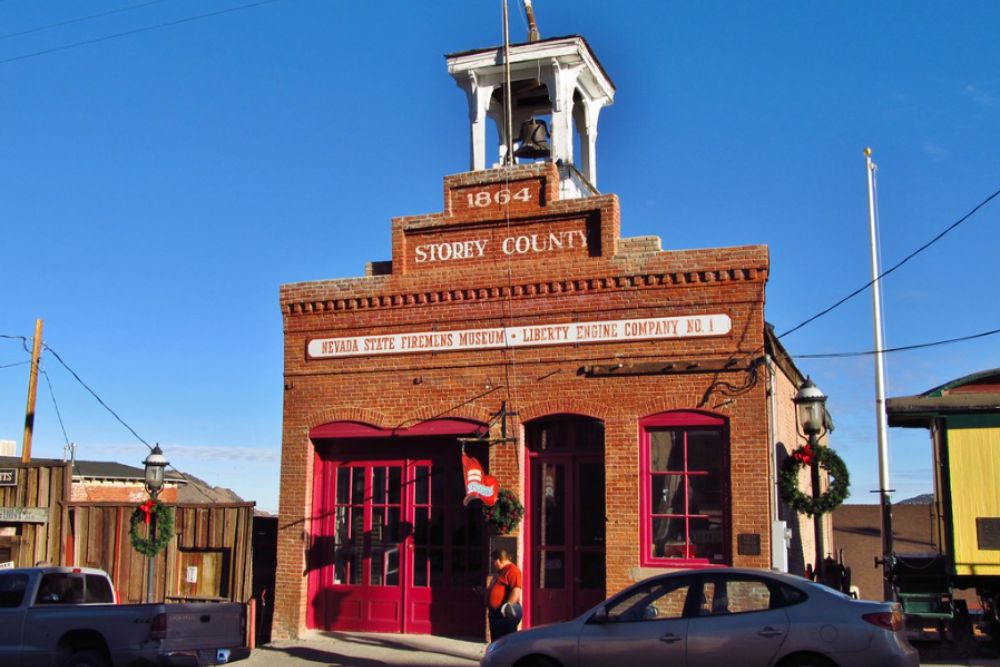
Virginia City’s Firemen’s Museum showcases antique fire engines and equipment used to battle the blazes that repeatedly threatened this wooden town. The Great Fire of 1875 destroyed much of Virginia City, yet residents rebuilt with determination that reflected their faith in the mines’ continued productivity.
Hand-pulled engines, leather buckets, and early pumping equipment demonstrate how volunteers fought fires using technology that seems impossibly primitive by modern standards.
Like Travel Pug’s content? Follow us on MSN.
Tour historic churches
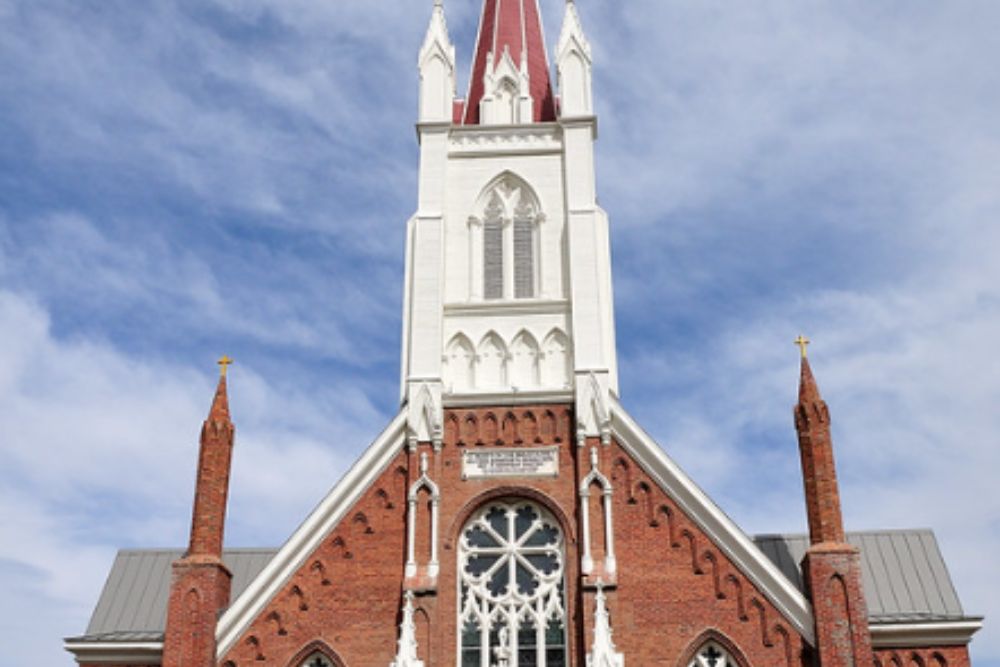
Several historic churches survive from Virginia City’s boom years, each representing different denominations that served the diverse mining population. St. Mary of the Mountains Catholic Church features stunning architecture and beautiful stained-glass windows, while other churches showcase simpler designs that reflect their congregations’ more modest means.
These buildings provided spiritual comfort in a place where death and danger were constant companions; yet, they also served as community centers that helped to civilize a rough frontier town.
Drive the Geiger Grade
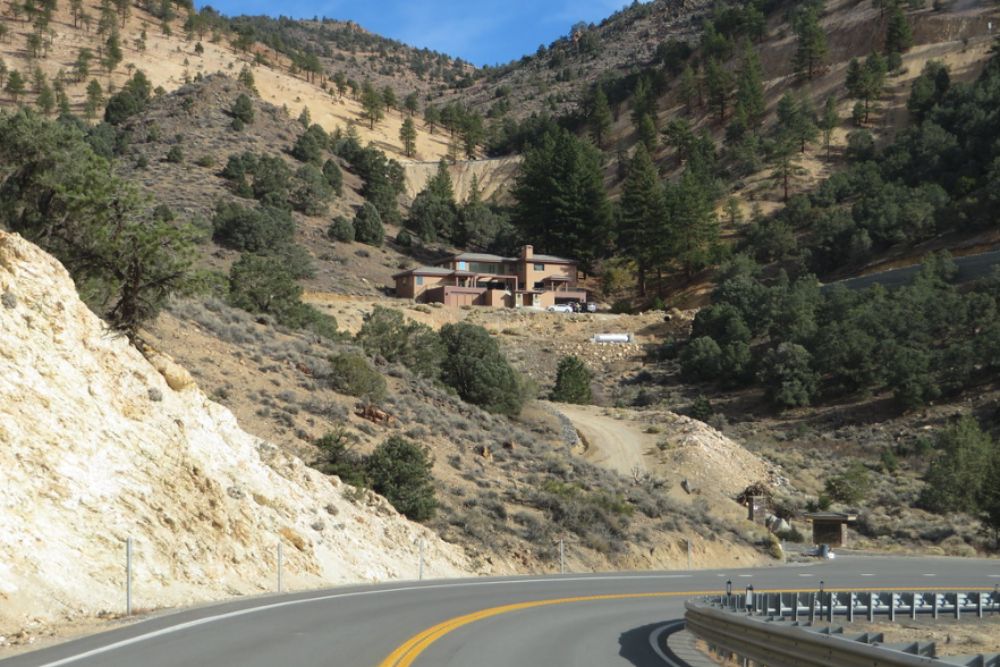
The Geiger Grade road connects Virginia City to Reno through mountain terrain that offers spectacular views and challenging curves. This isn’t just a scenic drive but a historical route that carried supplies, people, and precious metals between the mining camps and the outside world.
The engineering required to build roads through this landscape demonstrates the determination that characterized Virginia City’s entire existence, though modern vehicles handle the grades much more easily than the wagons and stagecoaches that originally traversed these mountains.
Stepping back into tomorrow
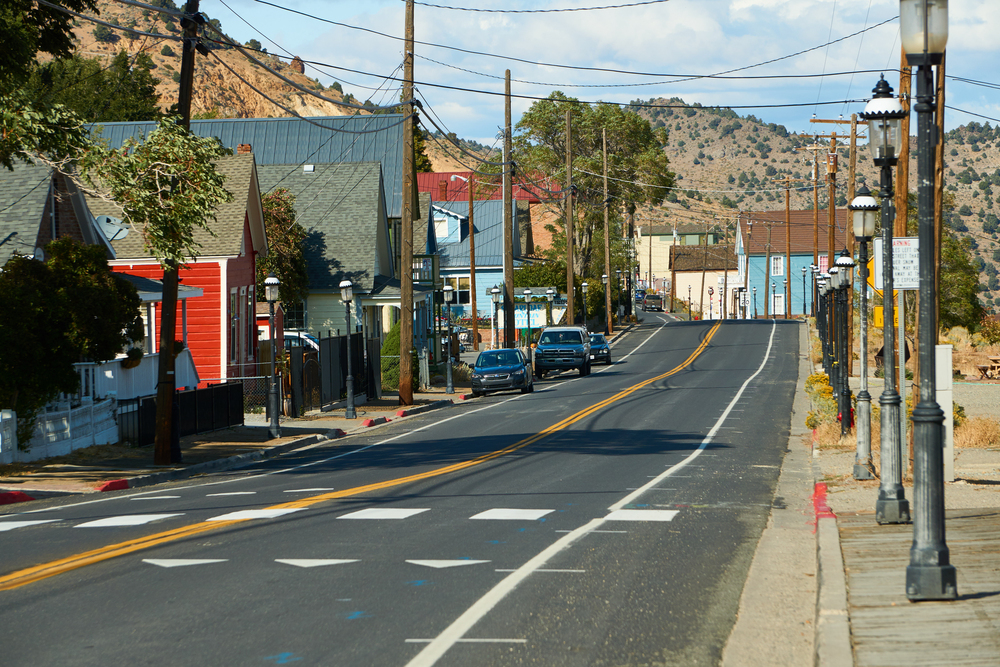
Virginia City proves that history doesn’t have to be boring, dusty, or locked behind glass cases in stuffy museums. This remarkable town has survived booms and busts, fires and floods, while maintaining its authentic character in ways that Disney could never replicate. The same wooden sidewalks that once echoed with the boots of miners and millionaires now welcome visitors who want to experience genuine American history rather than sanitized theme park versions.
Walking these streets connects you to stories of ambition, greed, courage, and dreams that shaped the entire American West. Virginia City reminds us that the past isn’t really past — it’s still here, waiting for anyone curious enough to listen to its stories.
Like Travel Pug’s content? Follow us on MSN.
More from Travel Pug

- 20 Best Beach Towns in the Carolinas
- 13 Destinations Where Tourists Regularly Regret Their Trip
- 20 Things You Actually Get in First Class
- 20 Small Airports With Aviation Museums
- 20 Places in the U.S. That Are Perfect for a Reset Trip
Like Travel Pug’s content? Follow us on MSN.