

California’s wine country stretches far beyond the famous valleys, with over 400 wineries scattered across diverse regions from coastal hills to mountain peaks. Each destination offers something different—from underground caves where millions of bottles age quietly to family ranches where the scent of oak trees mingles with fermenting grapes.
Here’s a list of 16 exceptional California wineries that deliver memorable experiences, outstanding wines, and reasons to linger long after the last sip.
Schramsberg Vineyards
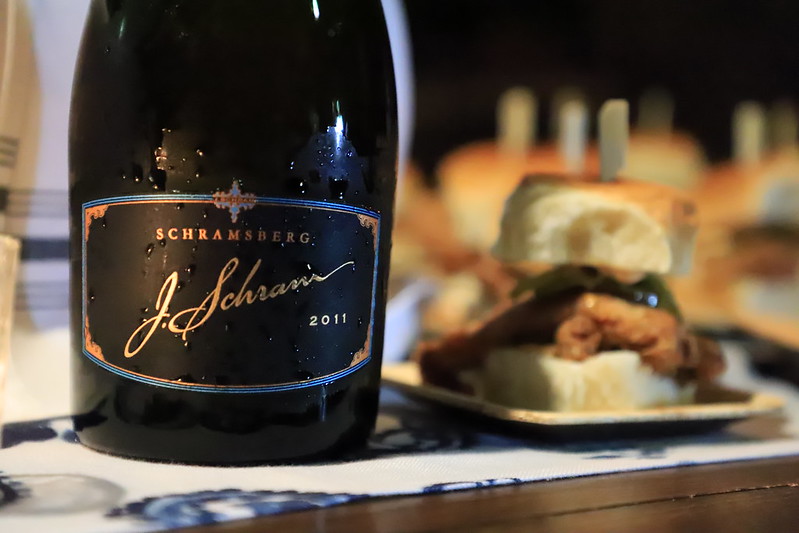
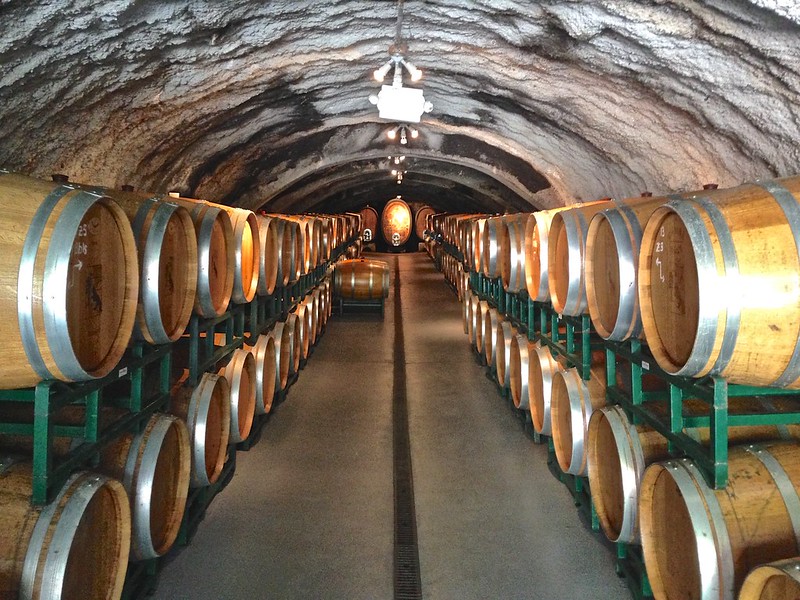
The coolest part about visiting Schramsberg Vineyards is the chance to tour through its miles of underground caves, where millions of bottles of nascent wine are stored as they undergo the secondary fermentation that makes them fizzy. Located in Calistoga, this historic property specializes in traditional method sparkling wines that rival the finest Champagnes.
There’s no better way to learn about the complicated process of Champagne-method winemaking than seeing it in action. The caves themselves feel like stepping into wine history. And the bubbles? They’re some of California’s best.
Frog’s Leap Winery
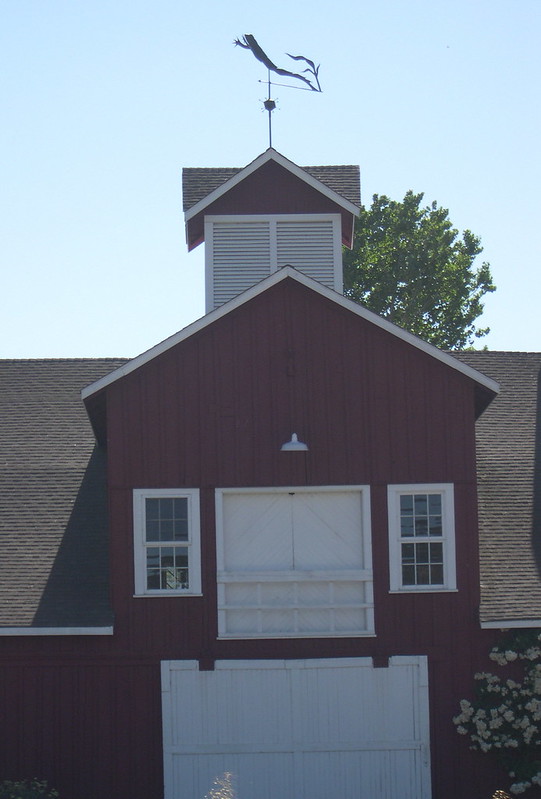
Frog’s Leap Winery began farming its grapes organically in 1989, long before it was common in the wine industry. The setting strikes that perfect balance between professional and homey, with historic farmhouse buildings surrounded by colorful gardens and vigorous vineyards.
The Frog’s Leap wines are as good as any in Napa Valley, yet the pricing here is more humane than at some neighboring wineries. There’s an all-star cast of wines, from floral Chenin Blanc to brambly Zinfandel, plus a Merlot that’s perennially one of Napa’s greatest. Tastings include small cheese plates with preserves from their own gardens.
Pride Mountain Vineyards
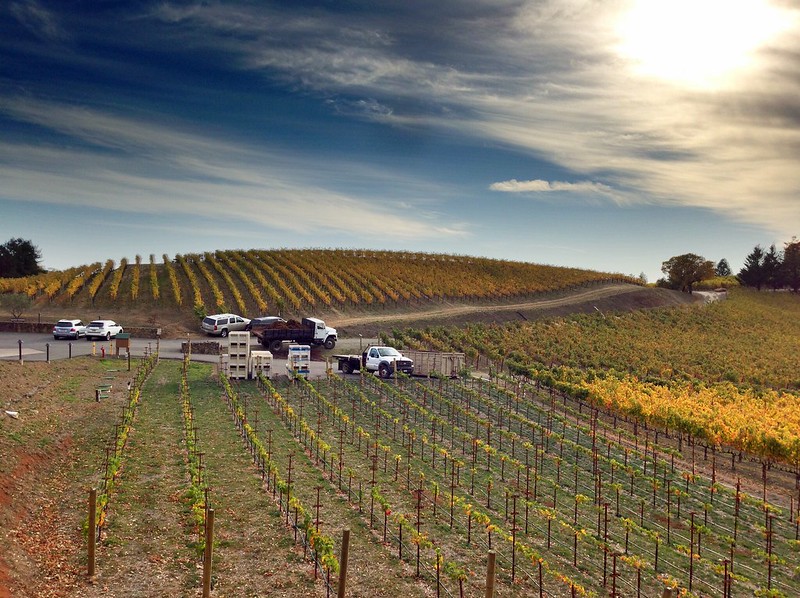
Pride Mountain Vineyards occupies a liminal space, straddling Napa and Sonoma counties at the top of Spring Mountain. A stone arch at the base of the vineyard marks the county line.
It’s one of the most approachable wineries in Napa Valley at this sort of elevation, with still-reasonable prices and a relatively low-key visitor protocol. The cave tours reveal stunning estate views, surrounded by rolling vineyard hills. If it’s sunny, grab a seat on the wraparound porch for tasting.
Tablas Creek Vineyard
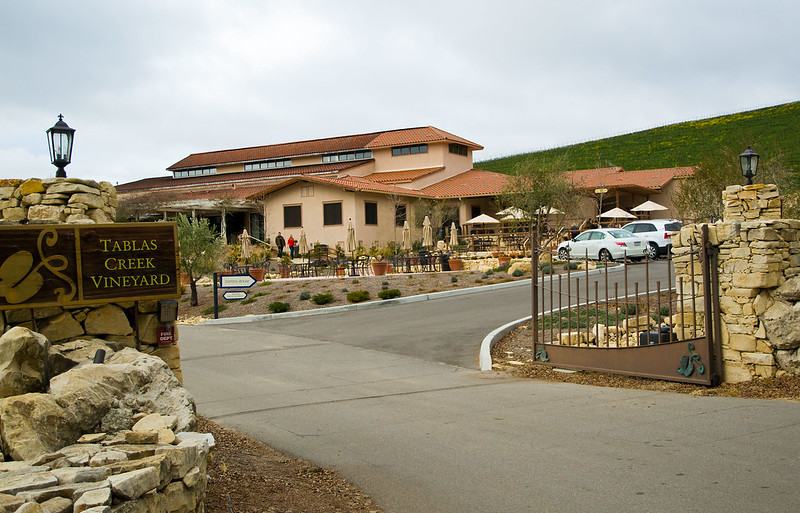
Tablas Creek is one of the most serious and beautiful tasting rooms in Paso. Famous for their Rhones and their relationship with Chateau de Beaucastel in France’s Rhône Valley, this Paso Robles pioneer helped establish California’s reputation for exceptional Rhône varietals.
The winery practices biodynamic farming and makes wines that feel both familiar and exotic. Their tasting room showcases the diversity possible with grapes like Grenache, Syrah, and Mourvèdre. The smell of lavender drifts from their estate gardens.
Hanzell Vineyard
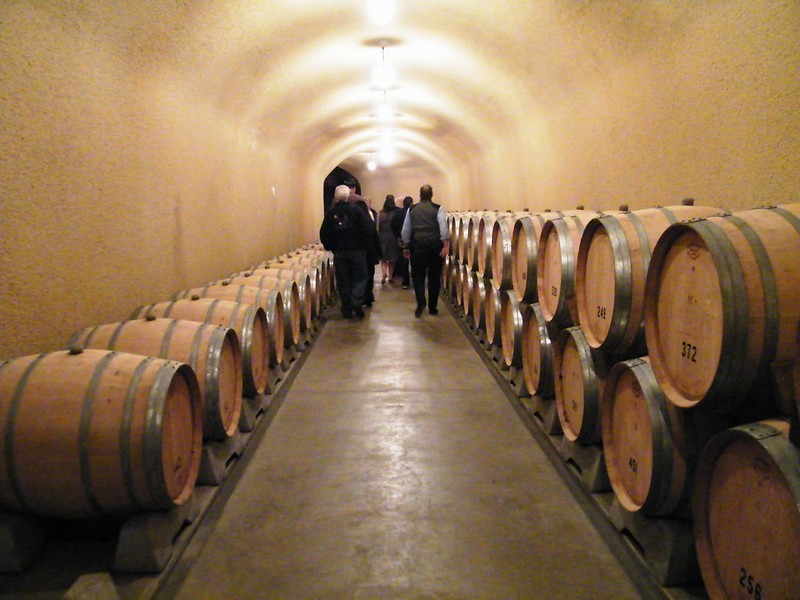
Sonoma Valley’s Hanzell played a historically significant role in the rise of California Chardonnay: It was here, in the 1950s, that winery founder James Zellerbach (the onetime U.S. ambassador to Italy) introduced French oak barrels and Burgundian winemaking techniques to California.
The historic significance alone makes this worth visiting. But the wines? They’ve maintained their reputation for elegance and complexity across decades.
Amizetta Vineyards
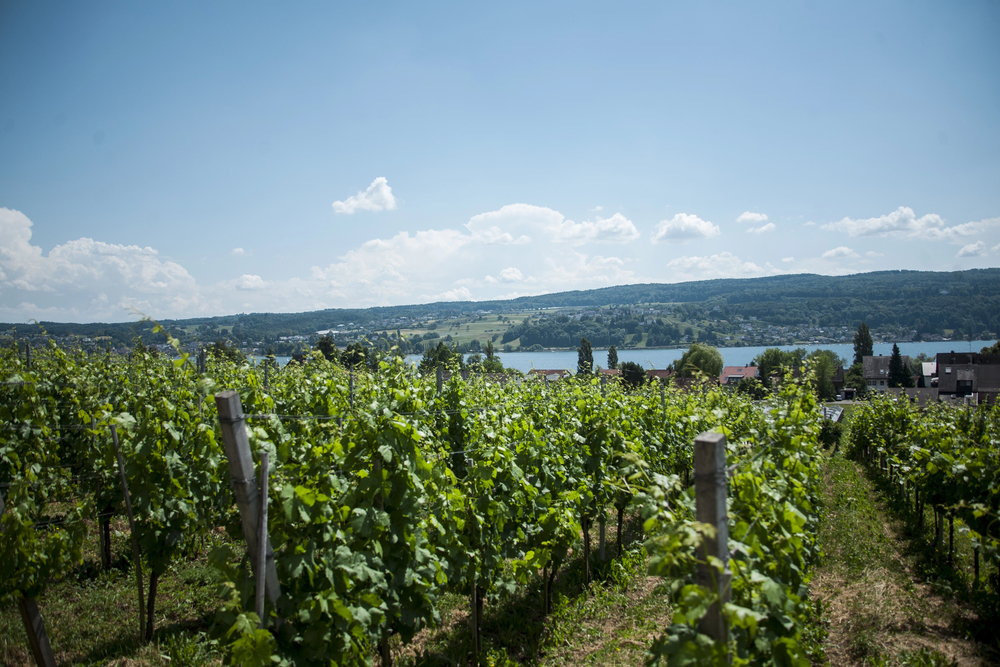
The outdoor patio at Amizetta, with a 1,000-foot view of Lake Hennessey, is one of Napa Valley’s most picturesque corners. This estate ought to be better known than it is, given the quality of its wines and its charming, family-run ethos.
The Clarks have grown grapes here, near the base of Howell Mountain, since the late 1970s, and the founders’ three sons now divide the main operational duties: One son farms the grapes, another makes the wine, another runs the business. It’s a true family operation where passion shows in every bottle.
Failla
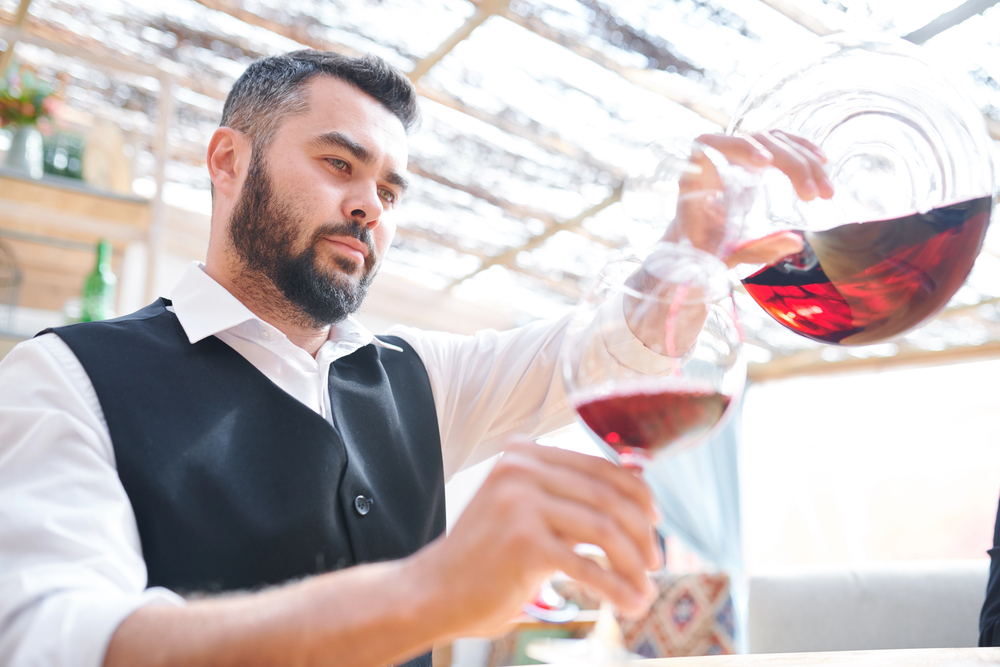
Though the winery is located in St. Helena, most of the grapes that go into Failla’s wines are grown in Sonoma County. That makes it one of the best stops in Napa Valley for someone who’s had their fill of big Cabernet.
A charming old hunting lodge has been converted into the tasting room here, and you’ll feel as if you’re in a friend’s cabin in the mountains when you relax into the big, comfy chairs surrounded by built-in bookshelves. Their restrained style showcases Chardonnay, Pinot Noir, and Syrah beautifully.
Adelaida Vineyards
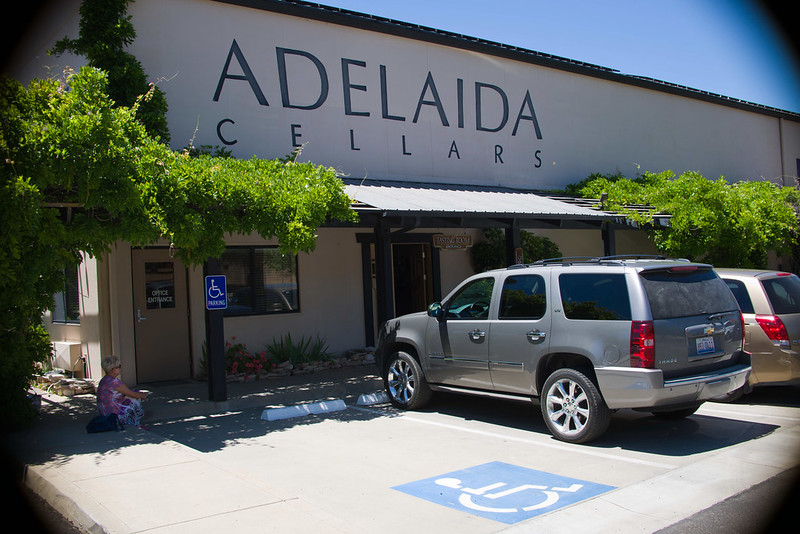
Founded in 1981, Adelaida Vineyards was Paso’s ninth winery. Now it’s grown into something special. It produces a range of classic-styled wines inspired by Bordeaux, Rhone and Burgundy, but Adelaida also grows a whopping 20 different grapes.
Want to try something completely different? Portugal’s Touriga Nacional and Tinta Cão, for example, are rarely found in California. The sprawling ranch also features a large walnut grove and the highest point of elevation in all of Paso Robles at 2,320 feet.
Ridge Monte Bello
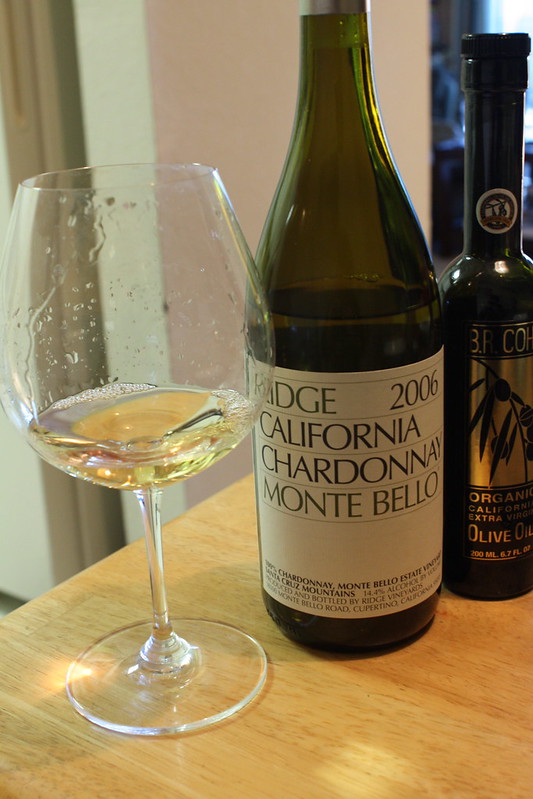
This legendary Silicon Valley winery sits high in the Santa Cruz Mountains, where cool fog meets warm sunshine. Ridge Monte Bello has been making world-class Cabernet since the 1960s, proving that great California wine isn’t limited to Napa.
The tasting room offers sweeping views of the San Francisco Bay. Their Monte Bello Cabernet regularly appears on “best of” lists worldwide. Still, the experience feels surprisingly intimate and unpretentious.
Freeman vineyard & winery
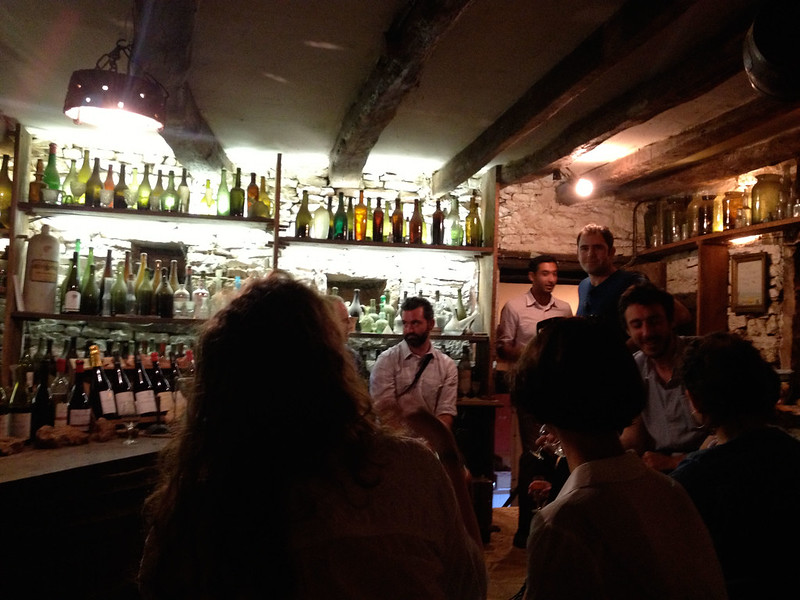
Freeman, where intimate tastings are held in caves, specializes in cool-climate Pinot Noir and Chardonnay from Russian River Valley and Sonoma Coast vineyards. The underground setting creates perfect temperature control and an almost mystical atmosphere.
Their wines capture that elusive balance between power and elegance that makes great Burgundy so compelling. And the cave tastings? They’re unlike anything else in Sonoma.
Storybook Mountain vineyards
Storybook Mountain is like the Napa Valley winery where time stood still. This family operation focuses almost exclusively on Zinfandel, growing the grape on steep mountain slopes that would challenge even experienced hikers.
The winery feels refreshingly old-school in the best possible way. Their Zinfandels showcase what this often-maligned grape can achieve in the right hands and the right place.
Littorai wines
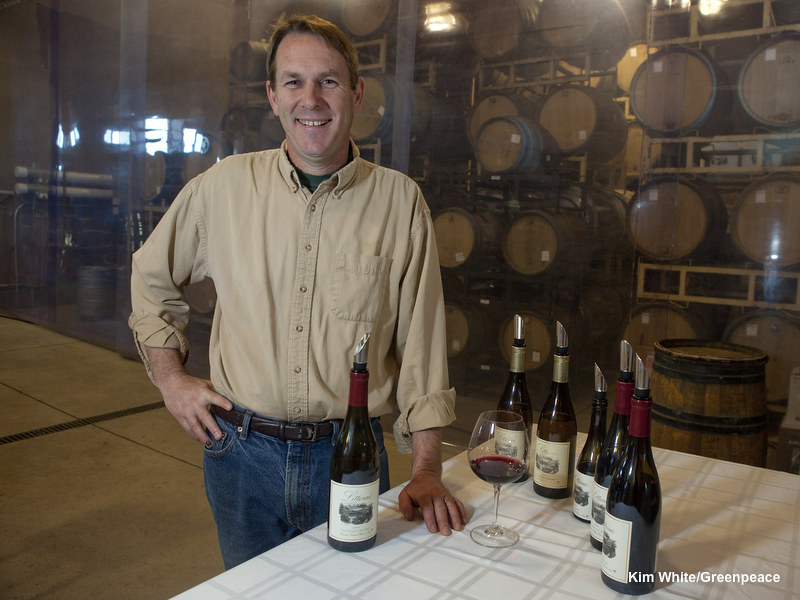
Littorai in Sebastopol, which offers a deep dive into biodynamic farming, represents the thoughtful, sustainable future of California winemaking. Their focus on single-vineyard Pinot Noir and Chardonnay reveals how terroir expresses itself differently across Sonoma County’s diverse microclimates.
Owner-winemaker Ted Lemon brings decades of Burgundy experience to these coastal vineyards. The results speak for themselves in the glass.
Broc cellars
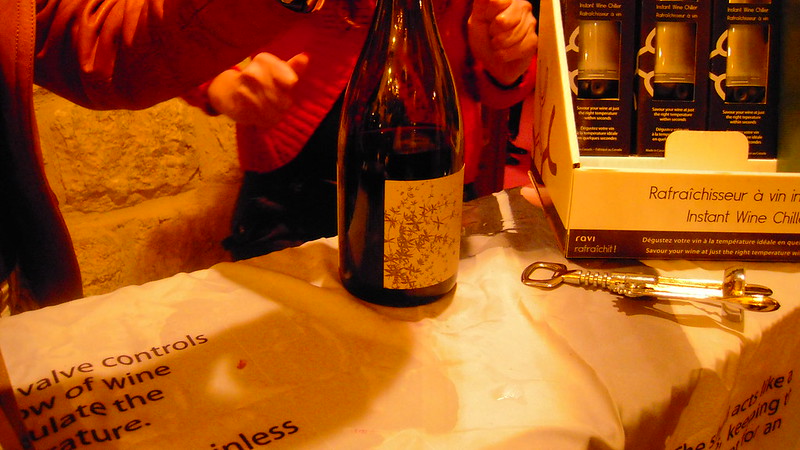
The natural wine juggernaut Broc in Berkeley brings urban winemaking to the East Bay. This isn’t your typical tasting room experience—it’s more like visiting a friend’s garage where amazing things happen to ferment.
Chris Brockway makes wines with minimal intervention, letting the grapes speak for themselves. Expect unexpected varietals, funky labels, and wines that challenge preconceptions about what California wine can be.
Martinelli winery
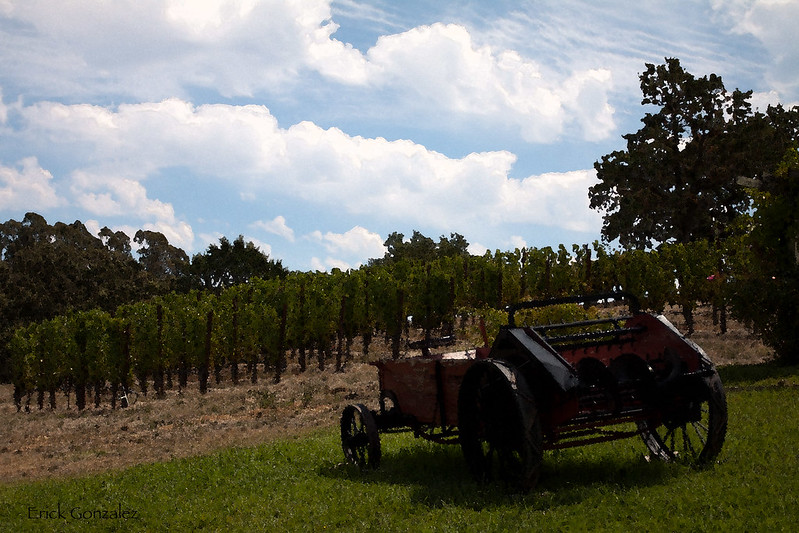
Martinelli, a historic family operation in the Russian River Valley that hosts tastings on a gorgeous terrace, has been farming grapes since the 1880s. Five generations of the Martinelli family have worked these vineyards, creating wines that express both tradition and innovation.
Their Pinot Noir and Chardonnay benefit from old-vine fruit and meticulous farming. The terrace tastings provide stunning views of the surrounding hills and valleys.
Obsidian Ridge vineyard
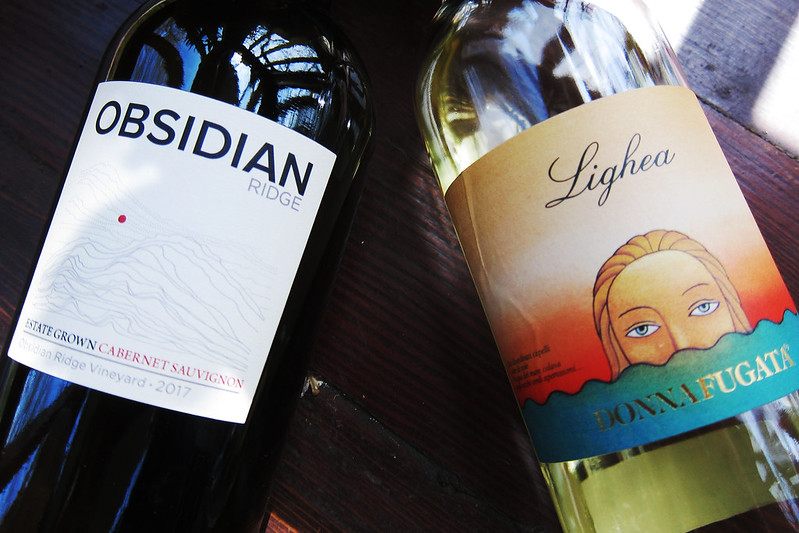
Located high on Red Hills in Lake County, Obsidian Ridge produces exceptional Cabernet Sauvignon from volcanic soils at elevations reaching 2,640 feet. The extreme growing conditions—hot days, cool nights, and mineral-rich earth—create wines with remarkable concentration and elegance.
The winery operates by appointment only, ensuring personal attention and the chance to understand how elevation and volcanic terroir influence wine character. Their Cabernet consistently earns critical acclaim while remaining relatively undiscovered by casual wine tourists.
TOP winery
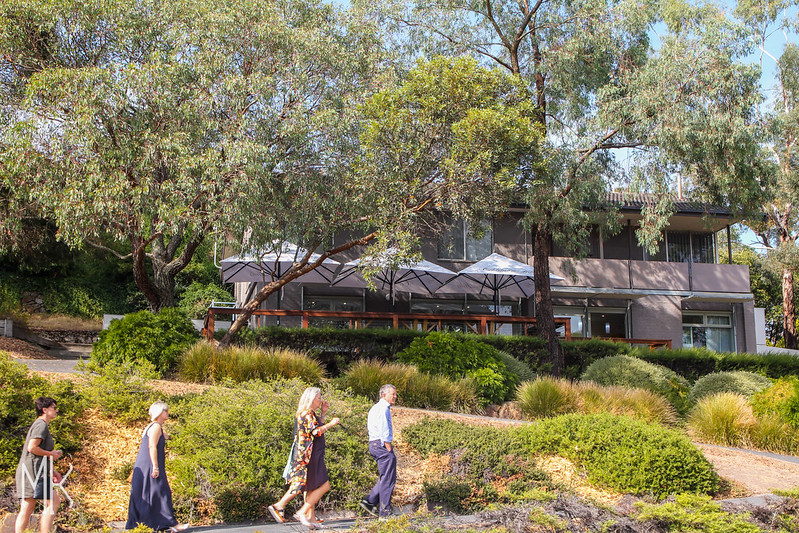
Everyone I spoke to for this story suggested TOP Winery. Stanley Barrios and Elena Martinez spent years working double shifts between Los Angeles and Paso to bring their dream to life, are an inspiration to so many people, from aspiring winemakers who hail from underrepresented communities to anyone who appreciates a bootstrap story.
“Stanley is as talented in the cellar as he is humble,” says Alex Wolfe, the general manager and wine director of the popular downtown restaurant Les Petites Canailles.
A golden state of mind
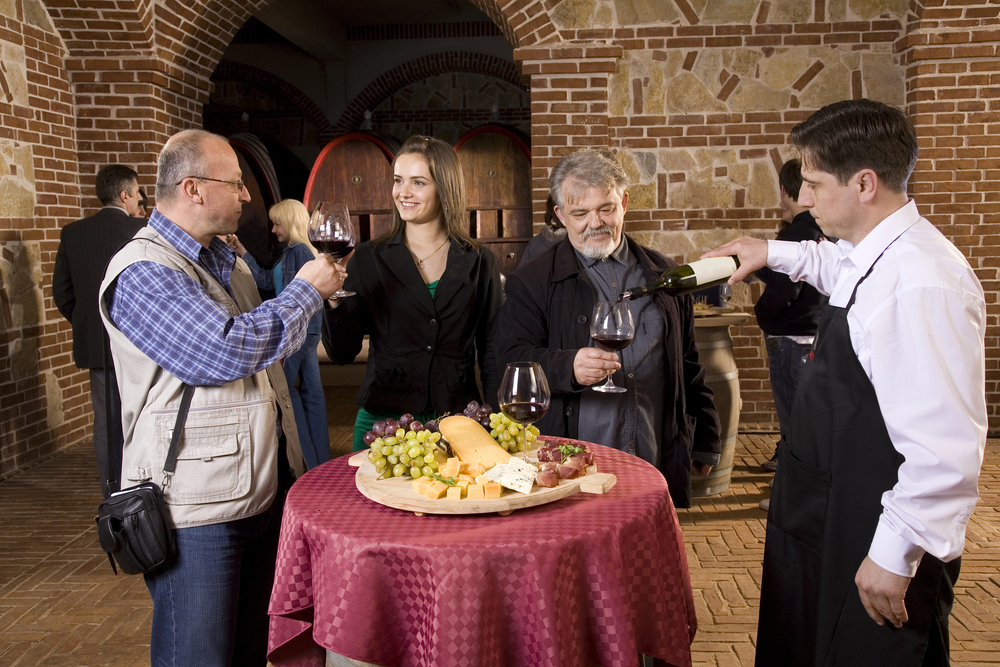
California’s wine landscape offers endless discovery opportunities. Paso Robles is where wine drinkers go to discover something new. Whether you’re exploring historic caves filled with aging bottles or tasting experimental blends in converted shipping containers, each winery tells its own story. The best part? There are hundreds more waiting to be discovered.
More from Travel Pug

- 20 Best Beach Towns in the Carolinas
- 13 Destinations Where Tourists Regularly Regret Their Trip
- 20 Things You Actually Get in First Class
- 20 Small Airports With Aviation Museums
- 20 Places in the U.S. That Are Perfect for a Reset Trip
Like Travel Pug’s content? Follow us on MSN.