

Not every American city was built for walking, but a surprising number have downtown cores where you can leave the car behind for hours and barely notice. Walkability comes down to a mix of factors—density, sidewalk quality, interesting destinations, and safe crossings—and some cities have nailed it better than others.
Here is a list of 16 US cities with the most walkable downtowns.
New York City, NY
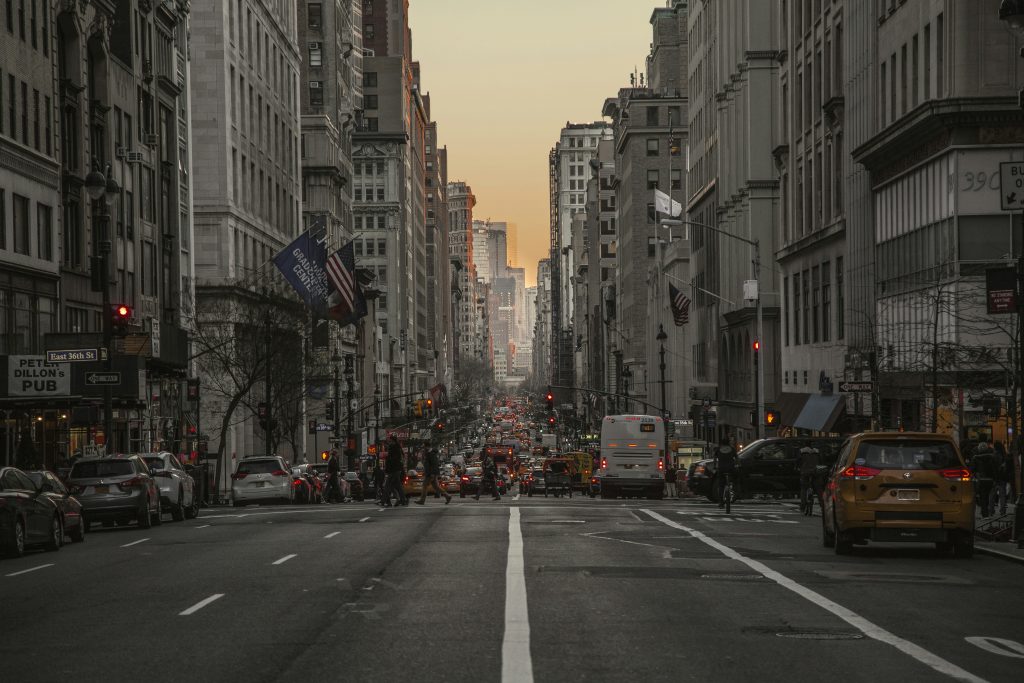
Manhattan’s midtown and lower neighborhoods consistently rank among the most walkable places in the entire country, with a Walk Score that sits around 99 out of 100 in many areas. Virtually everything a person needs—food, transit, entertainment, errands—sits within a few blocks at most.
San Francisco, CA
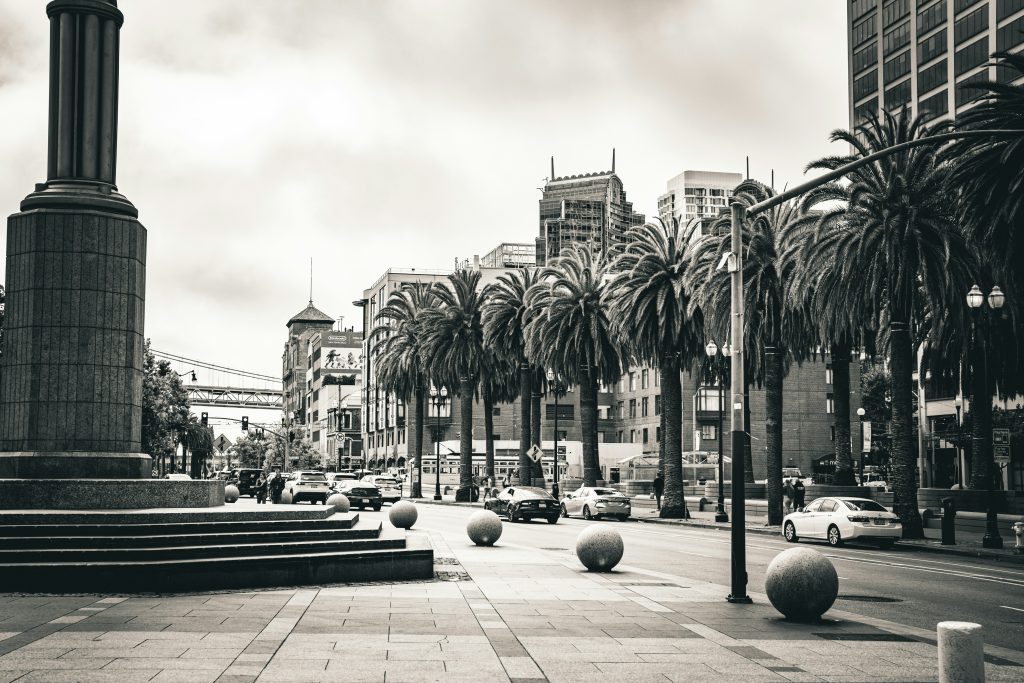
Downtown San Francisco packs an enormous amount of variety into a relatively compact geography, with the Financial District, Union Square, and the Embarcadero all within comfortable walking distance of each other. The hills are real and not to be underestimated, though they do make the views thoroughly worth the effort.
Boston, MA

Boston’s downtown is genuinely old in the way that makes walking rewarding—narrow streets, historic buildings, and the Freedom Trail all woven together in a way that rewards those on foot more than anyone in a car. The city’s compact layout means major neighborhoods like Beacon Hill and the North End are walkable from the center without much distance at all.
Washington, DC
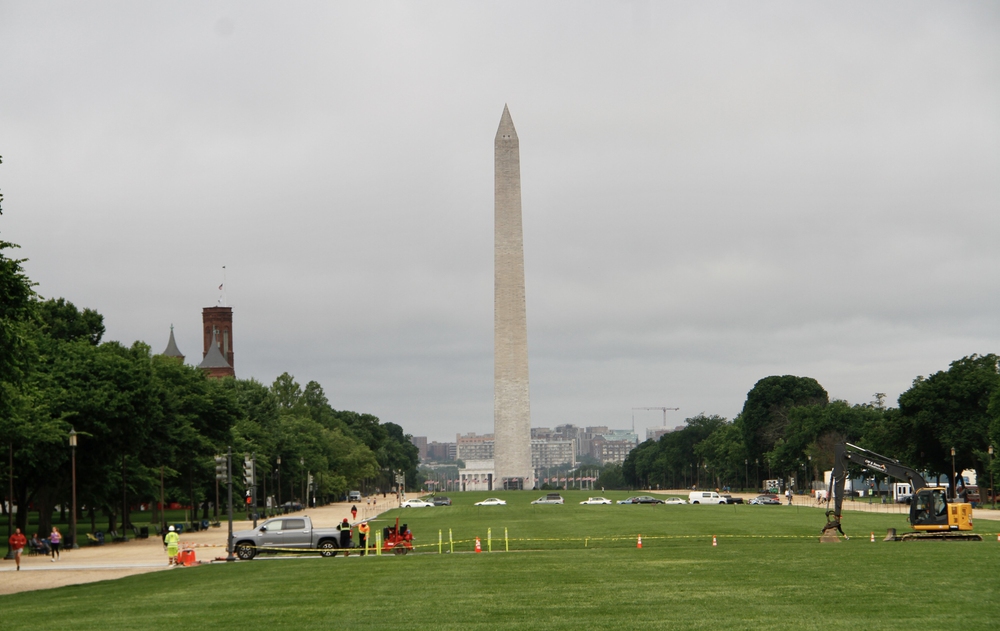
Credit: Niyi Fote/Thenews2 (Foto: Niyi Fote/TheNews2/Deposit Photos)
The National Mall alone gives DC walkers several miles of iconic sights between the Capitol and the Lincoln Memorial, and the surrounding neighborhoods of Penn Quarter and Georgetown extend that range considerably. The grid layout makes navigation intuitive, and pedestrian infrastructure here is among the best maintained in the country.
Chicago, IL

The Loop and surrounding neighborhoods like River North, Streeterville, and the South Loop are dense, connected, and full of sidewalk-level interest. Chicago’s lakefront path runs for 18 miles along the shore, and from downtown, both the waterfront and the heart of the retail and dining district are an easy walk.
Philadelphia, PA
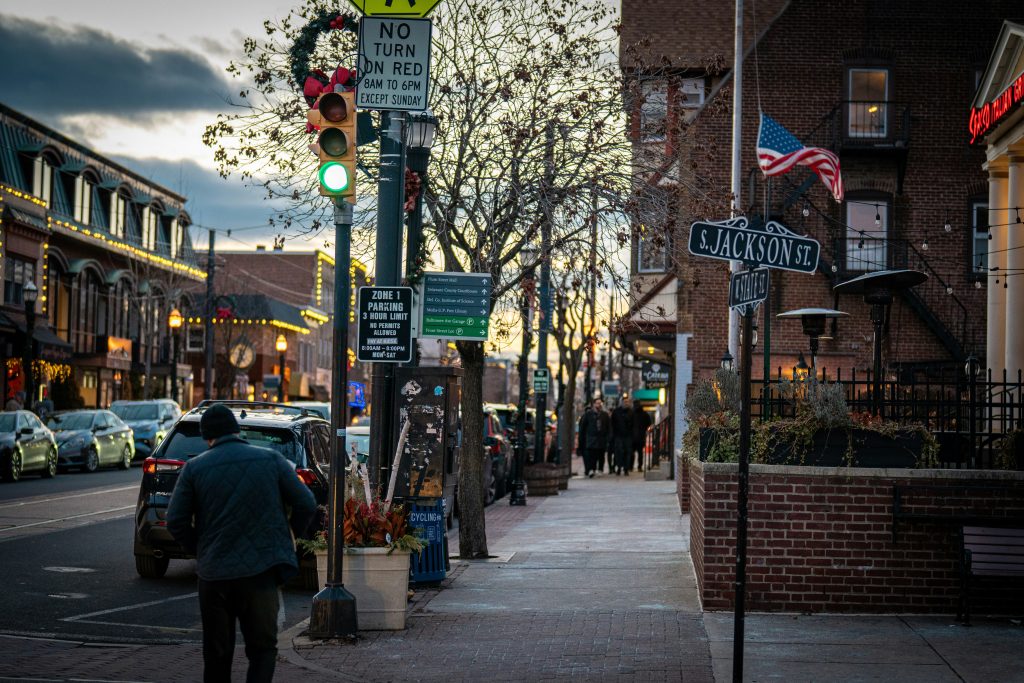
William Penn planned Philadelphia on a grid in 1682, and the walkability that design created in Center City still holds up more than three centuries later. The distance from Old City to Rittenhouse Square covers just over a mile, yet passes through some of the country’s most historically dense and architecturally interesting blocks.
Portland, OR
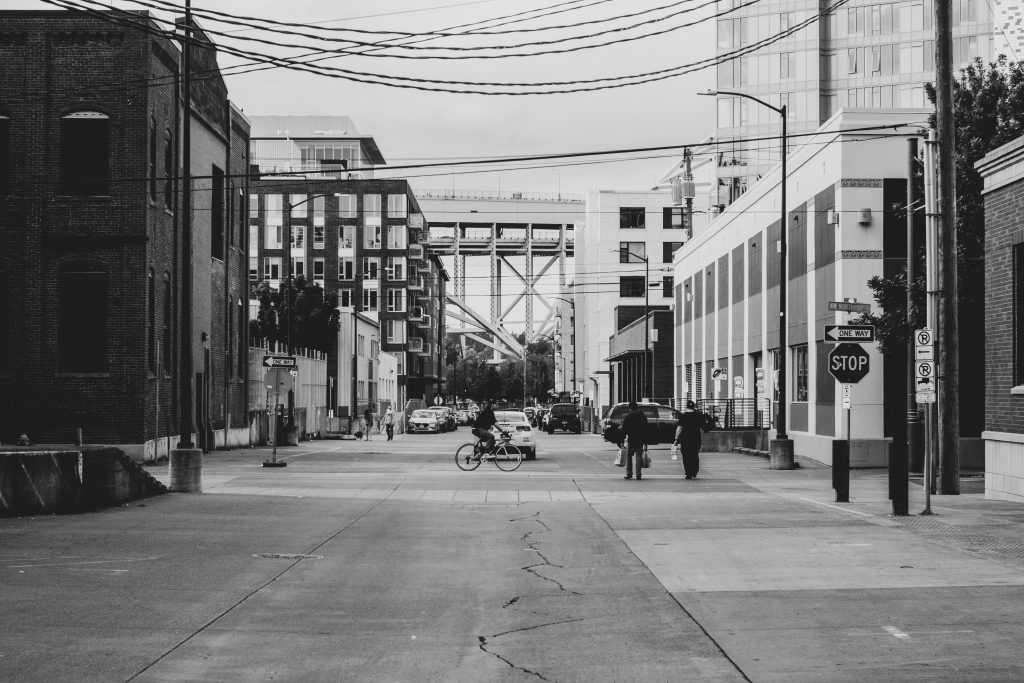
Portland’s downtown blocks are deliberately short—roughly half the length of a typical US city block—which increases intersection frequency and keeps pedestrian energy moving. The central business district, Pearl District, and Old Town are all seamlessly connected and well served by a mix of foot traffic, bikes, and the streetcar.
Seattle, WA
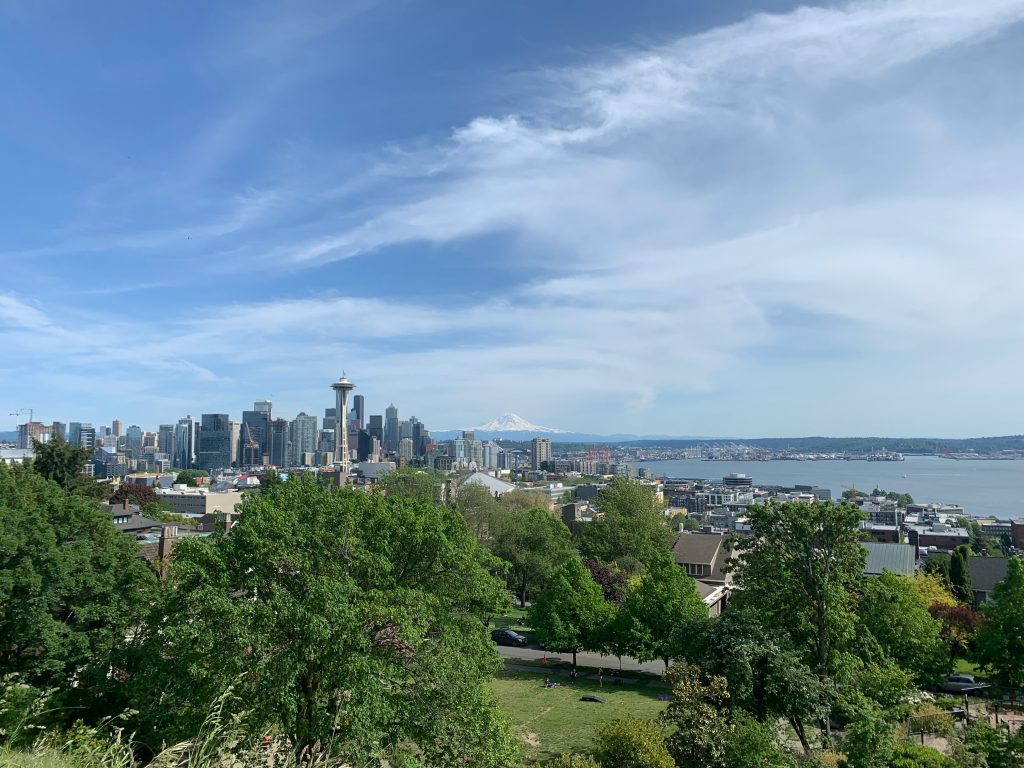
Downtown Seattle has the terrain working against it in places, but the waterfront, Pike Place Market, and the retail core are closely knit enough to make walking the obvious choice. The city has invested heavily in pedestrian improvements in recent years, and the downtown core now offers genuinely enjoyable street-level experiences.
Minneapolis, MN

Minneapolis handles winter better than most northern cities partly through its Skyway system—a network of enclosed, second-story bridges connecting over 80 blocks of downtown buildings. That infrastructure aside, the street-level experience around Nicollet Mall and the North Loop is legitimately walkable even in the warmer months.
Denver, CO
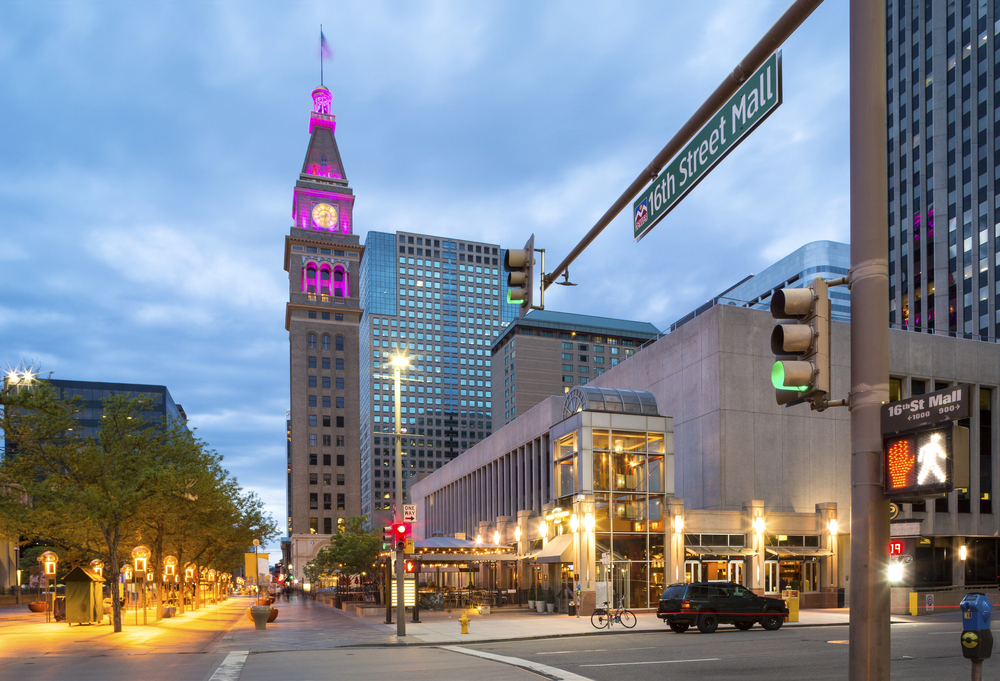
The 16th Street Mall runs for a mile through Denver’s downtown as a pedestrian-first corridor lined with shops, restaurants, and free shuttle service. Beyond the mall itself, the LoDo and RiNo neighborhoods extend walkable territory into areas dense with breweries, galleries, and restaurants.
New Orleans, LA
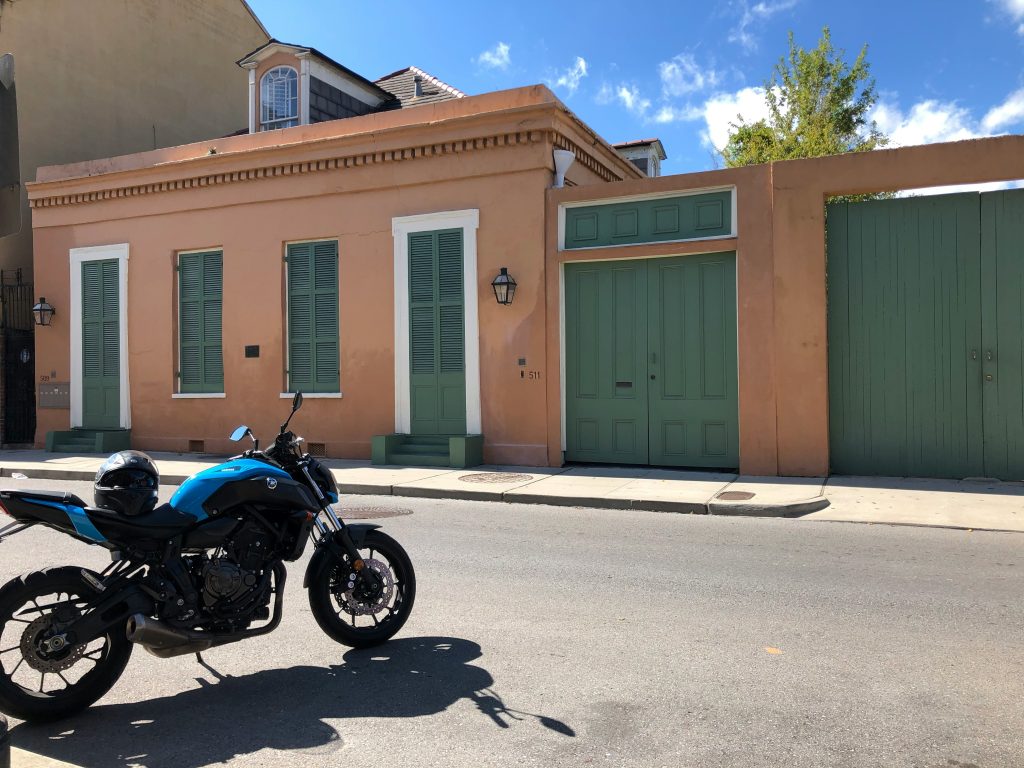
The French Quarter remains one of the most walkable urban neighborhoods in the South, where the street grid is tight and virtually everything of interest sits within a few blocks of Bourbon, Royal, or Magazine Streets. Walking here is practically the point—the city’s character lives at sidewalk level.
Pittsburgh, PA
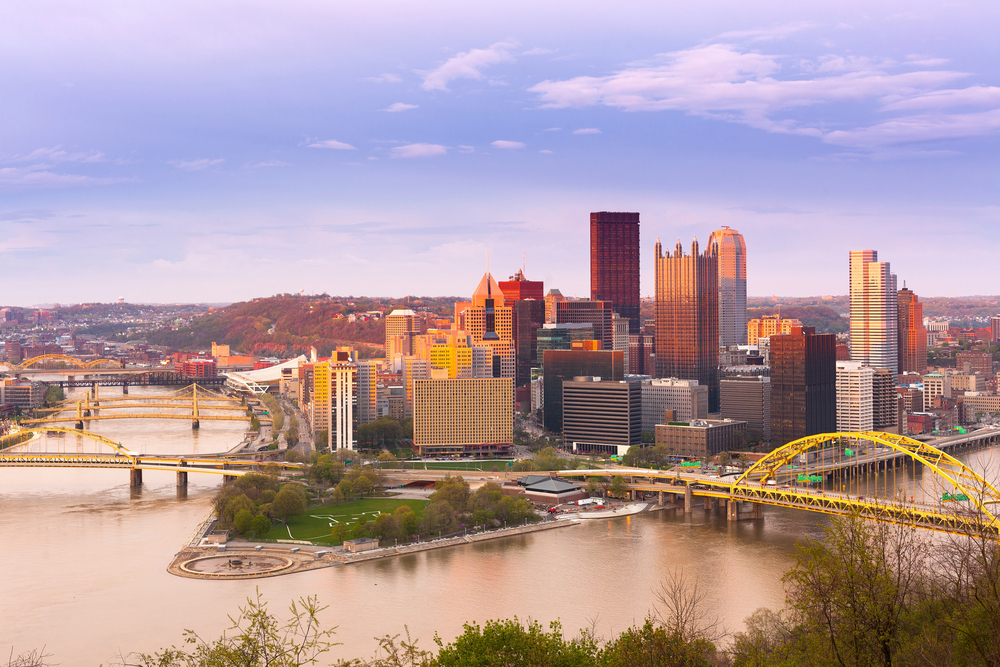
Pittsburgh’s downtown Golden Triangle packs offices, restaurants, cultural institutions, and riverfront access into a relatively tight peninsula. The city has undergone significant pedestrian-friendly improvements over the past decade, and the strip district just over the bridge adds market and dining options within easy walking distance.
Austin, TX
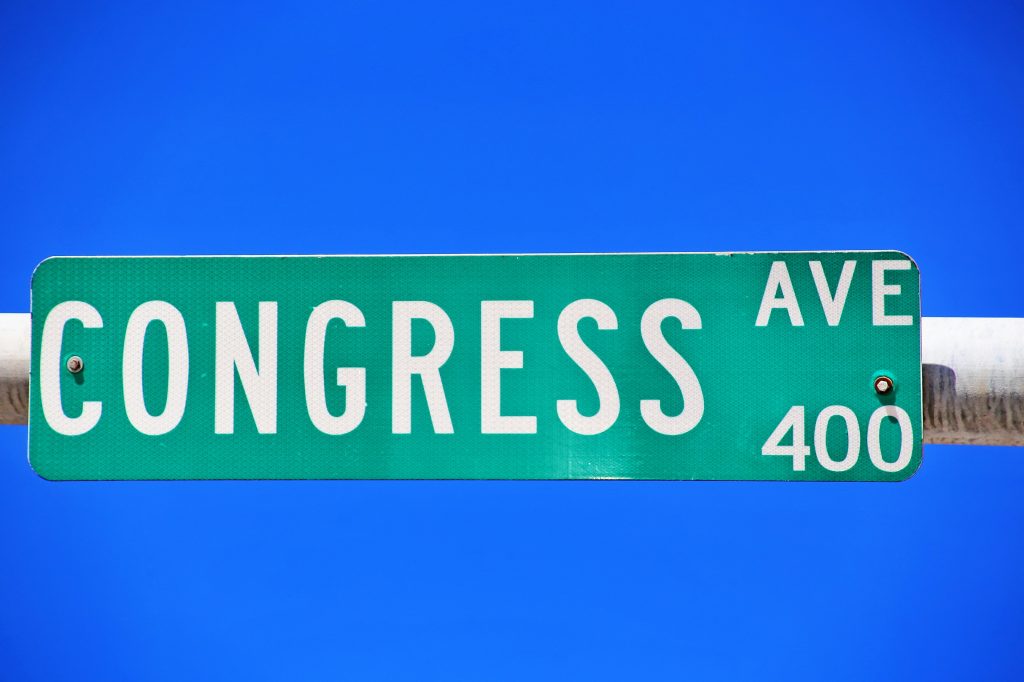
Downtown Austin has grown rapidly but managed to keep its street-level experience engaging, particularly along Congress Avenue and the Rainey Street corridor. The stretch from the State Capitol down to Lady Bird Lake covers about a mile and passes through some of the city’s most active blocks.
Savannah, GA
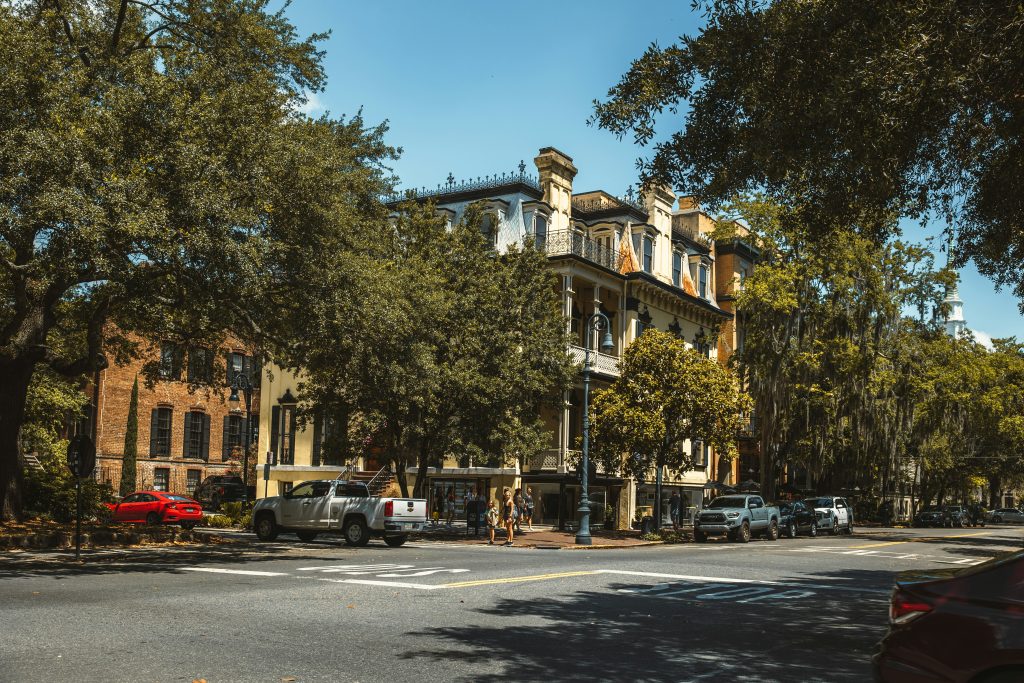
Savannah’s downtown was laid out around a series of public squares, and that structure turns walking into something genuinely lovely rather than just practical. The Historic District covers about two square miles and is almost entirely walkable, with 22 green squares breaking up the grid at regular intervals.
Madison, WI
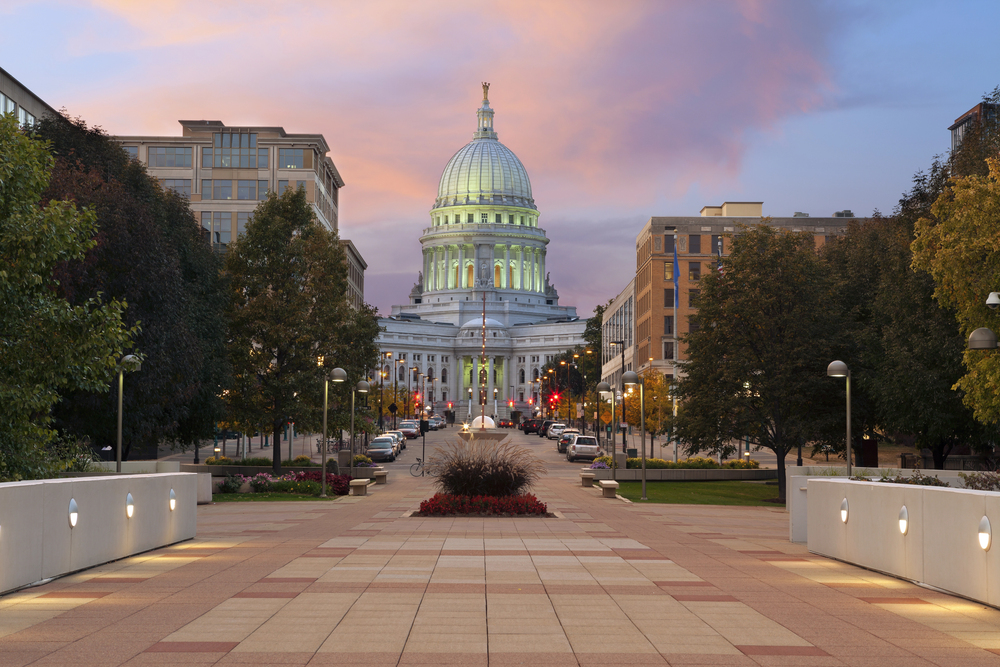
Madison’s downtown sits on an isthmus between two lakes, which keeps the geography compact and the walking experience unusually pleasant for a midwestern city its size. State Street—a pedestrian-only corridor connecting the Capitol to the University of Wisconsin campus—anchors a genuinely lively walking environment.
Burlington, VT
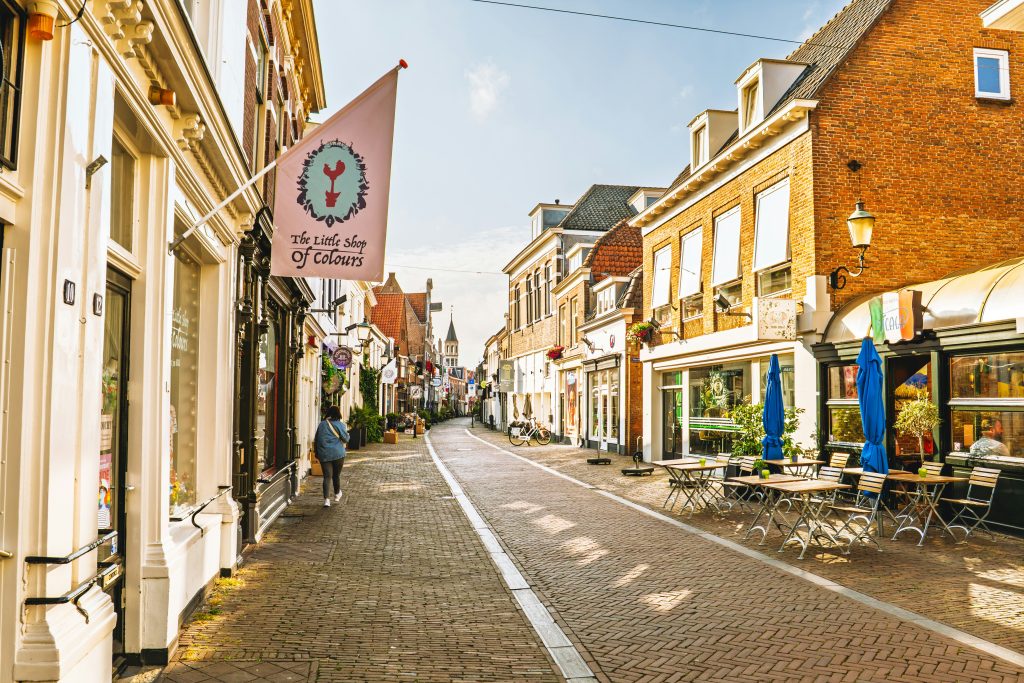
Burlington is a small town that, despite its size, packs a punch in terms of its walkability, with the Church Street Marketplace offering a car-free environment for pedestrians that connects to the rest of the compact downtown area. The waterfront on Lake Champlain is also within a short walking distance from the downtown area.
Where your feet take you further
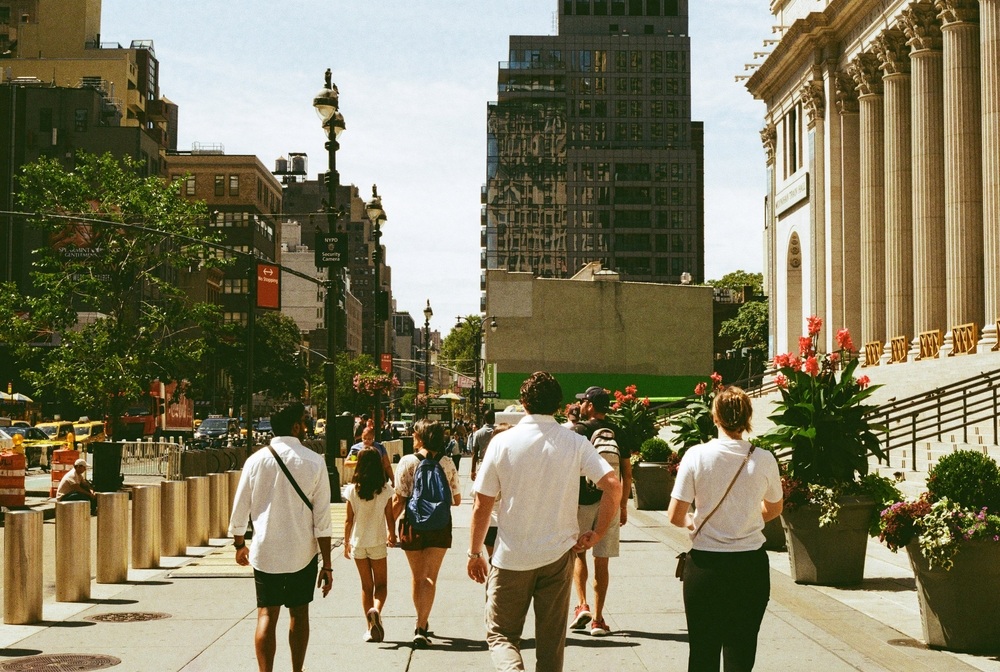
Walkable cities are not necessarily those that were specifically designed as such, as many of the best ones are those that simply developed before the automobile became the guiding principle for urban design, and the underlying structure of these cities still works for pedestrians today. The cities on the above list are all those that share a certain quality that cannot be manufactured: a density that provides a purpose for walking, as opposed to a destination.
Whether the squares of Savannah or the skyway of Minneapolis, each of the cities on the above list is a destination that proves that walking does not have to be merely possible, but can be the best part of the trip.
More from Travel Pug

- Underrated Italian Towns That Beat the Tourist Crowds
- Las Vegas Tourist Traps to Skip
- Prettiest Towns in Every US State
- 18 passport-free countries for Americans
- Signs Your Cruise Is Not Worth The Cost
Like Travel Pug’s content? Follow us on MSN.