

Greece’s islands have always lived and breathed with the rhythm of the sea. While tourism has transformed many coastal communities, there are still places where the morning air carries the sound of fishing boats heading out before dawn, where nets dry in the afternoon sun, and where the day’s catch determines what appears on dinner tables.
These islands represent something increasingly rare in our modern world — authentic maritime communities where fishing isn’t just a nostalgic photo opportunity, but a living tradition that feeds families and sustains local culture. Here is a list of 17 Greek islands where locals still fish as their ancestors did, keeping ancient traditions alive in crystal-clear Mediterranean waters.
Kalymnos
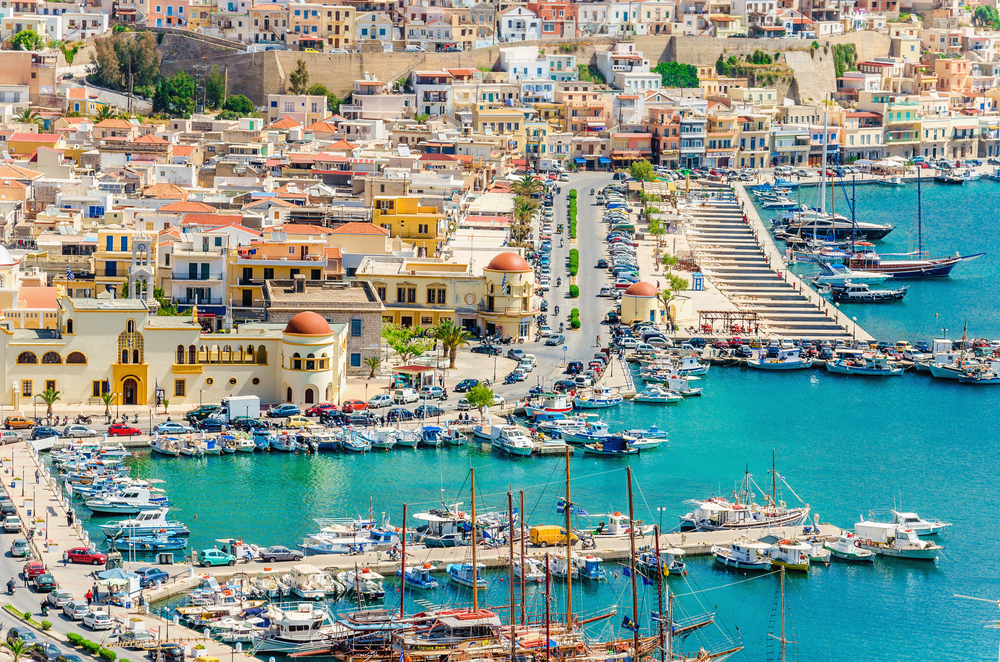
The sponge divers of Kalymnos have been working these waters for over 2,000 years, and their descendants continue the tradition today. While sponge diving remains the island’s most famous maritime pursuit, local fishermen also cast their nets for sea bream, octopus, and red mullet around the island’s dramatic limestone cliffs.
The harbor in Pothia still buzzes with activity each morning as boats return with their catch, and you’ll find the freshest seafood at waterfront tavernas where the owners often know exactly which boat brought in your dinner. The island’s fishing culture runs so deep that even the younger generation, despite opportunities in tourism, often choose to learn the trade from their fathers and grandfathers.
Sifnos
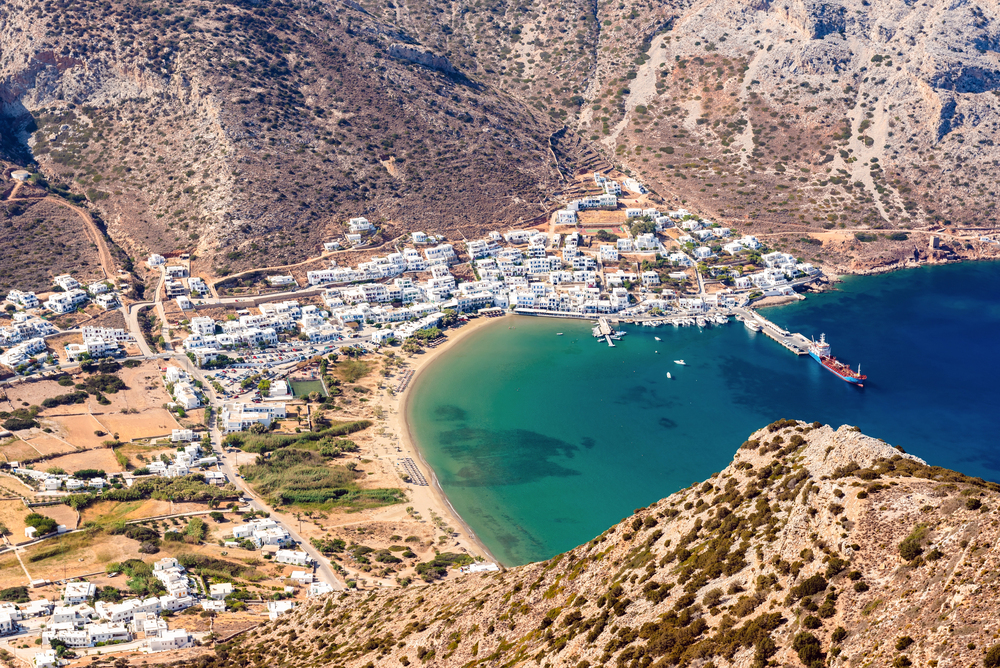
This small Cycladic island has managed to maintain its fishing traditions alongside its growing reputation as a culinary destination. Local fishermen here specialize in catching small, flavorful fish that thrive in the island’s protected bays and around its numerous sea caves.
The morning fish market in Apollonia showcases varieties you won’t find in supermarkets — tiny silver fish perfect for frying whole, and larger specimens that local chefs transform into traditional dishes like kakavia, a fisherman’s soup that varies depending on the day’s catch. Sifnos fishermen often work in small family groups, with knowledge passed down through generations about the best spots around the island’s 75 miles of coastline.
Lipsi
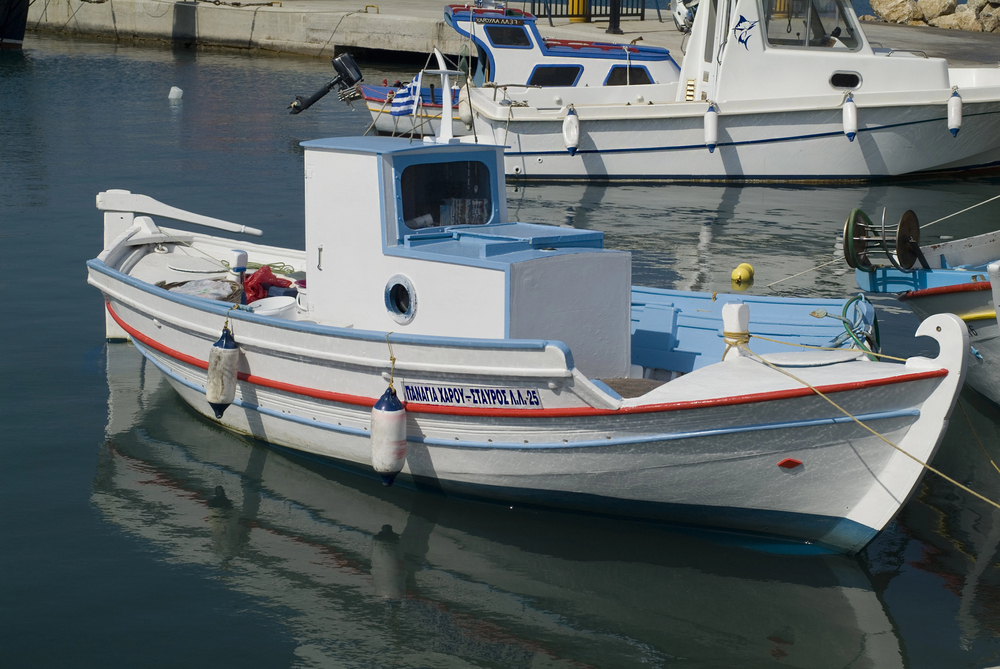
Part of the Dodecanese chain, Lipsi remains one of Greece’s best-kept secrets for authentic fishing culture. The island’s 650 residents include several dozen active fishermen who work the waters around this cluster of small islands and rocky outcrops. Their boats are often small and colorful, built for navigating the shallow bays where octopus hide among the rocks and sea bass patrol the sandy bottoms.
The island’s single port serves as both a working harbor and social center, where locals gather each evening to see what the boats have brought in. Restaurants here don’t need to advertise ‘fresh catch of the day’ — it’s simply understood that whatever swims nearby ends up on the menu.
Folegandros
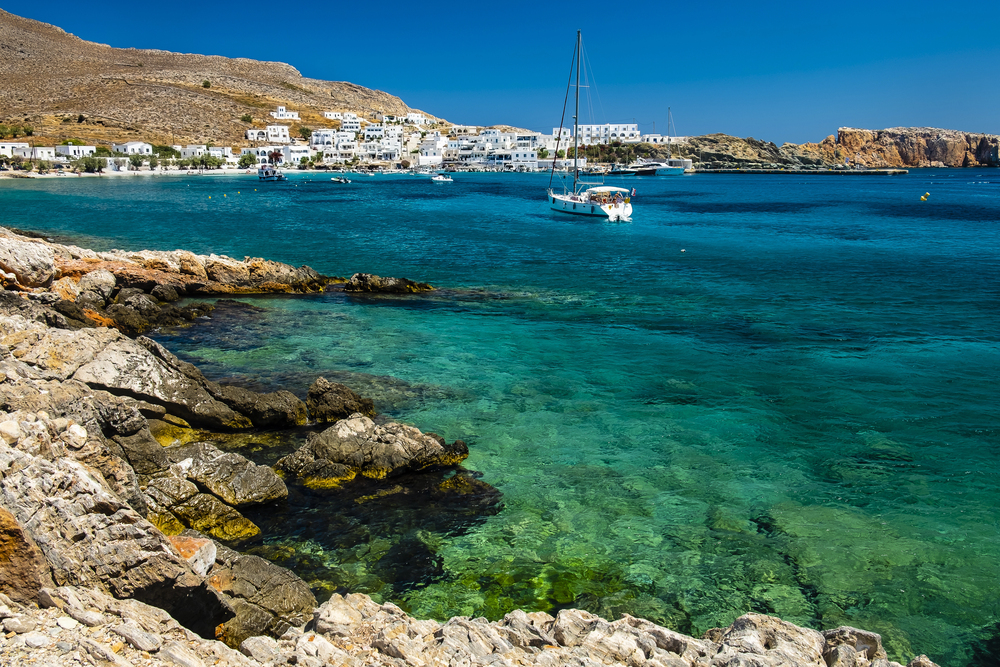
Despite its dramatic cliffs and growing tourism appeal, Folegandros maintains a small but dedicated fishing community. The island’s fishermen face unique challenges, as most of the coastline consists of cliffs dropping straight into deep water, leaving only a few small bays suitable for launching boats.
This geography actually works in their favor, as the deep waters close to shore attract larger fish species that might be found miles offshore around other islands. The catch here often includes amberjack, grouper, and various species of bream that thrive in the nutrient-rich waters stirred up by the island’s dramatic underwater topography. Local tavernas in Chora proudly serve these fish, often prepared simply with olive oil, lemon, and herbs to let the quality of the catch shine through.
Kimolos
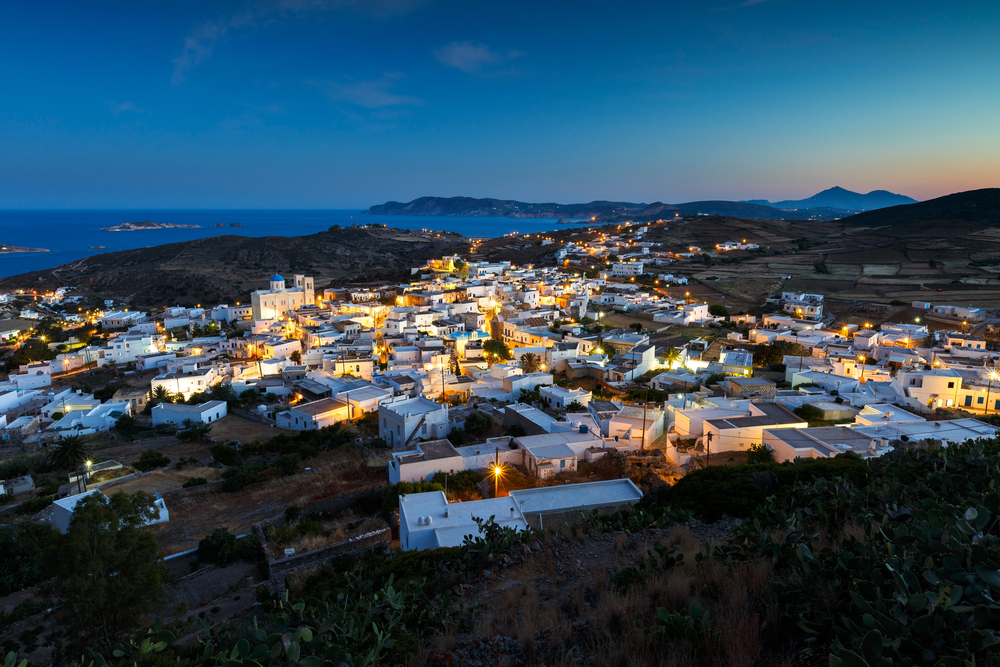
This small volcanic island near Milos has a fishing fleet that’s perfectly sized for its 800 residents. The island’s unique geology creates underwater hot springs and mineral-rich waters that seem to attract an unusual variety of marine life.
Local fishermen have learned to read these waters over generations, knowing exactly where the thermal vents create upwellings that bring nutrients and fish closer to the surface. The island’s pumice mining history means that some of the best fishing spots are around the white cliffs where minerals have leached into the sea for centuries. Kimolos fishermen often catch species that are rare elsewhere, including certain types of wrasse and parrotfish that seem to thrive in the island’s mineral-rich environment.
Halki
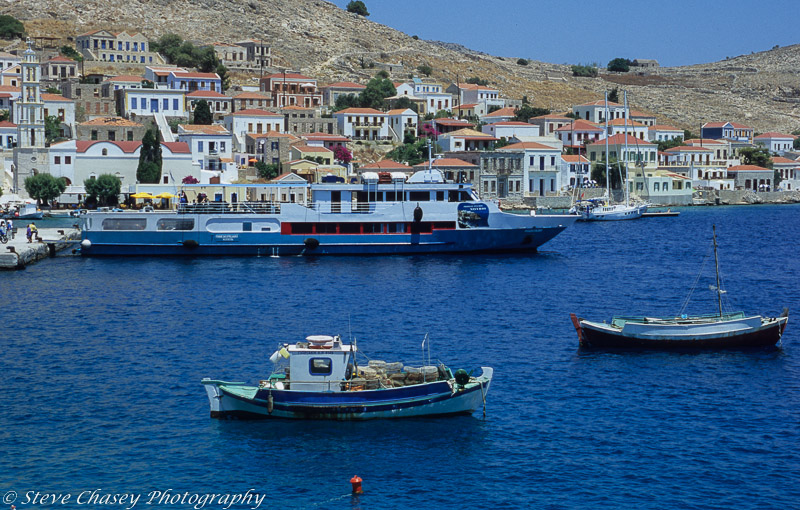
Once one of the wealthiest islands in the Dodecanese, thanks to its sponge diving industry, Halki now maintains a smaller but still vital fishing community. The island’s horseshoe-shaped harbor provides perfect protection for the small fleet that works the waters around this tiny island and its uninhabited neighbors. Local fishermen here have adapted to changing times by focusing on quality over quantity, often selling their catch directly to the handful of excellent restaurants that line the harbor.
he fishing here is highly seasonal, with different species appearing at predictable times throughout the year — a rhythm that locals have followed for centuries. Despite having only about 300 permanent residents, the island supports nearly a dozen active fishing boats during the peak season.
Anafi

This remote island east of Santorini remains largely untouched by mass tourism, partly because getting there requires planning and patience. The island’s isolation has preserved its fishing traditions, with local boats working waters that see few other vessels throughout the year.
Anafi’s fishermen benefit from this solitude, as the fish populations around the island remain relatively undisturbed compared to busier tourist destinations. The catch here often includes larger specimens of common Mediterranean species, simply because they have room to grow without constant fishing pressure. The island’s single port serves a dual purpose as both the arrival point for the few weekly ferries and as home base for the local fishing fleet.
Sikinos
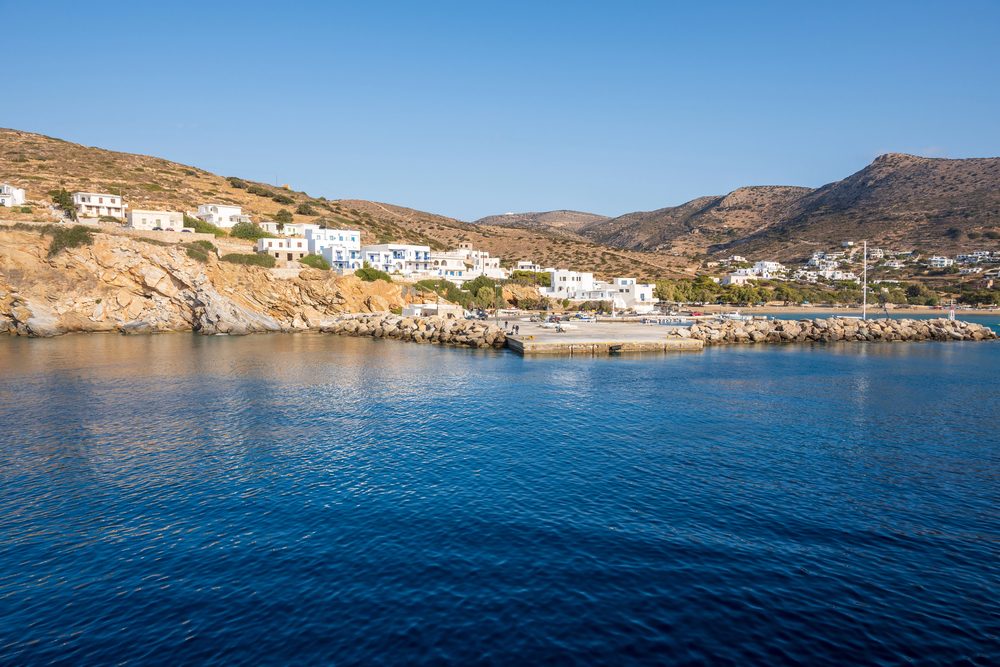
With fewer than 400 permanent residents, Sikinos supports a remarkably active fishing community for its size. The island’s position between Ios and Folegandros puts it in the path of seasonal fish migrations, and local fishermen have learned to time their efforts accordingly.
Traditional methods still dominate here, with many boats using techniques passed down through families for generations rather than modern fish-finding technology. The island’s wine-making tradition creates an interesting cultural blend — many fishermen are also grape growers, adjusting their schedules to accommodate both the sea’s rhythms and the vineyard calendar.
This dual identity means that local tavernas often pair their fresh catch with wine made from grapes grown just miles inland.
Donoussa
— Photo by VIVOOO
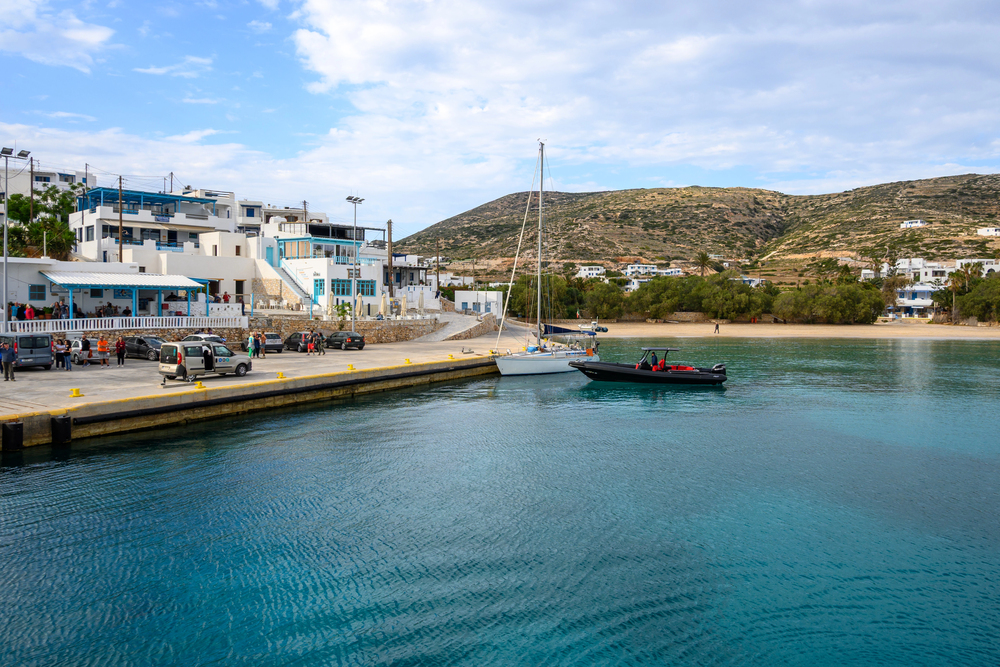
Part of the Small Cyclades, Donoussa epitomizes the phrase ‘small but mighty’ when it comes to fishing culture. The island’s 150 residents include several families whose boats work the waters around this cluster of tiny islands northeast of Naxos.
The fishing here is characterized by intimate knowledge of local conditions – every fisherman knows every rock, current, and seasonal pattern within miles of their home port. Donoussa’s catch often includes species that prefer the cleaner, less disturbed waters around smaller islands, making the local seafood particularly prized by those in the know. The island’s single village centers around its small harbor, where the arrival of fishing boats each day remains one of the few predictable events in an otherwise quiet island routine.
Koufonisia
— Photo by jxydas
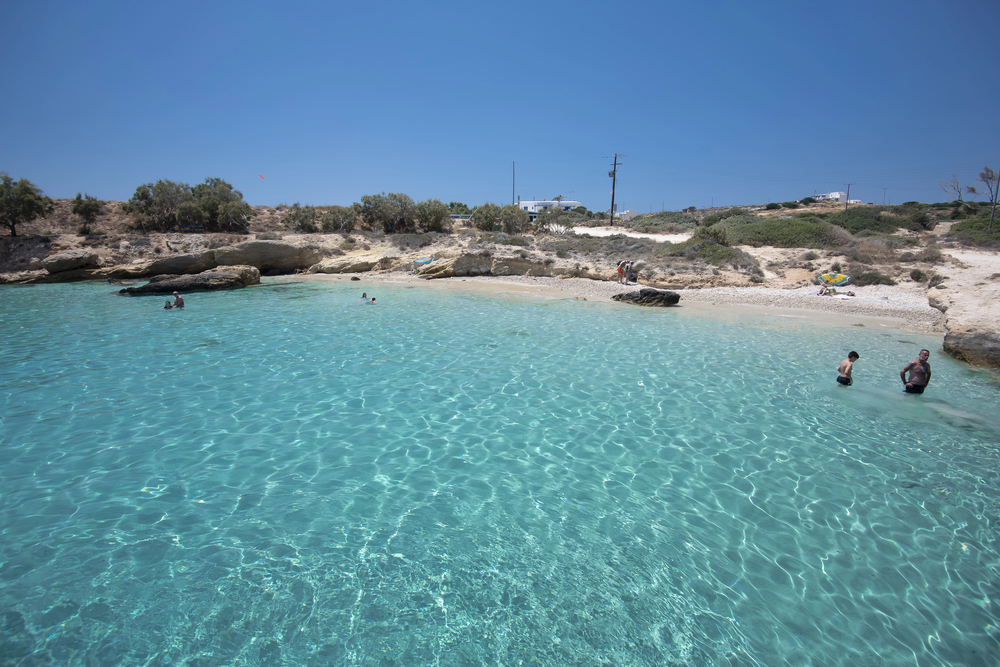
These two small islands — Pano and Kato Koufonisia — support a fishing community that’s perfectly adapted to shallow-water techniques. The sandy bottom and clear waters around the islands create ideal conditions for certain species, particularly flat fish and various types of bream that bury themselves in sand during the day.
Local fishermen have developed specialized techniques for this environment, using lighter nets and different timing than their counterparts on rockier islands. The fishing boats here are often painted in bright blues and whites that reflect the island’s pristine aesthetic, but they’re working vessels first and tourist attractions second. Pano Koufonisia’s excellent restaurants showcase this local catch, often prepared using techniques that maximize the delicate flavors of fish caught in such clean, shallow waters.
Schinoussa
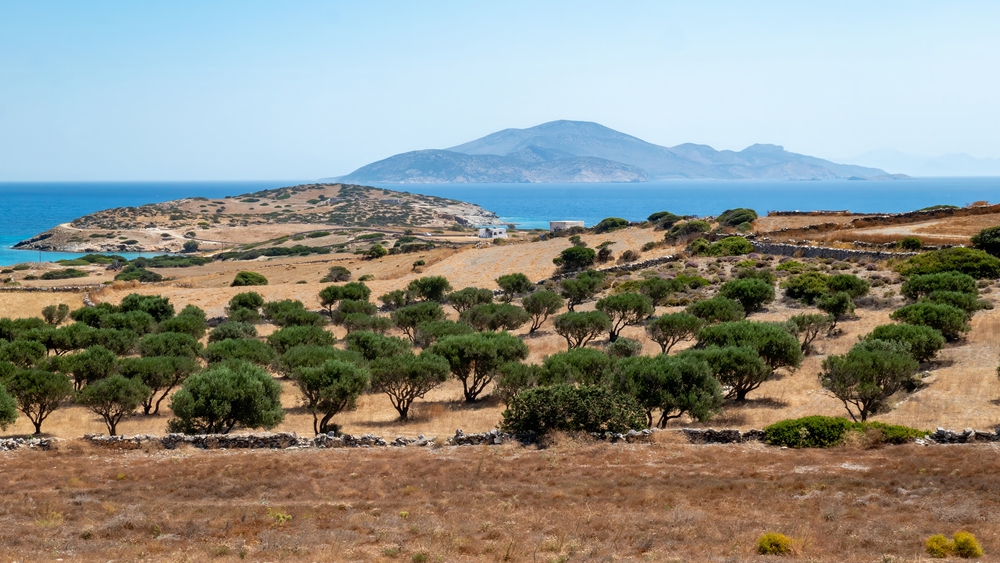
Another gem in the Small Cyclades, Schinoussa maintains fishing traditions that feel almost unchanged from decades past. The island’s 200 residents include fishermen who work waters that rarely see boats from other islands, creating a kind of private fishing ground around the island’s numerous small bays and rocky outcrops.
The catch here tends to be smaller fish species that thrive in the protected waters between the many small islands in this cluster. Local knowledge runs deep — fishermen can predict weather changes hours before they become obvious to visitors, and they know exactly which spots produce different species depending on season, tide, and even time of day. The island’s tavernas reflect this intimate connection to the sea, with menus that change daily based on what the boats bring in.
Irakleia
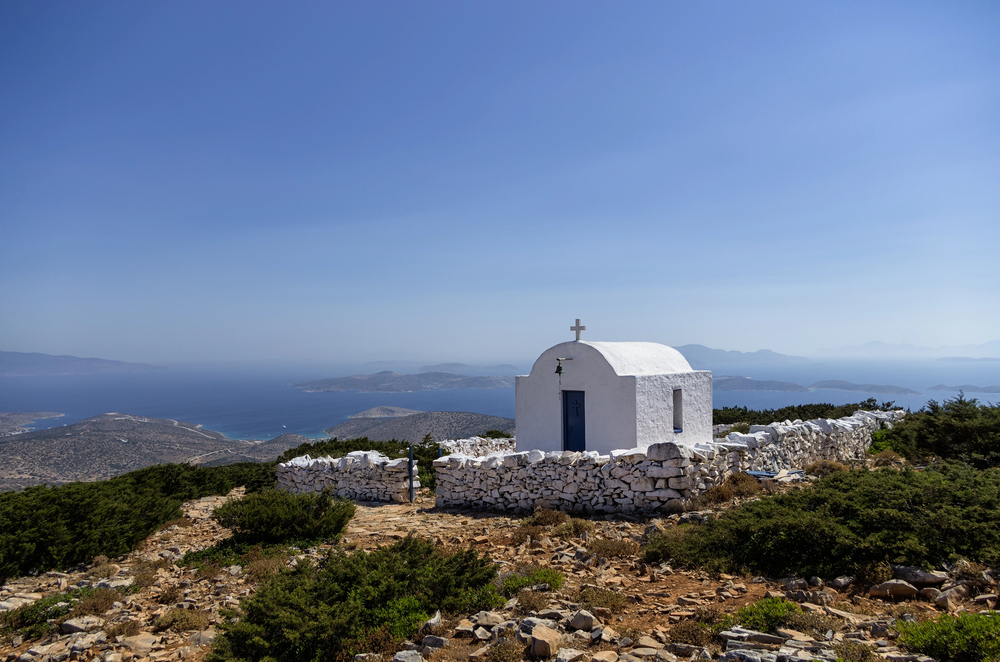
The largest of the Small Cyclades, Irakleia supports the most substantial fishing fleet in this island group. The deeper waters around the island, combined with its position in seasonal migration routes, make it particularly productive for both small-scale and slightly larger fishing operations. Local fishermen here often work in cooperation, sharing information about fish movements and sometimes combining efforts for larger catches.
The island’s main port, Agios Georgios, serves as a hub for the fishing activity of the entire Small Cyclades region, with boats from neighboring tiny islands sometimes bringing their catch here for processing or sale. This creates a vibrant morning scene where the day’s catch from multiple islands gets sorted, sold, and distributed to local restaurants and the few small markets.
Kassos
— Photo by Chiringuitos
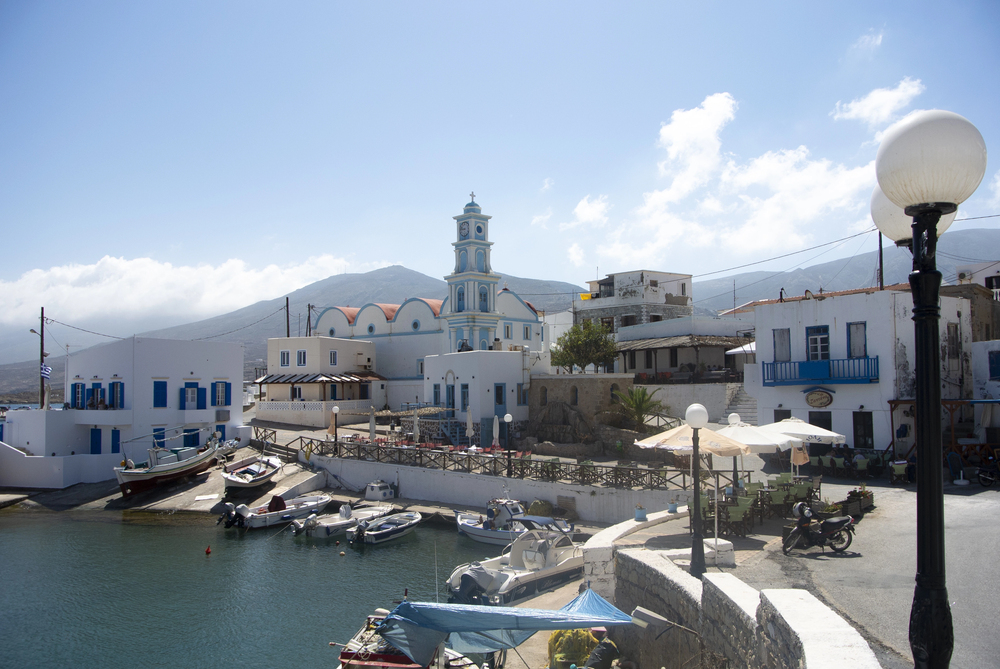
This southernmost island of the Dodecanese has maintained its fishing traditions despite being one of Greece’s more remote inhabited islands. The deep waters surrounding Kassos attract larger pelagic species, and local fishermen have developed techniques for catching tuna, swordfish, and other open-water species that require different skills than coastal fishing.
The island’s position along ancient trade routes means its fishing traditions incorporate influences from across the eastern Mediterranean, creating unique local preparations for various species. Despite having only about 1,000 residents, Kassos supports an active fleet that works some of the richest waters in the southern Aegean. The island’s relative isolation means that fishing remains economically important rather than just culturally significant.
Kea
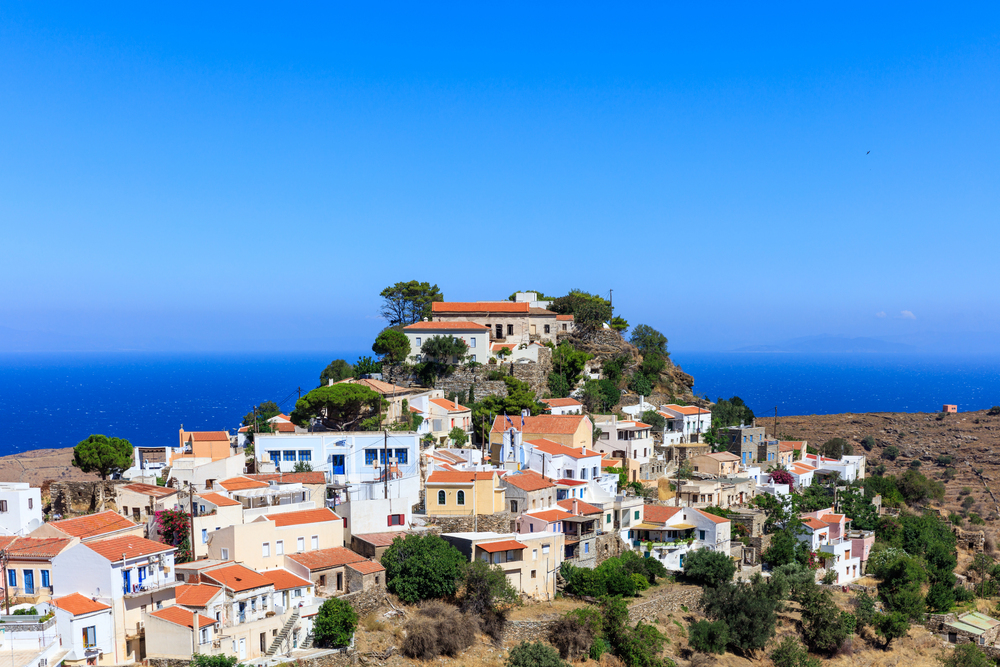
Also known as Tzia, this island, closest to Athens, maintains active fishing despite its proximity to urban markets and weekend tourism. Local fishermen here have found a niche supplying high-end restaurants in Athens with same-day catches, creating a direct economic connection between traditional fishing and modern culinary demands.
The island’s varied coastline — from sandy bays to rocky headlands — supports diverse fish populations, allowing local boats to target different species depending on market demand and seasonal availability. Kea’s fishing community has successfully adapted to changing times while maintaining traditional methods, creating a model that other islands study and sometimes emulate. The morning catch often gets divided between local tavernas and fast boats heading to Athenian fish markets, ensuring that traditional fishing remains economically viable.
Kythnos
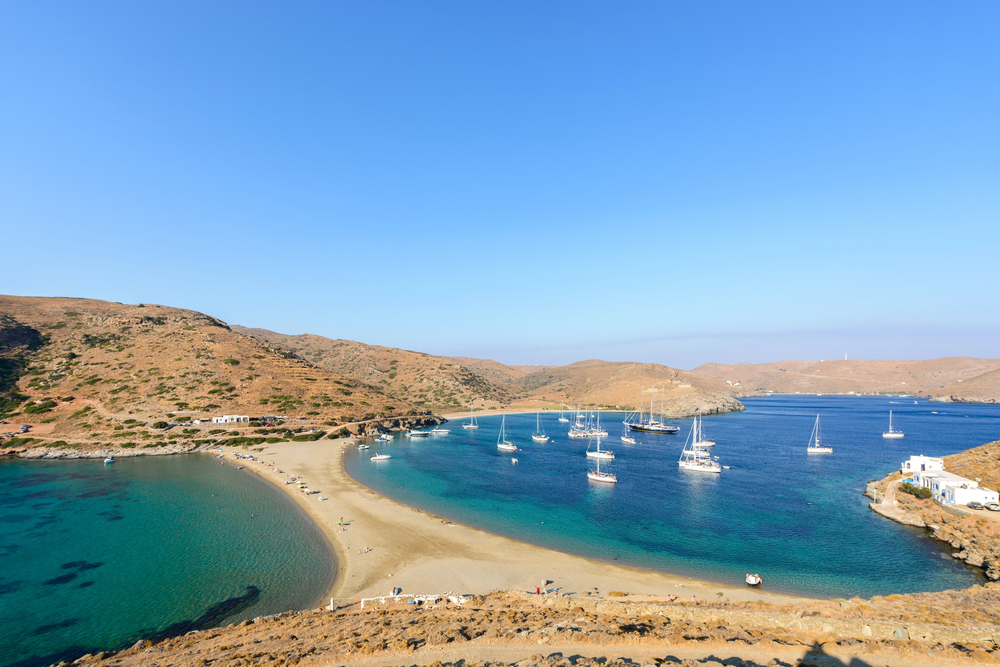
This thermal spring island maintains a fishing fleet that takes advantage of the unique underwater conditions created by its geological activity. The warm water vents around the island create microenvironments that attract unusual species and support higher fish populations than might be expected around such a small landmass.
Local fishermen have learned to work with these conditions, timing their efforts to take advantage of the feeding patterns that develop around the thermal areas. The island’s fishing traditions blend practical knowledge with an almost scientific understanding of how underwater geology affects marine life. Kythnos restaurants often feature species that are uncommon elsewhere, prepared using techniques developed specifically for fish that thrive in mineral-rich thermal waters.
Serifos
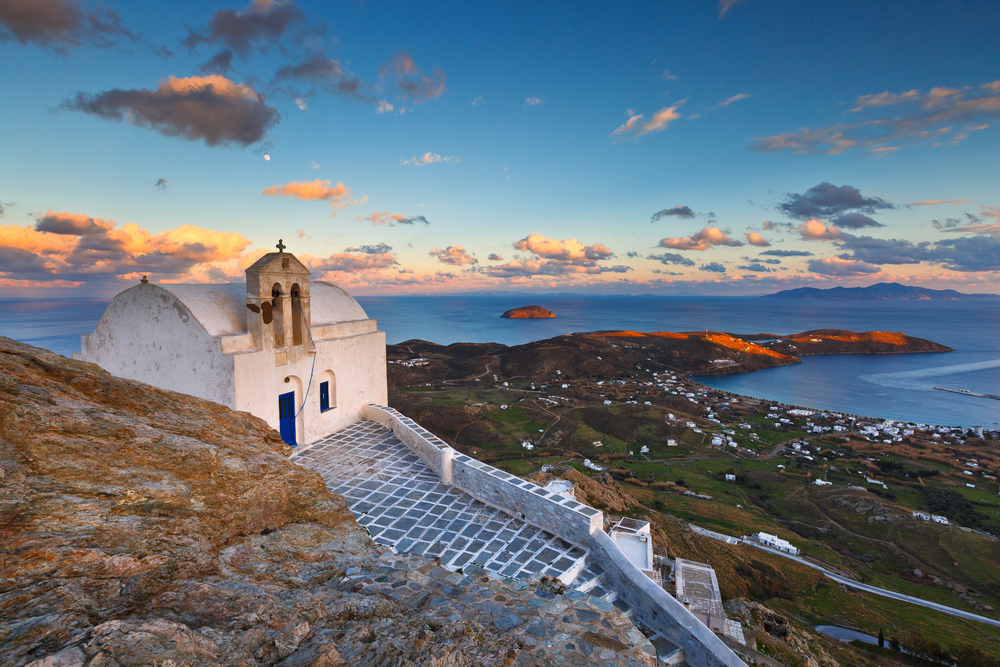
Known for its mining history, Serifos has transitioned back to traditional occupations including fishing as the mines have closed. The island’s rugged coastline creates numerous small protected bays that serve as perfect nurseries for young fish, making the surrounding waters particularly productive.
Local fishermen work these small bays with traditional methods that don’t disturb the breeding areas, ensuring sustainable catches year after year. The contrast between the island’s industrial past and its current fishing culture creates an interesting dynamic — former miners’ families have returned to the sea, bringing a work ethic shaped by industrial discipline to traditional fishing methods. This combination has created one of the more efficiently run small-scale fishing operations in the Cyclades.
Antiparos
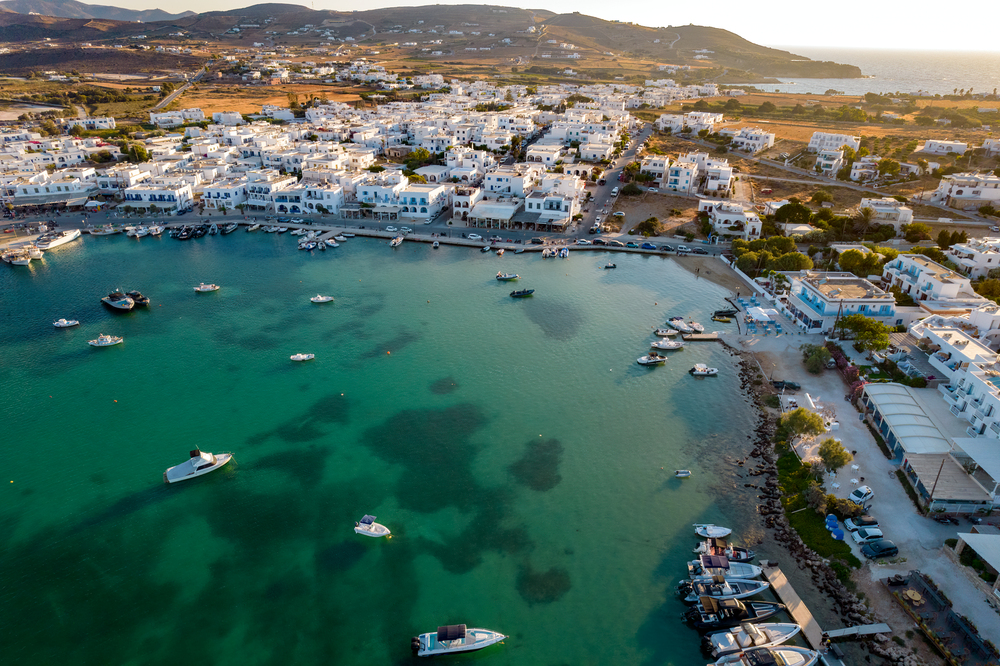
Despite being connected to Paros by a short ferry ride, Antiparos maintains its own distinct fishing identity. The channel between the two islands creates unique current patterns that attract fish and require specialized local knowledge to navigate effectively.
Antiparos fishermen have developed techniques specifically adapted to these challenging but productive waters, often working in coordination with tides and currents that change throughout the day. The island’s growing reputation as a quiet alternative to busier Paros has created demand for high-quality local seafood, supporting the fishing community’s transition to more specialized, higher-value catches. Local restaurants pride themselves on featuring fish caught in the distinctive waters between the two islands, often prepared using recipes that have been adapted specifically for species that thrive in this unique marine environment.
Nets Still Thrown at Dawn
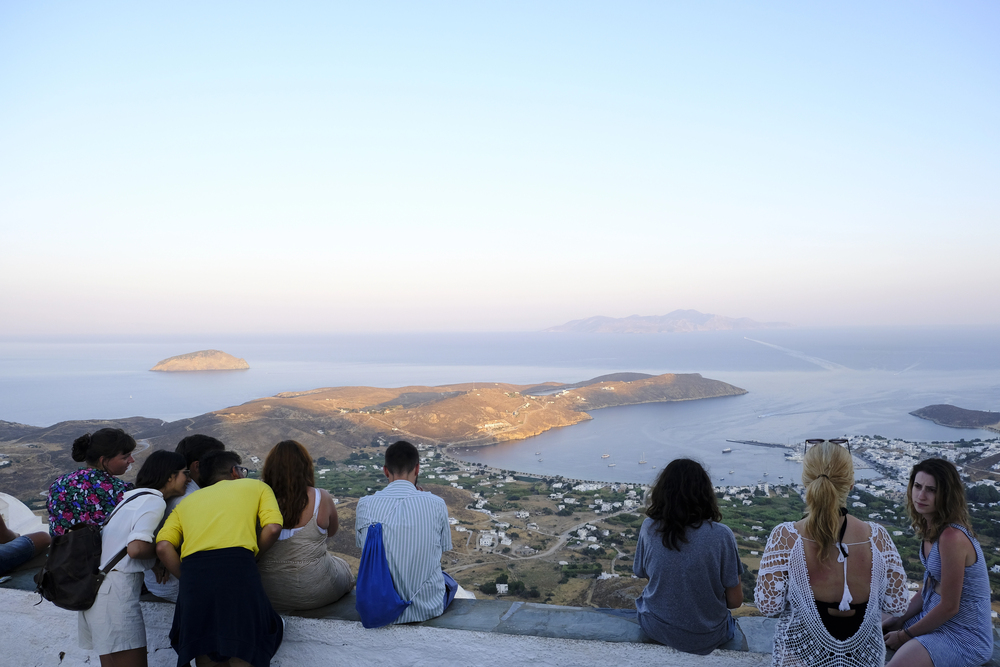
— Photo by Ale_Mi
These sixteen islands prove that traditional fishing doesn’t have to be a museum piece or tourist attraction. From the sponge divers of Kalymnos who’ve worked the same waters for millennia to the small-boat fishermen of the remote Small Cyclades, these communities have found ways to adapt ancient practices to modern realities.
They’ve embraced new markets while maintaining old methods, welcomed visitors while preserving their working culture, and most importantly, they’ve kept their connection to the sea as something real and necessary rather than merely nostalgic. The morning departure of fishing boats from these harbors isn’t a show put on for tourists – it’s the continuation of a way of life that has sustained island communities since people first learned to read the wind and follow the fish.
More from Travel Pug

- Underrated Italian Towns That Beat the Tourist Crowds
- Las Vegas Tourist Traps to Skip
- Prettiest Towns in Every US State
- 18 passport-free countries for Americans
- Signs Your Cruise Is Not Worth The Cost
Like Travel Pug’s content? Follow us on MSN.