

Croatia’s coastline sparkles with over 1,000 islands, but most travelers flock to the same handful of famous spots. While Hvar and Split deal with cruise ship crowds and inflated prices, dozens of equally stunning islands remain refreshingly quiet. These hidden gems offer the same crystal-clear waters and charming villages, just without the selfie sticks and tour buses.
The secret to enjoying Croatia lies in venturing beyond the postcard favorites. Here is a list of 17 Croatian islands that deliver authentic Mediterranean magic without the tourist chaos.
Vis
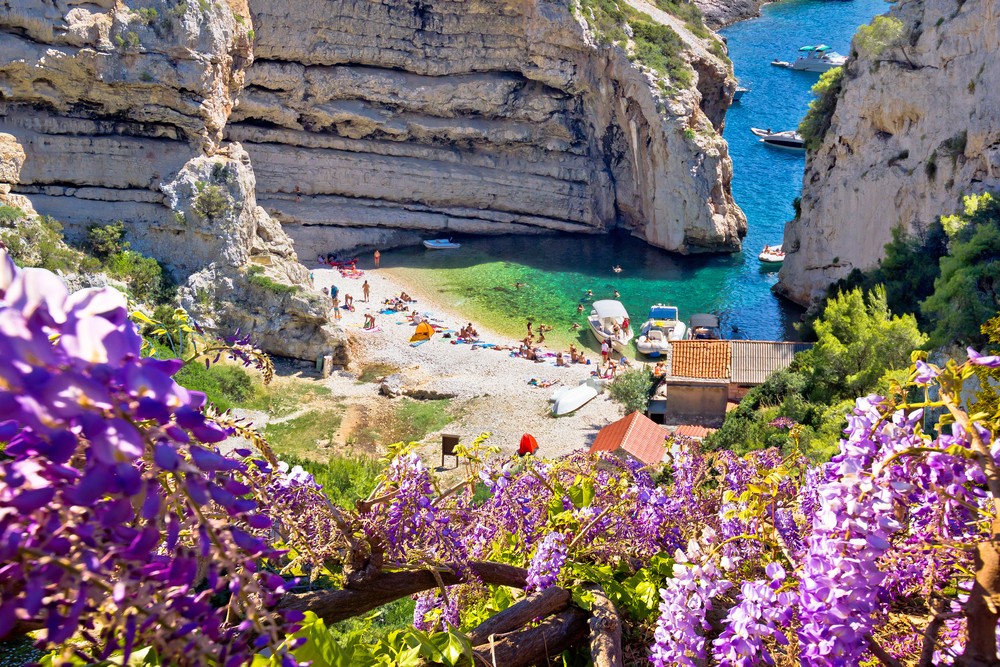
Vis stayed off-limits to foreigners until 1989 due to its military importance, which accidentally preserved its authentic character. The island feels like stepping back in time, with stone houses that haven’t been converted into souvenir shops and locals who still fish for a living rather than posing for photos. You’ll find excellent wines here, particularly the indigenous Vugava white that grows nowhere else in the world. The island’s two main towns, Vis and Komiža, offer genuine Croatian culture without the tourist theater.
Lastovo
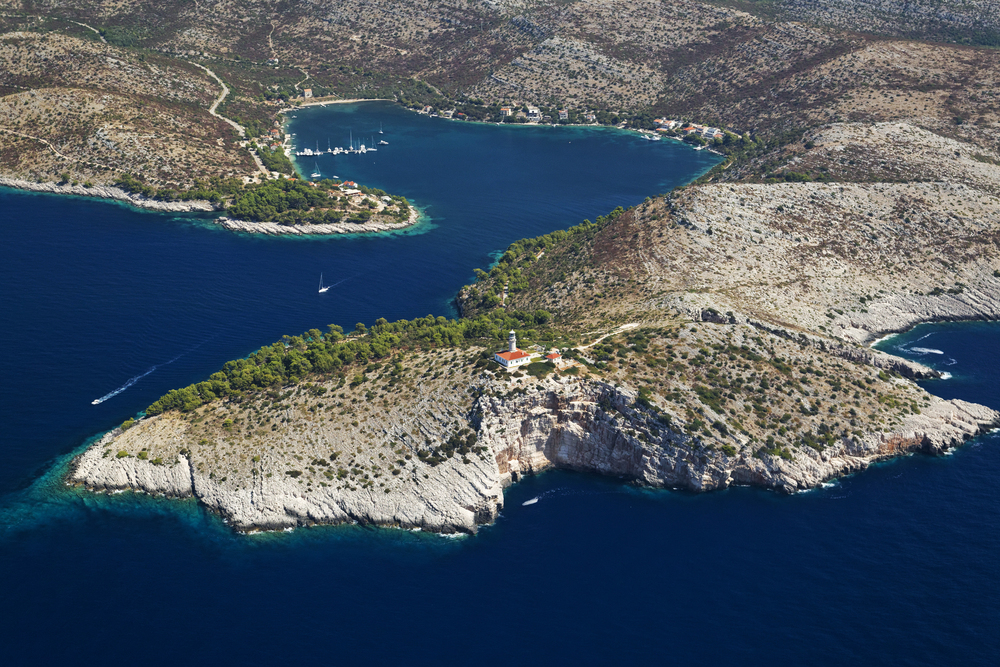
Getting to Lastovo requires some planning since ferries only run a few times per week, but this remoteness keeps the crowds away. The island earned UNESCO Biosphere Reserve status, which means development stays limited and nature stays wild. Lastovo’s main village sits inland in a valley, an unusual setup that locals chose centuries ago to hide from pirates. The island produces some of Croatia’s best olive oil, and you can actually meet the families who’ve been making it for generations.
Prvić
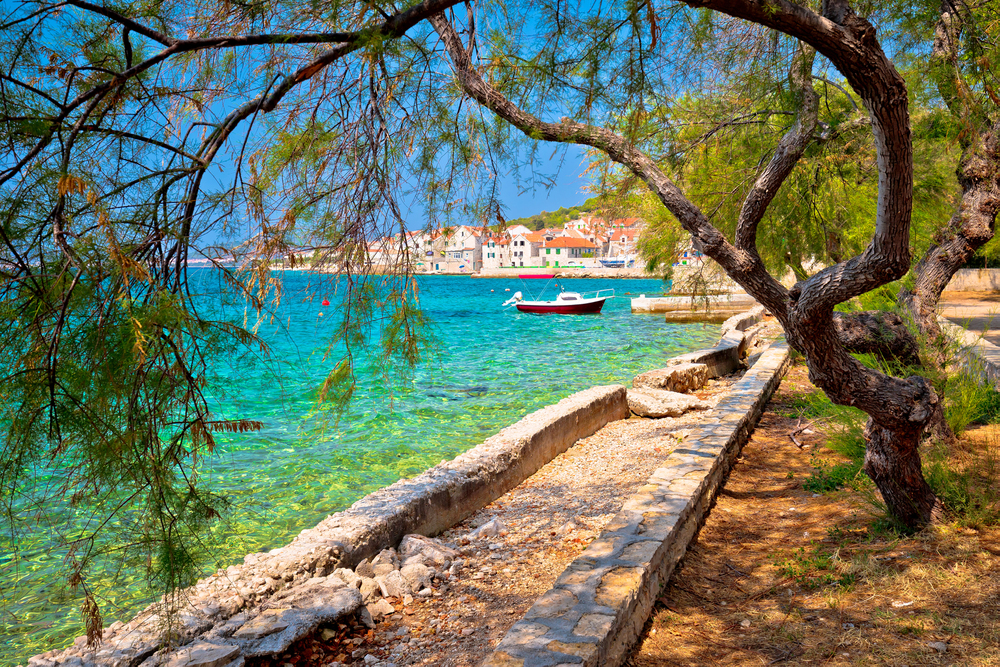
This tiny island near Šibenik operates without cars, creating a peaceful atmosphere that’s increasingly rare in today’s world. The island spans just 2.4 square miles, making it perfect for lazy afternoon walks between olive groves and lavender fields. Prvić is famous as the birthplace of Faust Vrančić, a Renaissance inventor who designed one of the first parachutes. The island’s two villages, Prvić Luka and Šepurine, feel like outdoor museums where people actually live and work.
Silba
— Photo by HappyWindow
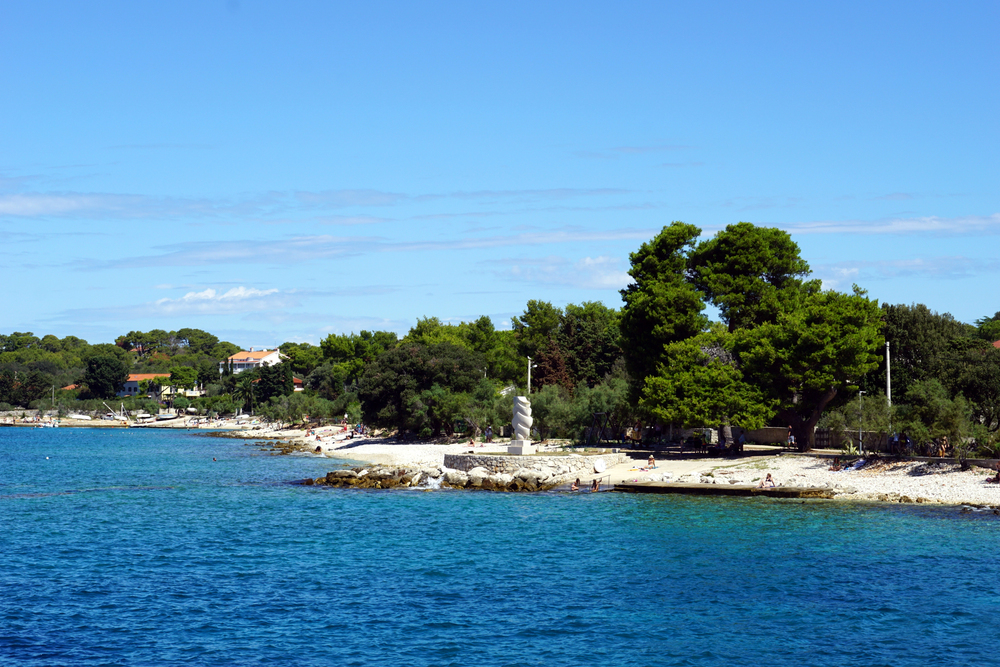
Silba banned cars decades ago, and the decision transformed the island into a haven for pedestrians and cyclists. The island attracts a younger crowd than most Croatian destinations, partly because accommodation tends toward affordable apartments rather than luxury resorts. Silba’s beaches include both sandy stretches and rocky coves, giving visitors options whether they want to build sandcastles or explore underwater caves. The island’s shape resembles a boomerang, creating interesting microclimates where you can find sheltered spots even on windy days.
Susak
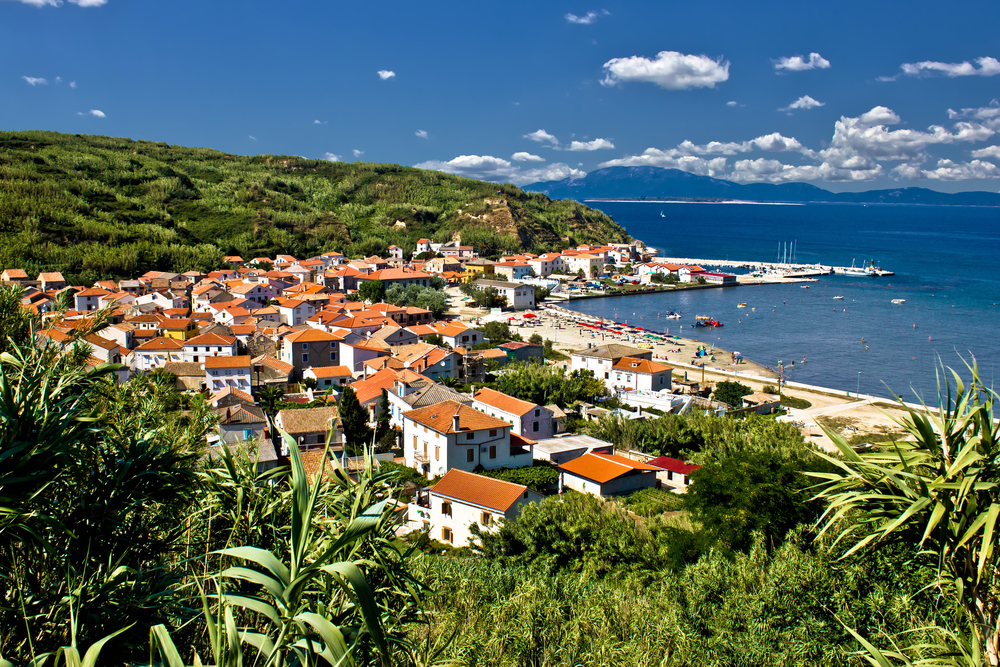
Susak stands out immediately because it’s made of sand rather than the typical Croatian limestone, creating beaches that feel more Caribbean than Adriatic. The island’s unique geology supports different plants than you’ll find elsewhere in Croatia, including some species that exist nowhere else. Susak’s traditional folk costumes are among the most colorful in Croatia, featuring intricate embroidery that takes months to complete. The island’s small size means you can walk anywhere in 20 minutes, but most visitors find themselves slowing down to match the laid-back local pace.
Zlarin
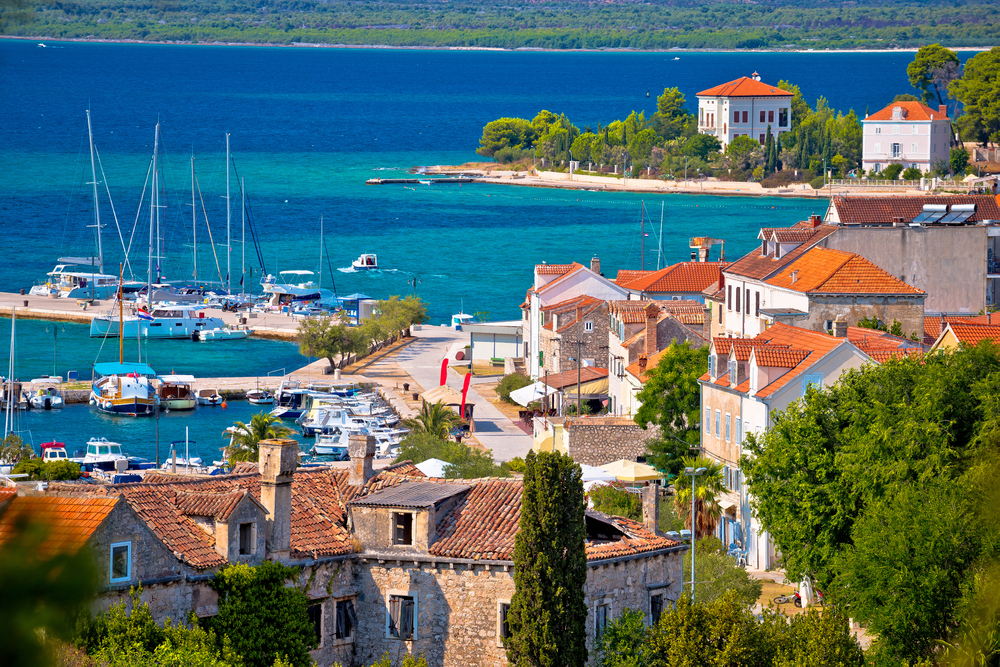
Zlarin bills itself as Croatia’s first plastic-free island, and the commitment to sustainability attracts environmentally conscious travelers. The island has a centuries-old tradition of coral diving and jewelry making, skills that local artisans still practice today. Zlarin’s beaches tend toward smaller, intimate coves rather than long stretches of sand, perfect for couples seeking romantic hideaways. The island’s pine forests provide welcome shade during hot summer afternoons, and the paths through them lead to viewpoints with panoramic sea views.
Šolta
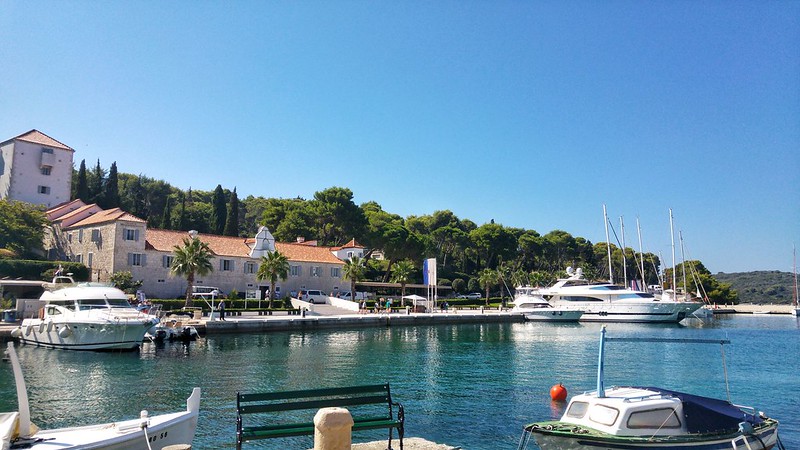
Šolta sits just 45 minutes by ferry from Split, yet it feels worlds away from the city’s hustle and bustle. The island specializes in olive oil production, and you can visit family-run farms where they’ll explain the difference between early and late harvest oils. Šolta’s villages spread across the interior rather than clustering on the coast, giving the island a rural feel that’s become rare in tourist-heavy Croatia. The island’s honey carries a protected designation of origin, and local beekeepers often invite visitors to learn about traditional hive management.
Molat
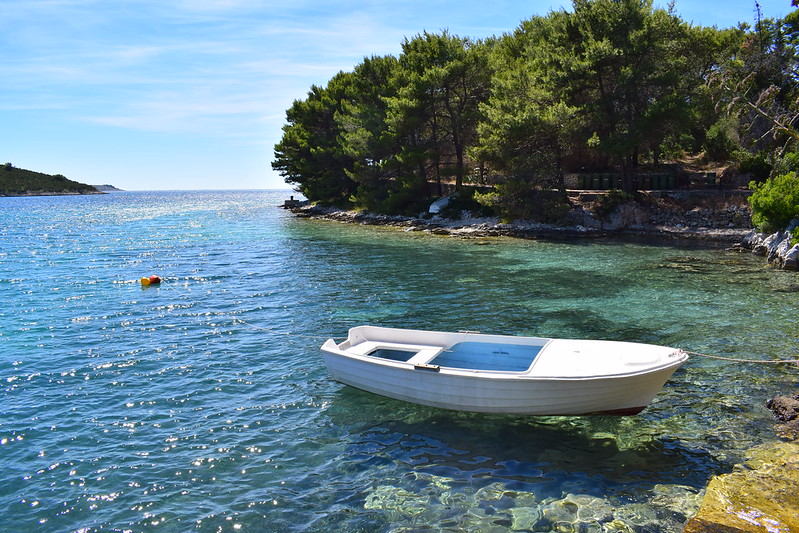
Molat consists of several connected islands that create a landscape of hidden bays and secluded beaches. The main village, Zapuntel, maintains the feel of a working fishing community rather than a tourist destination. Molat’s position in the northern Adriatic gives it slightly different weather patterns than southern islands, often providing clear skies when storms hit elsewhere. The island’s lack of major development means that night skies stay dark enough for serious stargazing — something that’s increasingly difficult to find near populated areas.
Ugljan
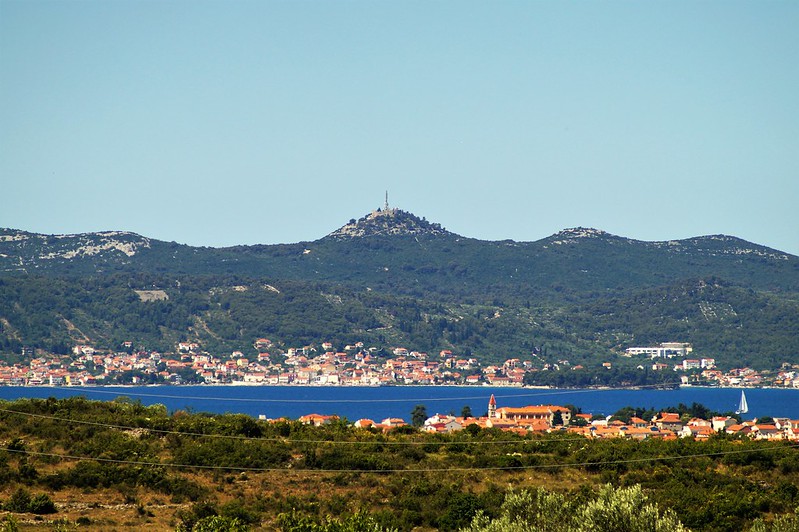
Ugljan earned the nickname ‘Zagreb’s Island’ because so many residents of Croatia’s capital own weekend houses here, but it remains surprisingly uncrowded most of the time. The island offers more hiking trails than most Croatian islands, including routes that lead to ancient ruins and abandoned villages. Ugljan’s olive groves produce oils that regularly win international competitions, and several producers offer tastings that rival anything you’d find in Tuscany. The island’s proximity to Zadar makes it accessible, but its size ensures you can always find quiet corners.
Pašman
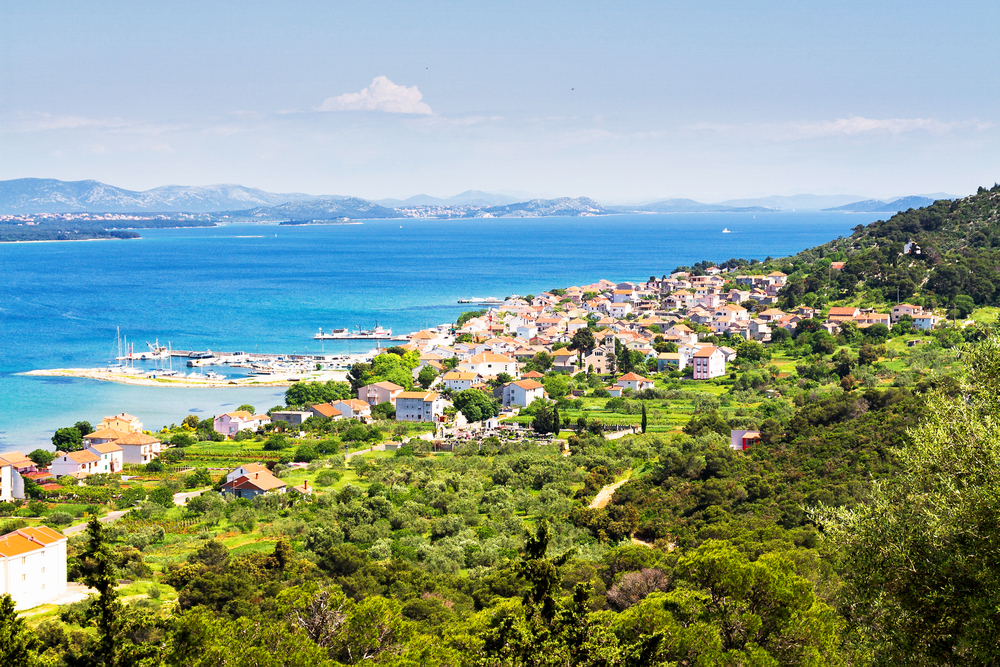
Pašman connects to Ugljan by bridge, but it maintains a distinctly different character focused more on agriculture than fishing. The island grows some of Croatia’s best figs, and late summer visits coincide with harvest season when locals sell fresh fruit at roadside stands. Pašman’s beaches include both sandy and rocky options, with the sandy stretch at Tkon being particularly popular with families. The island’s Benedictine monastery dates back to the 12th century and still houses an active community of monks who welcome respectful visitors.
Dugi Otok
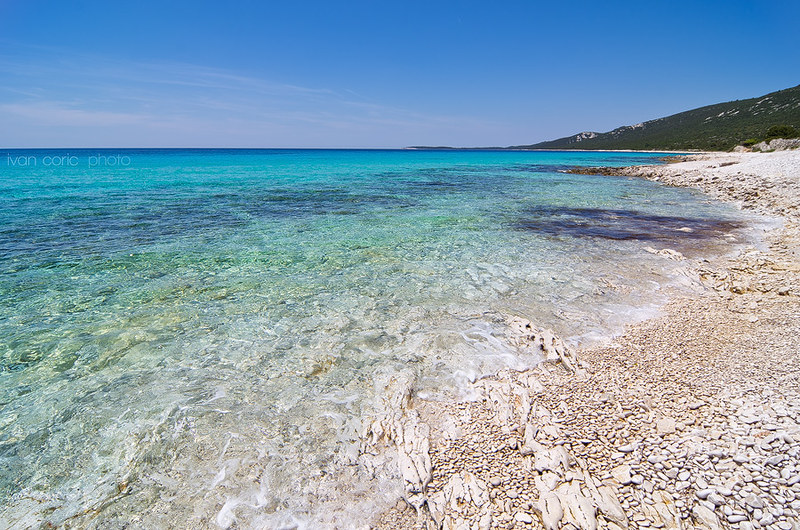
Dugi Otok translates to ‘Long Island,’ and at 28 miles in length, it lives up to its name. The island’s Telašćica Nature Park protects some of the most dramatic coastline in Croatia, including cliffs that drop 200 feet straight into the sea. Dugi Otok’s salt lake, Mir, sits just 100 feet from the ocean but contains different salinity levels, creating a unique ecosystem. The island produces excellent wine despite challenging growing conditions, and local vintners have developed techniques that other Mediterranean regions study and copy.
Iž
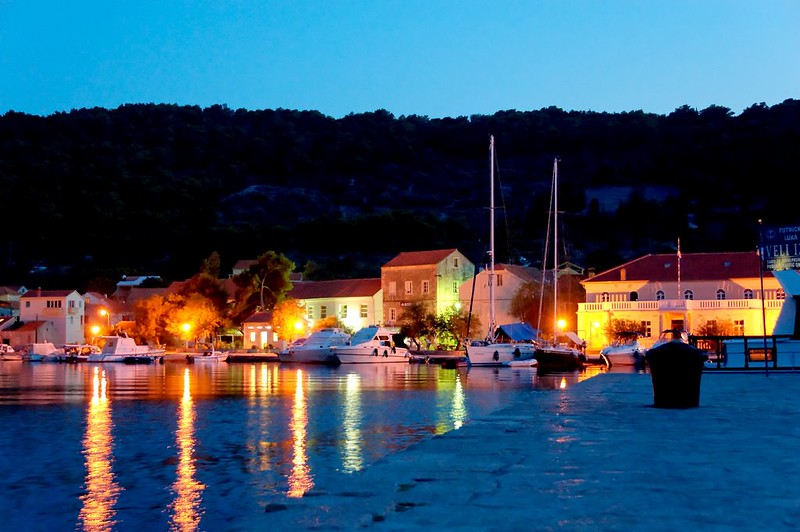
Iž splits into two villages, Veli Iž and Mali Iž, connected by a road that passes through some of Croatia’s most productive farmland. The island supplies fresh produce to restaurants throughout the region, and visitors can often buy vegetables directly from the gardens where they grew. Iž’s beaches stay relatively empty even in peak season, partly because the island doesn’t have large hotels or organized tour groups. The island’s fishing fleet still uses traditional methods, and early morning visits to the harbor reveal scenes that haven’t changed much in decades.
Rava
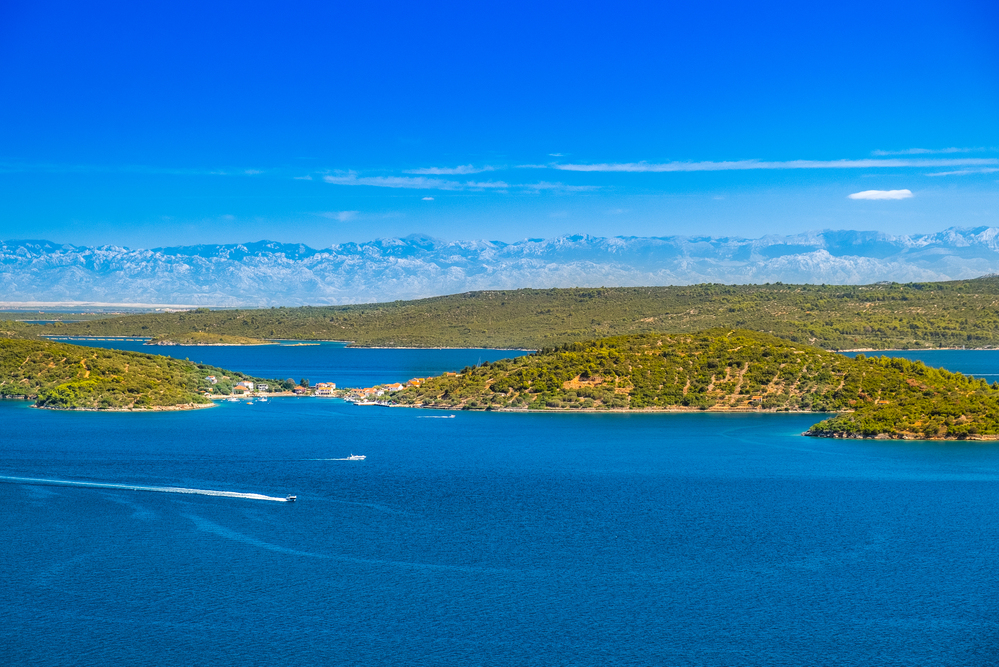
Rava houses only about 100 permanent residents, making it one of Croatia’s least populated inhabited islands. The island’s economy relies primarily on sheep farming, and the animals roam freely across landscapes that look more like Greek islands than typical Croatian terrain. Rava’s isolation has preserved traditional building techniques, and the stone houses use methods that date back centuries. The island’s single restaurant operates seasonally and serves whatever the owner catches or grows, creating menus that change daily based on what’s available.
Sestrunj
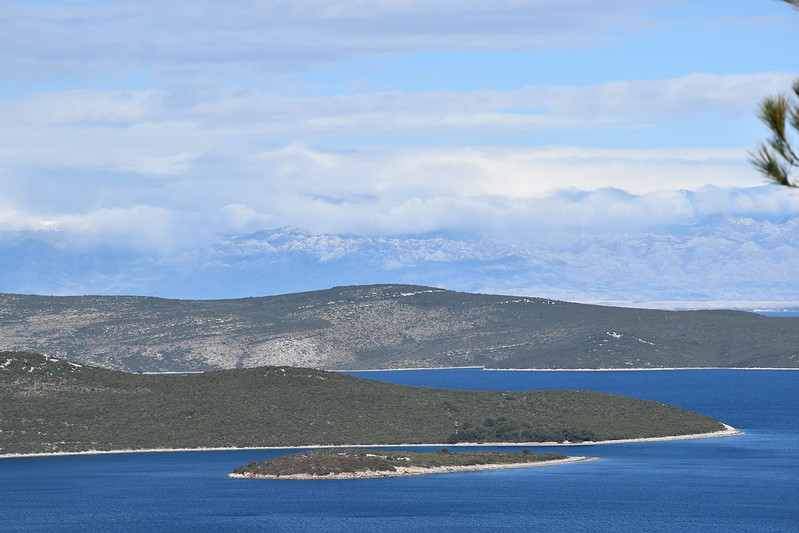
Sestrunj attracts visitors seeking complete disconnection from modern life, as the island has limited internet and mobile coverage. The island’s economy centers around fishing and small-scale agriculture, providing glimpses of how coastal Croatia functioned before tourism became dominant. Sestrunj’s beaches consist mainly of pebbles and rocks, creating crystal-clear water that’s perfect for snorkeling and underwater photography. The island’s hiking trails lead through abandoned terraces where previous generations grew grapes and olives, now slowly returning to wild Mediterranean scrubland.
Rivanj
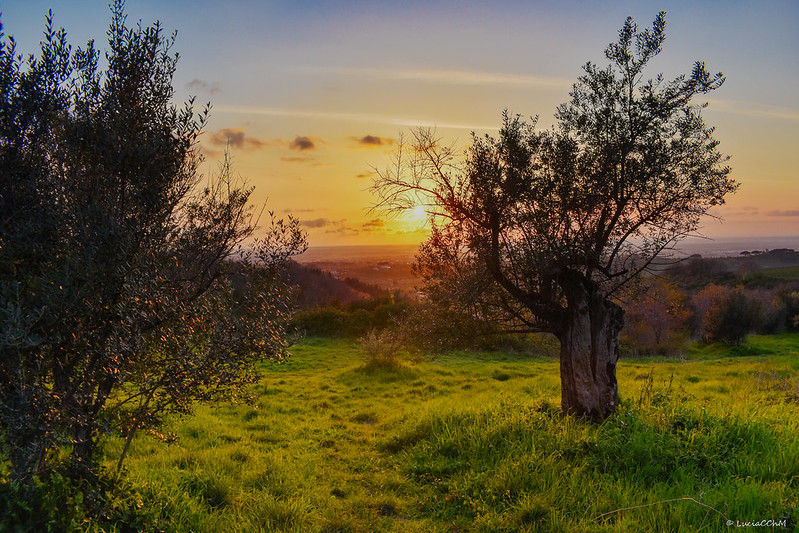
Rivanj measures just 1.4 square miles, making it possible to explore the entire island on foot in a single day. The island’s compact size created a close-knit community where everyone knows everyone, and visitors often find themselves invited to family celebrations or local festivals. Rivanj’s olive trees include some specimens that are over 500 years old, still producing fruit despite their advanced age. The island’s location in the Zadar archipelago provides easy access to other islands, making it a good base for island-hopping adventures.
Zverinac
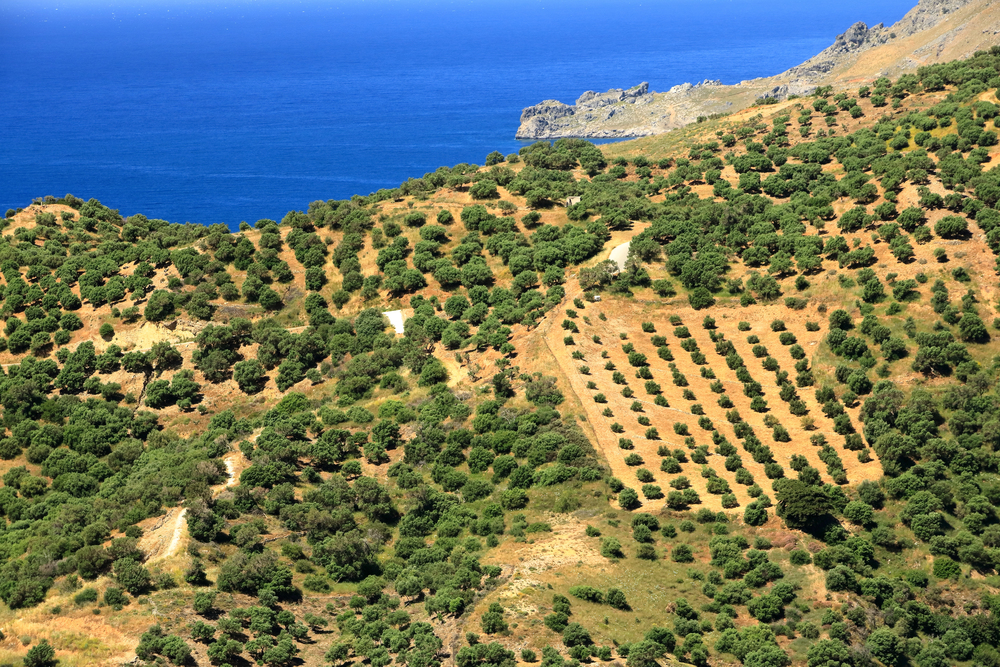
Zverinac earned its name from the Croatian word for ‘game,’ reflecting the island’s history as a hunting preserve for Venetian nobles. Today, the island supports a small community focused on fishing and olive cultivation, maintaining traditions that have sustained the population for generations. Zverinac’s beaches tend toward smaller, protected coves that stay calm even when winds create waves elsewhere. The island’s church contains artwork dating back to the 15th century, including frescoes that survived centuries of weather and warfare.
Premuda
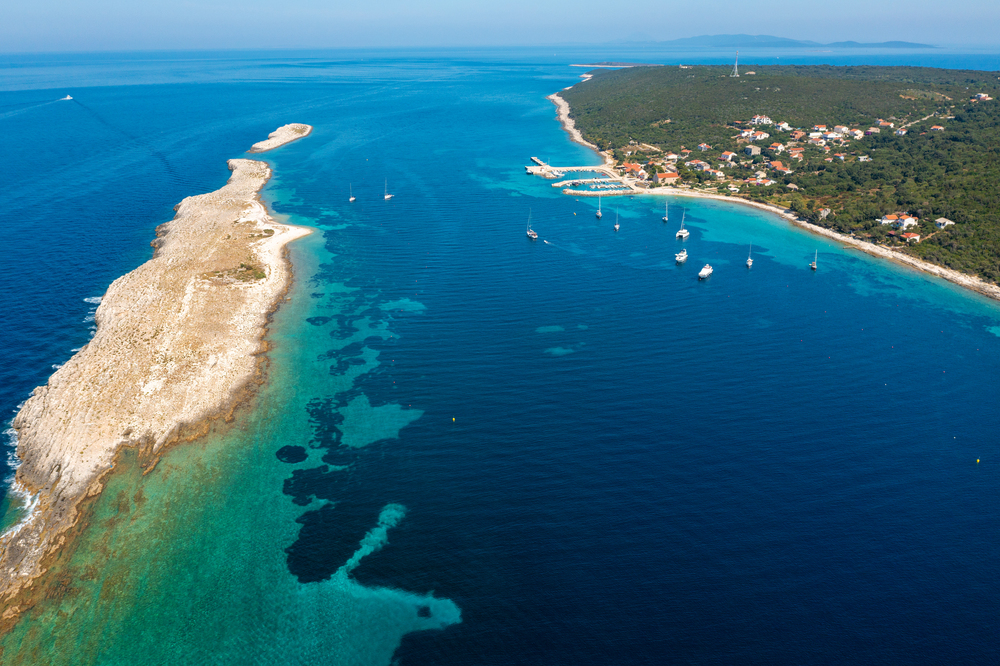
Premuda played a significant role in World War I naval battles, and remnants of that history still dot the landscape in the form of bunkers and fortifications. The island’s dramatic cliffs and hidden caves created perfect hiding spots for submarines and patrol boats during various conflicts. Premuda’s population peaked at over 300 residents in the early 1900s but now hosts fewer than 50 permanent inhabitants. The island’s isolation has preserved traditional fishing techniques, and local fishermen still use methods their grandfathers taught them.
Forgotten Gems in Plain Sight
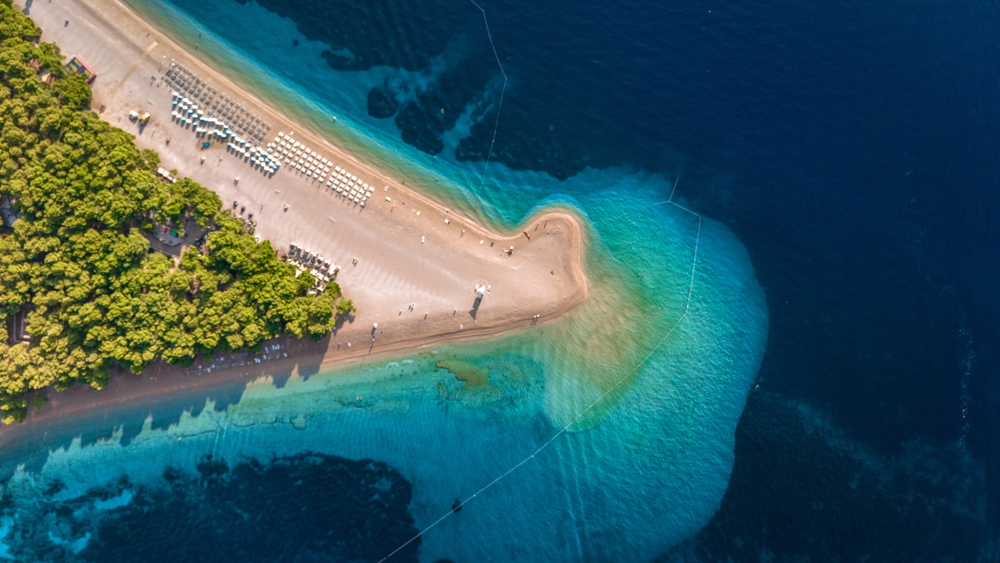
These Croatian islands prove that the best experiences often happen away from the beaten path. While popular destinations struggle with overtourism and rising prices, these quieter alternatives offer the same natural beauty with authentic local culture still intact. Each island maintains its own personality shaped by geography, history, and the people who chose to stay rather than chase opportunities elsewhere. The challenge lies not in finding these places, but in keeping them as special as they are today.
More from Travel Pug

- Underrated Italian Towns That Beat the Tourist Crowds
- Las Vegas Tourist Traps to Skip
- Prettiest Towns in Every US State
- 18 passport-free countries for Americans
- Signs Your Cruise Is Not Worth The Cost
Like Travel Pug’s content? Follow us on MSN.